Things to do in Oslo
Oslo's landmarks showcase bold modern architecture alongside historical treasures, from the striking Opera House to the medieval Akershus Fortress, reflecting Norway's journey from Viking heritage to contemporary innovation.
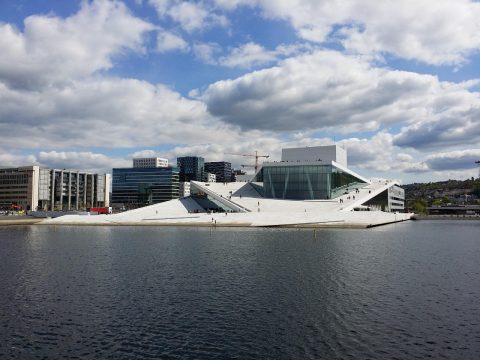
The Oslo Opera House is an architectural masterpiece that resembles an iceberg rising from the fjord. Visitors can walk on its sloping marble roof for spectacular 360-degree views of Oslo and the Oslofjord. Home to the Norwegian National Opera and Ballet, the building's interior features warm oak walls and a striking wave-wall auditorium. The plaza around the opera house is perfect for strolling, and the building is particularly beautiful at sunset when it glows against the water.
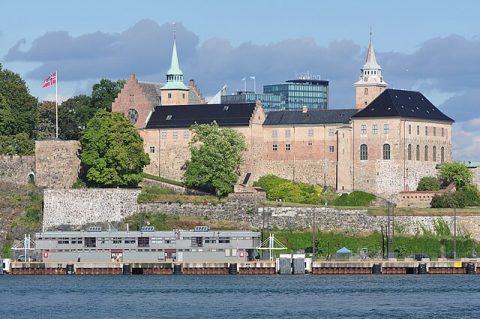
Built in the late 1290s, Akershus Fortress is a medieval castle and fortress that has protected Oslo for over 700 years. The complex includes the Renaissance castle, museums, and ceremonial grounds. Visitors can explore the fortress grounds for free, walk along the ramparts with stunning fjord views, and visit the Norwegian Armed Forces Museum. The fortress hosts changing of the guard ceremonies and offers insight into Norway's military history from Vikings to modern times.
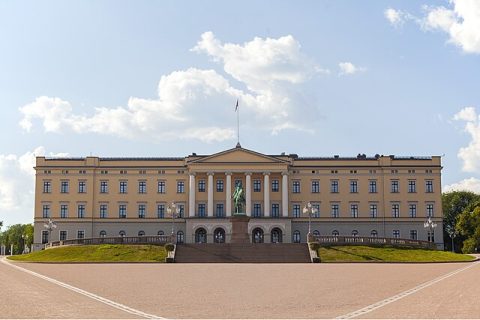
The Royal Palace serves as the official residence of Norway's royal family. Built in the first half of the 19th century, this neoclassical palace is surrounded by the beautiful Palace Park, a favorite spot for locals and visitors. The changing of the guard ceremony occurs daily at 1:30 PM. Guided tours of the palace interior are available during summer months, showcasing lavish state rooms and Norwegian art. The palace represents Norway's constitutional monarchy and democratic values.
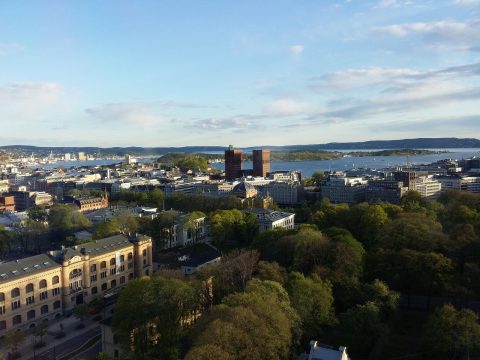
Oslo City Hall is famous worldwide as the venue for the annual Nobel Peace Prize ceremony. Completed in 1950, the building features striking brick architecture and impressive murals depicting Norwegian history, culture, and working life. The interior halls showcase works by prominent Norwegian artists. Visitors can explore the ceremonial halls, including the Main Hall with its massive murals. The building represents Norwegian democracy and social values, and admission is free.
Tips for Landmarks & Monuments
- Opera House tip: Visit at sunset for the best photos and consider attending an evening performance
- Free entry: Akershus Fortress grounds are free to explore, though museums inside charge admission
- Royal Palace tours: Book summer palace tours well in advance as they sell out quickly
- Accessibility: Most landmarks are wheelchair accessible with modern facilities
Oslo boasts world-class museums spanning Viking ships to modern art, including Norway's largest collection of Edvard Munch's works and perfectly preserved Norse vessels that capture the imagination of history enthusiasts worldwide.
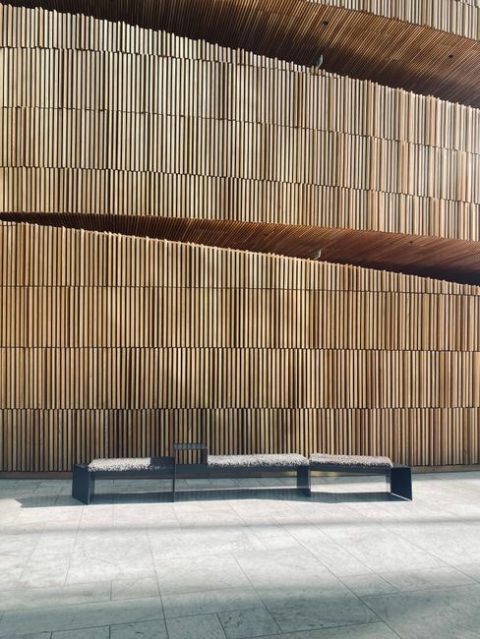
The National Museum is the largest art museum in the Nordic region, housing Norway's most extensive collection of art, architecture, and design. Opened in 2022, this magnificent building showcases Edvard Munch's 'The Scream' and other masterpieces. The collection spans from antiquity to contemporary art, including Norwegian romanticist landscapes, modernist works, and applied arts. Special exhibitions feature international artists alongside Norwegian masters. The museum offers stunning fjord views and excellent dining options.
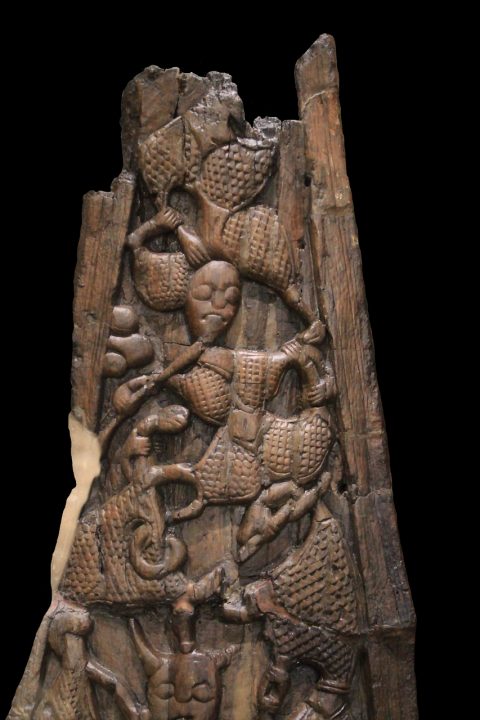
The Viking Ship Museum houses the world's best-preserved Viking ships, including the magnificent Oseberg ship from 834 AD. These vessels were excavated from burial mounds and provide extraordinary insight into Viking craftsmanship and burial customs. The museum displays artifacts buried with the ships, including sleds, carts, textiles, and everyday items. Note that the museum is currently closed for renovation with plans to reopen in a new building; check official website for updates on temporary exhibitions.
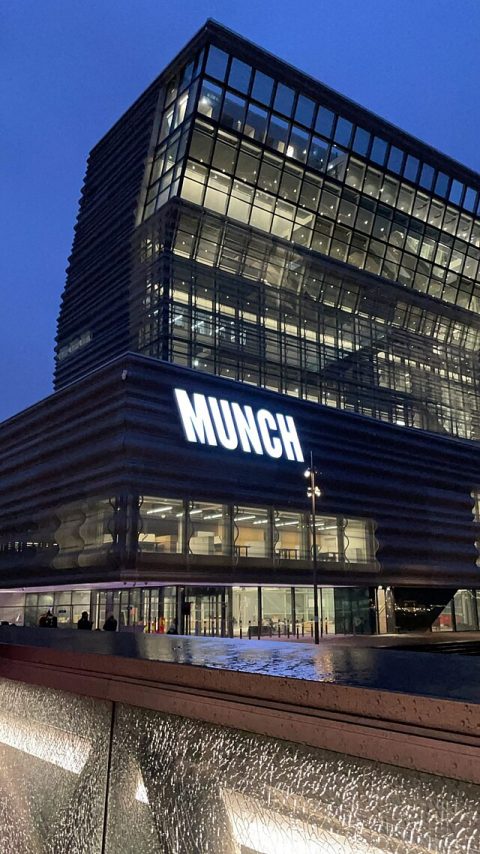
The Munch Museum contains the world's largest collection of works by Norway's most famous artist, Edvard Munch. Opened in its new waterfront location in 2021, this 13-story building displays paintings, prints, drawings, and personal effects spanning Munch's entire career. Beyond 'The Scream,' visitors discover lesser-known masterpieces and gain insight into the artist's creative process. The museum offers panoramic views from its top floors, a sculpture park, and rotating contemporary exhibitions that dialogue with Munch's legacy.
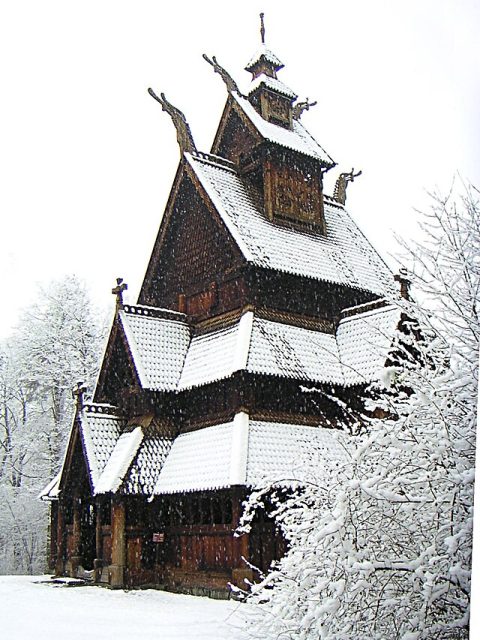
Located at Bygdøy, this open-air museum features 160 historic buildings from across Norway, including a stunning 13th-century stave church. Visitors can explore traditional houses, farms, and workshops that tell the story of Norwegian life from the Middle Ages to present. Costumed interpreters demonstrate traditional crafts and daily activities. The museum hosts seasonal celebrations of Norwegian holidays and traditions, offering authentic experiences of cultural heritage. The beautiful parkland setting makes it perfect for families.
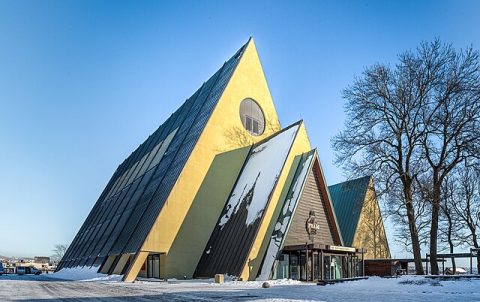
The Fram Museum houses the strongest wooden ship ever built, which carried Norwegian explorers to both polar regions. Visitors can board the original Fram vessel and explore the cramped quarters where Fridtjof Nansen and Roald Amundsen lived during their expeditions. Interactive exhibits tell thrilling stories of polar exploration, survival in extreme conditions, and scientific discovery. The museum also displays the Gjøa, the first ship to navigate the Northwest Passage. This is a must-visit for adventure and history enthusiasts.
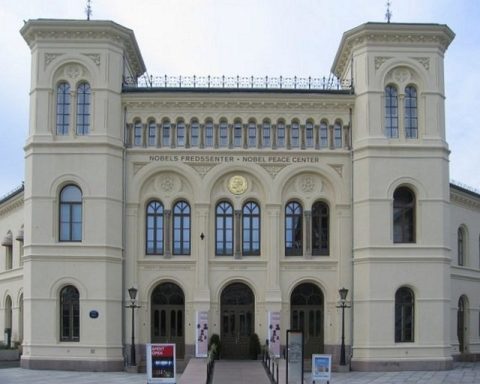
The Nobel Peace Center presents the history and legacy of the Nobel Peace Prize and its laureates. Interactive exhibitions explore themes of war, peace, conflict resolution, and human rights. The center showcases stories of prize winners and their groundbreaking work for peace. Located in a historic railway station building, it offers thought-provoking displays, temporary exhibitions on current issues, and a Nobel Field installation honoring laureates. The museum encourages visitors to reflect on their role in creating peace.
Tips for Museums & Galleries
- Museum pass: Consider the Oslo Pass for free entry to most museums and public transport
- Bygdøy museums: Plan a full day for the Bygdøy peninsula museums; they're close together and connected by ferry
- Book ahead: The National Museum and Munch Museum require advance booking, especially in summer
- Free days: Some museums offer free admission on certain days; check individual websites
- Combined tickets: Look for combination tickets for multiple museums at discounted rates
Oslo's religious architecture ranges from medieval stone churches to striking modern cathedrals, reflecting Norway's Lutheran heritage and the city's evolving spiritual landscape with beautiful stave church replicas and historic ecclesiastical buildings.
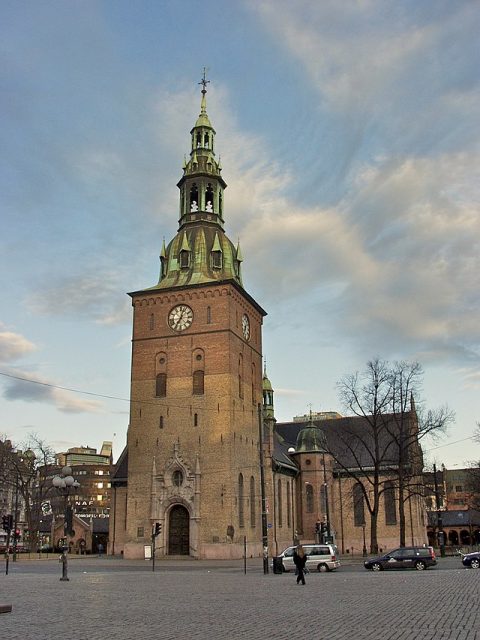
Oslo Cathedral (Oslo Domkirke) is the main church of the Church of Norway Diocese of Oslo. Built in 1694, it has been the site of royal weddings and national ceremonies. The cathedral features beautiful baroque interior with painted ceilings by Hugo Lous Mohr and stained glass windows by Emanuel Vigeland. The silver sculptures and altarpiece are particularly noteworthy. The church has played a central role in Norwegian history and continues to serve the community. Free entry makes it accessible to all visitors.
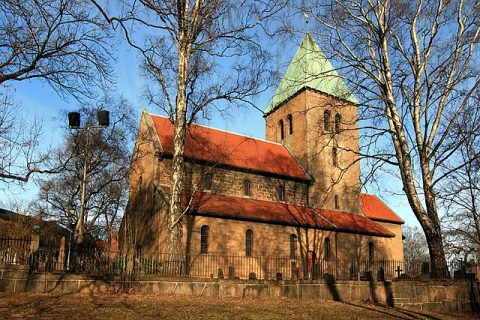
Old Aker Church is Oslo's oldest surviving building, dating from around 1080. This Romanesque stone church has served the community for nearly a thousand years. The church features original medieval stone walls, a baroque pulpit from 1715, and beautiful stained glass windows. The surrounding cemetery contains graves dating back centuries. Located in a charming residential neighborhood, the church offers a peaceful atmosphere and represents Oslo's medieval past. It remains an active parish church with regular services.
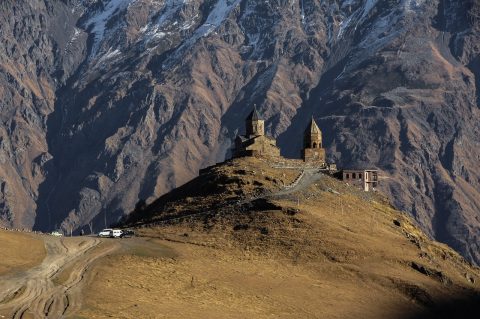
Trinity Church is a large octagonal church built in 1858, known for its distinctive neo-gothic architecture. The church features impressive organ concerts and has excellent acoustics. Its central location near the Royal Palace makes it easily accessible. The interior showcases beautiful woodwork and religious art. Trinity Church is an active congregation and cultural venue, hosting concerts and events throughout the year. The church represents 19th-century Norwegian ecclesiastical architecture and remains an important landmark in Oslo's cityscape.
Tips for Religious Sites
- Respectful visiting: Dress modestly and maintain quiet when visiting active churches
- Service times: Check service schedules if you want to experience Norwegian Lutheran worship
- Free entry: Most churches are free to visit, with donations welcomed
- Concerts: Many churches host classical music concerts; check schedules for evening performances
Oslo is one of Europe's greenest capitals, with vast forests, waterfront promenades, and stunning sculpture parks. The city offers unparalleled access to nature, from the famous Vigeland installation to hiking trails minutes from downtown.
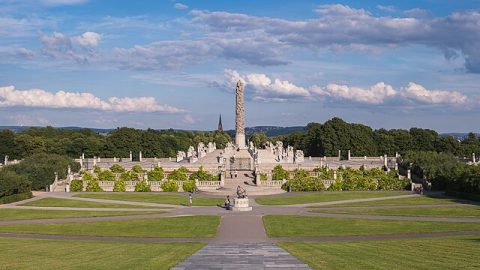
Vigeland Sculpture Park is the world's largest sculpture park created by a single artist, featuring over 200 bronze, granite, and wrought iron sculptures by Gustav Vigeland. The park's centerpiece is the 14-meter tall Monolith, carved from a single granite block depicting 121 human figures. The iconic 'Angry Boy' statue and the fountain complex are also must-sees. Set within Frogner Park, it's free to visit year-round. The sculptures explore human emotions and life cycles, creating a profound artistic experience in beautiful park surroundings.
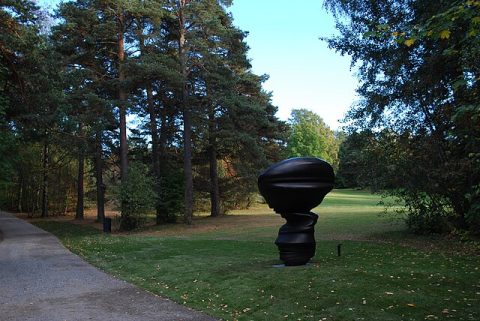
Ekebergparken combines contemporary sculpture with panoramic city and fjord views. This hillside park features works by renowned artists including Salvador Dalí, Marina Abramović, and Louise Bourgeois. The park has historical significance with ancient burial mounds and Iron Age settlements. Well-marked trails lead through forest and meadows, passing sculptures that dialogue with nature. The viewing platform offers Oslo's best panorama. Free admission and accessible year-round, it's popular for both art appreciation and hiking. The park restaurant serves Nordic cuisine with views.
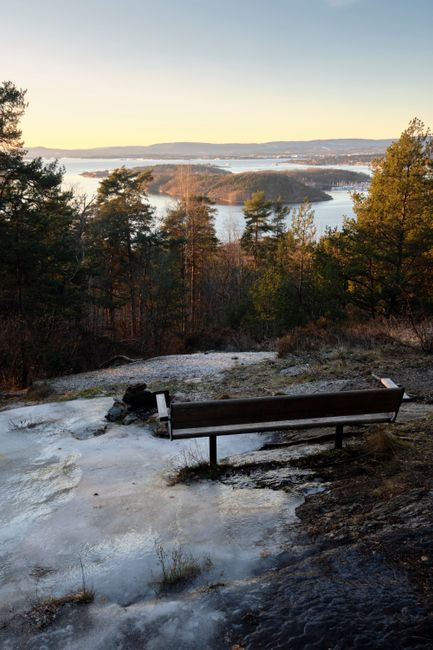
Bygdøy Peninsula offers beaches, forests, and museums in a beautiful waterfront setting. This recreational area is home to several of Oslo's top museums (Viking Ship, Fram, Norwegian Folk Museum) as well as popular swimming beaches like Huk and Paradisbukta. Walking and cycling paths wind through forests and along the coast. The peninsula provides a perfect escape from the city center while remaining easily accessible by ferry or bus. It's ideal for combining museum visits with outdoor activities and beach relaxation.
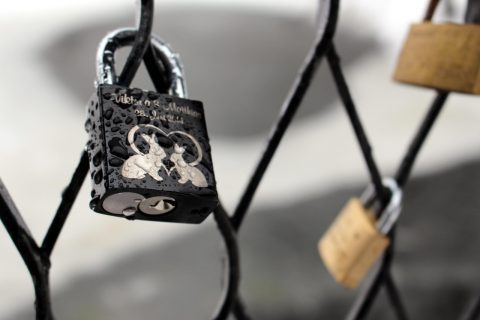
Frogner Park is Oslo's largest park, encompassing the Vigeland Sculpture Park and offering extensive recreational facilities. Beyond the sculptures, the park features the historic Frogner Manor, a large playground, Oslo's largest open-air swimming pool, tennis courts, and vast lawns perfect for picnics. The park's rose garden blooms beautifully in summer. Well-maintained paths make it ideal for walking, jogging, and cycling. Locals gather here year-round for sports, relaxation, and social activities. It's a wonderful place to experience Oslo's outdoor lifestyle.
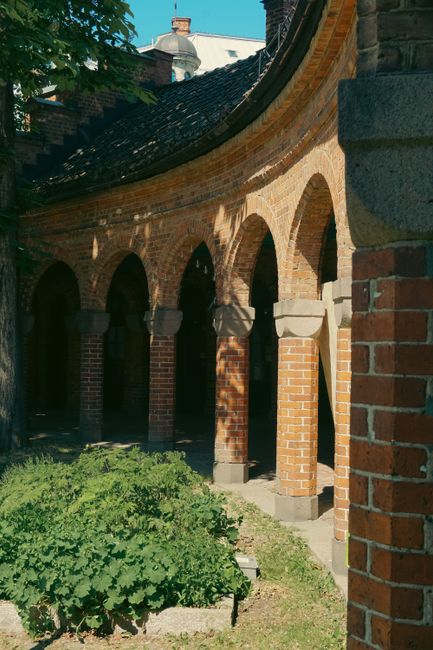
The Oslo Botanical Garden showcases plant collections from around the world across 6.5 hectares. Established in 1814, it features systematic gardens, rock gardens, and aromatic plants. The greenhouses display tropical and subtropical plants, including palms, cacti, and orchids. The garden serves as both a research facility and peaceful retreat. Visitors can explore thematic sections including medicinal plants, Norwegian flora, and historical botanical collections. The Palm House café offers refreshments in a Victorian greenhouse setting. Free admission makes it accessible to all.
Tips for Parks & Gardens
- Best seasons: Visit parks from May to September for full bloom and warmest weather
- Winter activities: Many parks offer cross-country skiing in winter months
- Picnics: Parks are perfect for picnics; buy supplies from local markets
- Free WiFi: Many parks offer free internet access
- Swimming: Bygdøy beaches are popular in summer; bring towels and swimwear
Oslo's diverse neighborhoods each offer distinct character and atmosphere, from the trendy boutiques of Grünerløkka to the waterfront renewal of Tjuvholmen, showcasing the city's blend of historic charm and contemporary urban design.
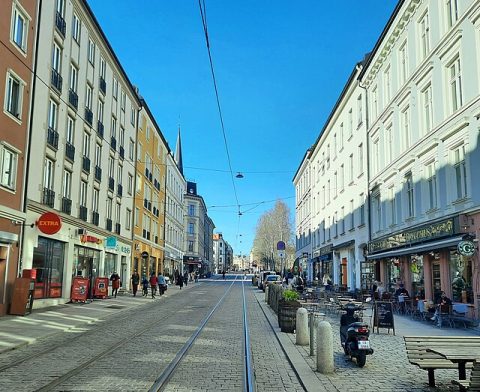
Grünerløkka is Oslo's trendiest neighborhood, known for its bohemian atmosphere, vintage shops, and café culture. This former working-class district has transformed into a creative hub with street art, independent boutiques, and innovative restaurants. Markveien street offers the best shopping and dining. The Akerselva river runs through the neighborhood with scenic walking paths and waterfalls. Grünerløkka hosts flea markets on weekends and features Oslo's most diverse nightlife. It's the perfect area for experiencing local lifestyle, people-watching, and finding unique souvenirs.
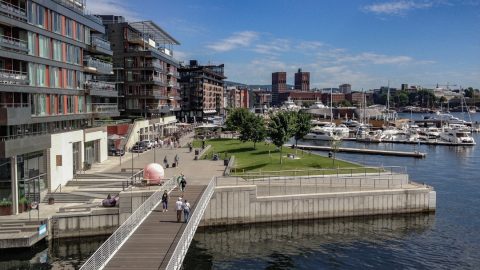
Aker Brygge and Tjuvholmen form Oslo's modern waterfront district with upscale dining, contemporary art, and architectural landmarks. This former shipyard area features boardwalks, marinas, and the Astrup Fearnley Museum of Modern Art. Dozens of restaurants offer outdoor seating with fjord views, perfect for summer evenings. The district combines shopping, galleries, and residential buildings in striking modern design. It's Oslo's most expensive real estate and a symbol of the city's transformation. Great for strolling, dining, and experiencing contemporary Oslo lifestyle.

Karl Johans Gate is Oslo's main street, stretching from Oslo Central Station to the Royal Palace. This pedestrian boulevard features shops, restaurants, historic buildings, and street performers. Key landmarks along the street include the Parliament, National Theatre, and the University of Oslo. The street represents Oslo's heart, hosting national celebrations and protests. It's always bustling with both locals and tourists. Lined with both international chains and local establishments, it offers convenient shopping and dining. Perfect for orientation and understanding Oslo's layout.
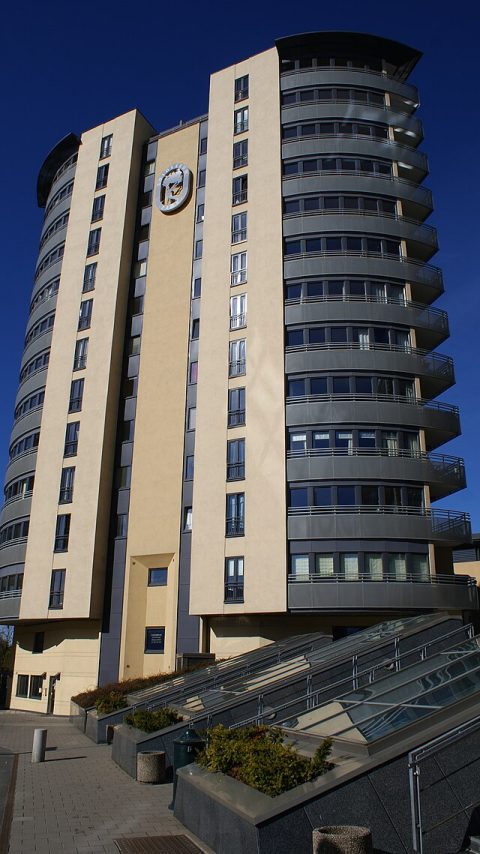
Majorstuen is an upscale neighborhood offering high-end shopping and elegant residential streets. Bogstadveien street features fashion boutiques, design stores, and quality restaurants. The neighborhood serves as a gateway to Frogner Park and Vigeland Sculpture Park. Its location makes it convenient for both cultural attractions and shopping. The area has a refined atmosphere with beautiful turn-of-the-century buildings. Majorstuen represents Oslo's affluent side with excellent public transport connections and diverse dining options from casual cafés to fine dining establishments.
Tips for Neighborhoods & Districts
- Local vibe: Visit Grünerløkka on weekend mornings for flea markets and brunch spots
- Waterfront dining: Aker Brygge is pricey but offers beautiful sunset views over the fjord
- Shopping: Karl Johans Gate for mainstream brands, Grünerløkka for unique vintage finds
- Public transport: All neighborhoods are easily accessible by tram or metro
Experience Oslo through guided tours, fjord cruises, and outdoor adventures that showcase the city's natural beauty and cultural heritage, from leisurely boat trips to challenging hikes with spectacular views.
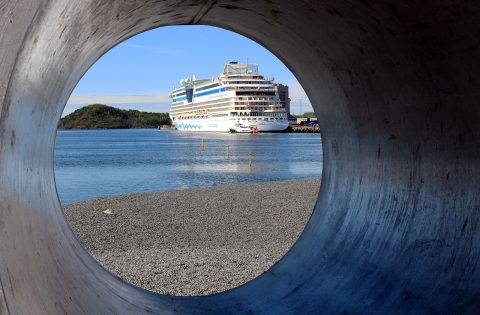
Fjord cruises offer the best way to appreciate Oslo's stunning waterfront location. Tours typically pass islands, beaches, and historic sites while providing commentary on Oslo's history and development. Various options include short 1-2 hour sightseeing cruises, lunch and dinner cruises, and full-day excursions to southern fjord destinations. Spring and summer offer the most pleasant weather, though winter cruises provide unique perspectives. Boats depart from City Hall Pier. This activity is perfect for all ages and provides excellent photo opportunities of Oslo's skyline.
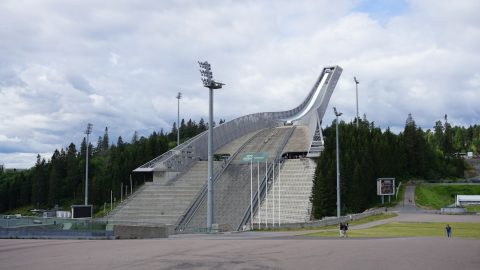
Holmenkollen is one of the world's most famous ski jumping hills, hosting World Cup events and the 1952 Winter Olympics. The ski museum is the oldest of its kind globally, tracing 4,000 years of skiing history. Visitors can take the elevator to the top of the jump for breathtaking views of Oslo and the fjord, standing where Olympic athletes launch themselves into the air. The simulator offers the experience of a ski jump. Accessible by metro, Holmenkollen combines sports history, stunning views, and Norwegian skiing culture in one iconic location.
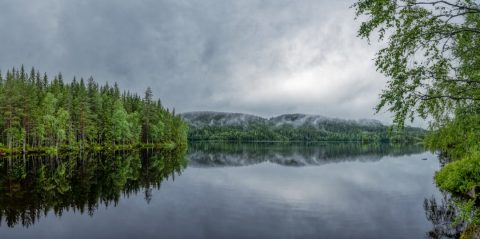
Nordmarka is Oslo's vast forest area offering hundreds of kilometers of marked trails for hiking and cross-country skiing. Just 30 minutes from downtown by metro, this wilderness provides cabin rentals, lakes for swimming, and year-round outdoor activities. Popular destinations include Sognsvann Lake (easy lakeside walk), Tryvannstårnet tower (panoramic views), and Ullevålseter cabin (traditional Norwegian waffles). The forest is an integral part of Oslo life, demonstrating Norwegians' connection to nature. Well-maintained trails suit all fitness levels. Winter transforms Nordmarka into a cross-country skiing paradise.
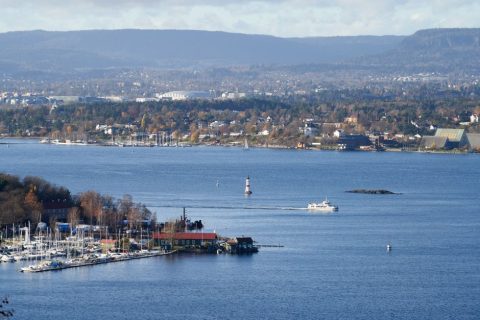
The Oslofjord islands offer beaches, hiking, and historic sites accessible by public ferry. Popular islands include Hovedøya (medieval monastery ruins, beaches), Langøyene (Oslo's best beach, nude bathing area), and Gressholmen (bird sanctuary, café). Ferries run regularly from City Hall Pier spring through autumn, with Oslo Pass covering the cost. Each island has distinct character - some developed with facilities, others wild and natural. Perfect for picnics, swimming, sunbathing, and escaping the city. The islands showcase Oslo's unique urban-nature integration.
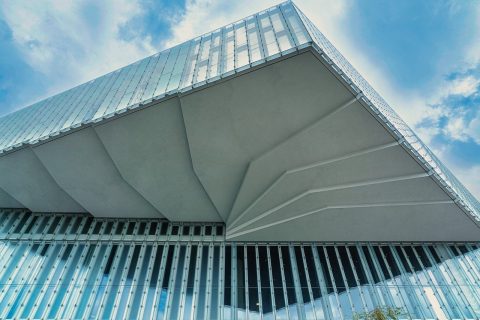
Guided walking tours provide expert insights into Oslo's history, architecture, and culture. Options include free walking tours (tip-based), themed tours (Viking history, WWII, street art), food tours sampling Norwegian cuisine, and ghost walks exploring dark history. Tours typically last 2-3 hours and cover major downtown attractions. Professional guides share stories and answer questions, making history come alive. Evening tours offer different perspectives with illuminated landmarks. Walking tours are excellent for first-time visitors to orient themselves and make the most of limited time. Book through established tour companies for quality experiences.
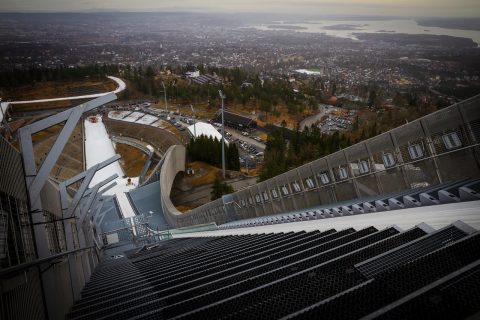
Oslo Winter Park (formerly Tryvann) offers downhill skiing and snowboarding just 20 minutes from downtown by metro. With 18 slopes, terrain parks, and night skiing, it's one of the world's most accessible urban ski resorts. The season typically runs November through April depending on snow conditions. Equipment rentals and ski schools available on-site. The location provides stunning city views while skiing. Perfect for families and those wanting to experience Norwegian skiing culture without traveling far. The Tryvannstårnet observation tower at the top offers panoramic views year-round.
Tips for Tours & Activities
- Fjord cruises: Book early in peak season (June-August); dress warmly even in summer
- Right to roam: Norway's 'allemannsretten' allows free access to nature; respect the environment
- Hiking preparation: Bring water, snacks, and weather-appropriate clothing; conditions change quickly
- Ferry schedules: Island ferries run frequently in summer but reduce in winter; check schedules
- Winter activities: Skiing equipment can be rented in the city; cross-country skiing is free in Nordmarka
Oslo's strategic location enables excellent day trips to Norwegian fjords, medieval towns, and natural wonders, offering deeper exploration of Norway's landscapes and cultural heritage within easy reach of the capital.
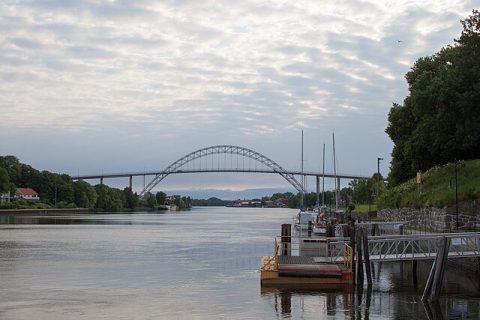
Fredrikstad boasts the best-preserved fortress town in Scandinavia. The Gamlebyen (Old Town) features cobblestone streets, drawbridges, and complete fortification walls dating from 1663. Visitors can walk the ramparts, explore artisan workshops, and visit museums within historic buildings. The town offers boat trips, cafés in converted warehouses, and scenic waterfront. Located 90 minutes from Oslo by train, it's perfect for history enthusiasts. The contrast between the old fortress and modern Fredrikstad across the river illustrates Norwegian urban development through centuries.
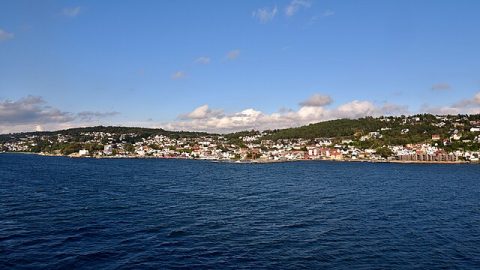
Drøbak is a picturesque coastal town on the Oslofjord, known as Norway's Christmas town. The charming wooden houses, narrow streets, and waterfront make it perfect for leisurely strolling. Highlights include the Christmas House (open year-round), Oscarsborg Fortress (where German cruiser Blücher was sunk in WWII), and numerous galleries and craft shops. The town offers excellent seafood restaurants and swimming beaches. Accessible by bus or boat from Oslo in under an hour, Drøbak provides authentic small-town Norwegian atmosphere. Visit during summer for the best weather and winter for Christmas markets.
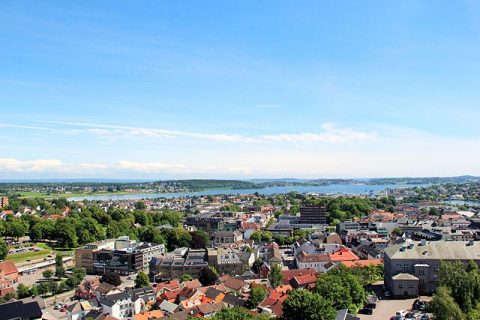
Tønsberg is Norway's oldest town, founded before 871 AD. The Slottsfjellet tower provides panoramic views from the ruins of a 13th-century castle. The town offers maritime museums, charming waterfront, and Viking history. Nearby Nøtterøy and Tjøme islands feature beaches and coastal scenery. Tønsberg combines historical significance with modern amenities and excellent seafood restaurants. Located 1.5 hours from Oslo by train, it's ideal for history buffs interested in Viking-age Norway. The whaling museum and historic shipyards tell stories of Norway's maritime heritage. Summer is the best visiting season.
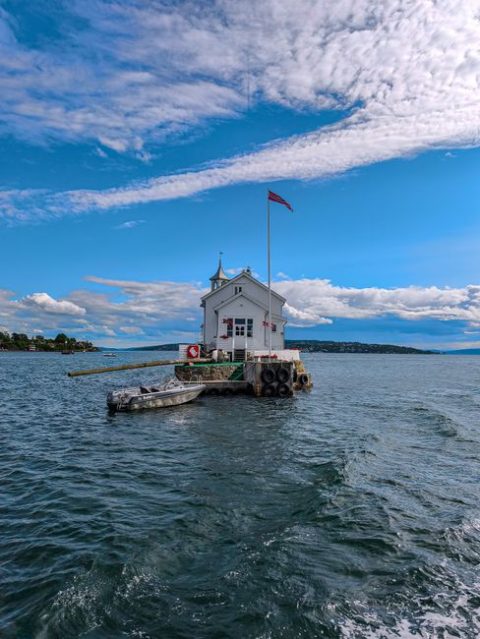
Hankø is a small island resort destination offering beaches, golf, and relaxed coastal atmosphere. Popular with wealthy Oslo residents since the 1920s, it features grand wooden villas, a championship golf course, and excellent sailing waters. The island can be reached by car or train plus bus (2 hours from Oslo). Beautiful walking trails circumnavigate the island with sea views. The historic Hankø Hotel provides dining and accommodation. Perfect for summer day trips seeking beach relaxation and scenic coastal landscapes. Less touristy than other destinations, it offers authentic Norwegian summer culture.
Tips for Day Trips & Excursions
- Train travel: Norwegian trains are comfortable and scenic; book in advance for discounts
- Summer preference: Most day trips are best enjoyed May-September when weather is pleasant
- Pack essentials: Bring layers, rain gear, and comfortable walking shoes regardless of forecast
- Local food: Try fresh seafood in coastal towns; fish markets offer excellent quality
- Early starts: Leave Oslo early morning to maximize daylight, especially for distant destinations
Real, highly-rated Restaurants in Oslo, sourced from Google Places (rating above 4★).

Hos Thea is a highly-rated restaurant in Oslo, rated 4.8★ from 545 reviews. Located at Gabels gate 11, 0272 Oslo, Norway.
Opening Hours
- Monday: 5:00 – 11:00 PM
- Tuesday: 5:00 – 11:00 PM
- Wednesday: 5:00 – 11:00 PM
- Thursday: 5:00 – 11:00 PM
- Friday: 5:00 – 11:00 PM
- Saturday: 5:00 – 11:00 PM
- Sunday: Closed

Statholdergaarden is a highly-rated restaurant in Oslo, rated 4.8★ from 564 reviews. Located at Rådhusgata 11, 0151 Oslo, Norway.
Opening Hours
- Monday: 6:00 PM – 12:00 AM
- Tuesday: 6:00 PM – 12:00 AM
- Wednesday: 6:00 PM – 12:00 AM
- Thursday: 6:00 PM – 12:00 AM
- Friday: 6:00 PM – 12:00 AM
- Saturday: 6:00 PM – 12:00 AM
- Sunday: Closed

LuLu is a highly-rated restaurant in Oslo, rated 4.8★ from 445 reviews. Located at Youngs gate 7, 0181 Oslo, Norway.
Opening Hours
- Monday: Closed
- Tuesday: 5:00 – 11:30 PM
- Wednesday: 5:00 – 11:30 PM
- Thursday: 5:00 – 11:30 PM
- Friday: 5:00 PM – 12:30 AM
- Saturday: 5:00 PM – 12:30 AM
- Sunday: Closed
Explore Oslo on the Map
Seasonal Guide to Oslo
Summer (June-August): Peak tourist season with the best weather and longest days. Temperatures range 15-25°C (59-77°F). All attractions open with extended hours. Perfect for outdoor activities, fjord cruises, and island hopping. Expect crowds and higher prices. The sun barely sets in June/July, offering nearly 24-hour daylight.
Spring (April-May): Beautiful season with blooming flowers and pleasant temperatures (8-18°C/46-64°F). Fewer tourists mean lower prices and easier access to attractions. Parks come alive with greenery. Perfect balance of good weather and manageable crowds. National Day (May 17) offers unique cultural experience.
Autumn (September-October): Gorgeous fall foliage in forests and parks. Temperatures range 5-15°C (41-59°F). September is particularly pleasant with warm days and autumn colors. Cultural season begins with concerts and exhibitions. Good time for museum visits and indoor attractions.
Winter (November-March): Cold and dark but magical for winter sports and Christmas markets. Temperatures -5 to 5°C (23-41°F). Skiing and ice skating available. December features Christmas markets and lights. Northern Lights occasionally visible on clear nights outside the city. Bring warm clothing and embrace hygge culture in cozy cafés.
Best Overall: Late May to early September for weather, activities, and daylight. Budget travelers: Visit November-March for lowest prices and winter activities.
Getting Around Oslo
Public Transportation: Oslo has an excellent integrated system of metro (T-bane), trams, buses, and ferries operated by Ruter. Single tickets cost 39 NOK (approximately €3.50) and are valid for 60 minutes with unlimited transfers. Day passes (119 NOK) and multi-day options available. Download the Ruter app for easy ticket purchasing and journey planning. Public transport is clean, safe, and efficient.
Oslo Pass: Includes unlimited public transport plus free entry to 30+ museums and attractions. Available for 24 hours (445 NOK), 48 hours (655 NOK), or 72 hours (820 NOK). Excellent value if visiting multiple museums. Can be purchased online or at tourist information centers.
Airport Transfer: Oslo Airport (Gardermoen) is 47 km from the city. Options include:
- Flytoget (Airport Express Train): 20 minutes to Central Station, departures every 10 minutes, 220 NOK
- Regional trains (Vy): 25 minutes, less frequent, 118 NOK
- Airport express buses (Flybussen): 40-50 minutes, 199 NOK
- Taxi: 40-50 minutes, fixed price around 700-850 NOK
Cycling: Oslo is bike-friendly with extensive cycle paths. City bikes available through Oslo Bysykkel app (49 NOK for 24 hours). Many hotels offer bike rentals. Perfect for exploring waterfront and parks.
Walking: Downtown Oslo is compact and walkable. Most major attractions within 30-minute walk of each other. Comfortable shoes essential for cobblestone streets and hills.
Important: Keep your ticket/pass visible; ticket inspectors conduct regular checks with hefty fines for fare evasion.
✈️ Airport Transfer
Oslo Airport, Gardermoen (OSL) to city center:
- Flytoget Airport Express Train: Direct to Oslo Central Station in 19 minutes, about 240 NOK one way
- Vy Regional Train: Slightly slower at 25 minutes to Oslo S but cheaper, around 139 NOK one way
- Flybussen Airport Bus: Serves central hotels and Oslo Bus Terminal in about 45 minutes, roughly 219 NOK one way
- Taxi: Metered fare to city center takes about 35 minutes and typically costs 750-900 NOK
Shopping in Oslo
What to Buy:
- Norwegian Woolens: Dale of Norway sweaters, mittens, and hats featuring traditional patterns. High quality and warm. Authentic items available at Dale of Norway stores and Heimen Husfliden.
- Handicrafts: Wooden trolls, rosemaling (decorative painting), Sami crafts, and silver jewelry. Best found at Norway Designs and craft shops in Grünerløkka.
- Food Products: Brown cheese (brunost), cloudberry jam, dried reindeer meat, aquavit, and Norwegian chocolate (Freia). Available at food halls and airports.
- Design Items: Scandinavian furniture, textiles, and homeware from brands like Muuto, Menu, and HAY. Visit design stores in Grünerløkka and Majorstuen.
- Salmon & Seafood: Vacuum-packed smoked salmon and fish products make excellent gifts. Purchase at food markets or duty-free.
Shopping Areas:
- Karl Johans Gate: Main shopping street with international chains and department stores including H&M, Zara, and flagship stores.
- Aker Brygge: Upscale waterfront mall with fashion, design, and specialty shops. More expensive but high quality.
- Grünerløkka: Vintage shops, independent boutiques, and local designers. Best for unique finds and Norwegian brands.
- Bogstadveien (Majorstuen): Fashion street with both international and Norwegian brands, design shops, and homeware stores.
- Mathallen Food Hall: Gourmet food market with Norwegian specialties, fresh produce, and prepared foods. Perfect for food souvenirs.
Shopping Tips:
- Tax Refund: Non-EU visitors can claim VAT refund (up to 19%) on purchases over 315 NOK. Look for Tax Free signs, request forms at checkout, get stamped at airport.
- Opening Hours: Most shops open 10:00-18:00 weekdays, 10:00-16:00 Saturdays, closed Sundays except some malls.
- Prices: Norway is expensive. Expect to pay premium prices for quality goods. Sales occur in January and July.
- No Bargaining: Fixed prices are standard; bargaining is not part of Norwegian culture except at flea markets.
Annual Events & Festivals
Major Celebrations:
- Norwegian Constitution Day (May 17): Norway's national day featuring parades, traditional costumes (bunads), and celebrations throughout the city. Children's parade along Karl Johans Gate to Royal Palace is the highlight. Extremely festive atmosphere with ice cream, hot dogs, and national pride. Book accommodations well in advance.
- Oslo Jazz Festival (August): Week-long festival featuring international and Norwegian jazz artists at venues across the city. Concerts range from intimate club performances to large outdoor shows.
- Oslo Pride (June): Major LGBTQ+ celebration with parade, concerts, and events. One of Norway's largest festivals attracting 100,000+ participants. Very inclusive and family-friendly atmosphere.
- Norwegian Wood Rock Festival (June): Three-day rock and pop music festival in Frognerparken featuring major international acts. Beautiful park setting with great atmosphere.
- Øya Festival (August): Four-day music and arts festival in medieval park focusing on indie, electronic, and alternative music. Known for sustainability efforts and diverse lineup.
- Oslo Culture Night (September): One night when museums, galleries, and cultural institutions offer free admission and special programs until late. Buses and trams free between venues.
- Nobel Peace Prize Ceremony (December 10): Prestigious award ceremony at City Hall. While the ceremony itself is invitation-only, related exhibitions and events occur around the date.
- Christmas Markets (November-December): Traditional markets at Spikersuppa, the Cathedral, and other locations selling crafts, food, and decorations. Cozy atmosphere with glögg and gingerbread.
Public Holidays: New Year's Day (Jan 1), Maundy Thursday, Good Friday, Easter Monday, Labor Day (May 1), Ascension Day, Constitution Day (May 17), Whit Monday, Christmas Eve/Day/Boxing Day (Dec 24-26). Shops and attractions closed or have limited hours.
Sample Day Itineraries
Day 1: Oslo Highlights
- Morning (9:00-12:00): Start at the Oslo Opera House, walk the roof for views. Stroll through modern Barcode district to the waterfront. Quick coffee at Aker Brygge.
- Lunch (12:00-13:30): Seafood lunch at Aker Brygge restaurant with fjord views.
- Afternoon (13:30-17:00): Visit Akershus Fortress, explore the castle and ramparts. Walk through old town to Oslo Cathedral. Stroll Karl Johans Gate to Royal Palace, see changing of guard at 13:30.
- Evening (17:00+): Dinner in downtown, perhaps at Theatercaféen for historic atmosphere. Evening walk along waterfront or Aker Brygge for drinks.
Day 2: Museum Peninsula
- Morning (9:00-12:00): Ferry to Bygdøy Peninsula. Start at Viking Ship Museum to see authentic Norse vessels.
- Lunch (12:00-13:00): Picnic lunch on Bygdøy or café at Norwegian Folk Museum.
- Afternoon (13:00-17:00): Norwegian Folk Museum including stave church and traditional buildings. Then Fram Museum for polar exploration history.
- Evening (17:00+): Return to city center. Dinner in Grünerløkka neighborhood, explore the trendy cafés and bars.
Day 3: Art & Culture
- Morning (9:00-12:30): National Museum - see 'The Scream' and Norwegian art collections. Allocate 3-4 hours.
- Lunch (12:30-14:00): Museum café or nearby restaurant.
- Afternoon (14:00-18:00): Visit Munch Museum on the waterfront. Explore additional Munch works and temporary exhibitions.
- Evening (18:00+): Dinner downtown, perhaps at Mathallen Food Hall. Evening concert or performance if available.
Day 4: Nature & Sculpture
- Morning (9:00-13:00): Take metro to Frognerseteren, hike in Nordmarka forest. Moderate trail to Sognsvann Lake (or easier lakeside walk).
- Lunch (13:00-14:00): Traditional waffles at forest cabin or packed picnic.
- Afternoon (14:00-17:00): Return to city. Visit Vigeland Sculpture Park in Frogner Park. Explore 200+ sculptures.
- Evening (17:00+): Dinner in Majorstuen area. Relaxed evening walk through residential neighborhoods.
Day 5: Holmenkollen & Islands
- Morning (9:00-12:30): Metro to Holmenkollen Ski Jump. Visit museum, take elevator to top, enjoy panoramic views.
- Lunch (12:30-13:30): Café at Holmenkollen or return to waterfront.
- Afternoon (13:30-18:00): Ferry to Oslofjord islands (Hovedøya or Langøyene). Beach time, swimming, exploring ruins. Relaxing end to Oslo visit.
- Evening (18:00+): Farewell dinner at upscale restaurant. Consider Tjuvholmen area for modern Nordic cuisine with views.
Tip: Purchase Oslo Pass for multi-day visits to save on transport and attractions. Book museums requiring reservations in advance.
Best Photography Locations
- Opera House Roof: 360-degree views of city and fjord. Best at sunset (summer) or during blue hour. Walk up the marble roof for unique angles. The building itself is photogenic from all sides, especially reflected in the water.
- Ekebergparken Viewpoint: The ultimate panorama of Oslo, capturing downtown, fjord, and hills. Visit during golden hour for warm light. Multiple viewpoints throughout the sculpture park. Weather can change quickly - return if conditions improve.
- Akershus Fortress Ramparts: Historic stone walls with fjord and harbor views. Great for both architectural details and landscape shots. Sunset photos with the fortress in foreground and water behind.
- Vigeland Sculpture Park: Monolith and sculpture compositions make dramatic images. Best in early morning or late afternoon to avoid crowds. Different seasons offer varying moods - snow-covered sculptures are particularly striking.
- Aker Brygge Boardwalk: Modern architecture and waterfront reflections. Evening shots with city lights and Opera House illuminated. Long exposure for smooth water and light trails.
- Holmenkollen Ski Jump: Dramatic structure against sky from below, or vast city panorama from top. Sunset and blue hour particularly beautiful. In winter, snow adds magical quality.
- Akerselva River Walk: Waterfalls and historic buildings in Grünerløkka. Autumn colors especially photogenic. Grünerhagen waterfall is most dramatic spot. Green spaces and industrial heritage create interesting contrasts.
- Barcode District: Modern architecture and bold geometric shapes. Interesting from street level and from Opera House roof. Play with lines, reflections, and shadows. Best on sunny days for contrast.
- Oslo Central Station Area: The Tiger sculpture (unofficial Oslo mascot) and Plaza with fountains. Good for street photography and capturing city life.
- Tjuvholmen Shoreline: Astrup Fearnley Museum's wave roof and modern buildings reflected in water. Wooden boardwalks lead to excellent composition points. Best when weather creates interesting clouds.
Photography Tips:
- Midnight sun: In June/July, the sun barely sets - perfect for extended golden hour photography
- Weather variability: Conditions change rapidly; carry rain protection for gear and be patient
- Northern Lights: Occasionally visible outside city center in winter; check aurora forecasts
- Drone regulations: Restricted in most of Oslo; check regulations before flying
- Respect privacy: Norwegians value privacy; ask permission for closeup portraits
Electricity & Adapters
Voltage & Frequency: Norway operates on 230V, 50Hz electrical system, standard across Europe.
Plug Types: Norway uses Type F (Schuko) plugs with two round pins and grounding clips. Type C (Europlugs) also fit but without grounding.
Adapter Requirements:
- North America (USA/Canada): Need voltage converter AND plug adapter (US uses 110V)
- UK: Plug adapter only (UK uses 230V but different plug type)
- Europe (Continental): Usually no adapter needed (same Type C/F plugs)
- Australia/New Zealand: Plug adapter only (same 230V)
- Asia: Varies by country; check your specific devices
Where to Buy Adapters: Available at Oslo Airport, electronic stores, hotel receptions, and convenience stores. Better to bring from home as airport prices are higher.
Device Charging: Most modern electronics (phones, laptops, cameras) have universal power supplies (100-240V) and only need plug adapter. Check your device's power brick for voltage specification.
Tip: Bring a universal adapter with USB ports to charge multiple devices simultaneously. All accommodations provide standard European outlets.
Norwegian Cuisine & Dining
Must-Try Dishes:
- Brunost (Brown Cheese): Sweet, caramel-colored whey cheese typically eaten on bread or waffles. Uniquely Norwegian and polarizing - you'll love it or hate it!
- Smoked Salmon (Røkt Laks): World-famous Norwegian salmon, smoked to perfection. Try at breakfast buffets or specialty shops. Fresh quality is exceptional.
- Rakfisk: Fermented trout, a traditional delicacy with strong flavor. Served with flatbread, sour cream, and onions. For adventurous eaters.
- Kjøttkaker: Traditional meatballs in brown gravy served with potatoes, lingonberries, and vegetables. Comfort food found in traditional restaurants.
- Raspeballer/Komle: Potato dumplings served with salted meat and rutabaga. Heavy, filling, authentic Norwegian fare.
- Reindeer & Game: Reindeer steak or stew showcases Norway's game tradition. Often served with lingonberries and root vegetables. Lean and flavorful meat.
- King Crab: From northern waters, massive and delicious. Expensive but worth trying at quality seafood restaurants.
- Waffles (Vafler): Heart-shaped Norwegian waffles with brown cheese, jam, and sour cream. Served everywhere from cafés to ski lodges. Perfect afternoon treat.
- Kvikklunsj: Norwegian chocolate wafer bar, the national chocolate similar to Kit-Kat but distinctly Norwegian. Perfect hiking snack.
- Aquavit: Traditional Norwegian spirit flavored with caraway and herbs. Served ice-cold with food. Strong and distinctive flavor.
Dining Tips:
- Expensive Dining: Oslo is one of Europe's priciest cities. Expect to pay 150-300 NOK for main courses at mid-range restaurants, 400+ NOK at fine dining establishments.
- Budget Options: Supermarkets offer prepared foods and ingredients for self-catering. Convenience stores (7-Eleven, Deli de Luca) have reasonable hot meals. Food halls like Mathallen offer quality at somewhat better prices.
- Breakfast Buffets: Hotel breakfasts often include extensive spreads with salmon, cheeses, breads, and hot dishes. Fill up here to save on lunch.
- Lunch Deals: Many restaurants offer "dagens rett" (dish of the day) at lunch for 120-180 NOK - best value dining option.
- Tipping: Service charge included in bills. Rounding up or adding 5-10% for exceptional service is appreciated but not required.
- Reservations: Book popular restaurants in advance, especially on weekends. Many trendy spots fill up quickly.
- Alcohol Prices: Beer costs 80-120 NOK in bars/restaurants. Wine by glass 100-150 NOK. Alcohol sold in restaurants/bars or state-owned Vinmonopolet stores (closed Sundays).
Restaurant Recommendations by Category:
- Traditional Norwegian: Kaffistova, Dovrehallen, Engebret Café (historic)
- Seafood: Fiskeriet Youngstorget (casual), Lofoten Fiskerestaurant (upscale)
- New Nordic Cuisine: Maaemo (3 Michelin stars), Kontrast (Michelin-starred), Happolati
- Budget-Friendly: Mathallen Food Hall, Illegal Burger, Curry & Ketchup (Indian)
- Cafés: Fuglen (vintage), Tim Wendelboe (coffee roaster), Supreme Roastworks
- International: Villa Paradiso (pizza), Hitchhiker (Asian fusion), Punjab Tandoori (Indian)
Food Markets & Halls:
- Mathallen Oslo: Indoor food hall with specialty vendors, restaurants, and fresh produce. Great for sampling Norwegian products and international cuisine. Open daily.
- Grünerløkka Markets: Weekend flea markets often include food stalls with local and international offerings.
- Youngstorget: Outdoor market (summer) with food trucks, produce, and flowers. Thursday through Saturday.
Money-Saving Tips: Shop at Rema 1000, Kiwi, or Coop Extra supermarkets for lowest prices. Buy alcohol at duty-free when arriving at airport to save significantly. Picnic in parks with supermarket supplies for budget meals with a view.
Safety & Practical Advice
General Safety: Oslo is one of Europe's safest capital cities with very low violent crime rates. Standard precautions apply:
- Petty Crime: Pickpocketing can occur in crowded tourist areas, public transport, and busy streets. Keep valuables secure and stay aware of surroundings.
- Scams: Very rare in Oslo. Be cautious of unofficial taxi drivers; use marked taxis or ride-sharing apps.
- Emergency Services: Dial 112 for police, 113 for ambulance, 110 for fire. English widely spoken by emergency services.
- Healthcare: Excellent public healthcare. EU citizens should bring European Health Insurance Card (EHIC). Travel insurance recommended for non-EU visitors. Pharmacies (Apotek) widely available.
Practical Considerations:
- Language: Norwegian is official language, but English is spoken by virtually everyone. Signs, menus, and information available in English.
- Currency: Norwegian Krone (NOK). Credit cards accepted everywhere - Norway is nearly cashless. Contactless payment standard. ATMs available but rarely needed.
- Drinking Water: Tap water is excellent quality and safe to drink everywhere. No need to buy bottled water.
- Smoking: Banned in all indoor public spaces, restaurants, and bars. Designated outdoor smoking areas exist.
- LGBTQ+ Friendly: Oslo is very welcoming with strong equality laws. Same-sex marriage legal since 2009.
- Accessibility: Oslo is well-equipped for wheelchair users with accessible public transport, ramps, and elevators at most attractions.
Weather Preparedness:
- Layers Essential: Weather changes quickly; dress in layers even in summer
- Rain Gear: Bring waterproof jacket year-round - rain is common
- Winter Cold: Proper winter clothing essential November-March (warm coat, gloves, hat)
- Sun Protection: Summer sun is strong; use sunscreen especially when on water or snow
Cultural Etiquette:
- Punctuality: Norwegians value being on time; arrive promptly for reservations and tours
- Personal Space: Respect privacy and personal space; Norwegians can seem reserved but are helpful when approached
- Quiet Public Transport: Keep voices low on buses, trams, and trains
- Outdoor Code: "Allemannsretten" (right to roam) allows access to nature but requires respecting the environment - leave no trace
- Queue Culture: Wait your turn in line; cutting is considered very rude
Budget Planning
Daily Budget Estimates (per person):
| Category | Budget | Mid-Range | Luxury |
|---|---|---|---|
| Accommodation | 300-600 NOK (Hostel/budget hotel) | 800-1,500 NOK (3-star hotel) | 2,000+ NOK (4-5 star hotel) |
| Food | 250-400 NOK (Supermarkets, cheap eats) | 500-800 NOK (Casual restaurants) | 1,200+ NOK (Fine dining) |
| Transport | 120 NOK (Day pass) | 120 NOK (Day pass) | 200-500 NOK (Taxis, private transfers) |
| Attractions | 200-400 NOK (1-2 museums, free activities) | 445-655 NOK (Oslo Pass) | 500-1,000 NOK (Multiple attractions, tours) |
| TOTAL | 870-1,520 NOK (€75-130) | 1,865-2,875 NOK (€160-250) | 3,900+ NOK (€340+) |
Money-Saving Strategies:
- Oslo Pass: Saves money if visiting 3+ museums and using transport extensively
- Free Activities: Parks, sculpture gardens, Akershus Fortress grounds, walking tours, hiking in Nordmarka
- Supermarket Meals: Prepare breakfast and lunch from supermarkets; eat one restaurant meal
- Happy Hours: Many bars offer discounted drinks 16:00-19:00
- Lunch Specials: "Dagens rett" offers much better value than dinner
- Free Museum Days: Some museums free certain days/times - check schedules
- Water Bottle: Fill from taps instead of buying bottled water
- Accommodation: Stay outside center for lower prices; excellent public transport
- Visit Off-Season: November-March offers lowest accommodation and flight prices
Cost Reality: Oslo is expensive by any standard. Even budget travelers should expect to spend €80-100 per day minimum. Plan accordingly and don't let sticker shock ruin your experience - the quality and safety are worth it.
Internet & Connectivity
Mobile Networks: Norway has excellent 4G/5G coverage throughout Oslo and most of the country. Major operators include Telenor, Telia, and Ice.
Tourist SIM Cards:
- Where to Buy: Available at airport, convenience stores (7-Eleven, Narvesen), and mobile shops
- Prepaid Options: Tourist SIM cards from 99-199 NOK with data packages. MyCall and Lebara offer good tourist plans.
- EU Roaming: EU visitors can use their home plans at no extra cost (roaming included)
- Data Needs: 2-5 GB sufficient for week-long visits with moderate use
WiFi Access:
- Free Public WiFi: Available in most cafés, restaurants, shopping centers, and public buildings
- Hotels: All accommodations offer free WiFi
- Public Transport: Free WiFi on many buses and trams (network: Ruter Gratis WiFi)
- Museums: Most offer free WiFi for visitors
Apps to Download:
- Ruter: Essential for public transport tickets and journey planning
- Yr: Norwegian weather app (very accurate for Norway)
- Vipps: Mobile payment app (requires Norwegian bank account, mainly for locals)
- Google Maps: Excellent for navigation; download offline maps
- VisitOSLO: Official tourism app with recommendations and offers
Accessibility Information
Oslo is highly accessible for visitors with mobility challenges, visual impairments, or other disabilities:
Public Transportation:
- Universal Design: All metro stations have elevators and ramps. Modern trams and buses are wheelchair accessible with designated spaces.
- Assistance: Staff available to help at major transport hubs. Priority seating marked clearly.
- Audio Announcements: All vehicles announce stops both visually and audibly.
- Accessible Ferries: Most ferry services have wheelchair access to Bygdøy and islands.
Attractions & Museums:
- Wheelchair Access: Major museums (National Museum, Munch Museum, Fram Museum) fully accessible with elevators and ramps
- Audio Guides: Many museums offer audio description services for visually impaired visitors
- Accessible Restrooms: Available at all major attractions
- Reduced Admission: Discounted or free entry for visitors with disabilities and companions at most venues
Accommodations:
- Accessible Rooms: Most hotels offer adapted rooms with roll-in showers and grab bars
- Booking: Specify accessibility needs when booking; Norwegian hotels have high standards
Streets & Sidewalks:
- Curb Cuts: Standard throughout the city center
- Tactile Paving: Present at crossings for visually impaired navigation
- Challenges: Some older areas (Akershus Fortress, Old Town) have cobblestones and uneven surfaces
Resources:
- Accessible Oslo Guide: Available from VisitOSLO website with detailed accessibility information
- Assistance Dogs: Welcome in all public spaces, transport, and most attractions
- Equipment Rental: Wheelchairs available for rent at some museums and tourist information
Note: While Oslo excels in accessibility, some historic sites and nature areas have limitations. Contact specific attractions in advance for detailed accessibility information.
Tourist Passes
Oslo Pass
The Oslo Pass is the comprehensive city card offering free entry to 30+ museums and attractions, unlimited public transport (metro, trams, buses, ferries), free walking tours, and discounts at restaurants, shops, and entertainment venues. Available in three durations: 24 hours (445 NOK), 48 hours (655 NOK), and 72 hours (820 NOK). Children's passes available at reduced rates. The pass pays for itself if you visit 2-3 museums plus use public transport. Includes major attractions like National Museum, Munch Museum, Fram Museum, Viking Ship Museum, Holmenkollen, and more. Can be purchased online (mobile pass) or at tourist information centers, hotels, and the airport. The pass activates on first use and runs for consecutive hours. Particularly valuable for first-time visitors wanting to see multiple attractions efficiently. Includes free guidebook and city map.
www.visitoslo.comRuter Travel Card
The Ruter Travel Card provides unlimited public transportation across Oslo and surrounding regions. Available as day passes (119 NOK for 24 hours) or 7-day passes (340 NOK). Covers all zones including airport trains (excluding Flytoget express). Good value for visitors staying longer or not planning extensive museum visits. Can be loaded onto smartphone app or purchased as physical card at stations, 7-Eleven stores, and Narvesen kiosks. Unlike Oslo Pass, does not include attraction entries. Best for visitors focusing on neighborhoods, outdoor activities, or budget travelers staying in accommodations outside center. Monthly passes available for extended stays.
ruter.noMuseum Pass (Not Official)
While Oslo doesn't offer a standalone museum-only pass, individual museums offer combination tickets and discounts: The Bygdøy Museum Pass provides entry to multiple museums on Bygdøy Peninsula (Viking Ship, Fram, Kon-Tiki, Norwegian Maritime) at discounted rates. Several museums offer free admission on certain days or times - check individual museum websites. Students, seniors, and children receive reduced admission at most attractions. Groups of 10+ can request group discounts. For museum-focused trips without transport needs, buying individual tickets or Oslo Pass may be more economical than separate cards. Many museums are free for children under 18.
www.visitoslo.com