Things to do in Baku
Baku's skyline is defined by architectural masterpieces blending tradition and modernity. From UNESCO-protected medieval fortifications to contemporary design icons, these landmarks tell the story of Azerbaijan's evolution.
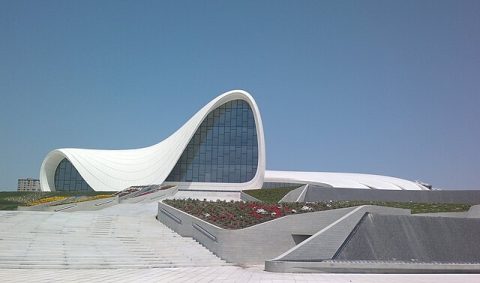
An architectural masterpiece by Zaha Hadid featuring flowing, curved forms that seem to defy gravity. The center houses art exhibitions, cultural performances, and hosts temporary installations from international artists. The building itself is a work of art, illuminated dramatically at night.
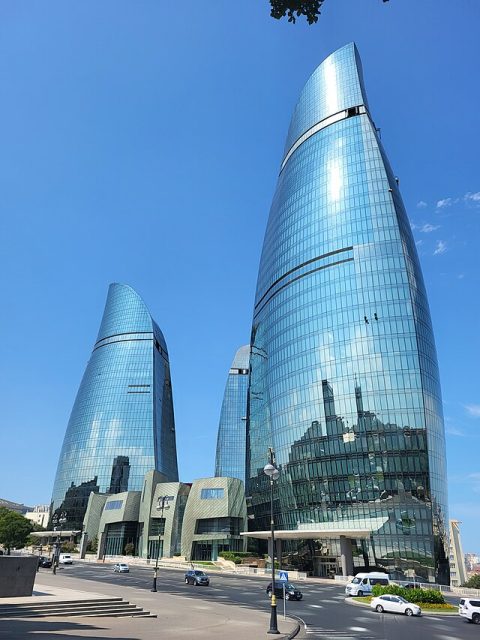
Three striking triangular towers dominating Baku's skyline, clad in LED screens displaying moving patterns and flames. Named to represent Azerbaijan's historical fire worship, they're particularly stunning when illuminated at night. The towers contain luxury residential apartments and a hotel.
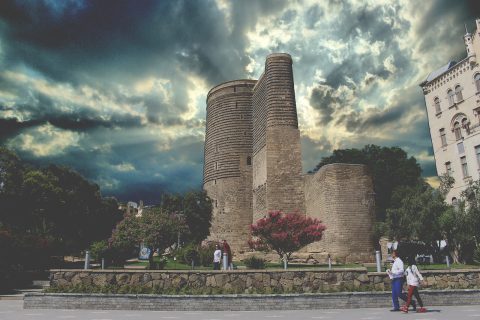
An ancient cylindrical tower in the heart of the Old City, dating back to the 12th century. This UNESCO World Heritage site stands as a symbol of Baku and appears on the national flag. The tower features a museum inside with exhibits on the city's history and mysterious legends surrounding its construction.
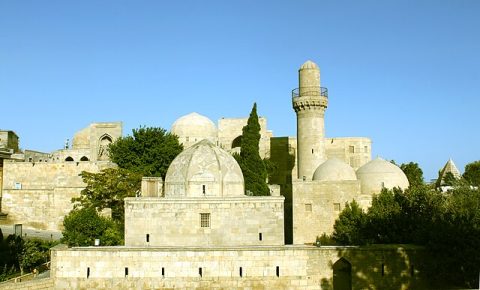
A stunning 15th-century palace complex showcasing Islamic architecture with ornate stone carvings and intricate patterns. This UNESCO World Heritage site includes the royal chambers, divan hall, mosque, and mausoleum. Walk through the carefully restored courtyards and witness the grandeur of medieval Azerbaijani royalty.
Tips for Landmarks & Monuments
- Visit Flame Towers at sunset for the most dramatic LED light show
- The Old City is best explored early morning or late afternoon to avoid crowds
- Purchase a combined ticket for Maiden Tower and Palace of Shirvanshahs for savings
- The Heydar Aliyev Center offers guided tours in multiple languages
Baku's museums showcase everything from ancient artifacts and traditional Azerbaijani culture to contemporary art and aviation history. These institutions provide deep insights into the region's rich cultural heritage.
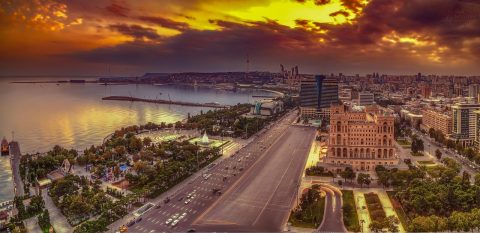
The largest museum in Azerbaijan, housing over 300,000 artifacts spanning from the Stone Age to the 20th century. Exhibits include rare manuscripts, traditional carpets, archaeological finds, and ethnographic collections. The museum offers a comprehensive overview of Azerbaijani civilization and its contributions to world culture.
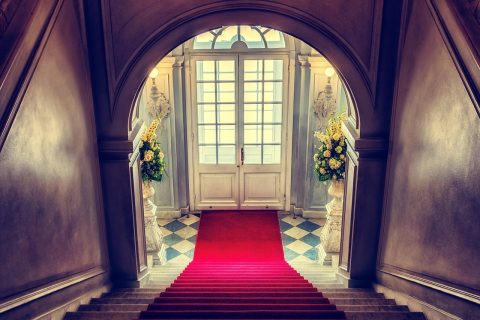
Dedicated entirely to traditional Azerbaijani carpets, this museum houses one of the world's finest collections of hand-woven textiles. Learn about regional carpet-weaving techniques, dye methods, and symbolic patterns. The building itself, designed like a rolled carpet, is an architectural statement in central Baku.
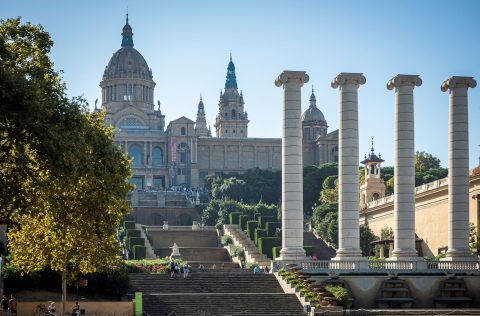
Showcasing Azerbaijani and international contemporary art, this museum features rotating exhibitions alongside permanent collections of paintings, sculptures, and installations. The gallery spaces are thoughtfully curated and the museum regularly hosts cultural events and artist talks.
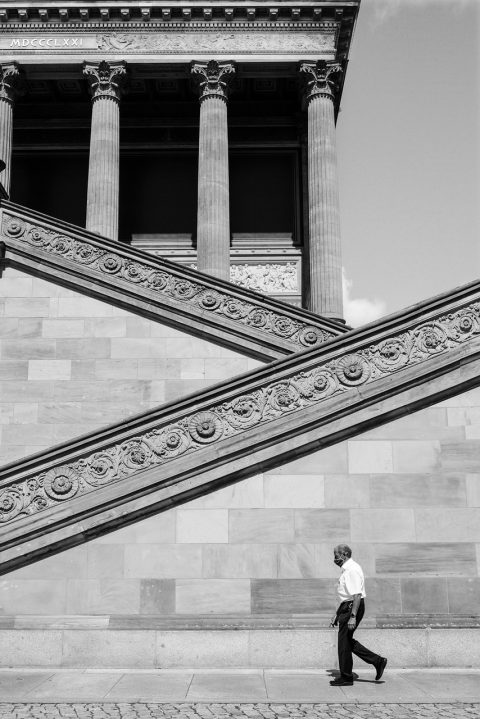
A biographical museum documenting the life of Azerbaijan's former president with photographs, personal artifacts, and historical documents. Located in a stunning modern building, it provides context for understanding contemporary Azerbaijani politics and history during the late 20th century.
Tips for Museums & Galleries
- Most museums offer English-language audio guides or guided tours for an additional fee
- Museum hours often change seasonally; check ahead before visiting
- Photography policies vary; ask permission before taking photos
- The carpet museum's unique building design is worth exploring from all angles
Baku's religious architecture reflects centuries of diverse spiritual traditions, from Islamic mosques to Orthodox cathedrals, each telling stories of cultural coexistence and faith.
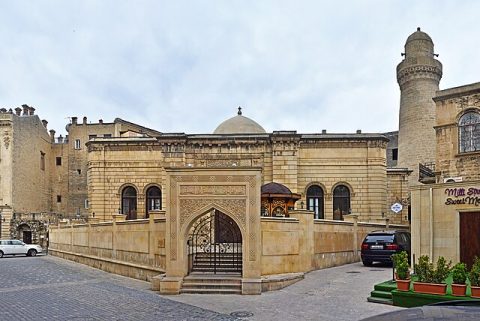
Located in the Old City, this historic mosque dates back centuries with beautiful arches, decorative tilework, and a serene courtyard. The interior features ornate columns and intricate geometric patterns typical of Islamic design. Still an active place of worship, visitors should dress respectfully and remove shoes.
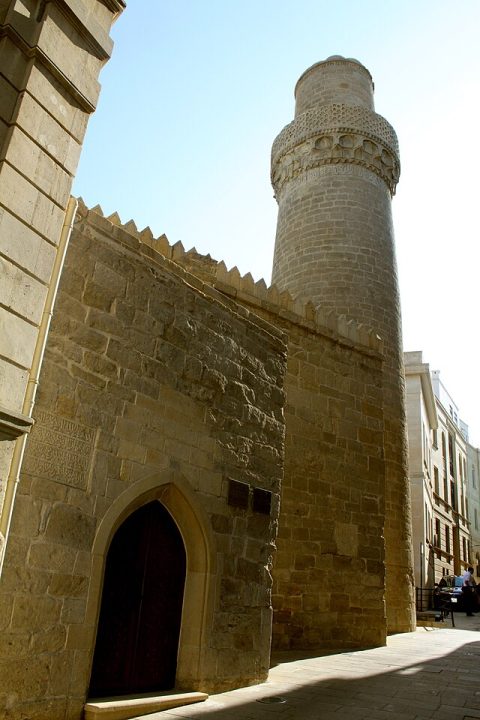
A contemporary mosque built in 1999, featuring elegant white marble, domes, and minarets. The mosque can accommodate thousands of worshippers and is notable for blending traditional Islamic architecture with modern construction techniques. The interior is decorated with Persian carpets and intricate calligraphy.
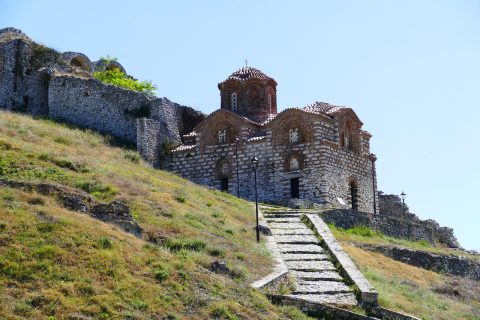
A significant Orthodox cathedral in the Old City, representing the historical presence of Christian communities in Azerbaijan. The building features red brick construction with traditional Christian architectural elements. Though no longer used as a functioning cathedral, it stands as a testament to Baku's religious pluralism.
Tips for Religious Sites
- When visiting active mosques, remove shoes and dress modestly with covered shoulders and knees
- Women may be offered a headscarf at the mosque entrance
- Prayer times vary by season; check schedules before visiting
- Some sites may request modest dress from all visitors regardless of religion
Baku's green spaces offer respite from the urban landscape, ranging from manicured government gardens to seaside promenades along the Caspian Sea.
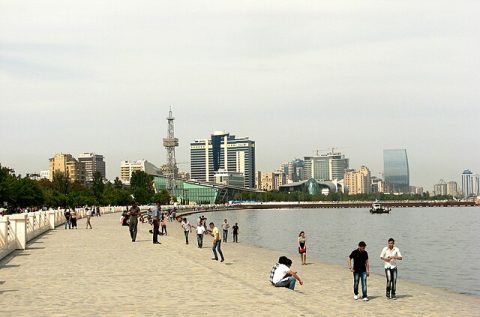
A stunning waterfront promenade stretching along the Caspian Sea for several kilometers. Perfect for leisurely walks with beautifully landscaped gardens, sculptures, fountains, and sea views. The boulevard includes restaurants, cafés, and entertainment venues, making it ideal for people-watching or sunset strolls.
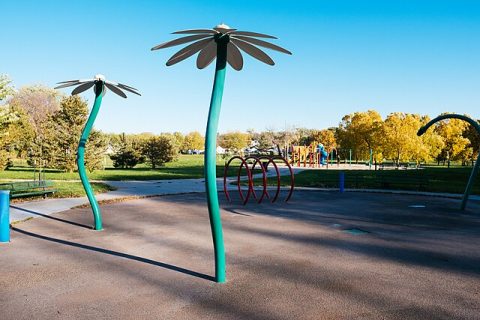
A sprawling hilltop park offering panoramic views of Baku's skyline, the Old City, and the Caspian Sea. The park features walking trails, fountains, cafés, and grassy areas perfect for picnicking. At night, the view of illuminated Flame Towers and city lights is breathtaking.
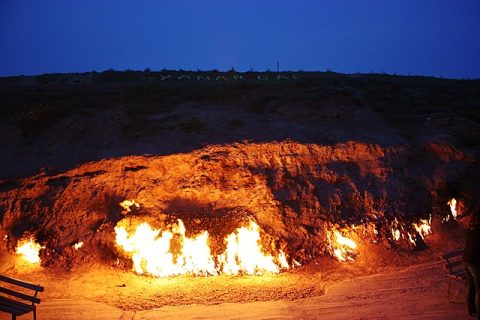
A natural gas fire burning continuously on a hillside about 25km from Baku. This natural phenomenon has burned for centuries due to methane seeping from the earth. Most spectacular at dusk when the flames are visible against the darkening sky. The site includes visitor facilities and walking paths.
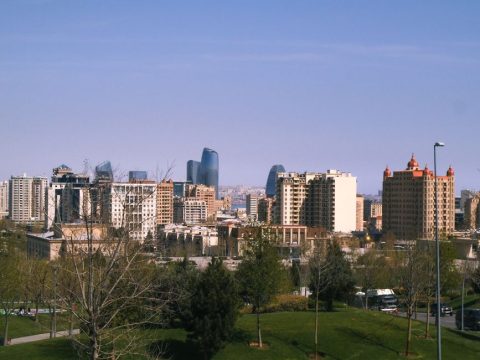
A well-maintained urban park in the heart of the city featuring walking paths, playgrounds, sports facilities, and cultural venues. The park hosts concerts and festivals throughout the year. It's an excellent spot to observe local life and relax among families and young professionals.
Tips for Parks & Gardens
- Baku Boulevard is best visited during golden hour (sunrise or sunset) for stunning photography
- Wear comfortable walking shoes for exploring the parks
- Visit Yanar Dag in the evening when the flames are most visible
- Bring sun protection even in cooler months due to strong reflection from the Caspian Sea
Each neighborhood in Baku offers distinct character and atmosphere, from medieval quarters to Soviet-era districts to ultra-modern developments.
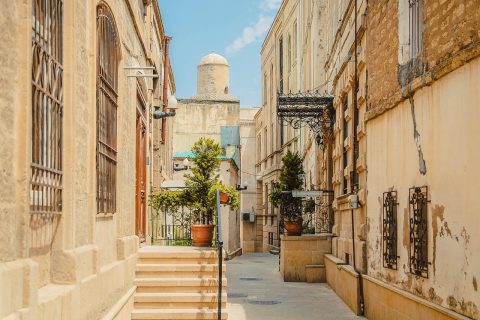
A UNESCO World Heritage site enclosed by 10th-century walls, containing winding cobblestone streets, historic buildings, traditional bazaars, and cafés. This is Baku's most atmospheric neighborhood, offering restaurants, shops selling traditional crafts, and the chance to experience life as it might have been centuries ago.
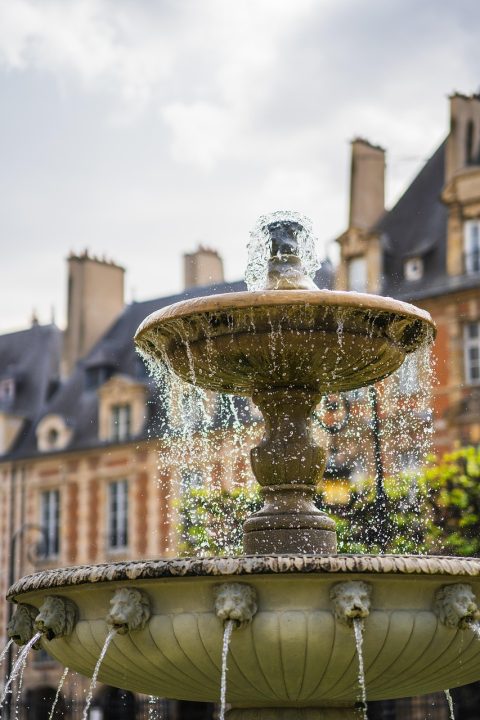
A central plaza surrounded by 19th-century buildings, now a vibrant commercial and cultural hub. The square features fountains, cafés, restaurants, and shops. It's an excellent place to experience contemporary Baku's social scene while admiring the blend of historic and modern architecture.
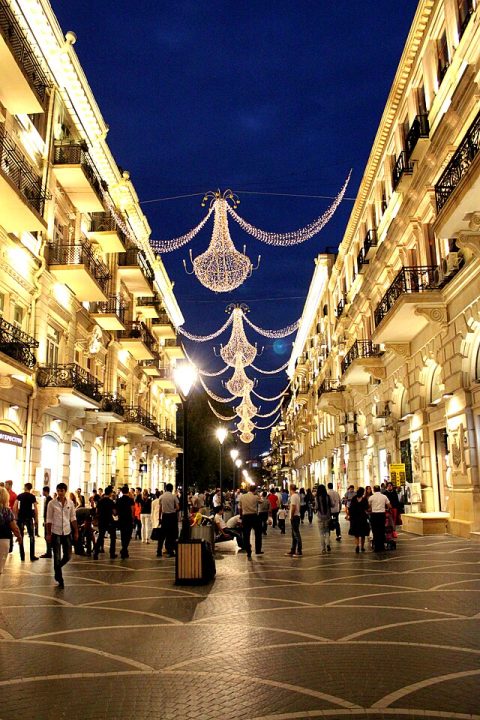
Baku's main commercial thoroughfare featuring shops, restaurants, cinemas, and galleries. The street showcases a blend of Soviet-era architecture alongside modern developments. It's perfect for shopping, dining, and experiencing the city's contemporary urban culture.
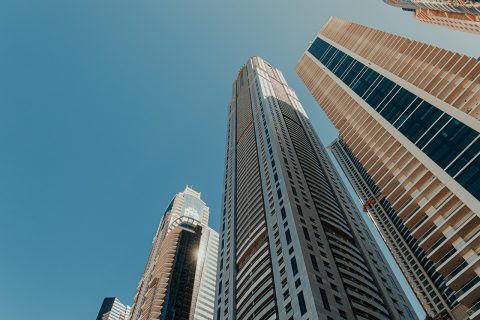
A rapidly developing waterfront area featuring contemporary office buildings, hotels, restaurants, and the Heydar Aliyev Center. This district represents Baku's vision for modern urban development and offers stunning sea views alongside cutting-edge architecture.
Tips for Neighborhoods & Districts
- The Old City is best explored on foot; wear comfortable shoes due to uneven cobblestones
- Visit Old City early morning to avoid peak tourist crowds
- Nizami Street is liveliest in evening when locals shop and socialize
- Bring a map or use GPS as Old City streets are maze-like
Experience Baku through guided tours, adventure activities, and cultural experiences that provide deeper understanding of the city and region.
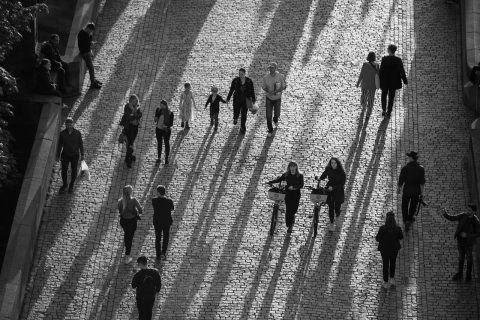
Professional guides lead small group walks through Baku's historic quarters, providing historical context and insider knowledge. Tours typically cover the Old City, Fountain Square, and major landmarks. Multi-language options available, usually 3-4 hours duration with stops for refreshments.
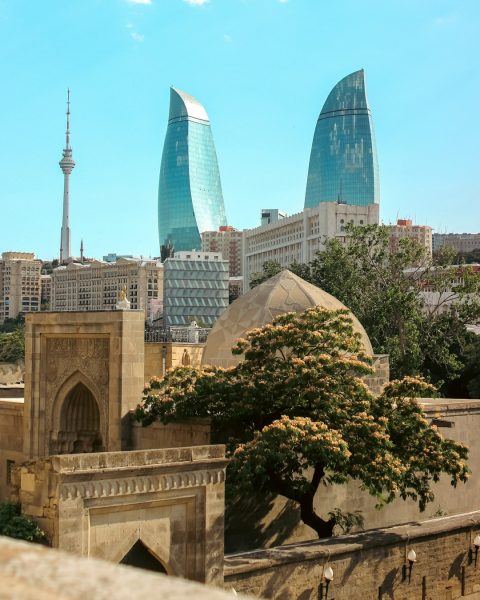
Learn to prepare traditional Azerbaijani cuisine with professional chefs. Tours include market visits to select fresh ingredients, cooking instruction, and tasting the prepared dishes. Experience local flavors and cooking techniques passed down through generations. Dietary restrictions can usually be accommodated.
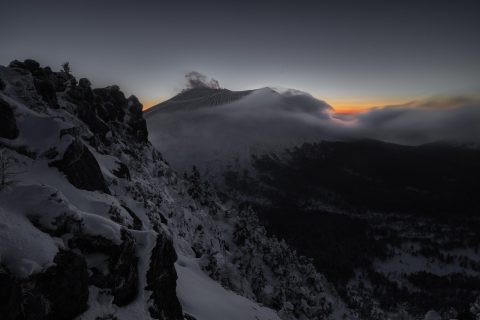
An adventure to natural mud volcanoes located outside Baku where mineral-rich mud bubbles from underground. Visitors can bathe in the naturally warm mud, believed to have therapeutic properties. The landscape is otherworldly and the experience is unique to Azerbaijan.
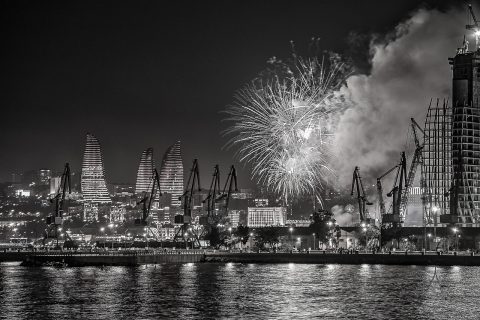
Sunset or evening cruises along Baku's waterfront offering views of the illuminated skyline, Flame Towers, and Baku Boulevard. Cruises typically include refreshments and sometimes live music. Perfect for romantic evenings or experiencing the city from a unique perspective.
Tips for Tours & Activities
- Book tours in advance through established companies for best rates and availability
- For mud volcano trips, bring swimwear and old clothes you don't mind getting muddy
- Walking tours are best in spring and fall when temperatures are moderate
- Cruise bookings often include hotel pickup; confirm pick-up location and time
Explore the diverse landscapes and attractions surrounding Baku, from cultural sites to natural wonders within easy driving distance.
A protected nature reserve 30km north of Baku featuring steppe ecosystems, salt lakes, and diverse bird species, especially during migration seasons. The park includes the historic Absheron settlement and archaeological remains. Birdwatchers find this location particularly rewarding during spring and autumn migrations.
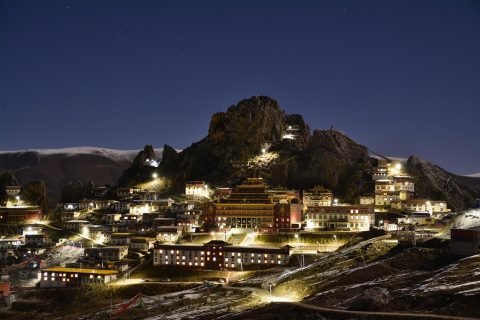
An ancient temple complex 35km southwest of Baku dedicated to Zoroastrianism, with natural gas fires burning in chambers. This UNESCO site combines spiritual significance with geological interest. The temple features a courtyard, multiple shrines, and informative exhibits explaining the site's history and religious importance.
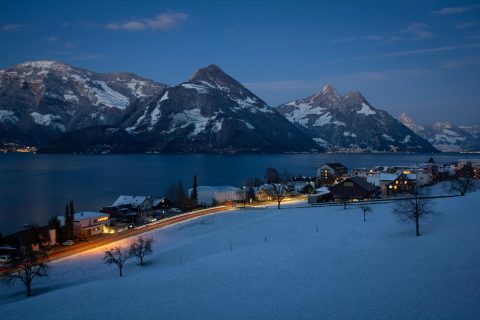
A mountainous region 170km north of Baku known for traditional red-brick houses, tea plantations, and natural beauty. The town of Quba offers authentic village experiences, local crafts, and traditional cuisine. The surrounding areas feature hiking opportunities and stunning mountain scenery.
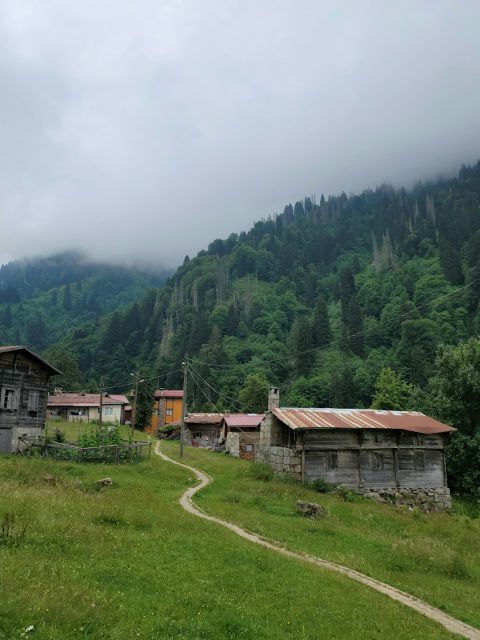
A historic city 240km northwest famous for its traditional architecture, particularly the ornate Khan Palace with intricate tilework. The nearby village of Kish contains an ancient Albanian church. Sheki is known for traditional silk production and offers excellent examples of Azerbaijani cultural heritage away from urban development.
Tips for Day Trips & Excursions
- Hire a driver or join organized tours for day trips; roads require navigation experience
- Pack plenty of water and sun protection for outdoor excursions
- Visit Absheron during bird migration seasons (March-April, September-October) for best wildlife viewing
- Overnight trips to Sheki allow more relaxed exploration; book accommodations in advance
From traditional bazaars selling ancient crafts to modern shopping malls, Baku offers diverse retail experiences reflecting both heritage and contemporary commerce.
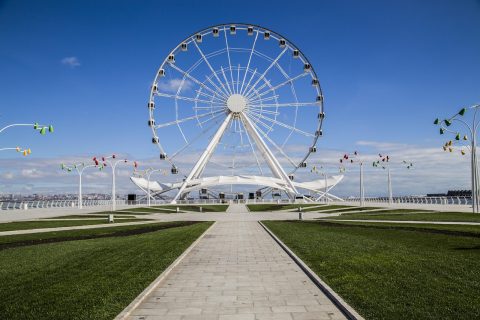
Baku's main traditional bazaar located in the Old City, where vendors sell spices, dried fruits, nuts, handicrafts, textiles, and souvenirs. The market atmosphere is vibrant and authentic, with vendors eager to haggle. This is the place to purchase genuine Azerbaijani crafts and traditional goods at fair prices.
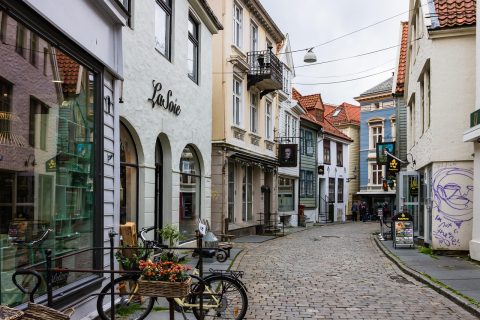
Numerous shops throughout the Old City sell traditional Azerbaijani carpets in various sizes and price ranges. Shopkeepers can explain weaving techniques, regional variations, and symbolic patterns. Many shops offer tea while you browse, and prices can be negotiated. Authentic handmade carpets make excellent souvenirs.
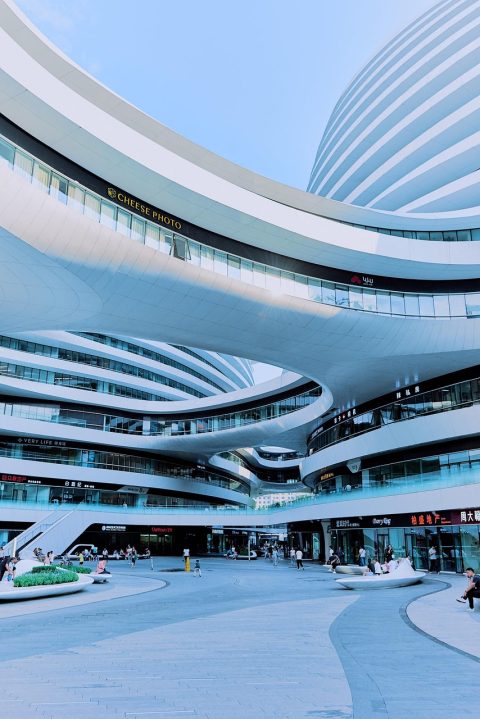
A modern shopping complex in the city center featuring international brands, local boutiques, restaurants, and entertainment venues. The mall represents contemporary Baku with international retail standards, cinema, and diverse dining options all under one roof.

Located in the Old City, this specialized bazaar features jewelers selling gold, silver, and traditional jewelry designs. The bazaar includes both contemporary designs and traditional pieces. Prices are competitive and vendors are knowledgeable about the quality and purity of their goods.
Tips for Shopping & Markets
- Haggling is expected in traditional bazaars; start at 30% below asking price
- Bring shopping bags or plan to purchase one; plastic bags are increasingly restricted
- Cash payments often receive better prices than credit cards in bazaars
- Avoid peak times (afternoons) when bazaars are most crowded
- Always ask permission before photographing vendors or their wares
Real, highly-rated Restaurants in Baku, sourced from Google Places (rating above 4★).
Salt’ n Pepper Restaurant is a highly-rated restaurant in Baku, rated 4.9★ from 162 reviews. Located at Mammadaliyev street shop, 19 Yusif Məmmədəliyev, Bakı 1000, Azerbaijan.
Opening Hours
- Monday: 10:00 AM – 2:00 AM
- Tuesday: 10:00 AM – 2:00 AM
- Wednesday: 10:00 AM – 2:00 AM
- Thursday: 10:00 AM – 2:00 AM
- Friday: 10:00 AM – 2:00 AM
- Saturday: 10:00 AM – 2:00 AM
- Sunday: 10:00 AM – 2:00 AM
MALACANNES - Shisha Lounge is a highly-rated restaurant in Baku, rated 4.9★ from 4684 reviews. Located at Avtomobil dayanacağı - Molokan bağı, 11 Rasul Rza, Bakı 1005, Azerbaijan.
Opening Hours
- Monday: Open 24 hours
- Tuesday: Open 24 hours
- Wednesday: Open 24 hours
- Thursday: Open 24 hours
- Friday: Open 24 hours
- Saturday: Open 24 hours
- Sunday: Open 24 hours
JazzBaku is a highly-rated restaurant in Baku, rated 4.9★ from 675 reviews. Located at 35 Boyuk Qala, Bakı, Azerbaijan.
Opening Hours
- Monday: 11:00 AM – 1:00 AM
- Tuesday: 11:00 AM – 1:00 AM
- Wednesday: 11:00 AM – 1:00 AM
- Thursday: 11:00 AM – 1:00 AM
- Friday: 11:00 AM – 1:00 AM
- Saturday: 10:00 AM – 1:00 AM
- Sunday: 10:00 AM – 1:00 AM
Explore Baku on the Map
Best Time to Visit Baku
Spring (April-May) is ideal with temperatures of 15-25°C. The weather is mild, gardens are blooming, and the risk of rainfall is minimal. This is considered the best season for outdoor exploration.
Fall (September-October) offers similar pleasant conditions with comfortable temperatures and lower humidity than summer. Days are sunny and perfect for walking and sightseeing.
Summer (June-August) brings hot, dry weather with temperatures reaching 28-35°C. The Caspian Sea is warm for swimming, but intense heat makes daytime sightseeing uncomfortable. Most locals escape to nearby mountains during peak summer.
Winter (November-March) is mild compared to northern climates, with temperatures around 5-10°C, but includes occasional rain and cold winds off the Caspian. Fewer tourists mean better access to attractions.
Avoid late July-early August due to extreme heat, and major Islamic holidays when some attractions may have limited hours.
Getting Around Baku
Metro System: Clean, efficient, and affordable (single journey ~0.30 AZN). The metro is the fastest way to cross the city, with 3 lines covering major attractions. Maps are available at stations; announcements are in Azerbaijani and English.
Buses & Minibuses (Marshrutkas): Extensive bus network covers all neighborhoods. Minibuses are faster but less reliable for schedules. Fares are around 0.40 AZN. Payment is typically cash to the driver.
Taxis: Use official yellow taxis or ride-hailing apps like Uber and Bolt. Metered taxis are reliable; rates are around 1.50 AZN per kilometer. Always insist on the meter or agree on price before entering.
Rental Cars: Available from international companies; prices range from $40-80 per day. International driving permit recommended. Traffic can be chaotic; experienced drivers advised.
Getting to Airport: Heydar Aliyev International Airport is 25km from the city. Express buses, official airport taxis, or ride-sharing apps connect to the city center (30-45 minutes). Pre-arrange transport when possible.
✈️ Airport Transfer
Heydar Aliyev International Airport (GYD) to city center:
- Airport Express Bus H1: Runs to 28 May metro station near city center in about 30-40 minutes, costs 1.30 AZN paid with a BakiKart transport card
- Taxi (BakuTaxi/Bolt): Metered ride to central Baku takes around 25-30 minutes and typically costs 15-25 AZN depending on traffic
- Private Transfer: Pre-booked car service to your hotel takes about 25 minutes and costs roughly 35-50 AZN
- Rental Car: Pick-up counters are inside the arrivals hall, with compact cars starting around 40-60 AZN per day
Must-Try Azerbaijani Cuisine
Plov: The national dish—fragrant rice cooked with meat, spices, and sometimes dried fruits. Every region and family has a unique recipe. This is essential Baku dining.
Lula Kebab: Ground meat kebab flavored with herbs, spices, and onions. Served with lavash (flatbread) and fresh vegetables. Smoky, aromatic, and absolutely delicious.
Kebabs: Lamb or chicken kebabs grilled over charcoal. Served with rice, grilled vegetables, and traditionally with sumac seasoning. Lunchtime specialty in kebab restaurants throughout the city.
Seafood: Fresh Caspian fish, sturgeon, and white fish prepared simply or in traditional stews. The catch varies seasonally; ask for local recommendations.
Manti: Steamed dumplings filled with meat and onions, topped with yogurt and meat sauce. A warming, satisfying dish perfect for cooler months.
Lavash: Thin flatbread baked in traditional tandoor ovens. Often served complimentary at meals and used for wrapping kebabs and other foods.
Pomegranate & Walnut Dishes: Traditional sauces and dishes featuring pomegranate juice and walnuts, reflecting the region's agricultural heritage.
Dining Tips: Restaurant meals are affordable (main courses $8-20). Service charges aren't mandatory but 10% for good service is appreciated. Many restaurants don't serve alcohol; those that do mark it clearly.
Shopping in Baku
Traditional Souvenirs: Azerbaijani carpets are the most prized purchase—authentic handmade carpets range from small wall hangings ($50) to large floor pieces ($1000+). Traditional ceramics, copperware, and woodwork are also popular and more affordable.
Regional Products: Pomegranate molasses, dried fruits, pistachios, and local herbs are authentic food souvenirs. Tea, honey, and saffron are high-quality purchases. These products are best bought in Taza Bazaar.
Jewelry: Gold jewelry is reasonably priced; the Gold Bazaar offers traditional designs and contemporary pieces. Always verify purity marks before purchasing.
Art & Crafts: Contemporary Azerbaijani art, woodcarvings, and handmade ceramics from the Old City make unique souvenirs. Support local artisans by purchasing directly from workshops.
Modern Shopping: International brands and local boutiques are found in shopping malls and on Nizami Street. Prices are comparable to Western prices. Electronics and designer goods have no tax advantage here.
Bargaining: Haggling is standard in bazaars and with street vendors; expect to negotiate 20-30% off initial prices. Modern shops have fixed prices. Always be respectful and good-natured in negotiations.
Festivals & Cultural Events
Novruz Bayrami (Persian New Year): Celebrated March 20-26 with cultural performances, traditional foods, and family gatherings. Baku hosts official celebrations with concerts and fireworks. A vibrant time to experience Azerbaijani traditions.
Baku International Jazz Festival: Held in October, featuring world-class jazz musicians performing in venues throughout the city. A significant cultural event attracting international audiences and musicians.
Qız Qalası International Festival: A summer cultural festival in the Old City featuring theater performances, concerts, and exhibitions celebrating traditional culture.
Baku Flower Festival: Typically held in spring, showcasing elaborate floral displays throughout the city parks and boulevards.
Islamic Holidays: Ramadan and Eid Al-Fitr are observed; many restaurants close during daytime Ramadan hours, though some remain open for tourists. Respect local customs during these periods.
Independence Day (October 18): National holiday with parades, cultural performances, and public gatherings. A good time to experience patriotic celebrations, though attractions may have adjusted hours.
Practical Utilities
Voltage & Frequency: Baku operates on 220V, 50Hz AC power system. This is standard for Europe and Middle East but different from North American 110V.
Plug Types: Most outlets use European Type C and F plugs (two round pins). Some older buildings may have Soviet-style sockets. Universal adapters are available but prepare before arrival.
Power Reliability: Power supply in central Baku is reliable and consistent. Occasional outages are rare. All major hotels and modern buildings have backup generators.
Adapters & Converters: Bring a universal adapter if your devices use US or UK plugs. Converters for voltage transformation are needed for North American devices (check device specifications first). These are available in airport shops but purchasing before travel is cost-effective.
Charging Facilities: All hotels provide charging stations. Most modern cafés and shopping centers have USB charging points. Carry a portable power bank for all-day sightseeing.
5-Day Suggested Itinerary
Day 1: Old City & Medieval Heritage
- Morning: Explore the Old City's winding streets, visit the Maiden Tower museum
- Lunch: Traditional kebab at a local Old City restaurant
- Afternoon: Palace of the Shirvanshahs, walk the city walls
- Evening: Sunset drinks at a Fountain Square café, stroll Baku Boulevard
Day 2: Modern Baku & Architecture
- Morning: Heydar Aliyev Center and surrounding Seaside Modern area
- Lunch: International cuisine in the business district
- Afternoon: Flame Towers photo opportunity, explore nearby parks
- Evening: Visit local shopping mall, dinner in modern restaurant district
Day 3: Museums & Culture
- Morning: Azerbaijan National Museum comprehensive exhibits
- Lunch: Café in museum district
- Afternoon: Carpet Museum to understand traditional craftsmanship
- Evening: Sunset from Upland Park overlooking the illuminated city
Day 4: Nature & Day Trip
- Full day: Visit Yanar Dag burning mountain OR explore Absheron National Park
- Include packed lunch or plan meal stops along the route
- Hire driver or book organized tour from hotel
- Return to Baku for evening rest after outdoor activities
Day 5: Leisure & Shopping
- Morning: Relaxed walk through Upland Park
- Late morning: Taza Bazaar shopping for souvenirs and local products
- Lunch: Final meal of traditional Azerbaijani dishes
- Afternoon: Last-minute shopping or visit any sites missed earlier
- Evening: Caspian Sea cruise or dinner at panoramic restaurant
Best Photography Locations & Timing
Flame Towers at Night: The most iconic Baku shot—glowing triangular towers against the night sky. Best between 9-11 PM when the LED displays are most vibrant and sky has darkened completely. Position yourself from Upland Park or Boulevard for dramatic angles.
Baku Boulevard Sunset: Golden hour (about 1 hour before sunset) provides perfect light for waterfront photography. The sea reflects warm colors and crowds thin in evening. Stroll various sections for different skyline angles.
Maiden Tower at Night: Beautifully illuminated in the evening, striking contrast against dark sky. Best photographed from surrounding Old City alleyways for intimate urban framing. Arrive around 8-9 PM for optimal conditions.
Old City Alleyways: Early morning (6-8 AM) provides soft light, fewer tourists, and authentic street scenes. The narrow streets create dramatic shadows and intimate compositions. Explore before shops open for authentic atmosphere.
Palace of Shirvanshahs Detail Shots: Ornate stone carvings and decorative elements are perfect for detail photography. Soft morning light reveals texture; afternoon side-lighting shows depth. Arrive by 9 AM for best light and smallest crowds.
Upland Park Skyline: Wide vistas of Baku's full skyline including Flame Towers, Old City, and Heydar Aliyev Center. Golden hour provides ideal warm light for panoramic shots. Arrive 30-45 minutes before sunset for perfect timing.
Yanar Dag Flames: Natural fire burning on hillside at dusk creates otherworldly images. Arrive 30-45 minutes before sunset; flames become visible as light fades. Use tripod for evening light conditions.
Caspian Sea Reflections: Early morning light creates mirror-like reflections on calm water. Seagulls and fishermen add life to compositions. The Boulevard provides both panoramic and intimate perspectives.
Photography Tips: Bring wide-angle lens for architecture and skylines, telephoto for detail and street scenes. Sunset/sunrise are 20-30 minutes shorter than midday; arrive early. Always ask permission before photographing people. Download apps to identify exact sunset times daily.
Tourist Passes
Baku Museum Card
A combined ticket providing discounted entry to multiple major museums including the National Museum, Carpet Museum, Art Museum, and Heydar Aliyev Museum. The card offers approximately 20-30% savings compared to individual tickets. Valid for consecutive days; choose 3-day or 7-day options based on visit length. Excellent value for culture-focused visitors.
www.bakumuseum.azBaku Card (City Tourist Card)
A comprehensive tourist card providing unlimited metro and bus travel, discounted entry to attractions, and reduced prices at selected restaurants and shops. Available in 24, 48, and 72-hour options. The card essentially pays for itself through metro savings alone, making it economical for tourists using frequent public transportation.
www.bakucity.azHeritage Site Combined Ticket
A discounted ticket combining entry to Maiden Tower and Palace of Shirvanshahs, the two most iconic Old City sites. Saves approximately 3-4 AZN compared to purchasing separate tickets. Tickets are valid for the day of purchase; explore at your own pace.