Things to do in Ganja
Ganja is home to remarkable historical structures that reflect its role as a major Silk Road trading hub and cultural center.
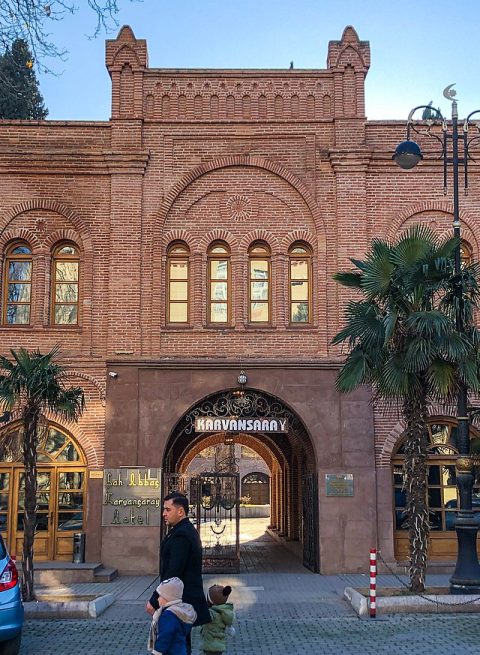
A masterpiece of 16th-century Persian architecture, this restored caravanserai was built by Shah Abbas I as a rest stop for Silk Road merchants. Features traditional courtyards, arched corridors, and intricate stonework. The restoration showcases authentic Safavid-era design with decorative tilework and a large central bazaar hall.
Dating back to medieval times, this fortress served as a military stronghold protecting trade routes. While partially ruined, the remaining walls and structures offer insight into the city's defensive architecture and strategic importance. Panoramic views of modern Ganja from the elevated position.
Dedicated to the legendary poet and writer Nizami Ganjavi, born in Ganja in 1141. This impressive sculpture celebrates the city's literary heritage and cultural significance. Located in a central plaza with beautiful landscaping and inscriptions from Nizami's works.
Tips for Landmarks & Monuments
- Visit the Caravanserai early morning to avoid crowds and capture better photos
- Hire a local guide to learn detailed stories about merchant routes
- The fortress is best visited on clear days for photography
- Nearby vendors sell traditional crafts inspired by Silk Road merchants
Ganja's religious architecture reflects centuries of Islamic culture and craftsmanship with mosques featuring unique Azerbaijani design elements.
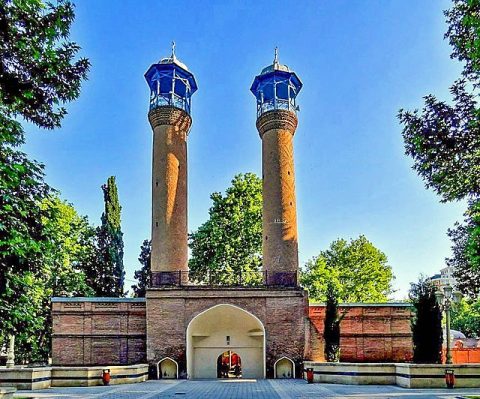
One of Ganja's most important Islamic structures, the Juma Mosque features traditional blue and turquoise tile work characteristic of Azerbaijani design. The mosque's interior showcases intricate Persian calligraphy and geometric patterns. Recently restored to preserve its historical integrity while maintaining active worship.
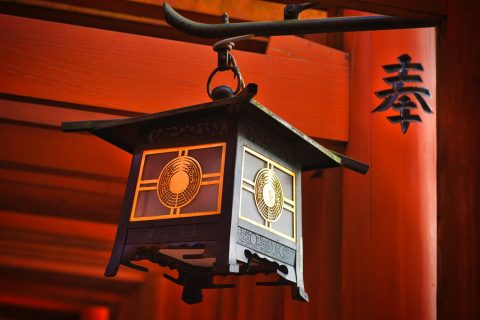
A pilgrimage site honoring the respected Sufi saint Sheikh Ghasim. The shrine complex includes burial chambers, prayer halls, and intricate arabesque decorations. Visitors from across the region come to this spiritual center, making it an authentic place of devotion and cultural significance.
Tips for Religious Sites
- Dress modestly when visiting mosques and shrines
- Remove shoes before entering prayer areas
- Visit outside prayer times for better access and photography
- Friday prayers attract large congregations; visit other days for a quieter experience
Discover Ganja's artistic and historical heritage through carefully curated collections and cultural institutions.
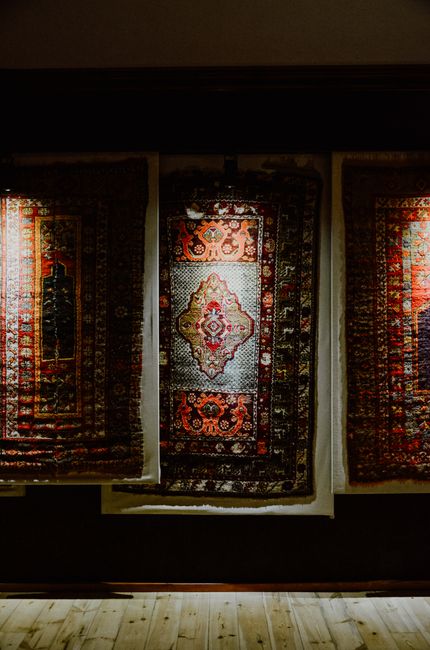
Dedicated to Azerbaijan's world-famous carpet weaving tradition, this museum displays historic carpets featuring intricate patterns and natural dyes. Interactive exhibits demonstrate traditional weaving techniques on authentic looms. Learn the symbolism behind designs and purchase directly from artisan weavers.
Comprehensive collection spanning Ganja's evolution from ancient settlement to modern city. Exhibits include Silk Road artifacts, medieval manuscripts, archaeological finds, and contemporary historical documents. Bilingual displays detail the city's role in trade and cultural exchange.
Tips for Museums & Galleries
- Museum guides often speak English and offer detailed historical context
- Photography may be restricted in some areas; ask staff for permission
- Carpet museum offers tea and traditional hospitality
- Plan visits during morning hours when lighting is best
Green spaces throughout Ganja offer relaxation, recreation, and beautiful settings for walks and family outings.
A sprawling urban park featuring landscaped gardens, walking paths, and recreational facilities. The park includes a lake, playgrounds, sports areas, and traditional tea gardens. Popular with locals for evening strolls and family gatherings, offering a peaceful escape from city bustle.
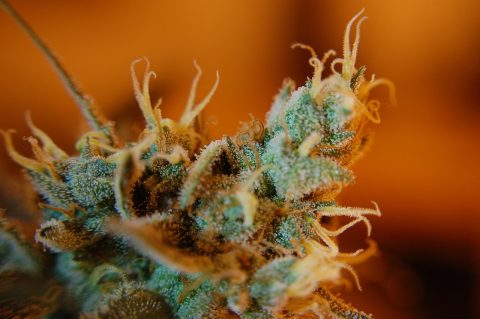
Named after the famous poet, this park combines natural beauty with cultural references. Features shaded walkways, fountains, and literature-themed installations. Excellent for picnics and quiet contemplation, with benches positioned throughout for resting and people-watching.
Tips for Parks & Gardens
- Parks are best visited in early morning or evening to avoid midday heat
- Bring water and sun protection during summer months
- Tea gardens serve refreshments at nominal prices
- Weekends attract larger crowds; weekdays are quieter
Experience authentic marketplace culture with traditional bazaars selling local crafts, textiles, and regional specialties.
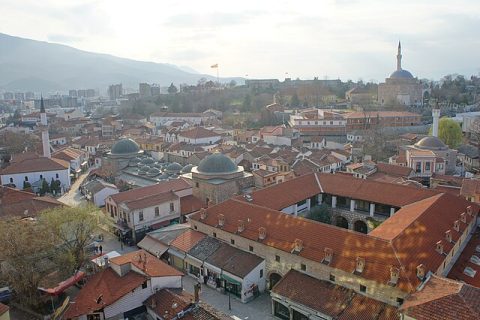
Historic marketplace within the restored Shah Abbas Caravanserai, recreating authentic Silk Road trading atmosphere. Vendors sell handwoven carpets, kilims, traditional clothing, spices, and handicrafts. The covered bazaar maintains historical architecture while operating as a functioning marketplace.
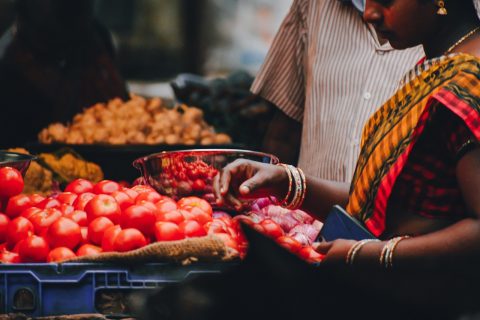
Modern market offering fresh produce, traditional textiles, handicrafts, and souvenirs. Excellent selection of locally-made goods including spices, dried fruits, nuts, and regional specialties. Prices are negotiable for larger purchases, reflecting traditional bazaar culture.
Tips for Neighborhoods & Districts
- Bargaining is expected in traditional bazaars; start at 30-40% below asking price
- Visit early morning for freshest produce and fewer crowds
- Carry small denomination currency for small vendors
- Handmade carpets are authentic but require authentication; buy from established shops
Explore fascinating destinations within short distances from Ganja offering diverse natural and cultural experiences.
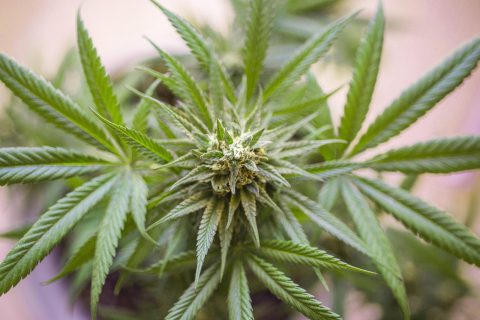
Historic mountain village 40km north famous for traditional copper craftsmanship and artisanal production. Narrow stone streets wind through workshops where craftspeople create copper vessels using centuries-old techniques. Local guesthouses serve traditional food, and village scenery offers excellent photography opportunities.
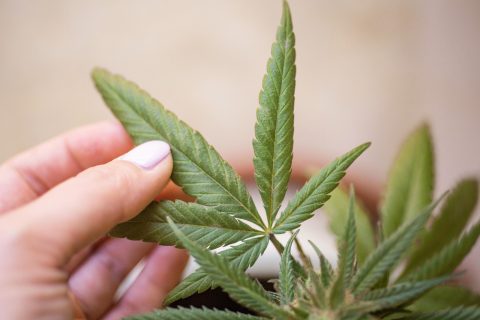
Located in nearby Shaki, this magnificent medieval fortress dominates the landscape with its imposing walls and strategic position. The site includes museums, archaeological exhibits, and panoramic views of the Caucasus. One of Azerbaijan's most important historical monuments, well-preserved and extensively documented.
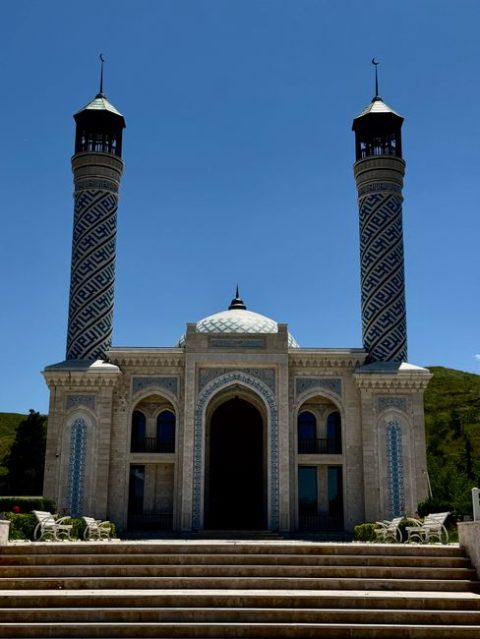
Ancient fortress city 60km east with strategic mountain location and rich history. Features the impressive Juma Mosque with 43 columns (one for each Shiite imams) and traditional architecture. Mount Levateq offers hiking trails with scenic views of the surrounding regions.
Tips for Day Trips & Excursions
- Hire a taxi or join organized tours for day trips; roads are winding but well-maintained
- Start early to maximize daylight hours
- Bring proper footwear for fortress exploration and village walking
- Pack water and snacks; services are limited in remote areas
Immersive experiences that deepen understanding of Ganja's culture, history, and traditions through guided activities.
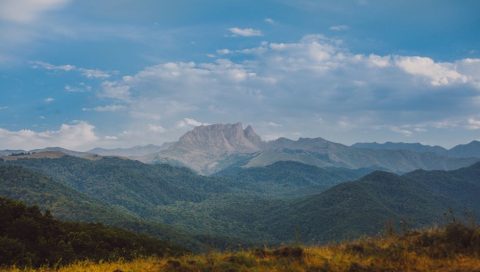
Guided walking routes through historic districts following ancient trade routes. Expert guides narrate stories of merchants, cultural exchange, and architectural evolution. Tours include stops at museums, bazaars, and historical sites, offering comprehensive historical context.
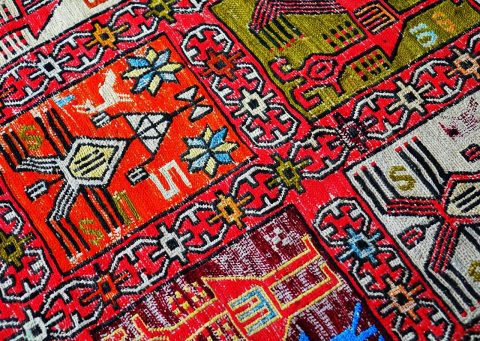
Hands-on experience learning traditional carpet weaving from master artisans. Beginners learn basic techniques on smaller looms while observing experts working on larger pieces. Includes cultural discussion and tea service in traditional workshop settings.
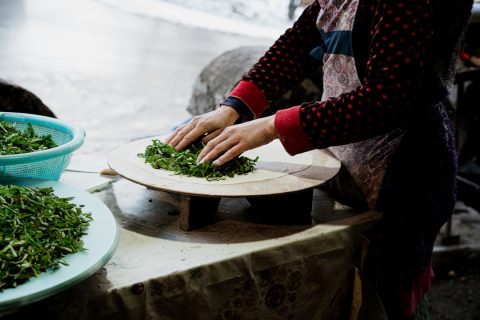
Explore Ganja's distinctive food culture through market visits, restaurant tours, and hands-on cooking. Learn to prepare traditional Azerbaijani dishes, understand regional spice usage, and dine with local families. Tours include visits to specialty shops and discussion of food traditions.
Tips for Tours & Activities
- Book tours 1-2 days in advance through hotels or tourism offices
- English-speaking guides available; request when booking
- Bring cash for tips and small purchases during tours
- Wear comfortable clothing and walking shoes
Real, highly-rated Restaurants in Ganja, sourced from Google Places (rating above 4★).
Dadlı restoran Gəncə is a highly-rated restaurant in Ganja, rated 4.8★ from 27 reviews. Located at 209-213 Nizami Gəncəvi prospekti, Gəncə 2000, Azerbaijan.
Opening Hours
- Monday: 9:00 AM – 12:00 AM
- Tuesday: 9:00 AM – 12:00 AM
- Wednesday: 9:00 AM – 12:00 AM
- Thursday: 9:00 AM – 12:00 AM
- Friday: 9:00 AM – 12:00 AM
- Saturday: 9:00 AM – 12:00 AM
- Sunday: 9:00 AM – 12:00 AM
Explore Ganja on the Map
Best Time to Visit
Autumn (September-November) and Spring (April-May) offer ideal conditions with mild temperatures (15-25°C) and low rainfall. These seasons are perfect for walking tours and outdoor exploration.
Summer (June-August) brings warm to hot weather (25-35°C) with occasional afternoon showers. Morning activities and evening explorations are recommended to avoid midday heat.
Winter (December-February) is cool (5-10°C) with occasional snow in higher elevations. While beautiful for photography, some mountain attractions become less accessible.
| Season | Temperature | Rainfall | Best For |
|---|---|---|---|
| Spring | 15-22°C | Moderate | Hiking, gardens, sightseeing |
| Summer | 25-35°C | Low | Late afternoon/evening activities |
| Autumn | 15-25°C | Low | Walking tours, exploration |
| Winter | 5-10°C | Moderate | Photography, fewer crowds |
Getting Around Ganja
Taxis: Most affordable local transport. Agree on fares beforehand or use Uber-like apps when available. Flag taxis on streets or call from hotels.
Minibuses (Marshrutka): Shared public minibuses follow fixed routes at very low cost. Routes are well-known locally but not always marked for tourists; hotel staff can advise.
Car Rental: Available through hotels and travel agencies. An International Driving Permit is recommended. Roads are well-maintained for main routes, though mountain roads require careful driving.
Getting to Ganja: Fly into Baku's Heydar Aliyev Airport (3 hours by car or bus). Direct buses run several times daily (3-4 hours, budget option). Trains and domestic flights also connect Baku to Ganja.
Walking: The historic city center is compact and walkable. Most attractions are within 2-3 km of each other.
✈️ Airport Transfer
Ganja International Airport (KVD) to city center:
- Taxi: About 15 minutes to the city center, roughly 10-15 AZN via metered taxi or ride-hailing app
- Private transfer: Pre-booked car with driver meets you at arrivals, 15-20 minutes to downtown hotels for around 20-25 AZN
- Rental car: Major and local rental desks operate at the terminal, with self-drive to the city center taking under 20 minutes
- Hotel shuttle: Some larger hotels offer a pre-arranged pickup service for guests, typically 15-20 minutes and often free or a small fixed fee
Shopping in Ganja
What to Buy: Azerbaijani carpets and kilims are world-renowned for craftsmanship and durability. Handmade copper vessels from Lahij village make excellent souvenirs. Traditional clothing including embroidered vests and scarves reflect local design. Dried fruits, nuts, and spices including saffron and sumac are regional specialties. Ceramic tiles with geometric patterns and calligraphy suit any décor.
Shopping Areas: The Old Bazaar inside the Caravanserai offers authentic marketplace atmosphere with fixed stalls. The Central Market combines modern convenience with traditional products. Shop-lined streets near Juma Mosque feature boutique vendors. Hotels can recommend established shops with quality guarantees.
Bargaining Tips: In traditional bazaars, start negotiations at 50% of asking price and settle at 70-80%. Modern shops and tourist areas have fixed prices. Larger purchases warrant negotiation, but single items usually have set prices. Be respectful and friendly; bargaining is cultural exchange, not confrontation.
Certificates: Authentic carpet purchases often include certificates of authenticity. Request detailed descriptions and purchase documentation for valuable items.
Annual Events & Festivals
Novruz (Spring Equinox) - March 20-26: Azerbaijan's most important holiday celebrating spring renewal. Features parades, traditional music, special foods like samani (wheat sprouts), and community celebrations. Hotels and restaurants organize special events.
Ganja City Day - May 30: Celebrates Ganja's founding with concerts, cultural performances, exhibitions, and street celebrations throughout the city.
Azerbaijani Culture Month - September: Month-long celebration of traditional arts, crafts, music, and dance with performances at cultural centers and outdoor venues.
Eid al-Fitr & Eid al-Adha: Islamic holidays with religious observances, special meals, and family gatherings. Many businesses close; respectfully maintain distance from religious observances.
Independence Day - October 18: National holiday commemorating independence with parades, speeches, and patriotic celebrations.
International Tourism Day - September 27: Special events, exhibitions, and discounts at tourist attractions throughout the city.
Sample Day Itineraries
Day 1: Historical Silk Road Experience
Morning (8:00-11:00): Start at the Shah Abbas Caravanserai with a guided tour of the fortress architecture and restored bazaar sections. Explore vendor stalls and learn about historical trade routes.
Lunch (11:30-13:00): Dine at a traditional tea garden within the complex or nearby restaurant serving Azerbaijani cuisine.
Afternoon (14:00-17:00): Visit the Ganja History Museum to understand the city's evolution and see Silk Road artifacts. Browse the carpet weaving museum for craftsmanship insights.
Evening (18:00-20:00): Stroll through Nizami Park, visit the Nizami Monument, watch sunset, and enjoy dinner at a traditional restaurant featuring regional dishes.
Day 2: Cultural Immersion
Morning (8:00-11:00): Participate in a carpet weaving workshop where master artisans teach traditional techniques. Create your own small piece or observe master weavers.
Lunch (11:30-13:00): Enjoy lunch at the workshop or nearby family-run restaurant with home-cooked regional specialties.
Afternoon (14:00-17:00): Join a culinary walking tour visiting markets, specialty shops, and local kitchens. Learn about regional spices and traditional food preparation methods.
Evening (18:00-20:00): Attend a traditional music performance if available, or relax in a tea garden enjoying local sweets and tea while people-watching.
Day 3: Religious & Architectural Heritage
Morning (8:00-11:00): Visit the Juma Mosque (outside prayer times) to admire tile work and calligraphy. Learn about Islamic architecture and Azerbaijani design traditions.
Lunch (11:30-13:00): Dine in a traditional restaurant near the mosque, trying plov (rice dish) and local kebabs.
Afternoon (14:00-17:00): Explore the Sheikh Ghasim Shrine complex and surrounding historic neighborhood. Photograph architectural details and traditional buildings.
Evening (18:00-20:00): Take a guided Silk Road walking tour through historic neighborhoods, ending with sunset views from elevated vantage points and dinner.
Day 4: Day Trip to Lahij (Craft Village)
Early Morning (7:00-8:30): Arrange taxi pickup and drive to Lahij village in the mountains (45 minutes to 1 hour).
Morning/Midday (8:30-13:00): Explore narrow village streets, watch copper craftspeople at work, purchase handmade copper vessels directly from artisans. Enjoy traditional food at a mountain guesthouse.
Afternoon (13:00-16:00): Continue exploring hidden workshops, photograph traditional architecture, hike scenic mountain trails around the village.
Evening (16:00-19:00): Return to Ganja, stop at scenic viewpoints, relax at hotel and enjoy evening meal reflecting on the day's experiences.
Day 5: Nature & Local Life
Morning (8:00-11:00): Spend time at Ganja Central Park with a leisurely walk, observing local life and enjoying green spaces. Visit park facilities like tea gardens or playgrounds.
Lunch (11:30-13:00): Enjoy a picnic-style lunch at the park or visit a nearby outdoor restaurant.
Afternoon (14:00-17:00): Explore the Central Market, interact with vendors, sample local produce and prepared foods. Purchase regional specialties as souvenirs (nuts, dried fruits, spices).
Evening (18:00-20:00): Return to Nizami Park for sunset, enjoy final evening stroll, have farewell dinner at a highly-rated restaurant trying signature Ganja dishes.
Best Photography Locations & Tips
Shah Abbas Caravanserai: Photograph the courtyard at golden hour (early morning or late afternoon) when light creates dramatic shadows on stone arches. The bazaar arcade offers excellent framing opportunities. Interior courtyards provide symmetrical composition opportunities.
Ganja Fortress Ruins: Best photographed from across the valley at sunset when ruins are backlit with warm tones. Early morning offers clarity with long shadows. Panoramic views of modern city provide interesting contrast shots.
Juma Mosque: The blue tile work is most vibrant during midday light. Photograph architectural details like calligraphy and geometric patterns up close. Exterior entrance provides traditional architectural framing.
Nizami Monument: Golden hour provides flattering light on the sculpture. Include surrounding park landscape for context. Night photography captures monument illumination against dark sky.
Central Park & Lakes: Early morning mist creates atmospheric scenes. Sunset reflections in water are highly photogenic. Capture local life during peak hours (early evening) for authentic people photography.
Bazaar Scenes: Early morning light entering through openings creates dramatic lighting. Colorful vendor displays provide vibrant still-life compositions. Ask permission before photographing people; vendors are often happy to pose.
Street Architecture: Photograph traditional buildings during morning hours for clean light and minimal shadows. Window details and door designs offer close-up subjects. Street-level perspectives reveal authentic city life.
Mountain Views (from Lahij): Early morning fog and cloud formations create atmospheric landscapes. Valleys below provide depth and perspective. Stone village structures photograph beautifully against mountain backdrops.
Seasonal Photography: Spring (April-May) features blooming gardens and clear skies. Autumn (September-October) offers warm light and foliage colors. Winter snow creates contrast with stone architecture (occasional).
Electricity & Power
Voltage & Frequency: Azerbaijan operates on 230V, 50Hz electrical standard. This is compatible with most European and international devices.
Plug Types: The dominant plug type is Type C (two round pins), also known as the European standard. Type F (grounded round pins) is also common. North American 120V appliances require voltage converters, not just plug adapters.
Adapters & Converters: Purchase a universal voltage adapter/converter upon arrival or bring from home (easier to find quality adapters there). Dual-voltage devices (marked 100-240V) work without conversion; most modern phones, laptops, and cameras fall into this category.
Power Reliability: Electricity supply is generally reliable in Ganja. Occasional brief outages occur during peak seasons but are rare. High-end hotels have backup generators.
Tip: Bring a small power strip with surge protection to charge multiple devices from one outlet. USB power banks are invaluable for day trips away from outlets.
Must-Try Dishes & Dining Tips
Signature Dishes: Plov is Azerbaijan's national dish—fragrant rice layered with meat, dried fruits, and spices. Kebab varieties (shish, lula, adana) are grilled meat specialties. Lavangi features fish or chicken stuffed with walnuts and herbs. Dovga is a creamy herb and yogurt soup, perfect as a starter.
Bread & Appetizers: Lavash (thin flatbread) accompanies most meals. Manti (steamed dumplings) are comfort food. Burek pastries filled with cheese or meat are popular appetizers. Tabbouleh and Hummus serve as vegetarian options.
Sweet Treats: Baklava (phyllo, honey, nuts) is the signature dessert. Pakhlava variations and Sheker-para (sweet bread) are beloved. Halva made from sesame or sunflower seeds offers unique flavors.
Beverages: Strong black tea is served throughout the day in small glasses with sugar cubes. Ayran (yogurt drink) refreshes in hot weather. Fresh pomegranate and mulberry juices are seasonal specialties. Coffee is prepared thick and strong, traditionally.
Dining Customs: Meals are social events; dining alone is uncommon. Tea and conversation extend meals beyond eating. Tipping 10-15% is appreciated but not obligatory. Most restaurants do not have printed menus; ask servers for daily specials and house recommendations.
Restaurant Types: Traditional plov houses offer no-frills authentic cooking. Family-run establishments provide home-style cooking and warm hospitality. Modern restaurants in hotels offer international options alongside Azerbaijani cuisine.
Tourist Passes
Ganja City Tourism Card
A multi-site pass providing discounted or free entry to major attractions including the Caravanserai, museums, and select parks. Valid for 2-3 days. Includes benefits at select restaurants and shops. Significantly reduces costs for comprehensive city exploration.
www.ganja.gov.azMuseum Pass
Combined ticket access to Ganja History Museum, Carpet Museum, and temporary exhibitions. Valid for single-day or multi-day options. Includes guidebook and special exhibitions. Offers best value for cultural site visitors.
www.ganja.gov.azHeritage Sites Pass
Comprehensive access to Caravanserai, Fortress, Juma Mosque, and Sheikh Ghasim Shrine with guided tour options. Multi-day validity. Includes professional guide services and cultural context materials. Perfect for history enthusiasts.
www.ganja.gov.az