Antwerp's museum scene reflects its artistic legacy, from Rubens to contemporary fashion. The city houses world-class collections spanning Old Masters, modern art, maritime history, and cutting-edge design.
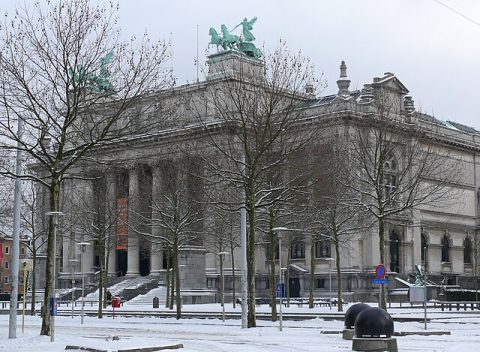
Royal Museum of Fine Arts (KMSKA)
After an 11-year renovation, this spectacular museum houses 600 years of art history, featuring works by Rubens, Van Dyck, Fouquet, and Ensor. The collection spans from Flemish Primitives to contemporary art, displayed in beautifully restored galleries that blend historic architecture with modern design. The rooftop sculpture terrace offers stunning city views.
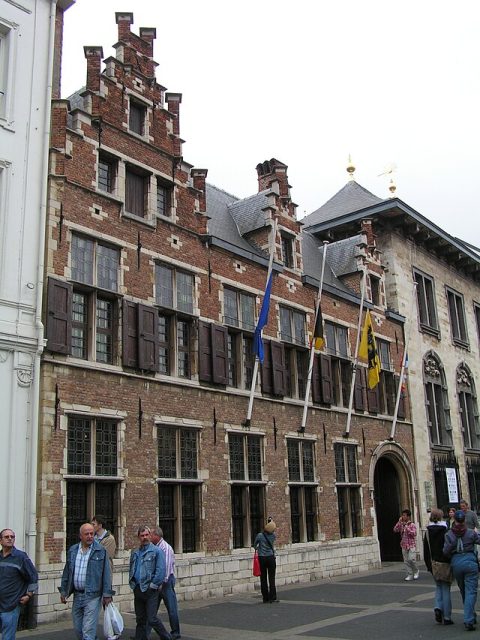
Rubens House (Rubenshuis)
The former home and studio of Baroque master Peter Paul Rubens, beautifully preserved with period furnishings and his original artwork. The Italian-inspired palazzo features a stunning baroque garden, self-portraits, and works by Rubens and his contemporaries. The historic artist’s residence is closed for renovations and is expected to reopen no earlier than 2030; the Rubens Experience, garden and library are open.
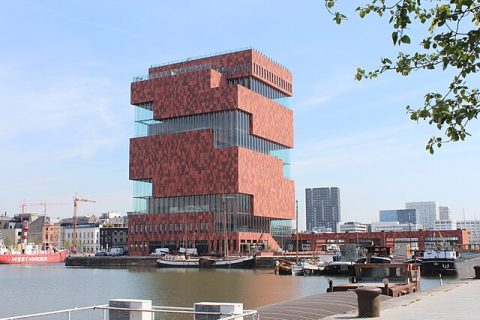
Museum aan de Stroom (MAS)
This striking 60-meter tower celebrates Antwerp's maritime heritage and global connections. The building itself is an architectural marvel with red sandstone and curved glass. Exhibitions explore the city's port history, world cultures, and trade routes. The rooftop panorama (free access) offers 360-degree views over the city and harbor.
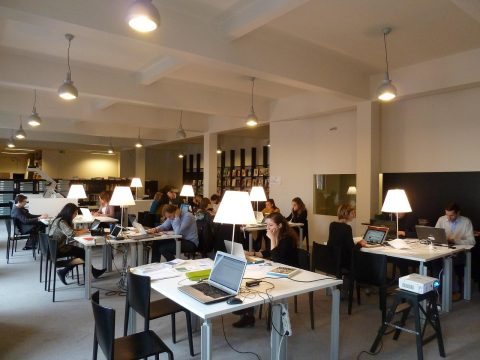
MoMu - Fashion Museum
Located in the heart of the fashion district, MoMu celebrates Antwerp's status as a fashion capital. The museum showcases the Antwerp Six designers, contemporary fashion exhibitions, and the city's textile heritage. Rotating exhibitions feature both established and emerging designers, making it essential for fashion enthusiasts.
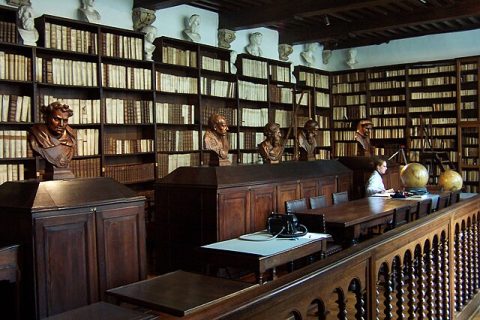
Plantin-Moretus Museum
The world's only UNESCO-listed printing museum and publishing house. The museum is closed until 5 December 2026; check its site before planning a visit, rare manuscripts, and works by Rubens who illustrated many books. The museum tells the story of the Plantin-Moretus family's revolutionary impact on European printing and publishing.
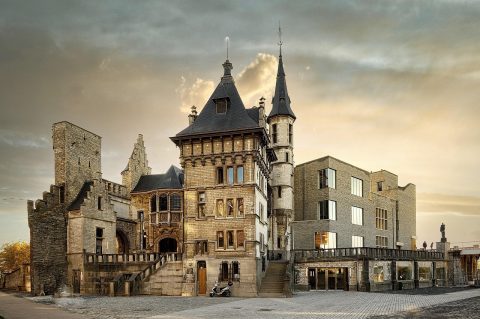
Red Star Line Museum
Powerful museum in the original shipping company headquarters that sent 2 million emigrants to America (1873-1934). Personal stories, artifacts, and interactive displays chronicle the hopes and hardships of those seeking a new life. Particularly moving for visitors with Belgian or European ancestry who may discover family connections.
Tips for Museums & Galleries
- Museum Pass: Consider the Antwerp City Card for free or discounted museum access
- Book Ahead: Rubens Experience has limited capacity and recommends advance booking; the historic Rubenshuis residence is closed. Check KMSKA’s booking requirements before visiting.
- Some Antwerp museums offer free admission on the first Tuesday of the month to Antwerp residents with an A-card; check each museum’s current terms.
- Rooftop Views: MAS panorama is always free, even if you skip the museum exhibitions