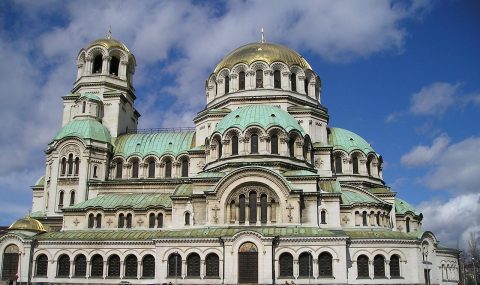
Sofia rewards travelers who prioritize wisely. The gold-domed Alexander Nevsky Cathedral is the obvious starting point, its scale and mosaics unmatched in the Balkans, while the nearby Rotunda Church of St. George reveals Roman-era foundations hiding just beneath the modern capital. History enthusiasts should pair a stop at the National Museum of History with the excavated Ancient Serdica Complex downtown, both tracing the city back centuries before Sofia existed. For a change of pace, Vitosha Mountain offers quick access to nature right at the city's edge. With reliable Sofia Metro connections and a well-run Free Sofia Tour to tie it all together, even a brief stay covers the essentials efficiently.
Sofia's skyline tells stories spanning millennia, from 4th-century rotundas to 20th-century Soviet monuments. The city's architectural tapestry reflects Byzantine, Ottoman, and Communist influences, creating a unique urban landscape where golden church domes rise beside socialist-era buildings.
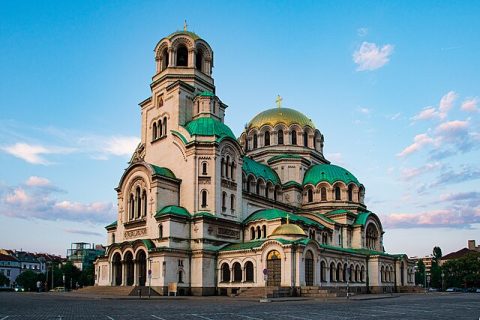
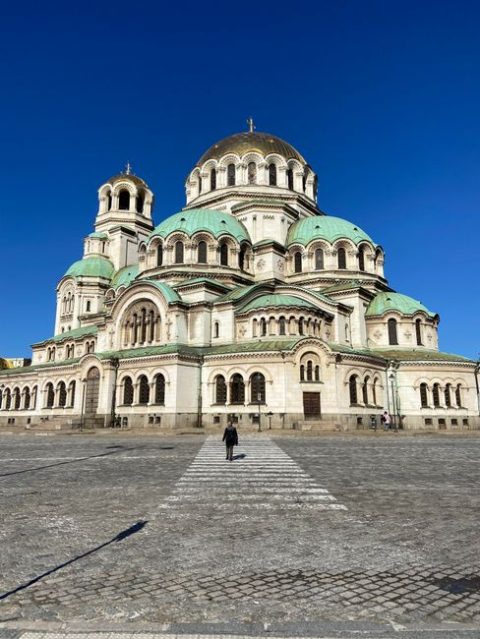
One of the largest Orthodox cathedrals in the Balkans, this Neo-Byzantine masterpiece features stunning golden domes and holds up to 5,000 worshippers. Built as a memorial to the 200,000 Russian soldiers who died in the Russo-Turkish War liberating Bulgaria, the cathedral's interior dazzles with Italian marble, Brazilian onyx, and intricate iconography. The crypt houses Bulgaria's finest icon collection with over 300 pieces dating from the 9th to 19th centuries. Photography inside is not permitted to preserve the sacred atmosphere.
Built in the 4th century AD, this is Sofia's oldest building and one of the best-preserved early Christian buildings in the Balkans. The circular red-brick rotunda features three layers of stunning medieval frescoes dating from the 10th, 12th, and 14th centuries. Nestled between modern buildings and the Presidency, this ancient gem stands as a testament to Sofia's Roman past, originally constructed during the reign of Emperor Constantine the Great.
Tips for Landmarks & Monuments
- Photography etiquette: Photography is not allowed inside Alexander Nevsky Cathedral, but the exterior provides spectacular photo opportunities
- Changing of the Guard: Visit the Presidency building every hour to watch the ceremonial guard change
- Best lighting: Golden hour (sunset) offers the most dramatic lighting for photographing Sofia's monuments
- Combined visits: Many major landmarks are within walking distance in the city center, plan a 2-3 hour walking route
Sofia's museum scene offers remarkable depth, from ancient Thracian gold treasures to cutting-edge contemporary art. The city hosts over 70 museums and galleries, many housed in historic buildings. Bulgaria's rich archaeological heritage is displayed alongside Socialist-era art, creating fascinating cultural contrasts.
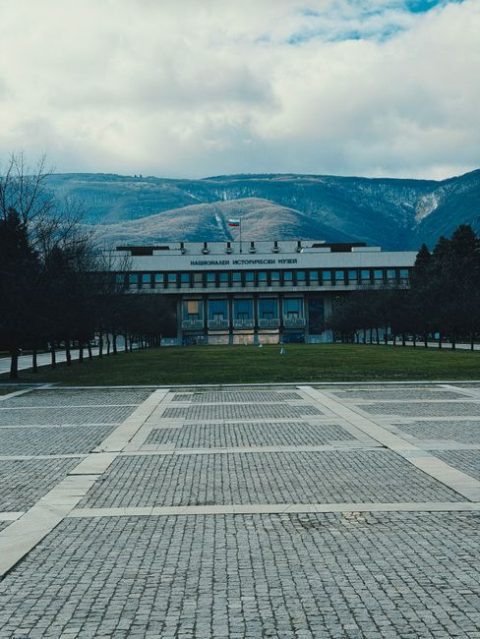
Located in the Boyana district, this is Bulgaria's largest museum with over 650,000 artifacts spanning from prehistory to modern times. The star attractions include the world-famous Thracian gold treasures from Panagyurishte and Rogozen, plus the oldest processed gold in Europe from the Varna Necropolis (4600-4200 BC). The museum occupies the former Communist Party residence, adding another layer of historical intrigue. Collections include medieval manuscripts, traditional costumes, and Ottoman-era artifacts.
Tips for Museums & Galleries
- Night of Museums: Visit on May 17th when over 70 museums offer free admission and special programming until midnight
- Free entry days: Earth and Man Museum is free on the last Tuesday of each month
- Combined tickets: The National Gallery and Ethnographic Museum share an entrance in the Royal Palace
- Photography rules: Check each museum's photography policy; some prohibit flash or require additional payment
- Language: Most major museums offer information in English; audio guides may be available
Sofia's religious architecture spans 17 centuries, from early Christian churches to Ottoman mosques and ornate synagogues. The city is known as the 'city of religious tolerance' where Orthodox churches, a mosque, Catholic cathedral, and synagogue coexist within walking distance in the city center, reflecting Bulgaria's multicultural heritage.
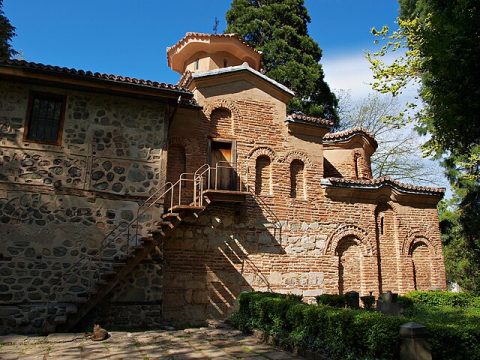
UNESCO World Heritage Site located in the Boyana district at the foot of Vitosha Mountain. This medieval church contains some of the most important 13th-century frescoes in Europe, predating the Italian Renaissance. The intimate interior showcases 89 scenes with 240 human images, featuring remarkably realistic portraits. Only small groups are admitted at a time to protect the precious frescoes. Combined with a visit to the National Museum of History nearby makes for a perfect half-day excursion.
Tips for Religious Sites
- Dress code: Modest dress required at all religious sites - shoulders and knees covered
- Religious tolerance: Within 500 meters in central Sofia, you can visit an Orthodox cathedral, Catholic church, mosque, and synagogue
- Boyana Church booking: Reserve tickets in advance as only 8 people are admitted every 15 minutes
- Free admission: Most churches and the cathedral offer free entry, though donations are welcome
- Photography: Generally not allowed inside active religious buildings; check before taking photos
Sofia's ancient heritage dates back over 7,000 years, with the modern city built literally on top of the Roman city of Serdica. Excavated ruins coexist with contemporary metro stations and shopping streets, offering visitors a unique glimpse into multiple historical layers beneath their feet.
A spectacular open-air archaeological site showcasing the ruins of ancient Roman Serdica, preserved beneath and around the modern Serdika metro station. The complex features streets, buildings, and city walls from the 4th-6th centuries AD, including Roman baths and early Christian basilicas. Visitors can walk on glass floors above the excavations or descend to explore the ruins up close. Free to visit 24/7, offering a surreal experience of ancient history integrated into contemporary urban life. The juxtaposition of ancient Roman stones with modern commuters passing overhead is uniquely Sofia.
Tips for Ancient & Historical Sites
- Underground access: The Serdica ruins can be explored from both Serdika I and Serdika II metro stations
- Free mineral water: Fill your bottle at the taps outside the former Central Baths - locals swear by its health benefits
- Archaeological walks: Join a free walking tour to understand the historical context of the ruins
- Photography friendly: Ancient sites welcome photographers - capture the contrast of ancient and modern
Sofia's districts each tell different stories, from the bohemian Kapana-like areas filled with street art to leafy residential neighborhoods at the mountain's base. Exploring beyond the center reveals authentic local life, hidden cafés, and architectural gems.
The historic heart of Sofia encompasses ancient ruins, major landmarks, pedestrian streets, and vibrant commercial areas. Contains most major tourist attractions within walkable distance including churches, museums, restaurants, and shopping. The center perfectly blends historical preservation with modern urban energy. Multiple metro stations provide easy access. Offers everything from luxury hotels to budget hostels, traditional restaurants to international cuisine.
Tips for Neighborhoods
- Local perspective: Explore neighborhoods on foot to discover authentic Sofia beyond tourist sites
- Safety: Sofia is generally safe; use normal urban precautions, especially after dark
- Language: English is widely spoken in central areas; learning basic Bulgarian phrases appreciated in neighborhoods
- Getting around: Efficient metro, tram, and bus network connects all neighborhoods
Sofia is one of Europe's greenest capitals, with abundant parks, gardens, and the imposing Vitosha Mountain as a dramatic backdrop. These green spaces provide respite from urban energy and are beloved by locals for relaxation, exercise, and socializing.
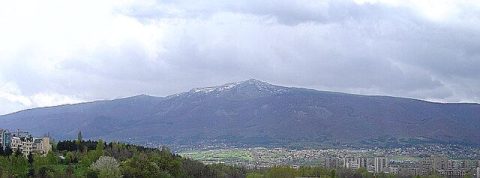
A massive natural park dominating Sofia's skyline, reaching 2,290 meters at Cherni Vrah peak. Just 30 minutes from the city center, Vitosha offers hiking trails, ski resorts, mountain huts, and panoramic views. The mountain is accessible year-round with well-marked trails for all fitness levels. In winter, Aleko ski resort attracts skiers and snowboarders. Summer brings hikers to alpine meadows filled with wildflowers. The entire mountain is a nature park protecting rare flora and fauna. Cable cars and chairlifts provide easy access to higher elevations.
Tips for Parks & Gardens
- Mountain access: Take bus 66 or 93 to Vitosha; cable car from Simeonovo reaches higher elevations
- Hiking preparation: Bring water, snacks, and appropriate footwear for Vitosha trails; weather changes quickly
- Best seasons: Spring (April-May) for wildflowers; autumn (September-October) for golden foliage
- Park activities: Many parks have free WiFi, making them perfect for digital nomads seeking outdoor workspace
- Winter sports: Vitosha's ski season typically runs December-March; equipment rental available at Aleko
Sofia boasts an efficient and affordable public transportation system including metro, trams, buses, and trolleybuses. The metro is modern, clean, and expanding. Transportation is remarkably inexpensive, making city navigation budget-friendly for visitors.
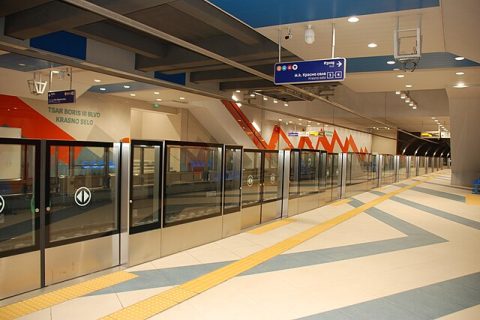
A modern four-line metro system connecting major areas including the airport. Clean, efficient, and affordable with single rides costing approximately 1.60 BGN. Metro stations showcase contemporary design and archaeological finds - Serdika station famously incorporates Roman ruins into its structure. Trains run approximately every 5-10 minutes during peak hours. Announcements in Bulgarian and English. The metro provides the fastest way to navigate Sofia, avoiding surface traffic.
Sofia Airport (SOF) connects to the city center via Metro Line 1, taking approximately 20 minutes. Airport metro station is integrated into Terminal 2. Alternatively, public buses 84 and 384, taxis, and ride-sharing apps provide transportation options. Airport is only 10km from the center, making transfers quick and easy. Metro is the most economical option at 1.60 BGN; official taxis cost around 15-20 BGN to center.
Tips for Transportation
- Payment: Buy tickets from kiosks, machines, or contactless cards; validate immediately upon boarding
- Day passes: Purchase 1-day (4 BGN) or 3-day passes for unlimited travel if using frequently
- Apps: Download Sofia Traffic app for real-time schedules and route planning
- Taxi safety: Use official OK Supertrans or Yellow Taxi; avoid unmarked vehicles near tourist areas
- Walking city: Central Sofia is very walkable; use transport mainly for airport, Vitosha, or outlying attractions
Sofia offers diverse experiences from free walking tours showcasing communist history to food tours exploring Bulgarian cuisine. Adventure activities on Vitosha Mountain, cultural workshops, and day trips to monasteries provide varied ways to engage with Sofia and Bulgaria.
Popular walking tours led by enthusiastic local guides covering Sofia's history, architecture, and culture. Tours typically last 2-3 hours, starting from major central locations. Topics include communist heritage, religious tolerance, ancient Roman history, and contemporary Sofia. Operating on a tip-based model, these tours provide excellent orientation for first-time visitors. Multiple companies offer various themed tours including street art, Soviet history, and food tours. Reservations recommended, especially during peak season.
Tips for Tours & Activities
- Booking ahead: Reserve popular tours 1-2 days in advance, especially during peak summer months
- Weather preparation: Mountain activities require appropriate clothing; weather changes quickly at elevation
- Free tour tipping: Standard tips for free walking tours are 10-20 BGN per person
- Combination tours: Many companies offer multi-day packages combining city tours with monastery visits
- Private options: Most tours available as private experiences for groups at additional cost
Sofia's central location enables spectacular day trips to UNESCO monasteries, mountain towns, and historical sites. Within 1-2 hours, visitors can explore medieval monasteries, Roman ruins, picturesque villages, and dramatic natural landscapes.
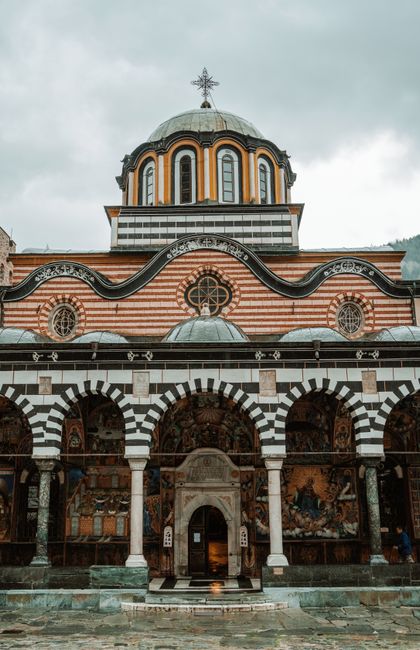
Bulgaria's most famous monastery and UNESCO World Heritage Site, located 120km south of Sofia in the Rila Mountains. Founded in the 10th century, the current complex features stunning 19th-century frescoes, striped arches, and Bulgaria's most important spiritual site. The monastery houses priceless religious artifacts and offers insight into Bulgarian National Revival architecture. Surrounded by dramatic mountain scenery with hiking opportunities. Organized tours available, or accessible by public bus. Essential day trip from Sofia combining spirituality, history, art, and nature.
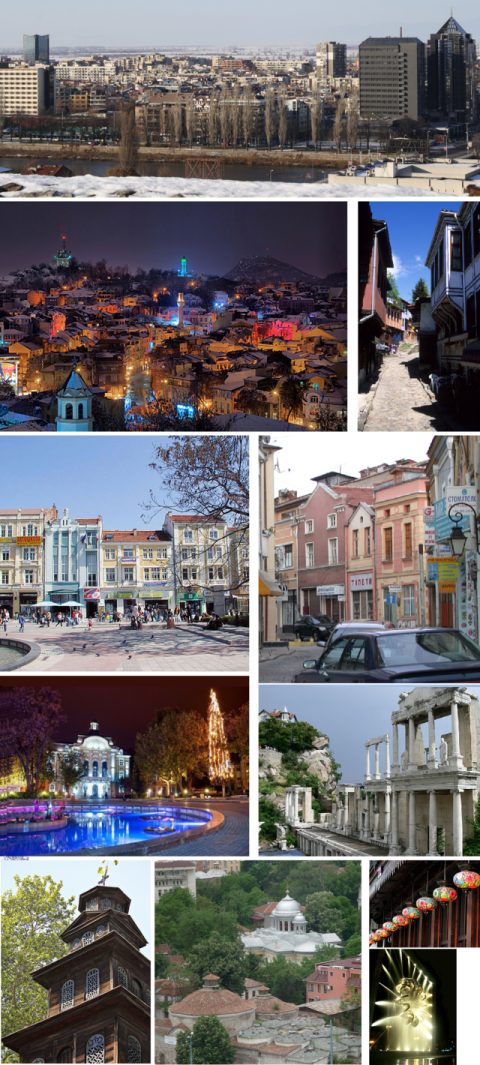
Bulgaria's second-largest city and European Capital of Culture 2019, located 150km southeast of Sofia. One of the world's oldest continuously inhabited cities with a beautifully preserved Old Town, ancient Roman theater, mosaic-filled houses, and vibrant arts scene. The cobblestone streets climb three hills featuring colorful National Revival houses. The Roman stadium lies beneath the modern pedestrian street. Hip cafés, galleries, and restaurants fill restored historic buildings. Easy 1.5-2 hour train or bus journey makes this an essential day trip.
Tips for Day Trips
- Transportation: Organized tours simplify logistics; public buses available to most destinations but require planning
- Early starts: Leave Sofia by 8-9am to maximize time at destinations
- Rila Monastery timing: Arrive early to avoid tour groups; monastery closes 6pm
- Weather preparation: Mountain destinations require warm layers even in summer
- Combined trips: Seven Rila Lakes and Rila Monastery can be combined but makes for a very long day
Real, highly-rated Restaurants in Sofia, sourced from Google Places (rating above 4★).

Vita Rama Vegan Restaurant is a highly-rated restaurant in Sofia, rated 4.9★ from 1156 reviews. Located at Old City Center, ul. "Doctor Peter Beron" 9, 1142 Sofia, Bulgaria.
Opening Hours
- Monday: 11:00 AM – 4:00 PM
- Tuesday: 11:00 AM – 10:00 PM
- Wednesday: 11:00 AM – 10:00 PM
- Thursday: 11:00 AM – 10:00 PM
- Friday: 11:00 AM – 10:00 PM
- Saturday: 11:00 AM – 10:00 PM
- Sunday: Closed

Lavelé Garden is a highly-rated restaurant in Sofia, rated 4.8★ from 5946 reviews. Located at Old City Center, bul. "Vitosha" 34, 1000 Sofia, Bulgaria.
Opening Hours
- Monday: 9:00 AM – 1:00 AM
- Tuesday: 9:00 AM – 1:00 AM
- Wednesday: 9:00 AM – 1:00 AM
- Thursday: 9:00 AM – 1:00 AM
- Friday: 9:00 AM – 1:00 AM
- Saturday: 9:00 AM – 1:00 AM
- Sunday: 9:00 AM – 1:00 AM

Kuzina is a highly-rated restaurant in Sofia, rated 4.8★ from 2816 reviews. Located at Sofia Center, ul. "Han Asparuh" 36, 1000 Sofia, Bulgaria.
Opening Hours
- Monday: 12:00 – 11:30 PM
- Tuesday: 12:00 – 11:30 PM
- Wednesday: 12:00 – 11:30 PM
- Thursday: 12:00 – 11:30 PM
- Friday: 12:00 – 11:30 PM
- Saturday: 12:00 – 11:30 PM
- Sunday: 12:00 – 11:30 PM

Izzy's Coffee and Brunch is a highly-rated restaurant in Sofia, rated 4.8★ from 1331 reviews. Located at Old City Center, bul. "Knyaginya Maria Luiza" 17, 1000 Sofia, Bulgaria.
Opening Hours
- Monday: 9:00 AM – 5:00 PM
- Tuesday: 9:00 AM – 5:00 PM
- Wednesday: 9:00 AM – 5:00 PM
- Thursday: 9:00 AM – 5:00 PM
- Friday: 9:00 AM – 5:00 PM
- Saturday: 9:00 AM – 9:30 PM
- Sunday: 9:00 AM – 9:30 PM

Restaurant "Staria Chinar" is a highly-rated restaurant in Sofia, rated 4.7★ from 6218 reviews. Located at Sofia Center, Knyaz Alexander Dondukov Blvd 71, 1527 Sofia, Bulgaria.
Opening Hours
- Monday: 11:00 AM – 11:00 PM
- Tuesday: 11:00 AM – 11:00 PM
- Wednesday: 11:00 AM – 11:00 PM
- Thursday: 11:00 AM – 11:00 PM
- Friday: 11:00 AM – 11:00 PM
- Saturday: 11:00 AM – 11:00 PM
- Sunday: 11:00 AM – 11:00 PM

Lavelé Kitchen&Bar is a highly-rated restaurant in Sofia, rated 4.7★ from 2044 reviews. Located at Old City Center, ul. "Laveleye" 20, 1000 Sofia, Bulgaria.
Opening Hours
- Monday: 8:00 AM – 12:00 AM
- Tuesday: 8:00 AM – 12:00 AM
- Wednesday: 8:00 AM – 12:00 AM
- Thursday: 8:00 AM – 12:00 AM
- Friday: 8:00 AM – 12:00 AM
- Saturday: 9:30 AM – 12:00 AM
- Sunday: 9:30 AM – 12:00 AM

KOMAT Restaurant is a highly-rated restaurant in Sofia, rated 4.7★ from 778 reviews. Located at Sofia Center, ul. "Bratya Miladinovi" 46, 1303 Sofia, Bulgaria.
Opening Hours
- Monday: 8:00 AM – 4:00 PM, 5:00 – 11:00 PM
- Tuesday: 8:00 AM – 4:00 PM, 5:00 – 11:00 PM
- Wednesday: 8:00 AM – 4:00 PM, 5:00 – 11:00 PM
- Thursday: 8:00 AM – 4:00 PM, 5:00 – 11:00 PM
- Friday: 8:00 AM – 4:00 PM, 5:00 – 11:00 PM
- Saturday: 9:00 AM – 4:00 PM, 5:00 – 11:00 PM
- Sunday: 9:00 AM – 4:00 PM, 5:00 – 11:00 PM

ARIA Restaurant is a highly-rated restaurant in Sofia, rated 4.7★ from 1076 reviews. Located at Sofia Center, ul. "Uzundzhovska" 7-9, 1000 Sofia, Bulgaria.
Opening Hours
- Monday: 12:00 – 11:00 PM
- Tuesday: 12:00 – 11:00 PM
- Wednesday: 12:00 – 11:00 PM
- Thursday: 12:00 – 11:00 PM
- Friday: 12:00 – 11:00 PM
- Saturday: 12:00 – 11:00 PM
- Sunday: 12:00 – 11:00 PM

Piatto Collezione is a highly-rated restaurant in Sofia, rated 4.7★ from 3910 reviews. Located at Old City Center, ul. "Verila" 5, 1463 Sofia, Bulgaria.
Opening Hours
- Monday: 11:00 AM – 11:00 PM
- Tuesday: 11:00 AM – 11:00 PM
- Wednesday: 11:00 AM – 11:00 PM
- Thursday: 11:00 AM – 11:00 PM
- Friday: 11:00 AM – 12:00 AM
- Saturday: 11:00 AM – 12:00 AM
- Sunday: 11:00 AM – 11:00 PM

COOKÓ Kitchen:Drinks is a highly-rated restaurant in Sofia, rated 4.7★ from 722 reviews. Located at Old City Center, ul. "Ivan Denkoglu" 40, 1000 Sofia, Bulgaria.
Opening Hours
- Monday: 7:00 AM – 10:00 PM
- Tuesday: 7:00 AM – 10:00 PM
- Wednesday: 7:00 AM – 10:00 PM
- Thursday: 7:00 AM – 10:30 PM
- Friday: 7:00 AM – 10:30 PM
- Saturday: 7:00 AM – 10:30 PM
- Sunday: 7:00 AM – 10:00 PM

Unica Restaurant is a highly-rated restaurant in Sofia, rated 4.6★ from 2026 reviews. Located at Sofia Center, bul. "Tsar Osvoboditel" 8A, 1000 Sofia, Bulgaria.
Opening Hours
- Monday: 12:00 – 3:30 PM, 4:30 – 11:00 PM
- Tuesday: 12:00 – 3:30 PM, 4:30 – 11:00 PM
- Wednesday: 12:00 – 3:30 PM, 4:30 – 11:00 PM
- Thursday: 12:00 – 3:30 PM, 4:30 – 11:00 PM
- Friday: 12:00 – 3:30 PM, 4:30 – 11:00 PM
- Saturday: 12:00 – 3:30 PM, 4:30 – 11:00 PM
- Sunday: Closed

Shtastlivetsa Restaurant is a highly-rated restaurant in Sofia, rated 4.6★ from 5212 reviews. Located at Doctor's Garden, San Stefano St 22, 1504 Sofia, Bulgaria.
Opening Hours
- Monday: 12:00 PM – 12:00 AM
- Tuesday: 12:00 PM – 12:00 AM
- Wednesday: 12:00 PM – 12:00 AM
- Thursday: 12:00 PM – 12:00 AM
- Friday: 12:00 PM – 12:00 AM
- Saturday: 12:00 PM – 12:00 AM
- Sunday: 12:00 PM – 12:00 AM

Chef's Restaurant is a highly-rated restaurant in Sofia, rated 4.6★ from 2265 reviews. Located at g.k. Lozenets, ul. "Lyubata", 1407 Sofia, Bulgaria.
Opening Hours
- Monday: 12:00 – 11:00 PM
- Tuesday: 12:00 – 11:00 PM
- Wednesday: 12:00 – 11:00 PM
- Thursday: 12:00 – 11:00 PM
- Friday: 12:00 – 11:00 PM
- Saturday: 12:00 – 11:00 PM
- Sunday: 12:00 – 11:00 PM