Plan your trip to Phnom Penh
- How long
- 2 days: the Royal Palace and Silver Pagoda, the National Museum, the riverfront, plus Tuol Sleng and Choeung Ek.
- Best for
- History-minded travellers: a Royal Palace complex, colonial riverfront and the sober Khmer Rouge memorials.
- Skip it if
- You want beaches or ruins: Siem Reap (Angkor) and the coast are separate trips, and Phnom Penh is hot and busy.
If you only do three things
- The Royal Palace and Silver Pagoda.
- The National Museum and the Tuol Sleng Genocide Museum.
- The riverfront at sunset (Sisowath Quay).
A one-day route
- Morning: The Royal Palace and Silver Pagoda (dress modestly).
- Midday: Lunch near the Central Market or Russian Market.
- Afternoon: Tuol Sleng Genocide Museum; the Choeung Ek memorial if you have time.
- Evening: Sunset on Sisowath Quay and dinner by the river.
Before you go
- Techo International Airport (KTI), which replaced Phnom Penh International Airport in September 2025.
- Dress modestly at the Royal Palace and temples (shoulders and knees covered).
- The Angkor Archaeological Park is in Siem Reap, about 300 km away, not a day trip.
- Tuol Sleng and Choeung Ek are somber; allow time and be respectful.
Prices, opening status and transport in this plan checked against official sources on 30 September 2026.
Things to do in Phnom Penh
Iconic structures that define Phnom Penh's skyline and cultural heritage, from colonial-era buildings to modern landmarks celebrating Cambodia's independence and spiritual traditions.
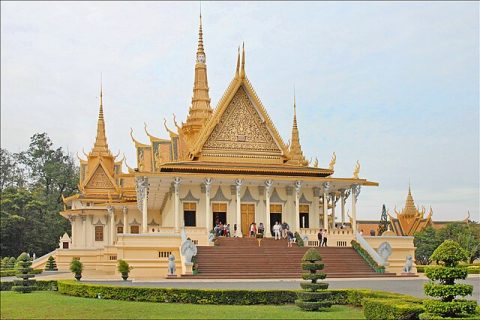
Royal Palace
The official residence of the Cambodian monarch, featuring stunning Khmer architecture with glittering golden spires. The palace complex includes ornate pavilions, manicured gardens, and the sacred Silver Pagoda with its 5,000 silver tiles. The emerald Buddha and footprint of Buddha are housed within its walls.
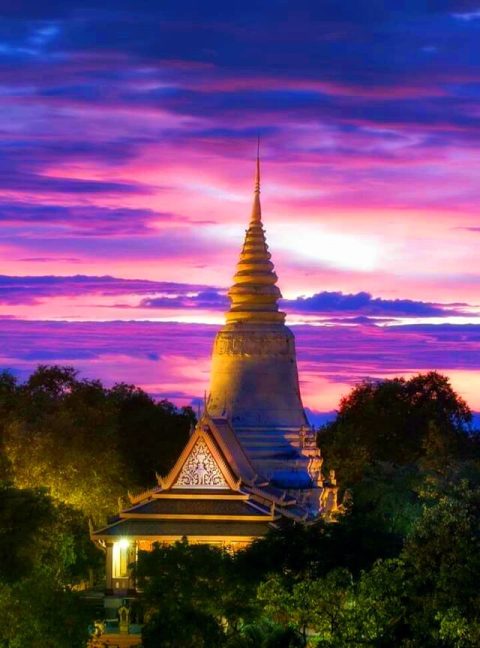
Wat Phnom
The city's oldest temple (14th century) sits atop a 27-meter artificial hill in the heart of Phnom Penh. Housing multiple Buddha statues and offering panoramic city views, this spiritual landmark is sacred to locals and provides respite amid urban bustle.
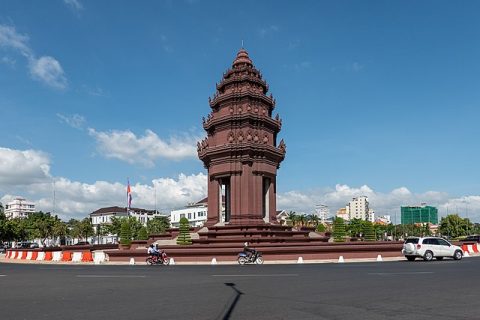
Independence Monument
A striking 37-meter tall monument built in 1958 and inaugurated in 1962. Designed in traditional Khmer style with lotus-shaped platforms and four arms, it's beautifully illuminated at night and surrounded by fountains.
Tips for Landmarks & Monuments
- Visit Royal Palace and Silver Pagoda early morning to avoid crowds and heat
- Wear respectful clothing: covered shoulders and knees required
- Hire a guide for deeper historical context and stories
- Independence Monument is magical at sunset and nighttime
Repositories of Cambodia's rich history and artistic heritage, documenting everything from Khmer civilization to contemporary struggles and cultural achievements.
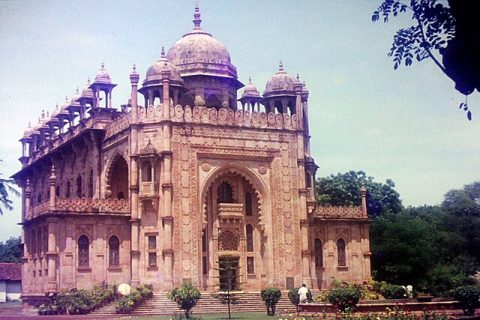
National Museum
Cambodia's largest museum housing the world's finest collection of Khmer sculpture and artifacts. The red building contains treasures from Angkor period, Hindu-Buddhist sculptures, ancient ceramics, and royal regalia spanning centuries of Khmer civilization.
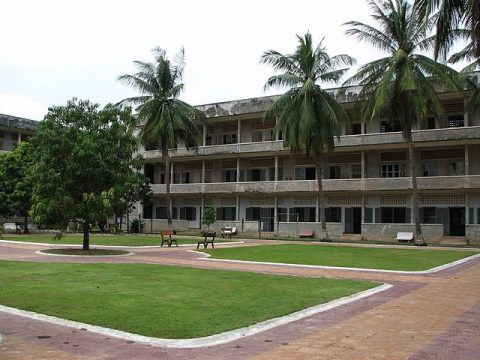
Tuol Sleng Genocide Museum
A sobering memorial to Khmer Rouge atrocities (1975-1979), housed in a former torture prison S-21 imprisoned an estimated 15,000–20,000 people; most were executed at nearby Choeung Ek. Exhibits include photographs, personal belongings, and survivor testimonies. Essential but emotionally intense for understanding Cambodia's modern history.
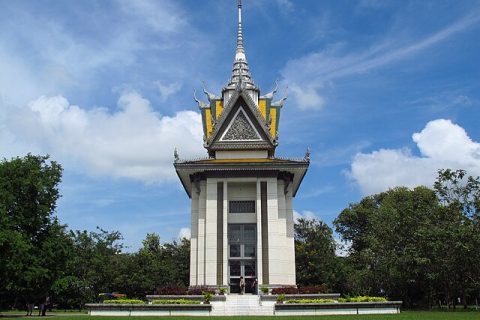
Choeung Ek Genocidal Center
The 'Killing Fields' where Khmer Rouge executions took place. A haunting memorial with a stupa containing 8,000+ skulls, bullet-ridden trees, and open fields. An audioguide provides context for victims' stories and experiences during this dark period.
Tips for Museums & Galleries
- Book guided tours for museums to gain deeper insights from local perspectives
- Allow emotional processing time after genocide museums
- Many museums have restricted photography policies
- The National Museum lists admission as $5 for foreign visitors aged 10–17, $10 for foreign visitors aged 18+, and free for children and school groups; it does not list a student discount.
Sacred Buddhist temples and spiritual centers reflecting Cambodia's deep spiritual heritage, offering serene spaces for meditation, worship, and cultural exploration.
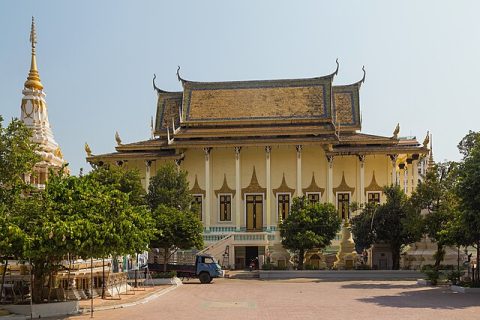
Wat Botum
One of Phnom Penh's largest temples and a community hub, this sprawling complex features ornate carvings, peaceful courtyards, and multiple halls. The temple hosts festivals and serves as a center for Buddhist education and spiritual practice.
Tips for Religious Sites
- Respectful dress is essential: cover shoulders and knees
- Remove shoes before entering main prayer halls
- Early morning visits allow you to witness monks' alms-giving ceremonies
- Photography may be restricted in certain areas; always ask permission
- Avoid pointing feet at Buddha images
Green spaces offering respite from urban energy, perfect for leisurely walks, picnics, and enjoying riverside scenery with locals and fellow travelers.
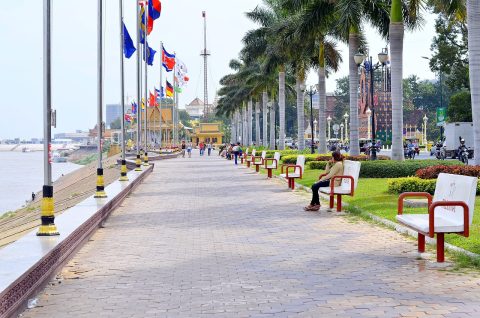
Riverside Park
A scenic waterfront promenade along the Tonlé Sap River stretching 4 kilometers, with walking paths, local food vendors, and views of traditional wooden boats. Perfect for sunset strolls and people-watching among local residents enjoying evening activities.
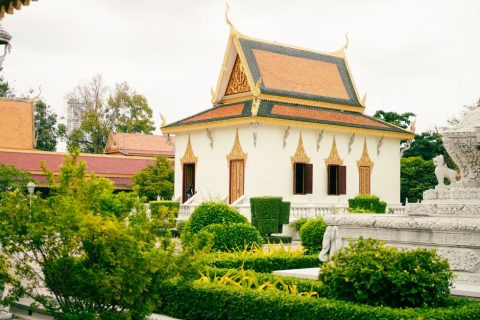
Chaktomuk Conferenceroom Garden
A newly renovated waterfront area at the confluence of three rivers (Tonlé Sap, Bassac, and Mekong), featuring landscaped gardens, fountains, and outdoor sitting areas. Offers peaceful spots for reflection and photography with river views.
Tips for Parks & Gardens
- Riverside Park is best visited in late afternoon for cooling breeze and sunset views
- Bring insect repellent, especially during dusk
- Street food vendors along the river offer authentic local snacks
- Lakes are popular with locals; visit early morning to experience authentic daily life
Bustling bazaars and markets reflecting Cambodian commerce and daily life, from souvenir shopping to authentic local goods and street food discoveries.
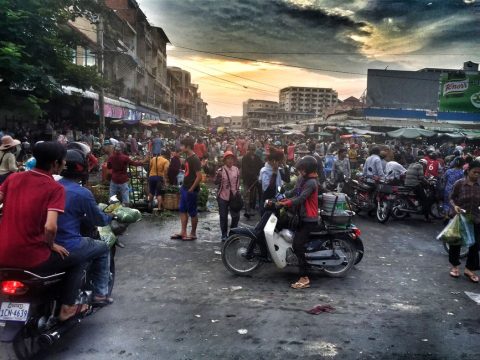
Russian Market (Toul Tom Poung)
Phnom Penh's most popular tourist market a covered market with stalls arranged in distinct areas.” The market is not a multilevel shopping complex. The covered market has a labyrinthine layout with stalls selling textiles, jewelry, artwork, and local delicacies.
Central Market (Phsar Thmei / Psar Thmei).
Phnom Penh's historic Art Deco market building (1937) featuring a striking yellow dome and cross-shaped layout. Stalls sell jewelry, silver, textiles, spices, and handicrafts. The architecture alone is impressive; it's an iconic photo spot and cultural landmark.
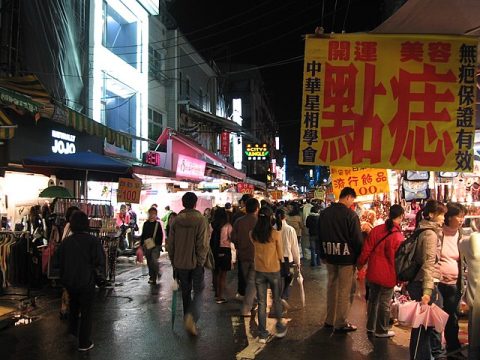
Night Market
A lively evening market (typically opening around 5 PM) with food stalls, clothing, electronics, and street performers. Popular with locals and tourists, it offers authentic street food experiences and people-watching opportunities in a vibrant atmosphere.
Tips for Shopping & Markets
- Bargaining is expected at markets but not supermarkets
- Visit Russian Market early morning to avoid crowds and heat
- Bring small bills for easier transactions
- Street food at night markets is usually fresh and cheap but assess hygiene
- Keep belongings secure in crowded market areas
Guided experiences and interactive activities offering deeper cultural immersion, from river cruises to cooking classes and historical tours led by knowledgeable locals.
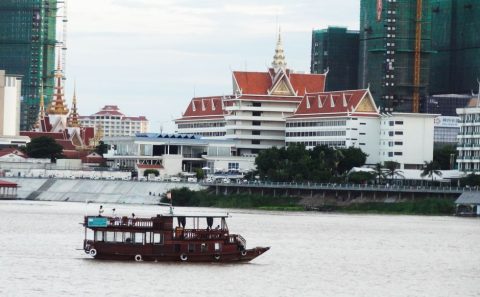
Tonlé Sap River Cruises
Daytime and sunset cruises along Phnom Penh's scenic rivers offering panoramic city views, historic landmarks from the water, and traditional wooden boat experiences. Evening cruises often include dinner and entertainment with live Khmer music and dance performances.
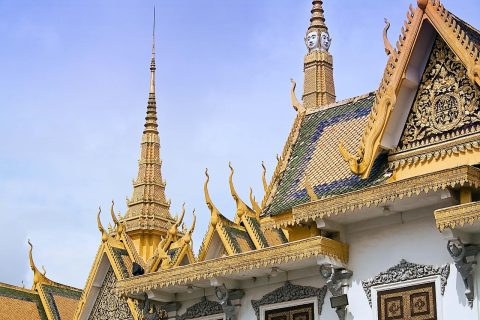
Guided Historical Tours
Comprehensive tours covering Khmer Rouge history, colonial architecture, temples, and cultural landmarks, led by informed guides who provide personal perspectives and historical context. Tours available for half-day or full-day options with flexible itineraries.
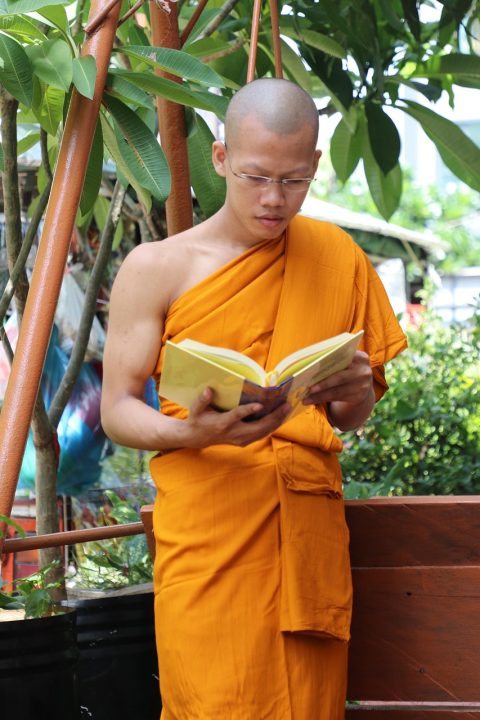
Khmer Cooking Classes
Interactive classes teaching traditional Cambodian cooking techniques using authentic ingredients and recipes. Classes typically visit local markets, prepare multiple dishes, and end with dining on prepared meals. Offers cultural insight through culinary traditions and flavor profiles.
Tips for Tours & Activities
- Book tours through established companies with verified reviews
- Cooking classes should include market visits for authentic experience
- River cruises are best at sunset for lighting and comfortable temperatures
- Historical tours benefit from knowledgeable guides; tip appropriately
Nearby attractions within day-trip distance offering contrasting experiences from floating villages to ancient temples and countryside adventures.
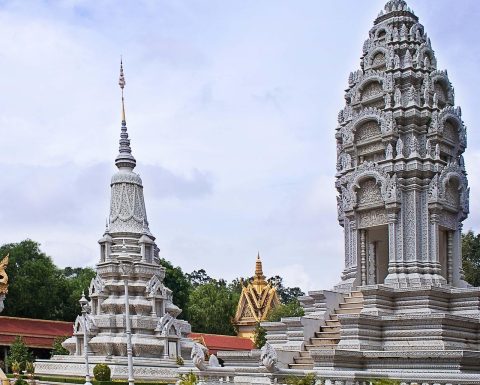
Udong Temple Mountain
Ancient mountaintop temple complex 40 km north featuring hilltop stupas, ruins, and spiritual centers from pre-Angkor periods. Climb stairs to summit for panoramic countryside views and visit sacred temples still in active use by monks.
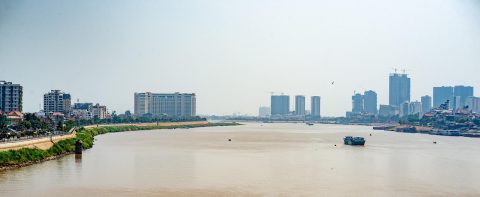
Takeo Province Temples
Southern province featuring pre-Angkorian temples and archaeological sites set in rural landscape. Includes Ta Prohm Temple and Ta Moan temples with Hindu and Buddhist sculptures. Less crowded than Siem Reap temples with authentic rural Cambodian experience.
Tips for Day Trips & Excursions
- Floating villages tours should be booked through responsible operators supporting local communities
- Early morning departures allow you to experience villages before tourist crowds
- Bring sunscreen, hat, and water for full-day trips
- Udong requires moderate fitness for temple mountain climbs
Public spaces defining Phnom Penh's urban character, from colonial heritage streets to bustling hubs of commerce and local life.
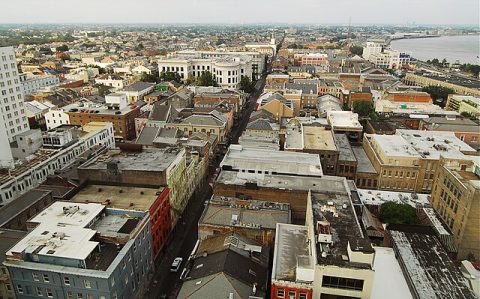
French Quarter (Boeng Keng Kong)
Historic district featuring colonial-era architecture with tree-lined streets, elegant mansions, government buildings, and French-influenced cafes. The area showcases Phnom Penh's colonial heritage with restored villas alongside modern developments, creating charming aesthetic contrasts.
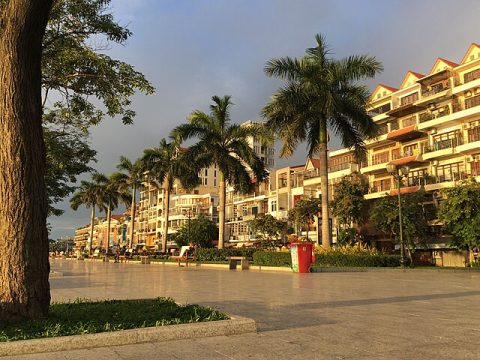
Sisowath Quay
The riverfront boulevard lining Tonlé Sap River with colonial buildings, restaurants, bars, and shops. Popular evening promenade with locals and tourists, offering river views, street food vendors, and vibrant nightlife with silhouettes of traditional boats against sunset.
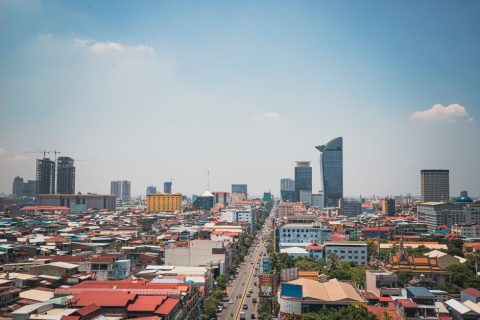
Street 240 Art District
A revitalized artistic hub with galleries, cafes, boutiques, and street art murals. Local artists exhibit contemporary work, vintage shops offer unique finds, and restaurants serve international and local cuisine. The area transforms nightly with vibrant social scene and evening strolls.
Tips for Squares & Streets
- French Quarter is best explored on foot with frequent cafe breaks
- Street 240 offers best shopping during daytime; nightlife picks up after 6 PM
- Sisowath Quay is ideal for sunset walks and evening dining
- Always use crosswalks and watch for motorbike traffic on main streets
Real, highly-rated Restaurants in Phnom Penh, sourced from Google Places (rating above 4★).
Phnom Penh Three Rivers Restaurant
Phnom Penh Three Rivers Restaurant is a highly-rated restaurant in Phnom Penh, rated 4.9★ from 868 reviews. Located at 164 Preah Ang Eng St. (13), Phnom Penh 12200, Cambodia.
Opening Hours
- Monday: 11:00 AM – 9:30 PM
- Tuesday: 11:00 AM – 9:30 PM
- Wednesday: 11:00 AM – 9:30 PM
- Thursday: 11:00 AM – 9:30 PM
- Friday: 11:00 AM – 9:30 PM
- Saturday: 11:00 AM – 9:30 PM
- Sunday: 11:00 AM – 9:30 PM
Shindi Georgian Cuisine Phnom Penh
Shindi Georgian Cuisine Phnom Penh is a highly-rated restaurant in Phnom Penh, rated 4.9★ from 325 reviews. Located at 11B, Street 29, Phnom Penh, Cambodia.
Opening Hours
- Monday: Closed
- Tuesday: 12:00 – 10:00 PM
- Wednesday: 12:00 – 10:00 PM
- Thursday: 12:00 – 10:00 PM
- Friday: 12:00 – 10:00 PM
- Saturday: 12:00 – 10:00 PM
- Sunday: 12:00 – 10:00 PM
Wild Phnom Penh
Wild Phnom Penh is a highly-rated restaurant in Phnom Penh, rated 4.8★ from 934 reviews. Located at 13Y St 830, Phnom Penh, Cambodia.
Opening Hours
- Monday: 8:00 AM – 11:30 PM
- Tuesday: 8:00 AM – 11:30 PM
- Wednesday: 8:00 AM – 11:30 PM
- Thursday: 8:00 AM – 11:30 PM
- Friday: 8:00 AM – 12:00 AM
- Saturday: 8:00 AM – 12:00 AM
- Sunday: 8:00 AM – 11:30 PM
Explore Phnom Penh on the Map
Dry Season (November to April) is the ideal time to visit Phnom Penh with cool temperatures (20-30°C), minimal rainfall, and clear skies. December to February offers the coolest, most comfortable weather. This peak season features lower humidity and stable conditions perfect for sightseeing and outdoor activities.
Rainy Season (May to October) brings warm, humid conditions with frequent afternoon downpours. While cheaper and less crowded, afternoons are often uncomfortably wet. March and September-October transition months offer moderate conditions and fewer tourists.
| Month | Temperature | Rainfall | Tourism |
|---|---|---|---|
| Nov-Feb | 20-30°C | Minimal | Peak |
| Mar-May | 25-35°C | Increasing | Decreasing |
| Jun-Oct | 24-32°C | Heavy | Low |
Arrival: Techo International Airport (KTI), which replaced Phnom Penh International Airport in September 2025. Taxi fares and journey times vary; check the fare before travelling.; negotiate before departing or use ride-sharing apps.
Getting Around:
- Tuk-tuk: The iconic three-wheeled vehicle; negotiate fares beforehand (short trips are cheap)
- Motorbike Taxi: Fastest but adventurous; drivers navigate congested streets efficiently
- Ride-sharing Apps: Grab and PassApp offer metered fares with app security
- Rental Bikes/Motorbikes: Available but requires navigation skills and Cambodian driving comfort
- Bus: Local buses are cheap but crowded; limited route information available
Traffic Tips: Phnom Penh traffic is chaotic with minimal traffic laws enforcement. Stay alert as pedestrian, always use zebra crossings, and make eye contact with drivers before crossing.
✈️ Airport Transfer
Phnom Penh International Airport (PNH) to city center:
- Airport Express Bus connects Techo International Airport with Phnom Penh; check the current route and allow extra time for traffic.” The airport’s public transport page describes this service, not a shuttle from the former airport.
- Grab (ride-hailing app): Door-to-door to central Phnom Penh in 20-30 minutes, at the price shown in the app
- Metered Taxi: Fixed-rate taxi to downtown in 25-35 minutes, at a fixed rate to confirm
- Private Transfer: Pre-booked car with driver to your hotel in 20-30 minutes, at a price to confirm when booking
What to Buy:
- Silk & Textiles: Cambodian silk scarves, traditional kramas, and woven fabric with intricate patterns
- Art & Crafts: Stone sculptures, wooden carvings, lacquerware, and traditional masks
- Jewelry: Silver items, gemstones, and intricate jewelry featuring Khmer designs
- Souvenirs: Temple replicas, Angkor Wat postcards, and artisanal products supporting local artisans
- Spices & Food: Dried peppers, fish paste, rice crackers, and Cambodian candy
Shopping Areas: Russian Market for bulk bargains, Central Market for architecture and variety, Night Market for atmosphere, and Street 240 for contemporary art and boutiques. Department stores like Sorya and Aeon offer modern shopping with fixed prices.
Bargaining Strategy: Markets expect negotiation; start at 30-50% of asking price and work toward mutually acceptable figure. Supermarkets and malls have non-negotiable fixed prices.
Khmer New Year (April 14-16): Cambodia's most important celebration lasting three days with water throwing, temple visits, family gatherings, and festive spirit throughout the city. Streets fill with revelers, music, and traditional ceremonies marking fresh starts.
Royal Ploughing Ceremony (May): An ancient agricultural ritual performed at Chey Chumneas Field predicting the harvest season. Ceremonial oxen plow sacred ground while Brahmin priests bless the year's crops through traditional rituals.
Bon Om Touk - The 2026 Water Festival is scheduled for November 23–25. The city transforms with decorative boats racing and nighttime celebrations along the river.
Independence Day (November 9): National holiday commemorating Cambodia's independence with parades, flag ceremonies, and official celebrations throughout the city.
Pchum Ben - Ancestor Festival (September-October): Traditional observance honoring deceased ancestors with temple visits, merit-making, and family gatherings lasting two weeks.
Day 1: Sacred Temples & Royal Heritage
Start early (7:30 AM) at Wat Phnom for temple atmosphere and sunrise views. Return to city for breakfast, then visit Royal Palace and Silver Pagoda (ticket required). Lunch at riverside restaurant. Afternoon: National Museum for Khmer sculpture collection. Evening: sunset walk along Sisowath Quay followed by dinner with river views.
Day 2: History & Reflection
Morning: visit Tuol Sleng Genocide Museum with guide for comprehensive understanding. Lunch break for processing. Afternoon: Choeung Ek Killing Fields with audioguide. Return to city for quiet evening. Dinner at local family restaurant. Recommended for emotionally prepared visitors seeking deeper historical understanding.
Day 3: Markets, Art & Culture
Morning: explore Russian Market for bargaining and local goods. Lunch on street food at Night Market. Afternoon: Street 240 Art District for galleries and boutique shopping. Visit Central Market during the day; the guide’s suggested early-evening timing is unsuitable. Dinner at craft beer bar or upscale restaurant. Night: explore Sisowath Quay nightlife or riverside bars.
Day 4: Countryside & Water Life
Full-day organized tour to a Tonlé Sap river village. Early morning departure (6 AM) for authentic community experience before tourist crowds. Visit fish farms, local schools, and minority settlements on water. Return evening for sunset. Dinner with local-style grilled fish or traditional fare.
Day 5: Temples & Countryside
Day trip to Udong Temple Mountain (40 km north). Climb mountain for panoramic views, explore ruins and active temples. Visit nearby villages for rural Cambodian perspective. Return to city for final evening. Sunset dinner along river reflecting on week's experiences. Evening at leisure.
Royal Palace & Silver Pagoda (Early Morning, 7:00-9:00 AM): Golden spires backlit by sunrise create magical photography. Low morning light enhances details of ornate architecture and reflections in palace grounds. Arrive before crowds for clean shots without tourists in background.
Independence Monument (Sunset & Night, 5:30-8:00 PM): Illuminated monument against twilight sky, then glowing against night darkness creates dramatic contrast. Surrounding fountains and landscaping frame the shot beautifully. Perfect for silhouettes and evening light photography.
Sisowath Quay (Golden Hour, 4:30-6:30 PM): Riverside promenade with traditional boats silhouetted against Mekong sunset. Street vendors, local residents, and colonial architecture combine for authentic urban riverside composition. Low sun angle creates warm tones and long shadows.
Central Market Interior (Mid-Morning, 9:00 AM-12:00 PM): Iconic yellow dome with Art Deco architecture provides geometric shapes and warm color palettes. Colorful market stalls, vendors, and vibrant goods create dynamic compositional opportunities. Overhead light through dome creates dramatic shadows.
Night Market (Evening, 5:30-9:00 PM): Street food stalls, neon signs, and colorful vendor goods create vibrant street photography opportunities. Night lighting reveals different Phnom Penh character. Candid shots of locals eating and vendor interactions capture authentic city life.
French Quarter Cafes (Any Time, Morning Best): Shaded tree-lined streets, colonial villa facades, and charming cafe setups with local patrons. Morning light through foliage creates dappled shadows. Architectural details and blue-shuttered buildings offer nostalgic colonial aesthetic.
Tonlé Sap Sunrise (5:00-7:00 AM): Early morning mist on river with fishing boats and floating villages creating ethereal landscape. Golden light reflects off calm water. Silhouettes of stilt houses and boats against sunrise create striking compositions.
Voltage & Frequency: Cambodia uses 220 volts at 50 Hz electrical standard, different from North American 110V/60Hz.
Plug Types: Cambodia primarily uses Type A (two flat parallel pins, US standard) and Type C (two round pins, European standard) outlets. Some older buildings may have Type I (Australian three flat parallel pins).
Adapter Requirements: Visitors from North America need voltage converter for 110V appliances or buy dual-voltage devices. European visitors need Type A-to-C converters if devices are EU-plug equipped. Bring universal adapters to handle multiple outlet types.
Practical Tips: Most hotels provide adapters or can source them locally. 7-Eleven stores and electronics shops sell adapters (2,000-8,000 KHR). Power outages occur occasionally in rainy season; carry power banks for device charging. Electrical infrastructure in city center is reliable; older buildings may have unreliable power.
Must-Try Dishes:
- Nom Banh Chok: Cambodian noodle soup with fish gravy, vegetable toppings, and fresh herbs—a breakfast staple reflecting authentic local cuisine
- Samlor Machu Kreung: Sour soup with tamarind, vegetables, and protein (fish/shrimp) representing balancing flavors of Khmer cooking
- Lok Lak: Marinated grilled beef with lime, pepper, and onions served with fresh vegetables and dipping sauce
- Ameok: Fish curry steamed in banana leaf with coconut milk and spices, fragrant and traditional
- Grilled Fish (Trey Ang): Whole fresh fish seasoned simply with lime, salt, pepper reflecting river cuisine traditions
- Papaya Salad (Som Tam): Fresh green papaya pounded with lime, chili, and herbs—refreshing and commonly served
Dining Tips: Street food and market stalls offer authentic, cheap meals ($1-3). Local restaurants serve family-style portions meant for sharing. Rice is central to every meal. Tap water is not potable; drink bottled or purified water. Meal times: lunch 12:00-1:30 PM, dinner 6:30-9:00 PM. Tipping is not required but appreciated (10% at upscale restaurants).
Where to Eat: Markets and street stalls for authentic experiences, riverside restaurants for ambiance with tourist-friendly menus, upscale establishments in Boeng Keng Kong for contemporary Khmer cuisine with international options.
Tourist Passes
More about Phnom Penh
Photo credits (12)
- Royal Palace: photo by Jean-Pierre Dalbéra from Paris, France, CC BY 2.0, via Wikimedia Commons
- Independence Monument: photo by PsamatheM, CC BY-SA 4.0, via Wikimedia Commons
- Wat Phnom: photo by Khmerloy9, CC BY-SA 4.0, via Wikimedia Commons
- National Museum: photo by George John Edkins (1921-2001), CC BY-SA 4.0, via Wikimedia Commons
- Tuol Sleng Genocide Museum: photo by Michael Gruijters at Dutch Wikipedia, CC BY-SA 3.0, via Wikimedia Commons
- Choeung Ek Genocidal Center: photo by Timgray200, CC BY-SA 3.0, via Wikimedia Commons
- Wat Botum: photo by Marcin Konsek, CC BY-SA 4.0, via Wikimedia Commons
- Riverside Park: photo by Christophe95, CC BY-SA 4.0, via Wikimedia Commons
- Russian Market (Toul Tom Poung): photo by Clay Gilliland, CC BY-SA 2.0, via Wikimedia Commons
- Night Market: photo by Sgroey, CC BY-SA 4.0, via Wikimedia Commons
- French Quarter (Boeng Keng Kong): photo by Chris Litherland, CC BY-SA 3.0, via Wikimedia Commons
- Sisowath Quay: photo by Christophe95, CC BY-SA 4.0, via Wikimedia Commons
_(6997773481).jpg)


.jpg)

.jpg)


