Plan your trip to Siem Reap
- How long
- 3-4 days: one or two for Angkor (Small Circuit and Grand Circuit), one for the floating villages or Banteay Srei, and a town day.
- Best for
- Khmer history, architecture and photography lovers: Angkor is a UNESCO World Heritage site spanning several capitals and hundreds of temples.
- Skip it if
- You dislike heat, crowds at sunrise and early starts: midday temperatures are very high and Angkor Wat is busiest at sunrise.
If you only do three things
- Angkor Wat at sunrise, then Angkor Thom and the Bayon.
- Ta Prohm, the temple the jungle grew over.
- Banteay Srei (about 37 km from town) or a boat trip on the Tonlé Sap.
A one-day route
- Morning: Angkor Wat at sunrise, then Angkor Thom and the Bayon.
- Midday: Lunch and a rest during the hottest hours.
- Afternoon: Ta Prohm.
- Evening: Back to town for dinner around Pub Street or the Old Market.
Before you go
- A 1-day Angkor pass costs $37, a 3-day pass $62 (valid within seven days) and a 7-day pass $72; children under 12 enter free.
- Angkor Wat's Bakan upper level closes from 13:00 on the 14th and 28th of each month for conservation.
- Flights land at Siem Reap Angkor International Airport, about 52 km from town; the official shuttle costs $8 per person (last departure from the airport at 22:00).
- Khmer New Year falls on 14-16 April in 2026.
Prices, opening status and transport in this plan checked against official sources on 30 September 2026.
Things to do in Siem Reap
Siem Reap is home to the magnificent Angkor archaeological complex, a UNESCO World Heritage Site containing the temples of Angkor Wat, Bayon, and Ta Prohm. These 12th-century masterpieces showcase Khmer architectural brilliance and intricate stone carvings.
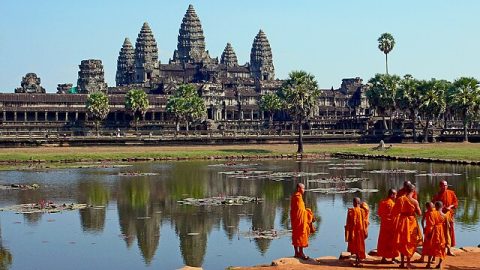
Angkor Wat
The largest religious monument in the world and Cambodia's most iconic structure. Built in the 12th century for King Suryavarman II, this Hindu temple dedicated to Vishnu showcases stunning bas-reliefs depicting scenes from Hindu epics. The temple's five towers symbolize Mount Meru. Visit at sunrise for magical light and reflections in the moat, or at sunset for dramatic silhouettes.
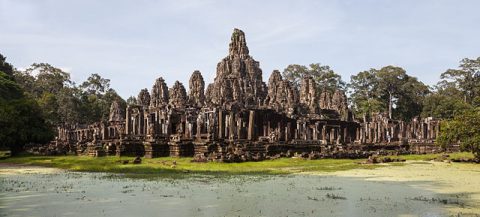
Bayon Temple
The stunning 12th-century state temple of King Jayavarman VII, famous for its many towers, most carved with four monumental stone faces (37 towers remain standing; the original count is traditionally given as 49 or 54). The temple features intricate bas-reliefs depicting daily life, warfare, and religious ceremonies. Its mysterious smiling faces have captivated millions of visitors, making it one of Southeast Asia's most photographed monuments.
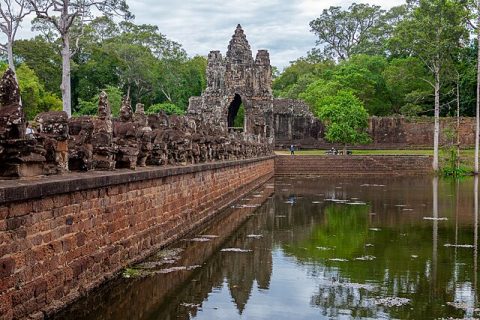
Angkor Thom
The magnificent walled capital city of the Khmer Empire, spanning 9 square kilometers. Built by King Jayavarman VII in the late 12th century, this vast complex features the grand South Gate with its impressive stone towers, royal palaces, and the Terrace of the Elephants with intricate carved reliefs depicting royal processions and hunting scenes.
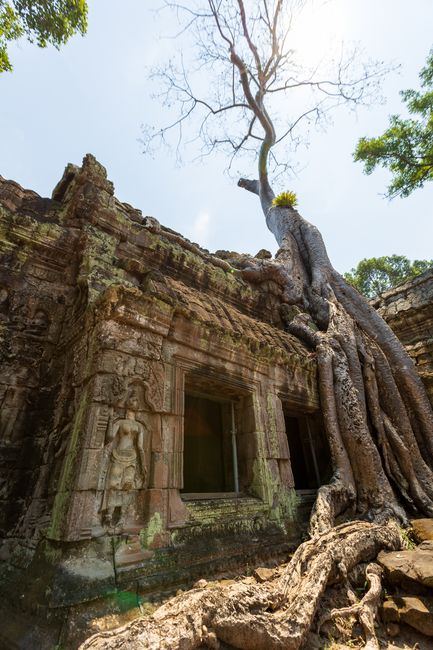
Ta Prohm Temple
The legendary 'Tomb Raider Temple' where massive tree roots dramatically intertwine with ancient stone structures, creating a mystical, jungle-reclaimed atmosphere. Built in the late 12th century, this temple remained hidden by the forest until modern restoration. The surreal blend of nature and architecture makes it one of the most visually stunning and photographed temples in the complex.
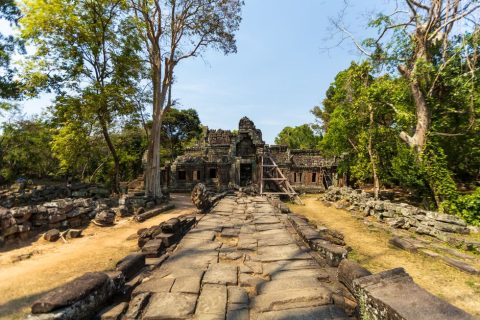
Wat Thmei Temple
A peaceful contemporary Buddhist temple featuring a striking memorial stupa dedicated to victims of the Khmer Rouge. The temple showcases traditional Khmer architecture while serving as an active place of worship. Visitors can observe daily monk activities, participate in meditation sessions, or simply experience the serene spiritual atmosphere in the central courtyard.
Tips for Religious Sites
- Choose a 1-day ($37), 3-day ($62) or 7-day ($72) Angkor pass
- Hire a knowledgeable guide to understand temple history and architecture
- Wear comfortable walking shoes and bring sun protection
- Start early to avoid crowds and heat at major temples
- Respect sacred spaces; dress modestly when entering temples
- Dress respectfully when entering temples (cover shoulders and knees)
- Remove shoes before entering prayer halls and sacred areas
- Avoid pointing at Buddha images or monks
- Photography may be restricted in certain areas; ask before shooting
- Early morning visits allow you to observe monk chanting rituals
Natural Attractions & Wildlife
Beyond temples, Siem Reap offers pristine natural experiences including Southeast Asia's largest freshwater lake, lush jungles, wildlife sanctuaries, and floating ecosystems unique to the region.
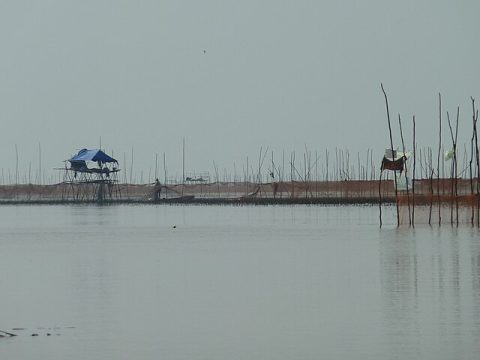
Tonlé Sap Lake
Southeast Asia's largest freshwater lake, a UNESCO Biosphere Reserve famous for its dramatic seasonal fluctuations and rich biodiversity. The lake supports floating villages, fishing communities, and abundant bird species. Take a boat tour through floating villages to experience the unique ecosystem and traditional Cham Muslim and Vietnamese floating communities who have inhabited these waters for generations.
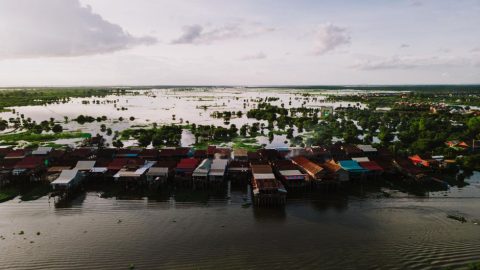
Prek Toal Bird Sanctuary
A protected wetland sanctuary within the Tonlé Sap Lake, home to around 150 recorded bird species, including threatened waterbirds. The reserve is managed for conservation and sustainable eco-tourism, offering guided boat tours through seasonally flooded freshwater forest. For the big breeding colonies, the dry season (roughly December to May) is best.
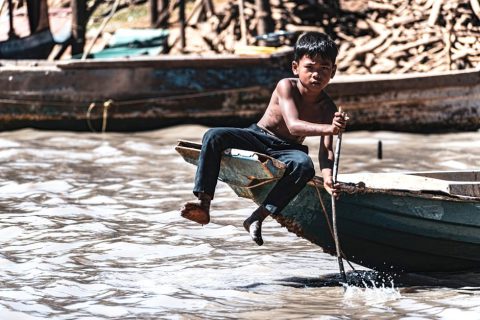
Kompong Phluk Floating Forest
A seasonally flooded freshwater forest on the Tonlé Sap floodplain where towering trees emerge from water, creating an otherworldly landscape. Explore by traditional fishing boat through channels through the flooded forest. This ecological hotspot is home to diverse wildlife and provides insight into the lake's unique ecosystem and traditional fishing communities.
Tips for Natural Attractions & Wildlife
- Visit Tonlé Sap in the dry season (roughly December-May) for large waterbird colonies; in the wet season the lake floods the forest
- Choose responsible tour operators that follow ethical wildlife viewing practices
- Bring binoculars for bird watching and wildlife spotting
- Wear sunscreen and bring water as exposure on the lake is intense
- Early morning tours offer best wildlife observation opportunities
Explore Cambodia's rich cultural heritage through world-class museums showcasing ancient artifacts, contemporary art, and the country's complex history.
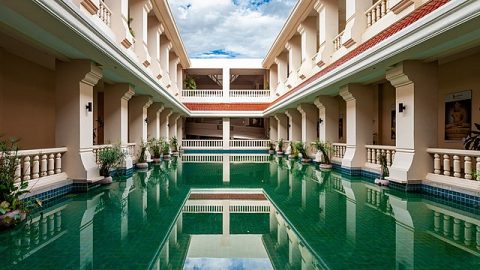
Angkor National Museum
A state-of-the-art museum featuring over 1,000 artifacts spanning from the pre-Angkor period to the late Angkor period. Exhibitions use interactive displays, multimedia presentations, and expertly curated collections to tell the story of the Khmer civilization. The museum's eight galleries provide comprehensive context that enhances understanding of the temples you'll visit.
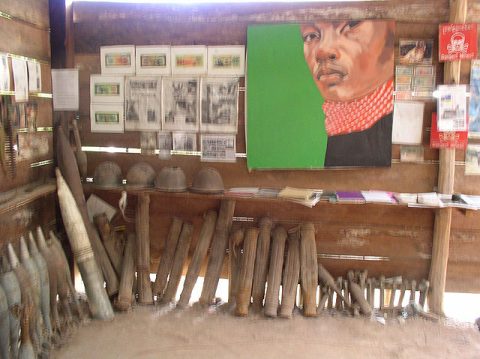
Cambodian Landmine Museum
An educational museum documenting Cambodia's landmine crisis and the country's demining efforts. Founded by Aki Ra, a former child soldier turned humanitarian, the museum features actual landmines, photographs, and personal stories. Though sobering, it provides crucial context for understanding modern Cambodia and the ongoing impact of conflict on civilians.
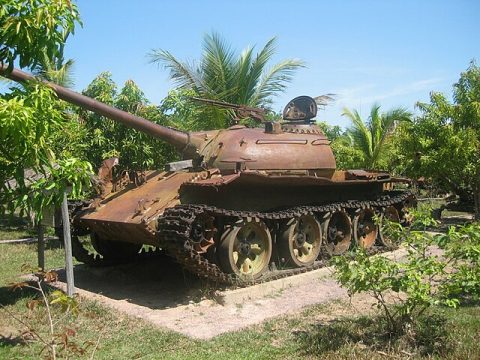
War Museum Cambodia
An impactful museum documenting Cambodia's modern history including the Vietnam War and Khmer Rouge period. The collection includes military vehicles, weapons, photographs, and personal accounts of survivors. The museum provides historical perspective on Cambodia's struggles and the resilience of its people, though content can be emotionally intense.
Tips for Museums & Galleries
- Visit the Angkor National Museum before exploring the temples for better context
- Allow time to read exhibits thoroughly; rushing diminishes the experience
- Bring comfortable shoes as museum floors can be extensive
- Consider hiring a guide for deeper historical insights
- Photography policies vary; check before taking photos
Siem Reap's vibrant markets and shopping streets offer everything from traditional handicrafts to contemporary goods, authentic souvenirs, and local products.
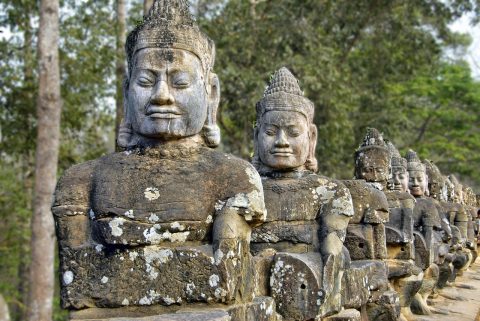
Old Market (Psar Chas)
Siem Reap's original market dating back to the colonial era, featuring chaotic, authentic shopping in a maze of narrow lanes. Browse vendor stalls selling everything from fresh produce and seafood to textiles, souvenirs, and handicrafts. The atmosphere is quintessentially Southeast Asian—crowded, loud, and endlessly fascinating. Arrive early for freshest produce and fewer crowds.
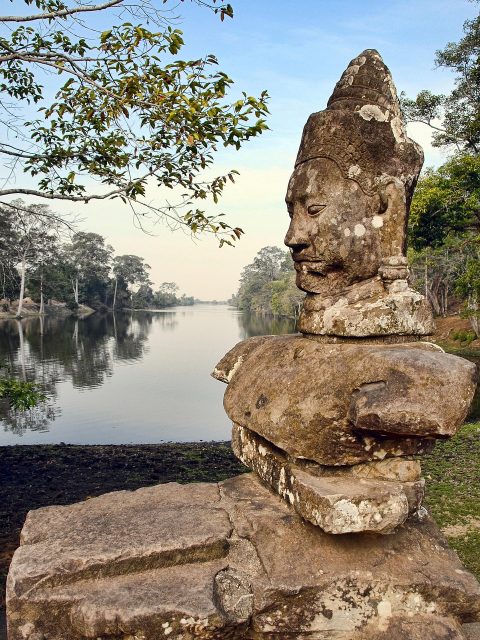
Night Market (Psar Night Bazaar)
A lively evening market perfect for experiencing local culture, street food, and shopping for souvenirs without daytime heat. Hundreds of stalls sell everything from clothing and handicrafts to cosmetics and electronics. Sample authentic Khmer street food, enjoy live performances, and mingle with locals and tourists in this festive, family-friendly atmosphere.
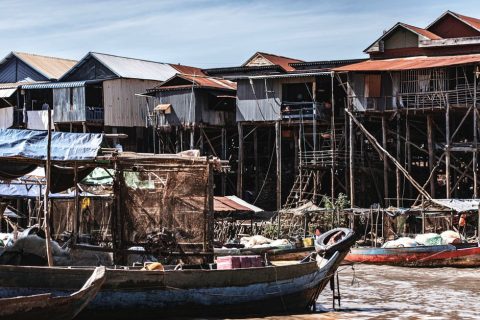
French Quarter (Riverside District)
The charming historic heart of Siem Reap featuring colonial architecture, tree-lined streets, and atmospheric restaurants and boutiques overlooking the Siem Reap River. This pedestrian-friendly neighborhood preserves the city's French Indochina heritage with graceful buildings, leafy avenues, and a relaxed pace. It's perfect for evening strolls, romantic dinners, and experiencing Siem Reap's cultural sophistication.
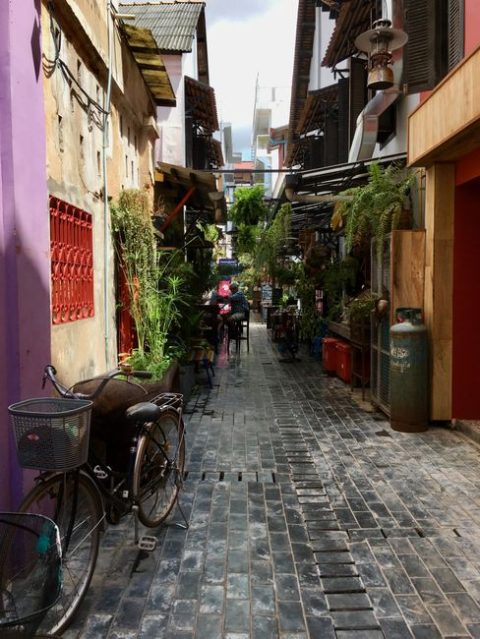
Pub Street & Bar Street
Siem Reap's main entertainment district features open-air bars, restaurants, and shops catering to tourists and locals alike. The streets come alive in the evening with string lights, live music, and bustling crowds. It's the perfect place for dining, cocktails, people-watching, and experiencing Siem Reap's contemporary social scene while remaining close to the city center.
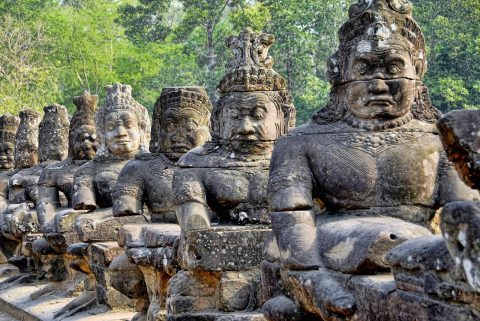
Downtown Tourist District
Siem Reap's vibrant commercial center packed with restaurants, bars, shops, and tourist services. Centered around Pub Street and Bar Street, this bustling neighborhood pulses with activity from morning market shopping through evening entertainment. High concentration of hotels, tour operators, and international dining options makes it convenient for most visitors, though it lacks the authenticity of other areas.
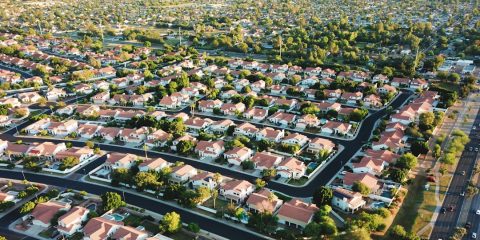
Artisan Village & Creative Quarter
An emerging area showcasing Cambodian creativity with galleries, artist studios, designer shops, and cultural venues. This neighborhood supports local artisans and entrepreneurs, offering authentic craft purchases and opportunities to meet artists in their studios. The vibrant street art and welcoming atmosphere provide cultural immersion while contributing to sustainable community development.
Tips for Neighborhoods & Districts
- Bargaining is expected at traditional markets; start at 30-50% of asking price
- Be cautious with valuables in crowded markets; watch for pickpockets
- Bring cash in small bills; many vendors don't use cards
- Visit markets early morning for best selection and authentic local experience
- Support fair-trade cooperatives and ethical artisan initiatives
- Use a map app to navigate neighborhoods; locals may not know street names
- Explore on foot to discover hidden restaurants and shops
- Riverside district is safest and most pleasant for evening walks
- Stay aware of surroundings in crowded tourist areas
- Use registered tuk-tuks or ride-sharing apps for transportation after dark
Enhance your Siem Reap experience with expertly guided tours, cultural activities, and adventure experiences led by knowledgeable local guides.
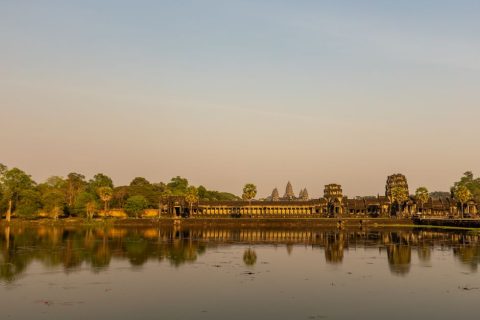
Sunrise at Angkor Wat
Experience the iconic sunrise at Angkor Wat, where the sky transforms from darkness to vibrant orange and pink as the temple's silhouette emerges. Professional guides position you at optimal viewing spots, share fascinating history, and explain the temple's astronomical alignments. This magical early-morning experience is the most popular activity in Siem Reap and justifiably so.
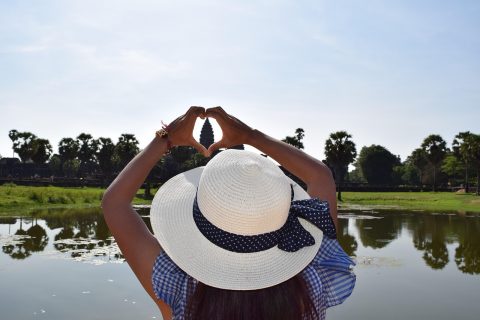
Traditional Khmer Cooking Class
Learn to prepare authentic Cambodian cuisine from professional chefs in market-based or home-kitchen settings. Tours typically include market visits to select fresh ingredients, followed by hands-on instruction in preparing 3-4 traditional dishes. Classes culminate in enjoying your culinary creations with recipes to take home—an intimate way to understand Khmer food culture.
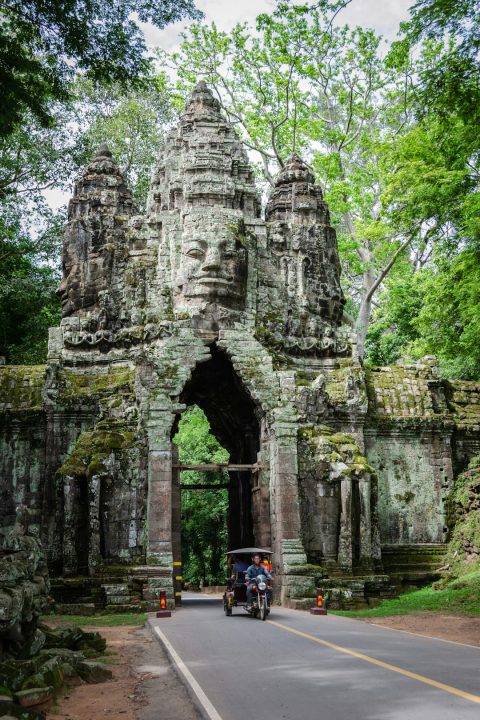
Motorbike & Tuk-Tuk Tours
Explore beyond main tourist sites on guided motorbike or tuk-tuk tours visiting remote temples, countryside villages, and local attractions. Experienced guides navigate rural roads, share insider knowledge, and provide access to lesser-known sites unreachable by standard temple tours. Perfect for adventurous travelers seeking authentic experiences and interaction with local communities.
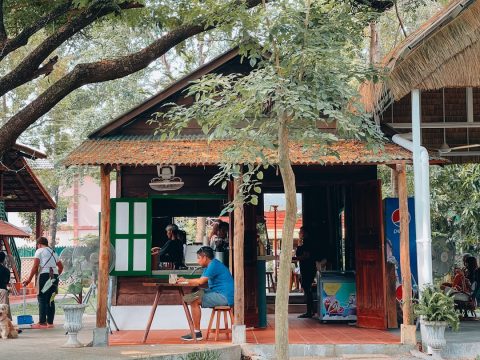
Artisan Cooperative & Craft Workshops
Support local craftspeople by visiting cooperatives producing silk textiles, wood carvings, stone sculptures, and pottery. Many offer workshops where visitors can try traditional techniques under artisan guidance. These social enterprises employ vulnerable populations and ensure fair wages—your purchase directly benefits local communities while acquiring authentic, ethically-produced souvenirs.
Tips for Tours & Activities
- Book reputable tour operators with positive reviews and transparent pricing
- Verify guide qualifications and language abilities before booking
- Consider private guides for flexibility and personalized experiences
- Support locally-owned tour companies rather than large international chains when possible
- Agree on expectations regarding tips, photography, and physical activity levels
Explore scenic destinations beyond Siem Reap city, from remote temple complexes and natural wonders to artisan villages and cultural heritage sites.
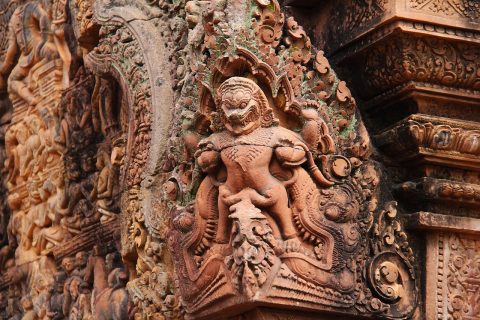
Banteay Srei Temple
A 10th-century Hindu temple famous for its exquisite fine carvings on reddish sandstone, earning the nickname 'Citadel of the Women.' Located about 37 km from Siem Reap, this stunning temple showcases the highest level of Khmer artistic craftsmanship with intricate lintel and pediment carvings depicting Hindu deities and mythological scenes. The remote location means fewer crowds and a more intimate exploration.
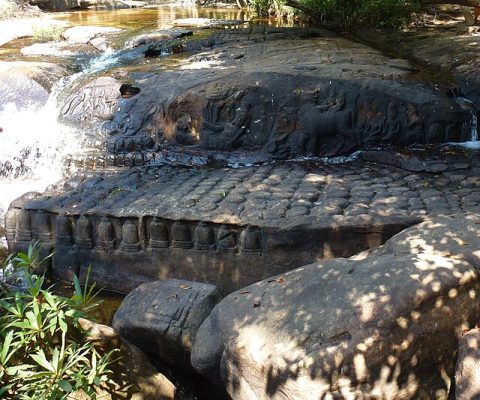
Kbal Spean (Bone Bridge & River of 1,000 Lingas)
A scenic waterfall and sacred site in the jungle featuring a river carved with over 1,000 lingas (Hindu phallic symbols) on its riverbed. The half-hour jungle hike offers lush forest surroundings, swimming opportunities in clear pools, and stunning viewpoints. The combination of natural beauty and spiritual significance makes this a magical, lesser-crowded complement to major temple visits.
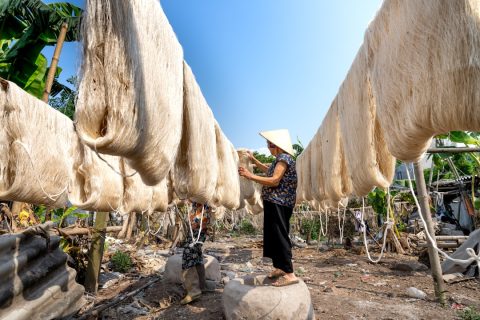
Artisan Angkor & Silk Farm
Visit a social enterprise dedicated to preserving traditional Khmer silk weaving and textile production. The facility includes a working silk farm where you can observe the entire production process from cocoon to finished fabric. Skilled artisans create beautiful textiles using traditional techniques, and you can purchase directly from makers—a meaningful way to support local livelihoods.
Tips for Day Trips & Excursions
- Hire a vehicle and guide for day trips to maximize time and safety
- Start early to allow adequate time for travel and exploration
- Bring plenty of water, sun protection, and insect repellent
- Wear sturdy shoes for hiking and jungle exploration
- Combine multiple sites in a single day trip for efficiency
Real, highly-rated Restaurants in Siem Reap, sourced from Google Places (rating above 4★).
Mesa - Restaurant
Mesa - Restaurant is a highly-rated restaurant in Siem Reap, rated 4.9★ from 3635 reviews. Located at 9V33+WRF, 17252 Road 2, Krong Siem Reap 17252, Cambodia.
Opening Hours
- Monday: 11:00 AM – 12:00 AM
- Tuesday: 11:00 AM – 12:00 AM
- Wednesday: 11:00 AM – 12:00 AM
- Thursday: 11:00 AM – 12:00 AM
- Friday: 11:00 AM – 12:00 AM
- Saturday: 11:00 AM – 12:00 AM
- Sunday: 11:00 AM – 12:00 AM
ភោជនីយដ្ឋាន ម្អម MAOM Khmer Cuisine
ភោជនីយដ្ឋាន ម្អម MAOM Khmer Cuisine is a highly-rated restaurant in Siem Reap, rated 4.9★ from 567 reviews. Located at 9VH5+8W4, Krong Siem Reap, Cambodia.
Opening Hours
- Monday: 11:00 AM – 10:30 PM
- Tuesday: 11:00 AM – 10:30 PM
- Wednesday: 11:00 AM – 10:30 PM
- Thursday: 11:00 AM – 10:30 PM
- Friday: 11:00 AM – 10:30 PM
- Saturday: 11:00 AM – 10:30 PM
- Sunday: 11:00 AM – 10:30 PM
HAVEN
HAVEN is a highly-rated restaurant in Siem Reap, rated 4.9★ from 2673 reviews. Located at Chocolate Rd, Krong Siem Reap, Cambodia.
Opening Hours
- Monday: Closed
- Tuesday: 10:00 AM – 10:00 PM
- Wednesday: 10:00 AM – 10:00 PM
- Thursday: 10:00 AM – 10:00 PM
- Friday: 10:00 AM – 10:00 PM
- Saturday: 10:00 AM – 10:00 PM
- Sunday: 10:00 AM – 10:00 PM
Explore Siem Reap on the Map
Best Time to Visit Siem Reap
Dry Season (November-March): The ideal time with cool, pleasant weather (20-30°C), low humidity, and clear skies. This period sees peak tourism and higher prices. December-January offers the most comfortable climate.
Wet/Monsoon Season (May-October): Heavy daily rains, high humidity, and green landscapes. Temple grounds can be slippery; flooding occasionally blocks some sites. Fewer tourists and lower prices make this attractive for budget travelers who don't mind rain.
Shoulder Season (April, September-October): Unpredictable weather, but fewer crowds and moderate pricing. Not ideal unless traveling on a tight schedule.
Avoid: August-September has the heaviest rainfall and potential flooding. May-June extreme heat can be uncomfortable.
Getting Around Siem Reap
By Tuk-Tuk: The quintessential Siem Reap experience. Three-wheeled motorized vehicles accommodating 2-3 passengers. Negotiate fares beforehand (typically $3-5 per ride within city). More comfortable and tourist-friendly than regular taxis.
By Motorbike: Renting motorbikes ($5-8/day) provides freedom for exploration, though requires comfort with Southeast Asian traffic. Many tourists hire drivers ($15-25/day) instead.
By Car & Driver: Arrange through hotels or tour operators. Essential for day trips and early-morning temple visits. Expect $30-50/day including driver.
On Foot: City center is pedestrian-friendly. Riverside district particularly pleasant for walking, though sidewalks can be uneven.
Taxis: Registered white taxis available but more expensive than tuk-tuks. Grab operates in Siem Reap (Uber does not).
Getting to Siem Reap: International airports serve flights from Bangkok, Ho Chi Minh City, and other Southeast Asian hubs. Flights use Siem Reap Angkor International Airport (SAI), about 52 km from town (it replaced the old airport in 2023); the official shuttle costs $8 per person each way.
✈️ Airport Transfer
Siem Reap Angkor International Airport (SAI) to city center:
- Official airport shuttle: $8 per person each way to the bus station at 7 Makara Road (opposite ACE School); allow 60-90 minutes; last airport departure 22:00
- Taxi or pre-booked transfer: about 45-60 minutes; agree the price first, as fares vary
Shopping & Souvenirs
Traditional Handicrafts: Khmer silk textiles, wood carvings, stone sculptures, and ceramics are authentic souvenirs. Purchase from cooperatives where profits support artisans directly.
Markets for Shopping: Old Market (Psar Chas) for authentic local goods and haggling; Night Market for casual shopping and street food; tourist shops on Pub Street for guaranteed quality at higher prices.
Best Buys: Silk scarves and garments, hand-carved wooden Buddha statues, stone trinkets, traditional masks, and local spice blends.
Bargaining Tips: Expect to negotiate at traditional markets. Start at 30-50% of asking price; sellers usually meet somewhere in the middle. Fixed prices apply in modern shops and restaurants.
Supporting Communities: Shop at fair-trade cooperatives like Artisan Angkor. Choose responsible tourism-related purchases that contribute to local economic development rather than exploitative mass production.
Customs & Export: Protect Khmer heritage—do not remove cultural artifacts. Avoid purchasing items made from endangered species.
Festivals & Celebrations
Khmer New Year (Chol Chnam Thmey): Mid-April (14-16 April in 2026; check the official calendar for other years). Cambodia's most important celebration marking the end of the harvest and new calendar year. Features water splashing celebrations, parades, temple visits, and family gatherings. The city becomes lively with festivities; book accommodations in advance.
Water Festival (Bon Om Touk): October-November (dates vary by lunar calendar). Celebrates the end of rice harvest and reversal of Tonlé Sap's water flow. Features boat racing, parades, and performances throughout the city. Massive crowds and festive atmosphere make it a must-see cultural event.
Royal Ploughing Ceremony: May (variable date). Ancient ritual marking the official start of rice planting season. Traditional costumes, sacred cattle, and Brahmin rituals provide fascinating cultural insight.
Buddhist Holidays: Visakha Bochea (Buddha's birthday) and Pchum Ben (ancestor honoring) see temple celebrations. Respectfully observe these important spiritual occasions.
Independence Day: November 9. National holiday with parades and cultural events celebrating Cambodian independence.
Sample Day Itineraries
Day 1: Angkor Wat & Bayon (Classic Temple Circuit)
4:00 AM: Pre-dawn departure from hotel to catch sunrise at Angkor Wat (5:30 AM). Watch the sky transform as the temple's silhouette emerges. Explore Angkor Wat's intricate bas-reliefs and galleries until midday heat peaks.
1:00 PM: Lunch at local restaurant serving Khmer cuisine.
3:00 PM: Explore Bayon Temple with its many monumental stone faces. Wander elevated pathways and discover hidden galleries with intricate carvings.
6:00 PM: Return to city, rest, dinner at riverside restaurant.
Day 2: Extended Temple Complex
8:00 AM: Private guide leads comprehensive Angkor tour including Ta Prohm ('Tomb Raider Temple'), Terrace of Elephants, and less-visited temples like Preah Khan.
1:00 PM: Lunch break.
3:00 PM: Continue exploring Angkor Thom palace complex and royal structures. Sunset viewing from elevated temple platform.
6:00 PM: Return to city, evening massage, dinner at local establishment.
Day 3: Tonlé Sap Lake & Floating Communities
8:00 AM: Boat tour through floating villages and Tonlé Sap Lake ecosystem. Visit the Kompong Phluk flooded forest and observe traditional fishing methods.
12:30 PM: Fresh seafood lunch at lakeside floating restaurant.
2:00 PM: Continue wildlife observation (bird watching, crocodile farms if interested).
4:00 PM: Return to city, visit Angkor National Museum for cultural context.
6:00 PM: Dinner, visit Night Market for shopping and street food.
Day 4: Local Culture & Crafts
9:00 AM: Khmer cooking class including market tour and hands-on instruction (3-4 hours). Enjoy your prepared meal.
1:30 PM: Rest period or café time.
3:00 PM: Visit Artisan Angkor silk farm and cooperatives. Support local artisans and purchase ethically-produced souvenirs.
5:00 PM: Explore Riverside district's colonial architecture and galleries.
7:00 PM: Dinner overlooking Siem Reap River.
Day 5: Off-the-Beaten-Path Day Trip
7:00 AM: Full-day motorbike tour with guide visiting remote temples, countryside villages, and lesser-known attractions. Experience authentic Cambodia beyond tourist circuits.
12:00 PM: Lunch at village restaurant.
3:00 PM: Continue exploring, photography opportunities, local interactions.
6:00 PM: Return to city, farewell dinner and reflection on experiences.
Best Photography Locations
Iconic Sunrise/Sunset Spots:
Angkor Wat at Sunrise: The most photographed moment in Siem Reap. Arrive 45 minutes early for optimal positioning. Reflecting pools in the moat create stunning mirror images when calm. Bring a wide-angle lens to capture the massive temple complex.
Bayon's Stone Faces at Golden Hour: The massive carved faces are transformed by late-afternoon light. Shoot from elevated platforms to capture multiple face angles simultaneously. The mysterious smiles are most expressive during sunset.
Ta Prohm with Tree Roots: The dramatic intertwining of trees and ancient stones creates unparalleled visual drama. Early morning offers softer light and fewer crowds. Photograph from the designated paths (Ta Prohm is mostly single-storey, with no upper galleries to climb).
Cultural & Candid Shots:
Night Market: Vibrant evening light, colorful goods, and authentic street scenes. Capture vendor portraits (always ask permission), food preparation, and the bustling energy of local commerce.
Floating Villages: Sunrise or early morning offers soft golden light across the water. Capture fishing activities, traditional boats, and daily life. Respect privacy; obtain permission before photographing people.
Riverside at Dusk: Colonial architecture silhouetted against sunset skies. Street lights beginning to illuminate create romantic evening mood perfect for travel photography.
Professional Tips:
Golden Hour: Photograph temples 30 minutes before to 1 hour after sunrise/sunset for the most flattering light and dramatic skies.
Weather: Dry season (Nov-Mar) offers clearer skies and better visibility. Wet season brings dramatic cloud formations and moody atmospheres.
Equipment: Wide-angle lenses (14-24mm) capture temple grandeur. Telephoto (70-200mm) isolates architectural details and faces. Polarizing filters reduce haze and enhance sky color.
Composition: Use temple towers as leading lines. Include human subjects for scale. Reflections in water create dynamic compositions. Symmetry in architectural elements provides strong visual interest.
Ethics: Always ask permission before photographing people. Be respectful in sacred spaces; some areas prohibit photography. Avoid intrusive close-ups of locals engaged in daily activities.
Electricity & Electrical Standards
Voltage: Cambodia operates on 220V, 50Hz electrical standard. This is significantly higher than North American 110V standard, so voltage conversion is necessary for US/Canadian appliances.
Plug Types: Two main types dominate: Type A (2-flat pins, US-style) and Type C (2-round pins, European-style). Many outlets accept both types. Type A is most common in Siem Reap.
What You'll Need: A universal power adapter accommodating both Type A and Type C plugs is essential. Purchase before traveling or at airport shops. For devices requiring different voltage (hairdryers, electric razors, laptop chargers), use a voltage converter or bring dual-voltage devices.
Power Reliability: Siem Reap's electrical infrastructure is generally reliable, though occasional blackouts occur during peak demand or bad weather. Hotels almost always have backup generators. Power strips with surge protection protect devices from unexpected voltage spikes.
Recommendations: Bring universal adapter and voltage converter. Mobile phone chargers and laptops are typically dual-voltage (check labels). Charge devices at night in hotel. Carry a portable power bank for mobile phones during day trips.
Cambodian Food & Dining
Must-Try Cambodian Dishes:
Fish Amok: A steamed fish dish with coconut milk and kroeung paste, served in banana leaves. (Nom banh chok is a separate rice-noodle dish.) Served in banana leaves or bowls. Mild to moderately spiced; the creaminess is divine.
Lok Lak: Tender beef marinated in garlic and lime, stir-fried with onions and tomatoes. Served over spinach or lettuce with dipping sauce. Simple yet delicious.
Samlor Machu Kreung: Sour soup with seafood, pineapple, and herbs. Refreshing balance of sweet, sour, and savory flavors. Perfect for tropical climates.
Khao Sanh: Fish paste with assorted herbs, vegetables, and grilled fish. An acquired taste but represents authentic Khmer cuisine's diversity.
Nom Banh Sach Ko: Rice noodles with fish cake and aromatic broth. Available at street stalls; economical and delicious breakfast option.
Street Food Recommendations:
Grilled sugar cane juice, fresh spring rolls, grilled skewers (satay), mango sticky rice, tropical fruit shakes, and various noodle dishes from street vendors. Prioritize popular stalls with high customer turnover for food safety.
Dining Venues:
Fine Dining: Riverside restaurants serve refined Khmer and international cuisine with river views. $10-25 per person.
Mid-Range: Family-run restaurants near temples serve authentic home cooking. $3-8 per person.
Street Food: Markets and stalls offer authentic flavors at $1-3 per meal. Safe options have busy crowds and visible food preparation.
Dining Tips:
Water: Drink bottled or purified water exclusively. Ice from reputable restaurants is typically safe; street vendor ice is risky.
Safety: Choose restaurants with visible food preparation and high customer turnover. Cooked hot foods are safer than cold salads. Seafood in landlocked areas should be avoided.
Etiquette: Khmer dining culture emphasizes sharing; meals arrive as multiple small dishes. Rice is the staple; meat/vegetable dishes accompany it. Spoons are standard utensils; forks and chopsticks also available.
Spice Levels: Indicate your heat preference; Cambodian food varies from mild to fiery. Prahok (salted fermented fish paste) is ubiquitous; distinctive aroma shouldn't deter you from tasting.
Vegetarian Options: Buddhism influences Khmer cuisine; vegetarian dishes are available. Communicate dietary restrictions clearly in multiple languages if needed.
Tourist Passes
Angkor Archaeological Park Pass - 1 Day
Entry to all temples within the Angkor complex for one full day. Includes Angkor Wat, Bayon, Ta Prohm, Angkor Thom, and all other authorized temples. Pass must be used on a single calendar day. Cost: $37 for adults. Sunrise viewing is included with this pass.
www.angkorenterprise.gov.khAngkor Archaeological Park Pass - 3 Days
Entry to all temples within Angkor complex for three days (not necessarily consecutive). Allows flexible exploration without the pressure of completing everything in one day. Ideal for thoroughly photographing temples, revisiting favorite sites, and avoiding crowds. Cost: $62 for adults. Best value for most visitors.
www.angkorenterprise.gov.khMuseum admissions
The Angkor National Museum, War Museum Cambodia and Cambodian Landmine Museum each charge their own admission; check each museum's current prices.
www.angkornationalmuseum.comMore about Siem Reap
Photo credits (15)
- Angkor Wat: photo by Bjørn Christian Tørrissen, CC BY-SA 4.0, via Wikimedia Commons
- Bayon Temple: photo by Diego Delso, CC BY-SA 3.0, via Wikimedia Commons
- Ta Prohm Temple: photo by Pierre André Leclercq, CC BY 4.0, via Wikimedia Commons
- Angkor Thom: photo by This Photo was taken by Supanut Arunoprayote. Feel free to use any of my images, but please mention me as the author an, CC BY 4.0, via Wikimedia Commons
- Tonlé Sap Lake: photo by Deror_avi, CC BY-SA 3.0, via Wikimedia Commons
- Angkor National Museum: photo by This Photo was taken by Supanut Arunoprayote. Feel free to use any of my images, but please mention me as the author an, CC BY 4.0, via Wikimedia Commons
- Cambodian Landmine Museum: photo by tajai from malaysia, CC BY 2.0, via Wikimedia Commons
- War Museum Cambodia: photo by Kyle Simourd, CC BY 2.0, via Wikimedia Commons
- Old Market (Psar Chas): photo by Peazapata, CC BY-SA 4.0, via Wikimedia Commons
- Night Market (Psar Night Bazaar): photo by Sgroey, CC BY-SA 4.0, via Wikimedia Commons
- Sunrise at Angkor Wat: photo by David Sim, CC BY 2.0, via Wikimedia Commons
- Banteay Srei Temple: photo by Pierre André Leclercq, CC BY-SA 4.0, via Wikimedia Commons
- Kbal Spean (Bone Bridge & River of 1,000 Lingas): photo by © Pierre André, CC BY-SA 4.0, via Wikimedia Commons
- Artisan Angkor & Silk Farm: photo by Bahnfrend, CC BY-SA 4.0, via Wikimedia Commons
- French Quarter (Riverside District): photo by Chris Litherland, CC BY-SA 3.0, via Wikimedia Commons


.jpg)

.jpg)
.jpg)


.jpg)
.jpg)
.jpg)
