Toronto is one of the world's greenest cities, with an extensive park system offering natural retreats within the urban landscape. From waterfront trails to ravine systems, these spaces provide recreation, relaxation, and connection to nature.
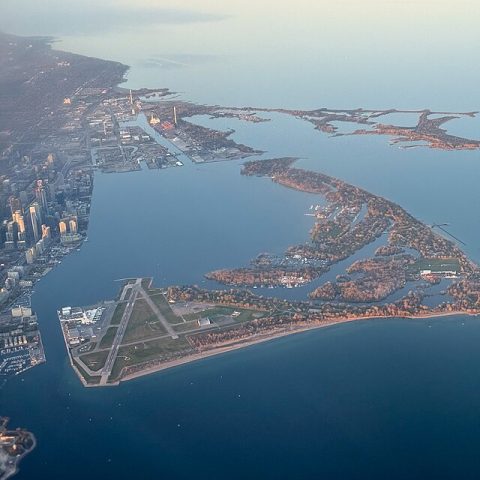
Toronto Islands
This car-free archipelago sits just 800 meters from downtown, offering 15 islands with beaches, parks, and recreational facilities across 230 hectares. Centre Island features Centreville Amusement Park (perfect for families), picnic areas, and bike rentals. Ward's Island and Algonquin Island host small residential communities accessible only by ferry. The islands provide spectacular skyline views, especially at sunset. Activities include kayaking, stand-up paddleboarding, beach volleyball, and bird watching. Gibraltar Point Lighthouse (1808) is Toronto's oldest standing structure. The ferry ride itself offers fantastic photography opportunities.
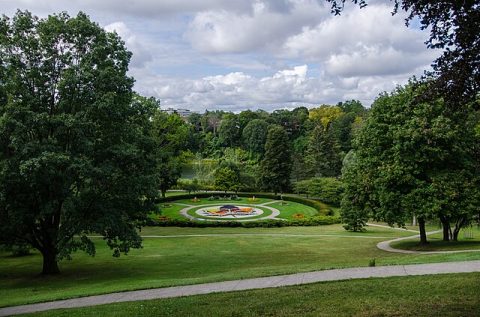
High Park
Toronto's largest public park spans 161 hectares of natural beauty in the city's west end. Designed in the English pastoral style, it features Grenadier Pond, extensive hiking trails, sports facilities, and playgrounds. The park is famous for its cherry blossom trees (gift from Japan) that bloom spectacularly each spring. A small zoo houses animals including bison, llamas, and peacocks (free admission). The park includes Colborne Lodge, a historic house museum, and the High Park Nature Centre. Summer Shakespeare performances at the outdoor amphitheater are a beloved tradition.
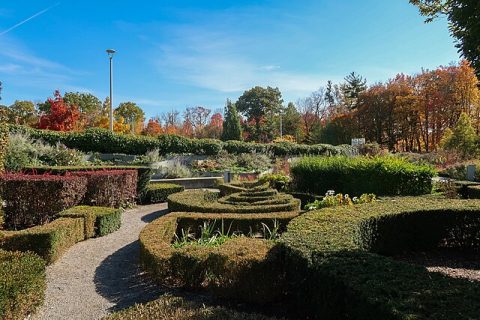
Toronto Botanical Garden
Formerly Edwards Gardens, this 17-hectare horticultural gem showcases themed gardens, including perennial borders, rock gardens, and a teaching garden. The site features professionally designed landscapes along the Wilket Creek ravine, with walking trails, ponds, and wooden bridges creating a serene atmosphere. The garden offers year-round beauty, from spring bulbs and summer blooms to fall foliage. Free admission makes it accessible to all. Educational programs, workshops, and guided tours enhance visitor experiences. The garden demonstrates sustainable practices and native plant cultivation, serving as both a peaceful retreat and environmental resource.
Tips for Parks & Gardens
- Ferry tickets to Toronto Islands sell out quickly in summer - arrive early or book online when available
- Bring bikes to the islands or rent on arrival for easier exploration
- High Park's cherry blossoms peak late April to early May - arrive early as crowds are massive
- Pack picnics for parks - many have beautiful spots for outdoor dining
- Check weather before park visits and bring appropriate gear for lakefront wind