Things to do in Bogota
Bogota hosts some of South America's most prestigious museums, featuring everything from pre-Hispanic gold artifacts to contemporary Latin American art.
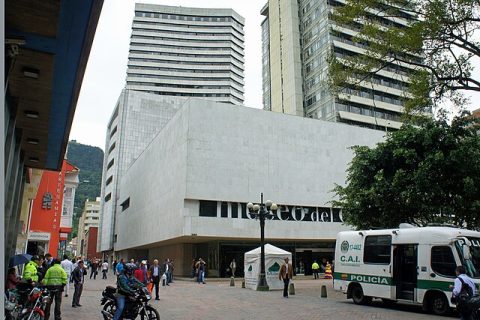
The world's largest collection of pre-Hispanic gold artifacts with over 55,000 pieces. Explore Muisca and Inca treasures through interactive galleries featuring the legendary La Balsa raft. The stunning light show in the Underground Vault displays thousands of golden objects illuminated against darkness, creating an unforgettable visual experience.
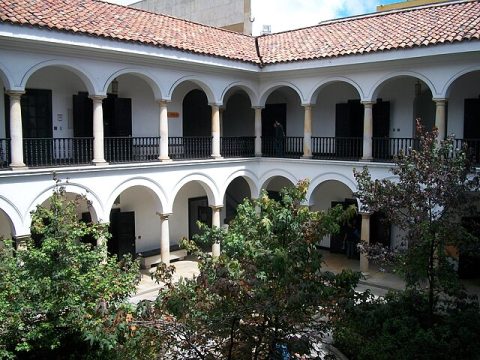
Houses 123 masterpieces by Colombian artist Fernando Botero plus works by Picasso, Monet, and Dalí. The distinctive style features voluptuous figures and exaggerated proportions that define Colombian modern art. Located in a beautifully restored colonial mansion in La Candelaria with rotating international exhibitions.
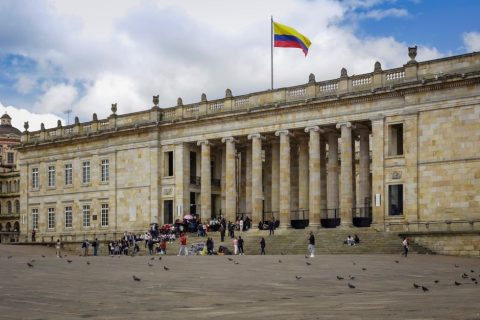
Colombia's largest art museum spanning pre-Hispanic through contemporary works across five centuries. The building itself is historic, formerly a prison. Collections include paintings, sculptures, decorative arts, and photography documenting Colombian identity and cultural evolution through different eras and regions.
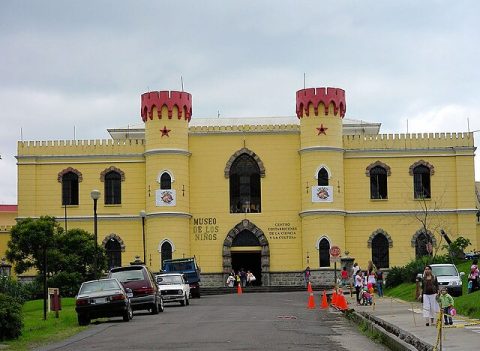
Interactive science and cultural museum designed for families with hands-on exhibits exploring Colombian geography, biodiversity, and innovation. Features planetarium shows, water exhibits, and engaging displays about the country's natural wonders. Excellent for learning while playing in themed zones.
Tips for Museums & Galleries
- Many museums offer free entry on Sundays for Colombian residents
- Visit in the morning to avoid crowds, especially at the Gold Museum
- Most museums are closed Mondays; plan accordingly
- Photography is typically restricted in major museums
- Allow extra time for security checks at popular sites
Bogota's spiritual heritage is reflected in stunning churches, cathedrals, and religious landmarks showcasing centuries of architectural and artistic traditions.
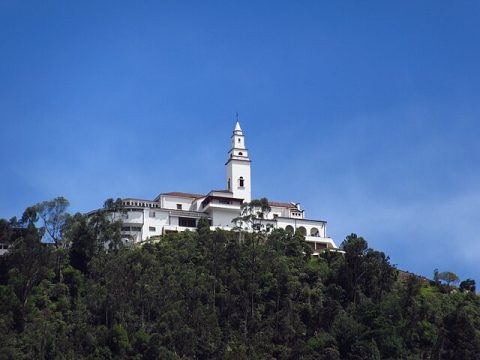
Perched at 3,152 meters on a mountain peak above Bogota, this holiest pilgrimage site in Colombia features a stunning white church housing the revered Christ statue. Accessible by cable car or funicular railway offering panoramic city views. The sanctuary attracts thousands during Holy Week and religious festivals for prayer and spiritual reflection.
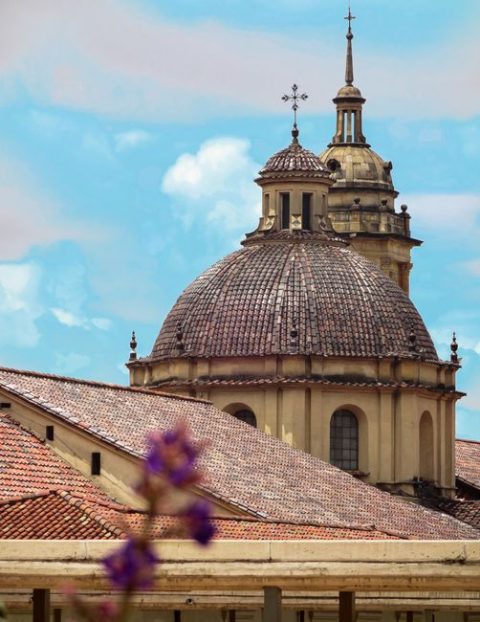
Located in La Candelaria, Colombia's most important cathedral showcases Renaissance and Baroque architecture dating back to 1553. The stunning interior features intricate woodwork, religious sculptures, and magnificent altars. The cathedral is still an active place of worship and significant religious ceremonies, offering glimpses into Colombia's deep Catholic heritage.
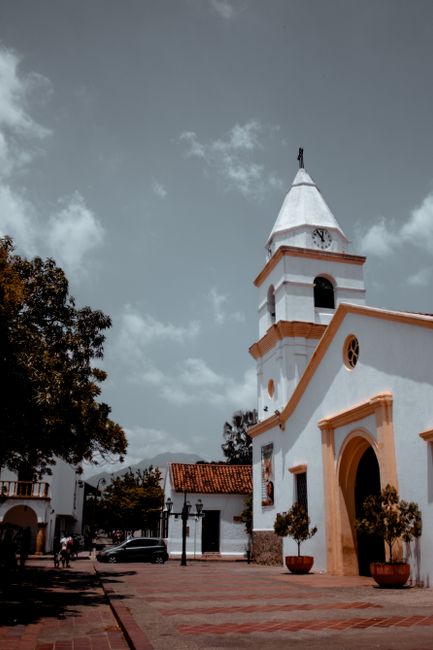
One of Bogota's oldest churches (founded 1557) displaying exquisite Spanish colonial architecture with detailed stonework and altars. The interior boasts elaborate wooden decorations, religious paintings, and a serene courtyard. This working parish church represents centuries of spiritual continuity and architectural heritage in the city center.
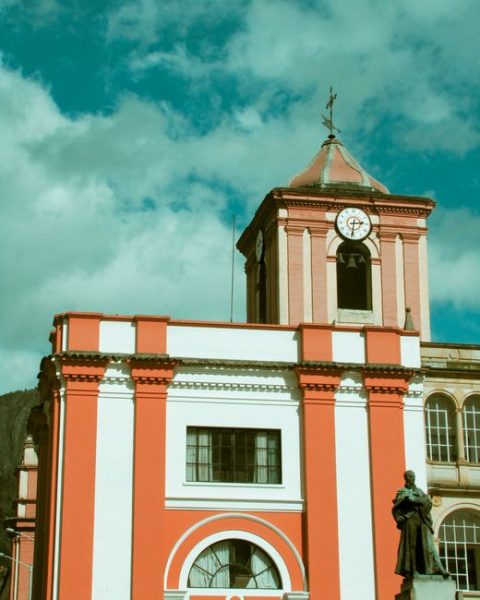
A stunning neoclassical church featuring ornate architecture and detailed interior design in the historic La Candelaria district. The church showcases beautiful stained glass, religious artwork, and quiet spaces for contemplation. Its symmetrical facade and well-preserved interior make it a photographic gem and spiritual sanctuary within the bustling city center.
Tips for Religious Sites
- Monserrate best visited early morning for clear views and fewer crowds
- Dress modestly when entering churches; cover shoulders and knees
- Photography may be restricted during active services
- Visit cathedral during the day; avoid late evening hours
- Bring water for Monserrate hike; altitude can cause dizziness
Bogota's distinct neighborhoods each tell unique stories, from colonial charm to vibrant street art and upscale modern enclaves filled with local character.
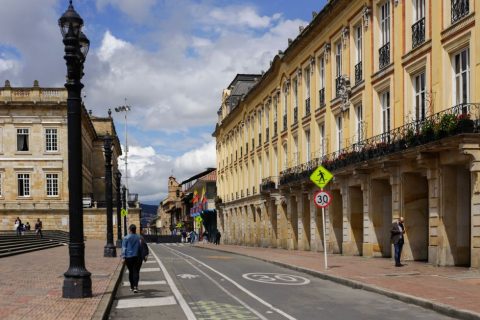
Bogota's historic heart and cultural nucleus featuring colonial architecture, major museums, government buildings, and cobblestone streets. This centuries-old district served as the city's original settlement and remains packed with historical significance. Perfect for walking tours, exploring street art, enjoying cafes, and photographing colorful buildings from the Spanish colonial era.
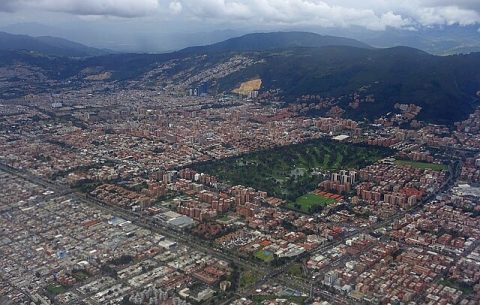
A charming neighborhood north of downtown featuring colonial architecture, trendy restaurants, and weekend antique markets. Originally a village, Usaquén maintains small-town character with picturesque plazas, craft shops, and excellent dining. The vibrant weekend market attracts locals and tourists seeking handmade goods, art, and authentic Colombian products in a festive atmosphere.
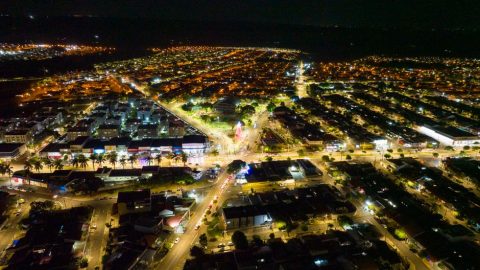
Bogota's upscale entertainment and nightlife district packed with trendy restaurants, bars, clubs, and boutique hotels. Known as the city's premier social hub with contemporary Colombian and international cuisine, cocktail bars, and late-night venues. Zona Rosa blends modern sophistication with local culture, attracting both visitors and affluent locals for dining and entertainment.
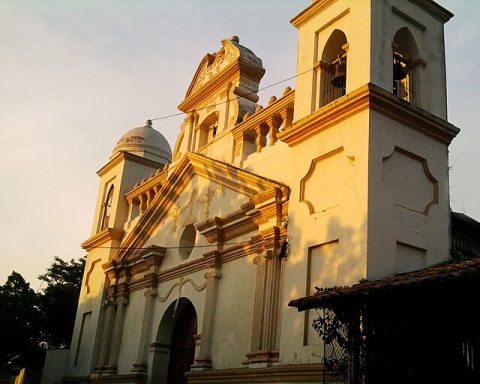
A creative and bohemian neighborhood with contemporary art galleries, independent bookstores, vintage shops, and underground music venues. San Alejo pulses with student and artist energy, offering eclectic street art, craft breweries, and authentic Colombian cafes. The neighborhood's artistic vibe and affordable authenticity make it perfect for experiencing Bogota's creative scene.
Tips for Neighborhoods & Districts
- La Candelaria: visit during daylight hours; avoid late evening solo walks
- Usaquén: weekend markets run Saturday-Sunday mornings, best visited early
- Zona Rosa: most active Thursday-Saturday evenings
- Use registered taxis or apps (Uber/Didi) for evening travel between neighborhoods
- Street art tours available in all neighborhoods; highly recommended
Bogota offers numerous parks and gardens providing respite from the bustling city, with opportunities for recreation, picnicking, and connecting with nature at high altitude.
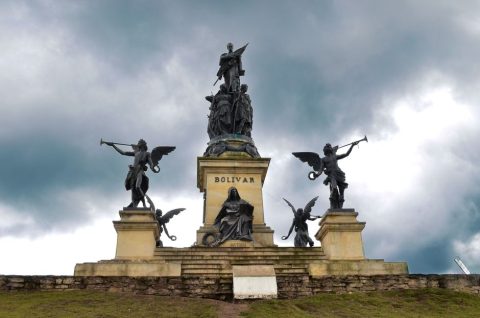
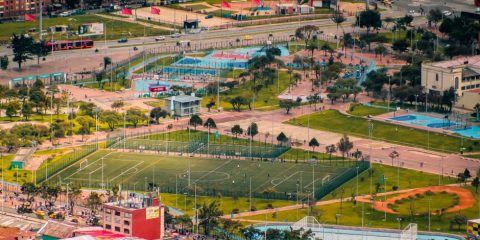
Bogota's largest and most iconic urban park featuring 113 hectares of green space with lakes, recreational facilities, and cultural venues. The park hosts concerts, festivals, and outdoor activities year-round. Beautiful for jogging, cycling, family picnics, and exploring the on-site museums and exhibition halls. The symmetrical design and mature trees provide peaceful urban escape.
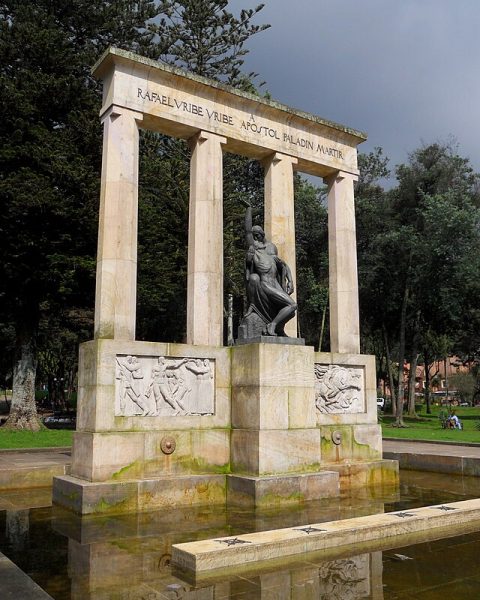
Colombia's premier botanical garden displaying over 19,000 plant species organized by Colombian ecosystems. Named after naturalist José Celestino Mutis, the garden educates visitors about the country's incredible biodiversity from Amazon to Andes. Beautiful landscaping, orchid collections, and themed gardens create a peaceful retreat showcasing Colombia's natural heritage.
A scenic high-altitude park at 3,000+ meters offering panoramic Bogota views and mountain hiking trails. The park features paths through natural landscapes, observation points, and quiet spaces for nature appreciation. Ideal for outdoor enthusiasts seeking moderate elevation hiking with stunning city vistas and Andean ecosystem exploration.
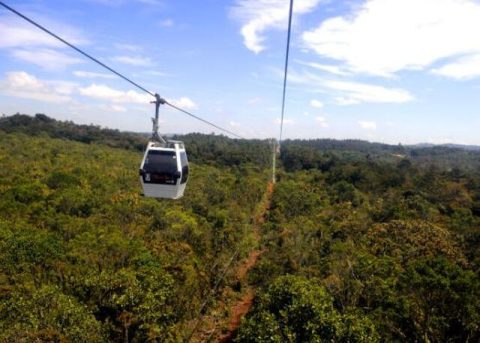
An urban nature reserve featuring native Andean forest with hiking trails, bird-watching opportunities, and ecosystem education. The park preserves natural habitat within the city, offering peaceful trails through montane vegetation. Popular with locals for weekend nature escapes, bird enthusiasts appreciate the diverse avian species in this protected forest environment.
Tips for Parks & Gardens
- Parque Simón Bolívar safest during daylight hours; avoid early morning/late evening
- Botanical Garden best visited mid-morning for optimal photography
- High altitude parks: bring water, sunscreen, and light layers
- Parks excellent for running/cycling; early morning has fewer crowds
- Many parks host free weekend concerts and cultural events
Bogota is renowned as Latin America's street art capital, with vibrant murals, graffiti art, and public installations transforming neighborhoods into open-air galleries.
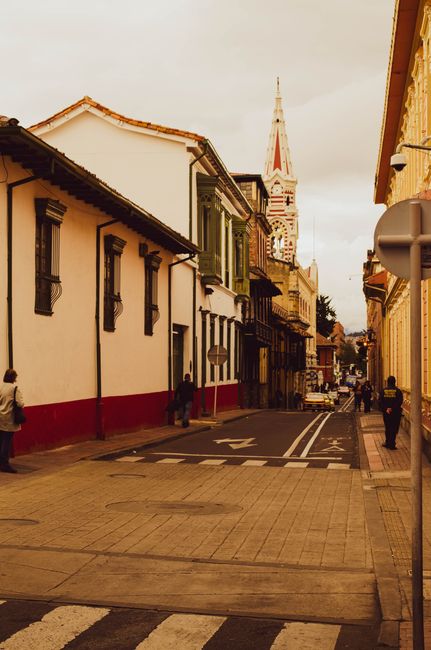
Located in the Kennedy neighborhood, this district showcases vibrant street art murals covering building facades with colorful designs, political messages, and social commentary. The constantly evolving artwork reflects Bogota's creative energy and urban culture. Perfect for photography and understanding contemporary Colombian artistic expression through accessible, public installations.
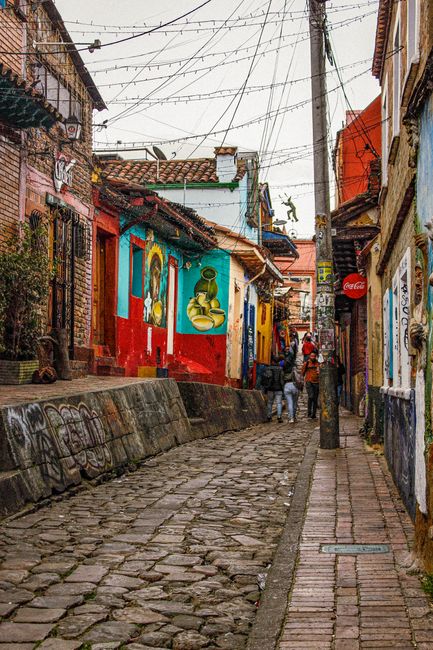
Self-guided or professionally-led tours exploring political murals and street art installations in the historic center. Artists have transformed colonial buildings with powerful imagery addressing Colombian history, social issues, and cultural pride. The art provides context for understanding contemporary Colombia through visual narrative and artistic activism.
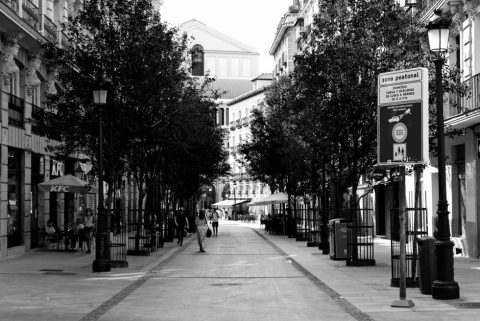
A pedestrian passage in downtown Bogota transformed into an art corridor with murals, installations, and regular art exhibitions. Local and international artists contribute to this evolving public art space celebrating Colombian culture and urban creativity. The passage connects cultural landmarks while showcasing contemporary artistic perspectives.
Tips for Fountains & Public Art
- Best street art photography in morning light with fewer crowds
- Street art constantly changes; each visit reveals new pieces
- Book guided tours for context about artists and social messages
- Respect private property; not all street art is on public walls
- Neighborhoods with best art: La Candelaria, Chapinero, Kennedy
Bogota offers diverse guided experiences from cultural immersion to adventure activities, providing deeper understanding of the city's history, culture, and natural environment.
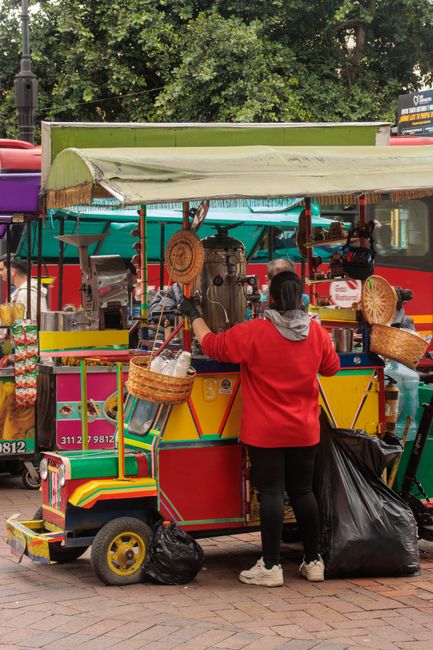
Guided gastronomic experiences exploring Colombian cuisine, traditional markets, and street food with expert chefs and food historians. Tours visit local markets, restaurants, and street vendors, sampling dishes like ajiaco (potato soup), bandeja paisa, and fresh tropical fruits. Learn preparation methods, ingredient sourcing, and cultural significance of Colombian gastronomy while supporting local businesses.
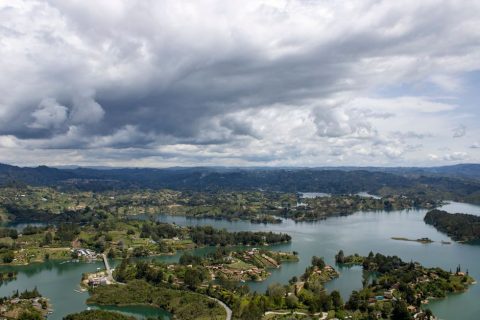
Day excursion to coffee plantations in Colombia's coffee region just outside Bogota experiencing coffee production from bean to cup. Tour working fincas (farms), learn traditional harvesting methods, participate in roasting, and taste freshly prepared Colombian coffee. The scenic mountain landscape and farmer hospitality provide memorable agricultural tourism experiences.
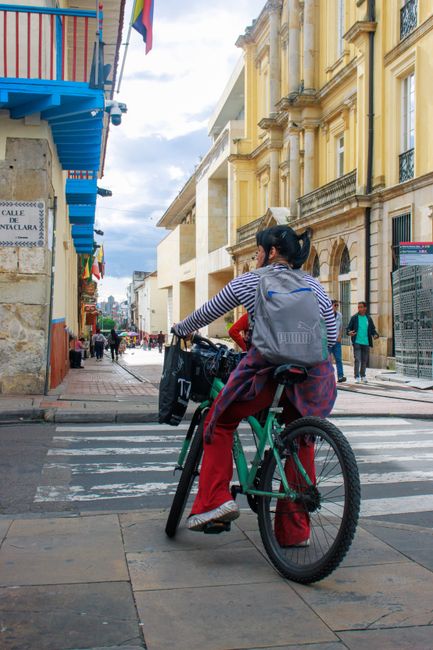
Guided cycling tours exploring neighborhoods, parks, and cultural sites at a leisurely pace with professional guides. Tours accommodate various fitness levels, covering 10-20 km through streets, bike lanes, and scenic parks. Guides provide historical context and insider recommendations while cyclists experience the city's geography and diverse neighborhoods efficiently.
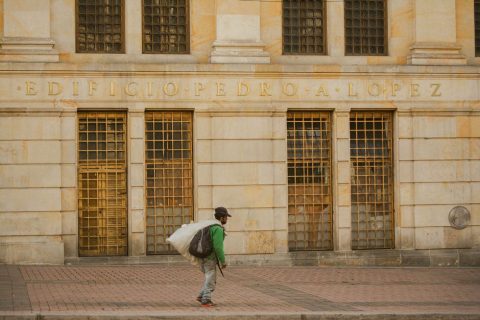
Budget-friendly guided walking tours of historic neighborhoods (La Candelaria, Usaquén, Chapinero) led by local guides. Tours typically last 2-3 hours, covering history, architecture, culture, and contemporary life. Tip-based model makes them accessible while supporting local guides and tourism workers in Colombia's travel economy.
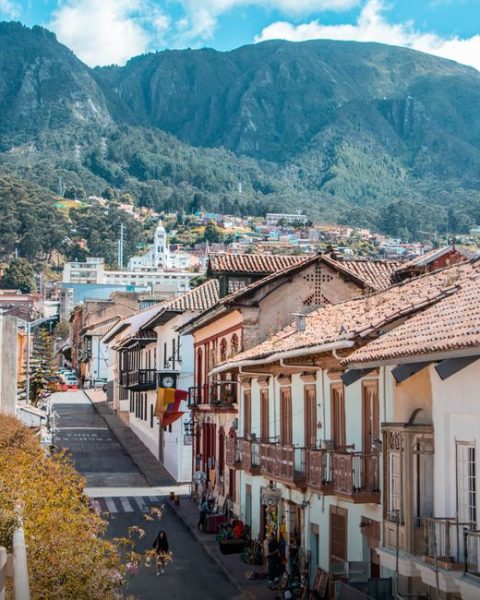
Professional photography experiences focusing on street art, architecture, or cultural moments with expert photographers teaching composition and lighting. Tours visit photogenic neighborhoods, provide technical guidance, and emphasize ethical cultural photography. Ideal for photographers wanting to improve skills while capturing Bogota's vibrant visual culture responsibly.
Tips for Tours & Activities
- Book tours in advance during peak season (Dec-Jan, June-Aug)
- Confirm group size and itinerary specifics before booking
- Wear comfortable walking shoes and bring water
- Many tours depart from major hotels or central meeting points
- Tipping guides 10-15% is customary for good service
Bogota features distinctive architectural landmarks and structures defining the city's skyline and representing its historical, cultural, and political significance.
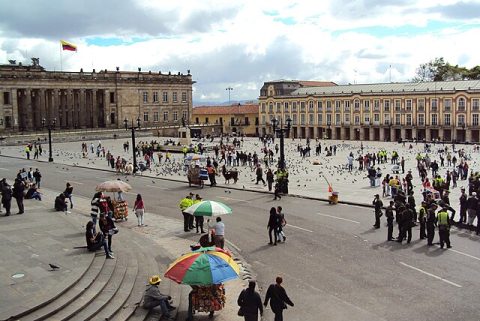
Bogota's main public plaza surrounded by historic buildings including the Cathedral, Capitol, and Palace of Justice. The central square has hosted celebrations, protests, and public gatherings for centuries, serving as the city's civic heart. Iconic statue of Simón Bolívar stands as focal point. The plaza offers excellent people-watching and architectural photography opportunities.
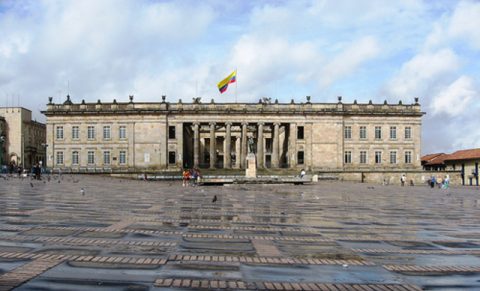
Colombia's neoclassical governmental center featuring stunning Renaissance architecture with historic political significance. The building houses Congress and features ornate interiors, chambers, and art. Located prominently in La Candelaria, the Capitol represents Colombian democracy and has been the site of pivotal historical events shaping the nation.
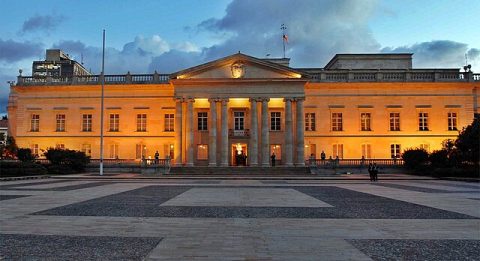
The official residence of Colombia's President featuring striking white neoclassical architecture in downtown Bogota. While not typically open for tours, the exterior is impressive and iconic in Colombian politics. Located on a major plaza, the building represents presidential authority and Colombian governance symbolism.
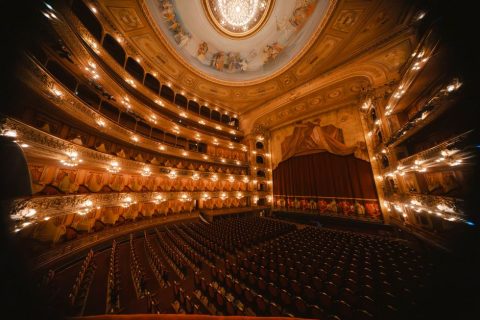
Bogota's grand neoclassical theater built in 1892 hosting opera, ballet, and classical concerts in an opulent interior. The theater features ornate decoration, excellent acoustics, and historical significance in Colombian performing arts. Guided tours showcase architectural details and theatrical history; attending an evening performance offers elegant cultural entertainment.
Tips for Landmarks & Monuments
- Plaza de Bolívar best visited during daytime hours
- Capitol and governmental buildings require advance booking for tours
- Teatro Colón tour reservations recommended; evening performances require separate tickets
- Photography allowed at most landmarks; respect any restrictions
- All landmarks are in La Candelaria; easy to visit multiple sites in one day
Bogota's location in the Andes provides easy access to diverse ecosystems, cultural sites, and natural attractions within day-trip distance for varied experiences.
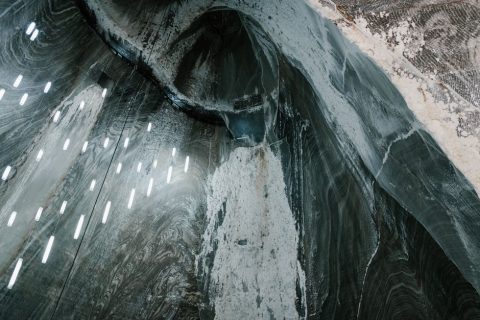
Located 50 km north of Bogota, this underground cathedral carved in a salt mine is an architectural marvel. The cathedral features a salt cross, stations of the cross, and chambers decorated with religious sculptures all hewn from salt. The mine provides context on colonial salt extraction. The spiritual ambiance and unique setting create powerful contemplative experiences 180 meters underground.
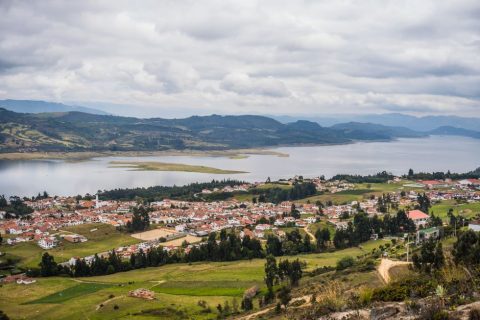
Sacred high-altitude lagoon (3,737 m) with deep cultural significance in Muisca mythology. Legend tells of El Dorado offerings made here. The circular lagoon surrounded by mountains offers stunning scenery and easy hiking trails with 360-degree views. The location combines natural beauty, archaeological importance, and indigenous heritage in an accessible day trip.
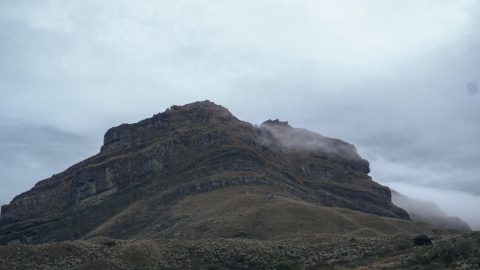
Located 60 km north, Suesca features dramatic sandstone rock formations offering excellent climbing, bouldering, and trekking opportunities. The striking landscape with red rocks and scenic valleys attracts adventure enthusiasts. Local guides offer climbing lessons for beginners; experienced climbers tackle challenging routes with stunning aerial views of mountain valleys.
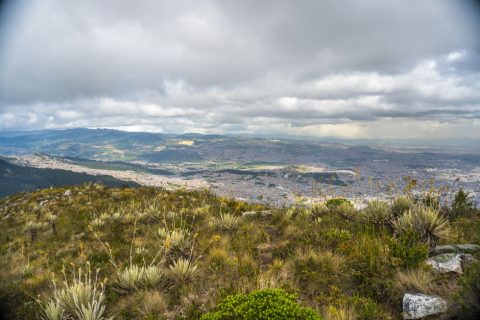
A challenging high-altitude trek through páramo ecosystem above 3,500 meters with unique alpine vegetation and mountain vistas. The trail passes mountain lakes and offers exceptional bird-watching in rare Andean habitats. Guides help acclimatization; physical fitness is essential. The experience showcases Colombia's mountain biodiversity rarely seen by lowland visitors.
Tips for Day Trips & Excursions
- Zipaquirá: easily accessible by bus; book ahead for guided tours
- Guatavita: hire local guide for context on mythology and history
- High-altitude day trips: allow acclimatization time before exertion
- Bring water, snacks, sunscreen, and rain jacket for mountain weather
- Private transportation safer than public buses for distant destinations
Bogota's markets and shopping districts offer authentic local products, crafts, traditional foods, and contemporary goods reflecting Colombian culture and creativity.
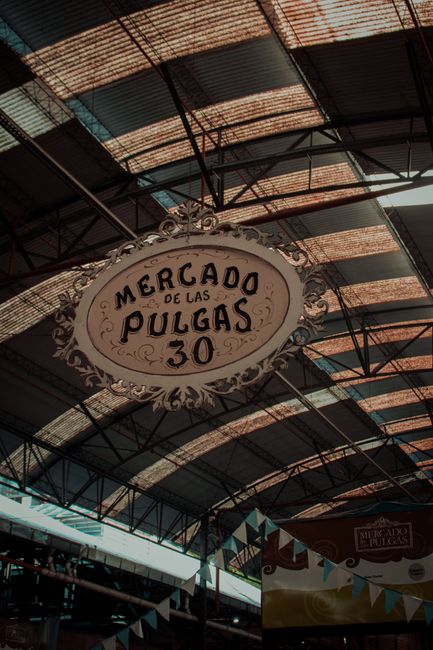
Bogota's most famous market operating Saturdays and Sundays in the colonial village of Usaquén with hundreds of vendors selling handcrafts, antiques, art, textiles, and clothing. Local artisans display woodwork, jewelry, leather goods, and paintings. The festive market atmosphere with live music, street food, and restaurants makes it perfect for several hours of browsing and cultural immersion.
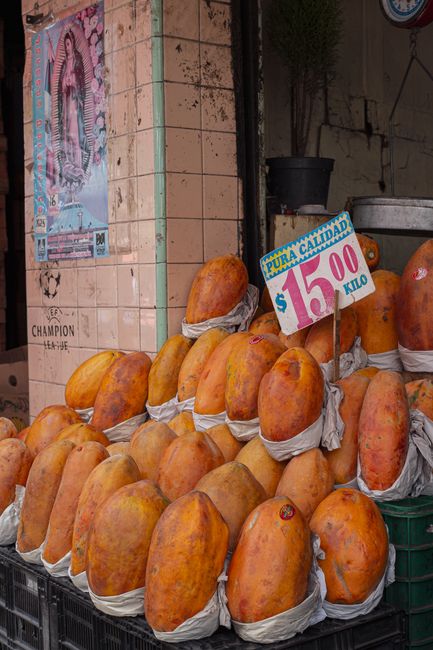
Bogota's largest produce and food market filled with fruits, vegetables, herbs, and traditional Colombian ingredients. The sensory explosion of colors, aromas, and bustling crowds offers authentic local market experience. Vendors sell everything from tropical fruits unknown elsewhere to dried herbs and spices used in traditional cooking. A window into daily Colombian food culture.
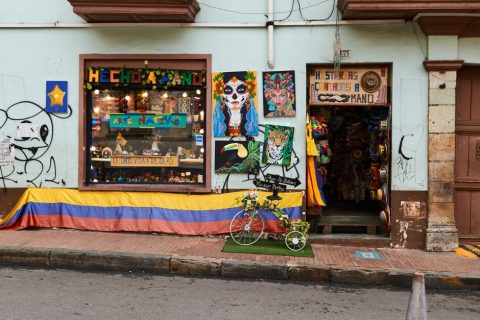
Specialty markets selling Colombian handicrafts including colorful mochilas (woven bags), hammocks, pottery, and textiles from indigenous communities. Pieces feature traditional patterns and high-quality craftsmanship supporting indigenous artisans directly. Markets located throughout the city offer ethical sourcing of authentic souvenirs celebrating Colombian indigenous heritage and artistic traditions.
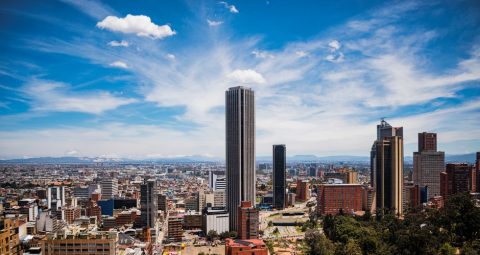
Modern shopping malls offering international and Colombian brands with modern retail environments. Andino features upscale boutiques and restaurants; Carrefour offers supermarket convenience. Contemporary air-conditioned shopping contrasts with street markets, providing familiar retail experiences alongside Colombian products and services.
Tips for Squares & Streets
- Usaquén market best early morning (8-10 AM) for variety and fewer crowds
- Bargaining acceptable at markets but not in established shops
- Watch belongings in crowded markets; pickpocketing can occur
- Food markets safest during morning/early afternoon hours
- Support indigenous artisans by purchasing directly and avoiding mass-produced imitations
Real, highly-rated Restaurants in Bogota, sourced from Google Places (rating above 4★).
Vista Corona Calle 93 is a highly-rated restaurant in Bogota, rated 4.9★ from 13387 reviews. Located at Cra. 12 #93-75 Piso 11, Chapinero, Bogotá, Cundinamarca, Colombia.
Opening Hours
- Monday: 12:00 – 11:00 PM
- Tuesday: 12:00 – 11:00 PM
- Wednesday: 12:00 – 11:00 PM
- Thursday: 12:00 PM – 1:00 AM
- Friday: 12:00 PM – 1:00 AM
- Saturday: 12:00 PM – 1:00 AM
- Sunday: 10:00 AM – 7:00 PM
Restaurante Nueve is a highly-rated restaurant in Bogota, rated 4.8★ from 698 reviews. Located at Cl. 70a #10a-18, Bogotá, Colombia.
Opening Hours
- Monday: 12:30 – 4:00 PM, 7:00 – 11:00 PM
- Tuesday: 12:30 – 4:00 PM, 7:00 – 11:00 PM
- Wednesday: 12:30 – 4:00 PM, 7:00 – 11:00 PM
- Thursday: 12:30 – 4:00 PM, 7:00 – 11:00 PM
- Friday: 12:30 – 4:00 PM, 7:00 – 11:00 PM
- Saturday: 12:30 – 4:00 PM, 7:00 – 11:00 PM
- Sunday: Closed
Restaurante Mambo Latín Nikkei is a highly-rated restaurant in Bogota, rated 4.7★ from 2917 reviews. Located at Cl. 93a #13a-06, Chapinero, Bogotá, Cundinamarca, Colombia.
Opening Hours
- Monday: 12:00 – 11:30 PM
- Tuesday: 12:00 – 11:30 PM
- Wednesday: 12:00 – 11:30 PM
- Thursday: 12:00 – 11:30 PM
- Friday: 8:00 AM – 11:30 PM
- Saturday: 8:00 AM – 11:30 PM
- Sunday: 8:00 AM – 6:00 PM
Explore Bogota on the Map
Climate: Bogota's tropical highland climate remains consistent year-round with temperatures 8-20°C (46-68°F), making seasonal variations minimal compared to lowland regions. Dry seasons (December-March, July-August) offer the most pleasant weather with minimal rainfall, making these ideal travel periods for outdoor activities and sightseeing. Rainy seasons (April-June, September-November) feature afternoon showers but morning visits often yield clear skies.
Festive Events: December-January hosts holiday celebrations and concerts. Feria de Bogota (August) features street events, concerts, and cultural performances. Holy Week (March/April) brings religious processions and family celebrations. Independence Day (July 20) includes parades and festivities.
Best Overall Period: December-January or July-August offer ideal combinations of pleasant weather, dry conditions, and active cultural programming without excessive crowds of peak seasons.
Public Transportation
Bogota's TransMilenio is Latin America's largest bus rapid transit system with dedicated lanes, efficient service, and affordable fares (approximately 3,000 COP/$0.75). The system covers the entire city; cards are available at stations. Buses run 5 AM-11 PM daily. Regular buses cost less but are slower and more crowded. Metro system under construction will further improve public transit.
Taxis & Ride-Sharing
Official yellow taxis are metered and relatively inexpensive; use official taxis rather than unmarked cabs. Uber, Didi, and Beat apps provide safe, reliable rides with transparent pricing. Rates approximately 8,000-15,000 COP ($2-4) for typical city journeys. Apps recommended for safety and ease.
✈️ Airport Transfer
El Dorado International Airport is 15 km from downtown. Official taxi service costs 35,000-45,000 COP. Uber/apps roughly similar pricing. TransMilenio express buses (E1) connect airport directly to city center for 3,000 COP. Hotel shuttle services also available.
Cycling
Ciclovía (Sunday car-free bike paths) makes cycling safe and popular. Bike-sharing systems offer short-term rentals. Many neighborhoods have dedicated bike lanes making cycling increasingly viable for transportation.
What to Buy
Colombian Coffee: World-famous coffee beans in various roasts; purchase from specialty shops or farmers markets for authenticity and quality. Emeralds: Colombia produces exceptional emeralds; purchase from certified dealers with proper documentation for customs.
Handicrafts: Traditional mochilas (woven shoulder bags) from indigenous communities in vibrant colors. Hammocks, pottery, wooden carvings, and textiles showcase indigenous artistry. Leather goods including bags and belts are high quality and reasonably priced.
Art & Souvenirs: Street art reproductions, contemporary artwork from galleries, and Fernando Botero reproductions. Colorful Colombian ornaments, ceramics, and traditional crafts.
Shopping Areas
Usaquén: Best for artisan goods, antiques, and handcrafted items. Calle 82 & Carrera 11: Upscale boutiques and designer shops. Centro Histórico (La Candelaria): Tourist-friendly shops with cultural products. Zona Rosa & Parque 93: Contemporary retail, restaurants, and entertainment.
Bargaining & Etiquette
Bargaining is acceptable at markets and street vendors but expected to be respectful. Fixed-price shops and malls do not allow negotiation. Always support indigenous artisans directly when possible; fair prices ensure community benefit. Avoid counterfeit goods; they support illegal commerce.
Annual Events
Feria de Bogota (August): Month-long festival celebrating city's founding with concerts, theater, bullfights, flower exhibitions, and street performances throughout the city. Family-friendly activities and international performers draw huge crowds.
Festival Iberoamericano de Teatro (March, biennial): Major theatrical festival showcasing plays from Latin American, Spanish, and Portuguese-speaking countries. World-class performances and experimental theater for 10+ days in even-numbered years.
Festival de Verano (Summer Festival, July): Music and performing arts festival featuring concerts, theater, and cultural events celebrating Colombian and international artists.
Religious & National Holidays
Holy Week (Semana Santa, March/April): Religious processions, especially at Monserrate. Independence Day (July 20): National celebrations, parades, and festivities. Christmas Season (December): Nativity exhibitions, concerts, and festive decorations throughout the city. Day of Black Cultures (May 21): Celebrations honoring Afro-Colombian heritage and contributions.
Cultural Observances
Bogota Comida de Reses celebrates bullighting tradition. Jazz Festival (November) features international and Colombian jazz artists. Film festivals and art exhibitions occur regularly at museums and cultural centers year-round.
Day 1: Historic Bogota & Museums
Morning: Start at Plaza de Bolívar exploring the Cathedral and surrounding colonial architecture. Visit Museo del Oro (Gold Museum) for 2+ hours. Lunch: Enjoy traditional Colombian cuisine in La Candelaria's numerous restaurants. Afternoon: Explore Museo Botero and nearby streets. Evening: Walk colonial streets of La Candelaria, visit local cafes and small galleries. Dinner in a historic building restaurant.
Day 2: Neighborhood Exploration & Art
Morning: Take free walking tour of La Candelaria with focus on street art and colonial history. Late Morning: Visit Museo Nacional. Lunch: Try street food or neighborhood restaurant. Afternoon: Explore Usaquén neighborhood, browse artisan shops and galleries. Visit the Plaza de Usaquén. Evening: Enjoy dinner and drinks at Zona Rosa's trendy restaurants and bars.
Day 3: Nature & Spiritual Sites
Early Morning: Take cable car/funicular up to Monserrate sanctuary at sunrise. Explore the church, take panoramic photos of Bogota below. Mid-Morning: Return and visit Jardín Botánico José Celestino Mutis for 2 hours. Lunch: Botanical garden café or neighborhood restaurant. Afternoon: Visit Parque Simón Bolívar, enjoy outdoor spaces or museums within the park. Evening: Casual dinner and sunset stroll through peaceful neighborhoods.
Day 4: Street Art, Markets & Culture
Morning: Explore Chapinero/San Alejo neighborhood's street art and bohemian character. Browse vintage shops and contemporary galleries. Late Morning: Visit independent bookstores, craft shops, and art studios. Lunch: Affordable, authentic Colombian or international cuisine in the neighborhood. Afternoon: Explore additional neighborhoods' street art (Kennedy District/Distrito Grafiti) or visit another museum. Evening: Attend live performance at Teatro Colón or local music venue featuring Colombian bands.
Day 5: Day Trip & Local Experiences
Full Day: Take organized day trip to Zipaquirá Salt Cathedral (3-4 hours) or Guatavita Lagoon (4-5 hours) exploring pre-Hispanic Colombian heritage. Alternatively: Book food tour experiencing Colombian cuisine at markets and restaurants with expert guide. Evening: Return to Bogota for dinner and rest after active day of exploration.
Golden Hour Photography (Sunrise/Sunset)
Monserrate Sanctuary: Arrive early morning before crowds for golden light over the city. The church backlit by sunrise creates stunning silhouettes. Parque Simón Bolívar: Sunset reflection in lakes with city skyline background. Cerro de Monserrate viewpoint: Panoramic city views especially beautiful in evening light.
Street Art & Urban Photography
La Candelaria: Colonial building facades combined with vibrant murals. Early morning light reveals street art colors before pedestrian crowds. Kennedy District (Distrito Grafiti): Large-scale murals photographed from multiple angles. Usaquén Streets: Colorful colonial buildings, flower-lined streets, and artistic compositions. Graffiti walls: Constantly evolving art provides fresh subjects daily.
Architectural Photography
Plaza de Bolívar: Symmetrical compositions of surrounding buildings. Teatro Colón: Ornate facade and grand entrance. La Catedral: Detailed stonework and interior religious artwork. Government buildings: Neoclassical architecture around political center. Colonial facades: Weathered textures and architectural details in old quarter.
People & Cultural Photography
Markets (Usaquén, La Salsa): Vibrant colors, local vendors, and authentic daily activities. Street performers: Live musicians and artists in public spaces. Parks during weekends: Families, joggers, and locals enjoying recreational spaces. Cafes in neighborhoods: Casual street café culture and social interactions.
Photography Tips
Best Times: Early morning (7-9 AM) offers clearest light and fewer crowds. Afternoon light can be harsh between 11 AM-3 PM. Safety: Avoid displaying expensive camera equipment in crowded areas. Use discreet bags for gear. Composition: Include layers—foreground, subject, background for depth. People: Always ask permission before photographing people in markets or neighborhoods respectfully.
Voltage & Frequency
Colombia uses 110V electrical current at 60 Hz frequency. This is compatible with most North American appliances but differs from European standard 220V/50Hz systems. Power fluctuations can occur; use surge protectors for sensitive electronics.
Plug Types
Colombia uses Type A and Type B plugs (identical to North American standard): flat parallel blades (Type A) and two flat blades plus one round grounding pin (Type B). Most hotels provide standard outlets; some older buildings may have limited outlets requiring adapters.
Adapters & Converters
North American visitors: Typically no adapter needed for most electronics. European visitors: Must bring adapters for Type A/B plugs; consider voltage converters for 220V appliances. Universal adapters are inexpensive insurance. Purchase backup adapters at airport or electronics shops if needed.
Practical Electricity Tips
Phone charging: USB-C chargers are universally compatible; bring one or two cables. Hotel rooms: Request additional power strips if you have multiple devices. Blackouts: Rare in Bogota but possible during rainy season; have flashlight or headlamp available. Appliance safety: Do not attempt to modify plugs; use proper adapters to prevent fire hazards.
Must-Try Colombian Dishes
Ajiaco: Bogota's signature thick potato soup with chicken, corn, and fresh herbs. Served with avocado, sour cream, and cilantro. Warming, hearty, and quintessentially Colombian comfort food. Bandeja Paisa: Regional platter from Medellín featuring beans, rice, meat, egg, plantain, and arepas. Portion size is enormous and energy-packed.
Empanadas: Fried pastry pockets filled with meat, potato, or cheese. Available as street food everywhere; affordable and filling. Arepas: Corn flour flatbreads served plain or filled with cheese, meat, or vegetables. Breakfast staple and snack food across Colombia.
Ceviche: Fresh fish or seafood marinated in citrus juice with onions and peppers. Coastal dish common in restaurants. Fritanga: Fried pork served with potatoes, yuca, and corn. Hearty street food popular in markets.
Tropical Fruits & Beverages
Fresh fruits: Mango, papaya, passion fruit, guava, and exotic fruits unknown outside Colombia. Markets offer freshly cut fruit at remarkable prices. Fresh juices: Zumo (fresh juice) made from tropical fruits, sugarcane, or blended fruit drinks. Street vendors and juice bars offer refreshing hydration. Café colombiano: World-famous coffee served small, strong, and often with sugar. Coffeehouses (cafeterías) are social gathering spots.
Dining Experiences
Casual dining: Comidas rápidas (fast food) and street food markets offer affordable, authentic meals. Restaurants in La Candelaria: Tourist-friendly options with atmosphere and traditional cuisine. Zona Rosa & Parque 93: Upscale restaurants featuring contemporary Colombian and international cuisine.
Food tours: Guided gastronomic experiences providing context about dishes, ingredients, and cultural significance. Local guides visit markets, street vendors, and restaurants. Cooking classes: Learn to prepare authentic Colombian dishes from professional chefs. Hands-on experiences with market visits and meals.
Dining Tips
Meal timing: Breakfast 7-9 AM, lunch 12-2 PM (largest meal), dinner 7-9 PM. Service charge: 10% propina (tip) customary for good service, often added to bill. Hygiene: Street food from busy vendors is generally safe; choose places with high turnover. Allergies: Learn relevant Spanish phrases for dietary restrictions (sin picante=no spicy, vegetariano=vegetarian).
Tourist Passes
Bogota City Card
The Bogota City Card provides discounted admission to major museums and attractions including Museo del Oro, Museo Botero, Museo Nacional, and other cultural sites. Pricing varies (1, 2, or 3-day passes available). Card also includes discounts on restaurants and shops throughout the city. Savings typically 30-50% on museum admission if visiting multiple attractions makes the card worthwhile.
www.bogotacitycard.comTransMilenio Card (Tarjeta Recargable)
Rechargeable prepaid card for unlimited use of Bogota's bus rapid transit system. Card costs approximately 2,500 COP; each journey costs 3,000 COP. Cards are available at TransMilenio stations. Essential for regular public transportation use; more economical than individual tickets and faster payment process at turnstiles.
www.transmilenio.gov.coCiclovía Sunday Passes
Free Sunday cycling on Bogota's car-free paths (Ciclovía) covering 120+ km of streets. No pass required; simply bring a bicycle or rent from multiple sharing systems. Operating 7 AM-2 PM Sundays and holidays. Bike-sharing apps offer daily passes for 25,000-50,000 COP allowing access to network bikes throughout the city.
www.cicloviabogorana.gov.coMore about Bogota
↑