Things to do in Cartagena
Iconic structures and historical landmarks that define Cartagena's architectural heritage and cultural significance.
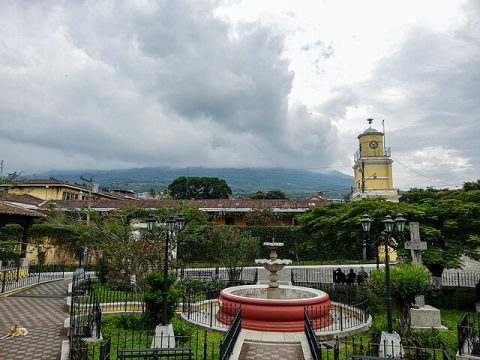
The heart of Cartagena, a UNESCO World Heritage Site featuring colorful colonial buildings, narrow cobblestone streets, and centuries-old fortifications. The city walls span 11.5 kilometers and offer panoramic Caribbean views. Walk through plazas adorned with bougainvillea, visit street musicians, and experience authentic Cartagenero culture.
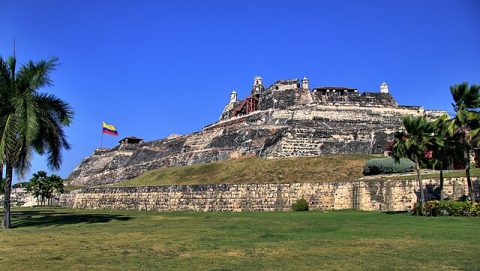
A 17th-century fortress built to protect Cartagena from pirate attacks. This engineering marvel features multiple levels, underground tunnels, and strategic gun placements. Climb to the top for breathtaking views of the Caribbean Sea and old city. The fortress is one of the most important military structures in the Americas.
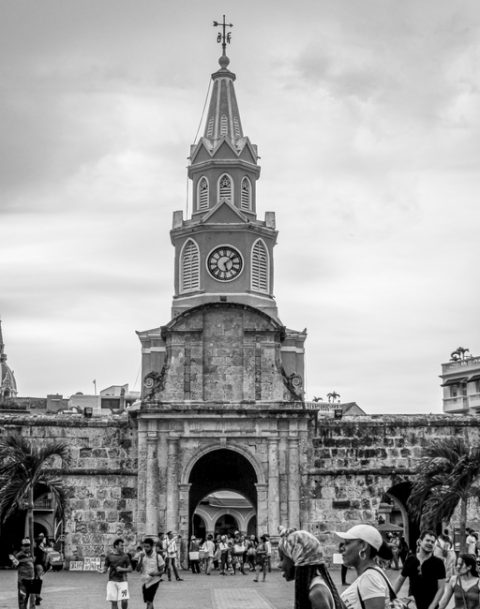
The iconic main entrance to the walled city, dating back to 1608. This historic gate serves as the symbol of Cartagena and is beautifully lit at night. The tower underwent restoration in recent years and now stands as one of the most photographed landmarks in the Caribbean.
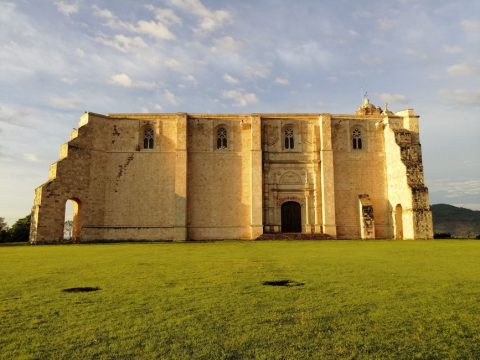
A stunning 17th-century convent featuring baroque architecture and a beautiful courtyard. The church contains impressive religious artwork and colonial furnishings. Visitors can explore the tranquil gardens and learn about the religious history of Cartagena through guided tours.
Tips for Landmarks & Monuments
- Visit the walled city early morning or late evening for cooler temperatures and better photography
- Wear comfortable walking shoes as streets are uneven and cobblestoned
- Stay hydrated and use sunscreen; there is limited shade in historic areas
- Hire a licensed tour guide for fortress visits to understand engineering and history
World-class museums and art galleries showcasing pre-Columbian artifacts, colonial art, and contemporary creations.
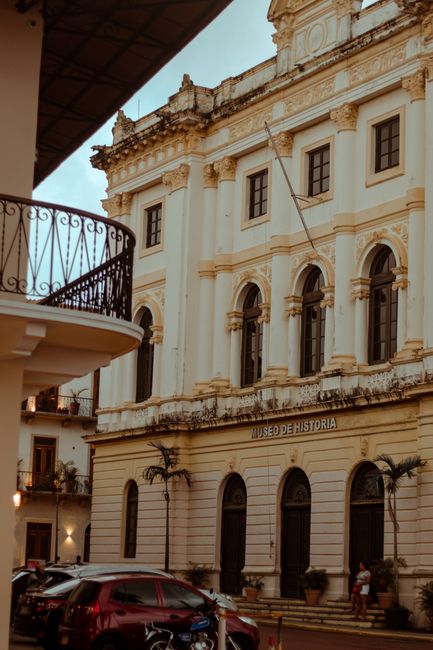
An extraordinary collection of pre-Columbian gold artifacts representing indigenous cultures of northern South America. The museum houses over 11,000 pieces including intricate jewelry, ceremonial objects, and sculptures. Interactive exhibits explain ancient techniques and spiritual significance of gold in indigenous cultures.
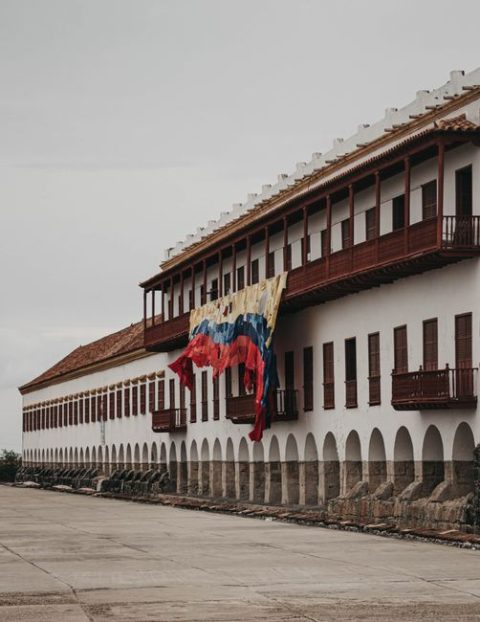
Housed in a colonial palace, this maritime history museum chronicles Cartagena's naval importance and Caribbean trade routes. Exhibits include ship models, navigational instruments, and artifacts from the colonial period. Learn about the city's strategic role in Spanish colonial maritime commerce.
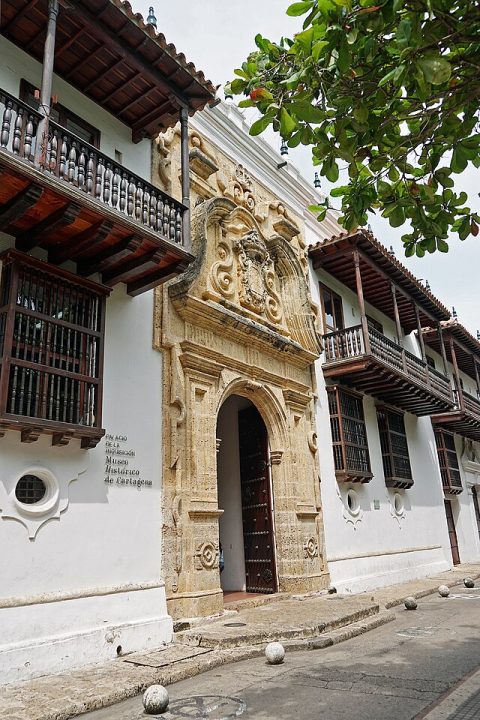
A sobering museum dedicated to the Spanish Inquisition in a beautifully restored colonial mansion. The museum exhibits torture instruments, documents, and historical information about this dark period. Educational and thought-provoking, it provides important historical context for understanding colonial Cartagena.
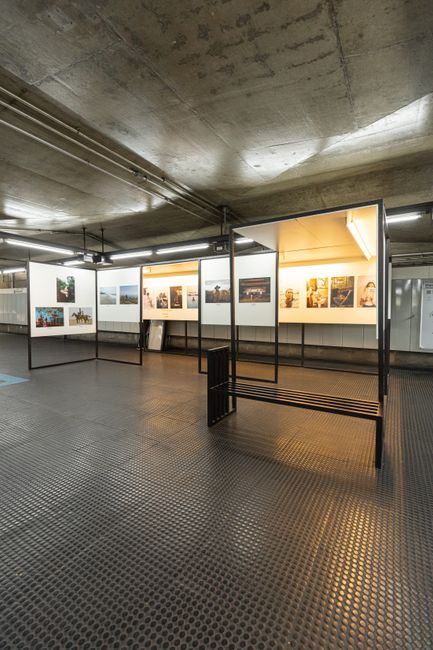
Cartagena's vibrant art scene features numerous galleries throughout the old city showcasing local and international contemporary artists. Galleries feature paintings, sculptures, installations, and mixed media works. Many galleries are housed in restored colonial buildings, creating unique spaces for art appreciation.
Tips for Museums & Galleries
- Book museum tickets in advance during high season (December-March)
- Allow extra time for detailed exhibits; museums contain extensive collections
- Many museums close on Mondays; plan visits accordingly
- Some galleries require appointments; call ahead for visiting hours
- Student discounts available with valid ID
Sacred spaces reflecting centuries of spiritual tradition, from grand cathedrals to intimate chapels.
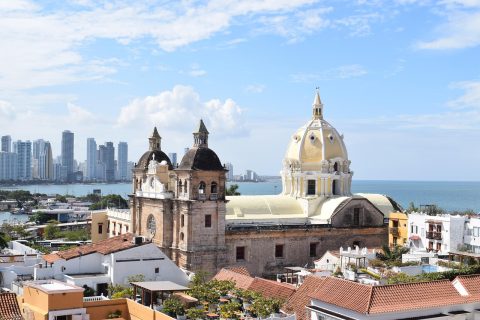
Cartagena's main cathedral, a magnificent example of baroque religious architecture with ornate altars, stained glass windows, and religious sculptures. The cathedral has been rebuilt and restored multiple times throughout its 500-year history. The interior features beautiful woodwork and impressive vaulted ceilings that showcase colonial craftsmanship.
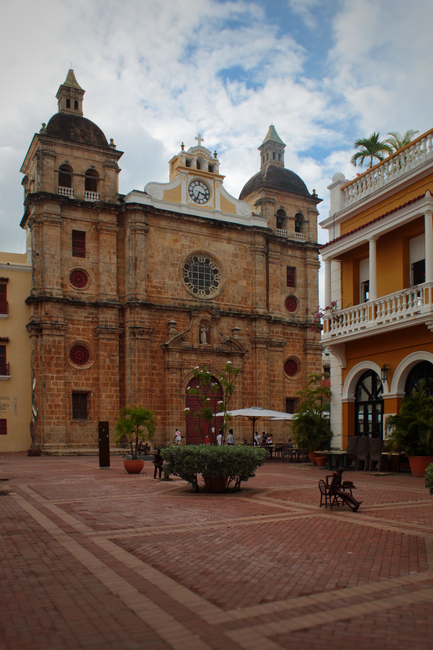
A historic Jesuit church dedicated to the saint who devoted his life to enslaved people. The church features elegant colonial architecture with intricate stone carvings and religious artworks. Visitors can explore the adjoining museum dedicated to San Pedro Claver's humanitarian mission.
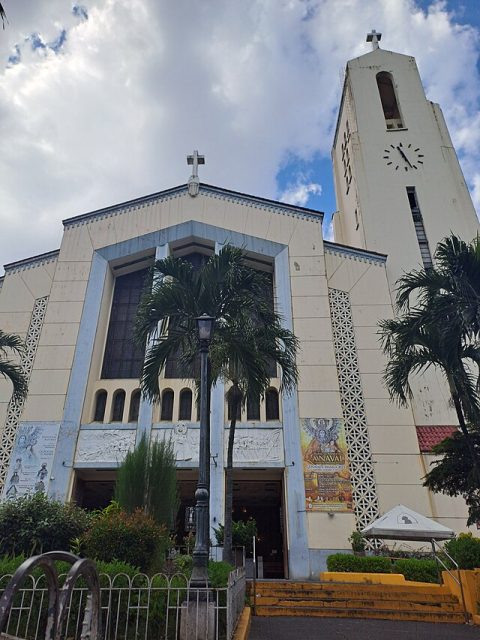
One of Cartagena's oldest churches with a baroque facade and serene interior courtyard filled with bougainvillea flowers. The church underwent recent renovation and now serves as both a place of worship and cultural heritage site. The bell tower offers excellent views of the old city.
Tips for Religious Sites
- Dress modestly when visiting churches (covered shoulders and knees)
- Most churches close during midday; visit in morning or late afternoon
- Photography may be restricted during services; ask permission
- Attend Mass or religious ceremonies for authentic spiritual experience
Iconic plazas and charming pedestrian streets that serve as the social and cultural heart of Cartagena.
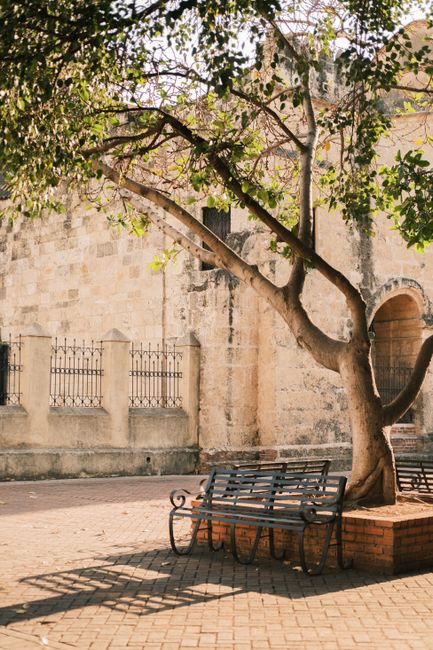
The most iconic plaza in Cartagena, surrounded by elegant colonial buildings, boutiques, and restaurants. The plaza features a distinctive bronze sculpture of a woman with an exaggerated bosom, a symbol of sensuality and Cartagena's vibrant culture. Colorful buildings frame the square, creating a perfect setting for dining, people-watching, and photography.
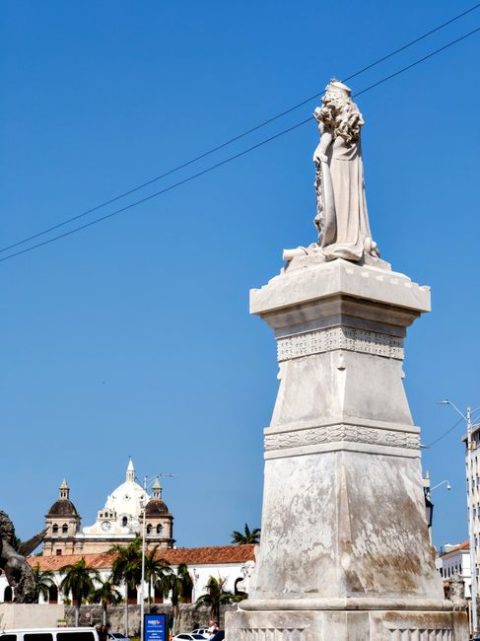
A charming colonial square featuring the Church of San Pedro Claver and surrounded by historic buildings. Street musicians and vendors create lively atmosphere, while nearby restaurants and cafes offer authentic Caribbean cuisine. The plaza perfectly captures the essence of old Cartagena.
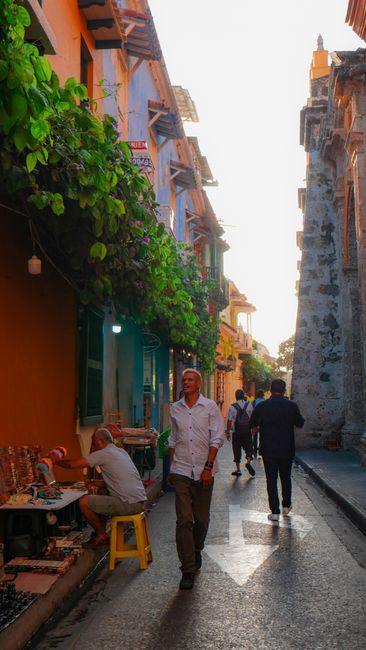
The longest pedestrian street in the walled city, connecting major plazas and featuring historic buildings, shops, galleries, and restaurants. Street performers entertain visitors, while street food vendors offer local delicacies. The street is lined with colonial architecture and provides an authentic experience of daily Cartagena life.
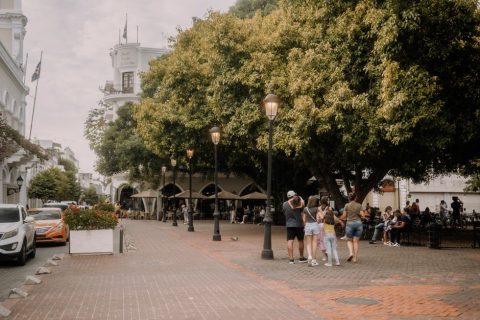
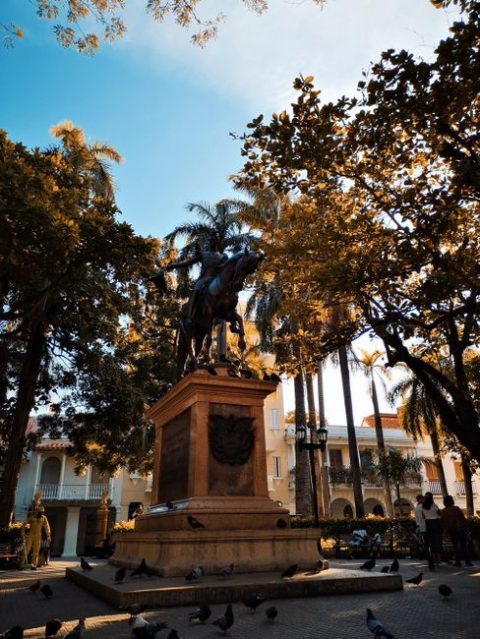
A historic plaza featuring a statue of Simón Bolívar surrounded by lush vegetation and colonial architecture. The plaza serves as a peaceful retreat with benches for relaxation and observation. During evening, the plaza lights up beautifully and locals gather for social gatherings.
Tips for Squares & Streets
- Visit plazas in early morning to avoid crowds and heat
- Bring cash for street vendors and musicians
- Plazas are safest during daytime; avoid after dark
- Many restaurants surrounding plazas offer tourist prices; explore side streets for local pricing
Distinct districts each with unique character, architecture, and cultural atmosphere.

The heart of old Cartagena featuring the densest concentration of colonial buildings, museums, and plazas. Narrow streets wind between colorful mansions, creating a maze-like atmosphere perfect for exploration. El Centro pulses with tourist activity, dining, and shopping.
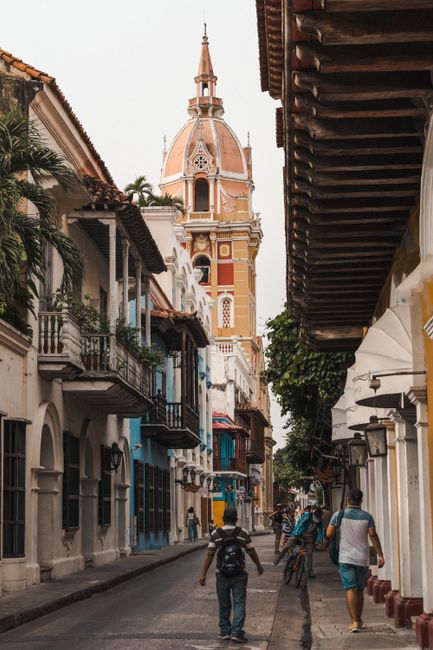
A vibrant bohemian neighborhood famous for colorful street art, murals, graffiti culture, and independent galleries. Getsemaní has transformed from a rough area into a creative hub with trendy bars, restaurants, and hostels. The neighborhood pulses with cultural energy and hosts regular art events and performances.

A charming residential neighborhood within the walled city featuring narrow streets, colonial homes, and local atmosphere. San Diego offers a quieter alternative to El Centro while maintaining historic charm. The area features small plazas, local restaurants, and traditional architecture.
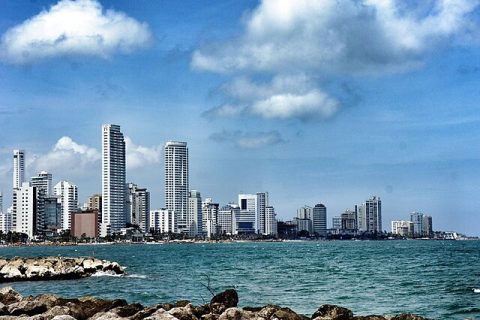
The modern beachfront district featuring high-rise hotels, restaurants, and beach clubs. Bocagrande offers Caribbean beaches, water sports, and contemporary dining venues. The area serves as the modern face of Cartagena with upscale accommodations and amenities.
Tips for Neighborhoods & Districts
- El Centro best for tourist attractions; stay in secured areas after dark
- Getsemaní has improved security but stay aware of surroundings
- Hire local guides for authentic neighborhood experiences
- Use official taxis or ride-sharing apps between neighborhoods at night
Green spaces offering respite from urban energy with natural beauty and recreational opportunities.
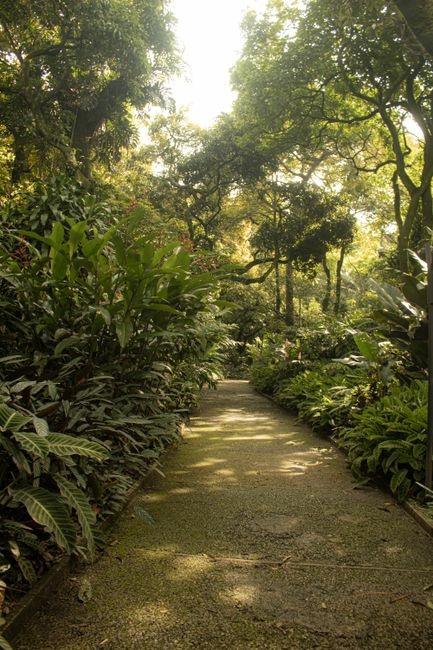
Cartagena's primary botanical garden featuring tropical plants, trees, and flowers from the Caribbean region. The garden provides peaceful walking paths through organized plant collections. Educational signage explains plant species and their uses in traditional medicine and cuisine. Perfect for nature lovers and photographers.
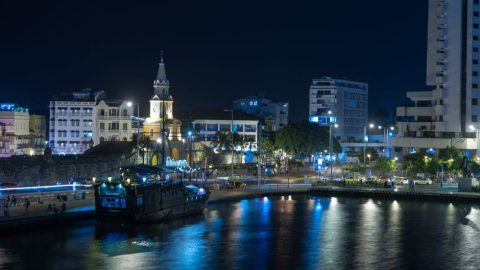
A scenic waterfront walkway running along the Caribbean Sea offering sea breezes, sunset views, and casual dining venues. The malecón features street vendors, musicians, and locals enjoying the waterfront. Perfect for evening strolls and enjoying Cartagena's coastal beauty.
A public park featuring open green spaces, walking trails, and recreational areas. The park includes playgrounds, picnic areas, and seating throughout manicured grounds. Local families use the park for leisure activities, making it an authentic spot to observe everyday Cartagena life.
Tips for Parks & Gardens
- Visit botanical garden early morning for cooler temperatures and better photography
- Bring water and sunscreen for outdoor park activities
- Parks are safer during daytime; avoid after sunset
- Malecón offers best views during sunset hours
Guided experiences and adventure activities offering unique perspectives and hands-on engagement with Cartagena's culture and natural environment.
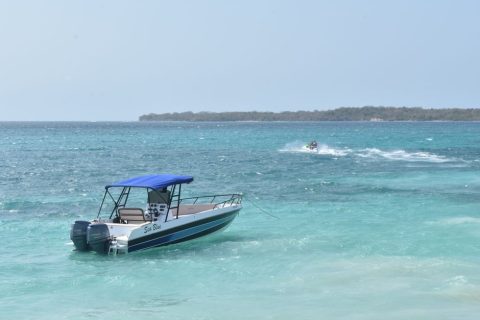
Full-day boat excursions to pristine islands featuring white-sand beaches, crystal-clear waters, and coral reefs. Tours include swimming, snorkeling, beach time, and fresh seafood lunch. Multiple islands offer different experiences from party atmospheres to secluded paradises. This is one of Cartagena's most popular tourist activities.
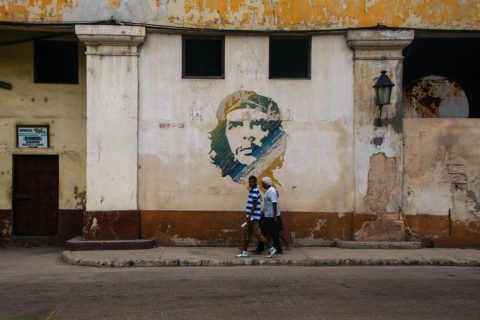
Guided walking tours through Getsemaní and other neighborhoods showcasing vibrant street art, murals, and graffiti culture. Expert local guides explain artist styles, techniques, and the cultural significance of street art. Tours support local artists and provide photography opportunities with authentic urban art.
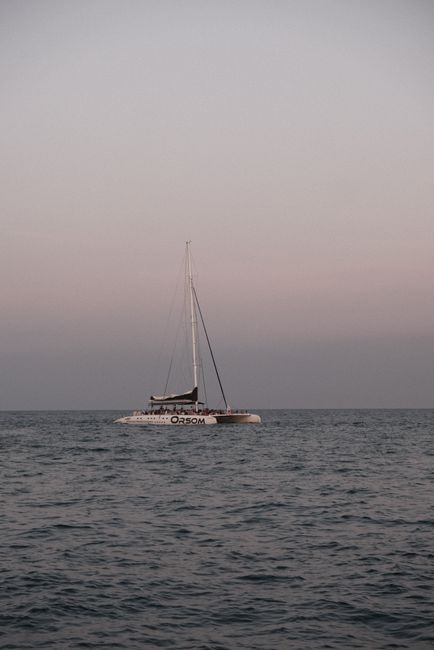
Leisurely evening cruises departing from Bocagrande beach featuring cocktails, snacks, and live music while sailing the Caribbean. Tours include swimming stops and excellent opportunities for sunset photography. The relaxed atmosphere makes this ideal for couples or those seeking romantic experiences.
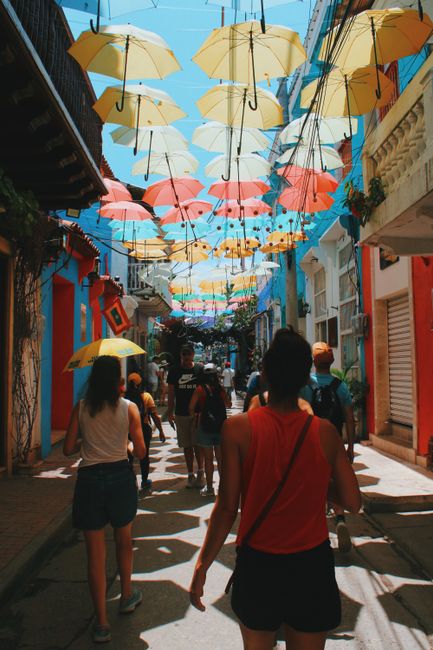
Culinary guided tours through local neighborhoods featuring tastings at authentic restaurants, street food stalls, and market visits. Expert local guides share stories about traditional Colombian cuisine, ingredient sources, and cooking techniques. Tours include at least 5-6 tastings with beverage pairings.
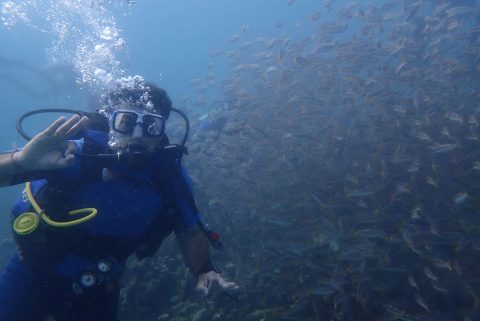
Professional diving operations offering certification courses and guided dives to coral reefs, shipwrecks, and underwater formations. Cartagena waters offer warm temperatures, excellent visibility, and diverse marine life. Beginner-friendly dives and advanced expeditions available.
Tips for Tours & Activities
- Book tours through reputable companies; check reviews on TripAdvisor
- Rosario Islands tours cost 35,000-50,000 COP; negotiate in low season
- Bring waterproof sunscreen and sunglasses for beach activities
- Food tours better experienced with professional guides than solo exploration
- Diving requires certification; budget 2-3 hours for certification courses
Nearby destinations offering diverse experiences from natural wonders to cultural sites within easy reach of Cartagena.
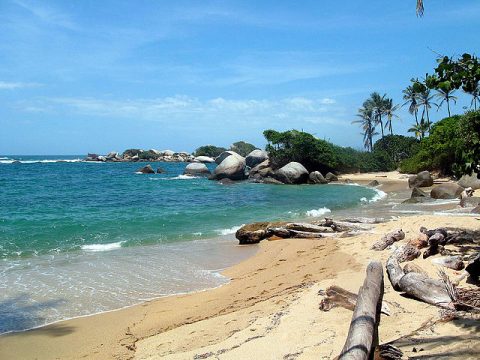
A stunning national park featuring pristine Caribbean beaches, jungle trails, and archaeological sites. Located 3 hours north, Tayrona offers hiking through lush rainforest with waterfalls, swimming in turquoise waters, and encountering wildlife. The park combines jungle and beach ecosystems in spectacular fashion.
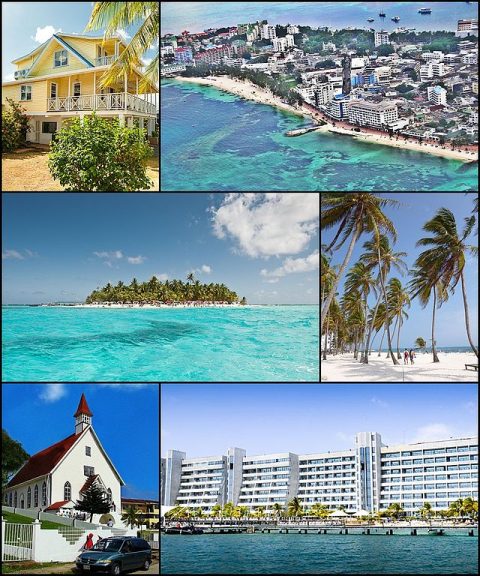
A Caribbean island destination 2.5 hours by plane or ferry offering pristine beaches, water sports, and unique island culture. San Andrés features English colonial architecture, duty-free shopping, and laid-back Caribbean atmosphere. The island's surrounding waters offer world-class diving and snorkeling.
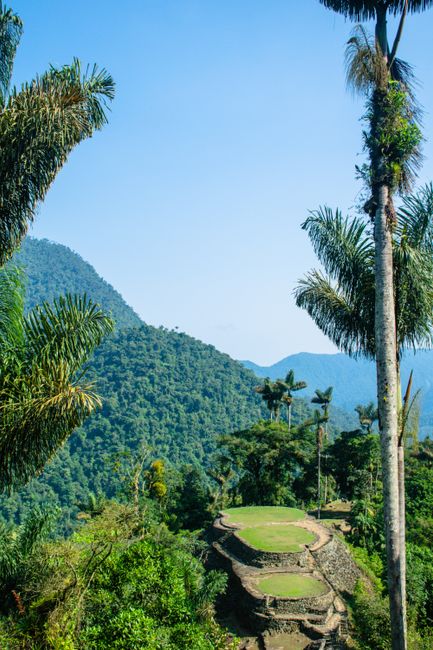
The Lost City trek, a challenging 4-day hiking expedition through jungle to mysterious pre-Columbian ruins. Located near Santa Marta, the trek offers adventure, cultural immersion, and archaeological significance. The trek includes river crossings, steep trails, and remote jungle camping.
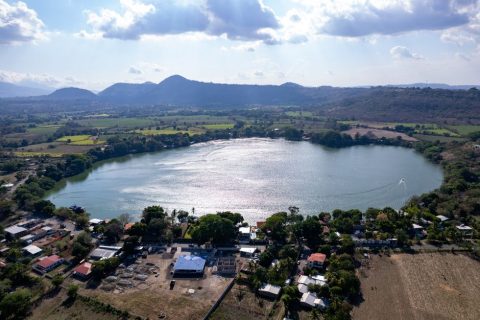
A unique mud volcano where visitors can bathe in warm mineral mud believed to have therapeutic properties. Located 1 hour from Cartagena, the volcano provides a surreal experience as the mud's buoyancy supports visitors effortlessly. Shower facilities and fresh water pools available for rinsing.
Tips for Day Trips & Excursions
- Tayrona National Park requires advance booking; entry limited daily
- Pack light for hiking; trails can be muddy during rainy season
- San Andrés island has flight discounts for Colombian residents
- Ciudad Perdida trek requires physical fitness; acclimatize to altitude
- Mud volcano tours include transportation; book with licensed operators
Decorative public installations and artistic expressions adorning Cartagena's streets and plazas.
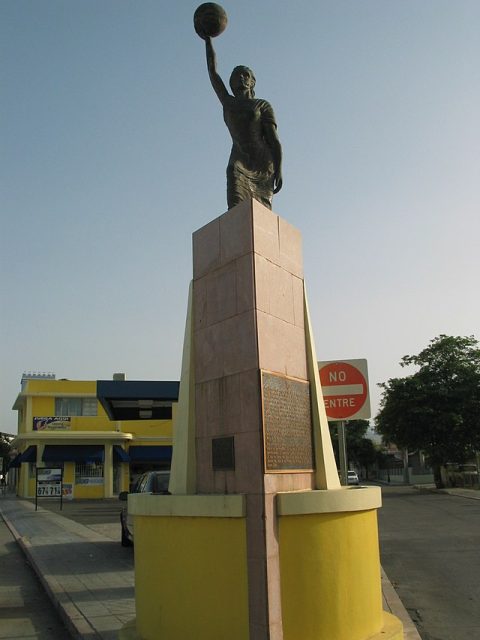
Cartagena's most iconic sculpture featuring a voluptuous woman figure in Plaza Santo Domingo. Created by Colombian sculptor Fernando Botero, the bronze statue celebrates sensuality, femininity, and Cartagena's vibrant culture. The sculpture has become a symbol of the city and a favorite photo spot for tourists.
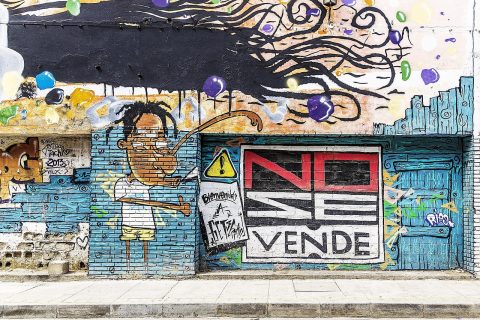
Colorful street art covering entire building walls throughout Getsemaní neighborhood. Local and international artists create vibrant murals depicting social messages, cultural themes, and abstract designs. The constantly evolving street art scene makes Getsemaní a living open-air gallery.
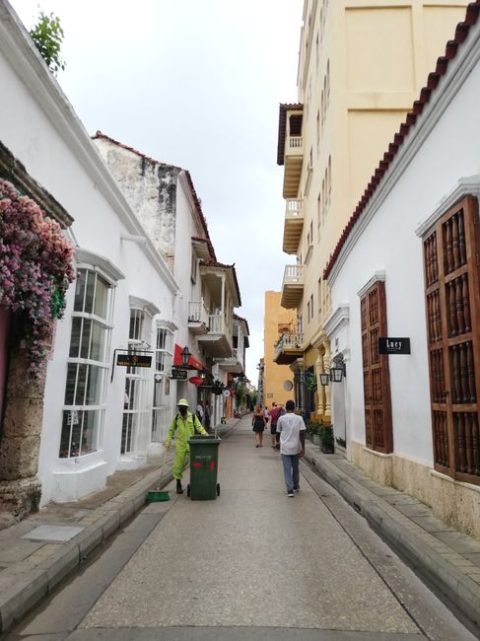
Historic water fountains scattered throughout the walled city serving both decorative and functional purposes. These fountains feature baroque design elements and intricate stone work. Many plazas center around fountain installations, creating gathering spots for locals and tourists.
Tips for Fountains & Public Art
- Woman Sculpture best photographed in late afternoon light
- Street art changes frequently; visit Getsemaní multiple times for new murals
- Many murals have artist signatures; research artists for context
- Bring camera or phone for quality photography opportunities
Caribbean coastline offering swimming, relaxation, and water activities with tropical island atmosphere.
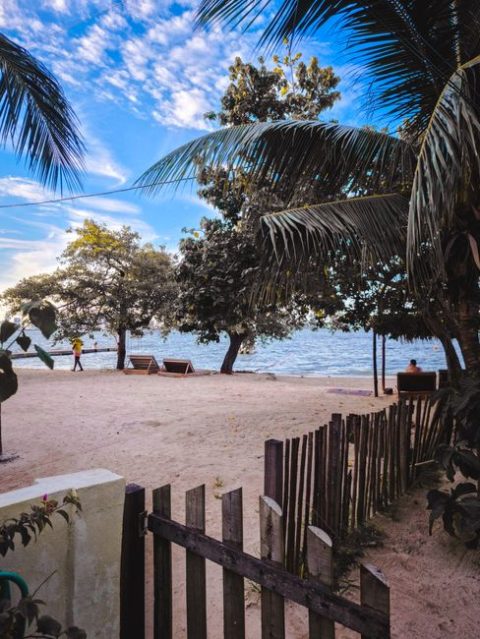
Pristine island beaches featuring white sand, turquoise water, and tropical vegetation. Multiple islands offer different beach atmospheres from vibrant social scenes to secluded paradise. Beaches perfect for swimming, snorkeling, and relaxation. Accessible only by boat tours from Cartagena.
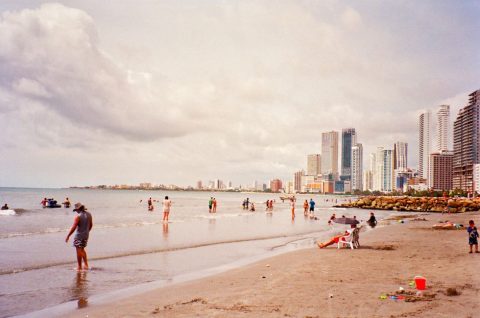
Cartagena's primary urban beach featuring sandy shores, palm trees, and modern beach clubs. The beach stretches along the commercial district with hotels, restaurants, and water sports facilities nearby. Lifeguards, umbrellas, and lounge chairs available for rent. The beach offers convenient access from the city center.
Tips for Beaches & Coastal Areas
- Bocagrande beach crowded during high season; arrive early for parking
- Bring reef-safe sunscreen; coral protection important
- Water temperatures year-round 27-29°C (80-84°F)
- Rosario Islands tours often overcrowded; book with smaller operators for better experience
- Avoid displaying valuables on beaches; use hotel safes
Real, highly-rated Restaurants in Cartagena, sourced from Google Places (rating above 4★).
Carta Ajena Restaurante is a highly-rated restaurant in Cartagena, rated 4.9★ from 1876 reviews. Located at Calle 31, Cl. de la Magdalena #10-77, Getsemaní, Cartagena de Indias, Bolívar, Colombia.
Opening Hours
- Monday: 6:00 AM – 11:00 PM
- Tuesday: 6:00 AM – 11:00 PM
- Wednesday: 6:00 AM – 11:00 PM
- Thursday: 6:00 AM – 11:00 PM
- Friday: 6:00 AM – 11:00 PM
- Saturday: 6:00 AM – 11:00 PM
- Sunday: 6:00 AM – 11:00 PM
Restaurante Sambal, bistro caribeño is a highly-rated restaurant in Cartagena, rated 4.9★ from 1577 reviews. Located at Calle Media Luna, Cl. 30 #9 - 47, Getsemaní, Cartagena de Indias, Bolívar, Colombia.
Opening Hours
- Monday: 12:00 – 10:30 PM
- Tuesday: 12:00 – 10:30 PM
- Wednesday: 12:00 – 10:30 PM
- Thursday: 12:00 – 10:30 PM
- Friday: 12:00 – 10:30 PM
- Saturday: 12:00 – 10:30 PM
- Sunday: 12:00 – 10:30 PM
MORENA LOUNGE BEACH/ SUNSET/ BY THE SEA/ LIVE MUSIC is a highly-rated restaurant in Cartagena, rated 4.9★ from 11278 reviews. Located at Cra. 1 #9 - 6, Cartagena de Indias, Bolívar, Colombia.
Opening Hours
- Monday: 11:00 AM – 12:00 AM
- Tuesday: 11:00 AM – 12:00 AM
- Wednesday: 11:00 AM – 12:00 AM
- Thursday: 11:00 AM – 1:00 AM
- Friday: 11:00 AM – 1:00 AM
- Saturday: 11:00 AM – 1:00 AM
- Sunday: 11:00 AM – 1:00 AM
Real, highly-rated Beach Bars in Cartagena, sourced from Google Places (rating above 4★).
Carex Beach Club is a highly-rated beach bar in Cartagena, rated 5★ from 30 reviews. Located at Isla de Tierra Boba sector Playa Linda, Isla de Tierra Bomba, Playa Linda, Cartagena de Indias, Bolívar, Colombia.
Opening Hours
- Monday: 9:00 AM – 5:00 PM
- Tuesday: Closed
- Wednesday: 9:00 AM – 5:00 PM
- Thursday: 9:00 AM – 5:00 PM
- Friday: 9:00 AM – 5:00 PM
- Saturday: 9:00 AM – 5:00 PM
- Sunday: 9:00 AM – 5:00 PM
MORENA LOUNGE BEACH/ SUNSET/ BY THE SEA/ LIVE MUSIC is a highly-rated beach bar in Cartagena, rated 4.9★ from 11278 reviews. Located at Cra. 1 #9 - 6, Cartagena de Indias, Bolívar, Colombia.
Opening Hours
- Monday: 11:00 AM – 12:00 AM
- Tuesday: 11:00 AM – 12:00 AM
- Wednesday: 11:00 AM – 12:00 AM
- Thursday: 11:00 AM – 1:00 AM
- Friday: 11:00 AM – 1:00 AM
- Saturday: 11:00 AM – 1:00 AM
- Sunday: 11:00 AM – 1:00 AM
The Pink Mango (formerly Amare Beach) is a highly-rated beach bar in Cartagena, rated 4.8★ from 499 reviews. Located at Playa Linda, Isla Tierra Bomba, Cartagena de Indias, Bolívar, Colombia.
Opening Hours
- Monday: 9:30 AM – 5:00 PM
- Tuesday: 9:30 AM – 5:00 PM
- Wednesday: 9:30 AM – 5:00 PM
- Thursday: 9:30 AM – 5:00 PM
- Friday: 9:30 AM – 5:00 PM
- Saturday: 9:30 AM – 5:00 PM
- Sunday: 9:30 AM – 5:00 PM
Explore Cartagena on the Map
Climate Overview
Cartagena has a tropical Caribbean climate with warm temperatures year-round (average 28-30°C / 82-86°F). The city experiences two main seasons: dry season (December-April) and rainy season (May-November).
Best Months
- December-March: Peak season with dry weather, cooler temperatures, and clear skies. Expect larger crowds and higher prices. Perfect for beach activities and outdoor sightseeing.
- November-April: Dry season with minimal rainfall. Most pleasant for tourism despite higher prices.
Avoid
- May-November: Rainy season brings afternoon thunderstorms and higher humidity. Many tourists avoid this period, making it ideal for budget travelers seeking lower prices and fewer crowds.
- September-October: Peak hurricane season in Caribbean; most rain and highest humidity.
Shoulder Season
- November: Transition month with less rain than other months, fewer tourists, and good prices. Excellent for visiting.
- April-May: End of dry season with some rain appearing; good deals and moderate crowds.
Recommendation: Visit December-February or March for ideal weather, or November for fewer crowds and lower prices with generally good weather.
Getting to Cartagena
By Air
Rafael Núñez International Airport (CTG) located 2 km from city center. Daily flights from major Colombian cities (Bogotá, Medellín, Cali) and international connections. Journey from airport to city center takes 15-20 minutes by taxi (50,000-60,000 COP) or ride-sharing app (30,000-40,000 COP).
By Sea
Cruise ships dock at cruise terminal near Bocagrande district. Caribbean cruise lines regularly visit Cartagena as major port.
By Bus
Long-distance buses arrive at Terminal de Transportes on city outskirts. Buses connect to other Colombian cities. Taxi or ride-sharing from terminal to city center costs 30,000-40,000 COP.
Getting Around Cartagena
Walking
Best method for exploring walled city. Distances manageable and streets interesting. However, terrain is uneven and hilly; wear comfortable shoes.
Taxis
Yellow official taxis throughout city. Negotiate fares before entering or use meter. Initial charge 3,500 COP plus 250 COP per kilometer. Avoid hailing taxis late at night; use ride-sharing apps instead.
Ride-Sharing Apps
Uber and local apps available. Safer than street taxis and generally cheaper. Advance booking recommended during peak hours.
Public Transportation
Limited bus system connects neighborhoods. Buses cost 2,750 COP per ride. Not recommended for tourists unfamiliar with routes.
Bicycles
Several rental shops offer bikes for exploring city. Cost approximately 25,000-40,000 COP per day. Suitable for flat areas; avoid hilly walled city on bikes.
Horse-Drawn Carriages
Romantic tourist option for walled city tours. Negotiable rates typically 60,000-100,000 COP per hour. Limited regulation; use official operators.
✈️ Airport Transfer
Rafael Núñez International Airport (CTG) to city center:
- Official Airport Taxi: Fixed-rate yellow taxi from the official stand to the walled city or Bocagrande in about 15 minutes, roughly 25,000 to 35,000 COP
- Ride-hailing (Uber/InDriver): Pickup from the departures curb to downtown hotels takes 10 to 15 minutes and costs around 15,000 to 22,000 COP
- Public Bus: Local buses marked Centro or Bocagrande run along the main avenue outside the terminal, about 30 to 40 minutes for around 2,800 COP
- Private Hotel Transfer: Pre-booked van or car with driver waiting inside arrivals, roughly 20 minutes to most hotels for 60,000 to 90,000 COP
What to Buy
Local Crafts
- Woven Baskets: Handwoven baskets and bags from coastal communities, ranging from 30,000-200,000 COP
- Hammocks: Colorful traditional hammocks perfect for beaches, 40,000-100,000 COP
- Indigenous Artwork: Molas (fabric art), tribal masks, and crafts representing indigenous cultures
- Tagua Nuts: Vegetable ivory crafted into jewelry and decorations, sustainable alternative to ivory
Colombian Products
- Coffee: Premium Colombian coffee beans, coffee sets, and coffee-themed products. Buy from reputable shops for authentic quality
- Emeralds: Colombia produces world's finest emeralds. Purchase only from certified gemologists and reputable jewelers to ensure authenticity
- Handicrafts: Wood carvings, ceramic pottery, and traditional textiles from various regions
Contemporary Items
- Street Art Prints: Original or reproduced street art from local artists
- Designer Fashion: Colombian fashion brands and boutique clothing
- Fresh Tropical Fruits: Local market fruits packaged for travel
Where to Shop
Walled City Markets
Scattered plazas and streets feature artisan vendors selling local crafts, jewelry, and souvenirs. Prices vary; negotiate with vendors. Most authentic shopping experience.
Shopping Centers
Centro Comercial Bocagrande: Modern mall with international brands, Colombian designers, and duty-free shops. Air-conditioned comfort with fixed pricing.
Street Markets
Bazurto Market: Chaotic traditional market for fresh produce, meat, and local goods. Colorful and authentic but crowded and requires caution with valuables.
Bargaining Tips
- Bargain respectfully with street vendors; expect to negotiate 20-30% off initial price
- Shopping centers and established shops have fixed prices
- Buy multiple items from vendors for better discounts
- Avoid purchasing items from aggressive street vendors in tourist areas
- Authentic emeralds require certification; ask for proper documentation
Annual Events & Festivals
Cartagena International Film Festival (March)
Prestigious film festival showcasing international cinema, documentaries, and Latin American films. Features outdoor screenings, celebrity appearances, and cultural events throughout the city. Attracts international media and film industry professionals.
Cartagena Festival of Music (January)
Week-long classical music festival featuring performances by international orchestras and soloists in historic venues. Concerts held in churches, theaters, and plazas showcasing diverse musical genres from classical to contemporary.
El Mercantil Fair (October-November)
Traditional fair celebrating Caribbean trade and culture with parades, music, dance, and regional food. Features colorful processions, live performances, and festive atmosphere throughout the city.
Independence Day Celebrations (November 11)
National holiday commemorating Colombian independence with parades, patriotic events, speeches, and public celebrations. Streets decorated with Colombian flags and colors.
New Year's Eve & Christmas Celebrations (December 25 & December 31)
Festive season with decorations, special events, holiday markets, and family celebrations. Many restaurants offer special holiday menus and festive atmosphere.
Corpus Christi (May/June - Moveable)
Religious festival with parades, processions, and cultural events. Reflects colonial Catholic traditions blended with local customs and music.
Local Events
Various cultural performances, art exhibitions, and street festivals occur throughout the year. Check local tourism websites for current event schedules when planning visits.
Sample 5-Day Itinerary
Day 1: Walled City Exploration
Morning: Enter through Clock Tower Gate, explore El Centro neighborhood. Visit Cathedral and surrounding plazas. Have breakfast at local café overlooking Plaza Santo Domingo.
Afternoon: Walk to San Pedro Claver Church and convent museum. Explore narrow streets and colonial architecture. Browse art galleries and boutiques.
Evening: Dinner at Plaza Santo Domingo restaurant watching sunset over historic buildings. Stroll illuminated streets of walled city.
Day 2: Museum & Cultural Immersion
Morning: Visit Gold Museum to see pre-Columbian artifacts. Learn about indigenous cultures and artistry. Budget 2-3 hours for thorough exploration.
Afternoon: Explore Naval Museum focusing on maritime history. Visit Palacio de la Inquisición for historical perspective on colonial era.
Evening: Attend cultural performance or concert if available. Explore Getsemaní neighborhood's galleries and street art. Dinner in trendy neighborhood restaurants.
Day 3: Fortress & Beaches
Morning: Take guided tour of San Felipe de Barajas Fortress. Explore tunnels, gun placements, and defensive structures. Climb to top for panoramic city and Caribbean views.
Afternoon: Relax at Bocagrande Beach. Swim, sunbathe, enjoy beach club atmosphere. Try water sports like paddleboarding or parasailing.
Evening: Sunset catamaran cruise with cocktails and live music along Caribbean coast. Return for dinner with ocean views.
Day 4: Day Trip to Rosario Islands
All Day: Full day boat tour to Rosario Islands. Include swimming, snorkeling in coral reefs, beach relaxation. Enjoy fresh seafood lunch on island. Return to Cartagena in late afternoon. Evening rest and light dinner.
Day 5: Local Neighborhoods & Relaxation
Morning: Explore San Diego neighborhood wandering quiet streets and local restaurants. Visit botanical garden for peaceful walk through tropical plants.
Afternoon: Walking food tour through local markets and neighborhoods sampling traditional Colombian dishes and street food. Learn about local culinary traditions.
Evening: Final stroll through walled city at sunset. Shopping for souvenirs and last-minute gifts. Farewell dinner at favorite restaurant.
Extended Itinerary Options
Consider adding: Tayrona National Park day trip, Santa Marta and Ciudad Perdida trek, El Totumo mud volcano experience, or overnight trip to San Andrés island. Each adds unique dimension to Cartagena experience.
Best Photography Locations
Plaza Santo Domingo
Best Time: Late afternoon (4-6 PM) for golden light and colorful building reflections. Evening (7-9 PM) for dramatic illuminated architecture.
Why: Iconic woman sculpture, colorful colonial buildings, and street musicians create layered compositions. Perfect for travel and cultural photography. Crowds thin late evening.
Tips: Arrive before sunset for prime light. Restaurant terraces offer elevated perspectives. Include street musicians and vendors for cultural context.
Clock Tower Gate
Best Time: Early morning (6-8 AM) for soft light and fewer tourists. Golden hour evening (5-7 PM) for warm, dramatic lighting.
Why: Iconic entrance framed by vegetation and historic architecture. Represents the quintessential Cartagena image.
Tips: Shoot from multiple angles and heights. Include passing locals for human interest. Night photography captures dramatic illumination.
Getsemaní Street Art
Best Time: Morning (8-10 AM) for directional sidelight on murals. Avoid harsh midday overhead sun washing out colors.
Why: Vibrant, diverse murals provide endless colorful compositions. Constantly evolving with new artwork appearing regularly.
Tips: Include street context and people for scale. Research artist information for meaningful captions. Return multiple times as art changes frequently.
Paseo del Malecón at Sunset
Best Time: 30 minutes before sunset through 30 minutes after. Golden hour and blue hour combined.
Why: Caribbean Sea backdrops, silhouettes of locals enjoying waterfront, street musicians, and dramatic sky colors create cinematic images.
Tips: Use silhouettes against sunset for dramatic effect. Include foreground interest like vendors or musicians. Tripod helps capture sky color transitions.
Rooftop Views from Historic Hotels
Best Time: Sunrise (6-7 AM) for soft light and minimal crowds. Golden hour evening for warm tones.
Why: Panoramic city views with Caribbean in background. See entire walled city layout and coastal geography.
Tips: Some hotels allow rooftop access for guests only. Ask hotel concierge for best rooftop locations. Include foreground elements for depth.
San Felipe de Barajas Fortress
Best Time: Morning for cleaner light and fewer tourists. Late afternoon for golden light on stone fortifications.
Why: Historic military architecture with Caribbean Sea backdrop. Multiple levels provide varied compositional opportunities.
Tips: Photograph from fortress for city views, or from distance for fortress silhouettes. Include flags and historic markers for context.
Rosario Islands Beaches
Best Time: Midday (11 AM-1 PM) for clear turquoise water. Late afternoon for golden beach light and long shadows.
Why: Pristine tropical beaches with crystal water, white sand, and palm trees. Dream beach scenery with minimal development.
Tips: Underwater photography requires waterproof equipment. Include tropical context with coconut palms and beach vegetation. Drone footage captures island geography.
Cartagena at Night
Best Time: After dark (8 PM+) when street lights and building illumination create dramatic nighttime scenes.
Why: Historic architecture dramatically lit by warm street lights. Narrow streets create intimate atmospheric images. Fewer crowds for composition control.
Tips: Use higher ISO and slower shutter speeds for night shots. Include street lighting and architectural details. Tripod essential for sharp night images.
Electrical Standards in Colombia
Voltage & Frequency
Standard Voltage: 110V AC
Frequency: 60 Hz
Plug Type: Type A (two flat parallel pins, same as USA/Canada)
Electrical Outlets
Standard Colombian outlets match North American Type A plugs. Visitors from USA and Canada can use appliances without adapters. Visitors from Europe, Asia, and other regions require voltage converters and plug adapters.
What to Bring
- For European visitors: Multi-voltage universal adapter accommodating Type A plugs, voltage converter for 220V devices (hairdryers, irons)
- For Australian/UK visitors: Universal adapter supporting Type A plugs, voltage converter if using non-dual voltage devices
- For USA/Canadian visitors: No adapter needed for Type A plugs; many newer devices are dual voltage
Power Considerations
- Large hotels provide reliable constant power. Some budget accommodations may experience occasional outages
- Downtown Cartagena generally has reliable electricity. Surrounding areas may experience periodic outages
- Bring power banks/portable chargers for mobile devices, especially during beach excursions
- USB charging ports increasingly common in hotels and tourist facilities
Surge Protection
Power surges can occur, especially during rainy season. Use surge protectors for valuable electronics (laptops, cameras). Hotels usually provide some protection but individual surge protectors recommended.
Must-Try Dishes
Ceviche
Raw fish cured in citrus juices with tomato, onion, cilantro, and avocado. Refreshing seafood dish typically served with plantain chips. Cartagena's coastal location ensures fresh, quality ceviche at waterfront restaurants.
Arroz con Coco
Rice cooked in coconut milk with seafood, meat, or vegetables. Quintessential Caribbean dish with creamy coconut flavor. Regional specialty representing Cartagena's culinary heritage. Often served with avocado and lime.
Patacones
Twice-fried green plantain slices served as appetizer or side dish. Crispy exterior with soft interior. Traditionally served with garlic sauce for dipping. Found everywhere from street vendors to fine dining.
Ajiaco Cartagenero
Hearty local soup combining seafood, coconut milk, potatoes, and regional vegetables. Warming comfort food representing traditional Cartagena cooking. Often served for lunch, can be heavy but authentic cultural experience.
Empanadas
Fried pastry pockets filled with meat, cheese, potato, or seafood. Common street food costing 3,000-8,000 COP. Various regional variations; try multiple types from different vendors.
Arepa
Cornmeal griddle cake served with butter, cheese, or as sandwich wrapper. Staple Caribbean and Colombian food. Served for breakfast, lunch, or as snack. Try traditional arepa con queso.
Sancocho
Traditional hearty stew combining meat, vegetables, and broth. Regional comfort food varying by area. Cartagena version includes seafood and coconut. Served over rice.
Fresh Fish
Grilled whole fish (red snapper, grouper, sea bass) served with rice, salad, and plantains. Coastal restaurants ensure fresh daily catches. Ask for fish recommendations; chefs know freshest options.
Dining Tips
Restaurants
- Tourist Area Dining: Plazas Santo Domingo and San Pedro Claver have established restaurants with reliable quality but higher prices (main dishes 40,000-80,000 COP)
- Local Neighborhood Restaurants: Side streets feature authentic local dining with lower prices and better food value (main dishes 20,000-40,000 COP)
- Upscale Fine Dining: Cartagena offers sophisticated restaurants featuring fusion cuisine, international chefs, and extensive wine lists (main dishes 60,000-150,000 COP)
Street Food
- Safety: Eat at busy vendor stalls with high turnover ensuring fresh food. Avoid food sitting in open air for extended periods
- Budget Options: Empanadas, arepa, and ceviche from street vendors cost 3,000-15,000 COP
- Beverage Cart: Fresh juices (jugo) from fruit carts cost 3,000-5,000 COP. Avoid tap water; stick to bottled beverages
Dining Customs
- Lunch (12-2 PM) is main meal; dinner lighter and later (7-9 PM)
- Many restaurants close between 2-5 PM
- Tipping 10-15% expected in sit-down restaurants; street food tipping optional
- Credit cards accepted in established restaurants; cash required for street food and small vendors
Beverages
- Coffee: Colombians drink small strong black coffee (tinto) throughout day. Quality excellent; try local specialty roasts
- Beer: Local brands Aguila and Stella Artois popular. Many craft breweries emerging in Cartagena
- Rum: Cartagena as Caribbean port offers excellent rum selection. Try local brands and aged varieties
- Water: Tap water not recommended for tourists. Bottled water widely available (3,000-8,000 COP)
- Fruit Juices: Freshly made juices (naranja, mango, papaya) available everywhere; ask for sugar level (sin azúcar = without sugar)
Tourist Passes
Cartagena Tourist Card
A convenient multi-site pass offering discounted admission to major museums and attractions including Gold Museum, Naval Museum, and Palacio de la Inquisición. Valid for 3 days of visits. Saves approximately 30,000-50,000 COP compared to individual admissions. Available at tourism offices and major hotels.
www.cartagenainfo.comSan Felipe de Barajas Fortress Official Tours
Guided fortress tours offering expert explanation of military architecture, engineering, and history. Tours include tunnel exploration and top platform views. Group tours typically 60,000-90,000 COP; private guides 200,000+ COP. Pre-booking recommended during peak season.
www.castillosanfelipedebarajas.comBeach Club Day Passes
Bocagrande beach club passes including lounge chairs, umbrellas, and facilities access. Typically 40,000-80,000 COP per day depending on club amenities. Many passes include food and beverage discounts. All-inclusive options available at upscale clubs.
www.cartagenainfo.comRosario Islands Tour Packages
All-inclusive day tour packages featuring boat transportation, multiple island visits, snorkeling equipment, meals, and beverages. Typical cost 80,000-150,000 COP. Premium packages include private boats, additional meals, and island hotel stays. Book through established tour operators.
www.islarosaritours.comCultural Experience Packages
Bundled packages combining museum admissions, guided food tours, street art tours, and cultural performances. Multi-day packages available offering 20-30% savings. Include accommodations and meals. Tourism offices can arrange customized packages.
www.cartagenainfo.com