Copenhagen's iconic landmarks tell stories of royal heritage, maritime tradition, and Danish imagination. From the world-famous Little Mermaid to the towering Rundetårn, these monuments define the city's skyline and cultural identity.
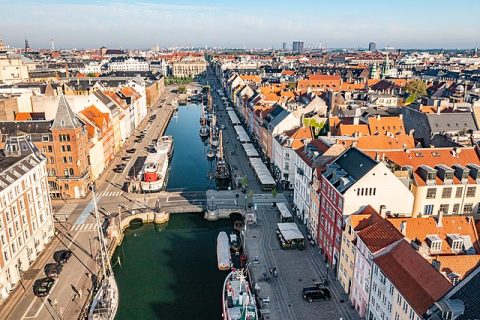
Nyhavn
This 17th-century waterfront with colorful townhouses is Copenhagen's most iconic scene. Originally a bustling commercial port, Nyhavn now features lively restaurants, bars, and historic wooden ships. Hans Christian Andersen lived in houses 18, 20, and 67, writing his first fairy tales here. The canal stretches from Kongens Nytorv to the harbor, lined with buildings dating from 1681 to 1861. Take a canal tour from here, dine at waterside restaurants, or simply enjoy the vibrant atmosphere. Evening brings magical lighting and buzzing nightlife.
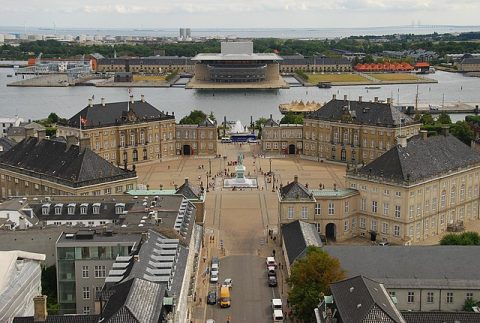
Amalienborg Palace
The official residence of the Danish royal family consists of four identical rococo palaces surrounding an octagonal courtyard with an equestrian statue of King Frederick V. Built in the 1750s, the complex exemplifies Nordic rococo architecture. Witness the changing of the Royal Guard daily at noon when the King is in residence (flag flies).” Denmark’s monarch is King Frederik X. The Amalienborg Museum in Christian VIII's Palace showcases royal chambers and artifacts from 150 years of royal life. The elegant architecture and maritime setting create one of Europe's finest palace squares.
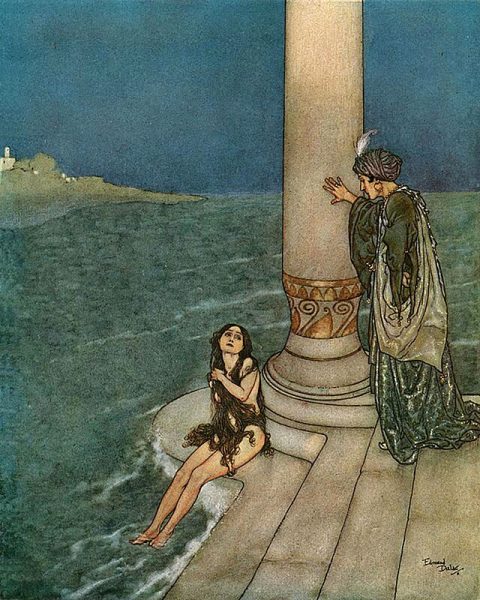
The Little Mermaid (Den Lille Havfrue)
Copenhagen's most photographed monument, this bronze statue by Edvard Eriksen was unveiled in 1913, inspired by Hans Christian Andersen's fairy tale. Perched on a rock at Langelinie promenade, the 4-foot sculpture embodies Danish storytelling tradition. Despite its modest size, it attracts over 1 million visitors annually. Best visited early morning to avoid crowds, the statue offers beautiful harbor views. The surrounding promenade is perfect for a leisurely walk with cafes and park areas nearby.
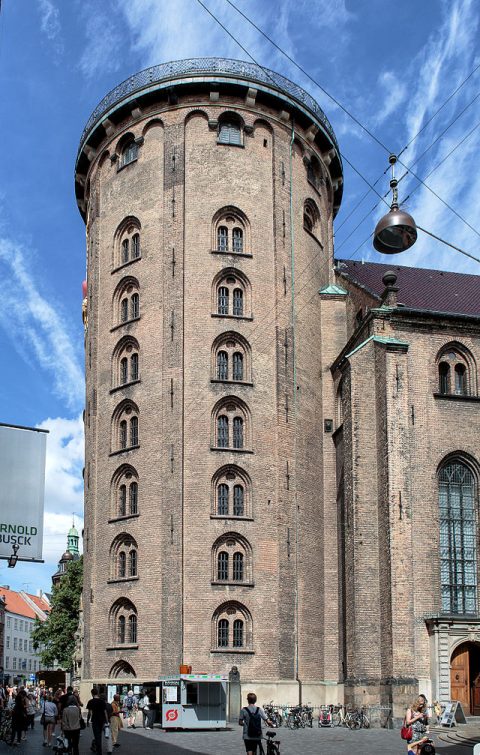
Rundetårn (The Round Tower)
Europe's oldest functioning observatory, built by King Christian IV in 1642, features a unique 268-meter spiral ramp instead of stairs, winding 7.5 times to the top. The tower served as astronomical observatory, university church, and library. From the 36-meter high platform, enjoy panoramic views across Copenhagen's copper rooftops and spires. The observatory remains operational, offering stargazing evenings. Inside, discover changing exhibitions and the atmospheric library hall. The architectural marvel demonstrates Renaissance innovation and remains a testament to Denmark's scientific heritage.
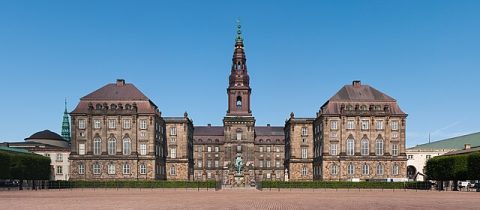
Christiansborg Palace
Denmark's seat of power houses the Parliament, Supreme Court, and Prime Minister's Office on a site that has hosted castles since 1167. The current palace, completed in 1928, is the sixth building on this location. Visit the Royal Reception Rooms with magnificent tapestries depicting Danish history, explore ruins of Bishop Absalon's original 1167 castle, climb the tower for Copenhagen's highest viewpoint at 106 meters, and tour the Royal Stables. The building uniquely combines all three branches of government under one roof.
Tips for Landmarks & Monuments
- Visit The Little Mermaid at sunrise for photos without crowds and beautiful morning light over the harbor
- Purchase the Royal Residences Combined Ticket for discounted access to Amalienborg, Christiansborg, and Rosenborg Castle
- Nyhavn restaurants are pricey; consider buying takeaway and enjoying by the canal
- Book Rundetårn stargazing sessions in advance during winter months