Beyond the postcard canals lies a quieter Colmar of half-timbered back streets, forgotten chapels, and neighborhoods locals actually live in. These spots reward visitors willing to wander a few blocks past the crowds.
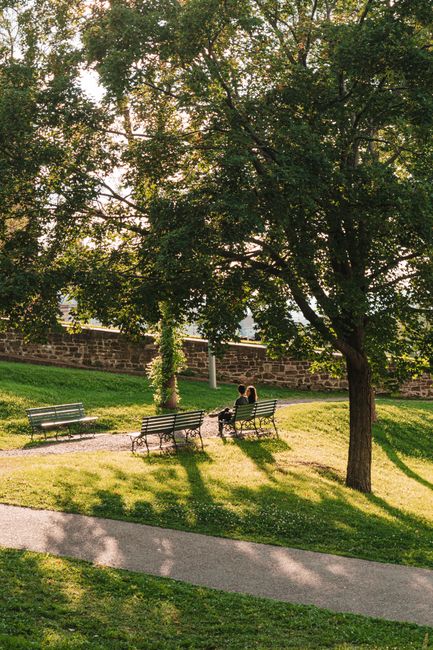
While the park itself sees some visitors, few venture to the quieter rose-lined path along its northern edge, planted with dozens of heritage Alsatian rose varieties tended by municipal gardeners. In late spring and early summer, the scent and color rival anything in the city center, yet it rarely appears on itineraries. Locals use it for morning walks and reading rather than photo stops, giving it a genuinely unhurried atmosphere. Benches along the path face away from the main lawns, offering a private-feeling place to sit. Visit on a weekday morning for the best light and near-total solitude, and bring a book rather than a camera checklist.
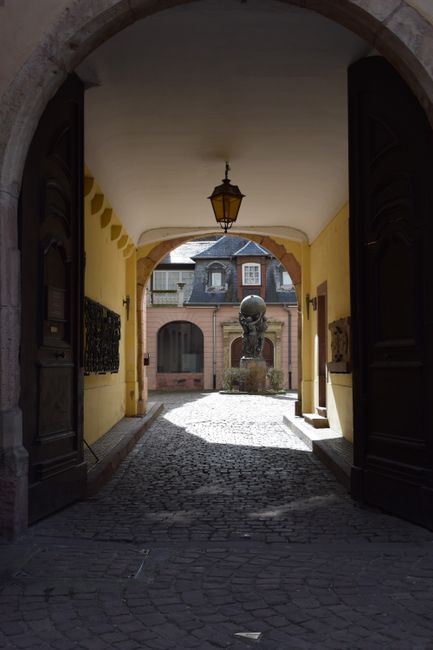
Just past the well-photographed tanners' houses, several narrow private-feeling courtyards open off the side alleys, where old tannery pulley systems and drying racks still hang from upper floors. These interior passages are easy to miss because they look residential rather than touristic, but many are technically accessible during daylight hours. Look up rather than straight ahead to spot the wooden hoists once used to dry hides, a detail almost no guided tour points out. The light in late afternoon catches the exposed timber framing beautifully. Move quietly and respectfully, as people do live in these buildings, and treat it as a five-minute detour rather than a destination in itself.
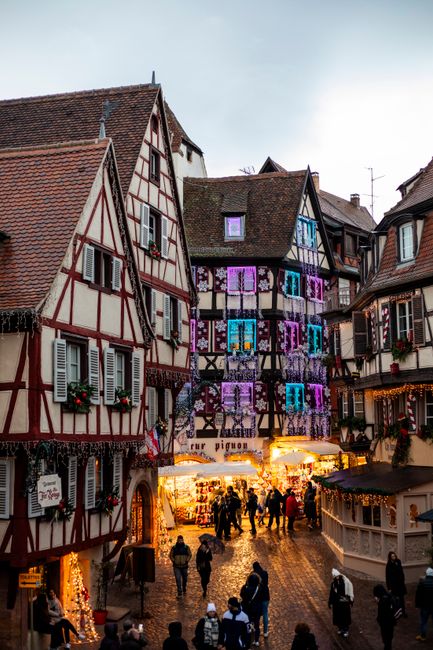
A small, easily overlooked square a few streets from the covered market hosts a modest flower and herb stall gathering on select mornings, run by growers from the surrounding Alsace countryside. Unlike the larger covered market, this is a low-key, almost accidental discovery for visitors who take a wrong turn off the main tourist path. Vendors sell cut flowers, potted herbs, and seasonal bulbs at prices aimed at locals, not tourists. It offers a genuine slice of everyday Colmar commerce with almost no English spoken. Go early, since stalls pack up by midday, and treat any purchase as a bonus rather than the point of visiting.
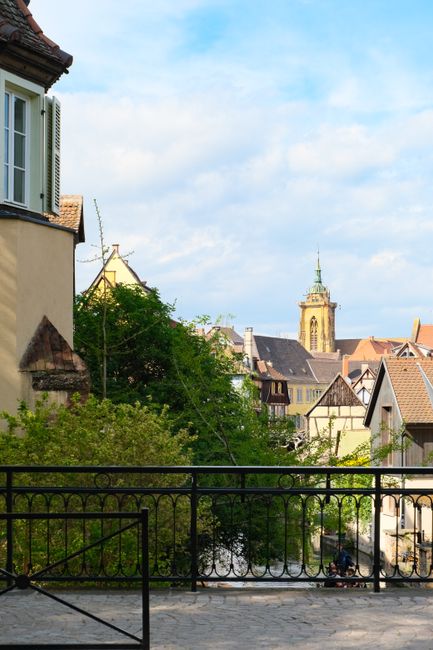
Tucked west of the historic center near the train station, this modest neighborhood is named for the 11th-century pope Leo IX, who was born in Colmar. Its centerpiece is the Église Saint-Léon-IX, a Romanesque-Byzantine church built in the early 20th century with striking mosaic-covered interiors that feel entirely different from the Gothic churches downtown. The surrounding streets are lined with unassuming Alsatian houses and small local shops with almost no tourist traffic. It is a good spot to see how residents actually live, away from the souvenir stands. Come for a quiet stroll and a look at the mosaics, and pair it with a coffee at one of the neighborhood bakeries rather than a sit-down meal.
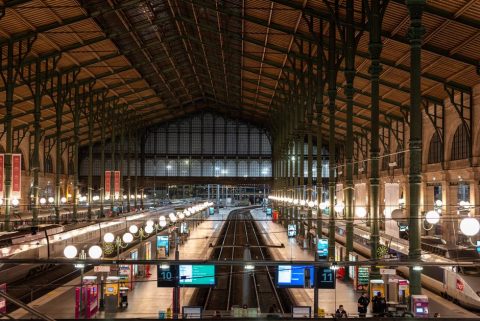
Most visitors never notice the working model railway tucked into a quiet courtyard building near Rue Vauban, run by a small association of local hobbyists rather than the city museums. Volunteers operate intricate miniature train layouts depicting the Alsatian countryside, often on weekend afternoons only, and are happy to explain the mechanics to anyone who lingers. It draws a handful of families and rail enthusiasts rather than tour groups, so you can watch the trains run without jostling for space. Opening hours are irregular and posted only locally, which is part of what keeps it off the radar. Check with the tourist office for the current schedule before making a special trip, since it is a volunteer-run operation with limited days.
Tips for Hidden Gems
- These spots have irregular hours or no formal signage, so confirm with the Colmar tourist office before making a special trip
- Best explored on foot in the early morning or late afternoon when light is soft and crowds are thin
- None require tickets or reservations, so they pair well as detours between headline sights
- Locals appreciate quiet, unobtrusive visitors in residential courtyards and neighborhoods