Things to do in Colmar
Colmar's architectural treasures showcase centuries of history, with remarkably preserved buildings that survived both World Wars intact. The town's distinctive half-timbered structures, once considered budget construction, are now among its greatest attractions.
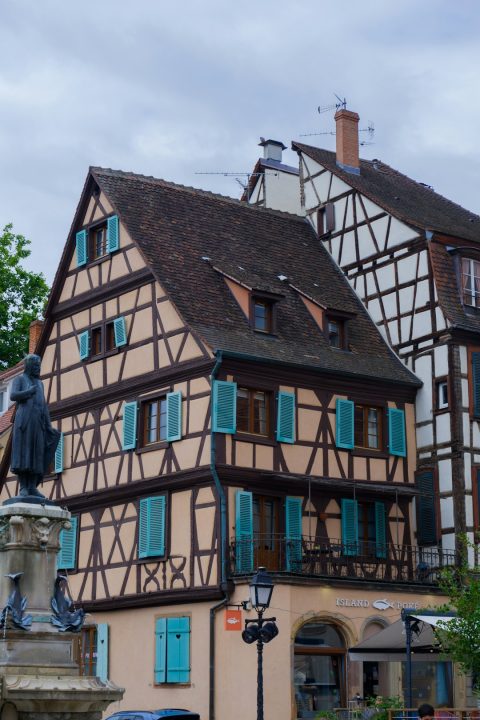
Built in 1537, the Maison Pfister stands out from the half-timbered houses in Colmar with its painted facade, wrap-around wooden gallery, and octagonal turret. This Renaissance masterpiece was a dramatic display of wealth in the 16th century and remains one of the city's most photographed buildings. Featuring decorative balcony and bright decorations by Christian Vacksterffer, it exemplifies Renaissance art in the Rhine region. The ground floor houses a wine store where visitors can sample excellent Alsatian wines.
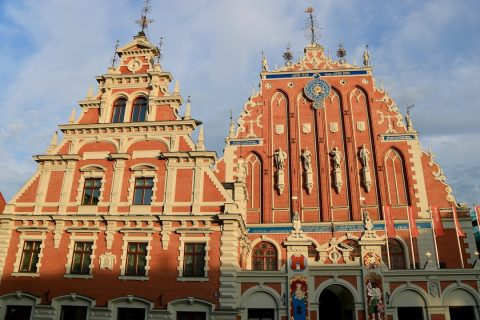
Dating to 1609, this remarkable building's façade is decorated with more than 100 sculptures peering down at onlookers. Each carved head represents a different character or expression, creating an extraordinary sight that captivates visitors. Now housing a luxury hotel and restaurant, this architectural gem offers both exterior viewing pleasure and the option to dine within its historic walls. The intricate stonework and attention to detail make it one of Colmar's most unique monuments.
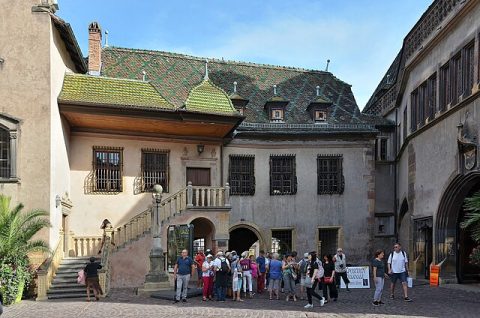
Built in 1480, the Old Customs House was once the center of business and politics, serving as a warehouse, market, and customs office for hundreds of years. This Gothic building with its magnificent stained glass windows and colorfully tiled roof represents Colmar's prosperous trading past. As the head of a trading league, the city was a seat of wealth and power, overseen directly by the Holy Roman Emperor. The building's impressive architecture makes it a must-see landmark in the historic center.
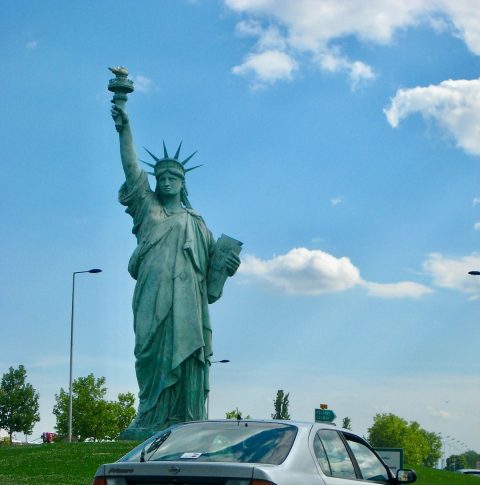
The 39-foot-tall statue honors sculptor Frédéric Auguste Bartholdi, Colmar's most famous son who designed the original Statue of Liberty in New York. Located at a roundabout on the northern edge of town, this impressive replica stands as a proud testament to the city's connection to one of the world's most iconic monuments. It is probably one of the most unusual attractions in Colmar. Easy to spot when arriving from the airport or Strasbourg, it makes for excellent photos and is a reminder of Colmar's contribution to American history.
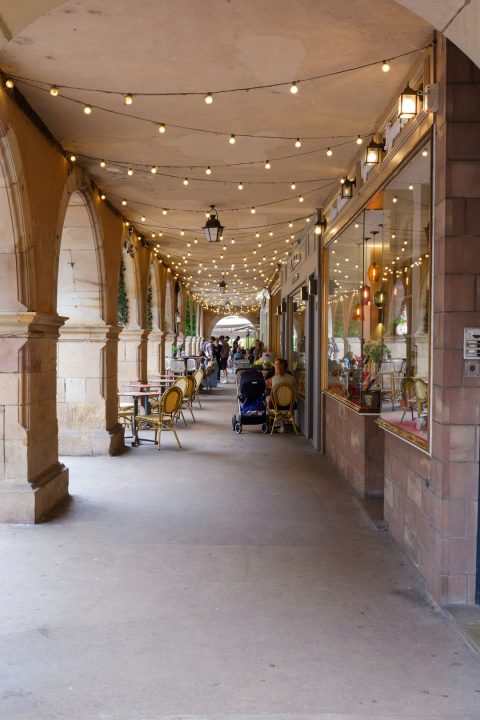
This beautiful brick and wooden building dating to 1865 serves as Colmar's covered market hall. Inside, you'll discover a vibrant array of fresh local produce, artisanal cheeses, charcuterie, wines, and regional specialties. It's a great place to assemble items for a picnic. The market offers an authentic glimpse into daily Alsatian life and provides an opportunity to taste and purchase local delicacies. The atmosphere is particularly lively on market days (Wednesday, Thursday, and Saturday).
Tips for Landmarks & Monuments
- Visit early morning for the best lighting and fewer crowds at major landmarks
- The free walking tour trail is outlined by golden triangles embossed with Lady Liberty that lead to top Colmar sights
- Many historic buildings are even more beautiful at night when illuminated
- Bring cash for the covered market as not all vendors accept cards
Colmar boasts world-class museums housing masterpieces of medieval and Renaissance art, as well as specialized collections that appeal to diverse interests. The city's cultural offerings rival those of much larger European cities.
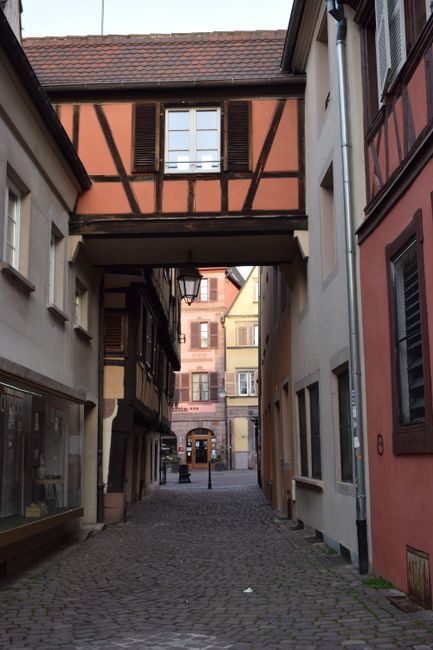
The Unterlinden Museum was born from the creation of the Schongauer company in 1847 and the discovery of a Gallo-Roman mosaic in Bergheim in 1848. A visit covers nearly 7,000 years of history, from the prehistoric era to 20th century art. The Medieval cloister presents art of the Middle Ages and Renaissance, with works by Martin Schongauer, Hans Holbein, and Lucas Cranach, as well as the museum's great masterpiece, the Isenheim Altarpiece (1512–1516). The architects Herzog & de Meuron connected the 13th century convent to the former municipal baths building with a contemporary extension and underground gallery. This is France's second most visited museum outside Paris.
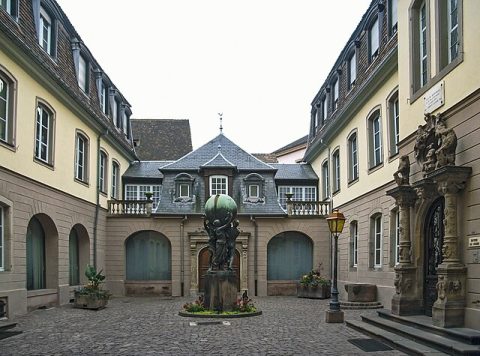
Dedicated to Frédéric Auguste Bartholdi, the sculptor of the Statue of Liberty, this museum is housed in his birthplace. Explore original models, sketches, and personal belongings that tell the story of how a Colmar native created one of the world's most recognizable monuments. The museum provides fascinating insight into Bartholdi's other works, including the Lion of Belfort, and his artistic process. A must-visit for anyone interested in art history, sculpture, or American-French cultural connections.
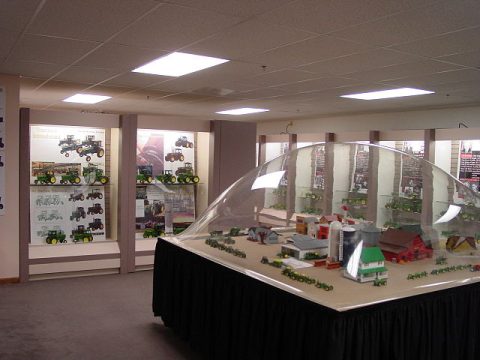
Located inside an old cinema building, this museum features an impressive collection of toys from the 1800s to today. Visitors will find a fantastic display including Barbie dolls, video games, Playmobil, and much more. The museum appeals to all ages, allowing adults to reminisce about their childhood while children discover toys from different eras. It's particularly enjoyable for families visiting Colmar with kids and provides a nostalgic journey through two centuries of playtime.
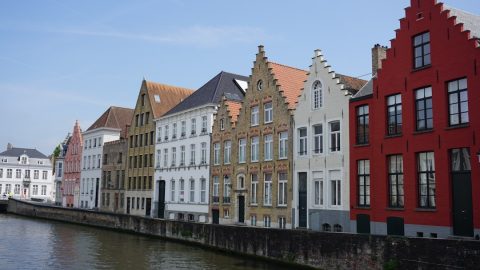
This is an interactive chocolate museum with several tastings included during your visit. Learn about chocolate's fascinating history from ancient Mesoamerica to modern-day production. The museum offers engaging displays and demonstrations showing how chocolate is made. It's something fun to do in Colmar with kids, but adults will appreciate it too, with options for regular tickets or chocolate-making workshops. The tastings throughout the visit make this a deliciously educational experience.
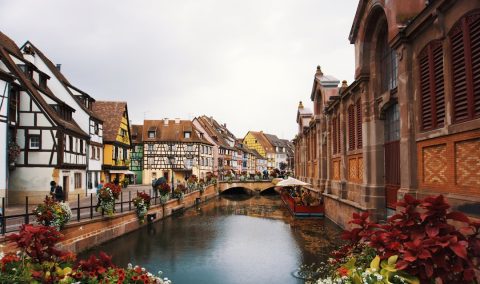
Located in the same building as the chocolate museum, here you'll learn about the history of wine in Alsace, the production process, and the different grape varieties. There are games and quizzes along the way, making it more engaging, and of course, there is a wine tasting at the end. This is one of the only places in the region offering comprehensive understanding of Alsatian wine culture. Perfect for wine enthusiasts or anyone wanting to deepen their appreciation of the region's viticultural heritage.
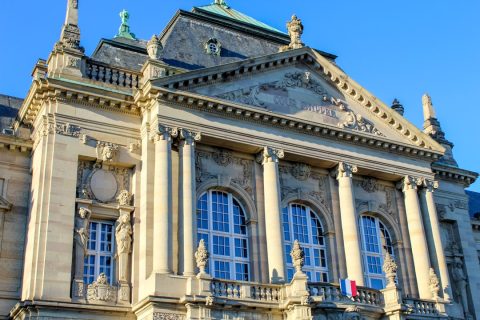
The collection covers the mineralogy, zoology, paleontology, and ethnography of the region, with temporary exhibits rotated throughout the year. Discover the fascinating natural history of Alsace, from prehistoric times to modern ecosystems. Learn about unique regional wildlife and geological formations. The museum provides educational insight into the area's natural heritage and cultural anthropology, making it ideal for curious minds and families seeking an educational experience.
Tips for Museums & Galleries
- Musée Unterlinden is open Wednesday-Monday 9am-6pm, closed Tuesdays. Adult admission is approximately 14€
- Book Unterlinden tickets online in advance to avoid queues, especially during peak season
- Many museums offer combined tickets or discounts with tourist passes
- Visit museums early in the day to beat tour groups and have a more peaceful experience
- The Isenheim Altarpiece at Unterlinden deserves at least 30 minutes of contemplation
Colmar's churches showcase Gothic and Romanesque architecture with stunning interiors featuring precious artworks, intricate stained glass, and centuries of spiritual heritage.
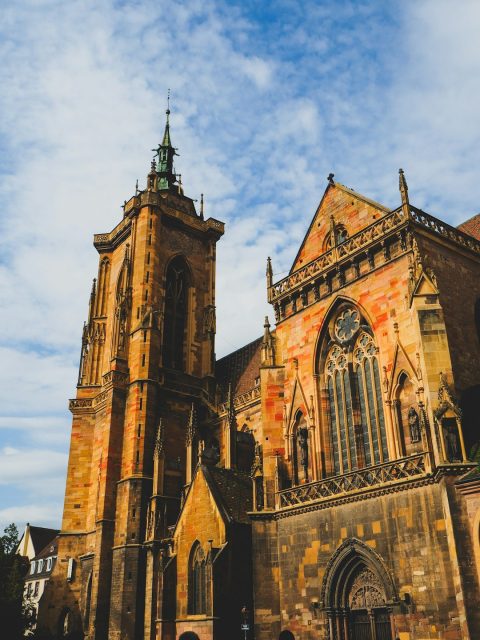
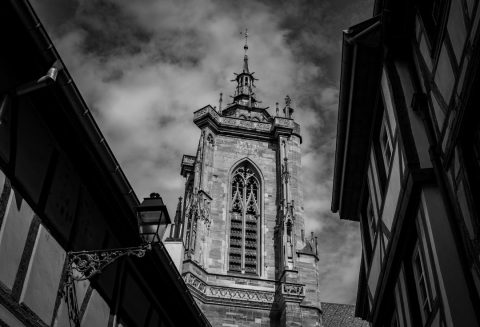
The main church of Colmar, this impressive Gothic cathedral dominates the skyline with its distinctive green and yellow tiled roof. Built between 1235 and 1365, Saint-Martin features soaring vaulted ceilings, beautiful stained glass windows, and impressive architectural details. The church has served as a Catholic place of worship for over 700 years and remains an active parish. The exterior's colorful Alsatian tiles and the interior's serene atmosphere make it a peaceful retreat in the heart of the old town.
The Dominican church houses 'vierge au buisson de roses' by Martin Schongauer, a highly regarded altarpiece. Built in the 13th and 14th centuries, this former monastery church exemplifies Gothic architecture with its simple yet elegant design. The church's austere beauty reflects Dominican ideals of simplicity and contemplation. The Schongauer masterpiece, depicting the Virgin Mary in a rose bower, is one of Colmar's most important artworks. The peaceful interior provides a contrast to the bustling streets outside.
Tips for Religious Sites
- Churches are usually open daily but may close during services - check schedules before visiting
- Dress modestly when visiting religious sites
- Photography may be restricted, especially during services
- Most churches offer free entry, though donations are appreciated
- Visit during off-peak hours for quiet contemplation
Each district of Colmar tells its own story, from the romantic canals of Little Venice to the artisan quarters where medieval craftsmen once plied their trades. Wandering these neighborhoods is like stepping back in time.
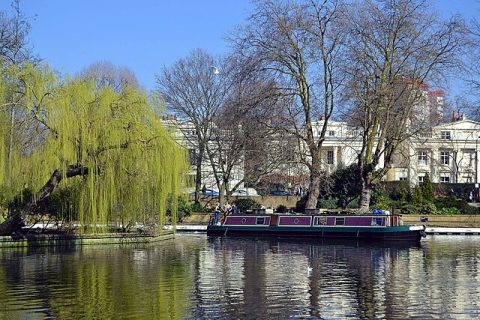
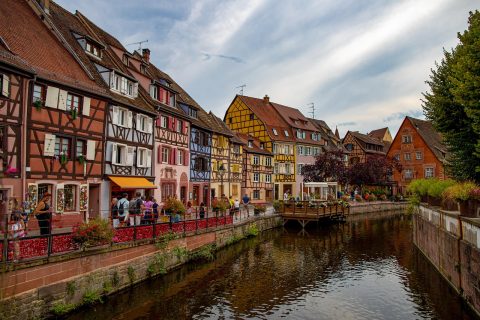
One of the most enchanting parts of Colmar is La Petite Venise, a picturesque neighborhood that feels straight out of a fairytale. With its cobbled streets, colorful half-timbered houses, and serene canals, it's easy to see why this charming area is a favorite for visitors. As you wander through the narrow streets, you'll find quaint boutiques, cozy cafés, and plenty of photo-worthy spots. The Lauch River flows gently past brightly painted houses creating picture-perfect scenes at every turn. You can also opt for a boat ride on the river with traditional flat-bottomed boats (barques) giving you a different perspective of the district.
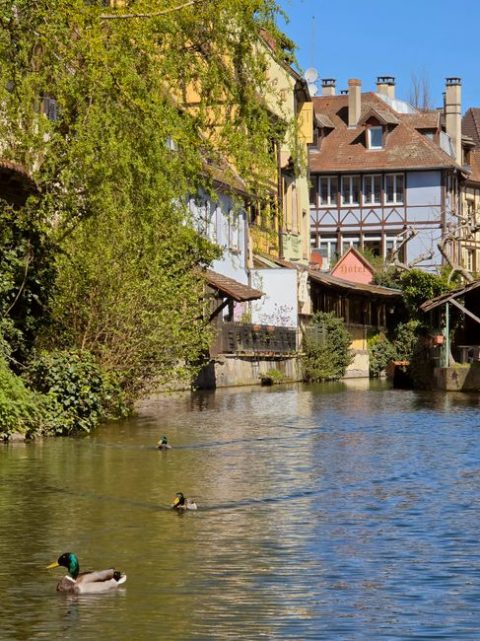
The Tanners' District dates to the 17th and 18th centuries when tanners (people who tan animal hides) lived here. Their tall, half-timbered houses were designed to allow animal pelts to hang and dry in the open air. The distinctive architecture with multiple stories and attic spaces tells the story of Colmar's artisan past. Today, this atmospheric neighborhood features some of the city's most striking buildings, with their original character beautifully preserved. Walking along the Rue des Tanneurs provides insight into medieval craft guilds and urban planning.
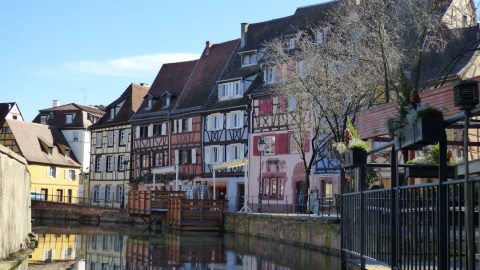
The adjacent Rue de la Poissonnerie is not to be missed, with the whole area being really picturesque. This waterside street was historically where fishmongers sold their daily catch. Today it's one of Colmar's most photographed locations, with pastel-colored houses reflecting in the canal waters. The area combines historic charm with modern restaurants and cafes, many featuring terraces overlooking the water. The architecture here represents some of the finest examples of Alsatian Renaissance style, making it essential viewing for architecture enthusiasts.
Tips for Neighborhoods & Districts
- Visit La Petite Venise at sunrise when the sky fills with hues of orange and pink and the sun's rays hit the most colorful buildings
- Boat tours of Little Venice don't require advance booking but can have long waits during busy periods
- The neighborhoods are best explored on foot - wear comfortable shoes for cobblestone streets
- Early morning or late evening visits offer the best lighting for photography
- Many canal-side restaurants have outdoor seating - reserve in advance for prime waterside tables
While Colmar is famous for its urban architecture, its green spaces offer peaceful respites from sightseeing and lovely spots for picnics or leisurely strolls.
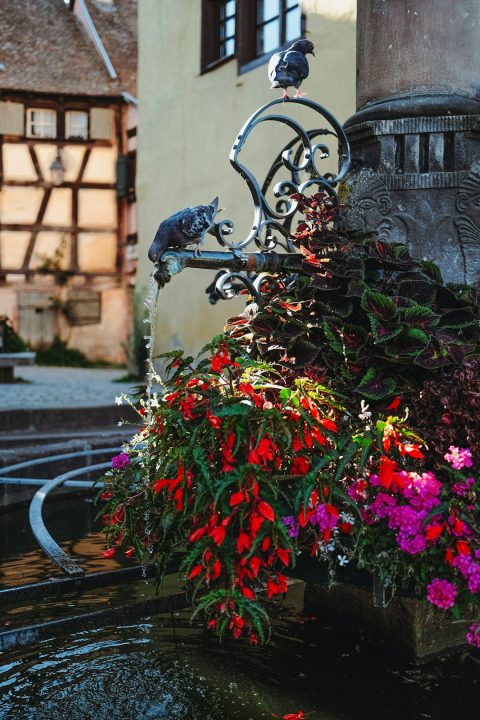
Part of the museum complex, this peaceful medieval cloister garden offers a serene escape with its manicured lawns, historic arcades, and quiet atmosphere. The garden retains its original 13th-century layout, providing visitors a glimpse into monastic life. Seasonal flowers and carefully maintained landscaping create a contemplative space perfect for reflection. Access is included with museum admission, making it an ideal spot to rest between gallery visits. The museum orchard adjacent to the cloister adds to the authentic historical ambiance.
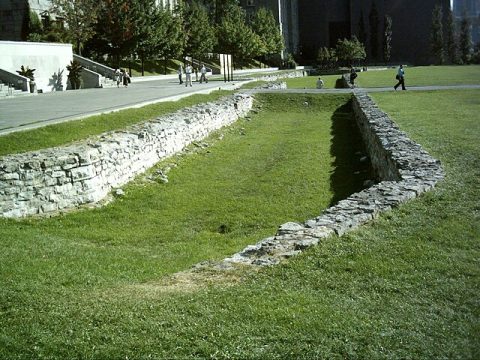
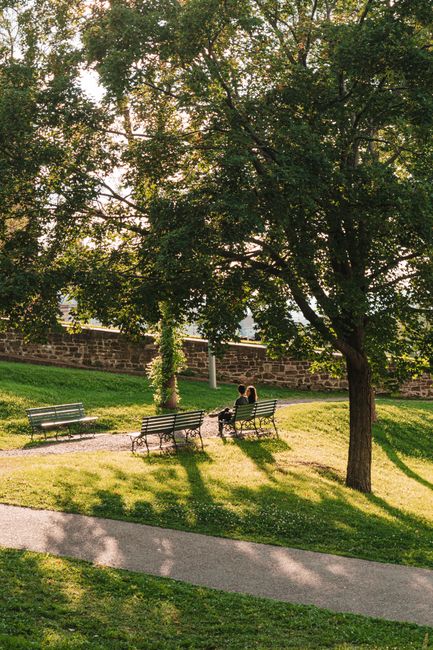
Colmar's largest park features tree-lined walkways, picnic areas, comfortable benches, and a playground. It's perfect for anyone looking to escape the more touristy spots. The park offers generous green spaces ideal for relaxing between museum visits or enjoying local market purchases. Locals frequently use the park for leisurely afternoon walks or family outings. The playground makes it particularly family-friendly, while the shaded paths provide welcome relief on warm summer days.
Tips for Parks & Gardens
- Parks are free to enter and open year-round
- Pick up picnic supplies at the Marché Couvert for an authentic local meal in the park
- The Champ de Mars is conveniently located between the train station and old town
- Bring a blanket for comfortable picnicking on the grass
Experience Colmar through guided tours, unique transportation options, and specialized activities that bring the city's history and culture to life.
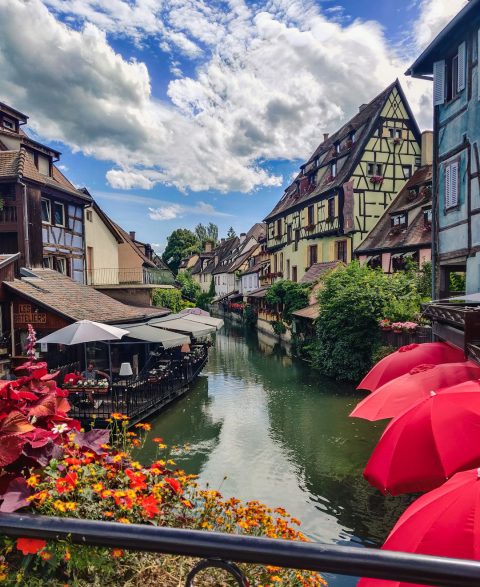
The free trail is outlined on the Colmar Old Town Map from the tourist office. Simply follow the golden triangles (embossed with Lady Liberty) to top Colmar sights. Each attraction features a sign (in French and English) with relevant information. This self-paced tour allows you to explore at your own rhythm, stopping whenever something catches your eye. The route connects all major landmarks and picturesque streets, ensuring you don't miss any highlights. It's the perfect way to get acquainted with the city while maintaining flexibility in your schedule.
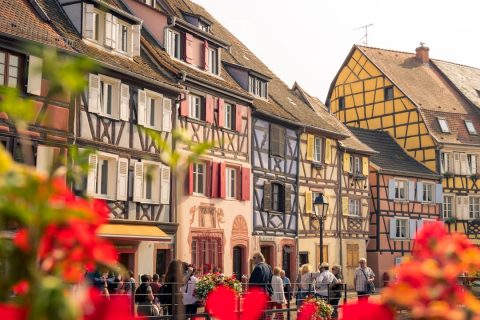
Traditional flat-bottomed boats (barques) take you for a short ride on the Lauch, giving you a slightly different perspective of the Little Venice district. You don't have to book in advance and can just get a ticket for the next available boat when you arrive, though if it's busy, you might have to wait quite a long time. The gentle cruise passes under low bridges and alongside the most photogenic houses in Colmar. Commentary provides historical context about the buildings and the area's fishing and trading heritage. This is one of the most romantic activities in Colmar, especially at sunset.
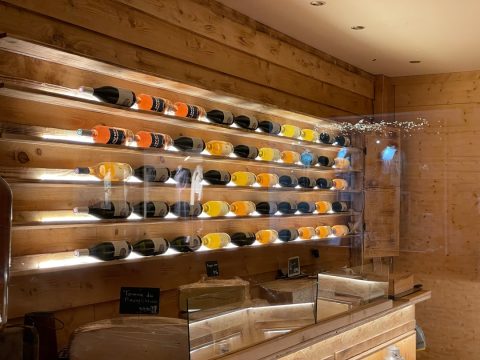
As the capital of the Alsace wine region, Colmar offers numerous wine tasting opportunities. Visit traditional wine cellars, modern tasting rooms, or take guided tours through local vineyards. Learn about Alsace's famous white wines including Riesling, Gewürztraminer, and Pinot Gris. Many cellars offer food pairings showcasing regional specialties. Some wineries provide educational tours explaining the winemaking process from grape to bottle. Book in advance for specialized tastings or harvest season tours.
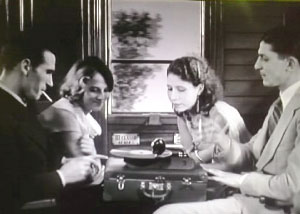
These green miniature 'trains' pass most of the main sights in the old town in about 35 minutes. It's a great way to see the best of Colmar without having to walk and you get an overview of the city with accompanying commentary. Trains depart every 30 minutes, and you'll see most of the famed landmarks in Colmar, including Little Venice, St. Martin's Church, and Maison Pfister. Available in more than a dozen languages, this is perfect for families, those with mobility issues, or visitors short on time who want a comprehensive introduction before exploring on foot.
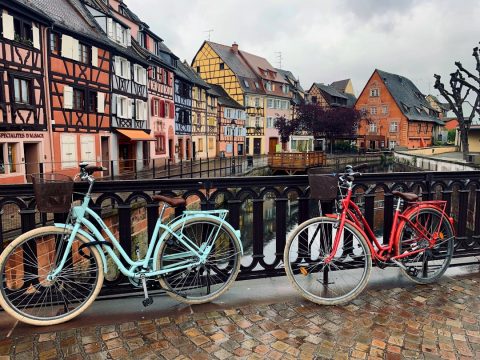
Biking is one of the popular Colmar activities, with rentals available at Colmar Velo - Velodocteurs located at the train station. It took less than an hour to navigate the route from Colmar to Eguisheim, with stops for photos along the way. The flat terrain and dedicated bike paths make cycling ideal for exploring both the town and surrounding wine villages. A free Colmar Cycling Map shows recommended routes through vineyards and countryside. Bikes range from children's models to electric bikes, accommodating all ages and fitness levels.
Tips for Tours & Activities
- The tourist train runs year-round, departing from Rue Kléber near the Unterlinden Museum every 30 minutes from 9 AM to 6:30 PM in high season
- Boat tours may have limited hours in winter - check seasonal schedules
- Book wine tastings in advance, especially during harvest season (September-October)
- Bike rentals typically require ID and a cash deposit
- Combine activities - bike to a nearby village, enjoy wine tasting, then return by bus
Colmar's central location makes it an ideal base for exploring the Alsace region's most beautiful villages, historic castles, and scenic wine routes.
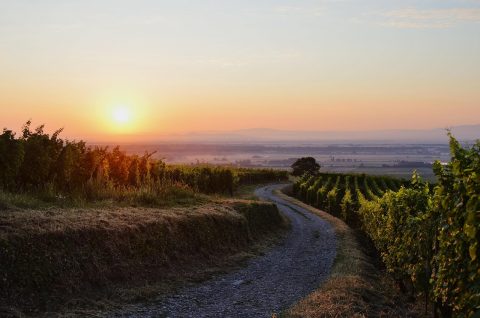
Eguisheim is celebrated for its picturesque streets and vibrant local culture, especially during market days and festivals. At the center of this Medieval village, which was awarded the 'Favorite French Town', is the Chateau Saint-Leon, with three ring roads encircling the town from the central square. Biking from Colmar takes less than an hour, or take the bus. The concentric circular layout creates unique perspectives at every turn. Colorful flower displays adorn nearly every house, earning it recognition among France's most beautiful villages. The town is also the birthplace of Pope Leo IX and sits at the start of the Alsace Wine Route, surrounded by prestigious vineyards.
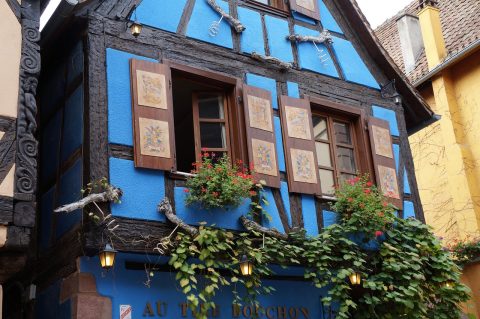
Often called the 'Pearl of the Alsace Vineyards', Riquewihr is a perfectly preserved medieval village that looks like it stepped out of a storybook. Surrounded by vineyards and 13th-century fortifications, this car-free village features cobblestone streets lined with half-timbered houses, artisan shops, and wine cellars. The Dolder Tower and ramparts offer panoramic views of surrounding vineyards. Despite being heavily touristed, Riquewihr retains its authentic charm and is particularly magical during the Christmas season. The village is about 15km from Colmar and easily accessible by car or bus.
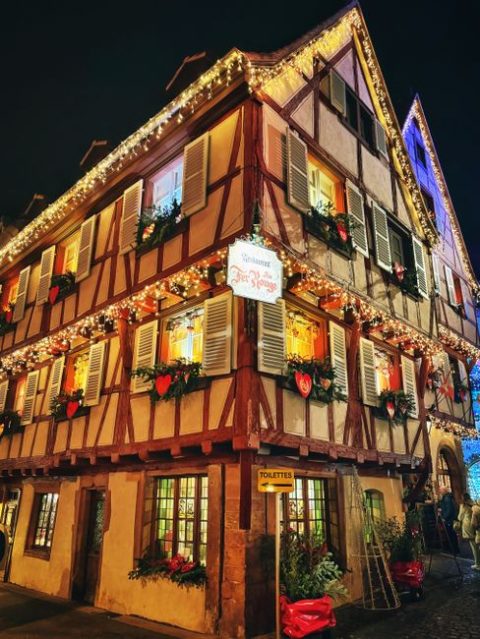
The capital of the Alsace region and seat of the European Parliament, Strasbourg combines German and French influences in its architecture, cuisine, and culture. The UNESCO-listed Grande Île features the magnificent Gothic cathedral with its astronomical clock, while the Petite France quarter enchants with its canals and half-timbered houses. Visit the European institutions, explore world-class museums, or simply wander the atmospheric streets. Strasbourg is just 30 minutes from Colmar by train, making it an easy day trip. The city also hosts one of Europe's largest and most famous Christmas markets.
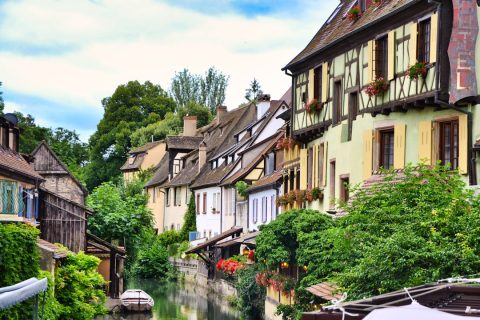
Stretching 170km from Marlenheim to Thann, the Route des Vins d'Alsace passes through rolling vineyards, medieval villages, and countless wine cellars. Colmar sits at the heart of this famous route, making it perfect for exploring by car, bike, or organized tour. Visit family-run wineries, taste the region's seven grape varieties, and stop in charming villages like Turckheim, Ammerschwihr, and Bergheim. The route is particularly stunning during harvest season (September-October) and autumn when vine leaves turn golden. Many wineries offer tours and tastings, with some requiring advance booking.
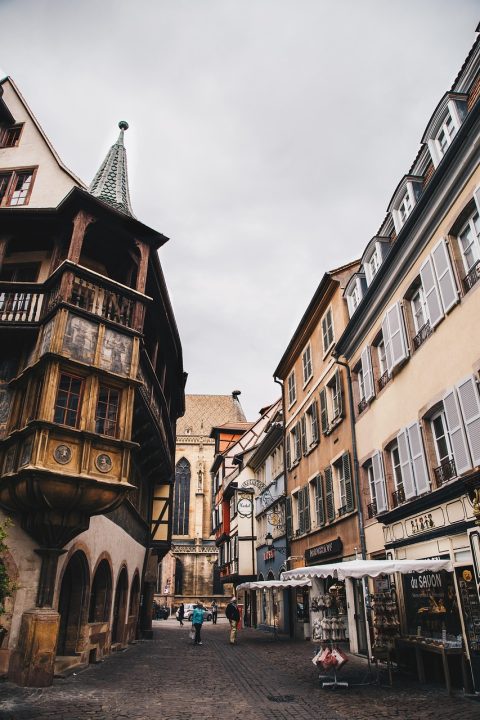
Voted France's favorite village in 2017, Kaysersberg captivates visitors with its fortified bridge, Renaissance fountains, and imposing castle ruins overlooking the town. The village was the birthplace of Dr. Albert Schweitzer, and his museum provides insight into his humanitarian work. Kaysersberg's wine-growing heritage is evident in the vineyards climbing the hillsides and numerous wine cellars offering tastings. The Christmas market here is considered one of Alsace's most authentic. Located just 10km from Colmar, it's easily reachable by bus or car and makes for a delightful half-day excursion.
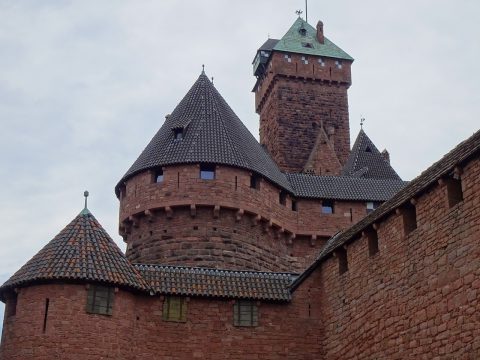
This imposing medieval castle perched 755 meters above the Alsace plain offers breathtaking panoramic views across the Rhine Valley to Germany's Black Forest. Originally built in the 12th century and extensively restored in the early 1900s, the castle provides a fascinating glimpse into medieval fortress life. Explore furnished rooms, weapons collections, and defensive systems while learning about the castle's strategic importance. The site includes guided tours, interactive exhibits, and a restaurant with spectacular terrace views. Located about 30km from Colmar, it's accessible by car or seasonal shuttle bus from Sélestat train station.
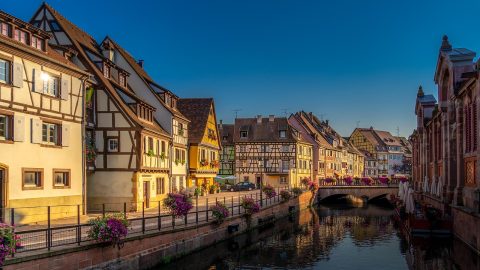
An industrial city transformed into a cultural destination, Mulhouse boasts exceptional museums including the Cité de l'Automobile (world's largest car museum with the Schlumpf Collection), Cité du Train (Europe's largest railway museum), and the Museum of Printed Textiles. The old town features colorful buildings and the unique painted murals (trompe-l'oeil) that give facades three-dimensional effects. Mulhouse offers a different perspective on Alsace, showcasing industrial heritage alongside cultural attractions. It's about 45 minutes from Colmar by train, making it suitable for a day trip, especially for automobile or railway enthusiasts.
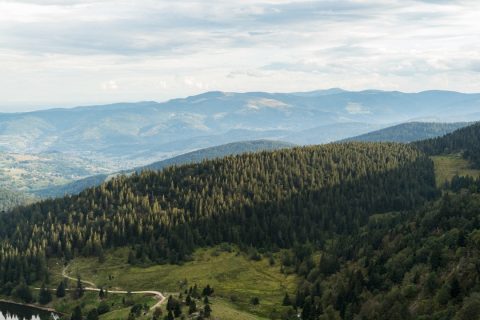
The nearby Vosges mountain range offers hiking trails, scenic drives, and outdoor activities just a short distance from Colmar. Visit the Route des Crêtes for spectacular mountain views, explore traditional Marcairies (mountain farms), or hike to crystal-clear mountain lakes like Lac Blanc. In winter, the Vosges transforms into a skiing destination with family-friendly slopes. The mountains provide a refreshing natural contrast to Colmar's urban attractions. Popular starting points include Le Bonhomme and Col de la Schlucht, both accessible by car in under an hour.
Tips for Day Trips & Excursions
- Bus line 208 connects Colmar to Eguisheim, Turckheim, and other wine villages - get a day pass for unlimited travel
- Rent a car for flexibility exploring multiple villages and the Wine Route in one day
- Book wine village accommodations if planning multiple days along the Wine Route
- Strasbourg trains run frequently (every 30-60 minutes) from Colmar station
- Many wine villages are extremely crowded on summer weekends - visit midweek for a better experience
- Haut-Koenigsbourg can be cold and windy even in summer - bring layers
- Consider hiring a driver for wine tasting tours to enjoy responsibly
Colmar runs one of the most celebrated Christmas markets in France, spreading five distinct marchés across the half-timbered old town from Place Jeanne d'Arc to the canals of Petite Venise. Fairy lights, mulled wine, and Alsatian gingerbread turn the already storybook streets into a full seasonal spectacle. Expect the markets to run from late November through December 30, 2026, with the town at its busiest on weekends and during the run-up to Christmas.
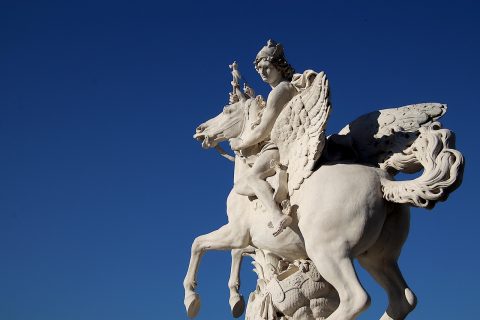
The largest and most central of Colmar's markets, set around the Renaissance customs house in the heart of the old town. Wooden chalets sell Alsatian specialties like bredele biscuits, foie gras, and vin chaud, while a giant illuminated tree anchors the square. It draws the heaviest crowds, especially on weekend evenings, so an early or weekday visit makes browsing far easier. Live music and choirs perform regularly near the fountain. This is the best starting point before working outward to the smaller neighborhood markets, since stalls here set the tone for regional crafts and food you will see variations of elsewhere in town.
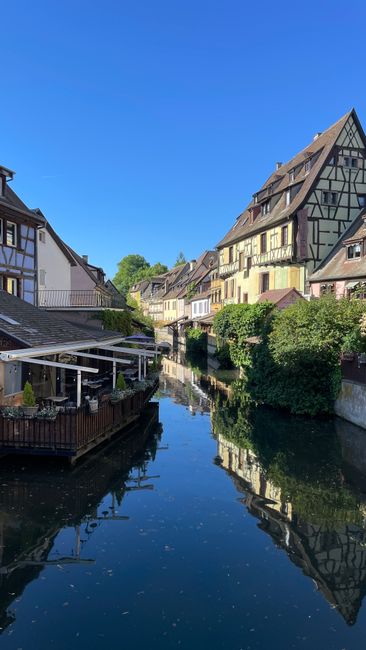
Set along the canals of Colmar's Little Venice district, this market pairs wooden chalets with reflections of colorful half-timbered houses in the water. It is smaller and quieter than the main square, making it a good choice for an evening stroll once the lights come on. Vendors focus on handmade ornaments, local wines, and warm snacks perfect for eating canal-side. Boat rides sometimes operate nearby, adding a scenic way to see the illuminated houses from the water. Photographers in particular gravitate here, since the combination of lights, water, and timber-frame architecture is one of the most photographed scenes in Alsace during December.

Nicknamed the Christkindelsmarik, this market beside the Dominican church leans into Alsatian gastronomy and wine, with tastings of local Riesling and Gewürztraminer alongside flammekueche and roasted chestnuts. It draws a slightly older, food-focused crowd rather than families with children. The Gothic church facade lit up behind the stalls makes it one of the more atmospheric corners of the market circuit. Regional producers often sell directly here, so it is a good spot for edible gifts like honey, jam, or eau-de-vie. Evenings are especially pleasant, when the crowd thins slightly compared to the main square but the lighting remains just as festive.
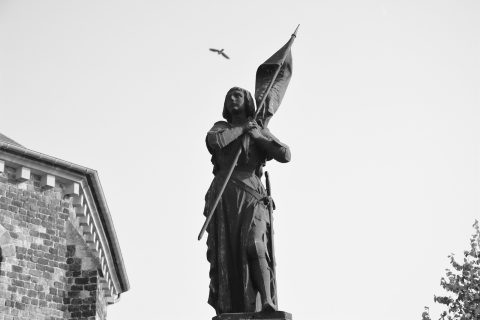
A family-oriented market with a carousel, small rides, and stalls geared toward children, making it a natural stop if traveling with kids. Santa's workshop-style decorations and toy stands sit alongside the usual food chalets, and the pace is generally calmer than the crowded central square. Ice skating is sometimes set up nearby in the same period, giving families an easy activity to combine with the market visit. Weekday mornings are the quietest time to bring young children, before school groups and weekend crowds arrive. It is a short walk from the main Ancienne Douane market, so both are easily combined into one outing.
Tips for Christmas Market
- Markets are typically open daily from late November through December 30, with shorter hours on December 24-25; confirm exact 2026 dates closer to the season since they are set annually.
- Visit on a weekday morning or early evening to avoid the heaviest weekend crowds around Place de l'Ancienne Douane.
- Bring cash in small denominations for food stalls, as some smaller vendors do not accept cards.
- Dress warmly and wear comfortable shoes, as the five market sites are spread across cobbled streets in the old town.
- Try a mug of vin chaud (mulled wine) and keep the souvenir mug, a tradition at Alsatian Christmas markets.
Colmar keeps its nightlife low-key and charming rather than clubby, with wine bars, cozy pubs, and live-music taverns tucked into the half-timbered streets of the old town. Evenings here favor a glass of Alsatian Riesling on a candlelit terrace over loud dance floors, though a handful of spots pick up energy on weekends.
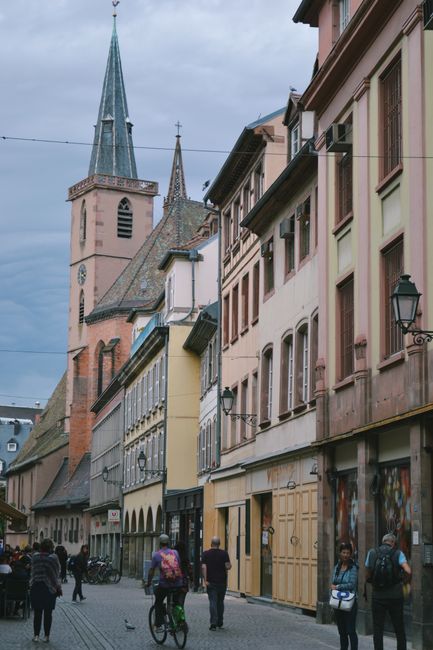
Set beside a canal in La Petite Venise, this timbered wine tavern pours a deep list of Alsatian bottles alongside hearty regional plates like flammekueche and choucroute. The candlelit dining room and canal-side terrace make it a favorite spot to linger over a glass of Gewurztraminer as boats drift past outside. Live accordion or acoustic sets occasionally fill the evening with an old-world soundtrack.
Locals and visitors alike treat it as an early-evening ritual before moving on elsewhere, and reservations are wise on summer weekends when the terrace fills fast. It is less a club than a warm, convivial place to unwind with a drink in hand.
A relaxed wine bar near the old town where the pour list leans heavily on small Alsatian producers, many offered by the glass so visitors can taste widely without committing to a bottle. The vibe is unpretentious, drawing a mix of locals catching up after work and travelers comparing notes on the day's vineyard visits.
Snack plates of local cheese and charcuterie pair easily with the wine, and the pace is unhurried, more conversation than spectacle. It is a good stop for anyone wanting an authentic taste of the region's wine culture in a setting that feels like a neighborhood hangout rather than a tourist trap.
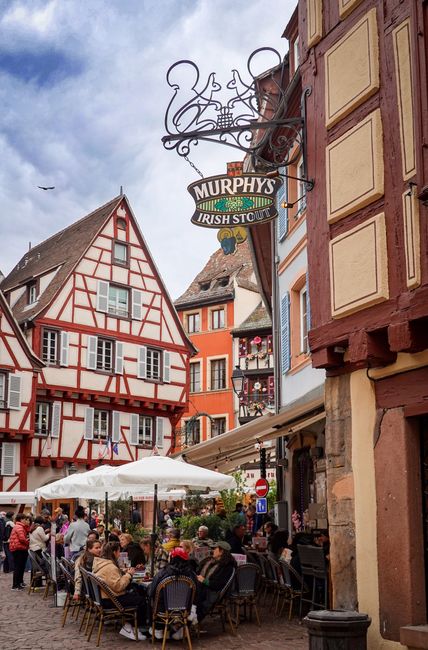
Colmar's answer to a proper Irish-style pub, with a solid beer and whisky selection, sports on the screens, and a livelier crowd than the wine bars nearby. Weekend nights sometimes bring in a local band or DJ, giving it the closest thing Colmar has to a late-night dance scene.
The atmosphere is easygoing and social, popular with younger locals and visitors looking for something a bit louder than a candlelit wine cellar. It keeps reasonably late hours by Colmar standards, making it a natural last stop of the evening for those who want to keep the night going past dinner.
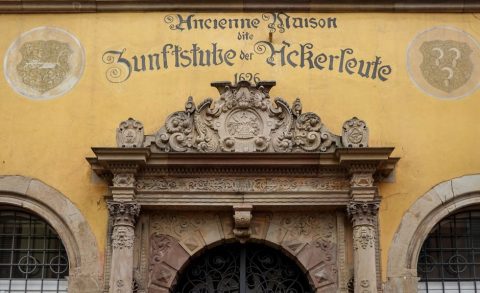
An elegant rooftop-adjacent terrace bar attached to one of Colmar's landmark hotels, offering craft cocktails and Alsatian wines in a setting that mixes historic stonework with a polished, contemporary lounge feel. It draws a slightly dressier crowd looking for a refined nightcap rather than a raucous night out.
The cocktail list nods to regional ingredients, and the ambiance is intimate enough for quiet conversation while still feeling like a special-occasion outing. It is best enjoyed in the warmer months when outdoor seating opens up, giving views over the surrounding old-town rooftops as the evening winds down.
Tips for Nightlife & Entertainment
- Colmar nightlife winds down earlier than in bigger cities, so plan a wine bar visit before 10pm to catch the best atmosphere.
- Reserve terrace seating in summer, canal-side and rooftop tables fill quickly on weekend evenings.
- Ask staff for a by-the-glass flight if you want to sample several Alsatian wines without committing to full bottles.
- Pair a late bar stop with a walk through illuminated La Petite Venise for a scenic nightcap route.
Colmar and its surrounding countryside pack in enough animal parks, stork colonies, and lakeside play areas to keep younger travelers happy between rounds of half-timbered sightseeing. Most of the big family draws sit just outside the city in the foothills of the Vosges, making for an easy half-day or full-day excursion by car.
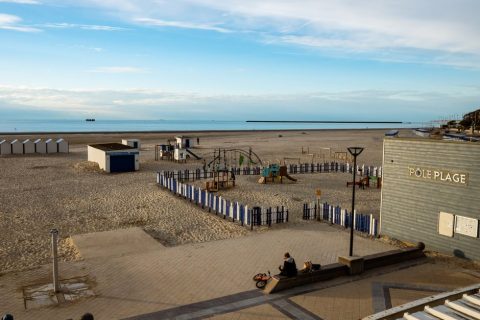
This popular municipal lake on the edge of Colmar is where local families cool off in summer. The sandy beach and shallow swimming zone are supervised by lifeguards in season, and there is a grassy park around the water with room to run, picnic tables, and snack kiosks nearby. A playground sits close to the lake entrance, so parents can alternate between splashing and swinging. Pedal boats and inflatable play structures are sometimes set up on the water during peak summer weekends, adding an extra layer of fun for kids. It is free to enter and easy to reach by bike or car from the historic center, making it a relaxed, low-cost way to fill an afternoon with children who need to burn off energy outdoors rather than in museums.
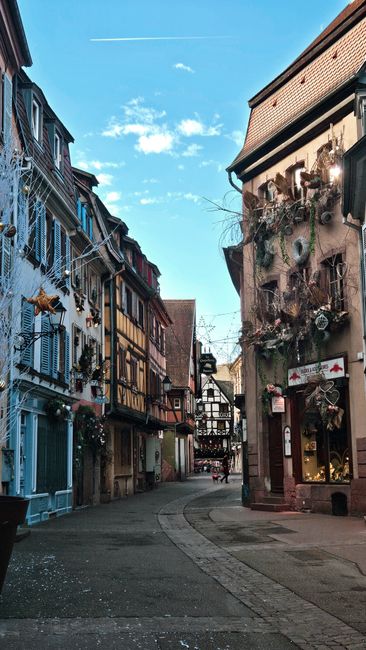
A short drive from Colmar in Kintzheim, Cigoland combines an amusement park with Alsace stork conservation, the region's beloved symbol. Kids can ride a small rollercoaster, carousel, log flume, and other family-scaled attractions, then wander through enclosures where storks nest right at eye level. Live shows and feeding demonstrations explain how the once-endangered stork population was brought back to Alsace, giving the visit an educational angle alongside the thrill rides. The park is scaled for younger children, with gentle rides suited to toddlers as well as bigger attractions for older kids. Paths are stroller-friendly and there are picnic areas and food stands throughout. Plan on a half day minimum, and check seasonal opening dates before setting out since the park closes in winter months.
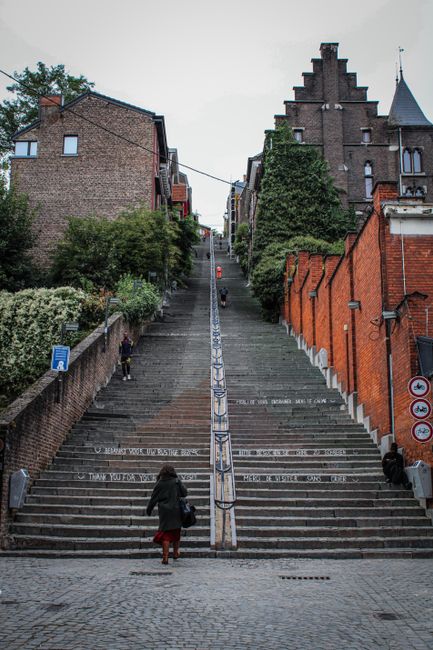
Also in Kintzheim, this forested park lets visitors walk freely among several hundred Barbary macaques roaming loose among the trees. Unlike a typical zoo, there are no cages between guests and the monkeys, who are used to people and often approach curiously, especially if you buy the popcorn sold at the entrance for feeding them. Shaded woodland paths make it a pleasant walk even on hot days, and information panels along the way teach kids about the species, which is endangered in the wild in North Africa. Visits typically take about an hour, and it pairs naturally with a stop at the nearby eagle park for a full day of animal encounters in the hills above the Alsace plain. Comfortable shoes are recommended since the terrain is uneven in places.

Perched below the ramparts of a ruined medieval castle in Kintzheim, this bird of prey park stages live flight demonstrations with eagles, vultures, condors, and owls swooping low over the audience. Trained handlers explain each species' hunting behavior and conservation status as the birds glide just above spectators' heads, which tends to delight kids and adults alike. Several shows run per day depending on the season, and arriving a little early secures a good seat close to the action. The dramatic hillside setting, with views over the vineyards toward Colmar, adds atmosphere beyond just the birds themselves. Combine it with the neighboring monkey park for an easy day trip from the city center, roughly twenty minutes away by car.
Tips for With Kids
- Combine Cigoland, Montagne des Singes, and Volerie des Aigles into a single day trip since all three sit within a few minutes of each other near Kintzheim.
- Check seasonal opening dates before visiting, as most of these parks close or reduce hours from late autumn through early spring.
- Bring cash or a card for feed and snacks, as some smaller kiosks near the animal parks do not accept every payment type.
- Pack swimwear and towels if visiting Plage Bleue de Colmar in summer, and arrive early on weekends when the beach area gets crowded.
Colmar's half-timbered lanes and canals host a lively calendar of markets, concerts, and seasonal festivities throughout the year. From springtime blossoms to the world-famous Christmas Markets, each season brings its own reason to wander the Petite Venise district. Below are the key recurring events to plan a 2026 visit around.
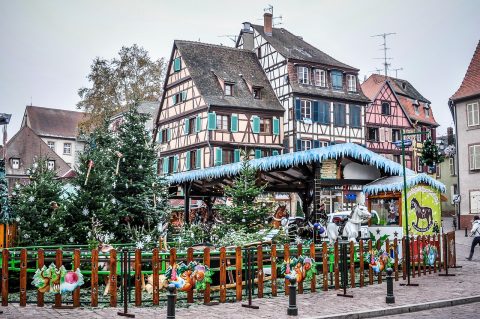
Colmar's five interconnected Christmas markets transform the city into one of Europe's most photographed holiday destinations, with wooden chalets spread across Place des Dominicains, Petite Venise, and the Koifhus. The 2026 edition is expected to run from November 27 to December 30, with lights, mulled wine, and local crafts filling the canalside lanes nightly. Each market has its own theme, from Alsatian gastronomy to children's crafts near the Musée Unterlinden. Evenings after 6pm are busiest, so early afternoon visits offer a calmer stroll among the stalls. Warm clothing is essential, and many vendors accept cash only for smaller purchases.
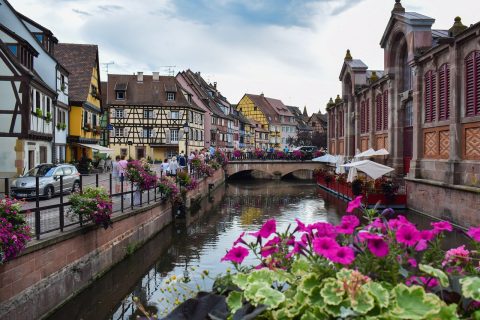
Held each spring in the Parc des Expositions, this regional wine fair gathers hundreds of Alsatian and French producers for tastings, cellar talks, and food pairings. In 2026 it is expected to run from April 24 to May 3, spanning ten days with live music and gourmet stalls each evening. Visitors can sample Riesling, Gewurztraminer, and Pinot Gris directly from winemakers while browsing regional cheeses and charcuterie. Entry is ticketed at the gate, and weekends draw the largest crowds, so weekday mornings are best for unhurried tastings. It is one of the largest wine fairs in eastern France and a highlight for oenophiles visiting Alsace in spring.
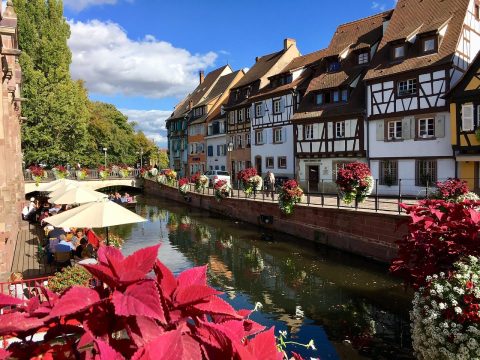
Founded by violinist Vladimir Spivakov, this classical music festival brings world-class orchestras and soloists to churches and concert halls across the city. The 2026 edition is anticipated to run from June 28 to July 8, featuring symphonic concerts, chamber recitals, and free outdoor performances in the Place de la Cathedrale. Past programs have included tributes to major composers alongside young-talent showcases. Advance booking is strongly recommended for evening concerts at the Théâtre Municipal, as premium seats sell out weeks ahead. Daytime events in public squares remain free and open to all visitors, making it easy to enjoy the festival atmosphere even without a ticket.
Celebrating the end of the grape harvest, this autumn event fills the old town with parades, folk costumes, and street vendors pouring the year's new wine. In 2026 it is expected to take place over the second weekend of October, roughly October 9 to October 11, with a costumed procession through the historic center and live accordion music in the squares. Local restaurants serve seasonal specialties like flammekueche and choucroute alongside the new vintage. Free to attend, though food and wine tastings are paid separately at individual stalls. It is a favorite for visitors wanting an authentic taste of Alsatian harvest tradition away from the bigger Christmas crowds.
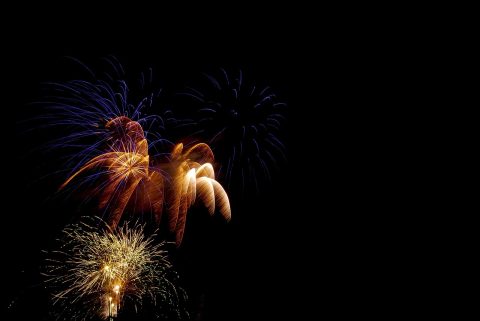
As the Christmas markets wind down, Colmar rings in the new year with a festive gathering in Place Rapp and along the canals of Petite Venise. Expected for the night of December 31, 2026 to January 1, 2027, the evening typically includes street food stalls, mulled wine stands, and a midnight fireworks or light display over the old town. Many restaurants offer special reveillon menus requiring advance reservation, while the public square celebration remains free. Dress warmly, as temperatures often drop below freezing, and arrive early to secure a good vantage point near the canal bridges. It is a quieter, more intimate alternative to New Year's Eve in larger French cities.
Tips for Events Calendar
- Book festival concert tickets and reveillon restaurant tables several weeks in advance during peak season.
- Christmas market evenings after 6pm are the most crowded; visit in early afternoon for a calmer experience.
- Check official event sites closer to the date, as exact 2026 dates may shift slightly from year to year.
- Bring cash for smaller vendors at outdoor markets and festivals.
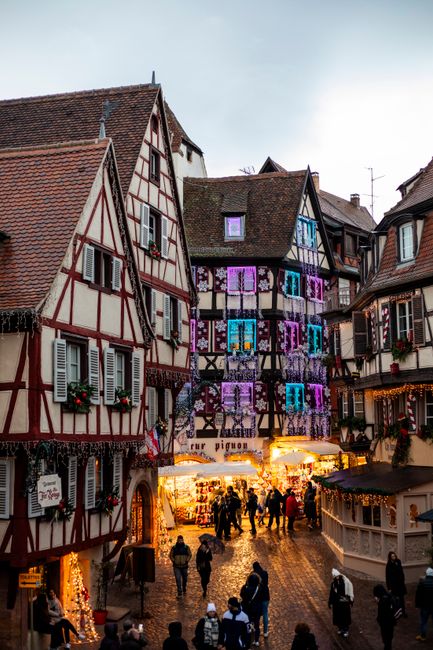
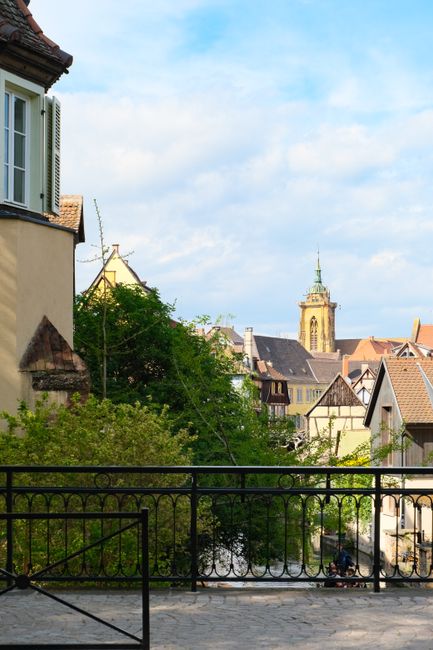
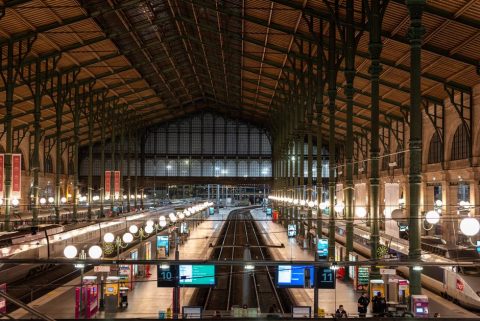
Real, highly-rated Restaurants in Colmar, sourced from Google Places (rating above 4★).
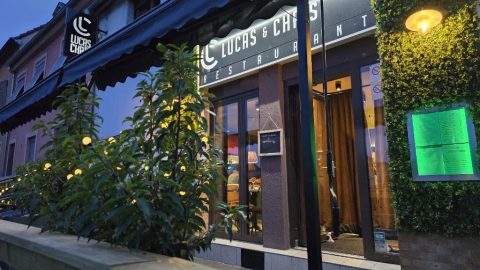
Lucas & Chris Restaurant is a highly-rated restaurant in Colmar, rated 4.8★ from 932 reviews. Located at 4 Rue Saint-Guidon, 68000 Colmar, France.
Opening Hours
- Monday: Closed
- Tuesday: 12:00 – 2:00 PM, 7:00 – 9:00 PM
- Wednesday: 12:00 – 2:00 PM, 7:00 – 9:00 PM
- Thursday: 12:00 – 2:00 PM, 7:00 – 9:00 PM
- Friday: 12:00 – 2:00 PM, 7:00 – 10:30 PM
- Saturday: 12:00 – 2:00 PM, 7:00 – 10:30 PM
- Sunday: Closed
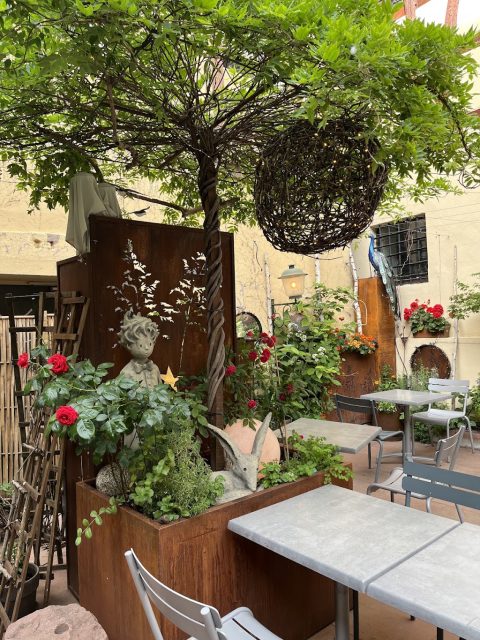
L’Arpège is a highly-rated restaurant in Colmar, rated 4.8★ from 943 reviews. Located at 1 Rue Saint-Martin, 68000 Colmar, France.
Opening Hours
- Monday: Closed
- Tuesday: 12:00 – 2:00 PM
- Wednesday: 12:00 – 2:00 PM, 7:00 – 9:00 PM
- Thursday: 12:00 – 2:00 PM, 7:00 – 9:00 PM
- Friday: 12:00 – 2:00 PM, 7:00 – 9:00 PM
- Saturday: 12:00 – 2:00 PM, 7:00 – 9:00 PM
- Sunday: Closed
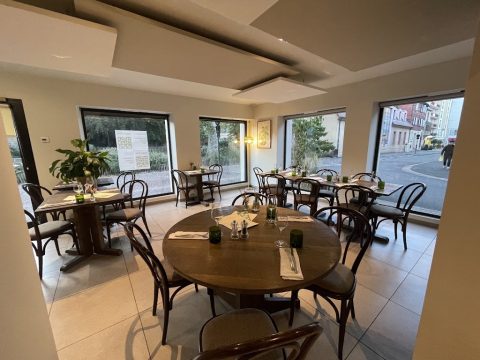
Matoine Bistrot is a highly-rated restaurant in Colmar, rated 4.8★ from 693 reviews. Located at 14 Rue Étroite, 68000 Colmar, France.
Opening Hours
- Monday: 12:00 – 1:30 PM, 7:00 – 8:30 PM
- Tuesday: 12:00 – 1:30 PM, 7:00 – 8:30 PM
- Wednesday: 12:00 – 1:30 PM
- Thursday: 12:00 – 1:30 PM, 7:00 – 8:30 PM
- Friday: 12:00 – 1:30 PM, 7:00 – 8:30 PM
- Saturday: Closed
- Sunday: Closed
Explore Colmar on the Map
Optimal Visiting Periods
Spring (April-May): Pleasant weather with temperatures ranging from 10-20°C (50-68°F). Gardens and vineyards come alive with blooming flowers. Fewer crowds than summer, making it ideal for photography and leisurely exploration. Easter markets add festive atmosphere.
Summer (June-August): Peak tourist season with warm weather (20-28°C/68-82°F). Longest daylight hours perfect for outdoor activities and evening strolls. All attractions operate full hours. Outdoor dining along canals is delightful, but expect larger crowds and higher prices. Book accommodations well in advance.
Autumn (September-October): Wine harvest season brings special atmosphere to the region. Comfortable temperatures (12-20°C/54-68°F) and stunning fall foliage. September is ideal - still warm with fewer tourists. October offers wine harvest festivals and grape-picking experiences.
Winter (November-March): The famous Colmar Christmas Markets (late November through December) transform the town into a magical wonderland with multiple market locations, festive lights, and seasonal treats. November and January-March see fewer tourists and lower accommodation rates, though some attractions have reduced hours. Temperatures range from 0-8°C (32-46°F). The snow-dusted scenery is enchanting, though some wine villages may be quieter.
Weather Summary
| Season | Temperature | Rainfall | Crowds |
|---|---|---|---|
| Spring | 10-20°C | Moderate | Low-Moderate |
| Summer | 20-28°C | Low | High |
| Autumn | 12-20°C | Moderate | Moderate |
| Winter | 0-8°C | High | High (Dec), Low (Jan-Mar) |
Pro tip: For the best experience with manageable crowds, visit in late April-May or September. For Christmas market magic, visit the first two weeks of December before peak crowds.
Getting to Colmar
By Air: The nearest airports are EuroAirport Basel-Mulhouse-Freiburg (70km, about 1 hour) and Strasbourg Airport (75km, about 1 hour). From EuroAirport, take the airport bus to Mulhouse train station, then train to Colmar (total journey approximately 1.5 hours). From Strasbourg Airport, take the train shuttle to Strasbourg station, then direct train to Colmar (30 minutes).
By Train: Colmar has excellent rail connections. Direct TGV trains from Paris Gare de l'Est take approximately 2 hours 30 minutes. Regular trains connect to Strasbourg (30 minutes), Mulhouse (25 minutes), and Basel (45 minutes). The train station is conveniently located a 15-minute walk from the old town.
By Car: Colmar is easily accessible via the A35 motorway. From Paris: approximately 5 hours via A4/A35. From Lyon: 4.5 hours via A6/A36/A35. Parking is available at several locations around the old town (Parking Montagne Verte, Parking Scheurer-Kestner, Parking Lacarre). Expect to pay €1-2 per hour. The old town center is pedestrianized.
Getting Around Colmar
On Foot: The compact old town is best explored on foot. Major attractions are within a 15-20 minute walk of each other. The entire historic center can be covered in 2-3 hours of leisurely walking. Wear comfortable shoes for cobblestone streets.
By Bike: Colmar is bicycle-friendly with dedicated lanes and flat terrain. Rent from Colmar Velo at the train station (€15-20/day for standard bikes, €30-40/day for e-bikes). Free cycling maps available at the tourist office show routes to nearby villages.
Tourist Train: The Petit Train Touristique provides 35-minute narrated tours departing from Rue Kléber every 30 minutes. Tickets: adults €8, children €4. No advance booking required.
Public Buses: TRACE network operates local buses. Line 208 connects to Eguisheim, Turckheim, and wine villages. Single ticket €1.40, day pass €4.20. Buses run less frequently on Sundays and holidays.
Taxis and Rideshares: Taxis available at the train station and by phone. Uber operates in Colmar but with limited availability. Expect €10-15 for trips within greater Colmar.
Car Rentals: Available at the train station and EuroAirport. Useful for exploring multiple wine villages and the Vosges mountains in one day. Not necessary for visiting Colmar itself.
✈️ Airport Transfer
EuroAirport Basel-Mulhouse-Freiburg (BSL) to city center:
- Train + Bus: Airport bus to Saint-Louis station then TER train to Colmar, about 1 hour total, around €18
- Airport Shuttle Bus: Direct shared shuttle to Colmar in around 50 minutes, roughly €25 per person
- Taxi: Door-to-door in about 40 minutes, fixed rate around €90
- Private Transfer: Pre-booked car service to Colmar city center in 40 minutes, around €110
What to Buy in Colmar
Alsatian Wine: The region's most famous product. Look for Riesling, Gewürztraminer, Pinot Gris, and Crémant d'Alsace sparkling wine. Buy directly from wineries along the Wine Route for best prices and selection, or visit wine shops in town like Cave de Turckheim or Vins d'Alsace Gilg. Prices range from €8-50 per bottle depending on quality and vintage.
Kougelhopf Pottery: Traditional Alsatian ceramic molds for the famous Kougelhopf cake, often beautifully decorated. Available at pottery shops and souvenir stores (€15-60).
Pottery and Ceramics: Hand-painted Alsatian pottery featuring traditional motifs like storks, half-timbered houses, and floral patterns. Available at local artisan shops throughout the old town.
Foie Gras and Terrines: Local specialties from butcher shops and delicatessens. Vacuum-sealed packages travel well. Try Maison Ferber or local charcuteries.
Munster Cheese: The region's famous strong-smelling cheese. Buy from fromageries in the Marché Couvert or specialty cheese shops. Can be vacuum-packed for travel.
Artisanal Chocolate: Visit chocolatiers like Chocolaterie Caspar for handmade pralines and truffles (€30-50/kg).
Gingerbread (Pain d'épices): Traditional spiced honey cake, especially popular at Christmas. Try Fortwenger or Lips for authentic versions.
Storks and Alsatian Souvenirs: The white stork is Alsace's symbol. Find stork-themed items from plush toys to decorative items. Also look for half-timbered house miniatures and regional costumes.
Linens and Textiles: Beautifully embroidered table linens, tea towels featuring Alsatian motifs. Mulhouse's textile heritage means quality fabrics at reasonable prices.
Where to Shop
Marché Couvert (Covered Market): Open Tuesday-Saturday, this is the place for local food products, cheese, wine, and charcuterie. Wednesday and Thursday are busiest days.
Rue des Marchands: Main shopping street with boutiques, wine shops, and specialty stores.
Place de l'Ancienne Douane: Saturday morning outdoor market with local producers, crafts, and antiques.
Christmas Markets (November-December): Five different markets throughout town selling handcrafted gifts, decorations, local foods, and seasonal items.
Shopping Tips
- Most shops close Sunday and Monday mornings - plan accordingly
- Wine purchased directly from producers along the Wine Route is typically 20-30% cheaper than in town shops
- Ask about vacuum-packing for cheese and wine to facilitate travel
- Credit cards widely accepted, but small vendors at markets may prefer cash
- VAT refunds (détaxe) available for non-EU residents on purchases over €100 from participating stores
- Bargaining is not common in France except at antique markets
Annual Events and Festivals
Colmar Christmas Markets (Late November - December 29): The city's most famous event, featuring five distinct Christmas markets throughout the old town. Each market has its own character: Place des Dominicains (children's market), Place de l'Ancienne Douane (regional products), Place Jeanne d'Arc (gourmet market), Koïfhus (artisan crafts), and Little Venice (romantic setting). Over 180 chalets sell handcrafted gifts, seasonal treats, mulled wine, and decorations. The entire town is illuminated with festive lights creating magical atmosphere.
Alsace Wine Fair (Foire aux Vins d'Alsace) - Late July/Early August: Two-week celebration of regional wines at the Parc des Expositions. Over 300 wine producers offer tastings, along with live music, food stands, and cultural performances. Excellent opportunity to discover lesser-known wineries and compare vintages.
International Colmar Festival - July: Classical music festival featuring world-renowned orchestras, conductors, and soloists performing in historic venues around the city. Concerts held in churches, the Dominican Church, and the Unterlinden Museum cloister.
Sauerkraut Days (Fête de la Choucroute) - September: Celebration of Alsace's famous fermented cabbage dish with tastings, cooking demonstrations, and traditional music.
Easter in Colmar - March/April: Easter markets appear in various squares featuring decorated eggs, spring flowers, chocolates, and artisan crafts. The town is beautifully decorated with seasonal displays.
Fête du Millésime - Third weekend of September: Harvest festival celebrating the new vintage with wine tastings, barrel races, parades in traditional costumes, and folk dancing throughout the old town.
Heritage Days (Journées du Patrimoine) - Third weekend of September: Free access to normally closed historic buildings, guided tours, and special exhibitions. Excellent opportunity to explore private courtyards and municipal buildings.
Fête de la Musique - June 21: National music celebration with free concerts throughout the city, featuring everything from classical to contemporary music on outdoor stages and in cafes.
National Holidays
Note that most shops and some attractions close on French public holidays:
- New Year's Day (January 1)
- Easter Monday (date varies)
- Labor Day (May 1)
- Victory in Europe Day (May 8)
- Ascension Day (date varies, 39 days after Easter)
- Whit Monday (date varies, 50 days after Easter)
- Bastille Day (July 14)
- Assumption of Mary (August 15)
- All Saints' Day (November 1)
- Armistice Day (November 11)
- Christmas Day (December 25)
- St. Stephen's Day (December 26) - specific to Alsace
5 Sample Day Itineraries for Colmar
Day 1: Classic Colmar Highlights
Morning (9:00-12:30): Start at the Tourist Office to pick up the Old Town Map. Follow the self-guided walking trail marked by golden Lady Liberty triangles. Visit Maison Pfister (15 min), Maison des Têtes (15 min), and Koifhus (20 min). Explore Place de l'Ancienne Douane and the surrounding medieval streets. End at Collégiale Saint-Martin cathedral (30 min).
Lunch (12:30-14:00): Traditional Alsatian lunch at a winstub (wine tavern) near the cathedral. Try tarte flambée or choucroute garnie.
Afternoon (14:00-17:30): Visit Musée Unterlinden (2.5 hours) to see the Isenheim Altarpiece and stroll through the peaceful cloister garden. Walk through the Tanners' District, admiring the tall half-timbered houses.
Evening (17:30-20:00): Wander through La Petite Venise as the sun sets. Consider a boat tour on the Lauch River (25-30 min). Enjoy dinner at a canal-side restaurant with outdoor seating.
Day 2: Museums and Wine Culture
Morning (9:30-12:00): Visit Musée Bartholdi (1 hour) to learn about the Statue of Liberty sculptor. Walk to the northern edge of town to see the Statue of Liberty replica (20 min including photos). Browse the Marché Couvert for local products and snacks.
Lunch (12:00-13:30): Picnic in Champ de Mars park with purchases from the covered market, or eat at a casual bistro.
Afternoon (13:30-17:00): Choose between the Toy Museum (1.5 hours) OR visit the Choco-Story and Alsace Wine Museum combined ticket (2.5 hours with tastings). Both options are entertaining and educational.
Late Afternoon (17:00-18:30): Wine tasting at a local cave or winstub. Try Riesling, Gewürztraminer, and Pinot Gris with regional cheese pairings.
Evening (19:00-21:00): Dinner at a Michelin-starred restaurant or traditional winstub. Evening stroll through the illuminated old town - the historic buildings are beautifully lit after dark.
Day 3: Wine Villages Day Trip
Morning (8:30-12:30): Pick up rental bike or drive to Eguisheim (7km). Explore the circular village streets (1.5 hours), visit local wineries for tastings. Continue to Turckheim (5km from Eguisheim), walk the ramparts, and watch for the Night Watchman if visiting in evening.
Lunch (12:30-14:00): Traditional Alsatian lunch in a village restaurant or winery terrace overlooking vineyards.
Afternoon (14:00-18:00): Drive or cycle along the Wine Route to Riquewihr (15km). Explore this picture-perfect fortified village, climb the Dolder Tower for vineyard views, visit wine cellars and artisan shops. Stop in Kaysersberg (8km) on the return journey to see the fortified bridge and castle ruins.
Evening (18:30-20:30): Return to Colmar for relaxed dinner. Reflect on the day's discoveries over local wine.
Day 4: Strasbourg Excursion
Morning (8:00-12:30): Take 30-minute train to Strasbourg. Visit the Cathedral Notre-Dame with its astronomical clock (45 min). Explore the Petite France quarter with its canals and half-timbered houses (1.5 hours). Stop at a pâtisserie for local specialties.
Lunch (12:30-14:00): Lunch at a traditional restaurant serving Baeckeoffe or flammekueche.
Afternoon (14:00-17:30): Choose between visiting the European Parliament, the Alsatian Museum, or the Palais Rohan museums. Take a boat tour on the Ill River (1 hour) for a different perspective of the city. Browse shops along Grande Rue.
Evening (17:30-20:00): Return train to Colmar. Light dinner and evening relaxation.
Day 5: Castle, Nature, and Relaxation
Morning (9:00-13:00): Drive or take bus to Haut-Koenigsbourg Castle (30km). Explore the medieval fortress, ramparts, and furnished rooms (2 hours). Enjoy panoramic views across Alsace to the Black Forest.
Lunch (13:00-14:30): Lunch at the castle restaurant with terrace views, or pack a picnic to enjoy in the Vosges mountains.
Afternoon (14:30-17:30): Drive through the scenic Vosges mountains via the Route des Crêtes, stopping at viewpoints. Alternatively, visit Mulhouse's Cité de l'Automobile (world's largest car museum) if weather is poor.
Evening (18:00-20:30): Return to Colmar for final evening. Revisit favorite spots, enjoy farewell dinner at a special restaurant, perhaps splurging on one of Colmar's Michelin-starred establishments. Take an evening stroll through La Petite Venise one last time.
Tips for All Itineraries
- These itineraries are suggestions - adjust timing and activities based on personal interests and energy levels
- Book restaurants in advance, especially for dinner and on weekends
- Many museums close on Tuesdays - plan accordingly
- Buy museum tickets online when possible to skip queues
- Wear comfortable walking shoes for cobblestone streets
- Allow flexibility for spontaneous discoveries and rest breaks
- Consider purchasing a tourist pass if planning multiple paid attractions
Best Photography Locations and Instagram Spots
🏆 Top Photo Spot: Quai de la Poissonnerie
The most iconic view in Colmar features pastel-colored half-timbered houses reflecting in the canal. Best time: Sunrise (6:30-7:30 AM) for soft golden light and empty streets, or blue hour after sunset for romantic twilight reflections. Pro tip: Position yourself on the small bridge for the classic symmetrical shot looking down the canal. Early morning in spring/summer offers stunning orange-pink skies.
La Petite Venise from Pont St-Pierre
Capture the charming canal-side houses with flower boxes and traditional boats. Best time: Morning (8:00-10:00 AM) when sunlight illuminates the colorful facades. Late afternoon (5:00-6:30 PM) creates warm golden tones. Pro tip: Include a traditional flat-bottomed boat in the foreground for added interest. Visit in summer when flowers are in full bloom.
Maison Pfister Corner View
Frame this Renaissance masterpiece from the corner of Rue des Marchands for its iconic turret and wooden gallery. Best time: Late afternoon (4:00-6:00 PM) when the painted facade is well-lit. Pro tip: Use a wide-angle lens to capture the entire building. The nearby fountain makes a nice foreground element.
Rue des Marchands Looking North
Capture the quintessential Alsatian streetscape with colorful half-timbered houses lining both sides. Best time: Early morning (7:00-9:00 AM) or evening (6:00-8:00 PM) when fewer tourists are present. Overcast days work well to avoid harsh shadows. Pro tip: Shoot from the middle of the street for symmetry, but watch for pedestrians and occasional vehicles.
Place de l'Ancienne Douane
The Koifhus building with its colorful tiled roof and the fountain create a classic Colmar scene. Best time: Midday for well-lit architecture, or during Christmas market season for festive atmosphere with lights and decorations. Pro tip: Capture from the café terraces on the opposite side for elevated perspective.
Collégiale Saint-Martin from Rue des Serruriers
Dramatic upward angle capturing the Gothic cathedral's tower through the narrow medieval street. Best time: Late afternoon creates interesting shadows and contrast. Pro tip: Frame the church tower between the buildings for a tunnel effect that emphasizes height and medieval atmosphere.
La Krutenau District Canals
Less crowded than Little Venice but equally photogenic, with charming houses, bridges, and willow trees. Best time: Morning or late afternoon for soft light. Pro tip: Explore the smaller canals around Rue de la Krutenau for unique angles away from tourist crowds.
Tanners' District from Rue du Manège
Tall, narrow houses with distinctive architecture creating a unique perspective. Best time: Afternoon (2:00-4:00 PM) when the sun illuminates the facades. Pro tip: Look for interesting details like colorful shutters, flower boxes, and roof lines. The reflection in windows can add depth.
Covered Market Interior
Vibrant colors of fresh produce, local cheeses, and bustling market atmosphere. Best time: Saturday morning (9:00-11:00 AM) when the market is most active and diverse. Pro tip: Ask vendors permission before photographing. Capture close-ups of colorful vegetables, stacked cheeses, or hanging charcuterie for detail shots.
Statue of Liberty Replica with Town Background
Unique opportunity to photograph France's connection to American history. Best time: Late afternoon for backlit dramatic silhouette or clear midday for detailed shots. Pro tip: Use the surrounding roundabout garden and flowers as foreground elements. Drone photography works beautifully here (check local regulations).
Photography Tips for Colmar
- Golden Hour Magic: Sunrise (6:30-8:00 AM) and sunset (7:00-8:30 PM in summer, 4:30-6:00 PM in winter) provide the most flattering light for Colmar's colorful architecture
- Blue Hour Beauty: The 20-30 minutes after sunset when the sky turns deep blue creates romantic ambiance, especially with the illuminated buildings reflecting in canals
- Avoid Crowds: Visit major spots before 8:00 AM or after 7:00 PM for empty streets. Early morning also offers better light and locals going about their daily routines
- Weather Considerations: Overcast days work beautifully for even lighting without harsh shadows. Light rain adds reflections on cobblestones for moody shots
- Seasonal Variations: Spring flowers (April-May), summer greenery, autumn colors (October), and Christmas decorations (December) each offer distinct photographic opportunities
- Composition Tips: Use narrow streets to create leading lines toward landmarks. Include canal reflections for symmetry. Frame shots through archways or windows for depth
- Respect Privacy: Avoid photographing residents in their homes. Many buildings are private residences - be considerate
- Equipment Suggestions: Wide-angle lens (16-35mm) for architecture and narrow streets. 50mm for portraits and details. Tripod for low-light shots and long exposures
- Instagram Hashtags: #Colmar #Alsace #PetiteVenise #VisitAlsace #ColmarFrance #AlsaceWineRoute #FairytaleVillage #ColmarChristmas (seasonal)
Video and Drone Guidelines
Colmar's photogenic streets are perfect for video content. Walking tours through La Petite Venise and time-lapses of sunset over the canals work wonderfully. Drone usage: Drones are generally permitted but must stay below 150m altitude, maintain visual contact, and avoid flying over crowds or private property. Check current regulations at the tourist office or mairie (town hall) before flying.
Electrical Information for Colmar
Voltage: 230V
Frequency: 50Hz
Plug Types: Type C (two round pins) and Type E (two round pins with a hole for the socket's earth pin). These are the standard European plugs.
Do You Need an Adapter?
- From USA/Canada: Yes, you need both an adapter (US plugs are Type A/B) and possibly a voltage converter. Most modern electronics (phones, laptops, cameras) have dual-voltage capability (110-240V) and only need an adapter. Check your device specifications.
- From UK: Yes, UK uses Type G (three rectangular pins). You'll need a Type C or E adapter. Most UK devices work with 230V, so no voltage converter needed.
- From Australia/New Zealand: Yes, you need an adapter (Type I plugs). Australian devices typically work with 230V.
- From EU countries: Generally no adapter needed, though some countries (like Italy with Type L) may require a simple adapter for Type C/E sockets.
Where to Buy Adapters
Universal travel adapters are available at:
- Airport shops (most expensive but convenient)
- Train station kiosks in Colmar
- Electronic stores like Darty or Boulanger in larger shopping areas
- Supermarkets (Carrefour, Auchan) - budget options available
- Hardware stores (bricolage stores)
Price range: Simple adapters €5-10, universal adapters with USB ports €15-30
Hotel Amenities
Many hotels provide adapters upon request, but don't rely on this - always bring your own. Higher-end hotels may have international sockets or USB charging ports built into rooms.
Charging Tips
- Bring a multi-port USB charger to reduce the number of adapters needed
- Consider a power strip with your country's plugs, then use one adapter for multiple devices
- Many cafes and restaurants have limited outlets - don't expect to charge devices during meals
- Train stations and airports have charging stations
- Power banks are essential for full days of sightseeing and photography
Alsatian Cuisine: Must-Try Dishes in Colmar
Alsatian cuisine reflects the region's unique position between France and Germany, combining French refinement with German heartiness. The food is rich, flavorful, and perfect for the cool climate.
Essential Alsatian Dishes
Choucroute Garnie: Alsace's most famous dish - fermented cabbage (sauerkraut) served with various sausages, pork cuts, and potatoes. The cabbage is cooked in white wine with juniper berries. Portions are generous and perfect for sharing. Best enjoyed with a glass of Riesling or local beer.
Tarte Flambée (Flammekueche): Thin, crispy flatbread topped with crème fraîche, onions, and bacon (lardons). Sometimes called 'Alsatian pizza,' though completely different. Traditionally cooked in wood-fired ovens. Try sweet versions with apples and cinnamon for dessert. Perfect for lunch or casual dining.
Baeckeoffe: Slow-cooked casserole with marinated lamb, beef, and pork layered with potatoes, onions, and leeks, cooked in Alsatian white wine. Traditionally prepared on Monday using leftover Sunday meats. The name means 'baker's oven' as locals would drop off their pots at the bakery to cook while they worked. Rich and deeply flavorful.
Coq au Riesling: Chicken cooked in Riesling wine with cream, mushrooms, and herbs. The Alsatian version of coq au vin, but more delicate with white wine instead of red. Served with spätzle or noodles.
Presskopf (Head Cheese): Cold cut made from pork head meat, set in aspic. Sliced and served with vinaigrette dressing, onions, and cornichons (small pickles). An acquired taste but traditional in charcuterie plates.
Fleischnacka: Rolled pasta filled with seasoned ground meat, served in broth or with tomato sauce. Comfort food at its finest, similar to stuffed pasta rolls.
Spaetzle: Small egg noodles or dumplings, often served as a side dish with gravy or fried with butter and onions. Similar to German spätzle.
Munster Cheese: Strong-smelling, soft cow's milk cheese produced in Vosges mountains. Often served warm with potatoes and caraway seeds. The smell is much stronger than the taste. Pairs excellently with Gewürztraminer wine.
Sweet Treats
Kougelhopf: Traditional bundt-style cake made with yeast dough, studded with almonds and raisins soaked in kirsch. The distinctive ring shape comes from special pottery molds. Enjoyed for breakfast or afternoon coffee.
Tarte Alsacienne: Custard tart with fruit (often mirabelle plums, apples, or rhubarb). Similar to French clafoutis but distinctly Alsatian in presentation.
Pain d'Épices: Spiced honey cake or gingerbread, especially popular around Christmas. Try brands like Fortwenger or Lips for authentic versions.
Bredele: Small Christmas cookies in various shapes and flavors (anise, cinnamon, almond). Traditional during Advent but available year-round in specialty shops.
Tarte Flambée Sucrée: Sweet version of flammekueche topped with apples, cinnamon, and sometimes flambéed with calvados or kirsch.
Drinks
Alsace Wines: The region is famous for white wines - Riesling (dry, mineral), Gewürztraminer (aromatic, spicy), Pinot Gris (full-bodied), Muscat (fruity, aromatic), Pinot Blanc (light, crisp), Sylvaner (fresh, easy-drinking), and Crémant d'Alsace (sparkling). Also produces Pinot Noir (the only Alsatian red).
Eaux-de-Vie: Clear fruit brandies distilled from pears, cherries (kirsch), raspberries, or mirabelle plums. Very strong (40-45% alcohol) and traditionally served as digestifs.
Alsatian Beer: The region has brewing traditions dating back centuries. Try Fischer, Meteor, or craft breweries. Christmas beer (bière de Noël) is specially brewed for the holiday season.
Vin Chaud: Mulled wine served at Christmas markets, spiced with cinnamon, cloves, and citrus.
Where to Eat in Colmar
Winstubs (Wine Taverns)
Traditional Alsatian restaurants serving regional specialties in cozy, rustic settings. Expect wood paneling, checkered tablecloths, and hearty portions. Usually family-run with extensive local wine lists. Reservations recommended for dinner. Budget: €15-30 per person.
Recommended: Look for winstubs on Rue des Tonneliers, around Place de la Cathédrale, and in Little Venice.
Michelin-Starred Dining
Colmar boasts several Michelin-starred restaurants offering refined interpretations of Alsatian cuisine. Expect creative presentations, excellent wine pairings, and professional service. Reservations essential, often weeks in advance. Budget: €80-200+ per person.
Brasseries
More casual than winstubs, serving French and Alsatian dishes throughout the day. Good for lunch or informal dinners. Many have outdoor terraces perfect for people-watching. Budget: €12-25 per person.
Patisseries and Cafes
Perfect for breakfast, coffee breaks, or light lunches. Try local pastries like kougelhopf, tarte Alsacienne, or simple croissants. Many also serve quiches, sandwiches, and salads. Budget: €5-15 per person.
Dining Tips
- Meal Times: Lunch typically 12:00-14:00, dinner 19:00-22:00. Many restaurants close between services (15:00-18:30)
- Reservations: Essential for dinner at popular restaurants, especially weekends and during Christmas market season
- Tipping: Service is included in French prices. Round up or add 5-10% for excellent service, but not obligatory
- Prix Fixe Menus: Better value than à la carte, especially at lunch. Look for 'menu du jour' (daily menu) or 'formule'
- Wine by the Glass: Often available at reasonable prices (€4-8). Don't hesitate to try different regional wines
- Portions: Alsatian portions are generous. Consider sharing dishes or ordering starter + main rather than three courses
- Language: Menus usually in French and German, increasingly in English at tourist areas. Staff generally speak some English
- Dietary Restrictions: Vegetarian options can be limited in traditional restaurants. Vegan dining is challenging but improving. Always communicate dietary needs when reserving
- Market Shopping: Assemble picnics from the Marché Couvert - excellent quality at lower prices than restaurants
- Water: Tap water ('une carafe d'eau') is free and safe. Bottled water ('eau minérale') costs extra
Food Shopping and Souvenirs
- Marché Couvert: Best for fresh local products, cheese, charcuterie, and prepared foods (open Tue-Sat)
- Wine Shops: Cave de Turckheim, Vins d'Alsace Gilg for good selection and advice
- Specialty Shops: Fortwenger (gingerbread), Chocolaterie Caspar (chocolates), various fromageries for Munster cheese
- Supermarkets: Auchan, Carrefour for basics and vacuum-packed regional products to take home
Tourist Passes
Colmar Museum Pass
This pass provides access to Colmar's major museums including Musée Unterlinden, Musée Bartholdi, Museum of Natural History, and Toy Museum. Validity: 24 or 48 hours from first use. Price: Approximately €20-25 for 24h, €30-35 for 48h (check current rates). Best for: Visitors planning to see multiple museums. The pass pays for itself if visiting 3+ attractions. Purchase at any participating museum or the tourist office.
www.tourisme-colmar.comAlsace Wine Route Pass
While not specific to Colmar, this regional pass offers benefits along the entire Alsace Wine Route including free or discounted wine tastings, vineyard tours, and museum entries in wine villages. Some participating wineries offer 10-20% discounts on wine purchases. Validity: Usually valid for one year. Price: €15-20. Best for: Wine enthusiasts planning to visit multiple villages and wineries. Available at tourist offices throughout the Wine Route.
www.alsace-wine-route.comStrasbourg Pass (for day trip)
If planning a day trip to Strasbourg, this pass includes entry to numerous attractions, a boat tour, and half-price on the cathedral platform climb. Also provides discounts at restaurants and shops. Validity: 3 consecutive days. Price: €28-32 depending on season. Best for: Visitors spending a full day exploring Strasbourg's attractions. Purchase online or at Strasbourg tourist office.
www.visit.strasbourg.euTrace Public Transport Day Pass
Unlimited travel on Colmar's public bus network including Line 208 to wine villages (Eguisheim, Turckheim, Wettolsheim). Excellent value if making multiple trips to surrounding villages. Validity: 24 hours from first validation. Price: €4.20 (single tickets are €1.40). Best for: Budget travelers visiting nearby wine villages without a car. Purchase from bus drivers or at the train station.
www.trace-colmar.frGrand Est Regional Train Pass
Offers unlimited train travel throughout the Grand Est region including Colmar, Strasbourg, Mulhouse, and beyond. Available for 1 day or multiple consecutive days. Price: Varies by duration and traveler type (€25-50/day approximately). Best for: Visitors planning multiple train journeys within the region. Purchase at train stations or online via SNCF.
www.sncf.com