Beyond the cathedral and the postcard canals, Strasbourg keeps a quieter side for travelers willing to wander a little further. These spots reward curiosity with panoramic rooftops, wine cellars older than most nations, and a park that literally straddles the border with Germany.
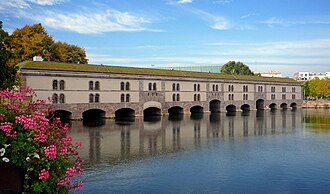
This 17th-century dam and defensive weir doubles as one of the best free viewpoints in Strasbourg, yet most visitors walk right past it. Climb to the rooftop terrace for a sweeping view over the Ill River, the covered bridges, and the Petite France skyline lined up in a single frame, especially striking at sunset. Inside the stone gallery, a small lapidary collection displays original sandstone gargoyles and statues removed from the cathedral during past restorations, saved here rather than left to weather away. Built under the direction of the military engineer Vauban, the structure was designed to flood the surrounding plain and block enemy approaches, a piece of functional military architecture that now doubles as a quiet public terrace. It costs nothing to visit, takes only twenty minutes, and is almost always uncrowded, making it an easy add for anyone exploring Petite France on foot.
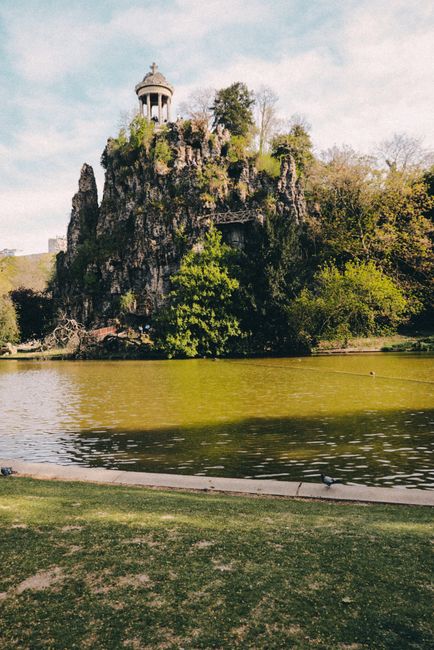
Tucked into the Krutenau-adjacent Esplanade area, this leafy park hides the crumbling stone remains of a 17th-century star fort designed by Vauban to defend the city. Wide moats, grassy ramparts, and weathered gateways now sit half-swallowed by trees, turning a former military stronghold into a shaded spot for a picnic or a slow wander. Information panels scattered through the grounds explain the fort's original layout for visitors curious enough to look, though plenty of locals simply use it for jogging or letting kids run free. Because it sits away from the main tourist corridors near the cathedral, it rarely appears on typical itineraries, which is exactly what makes it worth the short tram ride. Come in late afternoon when the light filters through the old fortifications for the most atmospheric visit.
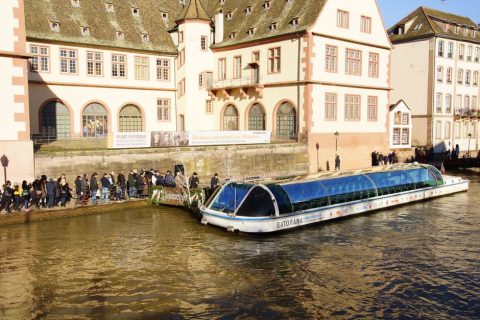
Beneath a working hospital courtyard lies one of Europe's oldest working wine cellars, in continuous use since the 14th century. Rows of massive oak barrels line the vaulted stone chambers, including one cask still holding wine from 1472, believed to be among the oldest drinkable wine in the world. The Hospices historically received wine as payment or donation from Alsatian vineyards, and the tradition of storing and aging it here continues today under a small cooperative. A short self-guided visit lets you walk between the barrels and read the history on posted panels, while a tasting room upstairs sells bottles produced from the cellar's own grapes. It is an unusual detour precisely because it is attached to a functioning hospital rather than a museum, so most tourists never realize it is open to the public just steps from the train station area.
Dedicated to the Strasbourg-born illustrator and provocateur Tomi Ungerer, this museum occupies a handsome 19th-century villa and holds thousands of his drawings, from beloved children's book illustrations to biting political satire and adult work rarely shown elsewhere. The collection traces his full range, making it clear how one artist moved between tenderness and dark humor across a long career. Rotating exhibitions pair his work with other illustrators and graphic artists, keeping repeat visits worthwhile. Because Ungerer remains far better known across Europe than internationally, the museum draws a fraction of the crowds seen at the city's larger art institutions, even though the quality of the collection rivals them. The villa itself, with its ornate rooms and garden, adds to the appeal. Allow extra time if a temporary exhibition is running alongside the permanent collection.
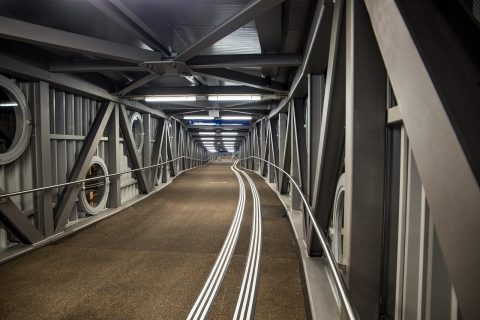
This expansive riverside park is unusual for a simple reason: it spans two countries. A sleek pedestrian and cycling bridge, the Passerelle Mimram, arcs across the Rhine to link the French and German halves of the garden, so a stroll here means crossing an international border on foot without any checkpoint at all. The French side blends manicured lawns with wilder riverbank paths, while the German side near Kehl offers its own gardens and play areas for children. Benches along the water make it a favorite spot for locals to unwind, though few visiting tourists venture this far from the old town. Rent a bike to cover more ground, or simply walk to the middle of the bridge for a photo standing between two nations. It is a quiet, reflective contrast to the dense medieval streets back in the city center.
Tips for Hidden Gems
- Most of these spots are free or very low cost, making them easy add-ons between paid attractions.
- Combine Barrage Vauban and Parc de la Citadelle into one walk since they sit only a few minutes apart on foot.
- The wine cellar and illustration museum both keep limited hours, so check opening times before making a special trip.
- Bring a bike or rent one near the river if visiting the Jardin des Deux Rives, since the park is large and spread across both riverbanks.