Things to do in Strasbourg
Iconic structures that define Strasbourg's skyline and historical significance, from the magnificent Gothic cathedral to Renaissance palaces.
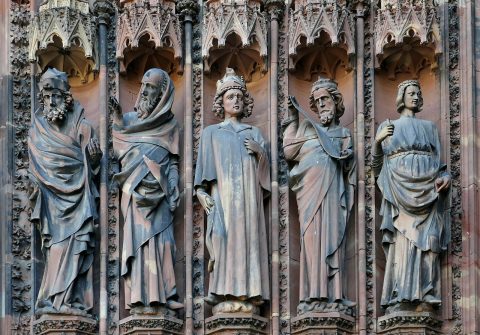
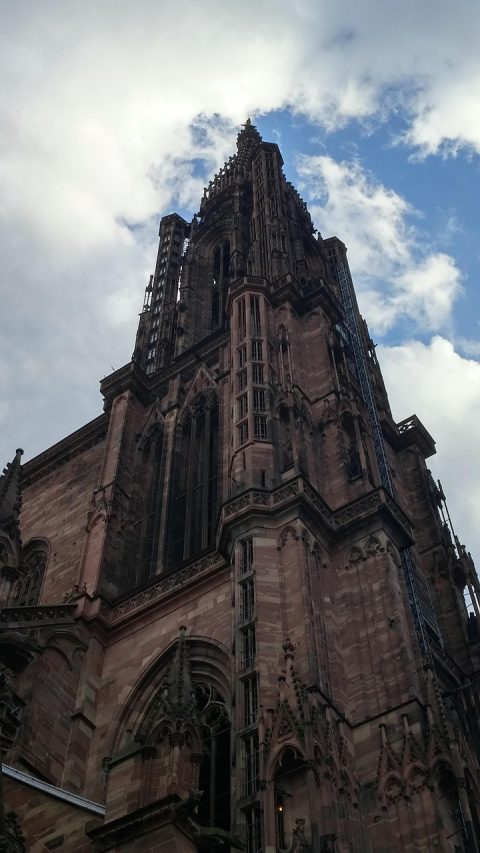
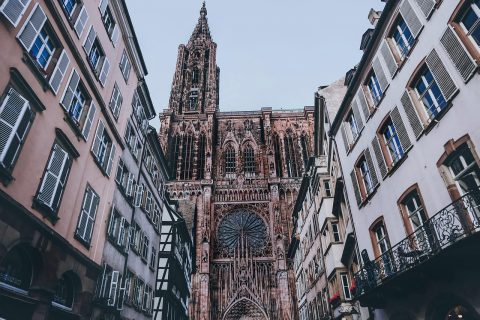
A masterpiece of Gothic architecture featuring a stunning 142-meter pink sandstone spire visible across the city. Built over 424 years, the cathedral houses exquisite stained glass windows and the famous 14th-century astronomical clock with its daily mechanical show at 12:30 PM. The interior features intricate carvings, sculptures, and breathtaking ribbed vaulting.
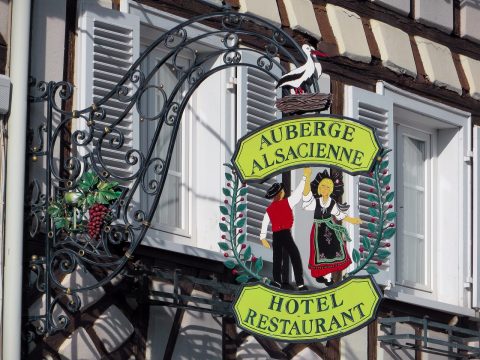
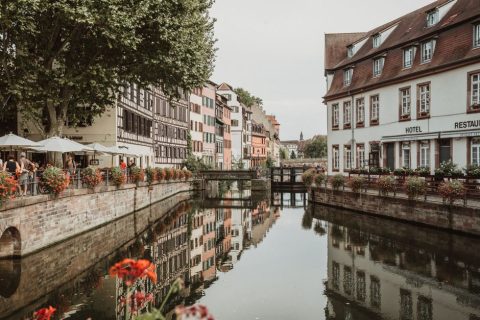
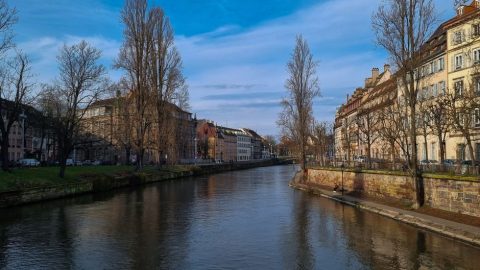
A picturesque medieval neighborhood with Renaissance timber-framed houses reflected in canal waters. Half-timbered facades dating from the 16th-17th centuries line narrow cobblestone streets. Once home to tanners and fishermen, it's now filled with artisan shops, cafés, and restaurants. The district evokes timeless charm and is one of Europe's most photographed areas.
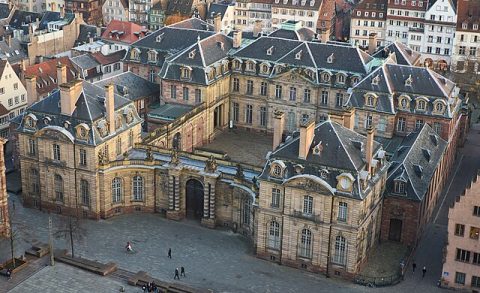
An exquisite 18th-century rococo palace designed for the Prince-Bishop. Now home to three museums: Fine Arts Museum, Museum of Decorative Arts, and Archaeological Museum. Explore opulent rooms with original furnishings, tapestries, and art collections spanning Egyptian antiquities to contemporary works.
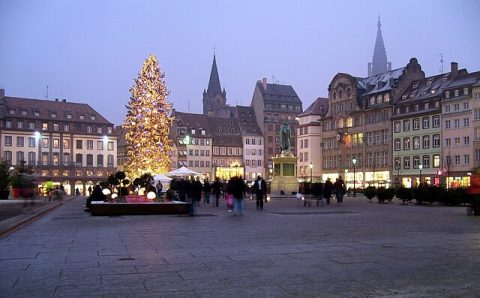
Strasbourg's largest and most vibrant public square, named after General Kléber. Surrounded by elegant 19th-century buildings, it hosts markets, festivals, and the famous Christmas market attracting over 2 million visitors annually. The imposing statue of General Kléber dominates the center.
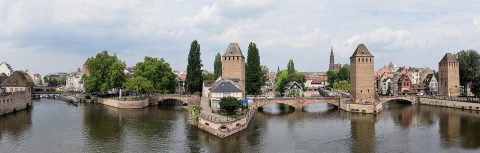
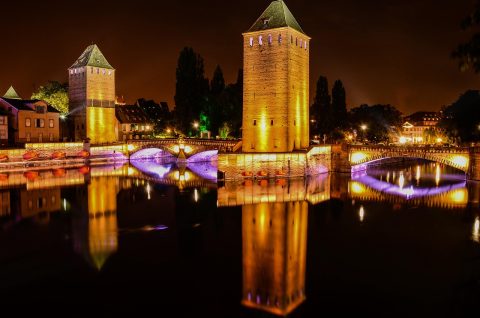
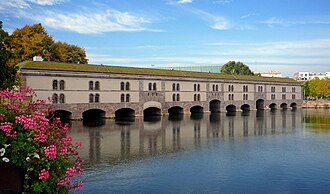
Three medieval towers connected by bridges dating to the 12th century. Originally defensive structures, these iconic red-sandstone towers once guarded the city's eastern boundary. Today they offer stunning views of Petite France and the Ill River, especially beautiful at sunset and during the Christmas season illuminations.
Tips for Landmarks & Monuments
- Visit the Cathedral at 12:30 PM to see the astronomical clock mechanism in action
- Climb the Cathedral spire for panoramic city views (330 steps)
- Best light for photography of Petite France is late afternoon and golden hour
- Explore Ponts Couverts at sunset for magical reflections
World-class museums showcasing art, history, and culture from ancient civilizations to contemporary works, with European and international collections.
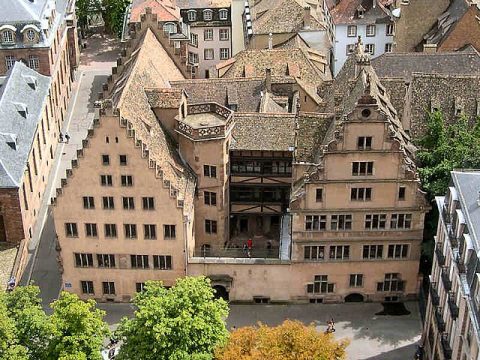
Dedicated to the Cathedral's history and artwork. Houses original sculptures, gargoyles, and stained glass from the Cathedral removed during restoration. Features medieval and Renaissance art including precious artifacts like the 14th-century stained glass panels and intricate stone carvings that once adorned the Cathedral.
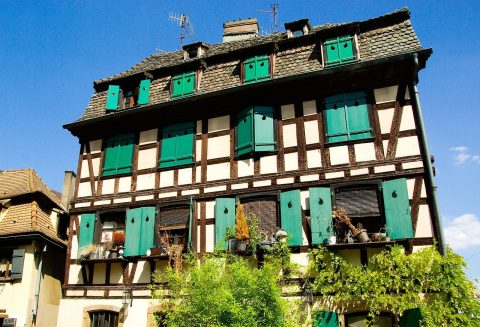
Housed in multiple interconnected Renaissance mansions, this museum presents the cultural heritage of Alsace through furniture, costumes, pottery, and domestic objects. Explore traditional Alsatian interiors, folk art, religious artifacts, and learn about regional customs, crafts, and daily life spanning several centuries.
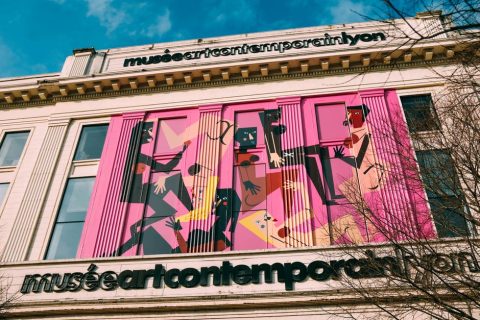
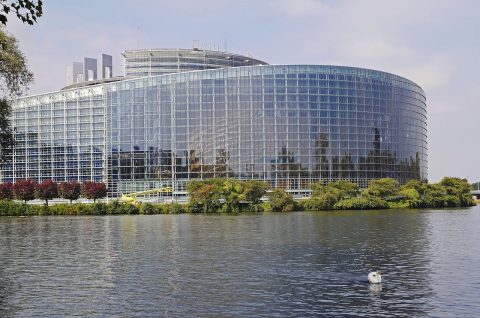
A striking glass and stone building housing an impressive collection of modern and contemporary art from 1870 to present. Features works by Kandinsky, Monet, Arp, and contemporary artists. Spacious galleries with natural light and river views. Rotating exhibitions complement the permanent collection of Impressionist, Cubist, and modern masterpieces.
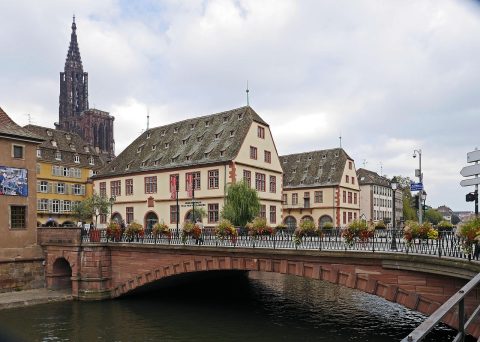
Chronicles Strasbourg's evolution from Roman times through medieval period to modern era. Extensive collections include weaponry, uniforms, documents, and artifacts illustrating the city's strategic importance and diverse cultural heritage. Interactive exhibits and multimedia presentations bring centuries of history vividly to life.
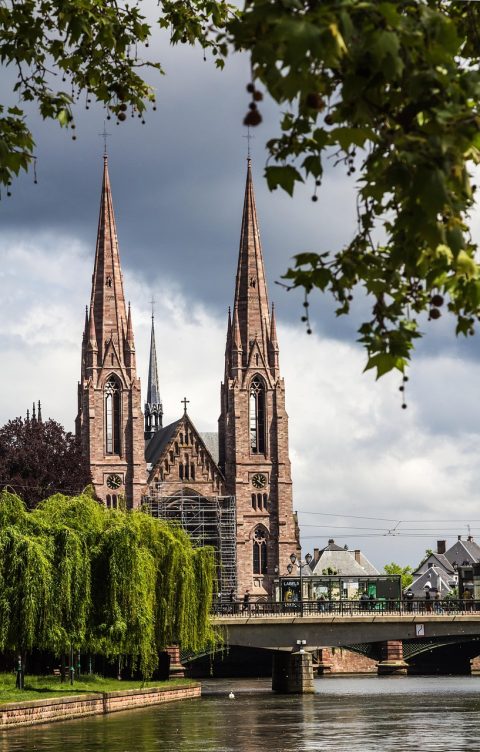
France's oldest zoological museum featuring taxidermied specimens from around the world. Over 600,000 specimens organized by habitat and species, from African wildlife to Arctic animals. Beautifully restored Belle Époque building with historic display cases and engaging educational exhibits about biodiversity and natural history.
Tips for Museums & Galleries
- Purchase a museum pass (Strasbourg Card) for discounts on multiple museum entries
- Most museums close on Mondays and Tuesdays; plan accordingly
- Photography restrictions apply in some exhibits; inquire at entrance
- Allow extra time during special exhibitions
Sacred spaces reflecting centuries of spiritual heritage, from the magnificent Cathedral to charming parish churches and monasteries throughout the city.
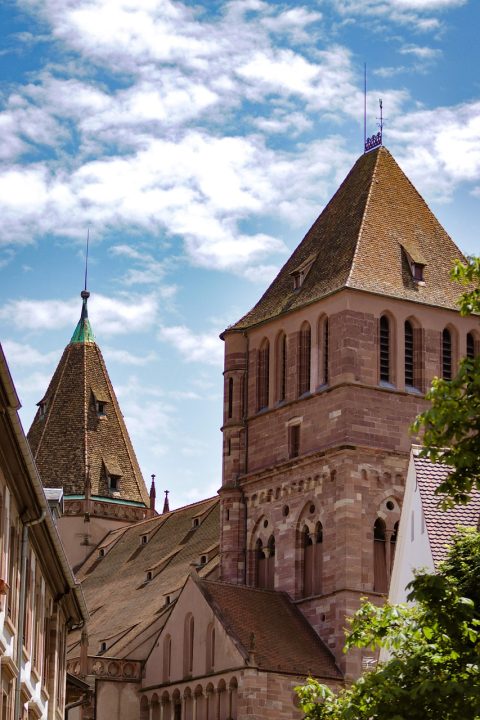
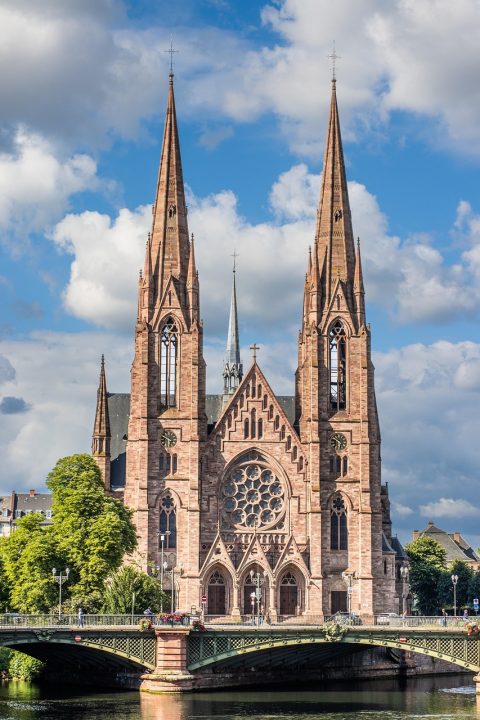
An important Protestant church with stunning late-Gothic architecture, featuring the massive Silbermann organ, one of Europe's finest baroque instruments. The church houses elaborate Renaissance and baroque monuments. Beautiful choir stalls and interior carvings showcase exceptional medieval craftsmanship and artistic detail.
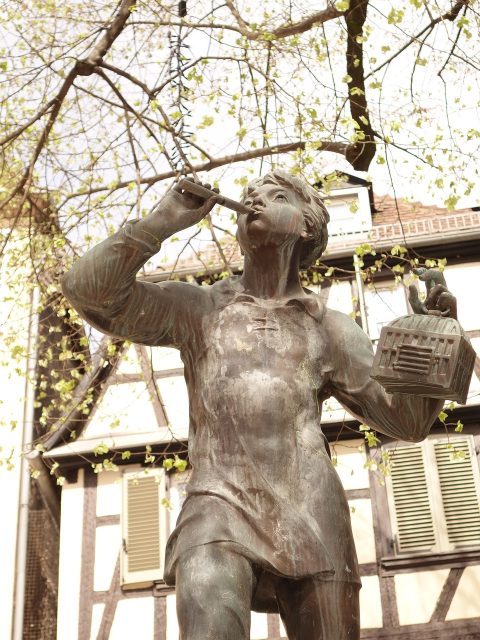
A stunning Gothic church with Renaissance features and ornate interior decoration. The church boasts beautiful stained glass windows, intricate carvings, and baroque altarpieces. Adjacent cloisters feature Renaissance architecture and peaceful gardens. The Protestant section remains active while the Catholic section is now a cultural venue.
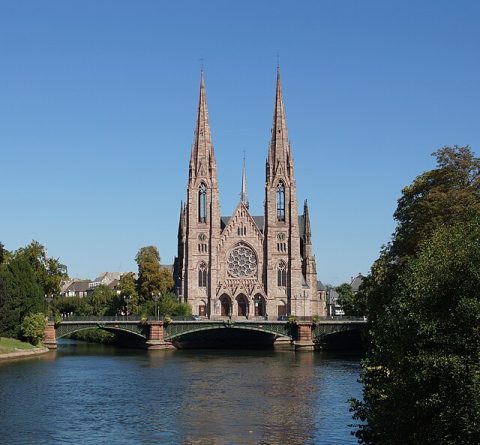
A striking modern church built in 1954 with contemporary architecture contrasting beautifully with the medieval cityscape. Features impressive stained glass windows by local artists and exceptional acoustics. The red-brick neo-Romanesque design incorporates symbolic religious imagery while maintaining modern sensibilities.
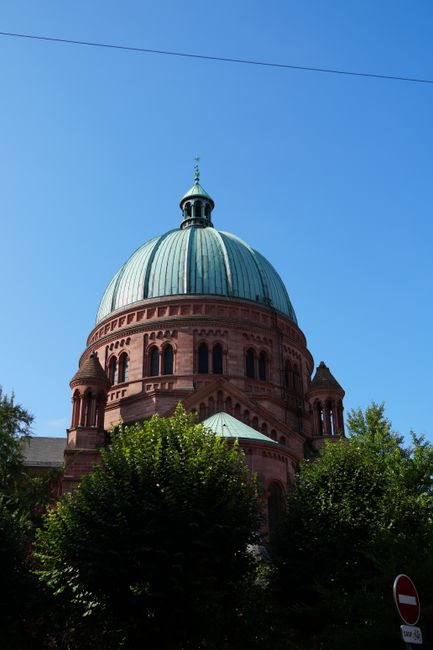
Built in 1958, this striking modernist synagogue features clean geometric lines and symbolic architectural elements representing Jewish heritage. The interior incorporates traditional Jewish design principles with contemporary aesthetics. Art deco and modern decorative elements create a serene, contemplative worship space honoring Strasbourg's historic Jewish community.
Tips for Religious Sites
- Respect worship times; avoid visiting during services unless attending
- Dress modestly when visiting active religious spaces
- Check opening hours before visiting, as they vary
- Photography may be restricted during services or in certain areas
Green spaces offering respite and natural beauty, from formal gardens to riverside walks along the scenic Ill River.
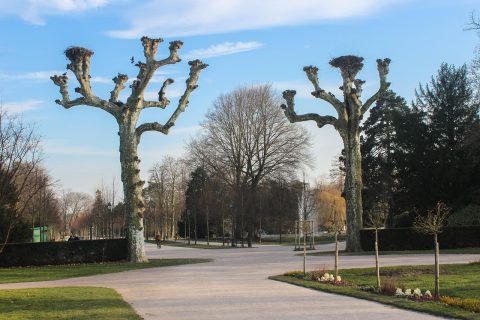
Strasbourg's largest and most beautiful park spanning 26 hectares. Features a scenic lake with exotic birds including swans and peacocks, a small zoo, botanical gardens, and walking paths through wooded areas. The 18th-century orangery building gives the park its name. Perfect for leisurely strolls, picnics, and family activities amid manicured landscapes.
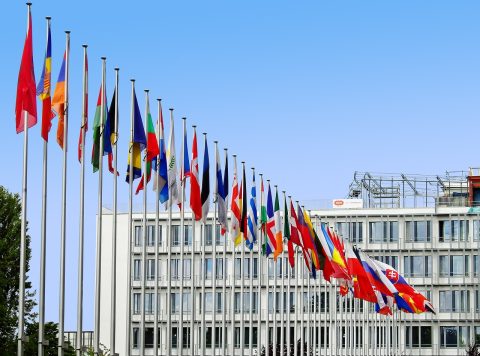
Wide tree-lined boulevards and squares in the upscale Neustadt (New Town) district designed during the German Imperial period. Elegant belle époque buildings frame open spaces with benches and street art. Avenue de la Liberté and surrounding promenades offer peaceful walking routes with architectural heritage and local commerce.
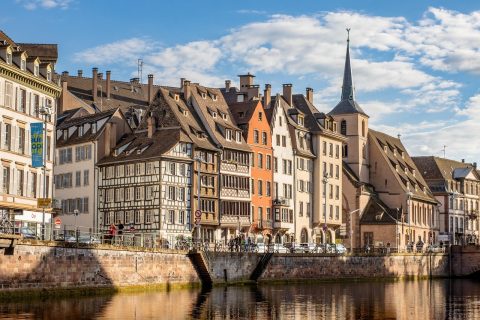
Scenic cycling and walking paths along the Ill River offering picturesque views of medieval bridges, weeping willows, and historic quarters. Green corridors wind through the old town connecting parks and neighborhoods. Perfect for jogging, cycling, or leisurely riverside walks with frequent benches and access points throughout the city.
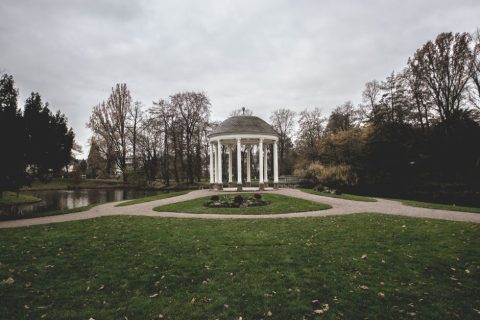
A specialized collection of plant species organized by geographic origin and habitat type. Features greenhouses with tropical plants, alpine specimens, and medicinal herbs. Educational signage explains botanical and ecological concepts. The garden provides a tranquil escape with diverse flora representing global ecosystems in a compact, accessible setting.
Tips for Parks & Gardens
- Best time for park visits: spring (April-May) for flowers, summer for swimming areas, autumn for foliage
- Bring a bike to explore longer riverside paths efficiently
- Parks close at dusk; plan accordingly during winter months
- Picnic supplies available at nearby shops
Distinctive districts each with unique character, architecture, and atmosphere reflecting different eras and communities within Strasbourg.
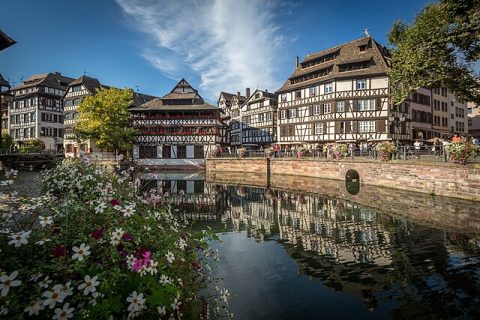
The heart of Old Strasbourg with Renaissance timber-framed houses dating from the 16th-17th centuries. Narrow cobblestone streets, flower-bedecked windows, and reflections in canal waters create an enchanting medieval atmosphere. Originally home to tanners and fishermen, today filled with artisan shops, galleries, restaurants, and wine bars. Most photographed district in France.
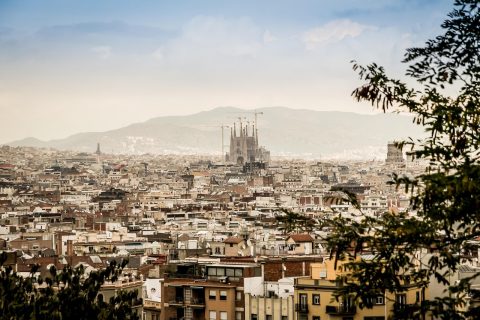
Historic quarter surrounding the magnificent Cathedral with winding medieval streets, Renaissance buildings, and grand squares. Place Gutenberg, Place de la Cathédrale, and adjoining areas feature atmospheric narrow lanes, historic shops, and restaurants. The Cathedral spire dominates views from nearly every corner, creating a sense of permanence and historical continuity.
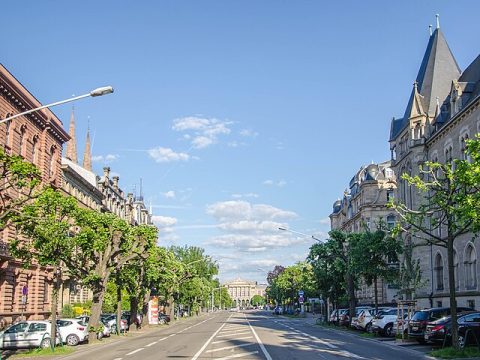
An upscale district developed during the German Imperial period (1870-1918) featuring belle époque architecture and grand boulevards. Wide avenues, elegant mansions, and cultural institutions create a refined atmosphere. Home to the European Parliament buildings and government quarter. Represents late 19th-century urban planning with parks and green spaces integrated throughout.
A charming working-class neighborhood with village-like character featuring narrow streets, local shops, and authentic bistros. Less touristy than Petite France, it offers genuine Alsatian atmosphere with traditional wine bars and local restaurants. Popular with residents and savvy travelers seeking authentic culture away from main tourist areas.
Tips for Neighborhoods & Districts
- Each neighborhood offers distinct dining and shopping experiences
- Get lost in medieval streets of Petite France for authentic discovery
- Visit Neustadt in afternoon light for best architectural photography
- Explore Krutenau for local wine bars and authentic cuisine
Guided experiences and activities offering deeper insights into Strasbourg's history, culture, and attractions through expert-led tours and interactive experiences.
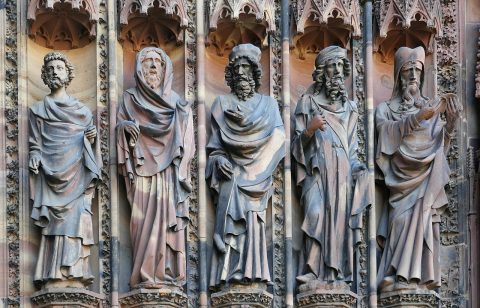
Watch the famous 14th-century mechanical clock perform its daily show at 12:30 PM as carved apostles parade, rooster crows, and celestial mechanisms turn. Guides explain the engineering marvel and historical significance. Best appreciated from inside the Cathedral, though clock face is visible from outside. Arrival early recommended to secure viewing position.
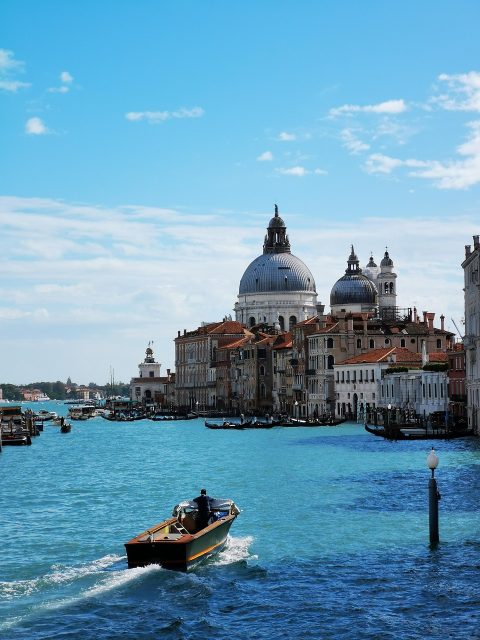
Scenic hour-long boat tours along the Ill River and canal system offering unique perspectives of medieval quarters, bridges, and waterfront architecture. English-language narration provides historical context. Glass-roofed boats provide comfort and excellent photography opportunities. Multiple departure times daily, especially frequent during tourist season and Christmas period.

Expert-led walking tours covering medieval history, architecture, the Cathedral, Petite France, and European institutions. Professional guides offer themed tours including Jewish heritage, Renaissance art, or culinary traditions. Tours available in English, French, German, and other languages. Duration varies from 1-3 hours depending on route and interests.
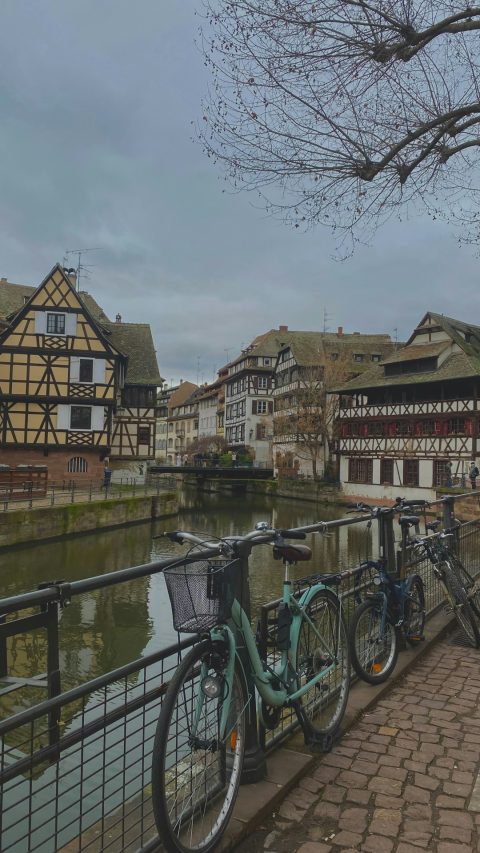
Strasbourg's excellent cycling infrastructure connects all major attractions with dedicated bike paths. Guided tours cover historic quarters, parks, and riverside routes. Electric bikes available for less experienced riders. Self-guided routes with maps available. Popular routes: City Center Loop (10 km), Ill River Path (variable length), and Orangerie Park Circuit.
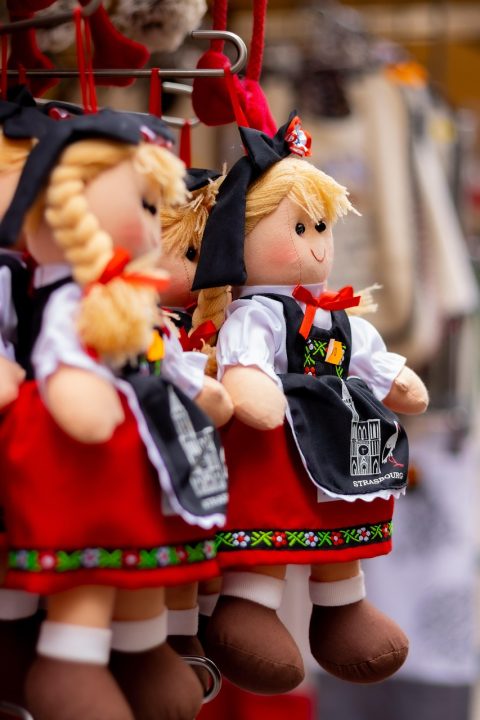
Expert-guided tours of Strasbourg's famous Christmas markets during November-December, the largest in France attracting 2 million visitors. Learn about traditions, taste seasonal specialties like mulled wine and gingerbread, and discover hidden market areas. Evening light shows and decorations create magical atmosphere. Tours illuminate shopping, cultural significance, and festive spirit.
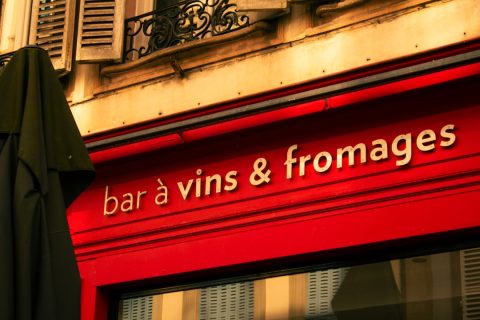
Learn to prepare traditional Alsatian dishes like flammekuchen (tarte flambée), kugelhopf, and pretzels in hands-on cooking classes led by professional chefs. Wine tasting sessions explore Alsatian varieties including Riesling, Gewürztraminer, and Sylvaner. Classes typically 2-3 hours with recipes provided and finished dishes enjoyed with wine pairings.
Tips for Tours & Activities
- Book boat tours and cooking classes in advance during peak season
- Walking tours provide better context than self-guided exploration for first-time visitors
- Cathedral clock show at 12:30 PM is brief; allow time to find good viewing position
- Cycling is efficient and enjoyable way to cover major attractions quickly
- Christmas markets peak November-December; plan accordingly
Nearby destinations offering cultural, natural, and gastronomic experiences within easy driving or train distance from Strasbourg.
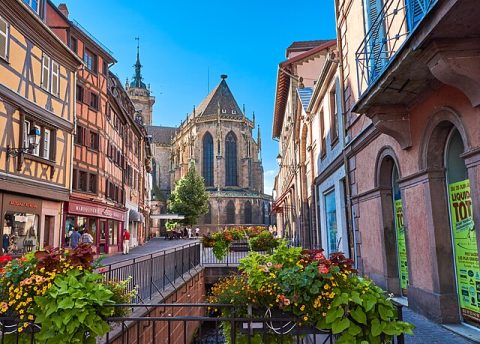
A charming medieval town even more picturesque than Strasbourg, featuring half-timbered buildings reflected in canals and historic squares. Home to the Unterlinden Museum housing the famous Isenheim Altarpiece. Narrow lanes, artisan shops, and wine bars create intimate atmosphere. 30-minute train ride or 40-minute drive. Perfect for day trip with focus on art and medieval architecture.
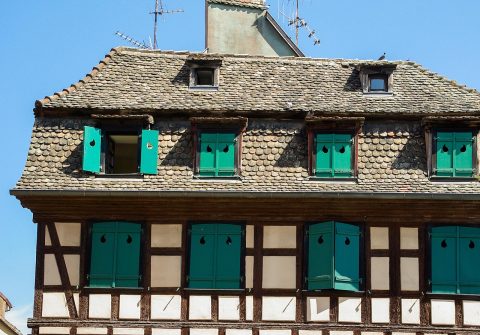
Scenic wine region through picturesque villages with vineyards, wine cellars, and tasting opportunities. Famous villages include Eguisheim, Riquewihr, and Kaysersberg. Diverse Alsatian wines including Riesling, Gewürztraminer, and Pinot Noir. Winding roads offer panoramic views through rolling vineyards. Wine routes feature small family wineries, wine bars, and seasonal harvest festivals.
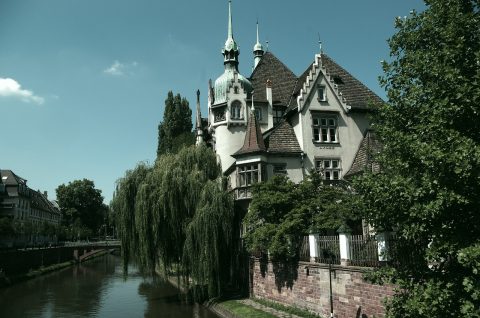
Dramatic hilltop fortress overlooking the Rhine valley with reconstructed medieval interiors and panoramic views. The castle underwent significant restoration in the 20th century to recreate its original grandeur. Features defensive architecture, towers, dungeons, and exhibits on medieval life. 45-minute drive from Strasbourg with additional 10-minute walk to entrance.
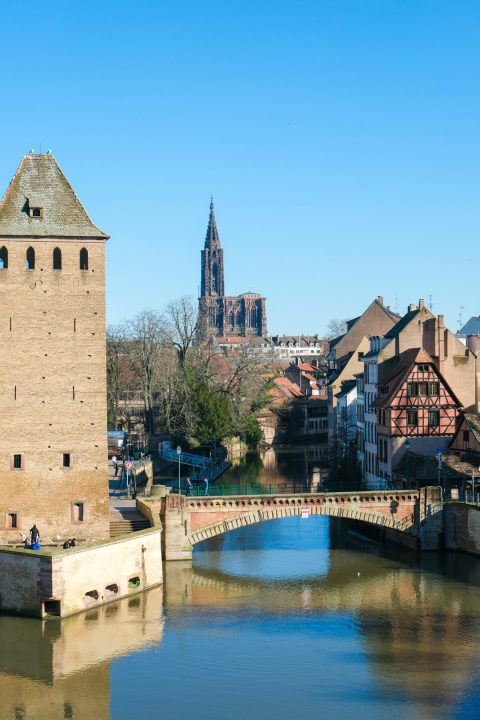
Historic town 45 minutes south of Strasbourg, home to the prestigious Humanist Library (Bibliothèque Humaniste) featuring rare manuscripts, incunabula, and Renaissance documents. Medieval old town with Gothic church. Famous for 15th-century illuminated manuscripts and scholarly heritage. Moderate-sized town atmosphere with manageable exploring schedule.
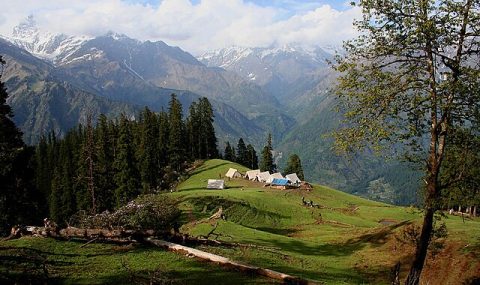
Scenic mountain range offering hiking, biking, and nature experiences. Popular trails offer varied difficulty levels with views over Alsatian plains to Black Forest. Access bases like Orbey or Vallée de Munster for outdoor activities. 1-1.5 hours drive from Strasbourg. Summer offers wildflowers and vistas; autumn provides foliage colors. Winter enables cross-country skiing.
Tips for Day Trips & Excursions
- Train travel recommended for wine route and Colmar to avoid driving
- Summer (June-August) best for Vosges hiking; winter for snow activities
- Wine harvest season (September-October) offers festival atmosphere
- Day trips can be combined: e.g., Colmar + Eguisheim in single day
- Rent a car for wine route exploration; designated driver required for tastings
Decorative fountains, sculptures, and public art installations throughout the city showcasing artistic heritage and urban design.

Renaissance square featuring a decorative fountain monument to Johannes Gutenberg, inventor of the printing press. Beautifully proportioned plaza surrounded by elegant Renaissance and classical buildings. The Gutenberg statue dominates the space, symbolizing Strasbourg's historical role in printing and intellectual history. Popular gathering point and excellent photographic location.
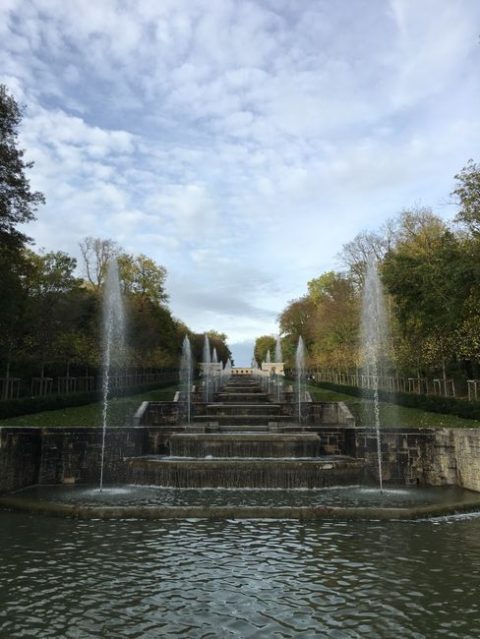
Ornamental fountain in Place Broglie featuring classical design with water jets and sculptures. Surrounded by elegant 18th-century architecture including the Governor's Palace. The fountain and plaza form the ceremonial heart of administrative Strasbourg. Beautiful evening illumination and seasonal decoration make it a favorite photo location.
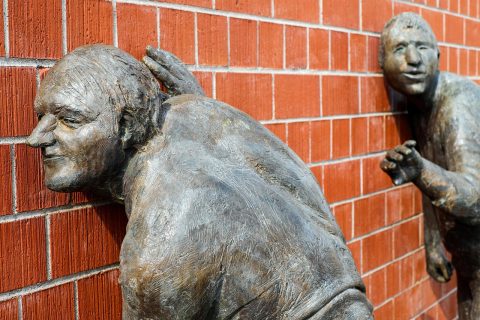
Modern sculptures and installations throughout the city in parks, plazas, and public spaces. European cultural significance reflected in modern artworks celebrating art, culture, and human values. Neustadt district features modern monumental art while historic center includes smaller contemporary pieces. Art evolves seasonally with temporary installations.
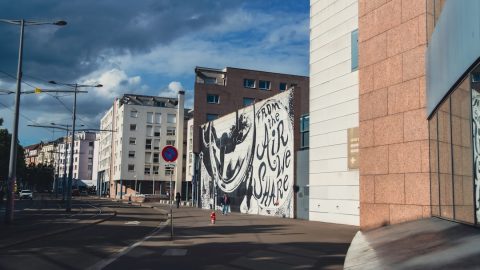
Vibrant street art scene in neighborhoods like Kronenbourg featuring large-scale murals and graffiti art. Colorful artistic expressions on building facades showcase contemporary creativity and urban culture. Self-guided walking tours reveal hidden artworks throughout the city. Photography paradise for contemporary art enthusiasts. Scene constantly evolving with new pieces appearing regularly.
Tips for Fountains & Public Art
- Photograph fountains at sunset and evening when illuminated
- Street art is constantly changing; explore different neighborhoods for variety
- Spring and summer bring temporary art installations in parks
- Public art maps available at tourist information centers
Efficient public transportation system, cycling infrastructure, and walking-friendly layout making exploration easy and convenient.
Modern, efficient tram system with four lines covering major attractions and neighborhoods. Low-floor accessible cars with English announcements. Frequent service every 5-10 minutes on main lines. Day passes, multi-day passes, and individual tickets available. Trams accessible from most hotels and attractions, making tram the most convenient transit option.
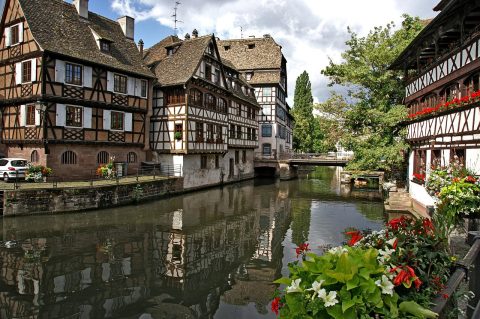
Strasbourg's compact historic center is highly walkable with extensive pedestrian zones throughout Old Town and Petite France. Most major attractions within 20-minute walk of city center. Narrow medieval streets create intimate walking experience though luggage can be challenging. Comfortable shoes essential for cobblestone streets. Clear signage and information boards aid navigation.
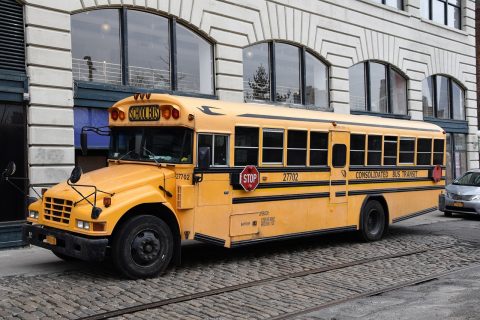
Comprehensive bus network providing access to all neighborhoods and outlying areas. Modern buses with air conditioning, wheelchair access, and real-time tracking. Night buses available for late-night activity. Integrated fare system with trams allows transfer between modes. Less touristy than trams but essential for reaching some areas.
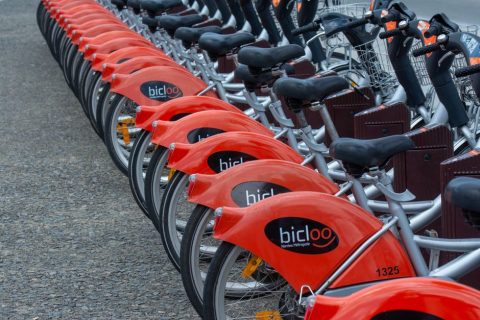
Extensive cycling network with dedicated bike lanes connecting all major attractions and neighborhoods. Vélostrasbourg bike-sharing system with 40+ stations offering convenient short-term bike access (subscriptions or per-ride). Flat terrain ideal for casual cycling. Rental shops offer standard and electric bikes. Helmets recommended though not required.
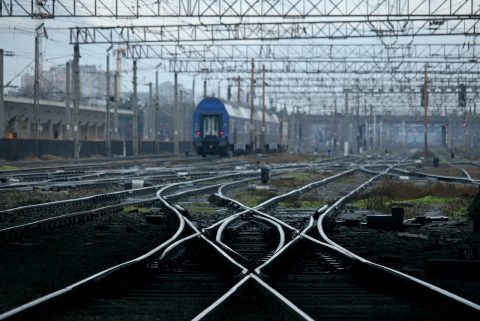
Direct trains to Paris (2.5 hours), Colmar (30 minutes), and other European cities. Central station (Gare Centrale) strategically located with tram connections. Deutsche Bahn (DB) and SNCF international trains available. Regional trains reach wine villages and Vosges mountains. Scenic routes through Alsace wine region available daily.
All-inclusive card providing unlimited tram and bus access plus discounts on attractions, museums, and tours. Available for 1, 2, or 3 days. Excellent value for tourists covering most transportation needs plus monument entries. Includes audioguide for cathedral. Can be purchased at tourist information center, hotels, or online.
Tips for Transportation
- Purchase multi-day pass for tram/bus rather than individual tickets
- Strasbourg Card provides best value for tourists including attractions
- Cycling is most efficient for covering longer distances quickly
- Walking ideal for historic center discovery; tram for reaching outer areas
- App 'CTS Horaires' provides real-time tram/bus information
Strasbourg is widely known as the Capital of Christmas, home to France's oldest Christmas market, the Christkindelsmärik, dating back to 1570.
Each December the historic center transforms into a network of interconnected markets spread across half a dozen squares, with mulled wine, gingerbread (bredele), and hundreds of wooden chalets beneath the illuminated Cathedral.
In December 2026 the markets are expected to run roughly from Friday, 27 November through Wednesday, 30 December, with daily hours typically around 11:00 to 20:00 or later on weekends.
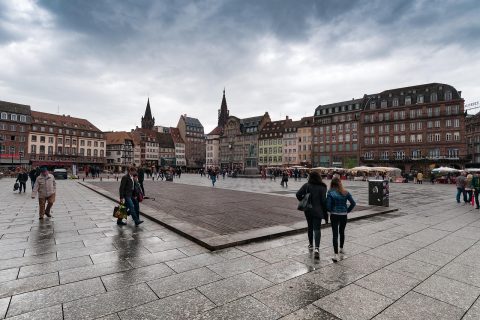
The original Christkindelsmärik, launched in 1570, remains the beating heart of Strasbourg's Christmas season. Wooden chalets line Place Broglie selling Alsatian crafts, ornaments, and regional specialties like bredele cookies and kougelhopf. The square's grand facades, including the Hôtel de Ville, are strung with lights, and a giant illuminated star often crowns the display. Expect crowds, mulled wine stalls, and live music on weekend evenings. This market anchors a walking route connecting several other squares in the historic center, so most visitors treat it as a starting point rather than an isolated stop. Arrive early in the day to browse comfortably before evening crowds build, especially on weekends in December.
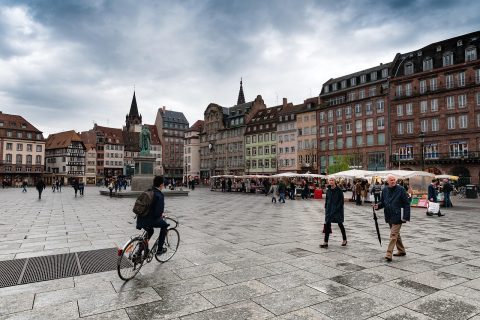
Strasbourg's largest public square hosts a towering Grand Sapin, the city's official Christmas tree, often exceeding 25 meters and decorated with thousands of ornaments. Surrounding chalets sell toys, glassware, and seasonal food, while the tree itself becomes the city's most photographed December landmark, especially after dark when it is fully lit. A small stage nearby sometimes hosts choirs or brass bands in the evenings. The square is central and flat, making it an easy first or last stop when moving between other market clusters on foot. Families often linger here longer than elsewhere because of the tree and open space for children to look around without the tighter chalet-lined streets found near the cathedral.
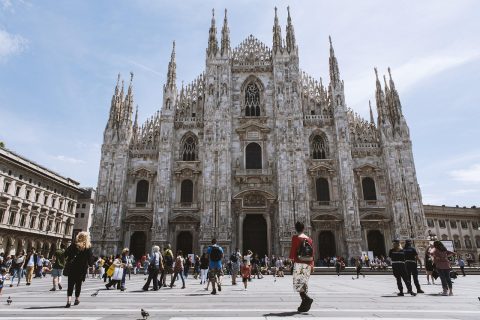
Chalets encircle the base of Strasbourg Cathedral, one of the tallest surviving medieval structures in Europe, its sandstone facade often lit with projected light displays during the holiday season. Stalls here lean toward higher-end crafts, glass ornaments, and Alsatian wines rather than mass-market souvenirs. Visitors frequently combine a stroll through the market with an evening viewing of the illuminated facade, and on clear nights the astronomical clock inside draws a steady queue. This is arguably the most atmospheric single spot in the entire market network, though also the most crowded, so evening visits reward patience. Photography is popular from the surrounding rue Mercière for a full view of the tower against the lights.
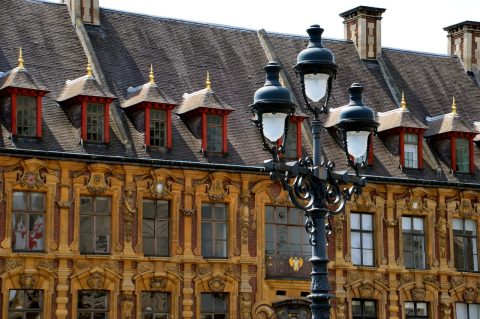
A market geared toward families and children, featuring a carousel, small rides, workshops, and chalets selling toys and handmade decorations. It sits slightly apart from the denser adult-focused stalls, giving it a calmer pace that suits younger visitors or anyone wanting a break from the busier squares. Seasonal treats like roasted chestnuts and hot chocolate are easy to find here, and there is usually space for kids to move around without being squeezed between chalets. It pairs well as a short detour from the Cathedral or Kléber markets rather than a standalone destination, and works especially well in the late afternoon before dinner when lines for rides are shorter.
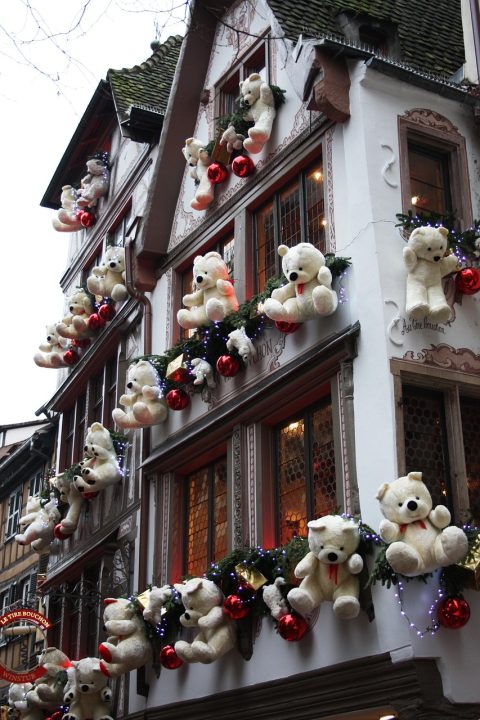
Beyond the chalets, Strasbourg's winter season includes a seasonal outdoor ice rink (location varies year to year, often near Place de l'Étoile or the Palais des Congrès) and illuminated walking routes through the half-timbered Petite France district, where canal-side houses are strung with lights and reflected in the water. This area is free to wander at any hour and offers a quieter counterpart to the crowded market squares, particularly appealing after dark when the timber facades glow. Combine it with a short boat tour on the Ill if operating in winter, or simply walk the canal bridges for photos. Dress warmly, as the waterside paths can be noticeably colder than the sheltered market streets.
Tips for Christmas Market
- Markets typically run late November through 30 December 2026; some squares close a day or two earlier for setup ahead of New Year's Eve.
- Visit on a weekday morning to avoid the heaviest crowds, especially at Cathedral Square.
- Bring cash for smaller chalets, though most now accept cards.
- Trams to Homme de Fer or Langstross-Grand Rue stops put you within walking distance of every major market square.
- Check noel.strasbourg.eu closer to the date for confirmed 2026 opening days and any ice rink location changes.
Strasbourg rewards families with green playgrounds, hands-on science, and gentle water adventures that keep little legs happy between the old-town sightseeing. Many of the best kid experiences sit just outside the historic core, making a relaxed loop away from cobblestones easy to plan.
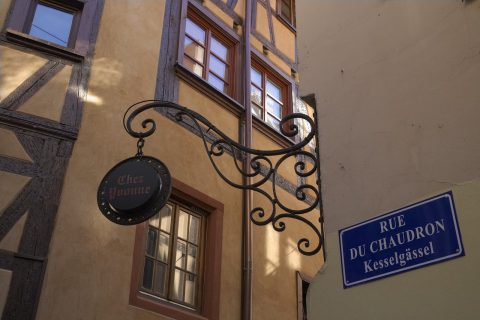
Aimed squarely at children aged 3 to 15, Le Vaisseau is Strasbourg's hands-on science museum, packed with interactive stations covering the human body, robotics, water, and construction. Kids can build with giant blocks, experiment with pulleys, or crawl through a giant ear to learn about sound. An outdoor garden area adds climbing structures and water play in warmer months. Staff run scheduled workshops throughout the day, and everything is designed to be touched and tested rather than just viewed behind glass. It sits a short tram ride south of the center, making it an easy half-day escape from the museum-heavy old town. Buggy access and a small cafe make it manageable even with toddlers in tow, and the gift shop leans toward science kits rather than plastic souvenirs.
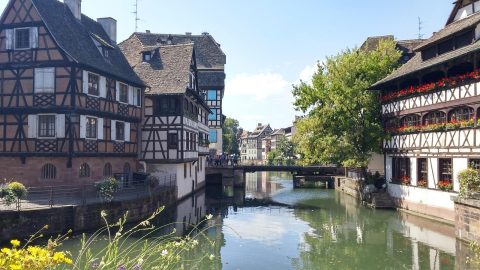
Tucked inside the Orangerie parkland, this compact zoo is free to enter and home to flamingos, storks, deer, and a variety of birds roaming semi-open enclosures. It is small enough that toddlers won't tire out halfway through, yet varied enough to hold a young child's attention for an hour or more. The adjoining park has a lake with pedal boats, a carousel, and a large playground, so families often combine the zoo visit with a full afternoon outdoors. Storks in particular are a local symbol, and watching them nest atop the enclosures is a favorite moment for younger visitors. Benches and shaded paths make it comfortable for pushing strollers, and there are simple snack kiosks nearby for picnicking between animal sightings.
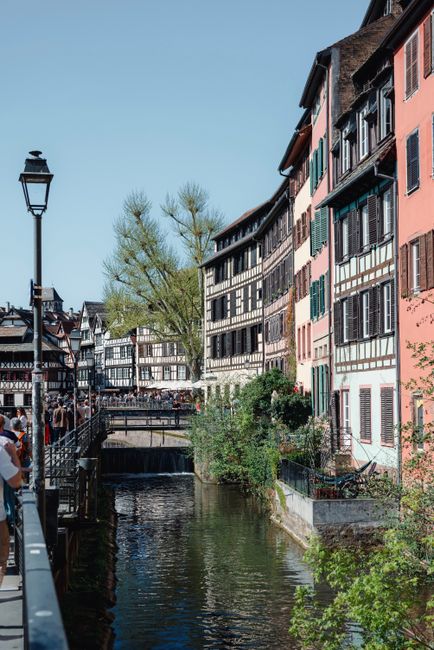
Scattered around the canals near the medieval quarter, a handful of small neighborhood playgrounds give children a chance to burn energy between sightseeing stops, with slides, swings, and sandpits set among half-timbered backdrops. Parents often pair a playground stop with an ice cream from a nearby stall, turning a short break into a proper pause in the day. These spots are informal and free, requiring no booking or planning, just a willingness to wander a block or two off the main tourist path. They are especially useful in the late afternoon when younger children have had enough of churches and museums but the day still has hours left. Locals use them daily, so they offer a low-key way to see Strasbourg family life up close rather than just its landmarks.
Part of the university's science complex, this small aquarium displays freshwater and tropical fish species alongside reptiles and amphibians in dim, atmospheric rooms that younger children find genuinely captivating. Tanks are set at child height in several rooms, and informative panels are simple enough for older kids to read on their own. It rarely draws crowds, so families can move at a toddler's pace without feeling rushed. The visit pairs naturally with a walk through the nearby botanical garden grounds, extending an educational outing into fresh air afterward. Because it is compact, it works well as a rainy-day fallback or a mid-morning stop that will not exhaust a packed itinerary. Entry is inexpensive, and the low sensory intensity suits children who find larger museums overwhelming.
Tips for With Kids
- Combine the zoo, playground, and pedal boats in the Orangerie for a full free afternoon outdoors.
- Le Vaisseau gets busy with school groups on weekday mornings; weekends and afternoons are calmer.
- Trams are stroller-friendly and connect the old town to the Vaisseau and university science sites quickly.
- Pack a picnic for the Orangerie, as sit-down dining options nearby are limited.
Strasbourg keeps a lively calendar year-round, from open-air concerts along the Ill to seasonal markets in the half-timbered lanes of Petite France. The entries below cover the citys signature recurring events in 2026, each with its own dates so you can plan a visit around them.
Running from 21 March to 5 April 2026, this citywide spring festival marks the end of winter with flower markets, open-air concerts, and food stalls set up around Place Kleber and Place Broglie. Expect brass bands, artisan stands selling regional Alsatian produce, and a flower-decorated parade through the historic center on the closing weekend. Many cafes extend their terraces onto the squares for the occasion, and the Ill riverbanks fill with picnickers as the weather warms. Its a good, low-key introduction to Alsatian spring traditions before the bigger summer festivals arrive, and admission to the outdoor events is free, though some workshops and tastings charge a small fee.
Held from 12 to 28 June 2026, this classical and chamber music festival brings orchestras and soloists to venues across the city, including the Palais de la Musique et des Congres and the Cathedral. Founded decades ago, it remains one of the oldest music festivals in France and draws performers from across Europe. Evening concerts in the Cathedrale Notre-Dame take advantage of the buildings remarkable acoustics, while smaller recitals happen in courtyards and museum halls. Tickets range from free open-air performances to paid seated concerts for headline acts. Its a highlight for visitors interested in classical music, and booking ahead is recommended for the cathedral and Palais concerts since seating is limited.
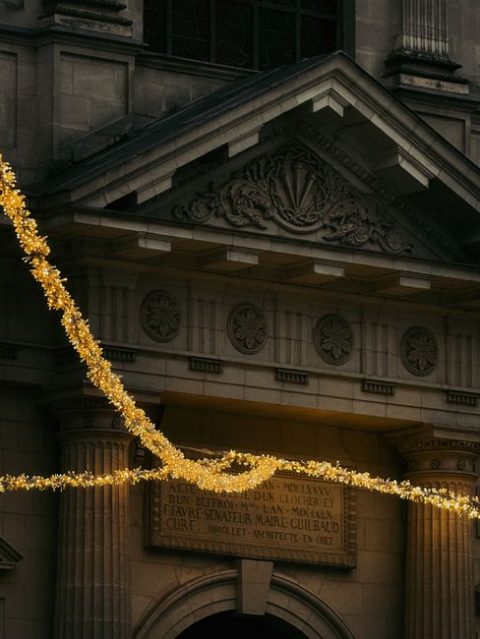
On 31 December 2026, Strasbourg rings in the new year with a public celebration centered on Place Kleber, featuring a live stage with music acts, food and mulled wine stalls, and a midnight fireworks display over the historic center. The event builds on the citys Christmas market atmosphere, with festive lights still strung across the squares and streets. Crowds gather from around 10pm, and the countdown culminates in a synchronized fireworks show visible from most of the central island. Its free to attend and family-friendly earlier in the evening, though the later hours skew toward a younger crowd. Warm layers are essential, as temperatures are typically near freezing.
From 4 July to 23 August 2026, free open-air concerts take place most weekend evenings along the banks of the Ill near the Barrage Vauban and Petite France. The lineup mixes local jazz trios, folk musicians, and touring acts, with a relaxed, bring-your-own-blanket atmosphere. Food trucks and drink stalls set up nearby, and the illuminated half-timbered houses make for a scenic backdrop as the sun sets. Its especially popular with families and young locals looking for a free evening out, and the series is a good way to experience Strasbourg without the crowds of the winter markets. No tickets are required, though popular nights can get crowded, so arriving early secures a good spot.
Taking place from 10 to 25 October 2026, this harvest festival celebrates the grape harvest of the surrounding Alsace wine region with tastings, stalls, and folk performances in Place Gutenberg and the streets of Petite France. Local vintners pour new-season wine alongside flammekueche and other Alsatian specialties, and stalls sell pumpkins, preserves, and seasonal produce. Traditional costume parades and folk dancing happen on the closing weekend, drawing a mix of locals and visitors. Its smaller and more relaxed than the Christmas market, making it an easier festival to enjoy without crowds. Most tastings require purchasing a token or glass, but browsing the stalls and watching performances is free.
Tips for Events Calendar
- Check exact 2026 dates closer to your trip, as some events shift slightly year to year around local school holidays.
- Book cathedral and Palais de la Musique concert tickets several weeks ahead during the June music festival.
- Outdoor summer concerts are weather-dependent, so have an indoor backup like a museum nearby.
- Combine the autumn harvest festival with a day trip to nearby Alsace wine villages for the full grape-harvest experience.
Real, highly-rated Restaurants in Strasbourg, sourced from Google Places (rating above 4★).
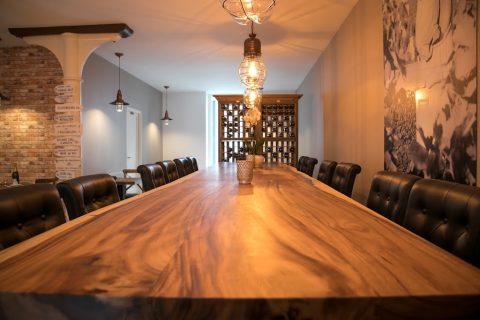
Restaurant Les Chauvins is a highly-rated restaurant in Strasbourg, rated 4.8★ from 1214 reviews. Located at 3 Rue du Faisan, 67000 Strasbourg, France.
Opening Hours
- Monday: Closed
- Tuesday: 12:00 – 1:30 PM, 7:00 – 9:30 PM
- Wednesday: 12:00 – 1:30 PM, 7:00 – 9:30 PM
- Thursday: 7:00 – 9:30 PM
- Friday: 12:00 – 1:30 PM, 7:00 – 9:30 PM
- Saturday: 12:00 – 1:30 PM, 7:00 – 9:30 PM
- Sunday: Closed
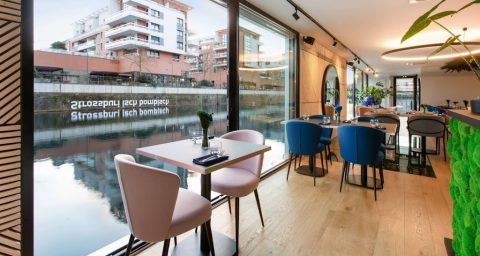
Blue Flamingo is a highly-rated restaurant in Strasbourg, rated 4.8★ from 1563 reviews. Located at Presqu'île André-Malraux, 67000 Strasbourg, France.
Opening Hours
- Monday: 12:00 – 3:00 PM, 7:00 – 11:00 PM
- Tuesday: 12:00 – 3:00 PM
- Wednesday: 12:00 – 11:00 PM
- Thursday: 12:00 – 11:00 PM
- Friday: 12:00 – 11:00 PM
- Saturday: 12:00 – 11:00 PM
- Sunday: Closed
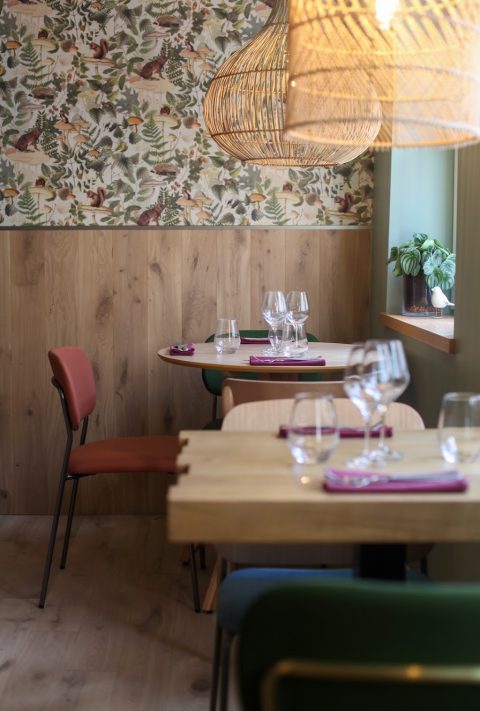
Le Banquet des Sophistes is a highly-rated restaurant in Strasbourg, rated 4.8★ from 2343 reviews. Located at 5 Rue d'Austerlitz, 67000 Strasbourg, France.
Opening Hours
- Monday: 12:00 – 1:45 PM, 7:00 – 9:30 PM
- Tuesday: 12:00 – 1:45 PM, 7:00 – 9:30 PM
- Wednesday: 12:00 – 1:45 PM, 7:00 – 9:30 PM
- Thursday: 12:00 – 1:45 PM, 7:00 – 9:30 PM
- Friday: 12:00 – 1:45 PM, 7:00 – 9:30 PM
- Saturday: Closed
- Sunday: Closed
When the museums close, Strasbourg shifts gears into a lively mix of wine bars, craft-beer cellars, and late-night clubs tucked between half-timbered facades and along the Ill. The Krutenau and university quarters hum with student energy, while the Petite France area quiets into a moodier, candlelit scene after dark. Expect everything from cozy Alsatian wine taverns to thumping electronic clubs open until dawn.
This narrow street in the Krutenau district is the beating heart of Strasbourg nightlife, lined wall-to-wall with bars catering to students and young professionals. Expect cheap pints, themed pubs, and a rotating crowd that spills onto the pavement on weekend nights. Bars here range from Irish-style pubs to trendy cocktail spots, and most stay open well past midnight. It is an easy, walkable way to bar-hop without committing to one venue, and the atmosphere is casual rather than exclusive. Thursday is traditionally the biggest student night thanks to weekly class schedules, so expect it to be busier than Friday or Saturday in term time. Come hungry too, as several spots serve late-night tarte flambée to soak up the drinks.
Housed in a converted 19th-century dairy building, La Laiterie is Strasbourg's premier venue for live music and club nights, hosting touring indie, rock, electronic, and hip-hop acts alongside local emerging artists. The complex includes multiple stages, a bar area, and occasional club nights after concerts wind down. It draws a mixed crowd of students, music fans, and out-of-towners, and the industrial-chic setting gives it a grittier edge than the polished venues in the city center. Check the schedule ahead of a visit, since the lineup shifts constantly between genres. Ticketed shows often sell out for bigger names, so booking in advance is wise if a specific act is the draw. It sits slightly outside the historic core, an easy tram ride away.
A quieter, more refined alternative to the student bar scene, this pocket of Krutenau near Place d'Austerlitz is dotted with intimate wine bars pouring Alsatian Riesling, Gewürztraminer, and Pinot Gris by the glass. Candlelit interiors and small plates of local charcuterie and cheese make these spots ideal for a relaxed evening rather than a rowdy night out. Many are run by independent owners with strong opinions on regional producers, and staff are usually happy to guide newcomers through the wine list. It is a good option for couples or anyone wanting to unwind after a day of sightseeing without the noise of a club. Reservations are rarely needed but help on weekend evenings when tables fill quickly.
A riverside club and lounge with an outdoor terrace overlooking the water, Le Live Club blends a rooftop-style lounge atmosphere with late-night DJ sets spanning house, techno, and commercial club hits. Summer evenings draw crowds to the terrace for cocktails as the sun sets over the Ill, before the energy shifts indoors as the night progresses. The dress code leans smart-casual and it attracts a slightly older, more polished crowd than the student bars of Krutenau. It is a solid choice for a night that starts relaxed and builds toward dancing. Weekend nights can involve a cover charge or guest list, so arriving early or checking ahead avoids a wait at the door.
Tips for Nightlife & Entertainment
- Krutenau and Rue des Frères are the best bet for bar-hopping on foot.
- Thursday nights are unofficially student night, expect bigger crowds than Friday.
- Trams stop running around midnight to 1am, so plan a taxi or rideshare for later nights out.
- Check venue websites or listings for La Laiterie, as concert nights sell out fast.
- Many bars close earlier on Sundays and Mondays, weekend visits offer the fullest scene.
Explore Strasbourg on the Map
Best Time to Visit
Summer (June-September): Warm, sunny weather (20-25°C) ideal for exploring outdoor attractions, river cruises, and dining al fresco. Peak tourist season brings crowds but vibrant energy. Festivals and outdoor markets abundant. Accommodation prices highest.
Autumn (September-November): Pleasant temperatures (10-18°C), fewer crowds than summer, and stunning foliage in surrounding Vosges mountains. Wine harvest season brings festivals and special tastings. November begins holiday preparation. Excellent photography conditions.
Christmas Season (November-December): Strasbourg's most magical period with extensive markets, elaborate decorations, and festive atmosphere. 2 million visitors expected. Weather cool but not severely cold. Hotels book months ahead. Unique holiday shopping and gastronomic experiences.
Spring (March-May): Mild weather (10-18°C) with flowering trees creating picturesque scenes. Tourist numbers moderate. Easter celebrations prominent in religious sites. Gardens and parks begin blooming. Good balance of comfort and fewer crowds.
Winter (January-February): Cold, sometimes snowy weather (0-5°C). Post-holiday atmosphere, fewer tourists, and reduced opening hours for some attractions. Crystal-clear winter light excellent for photography. Lower accommodation prices offset cold temperatures.
Shopping & Markets
Traditional Shopping Districts: Rue des Grandes Arcades and Rue de la Mésange offer mainstream shops and department stores. Rue Mercière features specialty shops, antiques, and unique boutiques. Petite France has artisan shops, galleries, and souvenirs. Neustadt offers upscale shopping and fashion boutiques.
Christmas Markets: Strasbourg's legendary Christmas markets (November-December) offer handcrafted decorations, toys, clothing, and regional specialties. Place Kléber hosts the main market with over 300 stalls. Markets remain open until late evening. Famous for mulled wine (vin chaud) and gingerbread (pain d'épices).
Regional Products: Shop for Alsatian wines (Riesling, Gewürztraminer), pottery, ceramic dishes, linen, and traditional crafts. Kugelhopf and pretzel bread are iconic souvenirs. Macarons and local candies popular gifts. Wine merchants throughout city offer tastings.
Flea Markets & Antiques: Quai des Pêcheurs hosts weekend antique and flea markets. Specialist antique dealers scattered through Petite France. Vintage clothing and retro items increasingly available in hipster neighborhoods.
Market Hours: Most shops open 10 AM-7 PM. Many close Sundays. Christmas markets open daily 11 AM-10 PM or later. Markets usually close by early January.
Shopping Tips: VAT refunds available for purchases over €100. Keep receipts for airport refund processing. Credit cards widely accepted. Some smaller shops cash-only. Sunday shopping limited; plan major purchases for weekdays or Saturdays.
Festivals & Events
Christmas Markets (Largest Event): November-December brings the largest Christmas market in France with 2 million annual visitors. Over 300 stalls offer handcrafted goods, traditional foods, and decorations. Evening illuminations transform the city. Traditional caroling and performances. Advanced hotel booking essential.
Jazz Festival: June brings international jazz performances across venues and outdoor stages. World-class musicians and emerging artists perform. Dates vary; check tourism site. Outdoor concerts often free.
Musica Festival (Contemporary Classical): September-October features avant-garde and contemporary classical music. International composers and performers. Venues throughout city. World premiere performances frequent.
Wine & Harvest Festival (Vendanges): September celebrates new wine harvest with tastings, regional dishes, and cultural performances. Wine route villages host their own harvest festivals. Parades and traditional costumes common.
Easter Celebrations: Spring religious ceremonies in Cathedral and churches. Easter market and family activities. Traditional egg hunts in parks. Processions through old town.
Street Food Festival: Summer (typically July) brings international street food vendors, cooking demonstrations, and cultural performances. Open-air venue near Convention Center. Family-friendly atmosphere.
European Heritage Days: September opens normally closed buildings and monuments for free visits. Cathedral spire accessible, private collections shown. Limited hours; advance planning recommended.
New Year's Eve: Place Kléber hosts celebrations with performances and fireworks. Large crowds; arrive early for prime viewing. Nearby restaurants offer special menus.
Sample Day Itineraries
Day 1 - Medieval Magic (Full Day): Start 8 AM with Cathedral climb (330 steps, 0.75 hours) for panoramic views. 9:30 AM: Breakfast at café overlooking square. 10 AM-12:30 PM: Explore Cathedral interior, watch astronomical clock at 12:30 PM. 1 PM: Lunch at Petite France restaurant. 2-4 PM: Wander Petite France medieval streets, bridge photography. 4-5 PM: Covered Bridges visit. 5-6 PM: Musée de l'Œuvre Notre-Dame. 6:30 PM: Dinner in atmospheric Petite France location. Evening: Illuminated Ill River walk.
Day 2 - Art & Culture (Full Day): 9 AM: Palais Rohan museums (2.5-3 hours) exploring Fine Arts, Decorative Arts, and Archaeological collections. 12:30 PM: Lunch near Place Gutenberg. 2 PM: Musée Alsacien (1.5-2 hours) exploring traditional Alsatian culture. 4 PM: Neustadt district exploration (German Imperial architecture). 5 PM: Orangerie Park walk. 6 PM: Modern Art Museum (MAMCS) sunset visit. 7:30 PM: Dinner in Neustadt upscale restaurant.
Day 3 - Relaxation & Exploration (Full Day): 9 AM: Orangerie Park stroll, botanical garden visit (2 hours). 11 AM: Cycling tour along Ill River paths. 1 PM: Lunch at riverside bistro. 2-3 PM: Shopping on Rue des Grandes Arcades or artisan boutiques. 3 PM: Saint-Thomas Church (0.75 hours) organ concert if scheduled. 4-5 PM: Neighborhood exploration (Krutenau for authentic wine bars, or Neustadt for grand boulevards). 6 PM: Chocolate shop or pastry visit. 7:30 PM: Traditional Alsatian dinner with wine pairings.
Day 4 - Wine Route Day Trip: 8 AM: Depart Strasbourg for Alsatian Wine Route villages. 9-10 AM: Eguisheim village exploration, castle views. 10:30 AM-12:30 PM: First winery visit, wine tasting, producer interaction. 1 PM: Lunch with local wine in Riquewihr medieval village. 2-3 PM: Second winery or wine shop visit. 3:30-4:30 PM: Kaysersberg medieval town exploration. 5 PM: Return drive to Strasbourg. 7 PM: Casual dinner reflecting on wine region discoveries.
Day 5 - Day Trip to Colmar: 8 AM: Train or drive to Colmar (30-45 minutes). 9 AM-12 PM: Explore Colmar's medieval old town and canals. 12 PM: Lunch at Colmar restaurant. 1-2:30 PM: Unterlinden Museum featuring Isenheim Altarpiece. 3-4 PM: Rue des Marchands shopping and exploration. 4-5 PM: Lauch River walk and photography. 5 PM: Return train to Strasbourg. 7 PM: Light dinner at Strasbourg favorite restaurant.
Best Photography Locations & Timing
Petite France Golden Hour (Sunset 4-7 PM depending on season): The most iconic photography location with medieval houses reflected in canal waters. Softer light transforms buildings golden. Approach from Rue de Turenne for classic composition with Covered Bridges backdrop. Late afternoon crowds thinner than midday. Evening illumination begins around dusk adding magical dimension.
Cathedral Spire & Square (Throughout Day): Photograph Cathedral from Place de la Cathédrale with traditional timber-framed buildings foreground. Early morning (6-8 AM) offers thin crowds and soft light. Midday provides dramatic shadows. Evening illumination (9-11 PM) creates magical effect. Spire is distinctive landmark from every angle throughout city.
Ponts Couverts (Sunset 5-8 PM): Red-sandstone towers with water reflections. Best from Barrage Vauban side offering three towers in frame. Sunset light turns sandstone glowing orange-red. Winter brings fewer crowds. Night illumination creates silhouettes. Bring wide-angle lens for tower perspective.
Ill River Waterfront (Golden Hour Both Directions): Scenic path offers multiple composition opportunities: medieval bridges, weeping willows, timber-framed houses. Best photographed against afternoon sun with backlit foliage. Evening riverside walks offer peaceful photography without crowds. Springtime flowers (April-May) add color to compositions.
Place Kléber (Dusk 7-9 PM): Strasbourg's largest square offers night photography with building illumination. Christmas season transforms location with market lights and decorations (best November-December evenings). Wide-angle compositions capture entire square. Crowds typically thinner in evening.
Neustadt District (Afternoon 2-5 PM): Belle époque architecture shows best in afternoon light with building details visible. Wide tree-lined boulevards provide leading lines. Neoclassical buildings offer symmetrical compositions. Less touristy than old town with authentic daily life photography opportunities.
Botanical Garden (Midday): Tropical plants and alpine specimens offer diverse colors. Greenhouse diffused light suitable for close-up photography. Spring flowering (April-May) peaks botanical interest. Early morning before crowds provides quiet shooting conditions.
Cathedral Astronomical Clock (12:30 PM Daily): Watch the mechanical display for 5-10 minutes as apostles process and rooster crows. Interior location requires photography without flash (check current policy). Position yourself early for clear view. Exterior clock face visible from square.
Christmas Market Evenings (5-10 PM November-December): Colorful market stalls, holiday decorations, and festive crowds create vibrant scenes. Evening illumination provides dramatic lighting. Wide-angle lens captures market atmosphere. People photography acceptable with courtesy. Ground-level perspective includes stall details and products.
Electricity & Plug Information
Voltage: 220V, 50Hz AC standard throughout France. North American 110V/120V devices require step-down converter for continued operation. UK 230V devices compatible (minor voltage variance handled by voltage regulators in modern electronics).
Plug Types: France exclusively uses Type E (French) and Type C (Europlug) standards. Type E features two round holes with grounding pin. Type C (Europlug) has two round holes without grounding. Adapters required for US, UK, Australian, and other plugs not matching European standards.
Adapter Recommendations: Portable dual-voltage universal adapters handle multiple plug types. Purchase before travel or at airport (limited selection). Hotels may lend adapters (request at front desk). Electronics shops in city sell adapters though prices higher than pre-travel purchase.
Phone & Device Charging: Most modern smartphones, tablets, and laptops include automatic voltage conversion (check device charger for 100-240V marking). USB charging ports increasingly common in hotels. Portable battery packs provide backup charging. Bring USB-C and Lightning cables as multiple charging standards common.
Power Outlets in Accommodations: Budget hotels may offer limited outlets. Bring power strips with multiple sockets for convenience. Apartments/Airbnb typically have more outlets than hotel rooms. Bathroom outlets usually limited (designed for razors only).
Grounding & Safety: Modern outlets grounded. Older buildings may have ungrounded outlets. Ungrounded adapter use not recommended for high-power devices. Check outlet condition before plugging in expensive electronics.
Food & Dining Guide
Must-Try Dishes: Flammekuchen (Tarte Flambée) is Alsatian iconic dish: thin crust with crème fraîche, onions, and bacon, baked in traditional oven. Choucroute Garnie (sauerkraut with pork) is hearty classic. Baeckaoffa is layered meat and potato casserole baked slowly. Kugelhopf is sweet bread with dried fruit and almonds, traditional Sunday pastry.
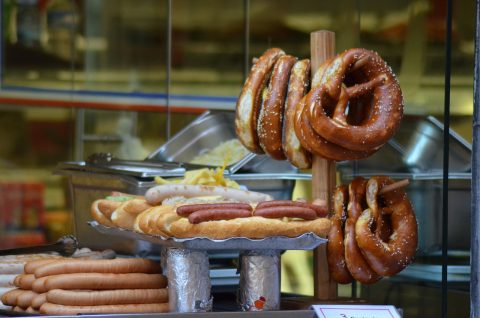
Street Foods & Snacks: Pretzels (Bretzel) are soft warm bread traditional snack. Pain d'épices (Gingerbread) ubiquitous, especially Christmas season. Kugelhopf and Kachkéis (cheese bread) from bakeries. Crêpes and waffles sold from street vendors. Chestnuts roasted in autumn.
Alsatian Wine Pairings: Riesling pairs with flammekuchen and lighter dishes. Gewürztraminer works with spiced foods and desserts. Pinot Gris complements cream-based dishes. Crémant d'Alsace (sparkling) for aperitifs. Wine by-the-glass widely available; many restaurants offer regional selections.
Dining Neighborhoods: Petite France offers tourist-oriented restaurants with river views and traditional cuisine (higher prices, variable quality). Krutenau Quarter provides authentic bistros and wine bars frequented by locals. Neustadt features upscale dining, international cuisine. Old Town near Cathedral has mixed options from casual to fine dining.
Restaurant Recommendations: Traditional establishments often offer menu du jour (daily special) Dining Customs: Lunch typically 12-2 PM, dinner 7-10 PM. Restaurants often close between meal services (2-6 PM). Tipping optional, rounding acceptable. Service usually included in bill. Dress code varies: casual for bistros, smart-casual for upscale. Reservations recommended for dinner, especially weekends. Cafés & Pastries: Café culture central to daily life. Coffee (espresso or crème) small and strong. Pastries from local bakeries exceptional. Breakfast options include croissants, pain au chocolat, or savory quiches. Sitting charges slightly higher; standing (comptoir) cheaper and locals' choice. Dietary Options: Vegetarian cuisine less emphasized than meat-centric traditional dishes. Most restaurants offer at least one vegetarian main course. International restaurants accommodate dietary restrictions. Vegan options increasingly available in newer establishments. Advance notice recommended for specific dietary needs.
Tourist Passes
Strasbourg Card
All-inclusive tourist pass providing unlimited tram and bus access plus discounts on museums, attractions, and tours. Includes Cathedral audioguide and river boat cruise discount. Best value for 1-3 day visits. Available 1, 2, or 3-day options. Free Wi-Fi at tourist information centers. Digital version available for mobile devices. Purchase at tourist information, hotels, or online.
www.strasbourg.euMuseum Pass (Strasbourg Musées)
Provides entry to all major Strasbourg museums including Palais Rohan (Fine Arts, Decorative Arts, Archaeological), Musée Alsacien, Musée Historique, and others. Available 1, 3, or 7-day options. Significant savings for museum enthusiasts visiting 3+ attractions. Does not include transportation. Can be combined with Strasbourg Card for complete tourist package.
musees.strasbourg.euAlsace Wine Route Pass
Multi-day pass covering wine tastings, winery visits, and wine bar entries throughout Alsatian Wine Route villages. Discounts on regional wines, accommodations, and restaurants in participating establishments. Transportation not included; self-drive or wine tour companies recommended. Complements day trips to wine country. Best purchased locally in wine region or advance online.
www.vins-alsace.com24/48/72-Hour Public Transport Pass
Unlimited tram and bus access for 24, 48, or 72 hours without museum or attraction discounts. Budget option for transport-only needs. More affordable than Strasbourg Card if museums not visited. Compatible with tourist attractions when purchased separately. Digital pass available through CTS Horaires app. Purchased from CTS kiosks or transport machines.
www.cts-strasbourg.eu