Things to do in Alsace
Alsace boasts some of France's most iconic landmarks, from soaring Gothic cathedrals to imposing medieval fortresses perched atop vineyard-covered hills. These architectural masterpieces tell the story of a region that has changed hands between France and Germany, creating a unique cultural heritage.
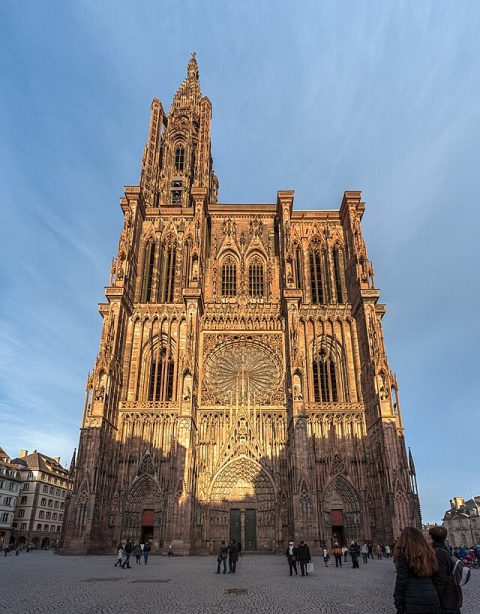
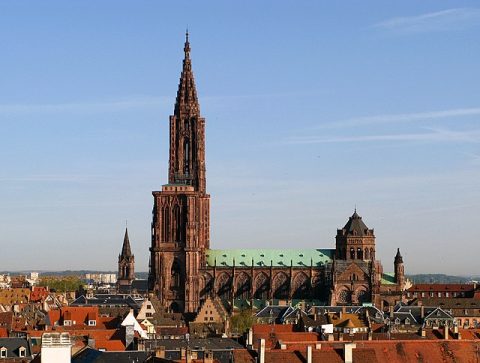
This magnificent Gothic cathedral stands as Strasbourg's most famous landmark and was once the tallest building in the world. Construction took an astounding 300 years to complete, resulting in intricate stonework that exemplifies 13th-century Gothic architecture. The cathedral features stunning stained glass windows, an astronomical clock that performs daily at 12:30 PM, and a viewing platform offering panoramic views. The cathedral survived World War II and stands as a testament to medieval craftsmanship. During the Christmas season, the cathedral becomes the centerpiece of Europe's most famous Christmas market.
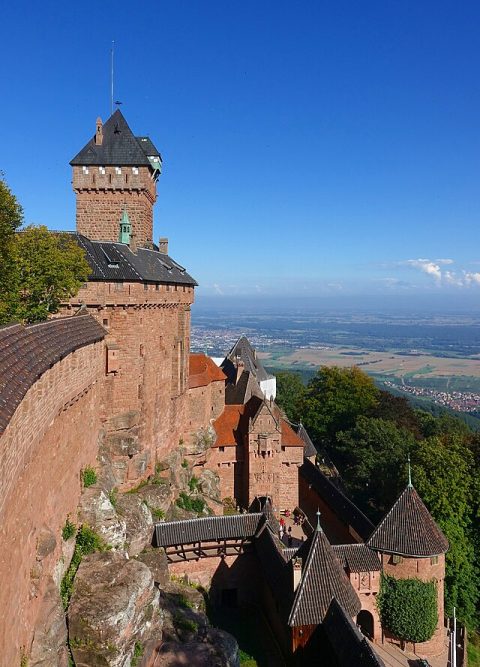
This imposing 12th-century fortress dominates the landscape from its mountain perch in the Vosges Mountains, offering spectacular views over the Alsace plains and vineyards. The castle was destroyed during the Thirty Years War and meticulously restored by Kaiser Wilhelm II in the early 1900s. Today, visitors can explore medieval rooms filled with period furniture, weaponry, and tapestries. The restoration showcases Prussian austere style while preserving historical authenticity. The castle is one of Alsace's most visited attractions, combining dramatic architecture with breathtaking panoramas that extend to the Black Forest on clear days.
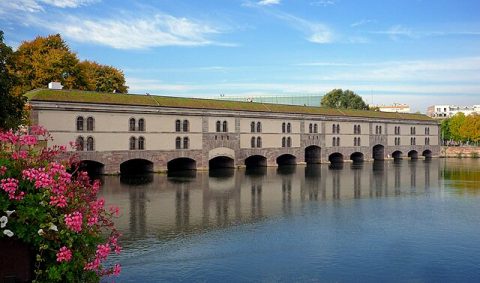
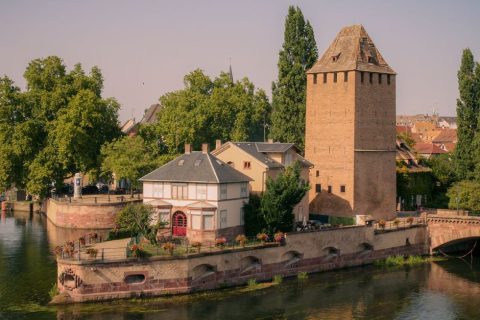
This historic dam and defensive structure was built in the late 17th century as part of Strasbourg's fortifications. The covered bridge features a panoramic terrace on its roof, offering magnificent views over the Ponts Couverts and the Petite France district. The structure served both as a defensive barrage and a flood control system. Visitors can walk across the top of the dam, enjoying scenic vistas of the Grande Île and its waterways. The architectural design demonstrates military engineering prowess of the era, combining functionality with impressive aesthetics.
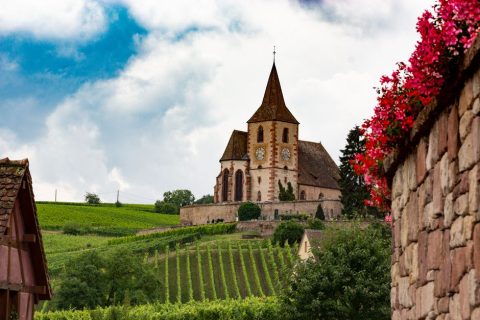
This stunning Gothic church in Thann is considered the second most beautiful Gothic church in Alsace after Strasbourg Cathedral. The collegiate church features remarkable architectural details including intricate stone carvings, impressive stained glass windows, and soaring vaulted ceilings. The building showcases excellent examples of Flamboyant Gothic style with ornate decorations. The church stands at the southern end of the Alsace Wine Route, making it a perfect cultural stop for wine tourists exploring the region.
Tips for Landmarks & Monuments
- Visit Strasbourg Cathedral early morning (8-9 AM) to avoid crowds and get better photos without tourists
- Book Haut-Koenigsbourg castle tickets online in advance; arrive at opening time to beat midday crowds
- The rooftop terrace of Barrage Vauban offers the best photo opportunities of Petite France during golden hour
- Many churches close during lunch hours (12-2 PM); plan visits accordingly
Alsace's museums showcase an impressive range of collections, from world-class automobile and railway heritage to exquisite medieval art. The region's industrial history comes alive through specialized technical museums, while cultural institutions preserve Alsatian traditions and European masterpieces.
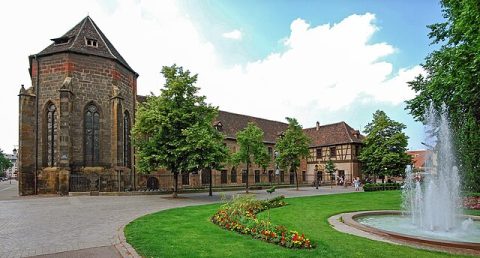
The most visited museum in Alsace holds the prestigious title of Musée de France and houses an extraordinary collection spanning from prehistoric times to modern art. The museum's crown jewel is the Isenheim Altarpiece by Matthias Grünewald, considered one of the greatest masterpieces of German Renaissance art. The collection also features works by Picasso, Monet, and other renowned artists. Housed in a former 13th-century Dominican convent, the building itself is architecturally significant. The museum underwent major renovations, adding contemporary exhibition spaces while preserving historical character. The diverse collection includes archaeological artifacts, decorative arts, regional folk art, and fine arts from multiple periods.
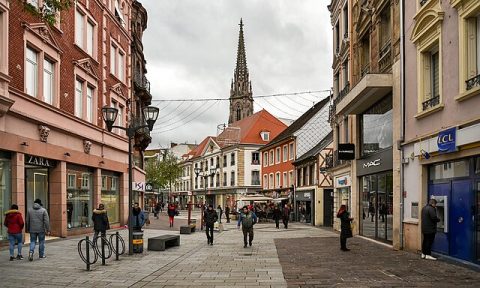
The world's largest automobile museum houses the legendary Schlumpf Collection with over 400 prestigious European cars dating from 1878 to present. The museum showcases the world's most important collection of Bugattis, including the sublime Royale Type 41 Coupé de Ville. All major European manufacturers are represented, tracing the complete history of automotive development. The museum features separate halls for sports cars, luxury vehicles, and racing champions. Interactive exhibits allow visitors to understand automotive technology evolution. Temporary exhibitions regularly highlight specific manufacturers or themes. The on-site restaurant offers meals at reasonable prices, and visitors can even drive certain exceptional cars for an additional fee.
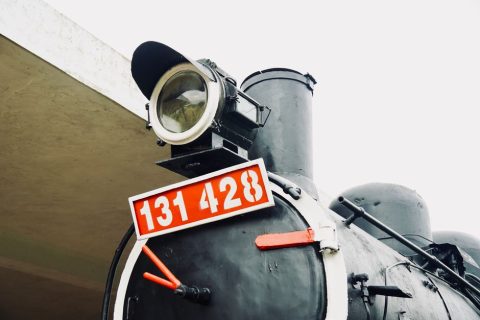
Europe's largest railway museum covers 60,000 square meters and ranks among the ten largest railway museums worldwide. The collection includes over 100 historic locomotives and railway vehicles representing French railway heritage from 1844 to present day TGV trains. The museum features two main sections: a themed exhibition route recreating railway history through immersive displays, and the historical platform showcasing chronological evolution. Visitors can board vintage carriages, including Napoleon III's elegant coach and Orient Express cars with mannequins of Hercule Poirot. The museum demonstrates a working steam locomotive every 20 minutes. Outside exhibits include a working railway turntable and opportunities to ride a 1950s diesel train on private tracks or mini trains around the grounds.
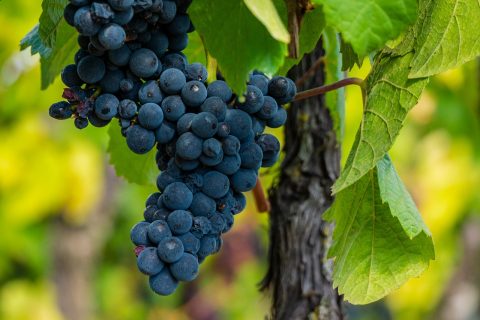
This museum explores the historic culture of Strasbourg and Alsace through fascinating exhibits of traditional clothing, household artifacts, furniture, tools, and crafts. The museum occupies three interconnected Renaissance-era houses along the waterways of old Strasbourg. Collections showcase rural and urban Alsatian life from the 18th and 19th centuries. Exhibits include traditional costumes, religious folk art, pottery, furniture, and toys. The museum provides insight into daily life, customs, and traditions that shaped regional identity. Room recreations display authentic period interiors.
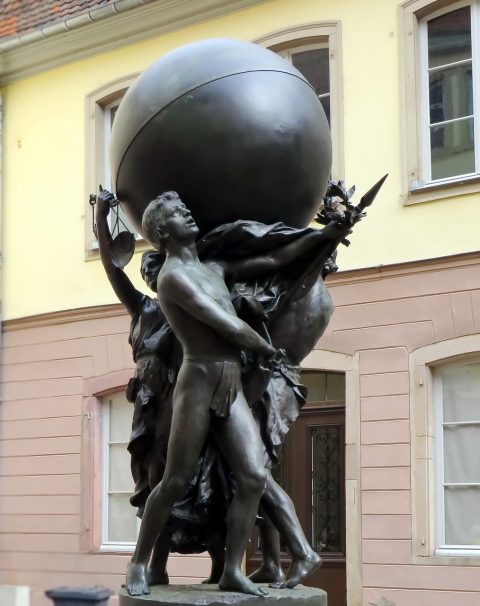
This unique museum is dedicated to the history and development of electricity from early discoveries to modern applications. The centerpiece is the impressive 170-ton Sulzer-BBC steam machine that once powered a textile mill, demonstrated in action daily. Interactive exhibits make complex electrical concepts accessible and engaging. The museum traces electricity's vital role in industry, household life, and technological advancement. Displays include scientific instruments, vintage electrical appliances, and evolution of power generation. The museum offers educational programming that makes physics and engineering approachable for all ages.
Tips for Museums & Galleries
- Combined tickets are available for Cité du Train and Electropolis museums in Mulhouse, saving €5 on adult admission
- Both Mulhouse technical museums have free parking and are accessible via tram line 3 to 'Musées' stop
- Museum restaurants in Mulhouse offer good meals at reasonable prices - perfect lunch breaks during visits
- Many museums offer guided tours in English - check websites for schedules and book ahead
- Strasbourg Pass and Pass'Alsace include free entry to multiple museums
The spiritual landscape of Alsace reflects centuries of religious devotion and architectural achievement. From romanesque abbeys nestled in valleys to pilgrimage sites perched on mountaintops, these sacred spaces offer both cultural significance and peaceful contemplation.
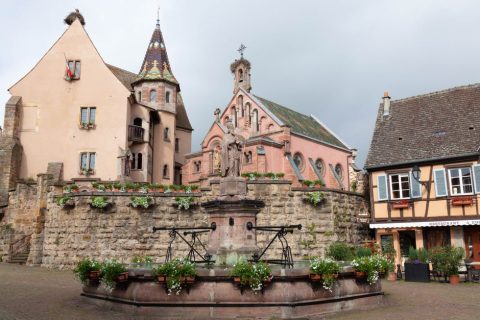
This important pilgrimage site sits atop a mountain in the Vosges, offering spectacular panoramic views of the Alsace countryside. Sainte-Odile is the patron saint of Alsace, and the convent has been a spiritual center since the 7th century. On clear days, visitors can see Strasbourg's Notre Dame Cathedral from the terrace. The site includes a hotel for overnight stays, allowing pilgrims to experience sunrise from the abbey terrace. A steep hiking trail connects Rosheim to the convent, popular with both pilgrims and outdoor enthusiasts. The monastery complex features chapels, cloisters, and religious artifacts. Visitors can also drive or take a bus from Strasbourg. The site combines spiritual significance with natural beauty and historical architecture.
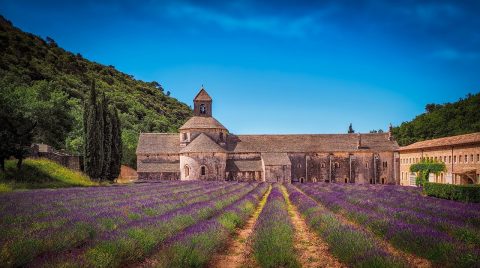
This stunning Romanesque abbey dates to the 11th century and represents one of the most important religious monuments in the Haut-Rhin department. The abbey church showcases exceptional Romanesque architecture with its distinctive twin towers. Though partially ruined, the remaining structures demonstrate remarkable medieval craftsmanship. The abbey is nestled in a picturesque valley setting surrounded by forests. The site offers peaceful atmosphere perfect for contemplation and photography. Historical significance stems from its role as a major Benedictine monastery during the Middle Ages.
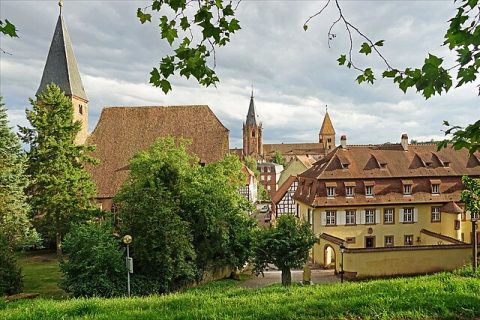
This impressive abbey complex has anchored Wissembourg since the 7th century when monks first established the site and developed surrounding vineyards. The abbey played a crucial role in the region's religious and economic development. The architectural ensemble includes church buildings spanning multiple centuries of construction. The abbey location near the German border reflects the area's cross-cultural religious heritage. Visitors can explore the church interior and learn about monastic life that shaped the town.
Tips for Religious Sites
- Mont Sainte-Odile hotel requires advance booking, especially for weekend stays
- The hiking trail from Rosheim to Mont Sainte-Odile is steep - allow 2-3 hours climbing time
- Most abbeys and churches close during midday (12-2 PM) - verify opening hours before visiting
- Dress modestly when visiting active religious sites
- Early morning or late afternoon visits offer the best lighting for photography
Alsace's historic quarters transport visitors to medieval times with their half-timbered houses, cobblestone lanes, and charming canals. These neighborhoods preserve centuries of architectural heritage and local character, offering endless photo opportunities and authentic atmosphere.
This enchanting historic neighborhood is Strasbourg's most picturesque district, featuring serene cobblestone roads lined with beautifully preserved 16th-century half-timbered buildings. The quarter sits on several canals and waterways creating a romantic atmosphere reminiscent of Venice. Originally home to tanners, fishermen, and millers, the area has been meticulously restored while maintaining authentic character. Charming bridges cross the waterways, and the Covered Bridges (Ponts Couverts) mark the entrance. Fine restaurants occupy historic buildings, offering Alsatian specialties with canal views. The district becomes especially magical during evening when buildings illuminate. Wandering the narrow lanes reveals hidden courtyards, flower-bedecked windows, and architectural details. The area offers the best concentration of Instagram-worthy scenes in Strasbourg.
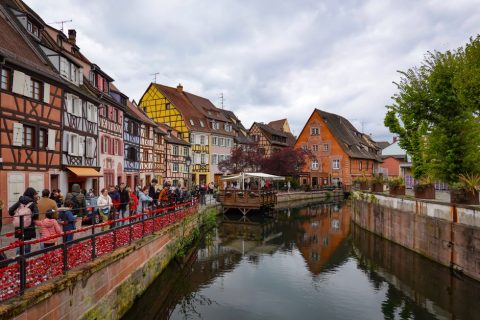
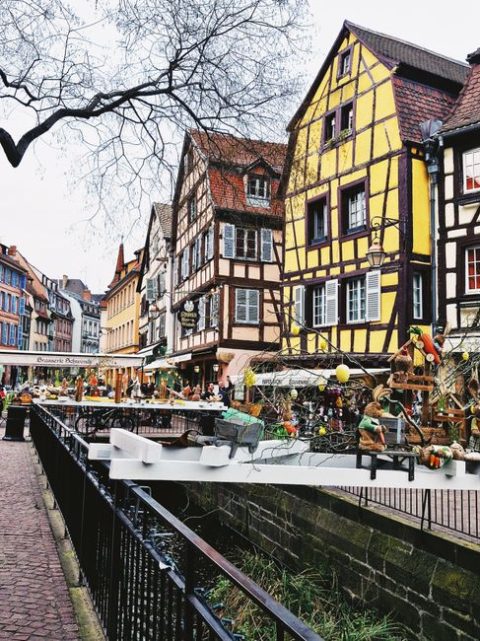
This romantic district earns its name from the picturesque course of the Lauch river lined with colorful half-timbered houses on both banks. The waterway creates Venice-like ambiance in the heart of Colmar. Traditional Alsatian architecture displays vibrant facades painted in pastels - yellow, pink, blue, and green. Flower boxes overflow from every window during warm months. The quarter offers boat rides along the canal, providing unique perspectives of the historic buildings. Numerous restaurants and cafes line the waterfront, serving regional cuisine. The area combines medieval charm with lively modern atmosphere, making it Colmar's most photographed location. Walking along the canal paths at different times of day reveals changing light on the colorful facades.
This UNESCO World Heritage island is enclosed by the Ill River and represents Strasbourg's historic heart. The district encompasses the cathedral quarter, medieval streets, elegant squares, and significant monuments. The area perfectly blends Gothic, Renaissance, and German architecture. Major landmarks include the cathedral, Rohan Palace, and Kammerzell House. Pedestrian zones allow leisurely exploration of boutique shops, traditional winstubs (taverns), and cultural sites. The Grande Île becomes extraordinarily festive during Christmas market season when decorated stalls fill the squares.
Tips for Neighborhoods & Districts
- Visit Petite France early morning (7-8 AM) for photography without crowds and beautiful light
- Boat tours through Strasbourg and Colmar waterways provide unique architectural perspectives
- Many restaurants in historic quarters require reservations, especially on weekends
- Wear comfortable walking shoes - cobblestone streets can be uneven
- Evening visits reveal different character as buildings illuminate and restaurants come alive
Wine Route Villages
The legendary 170-kilometer Alsace Wine Route winds through more than 70 picturesque villages, each showcasing colorful half-timbered houses, flower-laden windowsills, and world-class wineries. These fairytale settlements represent the heart and soul of Alsatian culture, combining medieval charm with exceptional wine heritage.
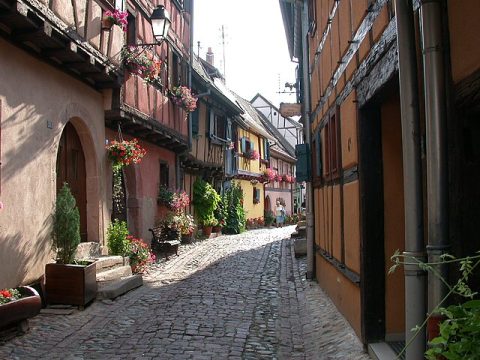
Ranked among France's Most Beautiful Villages and winner of 'France's Favorite Village' in 2013, Eguisheim is a medieval gem built in concentric circles around its central castle square. The village is surrounded by 13th-century walls and features extraordinary colorful half-timbered houses with flower-bedecked windows. Walking the circular streets always returns visitors to their starting point, creating a unique exploratory experience. The village is overlooked by three castle ruins on Schlossberg hill, birthplace of Pope Leo IX. Discovery trails guide visitors past remarkable buildings with inscriptions on ancient lintels. Wine cellars operated by families tracing 13 generations offer tastings of exceptional Alsatian wines. The compact size allows thorough exploration in just an hour or two, though the charming atmosphere encourages longer stays.
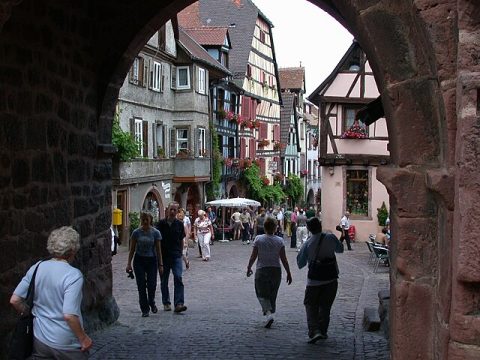
Nicknamed 'the Little Pearl of Alsace,' Riquewihr is an outstanding example of a perfectly preserved medieval town that survived wars untouched. The village is surrounded by double walls dating from the 13th century, with the Dolder watch tower serving as its emblem. The main street features rows of magnificent half-timbered and stone buildings, some dating to the Middle Ages, others to the Renaissance. Adjacent lanes reveal houses with fine oriel windows and architectural details. Riquewihr hosts numerous wine-growing families, some tracing lineages back 13 generations, whose wine cellars showcase exceptional collections including massive historic wine barrels. The village's pristine preservation makes it one of Alsace's most visited destinations, though this popularity means crowds during peak seasons.
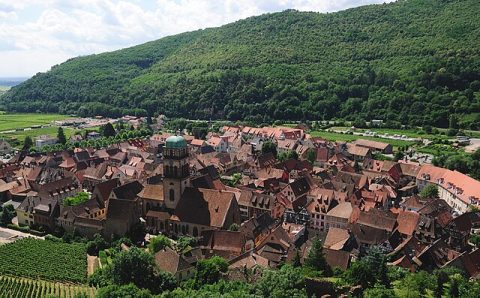
Elected 'France's Most Beautiful Village' by French citizens in 2017, Kaysersberg combines medieval architecture with wine heritage. The first Hungarian vines were imported to this village in the 16th century, establishing its viticultural importance. The town features cobblestoned streets lined with half-timbered houses and a beautiful fortified bridge. Castle ruins on Schlossberg mountain, dating to the 1200s, offer panoramic views over vineyards after a scenic climb. The cylindrical keep remains intact from this ancient fortress. The village maintains excellent balance between tourism and authentic local life. During Christmas season, Kaysersberg hosts an enchanting market that showcases Alsatian traditions.
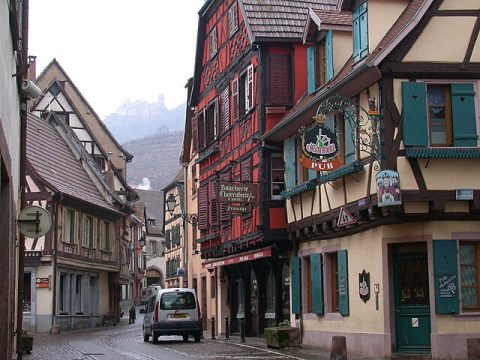
This charming medieval town offers beauty and character while maintaining more authentic local life compared to its touristy neighbors. The town features magnificent half-timbered houses discovered during strolls through paved streets. Three castle ruins crown the hillside creating a dramatic backdrop. The town hosts wonderful lunch options, though reservations are necessary as many restaurants close around 2 PM. The Cave de Ribeauvillé at the town's edge offers wine tastings and educational experiences. The balance between tourist attractions and residential life creates a welcoming atmosphere.
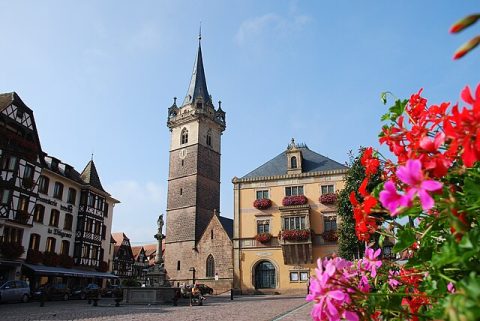
This lesser-known but essential stop combines authentic Alsatian character with practical amenities. The town features old ramparts, a large central Place du Marché hosting Thursday morning markets, nice shops, and genuine local life beyond pure tourism. Located near Mont Sainte-Odile, Obernai serves as an excellent base for regional exploration. The town maintains traditional architecture while offering modern conveniences. The Thursday market can be extremely crowded, making parking challenging, but provides authentic local shopping experiences.
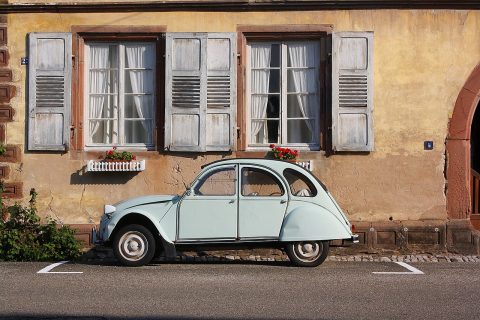
Encircled by brown medieval walls, Bergheim conceals a surprisingly charming old town that's not visible from outside. The compact village concentrates its prettiest buildings along two main streets and the town square. Entry through the only remaining medieval gate (Porte Haute) leads to Grand Rue with the church and town hall, then parallel Rue des Vignerons returns to the starting point. A small witches' museum educates visitors about medieval persecution. During wine festivals, the village comes alive with locals celebrating in festive atmosphere. The walled town offers authentic experiences away from overwhelming tourist crowds.
Tips for Wine Route Villages
- Visit villages early morning (before 10 AM) to avoid tour bus crowds and get better photos
- Book wine tastings in advance, especially during summer and Christmas holidays
- Many restaurants close between 2-6 PM and require reservations on weekends
- Parking can be extremely limited; arrive early or use designated parking areas outside village centers
- The Kutzig hop-on-hop-off bus (seasonal) connects major wine route villages from Colmar
- Autumn (September-October) offers beautiful vineyard colors with fewer crowds than summer
Beyond its medieval villages and vineyards, Alsace offers diverse natural landscapes from the rolling Vosges Mountains to serene urban parks. These green spaces provide hiking trails, wildlife viewing, and peaceful retreats from cultural touring.
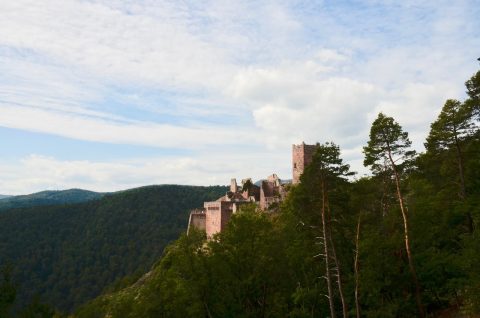
Strasbourg's oldest and most beloved public park covers expansive grounds offering beautiful landscapes for strolling and relaxation. The park features a small lake with boat rentals, formal gardens, tree-lined pathways, and wide lawns perfect for picnics. A small zoo houses storks, the symbol of Alsace, along with other regional animals. The Pavillon Joséphine, a neoclassical building, hosts events and exhibitions. Children's playgrounds and restaurants provide family amenities. The park becomes especially pleasant during spring when flowers bloom and summer when shade trees provide relief from heat.
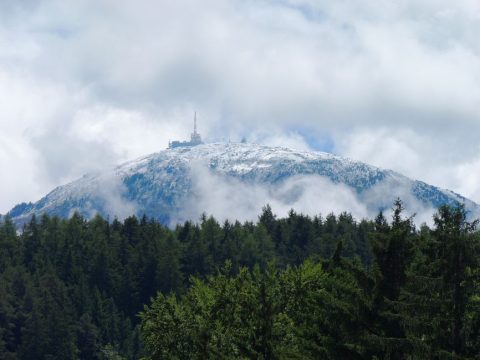
This protected natural park occupies much of western Haut-Rhin, offering spectacular mountain scenery with hiking trails, cycling routes, and viewpoints. The Grand Ballon is the highest point in the Vosges Massif, providing panoramic views. The park features diverse landscapes including forests, alpine meadows, mountain lakes, and traditional Vosges farms. Over 1,700 kilometers of marked trails wind through the region. The park appeals to outdoor enthusiasts seeking hiking, mountain biking, and winter skiing. Several impressive viewpoints are accessible by car, making mountain scenery available to all fitness levels.
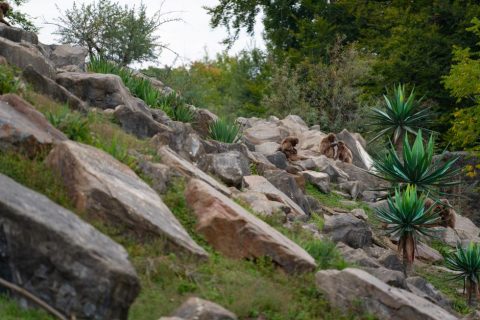
This unique wildlife park near Kintzheim allows visitors to walk among over 200 Barbary macaques roaming freely in a forest environment. The experience provides close encounters with primates in semi-natural habitat. Guides provide information about monkey behavior and conservation. The park is located near Château du Haut-Koenigsbourg and Eagle park, making it perfect for family day trips. Special feeding times allow interaction under supervision. The forest setting creates an immersive experience different from traditional zoos.
Tips for Parks & Gardens
- Hiking in the Vosges requires proper footwear and weather-appropriate clothing
- Animal parks like Montagne des Singes are more active during morning feeding times
- Bring picnic supplies for parks - many lack food facilities
- Check weather forecasts before mountain excursions as conditions change rapidly
- Some natural sites have seasonal closures during winter months
Discover Alsace through curated experiences including wine tastings, guided tours, cooking workshops, and specialized activities that reveal the region's cultural richness and traditions in engaging, hands-on ways.
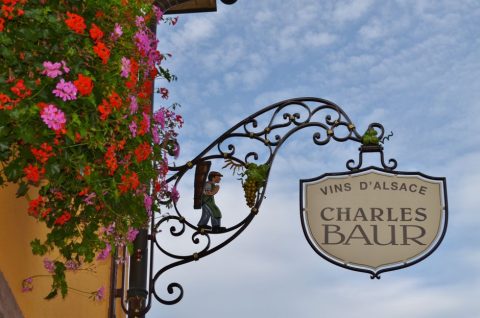
Organized wine tours provide stress-free exploration of the 170-kilometer Wine Route stretching from Marlenheim to Thann. Professional guides lead small groups through picturesque villages like Eguisheim, Riquewihr, and Kaysersberg with stops at family-owned wineries for tastings. Tours typically include visits to 3-4 villages and 2-3 wine cellars, allowing participants to sample Riesling, Gewurztraminer, Pinot Gris, and Crémant d'Alsace. Expert commentary covers winemaking traditions, terroir, and regional history. Half-day and full-day options depart from Strasbourg or Colmar. The convenience of organized tours eliminates driving concerns while maximizing village exploration time.
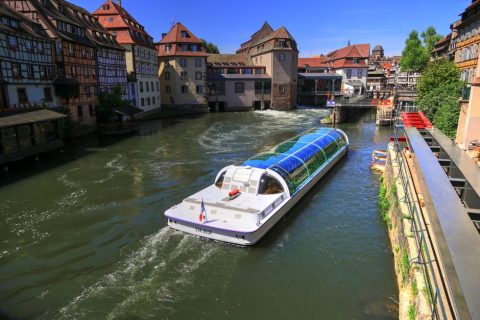
Panoramic boat cruises navigate the waterways of Strasbourg, providing unique perspectives of UNESCO-listed Grande Île, Petite France quarter, and European institutions. The 70-minute tours pass under historic covered bridges, along canals lined with half-timbered houses, and through modern European Quarter showcasing contemporary architecture. Multilingual audio guides explain landmarks and history. Glass-topped boats allow comfortable viewing regardless of weather. Evening cruises offer illuminated city views. Boats depart from multiple locations including near the cathedral. The water-level perspective reveals architectural details invisible from streets and provides excellent photo opportunities.
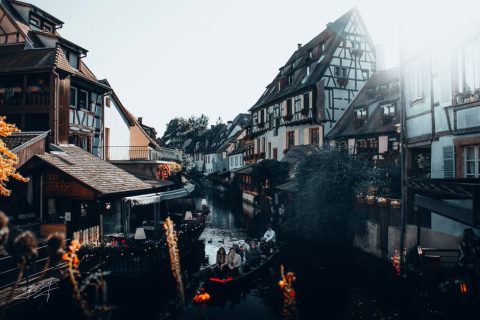
Traditional flat-bottom boats glide through Colmar's Little Venice district, offering romantic canal tours past colorful half-timbered houses. The 25-30 minute rides provide intimate views of medieval architecture reflected in still waters. Boatmen share stories about the quarter's history as home to tanners and fishermen. The slow pace allows appreciation of architectural details and flower-bedecked facades. Tours operate year-round with covered boats during colder months. Evening rides capture magical atmosphere as buildings illuminate. Departure points are located in the Petite Venise area near rue Turenne.
Alsatian Cooking Classes
Hands-on cooking workshops teach preparation of traditional Alsatian specialties like tarte flambée, choucroute garnie, kougelhopf, and bredele cookies. Classes take place in historic kitchens or wine estates, combining culinary instruction with cultural immersion. Professional chefs or passionate locals share family recipes and techniques passed through generations. Participants prepare complete meals then enjoy their creations paired with Alsatian wines. Classes range from 2-hour sessions focusing on single dishes to full-day gastronomic experiences. Many include market visits to select fresh ingredients. The interactive format provides authentic cultural connection beyond typical restaurant dining.
Bicycle Tours Along Wine Route
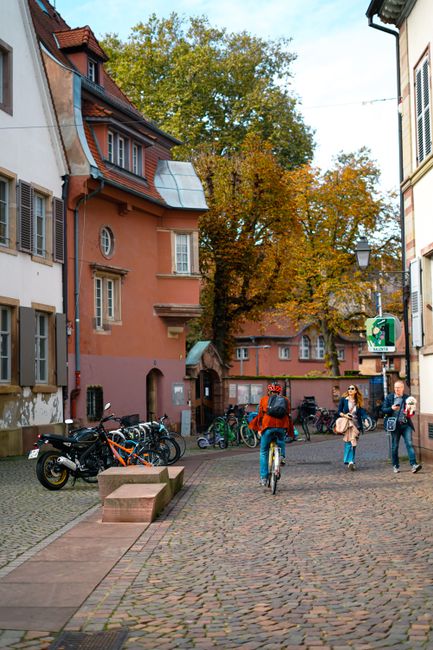
Cycling tours offer active exploration of vineyard landscapes and wine villages along dedicated bike paths. Gentle terrain makes routes accessible to casual cyclists, though e-bikes are available for easier riding. Guided tours typically cover 20-30 kilometers, stopping at villages for exploration and wineries for tastings. The pace allows appreciation of countryside views and photo stops at scenic viewpoints. Self-guided options with GPS routes and bike rentals provide flexibility. The Alsace Wine Route features well-marked cycling infrastructure with minimal car traffic on most sections.
Tips for Tours & Activities
- Book wine tours well in advance during summer and Christmas market season
- Boat tours in both cities have frequent departures - advance booking usually unnecessary except weekends
- Many cooking classes include wine pairings - confirm if included in price
- E-bike rentals recommended for Wine Route cycling, especially for hilly sections
- Some experiences offer hotel pickup from Strasbourg or Colmar - verify when booking
Alsace's strategic location enables fascinating day trips to neighboring regions and countries. From German Black Forest towns to Swiss Basel and charming Lorraine villages, the area offers diverse cross-border adventures within easy reach.
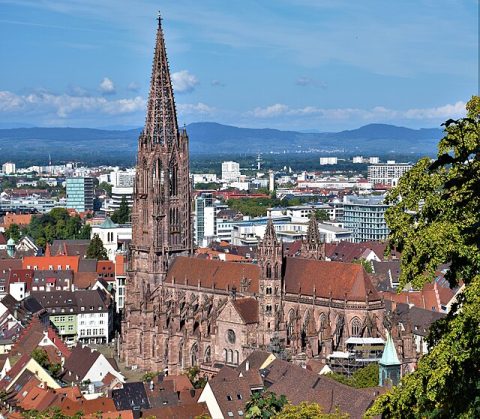
This vibrant German university city lies just across the border, approximately one hour from Strasbourg. Freiburg features a beautiful medieval old town with colorful facades, Gothic cathedral, and unique Bächle (small water channels) running through streets. The city is gateway to the Black Forest, offering hiking trails and scenic drives. The historic center combines Gothic, Renaissance, and Baroque architecture. Local markets sell regional products and crafts. The city's environmental consciousness creates pleasant urban atmosphere with extensive pedestrian zones and tram network. Day trips easily combine city exploration with Black Forest excursions.
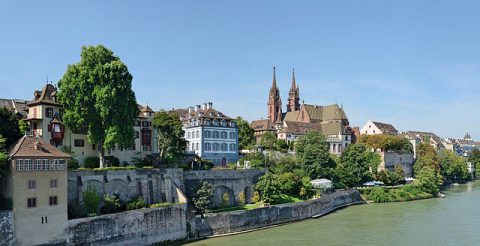
Switzerland's cultural capital sits where France, Germany, and Switzerland converge, about 90 minutes from Colmar. Basel features over 40 museums including the renowned Kunstmuseum with works from Holbein to contemporary artists. The medieval old town clusters around the Gothic cathedral with Rhine River views. The city combines German-speaking Swiss culture with international flair. Regular river ferries cross the Rhine. The city's position at the tri-border junction makes it fascinating destination exploring three countries' cultural intersections. Day trips can include lunch in Switzerland, afternoon museum visits, and old town strolling.
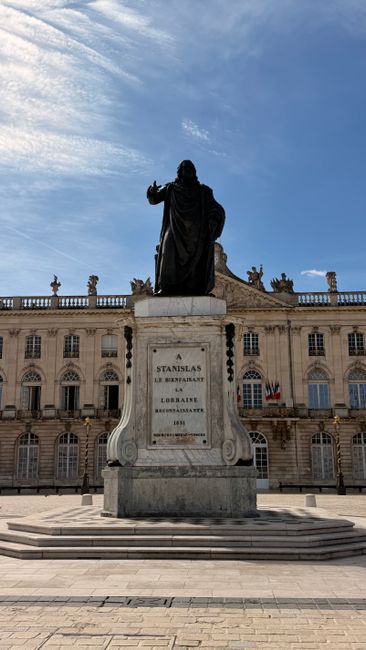
The historic capital of Lorraine lies about 90 minutes west of Strasbourg, showcasing UNESCO-listed Place Stanislas, one of Europe's most beautiful squares. The 18th-century square combines baroque architecture with gilded wrought-iron gates. Nancy features Art Nouveau architecture from the School of Nancy movement, with decorated buildings throughout the city. Museums include the Musée de l'École de Nancy and Fine Arts Museum. The city's culinary specialties include bergamotes candies and macarons. Day trips easily accommodate square exploration, museum visits, and local dining experiences.
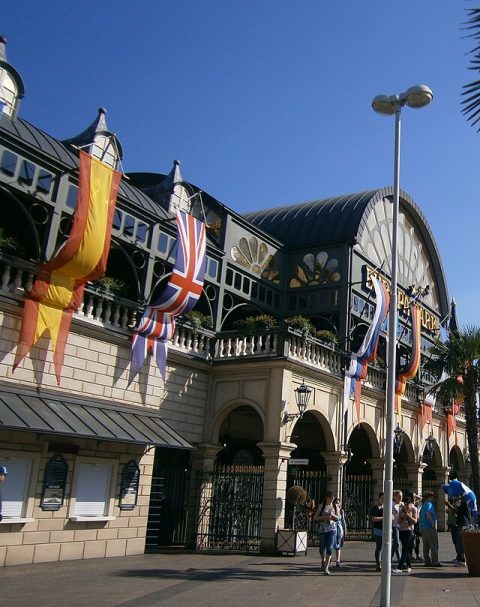
Germany's largest theme park sits just 30 minutes north of Strasbourg across the border. The park features over 100 attractions and shows themed around European countries. Roller coasters, family rides, and seasonal events provide entertainment for all ages. The park maintains high-quality standards with immersive themed areas. Seasonal events include Halloween celebrations and winter Christmas market atmosphere. Full-day visits are recommended to experience major attractions. The park offers dining options representing various European cuisines.
Tips for Day Trips & Excursions
- Bring passport for cross-border trips - required for Switzerland, recommended for Germany
- Check currency - Switzerland uses Swiss Francs (CHF), Germany and France use Euros
- Train connections from Strasbourg reach Freiburg, Basel, and Nancy efficiently
- Europa-Park tickets are cheaper when purchased online in advance
- Consider organized day tours for stress-free border crossings and navigation
Alsace is the undisputed heart of France's Christmas market tradition, with Strasbourg's Christkindelsmärik tracing its roots back to 1570 as the oldest in the country.
Half-timbered villages along the Alsace Wine Route glow with lights, mulled wine stalls, and handcrafted ornaments throughout December, making the region a top winter pilgrimage for holiday travelers.
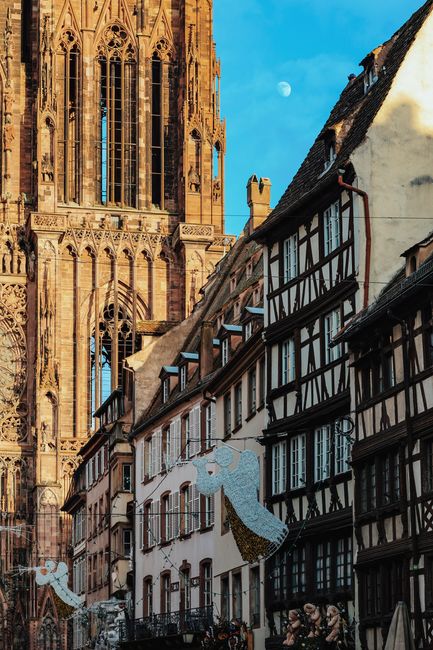
Strasbourg's Christkindelsmärik (Christ Child Market) is the oldest Christmas market in France, dating to 1570, and one of the largest in Europe with over 300 wooden chalets spread across Place Broglie, Place de la Cathédrale, and the historic Petite France district. In December 2026 the market is expected to run from roughly late November through December 30, framed by a towering illuminated fir tree on Place Kléber. Stalls sell mulled wine (vin chaud), bredele cookies, kougelhopf, and Alsatian handicrafts beneath the glow of the Gothic cathedral, which hosts a nightly light show. Visitors should expect large evening crowds, especially on weekends, and dress warmly for the riverside chill. Combining the market with a stroll through Petite France's canals gives the full postcard experience of an Alsatian winter.
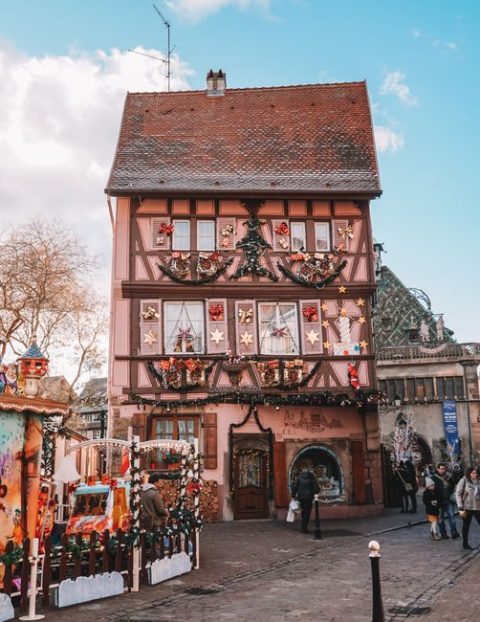
Colmar spreads its Christmas market across five themed squares in its beautifully preserved old town, including Place des Dominicains, Place Jeanne d'Arc, and the picturesque Petite Venise canal district. Expected to operate through most of December 2026, typically opening late November and closing around December 30, the market pairs half-timbered, flower-box facades with twinkling lights reflected in the canals. Each square has its own character, from artisan crafts to children's activities and regional gastronomy stalls serving flammekueche and spiced wine. Colmar's compact, walkable center makes it easy to see multiple market zones in a single evening. The town is often cited as one of the most magical Christmas destinations in France, so early evening visits help avoid the densest crowds.
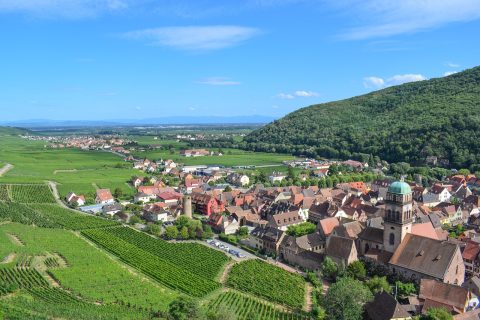
Kaysersberg, once voted France's favorite village, hosts an intimate Christmas market along its cobbled main street beneath a fortified medieval castle. Running through much of December 2026, the market favors local artisans over mass-produced goods, with woodcarvers, potters, and winemakers selling directly from small wooden stalls. The Weiss river runs through town, crossed by a fortified 15th-century bridge that looks especially striking strung with lights. It is smaller and far less crowded than Strasbourg or Colmar, making it a good half-day trip for travelers who prefer a quieter, more authentic village atmosphere. Pair the visit with a warm glass of Alsatian mulled wine and a walk up to the castle ruins for views over the rooftops.
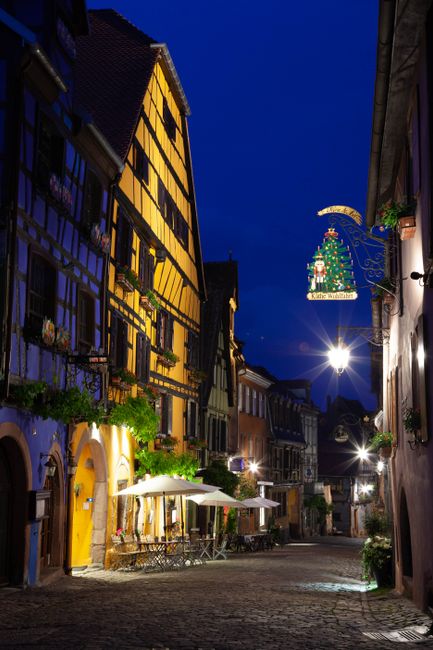
Riquewihr, one of the best-preserved medieval villages in Alsace, transforms into a fairy-tale setting each December with illuminated half-timbered houses, wreaths, and a compact Christmas market tucked into its fortified streets. The village's remarkably intact 16th-century walls and towers give the lights and decorations an especially dramatic backdrop compared to larger cities. Expect narrow, crowded lanes on weekends, so a weekday or early-morning visit is more comfortable. Local vendors sell Alsatian wine, gingerbread, and ornaments, and several wine cellars offer tastings for those exploring the surrounding vineyards. It's a popular stop on Alsace Wine Route day trips that also include Kaysersberg and Ribeauvillé.
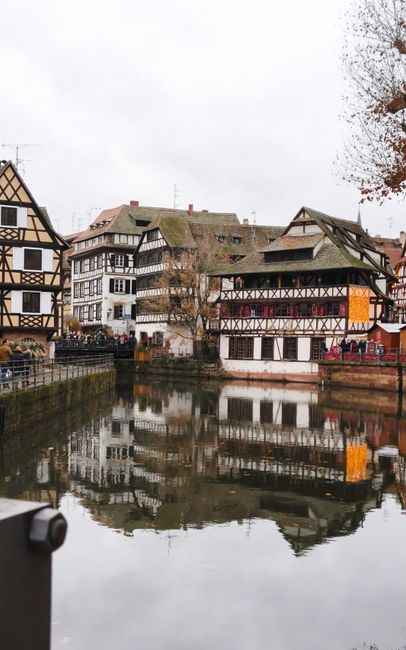
Alongside the traditional market stalls, Strasbourg sets up a seasonal ice-skating rink and winter village activities for families, typically operating through the same window as the Christkindelsmärik in December 2026. It's a good option for travelers seeking something beyond shopping and food stalls, especially with children. The rink sits near the main market squares, so it's easy to combine a skating session with browsing chalets and sampling roasted chestnuts or vin chaud. Evenings tend to be busiest; late-morning or early-afternoon slots are quieter. Skate rental is available on site, and warm layers are essential given the outdoor, unheated setting typical of Alsatian winters.
Tips for Christmas Market
- Book Strasbourg and Colmar accommodation well ahead — December weekends sell out fast across Alsace.
- Visit smaller villages like Kaysersberg and Riquewihr on weekdays or mornings to avoid the heaviest tour-bus crowds.
- Bring cash for small artisan stalls, and dress in layers with warm boots — Alsatian winters are cold and often damp.
- Check official town websites closer to December 2026, as exact opening and closing dates shift slightly year to year.
- Renting a car makes it easy to combine several villages along the Alsace Wine Route in a single day.
When the half-timbered facades go dark, Alsace swaps marché de Noël charm for a livelier after-hours scene. Strasbourg anchors the region with student-driven bars, jazz cellars, and riverside terraces, while Colmar and Mulhouse offer smaller but spirited wine bars and live-music spots. Expect a mix of Alsatian beer culture, natural wine bars, and the occasional rooftop with views over the timbered rooftops.
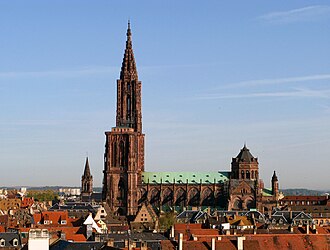
The Krutenau quarter, just south of the Grande Île, is Strasbourg's densest cluster of bars and student haunts, centered on Rue des Frères and Rue de Zurich. Come evening the narrow streets fill with people spilling out of pubs, cocktail dens, and cheap-beer taverns, many run by the university crowd. It is the go-to zone for a bar crawl rather than a single destination, with everything from Irish pubs to natural wine bars within a five-minute walk. Weeknights lean mellow with locals nursing a pint after work; weekends get considerably rowdier with music spilling onto the pavement. It is unpretentious, affordable, and a good contrast to the more polished tourist zones nearby. Come hungry too, as several late-night flammekueche spots stay open to soak up the evening.
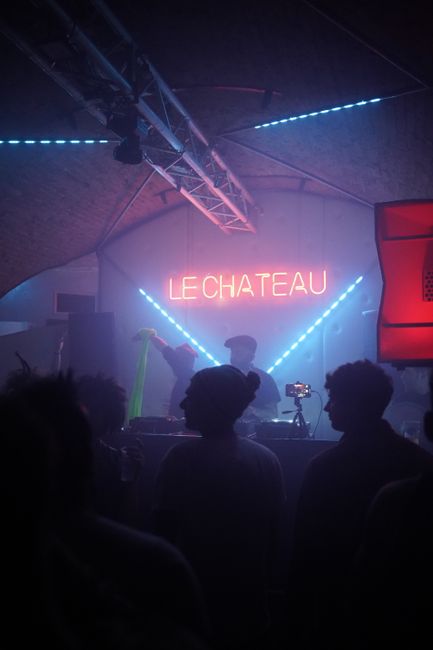
A compact concert venue near the city center hosting touring indie bands, funk and soul nights, and DJ sets several times a week. The room is small enough to feel like a proper gig rather than an arena show, with a bar pouring regional microbrews and reasonably priced cocktails between sets. Programming shifts constantly, so checking the schedule ahead of a visit is worthwhile, but there is almost always something on Thursday through Saturday. It draws a mixed local crowd of students and young professionals rather than tourists, giving a genuine feel for Strasbourg's contemporary music scene beyond the historic-center postcard image. Expect a cover charge for bigger acts and free entry for open-mic or DJ nights. Doors typically open around 8pm with shows running late.
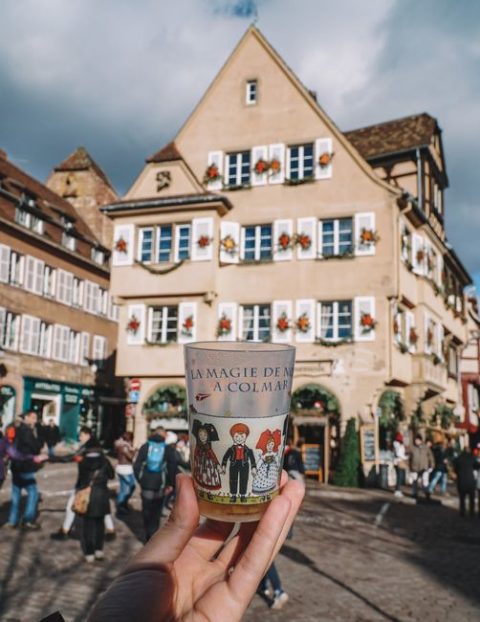
Colmar's nightlife leans toward wine rather than clubbing, and the streets around Place de l'Ancienne Douane host a cluster of cozy caves à vin pouring Riesling, Gewurztraminer, and Pinot Gris by the glass alongside regional cheese and charcuterie boards. Many occupy centuries-old timbered cellars, giving the evening a warm, candlelit atmosphere quite different from typical bar culture elsewhere. Some venues bring in acoustic guitarists or accordion players on weekend evenings, leaning into the Alsatian folk-tavern feel rather than loud club energy. It suits travelers looking for a mellow, sociable evening rather than late-night dancing, with most places winding down by midnight. Locals and visitors mix easily at shared communal tables. Reservations help in peak summer and Christmas-market season when tables fill quickly.
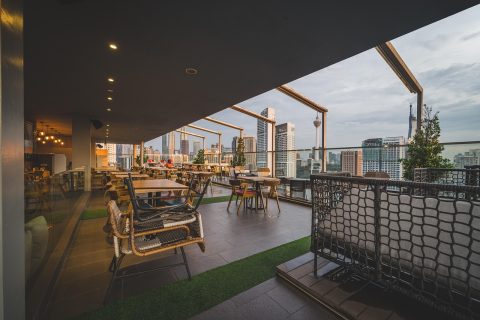
Strasbourg's skyline is low-rise by design, so its handful of rooftop and terrace bars near the cathedral spire offer a rare elevated view over the pink sandstone rooftops and Rhine plain beyond. These terraces serve Alsatian crémant, regional gin infusions, and small plates through the warmer months, transitioning to heated, covered setups in cooler weather. Sunset is the prime hour, when the cathedral's silhouette catches the light and the crowd shifts from after-work drinks to a livelier evening scene with soft DJ sets. Reservations are strongly advised on weekends since seating is limited and views sell out fast. It is a relaxed, upscale alternative to the student-bar scene, popular with couples and visiting professionals. Dress is smart-casual rather than club attire.
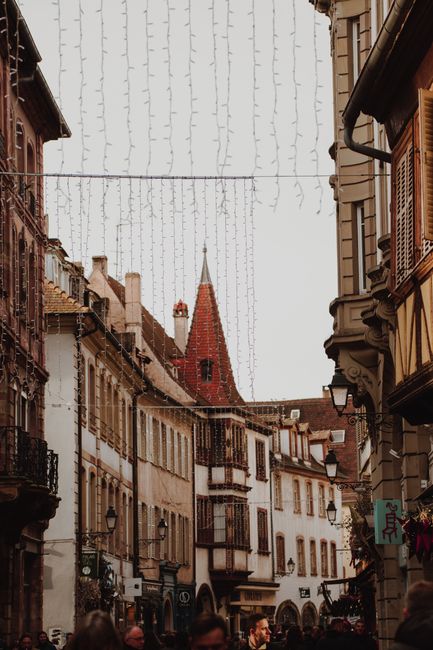
Mulhouse's evening scene concentrates around Rue des Bons Enfants and the nearby pedestrian center, with a run of bars, a couple of small nightclubs, and late-night snack counters catering to a younger, industrial-city crowd distinct from the more polished tourist bars of Colmar and Strasbourg. It is less curated and more workaday, popular with locals rather than visitors, which gives it an authentic, unfussy energy. Weekend nights bring out DJ sets in a couple of the larger bars, while smaller pubs stick to football on the television and cheap draft beer. It is a reasonable stop for travelers wanting a lower-key, budget-friendly night out after a day at the automobile or railway museums nearby. Most venues are within easy walking distance of the tram stops, making a late return simple.
Tips for Nightlife & Entertainment
- Strasbourg's Krutenau district is the most walkable option for hopping between several bars in one night
- Book rooftop terraces ahead in summer, they fill quickly around sunset
- Many Colmar wine cellars close earlier than typical bars, plan a wine-focused evening rather than a late night out
- Public transport (tram/bus) runs late on weekends in Strasbourg but is limited in smaller towns, so confirm return options before heading out
Alsace rewards families with an easy mix of hands-on science, storybook fantasy, and animals up close, all set among half-timbered villages and vineyards. Many of the region's best kid-friendly stops are just outside Strasbourg and Colmar, making them simple to combine with a day of sightseeing. Expect playgrounds, gentle rides, and interactive exhibits designed for children from toddler age through the early teens.
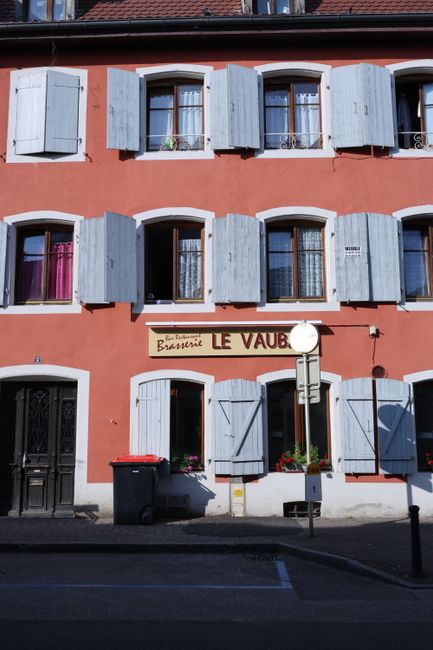
Strasbourg's dedicated science center for children puts hands-on discovery ahead of glass display cases. Spread across indoor halls and an outdoor garden, exhibits let kids build, splash, and experiment their way through themes like the human body, construction, and the natural world, with sections tailored to different age groups from toddlers to young teens. Staff run scheduled workshops and demonstrations throughout the day, and there is a picnic area plus a small cafe for breaks. It works well as a rainy-day plan since most of the building is indoors, though the outdoor water-play zone is a summer highlight. Because everything is designed for touching and testing, even children too young to read the explanatory panels stay engaged. It is a short tram ride from central Strasbourg, making it an easy half-day addition to a city visit without needing a car.
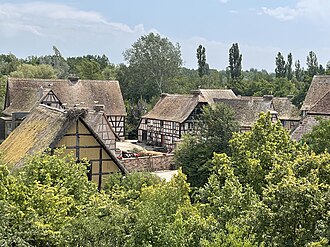
This is the largest open-air museum in France, a reconstructed Alsatian village built from more than 70 relocated historic buildings, complete with costumed craftspeople, farm animals, and a working bakery. Children can wander freely between a blacksmith's forge, a schoolhouse, orchards, and ponds, watch storks nesting on rooftops, and ride an old-fashioned carousel or a miniature train depending on the season. Several playgrounds and animal enclosures are scattered through the site, so younger kids have plenty of places to run rather than just look. Seasonal events add extra pull, from harvest festivals to a well-loved winter lights display. The scale means a full day is realistic, though families with very young children can comfortably see the highlights in a shorter visit. Paths are mostly flat gravel and grass, manageable with a stroller.
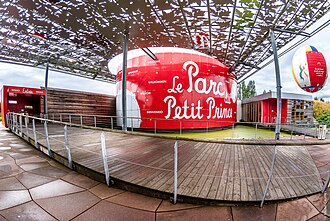
Built around the world of Antoine de Saint-Exupery's classic story, this theme park lets children float above the Alsatian countryside in tethered hot-air balloons, glide on zip lines, and ride attractions themed to characters like the fox and the rose. Younger visitors gravitate toward gentler rides and a play area, while older kids enjoy the aerial courses and a cable-car style flight over the park. Live shows and character encounters run through the day, and the park's small scale compared to major theme parks keeps waiting times manageable for families with toddlers. It sits close to the Ecomusee d'Alsace, so the two can be paired into one themed day out. Food options inside are simple but sufficient, and there are shaded rest areas throughout. Buying tickets online in advance is worthwhile during peak summer weekends.
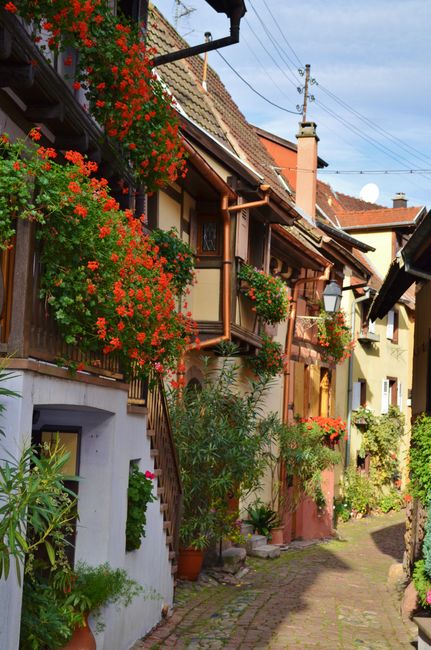
Named for the white storks that are an Alsatian symbol, this park combines a stork breeding and release program with a small, family-oriented amusement park. Kids can watch storks up close in large aviaries, then move on to rides scaled for younger children, including a train, gentle roller coaster, and carousel, plus a few faster options for older siblings. Educational talks on stork conservation run during the day, giving the visit a nature-focused angle alongside the fairground fun. The site sits in the wine-route foothills near Kintzheim, so it fits naturally into a day exploring the surrounding villages and vineyards. It is smaller and quieter than major theme parks, which makes it manageable for families with toddlers who tire easily. Shaded picnic spots and a snack stand cover basic needs without requiring a full restaurant stop.
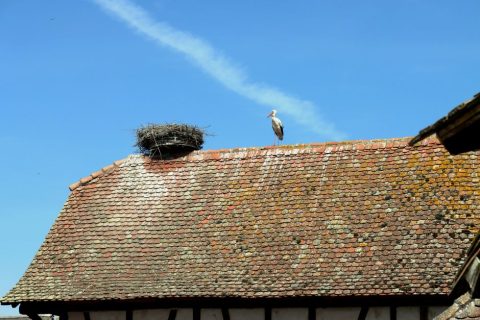
This wildlife reintroduction park focuses on two animals once nearly lost from Alsace, the white stork and the European otter, alongside owls, raccoons, and other native species in naturalistic enclosures. A raised walkway winds through storks nesting freely above visitors' heads, while feeding times for the otters draw an easy crowd of curious kids pressed against the glass. The park is compact and flat, well suited to short attention spans and stroller-friendly paths, with a small playground for breaks between animal viewings. Signage explains the conservation story in accessible terms, giving the visit an educational thread without feeling like a classroom. It pairs naturally with a stop in the nearby wine village of Hunawihr, letting families combine animals in the morning with a village stroll afterward. A visit rarely needs more than a couple of hours, making it easy to slot into a fuller day.
Tips for With Kids
- Combine Ecomusee d'Alsace and Parc du Petit Prince into one day since they sit next to each other near Ungersheim.
- Visit Cigoland or Naturoparc in late morning when stork and otter feedings are usually scheduled.
- Book Parc du Petit Prince tickets online ahead of summer weekends to avoid sold-out balloon slots.
- Pack a stroller-friendly day bag, most of these sites have flat gravel or paved paths.
Alsace comes alive with a rhythm of seasonal festivities, from spring wine fairs and open-air summer concerts to the region's world-famous autumn harvest and winter Christmas markets. This calendar highlights the flagship recurring events that shape a visit to Alsace throughout 2026, each tied to its own town, season, and tradition.
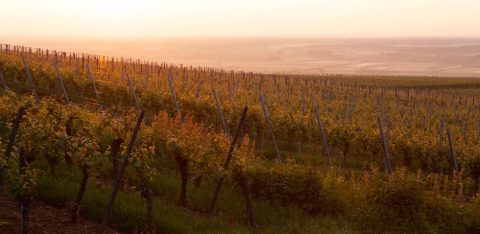
Held annually in the historic Koifhus and Parc des Expositions, the Foire Aux Vins de Colmar returns from 7 to 16 August 2026, marking one of France's oldest and largest wine fairs. Visitors sample hundreds of Alsatian Rieslings, Gewurztraminers, and Pinot Gris alongside regional producers from across France. The ten-day event blends tastings with live music, gastronomy stalls serving choucroute and flammekueche, and craft exhibitions in the timbered streets of Petite Venise. Evenings often feature cabaret and folk performances on outdoor stages. It is a favorite for both serious wine collectors and casual visitors wanting an immersive taste of Alsatian terroir. Expect large crowds on weekends, so arriving on a weekday afternoon allows for calmer browsing among the vendor pavilions.
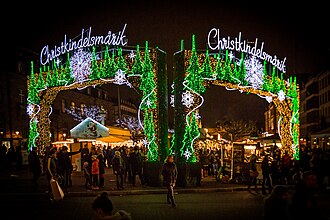
Europe's oldest Christmas market, first held in 1570, transforms Strasbourg's Place Broglie and surrounding squares from 27 November to 30 December 2026. Hundreds of wooden chalets sell mulled wine, gingerbread, hand-blown ornaments, and regional crafts beneath a towering illuminated fir tree at Place Kleber. The old town's half-timbered facades are strung with lights, and the scent of roasted chestnuts and bredele biscuits fills the air. Free concerts, choir performances, and a rotating program for children add to the festive atmosphere across the six weeks. Being a UNESCO World Heritage site, the whole city center becomes a walkable stage for the season. Visiting on a weekday evening avoids the heaviest weekend crowds while still capturing the full glow of the lights.
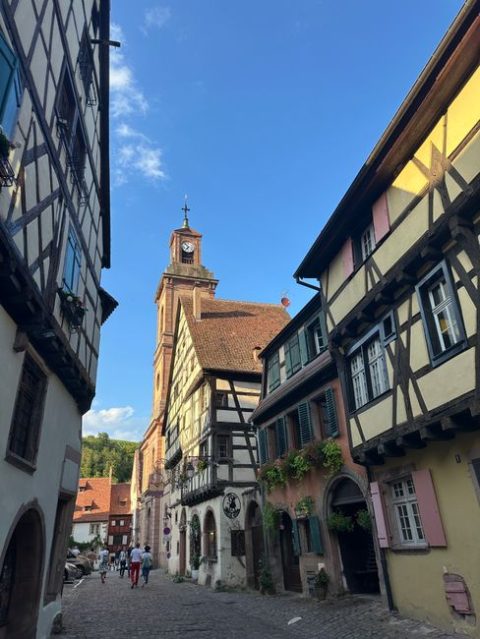
The Fete des Menetriers, or Pipers Festival, fills the cobbled lanes of Ribeauville with medieval music and pageantry on the first weekend of September, 5 to 6 September 2026. Musicians, jugglers, and costumed performers parade through town in a tradition dating back centuries, when itinerant minstrels gathered under the protection of the local lords. Wine flows freely from fountains in the main square, a nod to the town's winemaking heritage, and stalls sell roasted meats and regional pastries. The festival culminates in torch-lit evening processions past the town's three hilltop castle ruins. It is smaller and more intimate than Strasbourg's big-city events, giving visitors a genuine sense of Alsatian village tradition. Comfortable shoes are essential given the steep, uneven medieval streets.
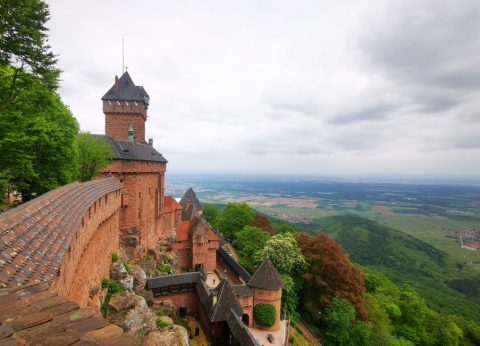
Through the warm evenings of June and July 2026, running weekly from 12 June to 25 July, the courtyard of the restored Chateau du Haut-Koenigsbourg hosts an open-air concert series ranging from classical ensembles to jazz trios. Perched high above the Alsace plain, the venue offers sweeping views of vineyards and the distant Vosges mountains as the sun sets behind the stage. Ticket holders can arrive early to tour the fortress by golden-hour light before settling into the courtyard for the evening performance. The series draws a mix of local families and visiting music lovers, with picnic blankets often spread on the surrounding lawns for pre-concert gatherings. Light regional fare and Alsatian wines are sold on-site. Bringing a light jacket is wise, as mountain evenings cool quickly after sunset.
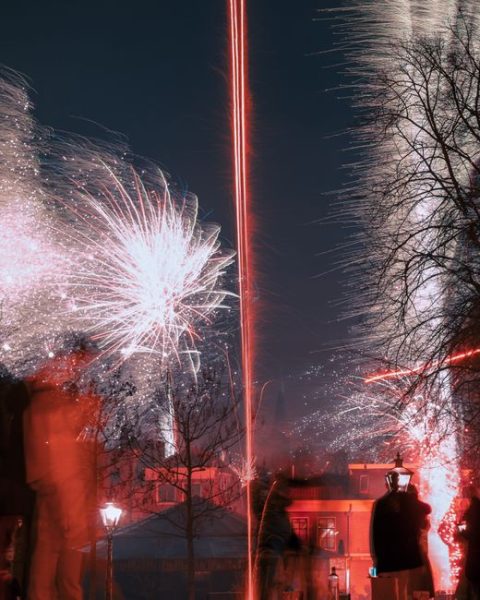
Mulhouse rings in the new year with a lively public celebration centered on the Place de la Reunion, from the evening of 31 December 2026 into the early hours of 1 January 2027. Crowds gather around the historic Protestant temple as street food vendors, hot wine stalls, and a live DJ or band build anticipation toward midnight. A fireworks display lights up the old town's spires and gabled rooftops, followed by informal dancing and toasts among strangers-turned-friends in the square. Nearby cafes and brasseries extend their hours, offering a warm retreat between rounds of celebration outside. It is a smaller, more local affair than the Christmas markets, appealing to visitors who want an authentic Alsatian New Year rather than a tourist spectacle. Public transport runs later than usual, making it easy to head home safely after midnight.
Tips for Events Calendar
- Book accommodation in Strasbourg and Colmar months ahead for Christmas market dates, as rooms sell out quickly in December
- Wine fair and harvest events draw large crowds on weekends, so weekday visits offer a calmer experience
- Evenings in the Vosges foothills cool rapidly even in summer, so bring a light layer for outdoor concerts
- Many village festivals like Ribeauville's are cash-friendly for small stalls, so carry some euros
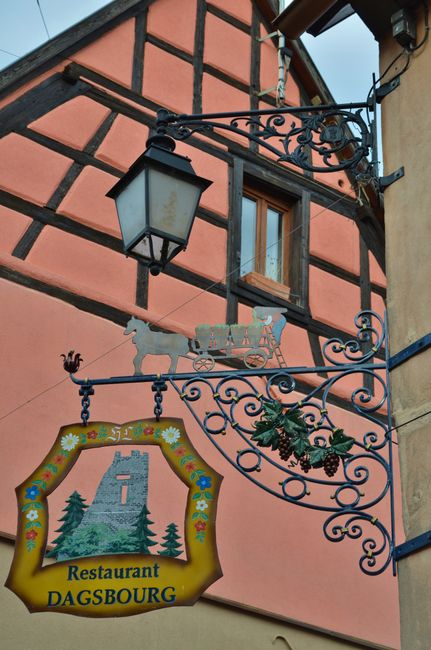
Real, highly-rated Restaurants in Alsace, sourced from Google Places (rating above 4★).
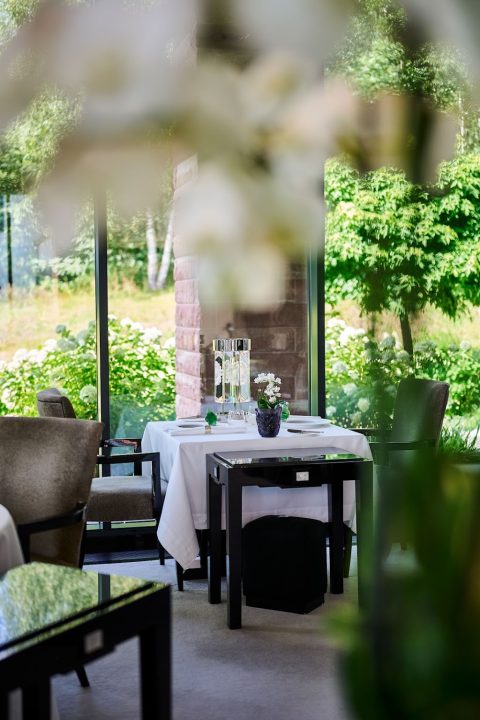
Villa René Lalique is a highly-rated restaurant in Alsace, rated 4.9★ from 1036 reviews. Located at 18 Rue Bellevue, 67290 Wingen-sur-Moder, France.
Opening Hours
- Monday: Closed
- Tuesday: 8:00 AM – 12:00 AM
- Wednesday: 7:30 PM – 12:00 AM
- Thursday: 8:00 AM – 12:00 AM
- Friday: 8:00 AM – 12:00 AM
- Saturday: 8:00 AM – 12:00 AM
- Sunday: Closed
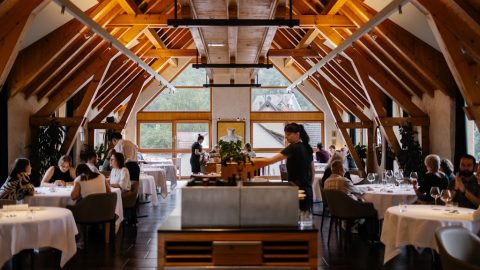
Restaurant Frankenbourg is a highly-rated restaurant in Alsace, rated 4.9★ from 1025 reviews. Located at 13 Rue du Général de Gaulle, 67730 La Vancelle, France.
Opening Hours
- Monday: 12:00 – 1:45 PM, 7:00 – 9:00 PM
- Tuesday: 12:00 – 1:45 PM
- Wednesday: Closed
- Thursday: Closed
- Friday: 12:00 – 1:45 PM, 7:00 – 9:00 PM
- Saturday: 12:00 – 1:45 PM, 7:00 – 9:00 PM
- Sunday: 12:00 – 1:45 PM, 7:00 – 9:00 PM
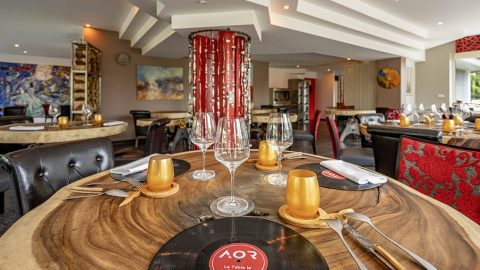
AOR La Table le goût et Nous - Riquewihr is a highly-rated restaurant in Alsace, rated 4.9★ from 638 reviews. Located at 2 Rue de la Piscine, 68340 Riquewihr, France.
Opening Hours
- Monday: Closed
- Tuesday: Closed
- Wednesday: 12:00 – 1:30 PM, 7:00 – 8:30 PM
- Thursday: 12:00 – 1:30 PM, 7:00 – 8:30 PM
- Friday: 12:00 – 1:30 PM, 7:00 – 8:30 PM
- Saturday: 12:00 – 1:30 PM, 7:00 – 8:30 PM
- Sunday: 12:00 – 1:30 PM
Explore Alsace on the Map
Seasonal Guide to Alsace
April to October represents peak season with the most favorable weather and all attractions operating at full capacity. Summer months (July-August) bring warm temperatures ideal for outdoor activities, though this is also the busiest period with higher prices and crowded attractions.
December is magical for Christmas market enthusiasts. Strasbourg hosts the oldest Christmas market in France (dating to 1570), while Colmar, Riquewihr, Kaysersberg, and other villages create enchanting festive atmospheres. This period is extremely popular, requiring advance hotel bookings. Temperatures are cold (0-5°C), so pack warm clothing.
September and October offer ideal conditions: pleasant weather, wine harvest season (vendanges), fewer crowds than summer, and beautiful autumn colors in vineyards. Many villages host wine festivals during this period.
Spring (April-May) brings mild weather, blooming flowers decorating village windows, and fewer tourists than summer. Some attractions may have limited hours early in the season.
Winter (January-March) is the quietest period with lowest prices and minimal crowds. However, some smaller attractions close, and weather can be cold and grey. This suits travelers seeking authentic local experiences without tourist masses.
| Month | Avg High (°C) | Avg Low (°C) | Rainfall (mm) |
|---|---|---|---|
| January | 4 | -1 | 40 |
| April | 15 | 6 | 50 |
| July | 25 | 15 | 70 |
| October | 14 | 7 | 60 |
| December | 5 | 0 | 50 |
Getting Around Alsace
Arriving in Alsace
By Air: Strasbourg Airport (SXB) and EuroAirport Basel-Mulhouse-Freiburg (MLH) serve the region with connections to major European cities. Paris CDG airport offers extensive international connections with train links to Strasbourg (2 hours via TGV).
By Train: SNCF operates frequent TGV services from Paris Gare de l'Est to Strasbourg (1h45) and Colmar (2h20). The region has excellent rail connections with regional TER trains linking major towns.
By Car: Driving from Paris takes approximately 5 hours via A4 motorway. The region is accessible from Germany via multiple border crossings and from Switzerland via Basel.
Local Transportation
In Strasbourg: Excellent tram network with 6 lines covering the city and suburbs. Single tickets cost €1.80, day passes €4.70. The historic center is compact and walkable. Vélo'strasbourg bike-sharing system offers convenient cycling options.
In Colmar: The old town is entirely walkable within 20 minutes. Local buses serve outer areas. Free parking available at designated lots on city outskirts with shuttle buses to center.
Wine Route Villages: Car rental provides maximum flexibility for exploring villages at your own pace. However, designated driver is essential if wine tasting. The seasonal Kutzig bus (May-September) connects Colmar with major wine route villages. Organized tours eliminate driving concerns.
Regional Trains (TER): Connect Strasbourg, Colmar, Mulhouse, and intermediate towns efficiently. However, trains don't reach small wine route villages - buses or cars necessary for these.
Bicycle: Alsace features extensive cycling infrastructure with dedicated paths along the Wine Route and Rhine River. E-bike rentals available in major towns make hillier sections manageable.
✈️ Airport Transfer
Strasbourg Airport (SXB) to city center:
- Shuttle Train + Tram: Free shuttle bus to Entzheim station then regional train to Strasbourg city center in about 20 minutes, around 3 euros
- Airport Bus: Direct line to Strasbourg train station in roughly 30 minutes, about 5 euros
- Taxi: About 15 minutes to central Strasbourg, fixed rate around 30 to 35 euros
- Private Transfer: Door to door service to towns across Alsace such as Colmar in 45 to 60 minutes, from about 90 euros
Shopping in Alsace
What to Buy
Wine: Alsatian wines make exceptional souvenirs. Look for Riesling, Gewurztraminer, Pinot Gris, Crémant d'Alsace, and late-harvest Vendanges Tardives. Buy directly from producers in wine villages for best prices and authentic experiences. Many domaines ship internationally.
Ceramics & Pottery: Traditional hand-painted Alsatian pottery features distinctive folk art designs in blue, red, and yellow. Soufflenheim and Betschdorf are renowned pottery villages.
Gingerbread (Pain d'Épices): Traditional spiced gingerbread from Gertwiller, the gingerbread capital. Mireille Oster and other artisans create decorative and edible versions.
Textiles: Beauville table linens feature traditional Alsatian patterns. Kelsch fabric with its distinctive red and white checks appears in kitchen towels and tablecloths.
Choucroute: Vacuum-packed sauerkraut from local producers makes authentic culinary souvenir.
Kougelhopf Molds: Traditional ceramic molds for the iconic Alsatian cake, often decorated with regional motifs.
Christmas Decorations: Hand-blown glass ornaments, wooden figurines, and traditional decorations available year-round but especially during Christmas market season.
Where to Shop
Village Shops: Wine route villages like Riquewihr and Eguisheim host boutiques selling regional products, souvenirs, and crafts. Quality varies - seek authentic local producers over tourist trinkets.
Markets: Weekly markets in Strasbourg (Wednesday and Saturday), Colmar (Thursday and Saturday), and other towns offer fresh produce, cheese, and regional specialties. Christmas markets (November-December) showcase crafts, decorations, and foods.
Wine Cellars: Direct purchases from winemakers offer best value and authentic experience. Most domaines welcome visitors for tastings and sales without appointments, though calling ahead is courteous.
Shopping Tips
- French shops typically close Sunday and often Monday
- Lunch closures (12:00-14:00) are common in smaller towns
- Credit cards widely accepted, though small vendors may prefer cash
- Bargaining is not customary in Alsace - prices are generally fixed
- Ask about international shipping for wines and fragile items
- Keep receipts for tax-free shopping (VAT refund available for non-EU residents spending over €100)
Festivals & Events in Alsace
Annual Highlights
Christmas Markets (Late November - December 31): The region's most famous events transform cities and villages into winter wonderlands. Strasbourg's Christkindelsmärik is France's oldest and largest. Colmar features six themed markets. Riquewihr, Kaysersberg, Eguisheim, and other wine villages host charming smaller markets. Expect mulled wine, gingerbread, crafts, and festive atmosphere.
Wine Festivals (Year-round): Nearly every wine village celebrates its harvest and wines. Notable events include Fête des Vins d'Alsace in Colmar (mid-July), Foire aux Vins d'Alsace (mid-August), and individual village festivals throughout summer and autumn.
Fête de la Musique (June 21): Free concerts and performances throughout cities and towns celebrate music on the summer solstice.
Fête Nationale (July 14 - Bastille Day): France's national holiday features fireworks, parades, and celebrations across the region. Major displays in Strasbourg and Colmar.
European Cultural Heritage Days (September): Historic buildings and sites normally closed to public open for free visits with guided tours.
Strasbourg L'Été (July-August): Summer cultural festival with outdoor concerts, theater, and film screenings in parks and public spaces.
Foire aux Vins de Colmar (August): Major wine fair showcasing over 350 producers with tastings, gastronomy, and entertainment.
Local Traditions
Easter: Villages celebrate with decorated fountains and egg traditions. Colmar hosts Easter market.
Corpus Christi (June): Religious processions in Catholic areas with flower-decorated streets.
Harvest Festivals (September-October): Celebrate vendanges (grape harvest) with wine tastings, traditional music, and festivities in wine villages.
Sample Itineraries for Alsace
Day 1: Strasbourg Essentials
Morning (9:00-12:30): Start at Cathédrale Notre-Dame (opens 8:30 AM) before crowds arrive. Climb the tower for panoramic views. Explore the cathedral interior and astronomical clock. Walk through Grande Île's medieval streets to Place Kléber. Visit Maison Kammerzell's ornate facade.
Lunch (12:30-14:00): Traditional Alsatian meal at a winstub in Petite France. Try choucroute garnie or tarte flambée.
Afternoon (14:00-17:00): Explore Petite France quarter, crossing historic covered bridges. Walk to Barrage Vauban for rooftop views. Take a 70-minute Batorama boat tour through the waterways. Visit Palais Rohan museums if time permits.
Evening (17:00+): Return to Grande Île for shopping and evening atmosphere. Dinner at restaurant near cathedral. Evening walk through illuminated old town.
Day 2: Colmar & Wine Villages
Morning (9:00-12:00): Arrive Colmar early to explore before crowds. Visit Musée Unterlinden to see Isenheim Altarpiece. Stroll through Little Venice and old town's colorful streets. Admire Maison Pfister and other architectural gems.
Lunch (12:00-13:30): Lunch in Colmar's old town, preferably with terrace overlooking canals.
Afternoon (14:00-18:00): Drive to Eguisheim (15 minutes), explore circular streets and castle square. Continue to Riquewihr (30 minutes), walk main street and medieval ramparts. Wine tasting at family domaine. Quick stop in Ribeauvillé if time allows.
Evening: Return to Colmar or overnight in wine village. Dinner featuring local specialties.
Day 3: Château du Haut-Koenigsbourg & Mountain Villages
Morning (9:00-12:00): Arrive at Haut-Koenigsbourg castle at opening (9:15 AM) to avoid crowds. Explore the fortress rooms, ramparts, and viewpoints (allow 2 hours). Enjoy panoramic views of Alsace plain.
Lunch (12:00-13:30): Restaurant in nearby Sélestat or picnic with views.
Afternoon (13:30-18:00): Visit nearby Montagne des Singes (Monkey Mountain) for unique wildlife experience. Explore Kintzheim village. Alternative: visit Mont Sainte-Odile abbey and viewpoint. Stop in Obernai for afternoon coffee and old town stroll.
Evening: Return to base or overnight in mountain village.
Day 4: Mulhouse Technical Museums
Morning (9:00-12:30): Visit Cité de l'Automobile (opens 10 AM), the world's largest car museum. Explore the exceptional Bugatti collection and automotive history displays. Allow minimum 2-3 hours.
Lunch (12:30-14:00): Museum restaurant or nearby dining options.
Afternoon (14:00-17:00): Visit Cité du Train (Railway Museum) next door. Explore historic locomotives and railway heritage. Optional: add Musée Electropolis if interested in industrial history.
Evening: Explore Mulhouse old town center around Place de la Réunion. Dinner in city center.
Day 5: Northern Wine Route & Cultural Sites
Morning (9:00-12:00): Explore Kaysersberg, voted France's favorite village. Visit castle ruins on hill. Wander medieval streets and cross fortified bridge.
Lunch (12:00-13:30): Lunch in Kaysersberg (book ahead).
Afternoon (13:30-17:00): Drive to Mont Sainte-Odile abbey and pilgrimage site. Enjoy panoramic terrace views. Explore the convent and chapels. Alternative: visit Bergheim's walled medieval town and witches museum. End day in Obernai for market square and ramparts.
Evening: Dinner featuring Alsatian wine pairings.
💡 Tip: These itineraries can be mixed and matched based on interests. Christmas market season requires modified routes focusing on festive events. Spring and autumn offer more flexibility with fewer crowds.
Best Photography Locations in Alsace
Strasbourg
Petite France from Barrage Vauban Terrace: The rooftop viewing platform offers the iconic postcard view of half-timbered houses and waterways. Best time: Early morning (7-9 AM) or golden hour (1 hour before sunset).
Cathedral from Rue Mercière: This narrow street provides classic view of the cathedral's intricate facade framed by buildings. Best time: Afternoon for optimal lighting on the facade.
Ponts Couverts at Dusk: The covered bridges with medieval towers photograph beautifully during blue hour with reflections in still water. Best time: 30 minutes after sunset.
Colmar
Little Venice from Rue de Turenne Bridge: The classic view of colorful houses reflected in the Lauch river. Best time: Early morning (7-8 AM) before boats stir the water, creating perfect reflections.
Quai de la Poissonnerie: Row of pastel houses along the canal creates the most Instagram-famous Colmar scene. Best time: Morning light or overcast days to avoid harsh shadows.
Maison Pfister: This ornate 1537 Renaissance house with its turret and frescoes is Colmar's architectural gem. Best time: Morning when the sun illuminates the facade.
Wine Route Villages
Eguisheim Circular Streets: Capture the concentric medieval layout from above (drone) or shoot along curved cobblestone lanes. The three castle ruins on the hill above provide dramatic backdrop. Best time: Early morning (8-9 AM) before tour buses arrive.
Riquewihr Main Street: The Grand Rue lined with colorful half-timbered houses leads to the Dolder Tower. Best time: Early morning or late afternoon to avoid midday crowds.
Kaysersberg Fortified Bridge: This photogenic medieval bridge with chapel makes excellent foreground for castle ruins above. Best time: Morning light illuminates the bridge structure.
Châteaux & Viewpoints
Château du Haut-Koenigsbourg: Photograph the imposing fortress from below (dramatic angle) or shoot from ramparts toward Rhine valley. Best time: Morning for best light on castle exterior; afternoon for valley views.
Mont Sainte-Odile Terrace: Panoramic views across Alsace plain to Strasbourg Cathedral and Black Forest. Best time: Clear days at sunset for dramatic colors.
Seasonal Opportunities
Autumn Vineyards: Rows of vines turning gold and red create spectacular landscapes. Drive Wine Route between villages for endless compositions. Best time: Late September through October.
Christmas Markets: Illuminated market stalls, cathedral backdrop, and festive decorations. Strasbourg's Place de la Cathédrale is the iconic shot. Best time: Blue hour (30 minutes after sunset) when lights glow against darkening sky.
📸 Photography Tips: Arrive at popular locations before 8 AM to avoid crowds. Overcast days provide soft, even lighting for colorful buildings. Bring wide-angle lens for architecture and narrow streets. Respect private property and residents when photographing.
Electricity & Practical Information
Power Specifications
Voltage: 230V
Frequency: 50Hz
Plug Types: Type C (2 round pins) and Type E (2 round pins with hole for earth pin)
Travelers from UK, US, Canada, Australia need plug adapters. US devices (110V) may also require voltage converters, though most modern electronics (phones, laptops, cameras) have built-in converters - check device specifications.
Currency
Currency: Euro (€)
ATMs: Widely available in cities and towns. Most accept international cards (Visa, Mastercard). Withdrawal fees vary by bank.
Credit Cards: Accepted in most hotels, restaurants, shops. Smaller establishments and markets may prefer cash. Chip-and-PIN is standard.
Tipping: Service charge included in bills ("service compris"). Additional tip for exceptional service is 5-10% or round up. Not obligatory.
Language
Official Language: French
Regional Language: Alsatian German dialect still spoken by older generations
English: Widely spoken in tourist areas, hotels, and major attractions. Less common in small villages and with older residents. Learning basic French phrases appreciated.
Emergency Numbers
Emergency Services: 112 (Europe-wide)
Police: 17
Fire/Ambulance: 18
Medical Emergencies: 15 (SAMU)
Time Zone
Timezone: Central European Time (CET) - UTC+1
Summer Time: Central European Summer Time (CEST) - UTC+2 (late March to late October)
Alsatian Cuisine & Dining
Must-Try Dishes
Choucroute Garnie: Alsace's signature dish features sauerkraut braised in white wine topped with various pork products (sausages, smoked pork, bacon), potatoes, and sometimes fish. Hearty and flavorful, best enjoyed with Riesling or beer.
Tarte Flambée (Flammekueche): Thin, crispy flatbread traditionally topped with crème fraîche, onions, and lardons (bacon). Munster cheese version popular. Sharing multiple varieties makes fun casual meal.
Baeckeoffe: Traditional casserole of marinated lamb, beef, and pork layered with potatoes and onions, slow-cooked in white wine. Originally prepared by village women before baking bread day.
Choucroute de Poissons: Lighter version featuring sauerkraut with fish instead of pork - typically salmon, pike perch, and monkfish.
Fleischnacka: Rolled pasta stuffed with meat and herbs, similar to cannelloni but distinctly Alsatian.
Bretzel: Soft pretzels enjoyed as snacks with beer or at breakfast. The Alsatian version is softer than German pretzels.
Kougelhopf: Iconic brioche cake baked in distinctive fluted mold, often studded with almonds and raisins. Traditionally served at Sunday breakfast.
Bredele: Small Christmas cookies in countless varieties - cinnamon stars, anise, chocolate, jam-filled. Baked throughout December for festive season.
Cheese & Charcuterie
Munster: Pungent soft cheese with orange rind, produced in Vosges Mountains. Often served warm with boiled potatoes, cumin, and white wine. Strong aroma, creamy texture.
Presskopf: Head cheese terrine made from pork, served cold with vinaigrette.
Where to Eat
Winstubs: Traditional Alsatian taverns serving regional specialties in cozy, rustic atmosphere. Often family-run with recipes passed through generations. Expect wooden benches, checkered tablecloths, and hearty portions. Reservations recommended, especially weekends.
Fermes-Auberges: Farm restaurants in Vosges Mountains serving meals made from farm products. Authentic rural experience, though remote locations require driving.
Michelin-Starred Restaurants: Alsace boasts numerous prestigious restaurants, particularly in Strasbourg and Colmar. Advance booking essential.
Dining Tips
- Lunch service typically 12:00-14:00, dinner 19:00-22:00. Many restaurants close between services.
- Reservations recommended for popular restaurants, especially weekends and Christmas market season.
- Many establishments close Sunday evening and Monday - plan accordingly.
- Portions are generous - consider sharing or ordering lighter options.
- Water is not automatically served - order bottled ("eau plate" for still, "eau gazeuse" for sparkling) or ask for tap water ("une carafe d'eau").
- Bread is complimentary and replenished freely.
- Service can seem slow by American standards - dining is leisurely experience in France.
Wine Pairing
Alsatian wines pair excellently with regional cuisine. Riesling complements choucroute and fish dishes. Gewurztraminer matches Munster cheese and foie gras. Pinot Blanc works with tarte flambée. Crémant d'Alsace (sparkling) suits appetizers and desserts.
Tourist Passes
Strasbourg Pass
This comprehensive city pass provides free access to one attraction or activity (cathedral platform, boat tour, museum) plus 50% discount on additional attractions and museums. The pass includes free public transportation (tram and bus) throughout the validity period. Available in 3-day format, the pass offers best value for visitors planning multiple museum visits and using public transit. Purchase online or at tourist office. The pass pays for itself with just 2-3 attractions plus transportation usage.
www.strasbourg.euPass'Alsace
This regional pass grants free entry to over 60 attractions across Alsace including Haut-Koenigsbourg castle, major museums (Unterlinden, automobile, train), Mont Sainte-Odile, and wildlife parks. Adult pass costs approximately €65 and is valid for destinations within the Alsace region. The pass provides excellent value for visitors exploring multiple sites over several days. Includes one-time access to each participating attraction. Available online or at tourist offices in Strasbourg, Colmar, and Mulhouse. Particularly valuable for families as youth passes (6-17 years) offer similar access at reduced rates.
www.visit.alsaceColmar Pass
Multi-day pass offering free or discounted entry to Colmar's museums and attractions including Musée Unterlinden and boat tours through Little Venice. The pass includes public transportation and provides discounts at partner restaurants and shops. Available in 24-hour, 48-hour, and 72-hour options. Best value for museum enthusiasts planning to visit multiple cultural sites. Purchase at Colmar tourist office or online.