Things to do in Toulouse
Toulouse is renowned for its distinctive pink-brick architecture and iconic landmarks that reflect centuries of history and culture.
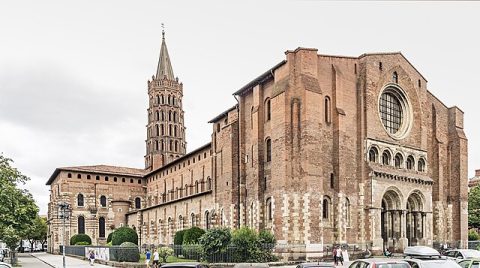
One of the most important Romanesque churches in Europe, this UNESCO World Heritage site features stunning octagonal bell tower and intricate stone carvings. Its 18th-century interior boasts precious reliquaries and beautiful stained glass windows. The basilica is a masterpiece of medieval architecture and remains a significant pilgrimage destination.

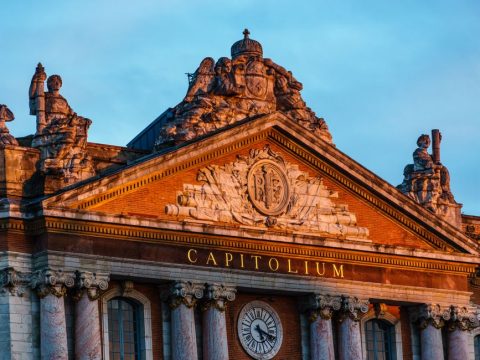
The magnificent Renaissance Town Hall dominating Place du Capitole is an architectural gem built in 1753. Its ornate façade, grand staircases, and luxurious apartments showcase 18th-century French elegance. The building still serves as the administrative center and hosts cultural events. Visitors can admire the exterior and attend exhibitions in its galleries.
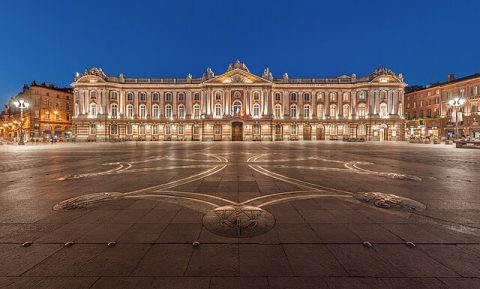
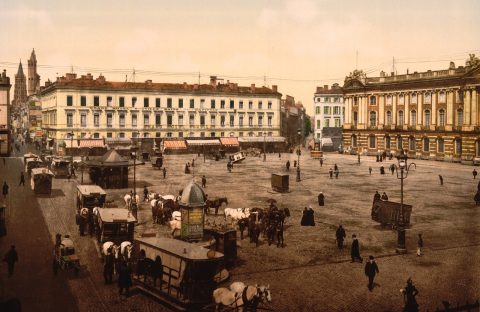
One of Europe's largest squares at 12,000 square meters, this grand plaza is surrounded by Renaissance arcades with pink brick architecture. The square hosts markets, events, and outdoor dining. The paved surface features a golden cross marking historical significance, and the square comes alive especially during summer festivals and evening strolls.
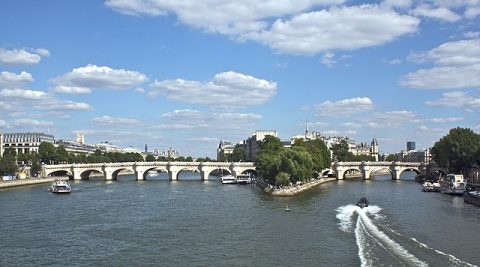
Built in the 16th century, this iconic pink-brick bridge spans the Garonne River and offers stunning views of Toulouse's skyline. Despite its name meaning 'new bridge,' it's actually one of the oldest in France. The seven arches and distinctive color make it a beloved symbol of the city and an ideal spot for sunset photography.
Tips for Landmarks & Monuments
- Visit the Basilica early morning to avoid crowds
- Best views of Pont Neuf at sunset
- Place du Capitole is stunning when illuminated at night
- Wear comfortable shoes for exploring the historic center
Toulouse boasts world-class museums showcasing art, history, and culture in beautifully preserved buildings.
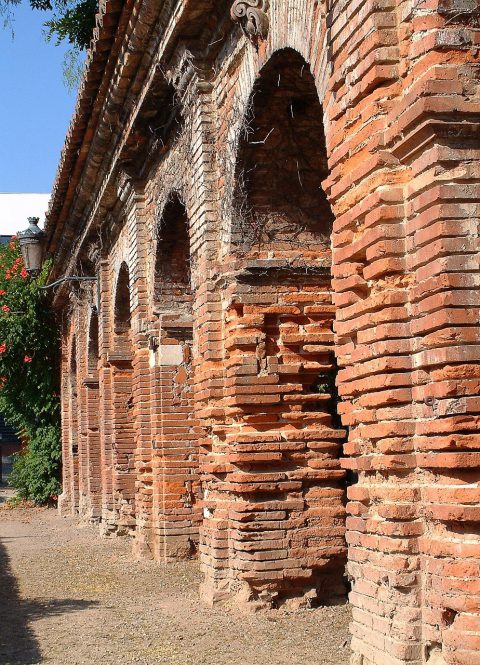
Housed in the 16th-century Hôtel d'Assézat, this museum contains the world's largest collection of Henri de Toulouse-Lautrec works, including paintings, lithographs, and drawings. The elegant Renaissance palace features four stunning courtyards and showcases over 2,000 pieces spanning the artist's entire career. A must-visit for art lovers.
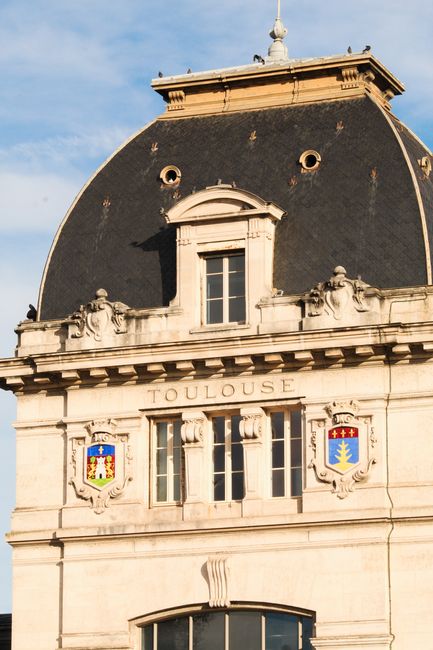
Opened in 1865, this museum features extensive collections of natural specimens including zoology, mineralogy, geology, and paleontology. The beautifully organized galleries showcase Egyptian mummies, dinosaur fossils, insects, and mammals. Interactive displays and detailed explanations make it engaging for both children and adults interested in natural sciences.
Housed in a converted 14th-century Augustinian monastery, this art museum displays medieval sculptures, paintings, and decorative arts. The peaceful cloisters and vaulted galleries create an atmospheric setting for viewing masterpieces from the Romanesque period through the 19th century. The sculpture collection is particularly remarkable and nationally significant.
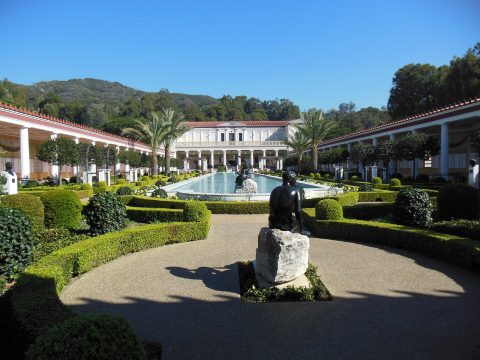
This fascinating museum displays decorative arts and graphic design spanning from the medieval period to modern times. Located in a 17th-century mansion, it features furniture, textiles, ceramics, prints, and documents. The collection provides insights into daily life and artistic evolution, with rotating exhibitions highlighting different periods and themes.
Tips for Museums & Galleries
- Most museums offer free entry on first Sunday of the month
- Book Toulouse-Lautrec Museum in advance during peak season
- Combination tickets available for multiple museums
- Audio guides enhance the museum experience significantly
Toulouse's spiritual heritage is evident in its remarkable churches and religious buildings spanning multiple centuries.
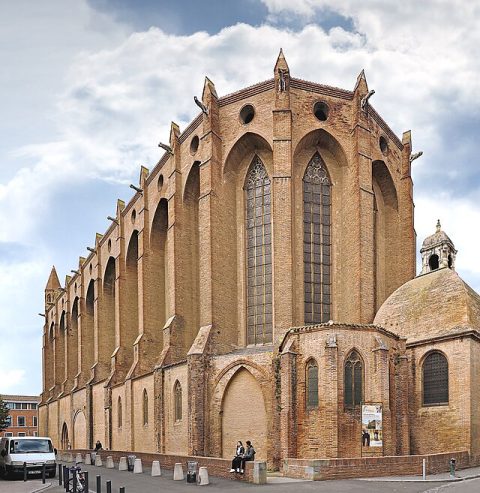
This stunning Dominican church features unique architecture with a single nave and spectacular vaulted ceiling. Built between 1260-1385, it boasts a remarkable bell tower with octagonal sections and contains the reliquary of Saint Thomas Aquinas. The interior's symmetry and light create a profound spiritual atmosphere for visitors and worshippers alike.
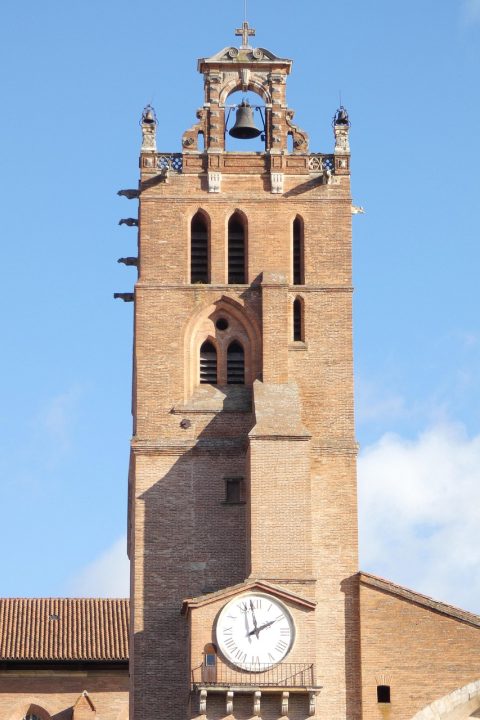
An impressive Gothic cathedral showcasing architectural evolution across centuries. Built gradually from the 16th-19th centuries, it features a massive interior space, beautiful stained glass windows, and intricate stone carvings. The disparate architectural styles reflect its long construction period, creating a unique blend of religious artistry and historical layers.
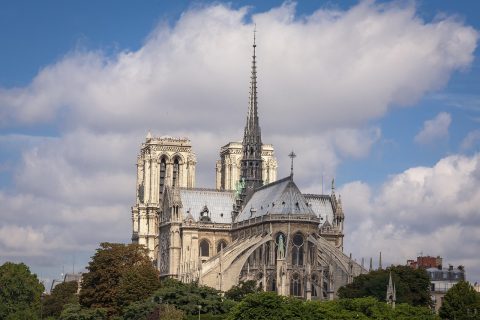
This beautiful baroque church overlooks the Garonne River and is known for its gilded dome and elegant proportions. Originally built in the 5th century as a pagan temple then converted to Christian worship, it represents layers of religious history. The golden interior reflects candlelight beautifully, and the riverside location offers peaceful contemplation.
Tips for Religious Sites
- Check opening hours before visiting, as services may limit access
- Modest dress is expected when entering religious buildings
- Lighting in churches is best during morning hours for photography
- Many churches offer guided tours with historical information
Explore Toulouse's distinctive districts, each with unique character, architecture, and local charm.
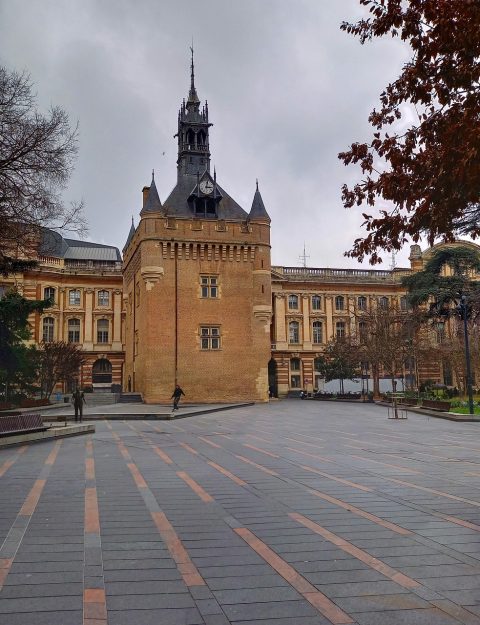
The heart of Toulouse features narrow cobblestone streets, Renaissance mansions, and charming courtyards. Wandering through the old town reveals hidden squares, boutique shops, cafés, and galleries. Architecture ranges from medieval timber-framed buildings to ornate Renaissance façades. The area buzzes with life and authenticity, particularly in the evenings.
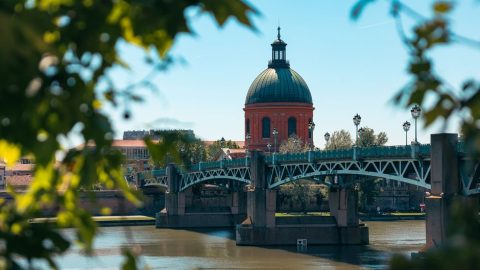
Located on the left bank of the Garonne, this bohemian neighborhood features trendy boutiques, art galleries, and vibrant cafés. Once a working-class area, it has transformed into a creative hub with street art, independent shops, and excellent restaurants. The atmospheric streets lead to riverside walks offering beautiful views of the city.
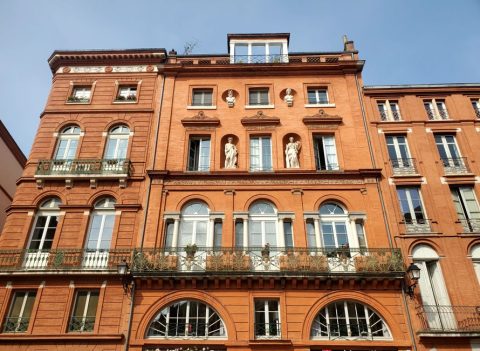
This historic street epitomizes medieval Toulouse with Renaissance architecture. Lined with beautifully restored buildings, ornate balconies, and arched doorways, it's considered one of the city's most charming streets. Galleries, small museums, and traditional shops line the way, making it ideal for leisurely strolls and discovering local artisan crafts.
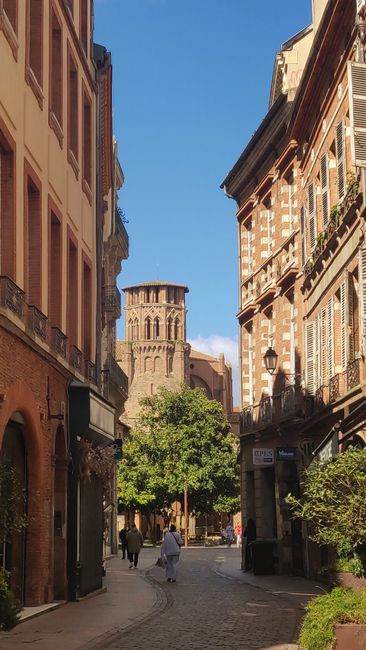
A lively pedestrian street famous for its excellent restaurants and bars where locals gather. The street atmosphere is vibrant and welcoming, with warm lighting from shop windows and restaurant terraces. It's the perfect place to experience authentic Toulouse dining culture and soak in the neighborhood's energy during day or evening hours.
Tips for Neighborhoods & Districts
- Best time to explore old town is early morning for fewer crowds
- Comfortable walking shoes are essential on cobblestone streets
- Each district has distinct character - visit multiple for complete experience
- Saint-Cyprien is particularly lively on weekends with market activities
Toulouse offers numerous green spaces perfect for relaxation, walks, and experiencing nature within the urban landscape.
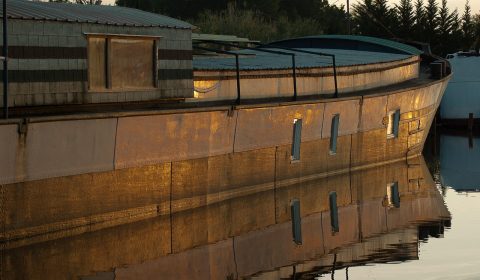
The UNESCO World Heritage Canal du Midi is lined with beautiful parks and tree-lined towpaths stretching 68 kilometers from Toulouse to Sète. Walking or cycling the canal offers peaceful nature experiences with historic bridges, locks, and charming villages. Multiple access points and dedicated pathways make it accessible for various fitness levels and activities.
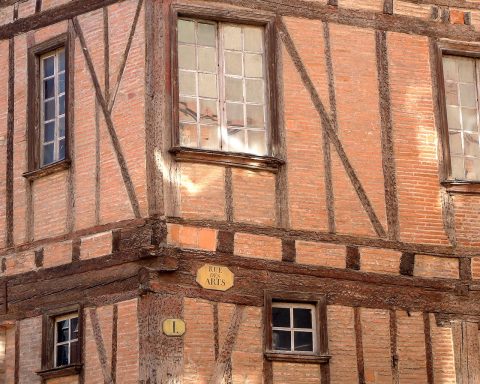
This beautiful botanical garden spans 7 hectares and showcases diverse plant collections from around the world. Organized by geographical regions and plant families, it features greenhouses, water features, and serene walking paths. Educational signage helps identify species. The garden provides peaceful respite from city bustle while offering horticultural inspiration.
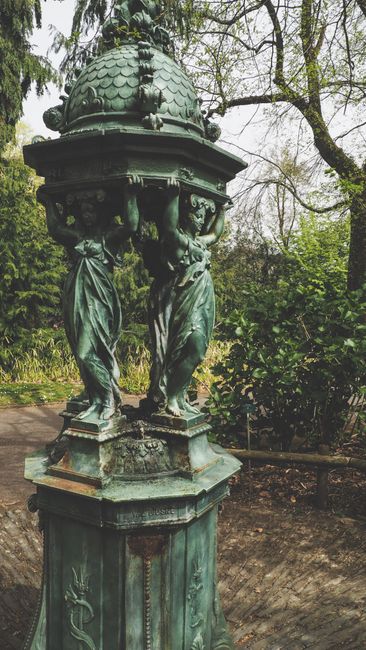
This circular garden features tree-lined paths, fountains, and open green spaces perfect for picnicking and relaxation. Designed in the 18th century, it remains a favorite gathering spot for residents. The surrounding area offers cafés and ice cream shops. The open layout with walking paths makes it ideal for families and leisurely afternoon strolls.
A modern riverside park offering shaded walks along the Garonne with benches and leisure facilities. Recent renovations have made it family-friendly with play areas and recreational spaces. The park connects to the Canal du Midi towpath, creating a continuous green corridor perfect for cycling, jogging, or peaceful riverside walks.
Tips for Parks & Gardens
- Botanical garden is best visited in spring and early summer
- Bring picnic supplies for parks - many have designated picnic areas
- Canal du Midi paths are perfect for cycling - rent bikes throughout the city
- Early mornings offer peaceful nature experiences with fewer visitors
Engage with Toulouse through guided experiences and specialized activities that reveal the city's culture and history.

Visit the world's largest commercial aircraft assembly plant in nearby Blagnac. Guided tours show the manufacturing process of the iconic A380 superjumbo jets. Visitors walk through production facilities, see assembly in progress, and understand the engineering marvel. Tours require advance booking and limited photography is permitted.
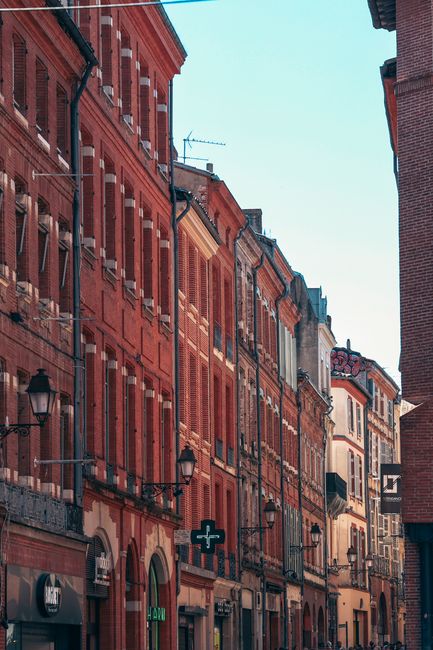
Professional guides lead 2-3 hour walking tours covering major landmarks, hidden courtyards, and historical stories. Tours are available in multiple languages and can focus on specific themes like art, history, or architecture. Knowledgeable guides provide context and insider perspectives that independent exploration cannot match.
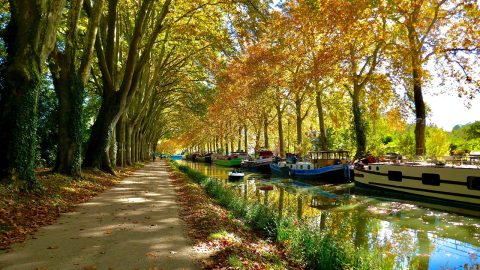
Scenic boat cruises along the historic canal provide unique perspectives of the city and surrounding countryside. Tours range from 1-3 hours with commentary about the canal's history and engineering. Passengers relax while experiencing the UNESCO site from water level, passing through charming locks and peaceful natural settings.
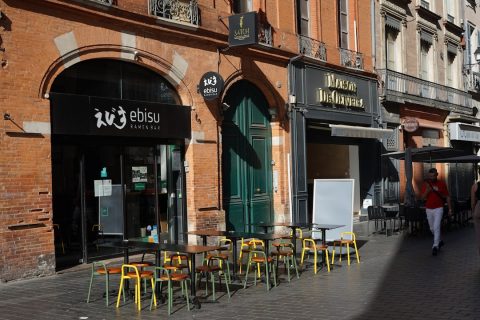
Learn to prepare traditional Occitanie cuisine with local chefs in hands-on cooking classes. Market tours combined with cooking lessons introduce authentic ingredients and regional specialties. Classes typically last 3-4 hours and include tasting your creations with wine pairings. Perfect for food enthusiasts wanting culinary connections.
Tips for Tours & Activities
- Book activities 2-3 days in advance for better availability
- Many tours offer discounts for group bookings
- Airbus tour requires passport or ID - book well in advance
- Cooking classes work best with small groups for personalized instruction
Discover fascinating destinations near Toulouse that offer history, nature, and cultural experiences within easy reach.
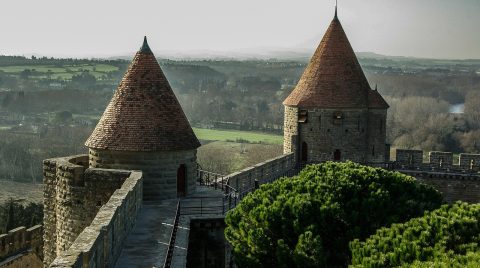
One of Europe's most impressive medieval fortifications, Carcassonne features concentric castle walls, winding streets, and the stunning Basilica of Saint-Nazaire. Located 80km away, the UNESCO World Heritage site transports visitors to the Middle Ages. Explore the ramparts, visit museums, and enjoy panoramic views of the surrounding countryside.
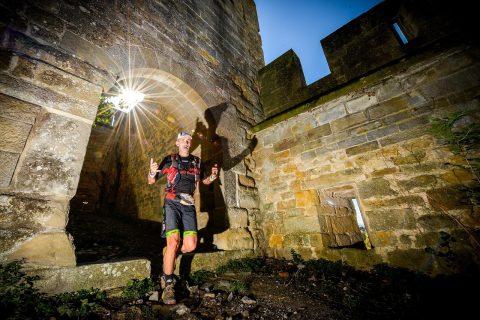
Explore dramatic clifftop castles in the Pyrenean foothills where medieval history comes alive. Montségur, Quéribus, and Lastours showcase incredible architecture and strategic locations. Each castle offers unique perspectives on medieval life and Cathar history. Hiking to some castles provides stunning vistas and physical adventure.
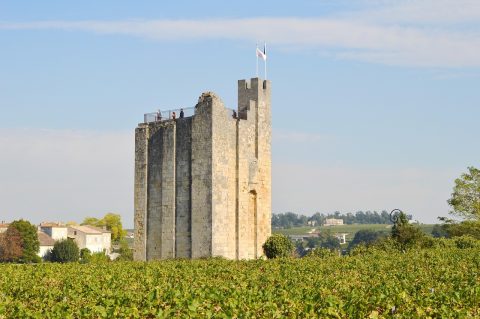
Approximately 130km from Toulouse, this picturesque wine village is a UNESCO World Heritage site famous for exceptional Bordeaux wines. Explore underground quarries, visit wine châteaux, and sample regional wines. Charming medieval streets, local restaurants, and vineyard landscapes create a quintessential French experience.

The Pyrenees mountains are just 100km south, offering hiking, mountain villages, and natural beauty. Gavarnie Cirque features dramatic waterfalls and amphitheater-like rock formations. Mountain towns like Cauterets and Luz-Saint-Sauveur provide alpine experiences, skiing in winter, and hiking trails year-round with breathtaking scenery.
Tips for Day Trips & Excursions
- Rent a car for maximum flexibility with day trips
- Train connections available to major destinations like Carcassonne
- Start early to maximize time at each destination
- Combine multiple sites for more comprehensive regional experience
Toulouse trades its usual pink-brick glow for twinkling lights each December, with a proper chalet village, an open-air ice rink, and illuminated shopping streets standing in for the grand Alsatian markets further north.
The season runs from late November through December 31, 2026, giving visitors plenty of time to combine the festive stalls with the city's usual sightseeing.
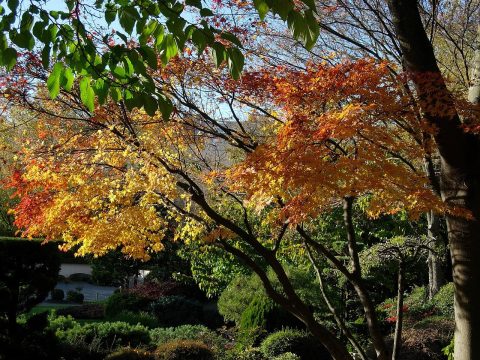
Toulouse's main Christmas market sets up on the Esplanade Compans-Caffarelli, a short walk north of the city center, with roughly a hundred wooden chalets selling regional foie gras, chestnuts, mulled wine, and handmade crafts. Expect the market to run from around late November through December 31, 2026, with extended hours on weekends. A small funfair and a carousel keep children entertained while adults browse the stalls, and food vendors serve tartiflette, roasted chestnuts, and vin chaud to fend off the winter chill. It gets busiest on weekend afternoons and evenings, so arriving on a weekday morning makes for a calmer visit. The setting, framed by the modern Compans-Caffarelli park and its distinctive tower, gives the market a different character than the medieval-square markets found elsewhere in France.
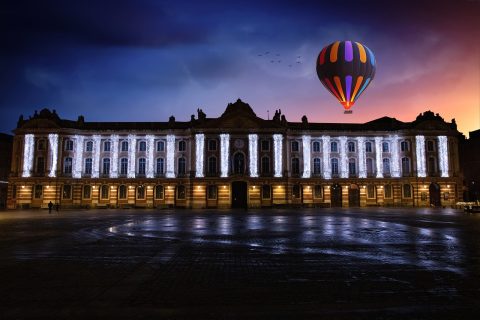
Each winter an open-air ice rink is installed on the vast Place du Capitole, right in front of Toulouse's grand pink city hall, transforming the square into the heart of the holiday season. The rink typically operates from late November into early January, with the 2026 season expected to run through the New Year, and sessions are sold in timed slots that can be booked on site or, in some years, online in advance. Skate hire is included in the entry price, and floodlighting plus the illuminated facade of the Capitole make evening sessions especially atmospheric. It is a popular stop for families and couples alike, and the surrounding square usually hosts food stalls and seasonal decorations alongside it. Arrive early on weekends, since queues form quickly once schools let out for the holidays.
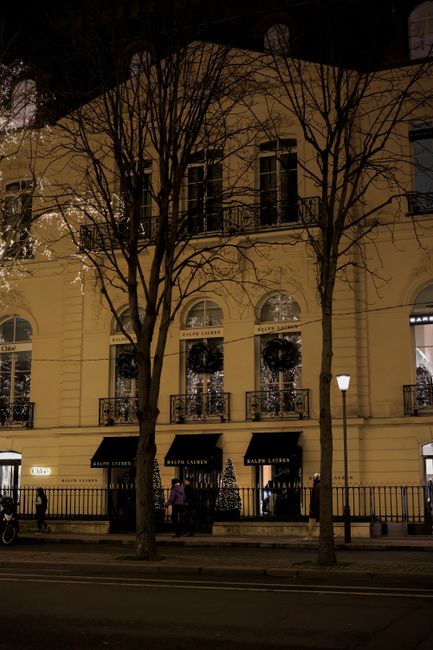
Toulouse's main shopping arteries, including Rue Alsace-Lorraine, Rue Saint-Rome, and Rue du Taur, are strung with festive light displays from late November through early January, turning an ordinary evening stroll into a proper holiday activity. The décor changes theme most years, but expect warm-toned garlands, suspended ornaments, and lit archways stretching across the pedestrian streets of the historic center. Shop windows join in with their own displays, and the nearby place Wilson and place Esquirol often anchor larger installations or a decorated tree. It costs nothing to enjoy, pairs naturally with dinner at one of the old-town bistros, and is at its best after dark, roughly 6pm onward. Photographers will find the brick facades of the Capitole area especially striking under the lights.
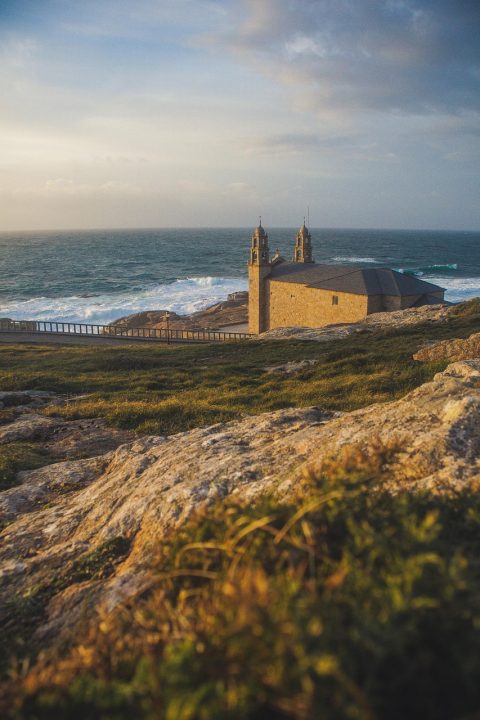
A smaller, more artisan-focused market fills Place Saint-Georges in December, favoring local designers, ceramicists, and small-batch food producers over the larger chalet setups elsewhere in the city. It runs on a shorter calendar than the main Compans-Caffarelli village, generally opening in early December and continuing through the days just before Christmas, and is best visited on a weekend afternoon when most vendors are present. The square's cafe terraces stay open with heaters and blankets, making it an easy spot to warm up with a coffee or hot chocolate between browsing stalls. It suits visitors looking for gifts with a distinctly regional, handmade character rather than mass-produced holiday goods. Check local listings closer to December 2026, since exact dates shift slightly year to year.
Tips for Christmas Market
- Confirm exact 2026 opening dates and rink hours closer to your trip, since French Christmas markets often finalize schedules only a few weeks ahead.
- Weekday mornings are far quieter than weekend afternoons and evenings at both the market and the ice rink.
- Bundle Compans-Caffarelli, the Place du Capitole rink, and a walk down Rue Alsace-Lorraine into one evening route, they are all within a 15-20 minute walk of each other.
- Bring cash in small denominations for food stalls, as some smaller vendors do not accept cards.
When the sun sets, Toulouse trades its pink-brick charm for a lively after-dark scene built around riverside terraces, student-packed squares, and intimate live-music rooms. From flamenco-fuelled bars in Saint-Cyprien to a legendary concert hall on the banks of the Garonne, the Pink City keeps a distinctly southern, unpretentious energy well past midnight.
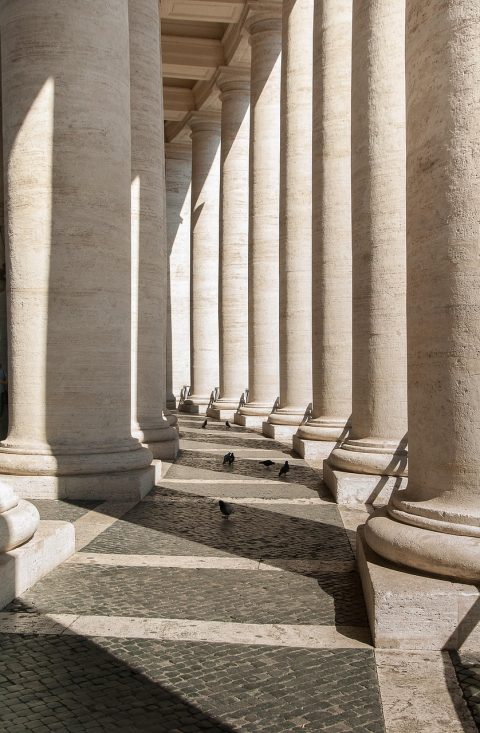
This sprawling square on the left bank of the Garonne is the beating heart of Toulouse nightlife, ringed by a dense cluster of bars and brasseries that fill their terraces from early evening onward. It is best known for hosting the Fete de la Musique and other open-air celebrations, but on any given weekend the atmosphere is thick with students, live acoustic sets spilling from doorways, and the low hum of a hundred overlapping conversations. Expect cheap pichets of wine, easygoing crowds, and a refreshing lack of pretension compared to more polished nightlife districts elsewhere in France. Arrive around aperitif hour to snag outdoor seating, then let the evening drift from bar to bar. It is an unmissable stop for anyone wanting a genuine feel for how Toulousains actually socialize after dark, rather than a curated tourist version of it.
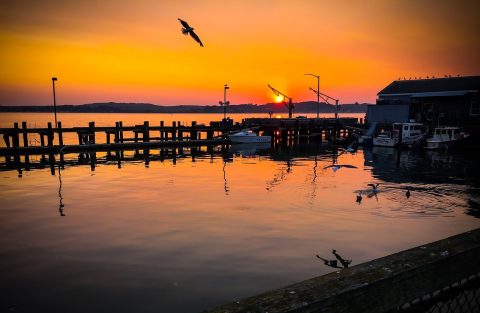
A Toulouse institution since the 1990s, this multi-level bar and nightclub near Place Saint-Georges is where generations of locals had their first proper night out. The ground floor buzzes with a boisterous bar crowd swapping tapas-style plates, while the upper level opens into a dance floor that gets going late and runs into the early hours. The soundtrack leans toward crowd-pleasing pop, French classics, and Latin rhythms, and the vibe is deliberately unfussy and high-energy rather than exclusive. It is a favorite for birthdays, reunions, and pre-exam blowouts among the citys large student population. Come hungry and thirsty, expect a queue on weekends, and dress code is casual. For visitors wanting to dance alongside locals rather than other tourists, this is the classic Toulouse choice.

Perched on the banks of the Garonne on Ile du Ramier, this riverside venue is Toulouse's most celebrated address for live music and club nights, having hosted touring rock, electronic, and indie acts since the 1960s. The main hall channels serious concert energy, while the outdoor terrace overlooking the river offers a far more relaxed spot for a drink between sets or on nights without a headline show. Programming ranges from international touring bands to local DJ collectives, so it is worth checking the lineup before heading over. The setting itself, surrounded by trees and water rather than city streets, gives it a festival-like feel even on an ordinary weeknight. Public transport access is straightforward via bus, and the venue draws a mixed crowd of students, longtime regulars, and music fans from across the region.
Tucked into the Saint-Cyprien neighborhood, this cozy Spanish-Toulousain bar has built a devoted following for its live flamenco and Spanish guitar nights, a nod to the city's historic ties with its Iberian neighbor. Tables fill quickly around a small stage where musicians play late into the evening, accompanied by tapas, sangria, and a warm, convivial crowd that ranges from students to longtime neighborhood regulars. The room is intimate rather than polished, with a lived-in charm that makes it feel more like a shared secret than a tourist stop. Reservations are strongly advised on performance nights, since seating is limited and demand is high. It pairs naturally with an evening stroll along the nearby riverside before or after the show, making for one of the more distinctive after-dark experiences the city has to offer.
Tips for Nightlife & Entertainment
- Weeknights are noticeably quieter than Thursday through Saturday, when student crowds fill most venues.
- Book ahead for live-music nights at smaller venues like La Tantina de Burgos, seating is limited.
- Public transport (metro/bus) runs late on weekends, but confirm the last departure before heading to riverside venues like Le Bikini.
- Carry ID, most bars and clubs check age at the door even for older-looking visitors.
Toulouse is a genuinely easy city to explore with children, mixing hands-on science, playful green spaces, and gentle river adventures into a day that rarely feels like sightseeing. From splashing at a space-themed park to spotting fish in a giant aquarium, the Pink City keeps young explorers entertained without a single dull museum hall.
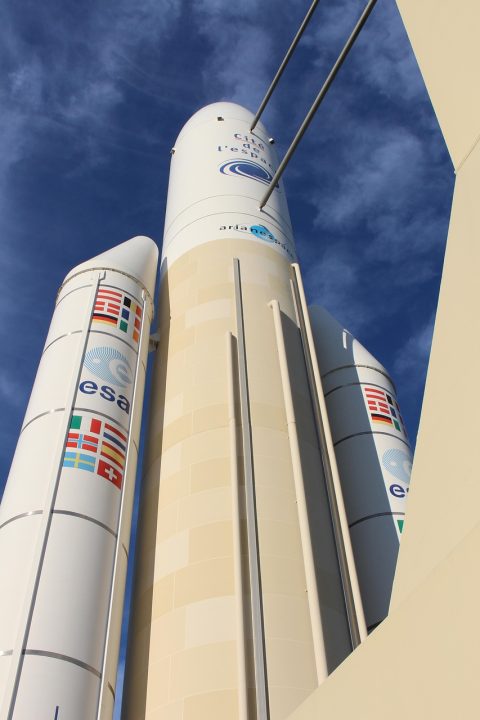
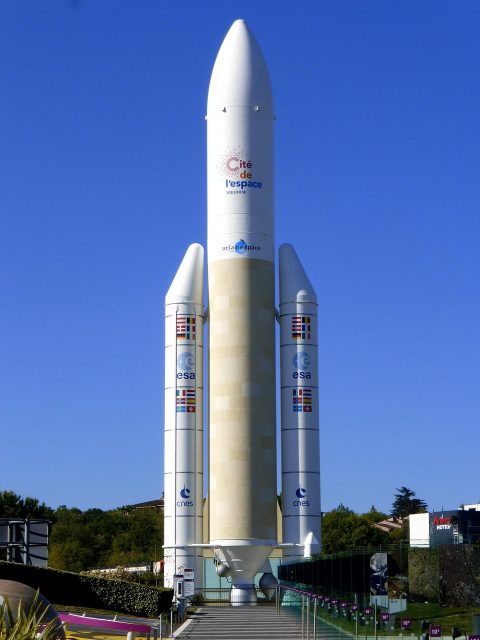
This space exploration park is one of the most popular family outings in Toulouse, and for good reason. Kids can walk beneath a life-size Ariane 5 rocket, sit inside a mock space station module, and touch a genuine piece of moon rock. The planetarium shows are immersive without being overwhelming for younger children, and outdoor zones let them run between interactive terminals about planets, astronauts, and satellites. Older kids tend to gravitate toward the flight simulators and exhibits on Mars missions, while toddlers enjoy the more tactile, low-height displays. There is a shaded picnic area and a cafe on site, so families can easily turn this into a full-day visit. Expect to spend at least half a day here, especially if the planetarium and a 3D film are included. It is set slightly outside the center, so driving or a bus connection works best.
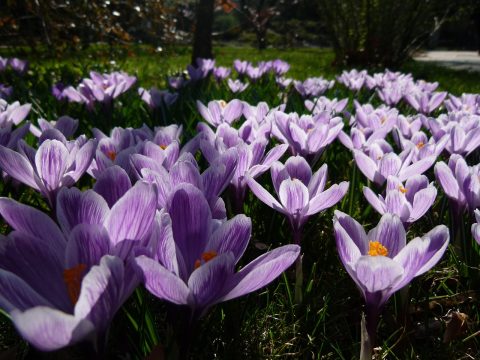
This leafy garden next to the natural history museum is a favorite spot for local families thanks to its shaded paths, ponds, and open lawns perfect for letting kids burn off energy. There is a small dedicated playground area with slides and climbing structures, plus enough open space for scooters, ball games, or simply chasing pigeons. Benches line the main walkways, making it easy for parents to relax while children explore the flower beds and small water features. The garden connects conveniently to other central attractions, so it works well as a mid-afternoon break during a longer day of sightseeing. In warmer months, an ice cream kiosk often appears nearby, which never hurts with younger visitors. It is free to enter and stays lively on weekends with other local families doing the same thing.
One of the largest freshwater and tropical aquariums in Europe, this underground aquarium is built around a fun aviation theme that ties in with the city's aerospace identity, including a giant shark tank framed like an aircraft cockpit view. Kids move through dimly lit tunnels surrounded by piranhas, giant catfish, and colorful reef fish, with touch pools where they can safely handle small aquatic creatures under staff supervision. The layout is stroller and buggy friendly, and the whole visit is largely indoors, making it a reliable rainy-day option. Signage includes playful facts pitched at a child's level, and several tanks are positioned low enough for toddlers to see without being lifted. A gift shop at the exit sells reasonably priced ocean-themed toys and books. Most families spend around ninety minutes to two hours moving through at a relaxed pace.

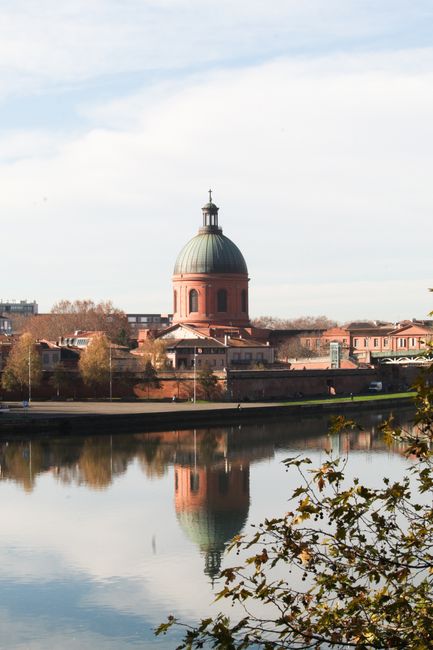
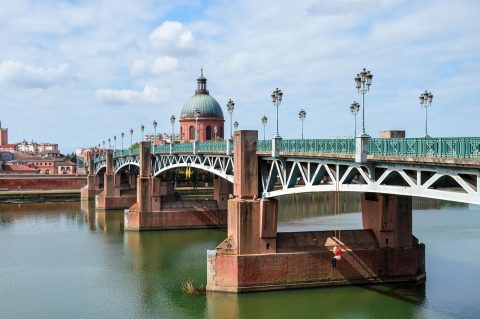
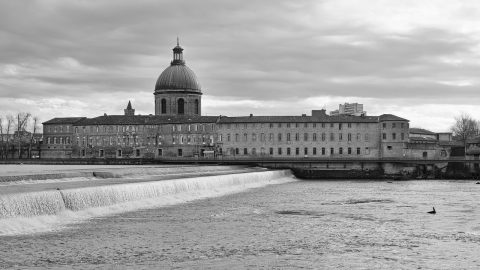
This large open green space along the Garonne River gives kids room to run, cycle, or fly a kite, with a dedicated playground and views across to the domed silhouette of the Hopital de la Grave. It is a popular gathering spot for local families in the late afternoon, especially in spring and summer when food trucks and pop-up stalls sometimes appear along the riverbank. The flat, wide paths are ideal for scooters, balance bikes, or a relaxed stroll with a pram, and there is plenty of shade from mature trees on hot days. Occasional weekend events, from small fairs to outdoor markets, add extra entertainment without any planning required. It sits close to Saint-Cyprien, making it easy to combine with other riverside activities. Entry is free and the space rarely feels crowded even on busy days.
Tips for With Kids
- Cite de l'Espace gets busy during French school holidays, so book tickets online in advance and arrive early.
- Combine the Aquarium and Jardin des Plantes on the same day since they sit within walking distance of each other.
- Bring water and snacks for outdoor stops like Prairie des Filtres, as shaded seating fills up quickly on sunny weekends.
- Strollers are welcome at all four spots, though the Aquarium's tunnels can feel tight during peak afternoon hours.
Toulouse comes alive with a distinctive rhythm of festivals and public celebrations throughout the year, from riverside music series to autumn light shows. The Ville Rose blends its aviation heritage, Occitan culture, and student energy into a calendar of recurring happenings worth planning a visit around. Below are the citys signature 2026 events, each with approximate dates so you can time your trip.
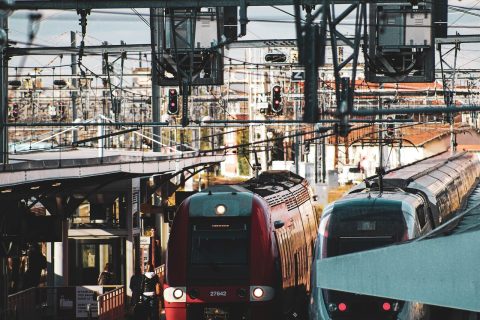
Rio Loco is Toulouses beloved free world-music festival, staged along the grassy banks of the Garonne at Prairie des Filtres from June 17 to June 21, 2026. Each edition spotlights a different region or theme, bringing international artists, DJs, and street performers to several outdoor stages. Expect food trucks serving global street food, craft workshops for kids, and a laid-back picnic atmosphere as locals spread blankets on the riverbank grass.
Evenings build toward headline concerts that draw tens of thousands, while daytime hours stay relaxed and family-friendly. It is one of the largest free music festivals in southern France, so arriving early for popular sets is wise. The festival captures the citys open, convivial summer spirit better than almost any other event.
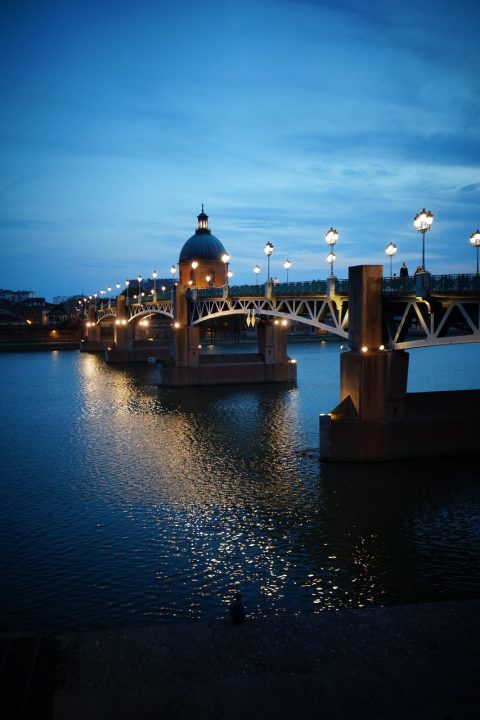
From July 2 through August 28, 2026, the city hosts Toulouse dEte, a season-long series of free open-air concerts, cinema screenings, and dance evenings held in courtyards and squares across the historic center, including Place du Capitole and the Jardin des Plantes. Genres rotate weekly, spanning jazz, chanson, electro, and world music, giving both residents and visitors a reason to linger downtown on warm summer nights.
Many performances are staged at dusk, when the pink brick facades glow under stage lighting, and the program typically includes at least one large tango or salsa dance night open to all skill levels. Entry is free and unticketed for most shows, though popular evenings fill up fast, so arriving thirty minutes early secures a good spot near the stage.
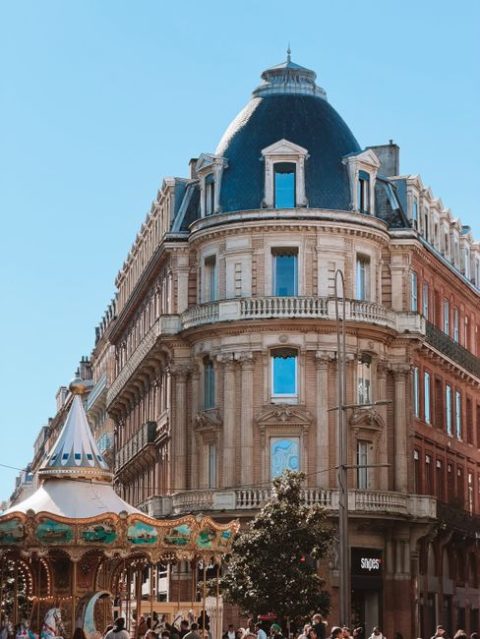
Each winter, dozens of illuminated wooden chalets fill Place du Capitole and the surrounding streets for the Toulouse Christmas Market, running from November 27 to December 30, 2026. Stalls sell mulled wine, roasted chestnuts, regional cheeses, and handcrafted gifts, while a large ferris wheel and ice-skating rink add to the festive draw for families.
The market is busiest on weekend afternoons and evenings, when the square is strung with lights and a giant Christmas tree anchors the scene. Local Occitan specialties like violet-flavored sweets appear alongside typical French holiday treats. Its a pleasant, walkable stop even for a short visit, and pairs well with an evening stroll through the illuminated old town streets nearby.

On the night of December 31, 2026 into January 1, 2027, crowds gather at Place du Capitole and along the Garonnes Pont Neuf for Toulouses official New Years Eve celebration, capped by a midnight fireworks display over the river. Street performers, temporary bars, and warm-up music fill the square from early evening, building anticipation as the crowd counts down together.
The event is free and unticketed, drawing a mix of families with children for the earlier hours and a livelier late-night crowd as midnight approaches. For the best fireworks view, riverside spots near Pont Neuf or Pont Saint-Pierre offer an open sightline over the water. Dress warmly, as late-December nights in Toulouse can be damp and cold despite the citys generally mild climate.
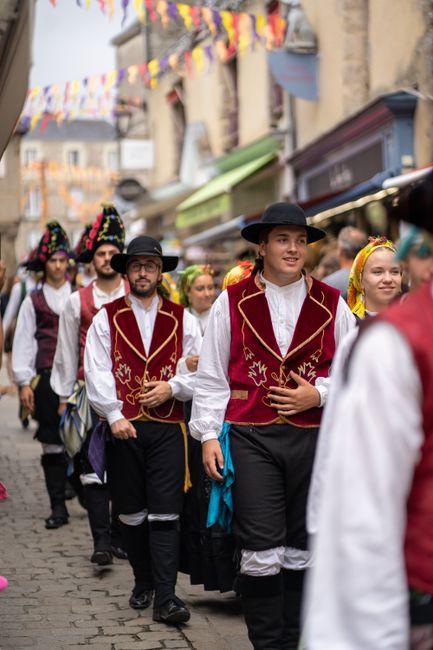
Held each spring along the Canal du Midi and in the Compans-Caffarelli gardens, the Fete de la Violette celebrates Toulouses signature flower, the violet, from February 5 to February 8, 2026. Vendors sell violet-themed products, from candied flowers and liqueurs to perfumes and soaps, alongside a flower market and guided walks explaining the blooms century-old link to local horticulture.
The festival includes tastings, artisan demonstrations, and a floral parade that draws crowds of gardeners and curious visitors alike. It is a smaller, more intimate event than the summer festivals, with a charming old-world feel suited to a relaxed afternoon wander. Photographers particularly enjoy the violet-dyed displays set against the canals reflections.
Tips for Events Calendar
- Check exact dates on official Toulouse tourism or event websites closer to your visit, as schedules can shift by a week or two.
- Free outdoor events like Rio Loco and Toulouse dEte get crowded on weekends — arrive early for the best spots near the stage.
- The Christmas market and New Years fireworks draw large crowds around Place du Capitole; use public transit rather than driving into the center.
- Pack layers for winter events, as riverside and square locations can feel colder than forecasts suggest.
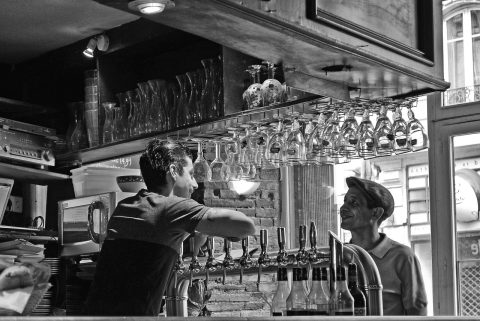
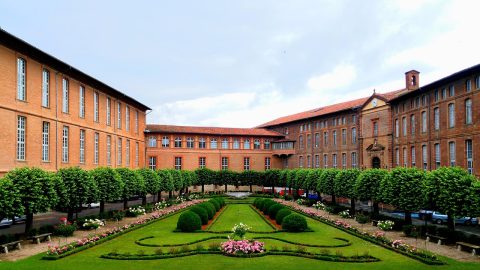
Real, highly-rated Restaurants in Toulouse, sourced from Google Places (rating above 4★).
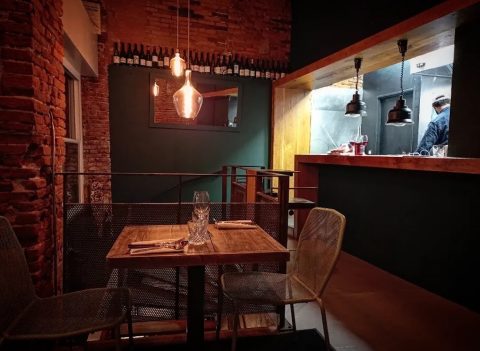
Fogo is a highly-rated restaurant in Toulouse, rated 4.9★ from 461 reviews. Located at 6 Rue des Puits Clos, 31000 Toulouse, France.
Opening Hours
- Monday: 8:00 – 10:30 PM
- Tuesday: 8:00 – 10:30 PM
- Wednesday: 8:00 – 10:30 PM
- Thursday: 12:00 – 2:00 PM, 8:00 – 10:30 PM
- Friday: 12:00 – 2:00 PM, 8:00 – 10:30 PM
- Saturday: Closed
- Sunday: Closed
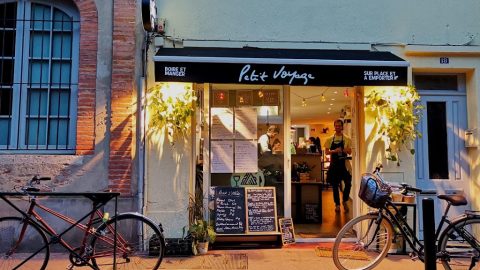
Petit Voyage - Restaurant Toulouse is a highly-rated restaurant in Toulouse, rated 4.9★ from 978 reviews. Located at 18 Rue Emile Cartailhac, 31000 Toulouse, France.
Opening Hours
- Monday: 11:30 AM – 2:30 PM
- Tuesday: 11:30 AM – 2:30 PM
- Wednesday: 11:30 AM – 2:30 PM
- Thursday: 11:30 AM – 2:30 PM, 6:00 – 9:00 PM
- Friday: 11:30 AM – 2:30 PM, 6:00 – 9:00 PM
- Saturday: Closed
- Sunday: Closed
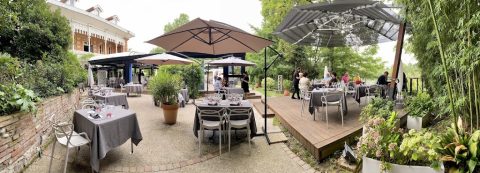
Au Pois Gourmand restaurant terrasse gastronomique is a highly-rated restaurant in Toulouse, rated 4.9★ from 7392 reviews. Located at 3 Rue Emile Heybrard, 31300 Toulouse, France.
Opening Hours
- Monday: 9:00 AM – 9:30 PM
- Tuesday: 9:00 AM – 9:30 PM
- Wednesday: 9:00 AM – 9:30 PM
- Thursday: 9:00 AM – 9:30 PM
- Friday: 9:00 AM – 9:30 PM
- Saturday: 5:30 – 9:30 PM
- Sunday: Closed
Explore Toulouse on the Map
Best Time to Visit Toulouse
Spring (April-May) and Fall (September-October) offer ideal weather with temperatures around 15-20°C, perfect for exploring. These seasons have lower crowds compared to summer.
Summer (June-August) is warm (25-30°C) and vibrant with festivals and events, but very crowded and expensive. Winter (November-March) is mild (5-10°C) with occasional rain but fewer tourists and lower accommodation prices. Consider your priorities: cultural events favor summer, outdoor exploration favors spring/fall, budget travel favors winter.
Getting Around Toulouse
Metro & Tram: Two metro lines and multiple tram lines efficiently connect major areas. Purchase T-Découverte cards for unlimited travel (1-5 days). Single tickets cost €1.70.
Buses: Extensive bus network covers the entire city. Tourist information offices provide free maps. Vélo Toulouse bike-sharing system offers over 2,000 bikes at 200+ stations for convenient urban cycling.
Walking: The city center is compact and very walkable. Most attractions are within 30 minutes on foot. Taxis and Uber available but not necessary for tourists with public transit cards.
Airport Transfer: Blagnac Airport is 7km away. Airport shuttle buses run every 20 minutes (€5), taxis cost €15-20, or rent cars at the airport for regional exploration.
✈️ Airport Transfer
Toulouse-Blagnac Airport (TLS) to city center:
- Tram Line T2: Direct to Toulouse city center (Palais de Justice) in about 30 minutes, tickets cost €1.80
- Airport Shuttle Bus (Navette Aéroport): Runs every 20 minutes to Compans-Caffarelli and the train station in around 20 minutes, €8 one-way
- Taxi: Roughly 20 minutes to the city center, fixed rate around €25-30
- Private Transfer: Pre-booked car service to your hotel in about 20 minutes, typically €40-55
Shopping in Toulouse
Department Stores: Galeries Lafayette and Printemps in downtown offer luxury brands and fashion. Rue de la Pomme features independent boutiques with unique French designs and artisan crafts.
Markets: Victor Hugo Market (covered daily) and outdoor markets in Place du Capitole (3x weekly) offer fresh produce, local cheeses, flowers, and handicrafts. Shopping at markets provides authentic local experiences.
Specialty Shops: Look for regional products like Toulouse sausage, duck confit, cassoulet, Armagnac brandy, and locally-made ceramics. Saint-Cyprien district features independent galleries, vintage shops, and artisan boutiques with unique finds.
Shopping Hours: Most shops open 10am-7pm, closed Sundays. Markets operate mornings until 1-2pm.
Annual Events & Festivals
Toulouse Piano Festival (April/May): International piano competition and concerts at various venues.
Garonne en Fête (May): River festival celebrating with boat races, concerts, and outdoor activities along the Garonne.
Festa de la Garona (June): Three-day festival with performances, exhibitions, and street entertainment celebrating the river.
Summer Festival (July-August): Open-air cinema, concerts, and theater performances throughout the city parks.
Aeroscopia Air Show (Occasional): Spectacular aviation event at nearby Airbus facility with historic and modern aircraft demonstrations.
Christmas Markets (November-December): Festive markets in Place du Capitole with holiday decorations, gift stalls, and seasonal food. New Year celebrations include fireworks and street parties.
5 Sample Day Itineraries
Day 1: Historical Toulouse
Start at Basilica of Saint-Sernin (45 min), then explore Old Town streets (1 hour). Visit Church of the Jacobins (30 min), lunch in a local café. Afternoon: Toulouse-Lautrec Museum (2 hours). Evening: sunset at Pont Neuf, dinner in Rue Croix Baragnon.
Day 2: Art & Museums
Morning: Augustins Museum (1.5 hours), explore adjacent Rue de la Pomme (45 min). Lunch near museum. Afternoon: Paul Dupuy Museum or Natural History Museum (1.5 hours). Evening: Grand Rond gardens stroll, casual dinner.
Day 3: River & Nature
Morning: Canal du Midi boat tour (2 hours) or cycling the towpath. Lunch riverside. Afternoon: Botanical Garden (1.5 hours) or Jardin de la Berge walk. Evening: sunset walk in Saint-Cyprien district.
Day 4: Day Trip to Carcassonne
Early morning train or car to Carcassonne. Spend 4-5 hours exploring the medieval fortress, walking ramparts, visiting the basilica, and enjoying lunch with views. Return to Toulouse for evening relaxation.
Day 5: Local Culture & Markets
Morning: Victor Hugo Market and shopping in boutiques. Lunch with local specialties. Afternoon: Airbus Factory Tour (2.5 hours, book ahead). Evening: explore Saint-Cyprien galleries, final dinner sampling Toulouse cuisine.
Best Photography Locations
Pont Neuf at Sunset: The iconic pink-brick bridge with Garonne River creates stunning golden-hour shots. Best light 30-60 minutes before sunset from the bridge center or adjacent riverbank.
Place du Capitole at Night: The illuminated Renaissance buildings and grand square offer magical nighttime photography. Post-sunset when building lights activate (8-9pm depending on season).
Basilica of Saint-Sernin Façade: Early morning light beautifully highlights the Romanesque architecture. Golden-hour photography (early morning or late afternoon) reveals stone details and texture.
Canal du Midi Towpath: Tree-lined paths with reflections in water create serene landscape photography. Spring blossoms add color. Morning mist or golden-hour light enhances atmosphere.
Saint-Cyprien Street Scenes: Narrow streets with hanging plants, café tables, and street art provide authentic local color photography. Best during daytime for detail, early morning for empty-street shots.
Rue de la Pomme Architecture: Close-up details of Renaissance façades, ornate balconies, and doorways. Overcast days eliminate harsh shadows, brightening details. Spring flowers add color to window boxes.
Electrical Information
Voltage & Frequency: France operates on 230V, 50Hz electrical standard. This differs from North America (120V, 60Hz) and other regions.
Plug Types: France uses Type C and Type E plugs with round pins. Type C is the common two-round-pin plug used throughout Europe. Type E adds grounding pins and is increasingly standard.
Adapters & Converters: Visitors from North America, UK, or Australia need plug adapters. Purchase adapters before departure or at the airport (though often more expensive). Dual-voltage devices (laptops, phone chargers) need only adapters. Non-dual-voltage devices need both adapter and voltage converter.
Where to Buy: Electronics stores, supermarkets, and airport shops sell adapters. Most hotels provide adapters at reception for guest use.
Important Note: Check device specifications before connecting. Most modern electronics are dual-voltage (100-240V), making adapters sufficient.
Must-Try Dishes & Dining
Cassoulet: Toulouse's signature dish features white beans, duck confit, pork sausage, and breadcrumb topping baked until golden. Rich, hearty, and traditionally served in winter. Try at traditional bistros for authentic preparation.
Toulouse Sausage (Saucisse de Toulouse): This coarse-grain pork sausage is fresh (not smoked) and grilled or braised. Often served with beans or in pasta dishes. Available at markets and butchers.
Duck Confit: Tender duck slow-cooked in its own fat is a regional specialty. Served with potatoes or salad. Luxurious and deeply flavorful.
Foie Gras: Fattened duck liver is a French delicacy. Served seared as a main course or spread on toast as an appetizer. Fresh versions peak in winter.
Dinner Culture: Dinner starts around 7-8pm in France. Restaurants fill around 8pm. Lunch is the main meal (noon-2pm). Always greet servers with 'Bonjour' upon entry.
Wine Pairing: Regional wines from Gascony and Armagnac brandy pair perfectly with local dishes. Try local restaurants' wine recommendations. Meals often include wine or aperitifs.
Dining Tips: Tipping is not expected but rounding up or leaving 5-10% shows appreciation. Bread and water are free. Coffee after meals is customary.
Tourist Passes
Toulouse City Card
The Toulouse City Card includes unlimited public transport (metro, trams, buses), free entry to 5 major museums (Toulouse-Lautrec, Augustins, Paul Dupuy, Natural History, and more), and discounts at restaurants and shops. Available for 24, 48, or 72 hours. Valid only during consecutive calendar days. Excellent value for active sightseers planning museum visits.
www.toulouse-tourisme.comMuseum Pass France
This regional pass provides unlimited entry to over 80 museums across Southern France including Toulouse and surrounding regions. Available for 1, 3, or 7 days. Beneficial if planning museum-intensive travel. Access includes skip-the-line privileges at major attractions. Particularly valuable for multi-day regional exploration.
www.museepassfrance.comT-Découverte Transit Card
Unlimited public transportation on metro, trams, and buses for 1-5 days. Essential for navigating the city efficiently without individual ticket purchases. Daily cards cost approximately €5-10 depending on duration. Unlimited travel encourages exploring distant neighborhoods and day-trip connections.
www.tisséo-collectivités.fr