Tbilisi's vibrant public spaces, from grand Soviet-era boulevards to charming cobblestone streets, serve as the city's living room where culture, commerce, and community converge.
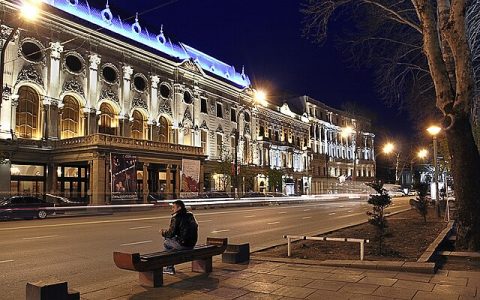
Rustaveli Avenue
Tbilisi's main thoroughfare and cultural spine, named after medieval Georgian poet Shota Rustaveli. This grand boulevard stretches through the city center, lined with elegant 19th-century buildings, theaters, museums, shops, and cafes. Key landmarks include the Opera House, Parliament, Rustaveli Theatre, National Museum, and Tbilisi State University. The avenue witnessed major historical events including the 1989 protests. Wide sidewalks perfect for strolling, people-watching, and experiencing city life. Home to upscale boutiques, international brands, bookstores, and restaurants. Evening promenades are popular local tradition. Central metro stations provide easy access.
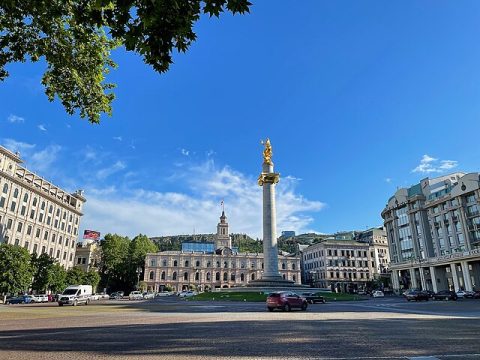
Freedom Square (Liberty Square)
The central square of Tbilisi, historically known by various names reflecting Georgia's political changes. The square features the prominent St. George statue atop a column, erected in 2006 symbolizing Georgia's patron saint and independence. Surrounded by important buildings including Tbilisi City Hall and luxury hotels. The square serves as gathering point for celebrations, protests, and public events. Underground passage leads to metro station. Popular meeting spot for locals and tourists. Christmas markets and festivals held here. The square connects Old Tbilisi with Rustaveli Avenue and modern city center.
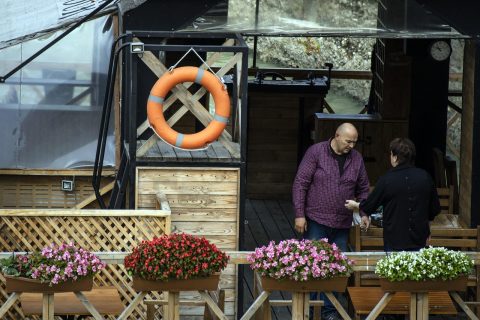
Shardeni Street
A charming pedestrian street in Old Tbilisi named after French traveler Jean Chardin who visited Georgia in the 17th century. The narrow cobblestone lane features beautifully restored buildings with wooden balconies, art galleries, wine bars, and restaurants. Perfect example of Old Tbilisi architecture and atmosphere. Street comes alive in evenings with outdoor seating, live music, and vibrant nightlife. Mix of traditional Georgian restaurants and trendy cafes. Popular area for romantic dinners and evening strolls. Connects to other historic streets and Meidan Square. Representative of Tbilisi's successful blend of preservation and modern entertainment.
Tips for Squares & Streets
- Walking Tours: Join free walking tours that start from Freedom Square to learn history and context
- Evening Visits: Shardeni Street and Rustaveli Avenue are most atmospheric in evening
- Photo Opportunities: Old Tbilisi streets offer excellent photography, especially morning and late afternoon
- Restaurant Reservations: Popular Shardeni Street restaurants fill quickly on weekends