Plan your trip to Dresden
- How long
- 2-3 days: the rebuilt Old Town, the Zwinger and the state art collections, plus Saxon Switzerland or Meissen.
- Best for
- History and art lovers: a baroque city rebuilt from 1945 ruins, with world-class museums on the Elbe.
- Skip it if
- You want an untouched old town: the historic center was reconstructed.
If you only do three things
- The Frauenkirche, the Zwinger and the Semperoper.
- The Green Vault and the Old Masters Picture Gallery (book ahead).
- Neustadt's Kunsthofpassage and a stroll along the Elbe.
A one-day route
- Morning: The Frauenkirche and the Fürstenzug.
- Midday: Lunch near the Neumarkt.
- Afternoon: The Zwinger and the Old Masters Gallery.
- Evening: Brühl's Terrace at dusk; dinner in the Neustadt.
Before you go
- Dresden Airport connects to the center by S-Bahn in about 20 minutes.
- Book the Green Vault ahead.
- The Striezelmarkt Christmas market runs in Advent.
- Check current museum prices and opening days.
Prices, opening status and transport in this plan checked against official sources on 1 October 2026.
Things to do in Dresden
Dresden's skyline is defined by its spectacular baroque architecture, meticulously reconstructed after World War II. The city's landmarks represent a phoenix-like rebirth and stand as testaments to artistic dedication and cultural resilience.
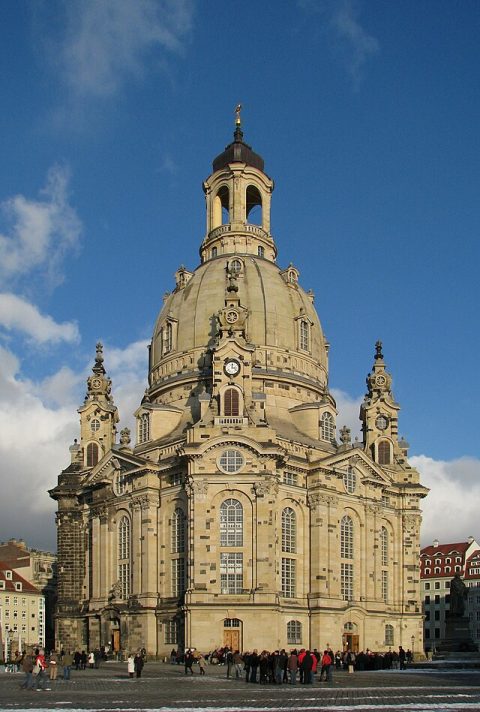
Frauenkirche (Church of Our Lady)
The iconic symbol of Dresden, this Lutheran church was completely destroyed in 1945 and painstakingly reconstructed between 1994-2005 using original stones where possible. The stunning dome dominates the skyline and the interior features breathtaking frescoes and a magnificent organ. Climb the dome for panoramic city views. The church stands as a powerful monument to reconciliation and peace.
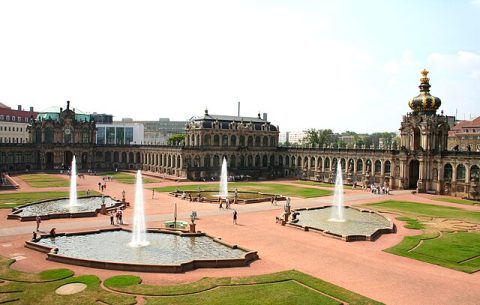
Zwinger Palace
A baroque masterpiece built between 1710-1728, featuring stunning pavilions, galleries, and fountains surrounding a magnificent courtyard. Houses the Old Masters Picture Gallery, Porcelain Collection, and Royal Cabinet of Mathematical and Physical Instruments. The ornate Crown Gate and Nymph's Bath fountain are architectural highlights. Absolutely essential for any Dresden visit.
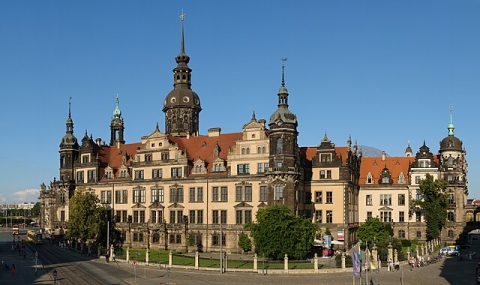
Dresden Castle (Residenzschloss)
The former royal palace of Saxon electors and kings, featuring Renaissance and baroque elements. Houses five world-class museums including the famous Green Vault treasure chamber with its incredible collection of jewels and precious objects. The Historic Green Vault offers an authentic baroque experience. Advance booking strongly recommended for the Historic Green Vault.
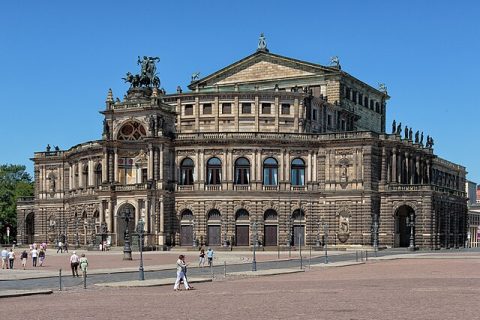
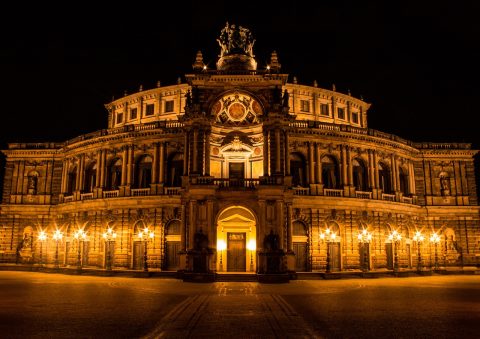
Semperoper (Semper Opera House)
One of the world's most beautiful opera houses, designed by Gottfried Semper in the Italian High Renaissance style. Originally opened in 1841, destroyed and rebuilt twice, it now hosts the Saxon State Opera and Dresden Philharmonic. The auditorium interior is breathtaking. Attend a performance or take a guided tour to appreciate this architectural and cultural gem.
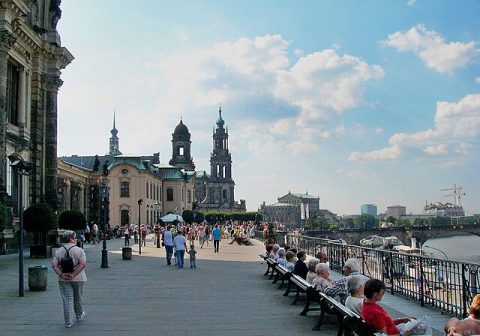
Brühl's Terrace
Known as the 'Balcony of Europe', this elevated riverside promenade offers stunning views of the Elbe River and city. Built in the 16th century as part of the city's fortifications, it features beautiful baroque and Renaissance architecture. Perfect for an evening stroll with cafes and restaurants. Completely free and accessible year-round.
Tips for Landmarks & Monuments
- Book Historic Green Vault tickets weeks in advance - limited daily capacity
- Purchase the Frauenkirche dome climb ticket separately if you want panoramic views
- Visit Brühl's Terrace at sunset for spectacular photography opportunities
- Check Semperoper's schedule early - performances sell out quickly
Dresden houses some of Europe's most significant museum collections, from Old Master paintings to cutting-edge contemporary art. The city's museums showcase centuries of royal collecting and artistic achievement.
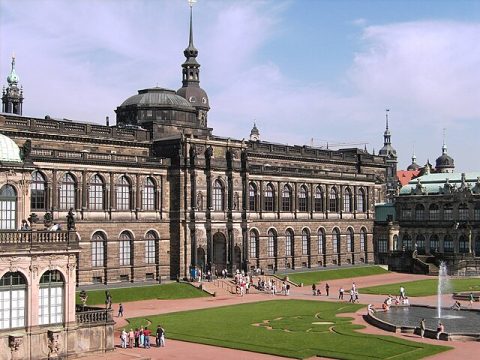
Old Masters Picture Gallery (Gemäldegalerie Alte Meister)
One of the world's finest art collections, housed in the Zwinger Palace. Features masterpieces including Raphael's Sistine Madonna, Giorgione's Sleeping Venus, and works by Rembrandt, Vermeer, Canaletto, and Rubens. The gallery's baroque rooms provide a stunning setting for these artistic treasures. An absolute must for art lovers.
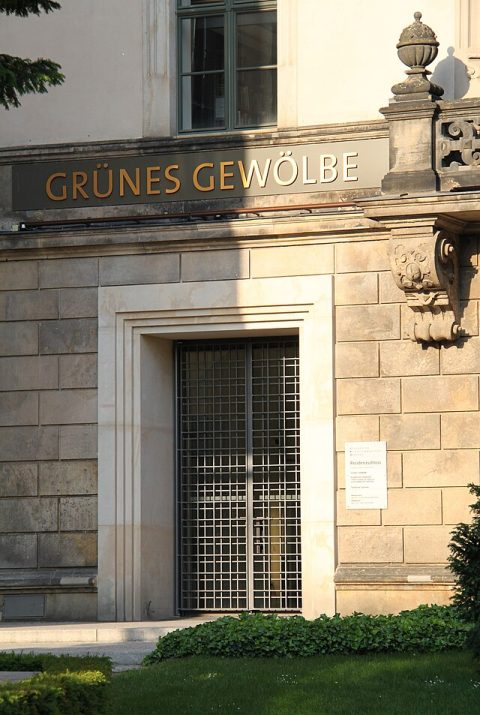
Green Vault (Grünes Gewölbe)
The most spectacular treasure chamber in Europe, containing the royal collections of Saxon rulers. Split into Historic Green Vault (authentic baroque rooms with treasures in original settings) and New Green Vault (modern display of individual objects). Features incredible jewelry, gold work, ivory carvings, and precious gems. The Dresden Green Diamond is a highlight.
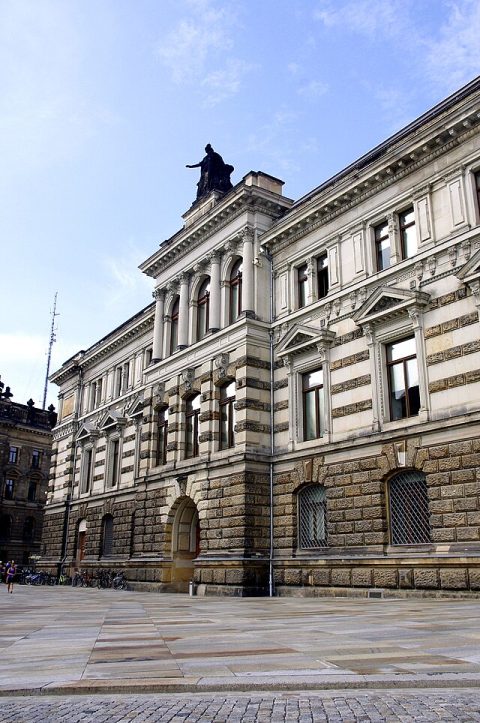
Albertinum
Houses the New Masters Gallery (19th-21st century art) and Sculpture Collection. Features German Romantics like Caspar David Friedrich, Impressionists, Expressionists, and contemporary works. The modern interior contrasts beautifully with the historic building. Excellent collection of Gerhard Richter paintings and Auguste Rodin sculptures.
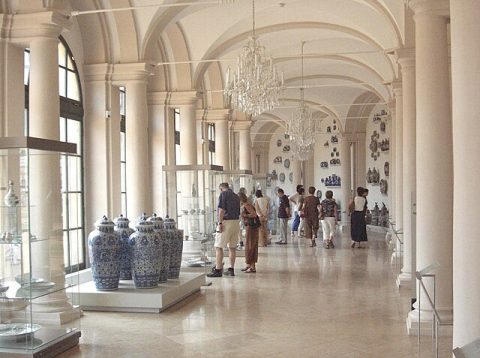
Porcelain Collection (Porzellansammlung)
One of the world's most important ceramic collections in the Zwinger Palace. Features over 20,000 pieces of Chinese, Japanese, and Meissen porcelain collected by Augustus the Strong. The presentation in baroque galleries is spectacular. Showcases the obsession with 'white gold' that led to the European discovery of porcelain-making.
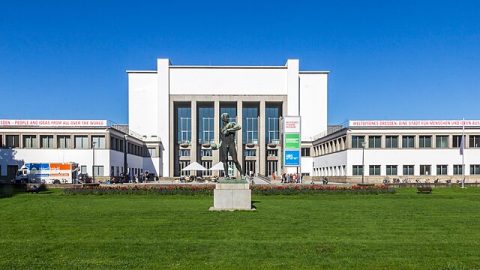
German Hygiene Museum
A fascinating and unique museum exploring the human body, health, and society. Interactive exhibits cover anatomy, nutrition, sexuality, beauty, and mortality. The historic glass model of a human is iconic. Features thought-provoking contemporary exhibits on medical ethics and society. Excellent for families and curious minds.
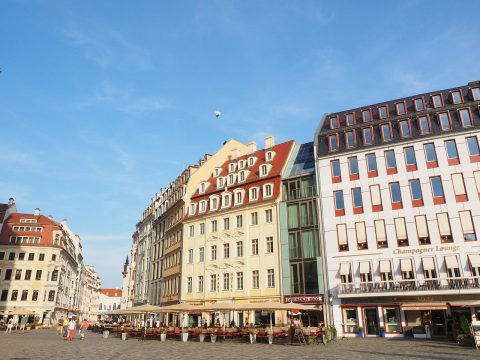
Transport Museum (Verkehrsmuseum)
Housed in the Johanneum building, this museum covers rail, road, water, and air transport history. Features historic locomotives, vintage cars, aircraft, and model railways. Particularly strong on Saxon railway history. Great for children and transport enthusiasts. The building itself is a beautiful Renaissance structure.
Tips for Museums & Galleries
- Buy a combined ticket for multiple State Art Collections museums for better value
- Visit museums on weekday mornings to avoid crowds
- The New Green Vault doesn't require advance booking, Historic Green Vault does
- Audio guides are available in multiple languages at major museums
Dresden's churches blend spiritual significance with architectural excellence, from Lutheran landmarks to Catholic cathedrals, each telling part of Saxony's religious and political history.
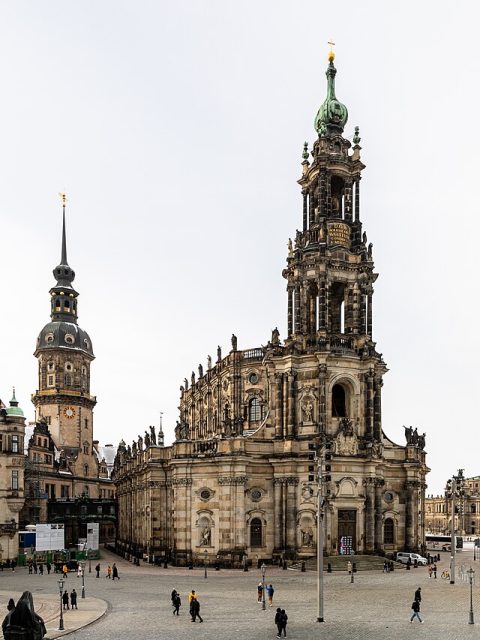
Dresden Cathedral (Hofkirche)
The largest church in Saxony, this Catholic cathedral was built 1739-1755 in baroque style. Features an impressive organ by Silbermann, elaborate interior decorations, and the crypt containing hearts and remains of Saxon rulers. The exterior statues of saints are notable. Offers a striking contrast to the Protestant Frauenkirche nearby.
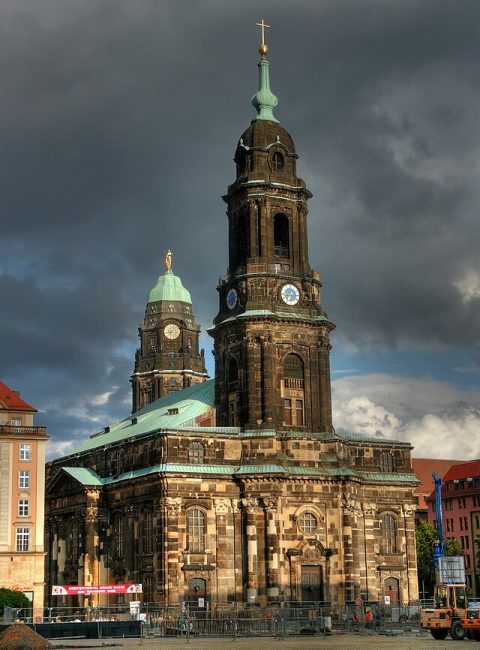
Kreuzkirche (Church of the Holy Cross)
Dresden's oldest church, dating back to the 13th century, rebuilt multiple times. Home to the famous Dresdner Kreuzchor (boys' choir founded in 1300). The tower offers panoramic views of the city. Simple yet elegant interior with modern elements. Located on Altmarkt square in the heart of the shopping district.
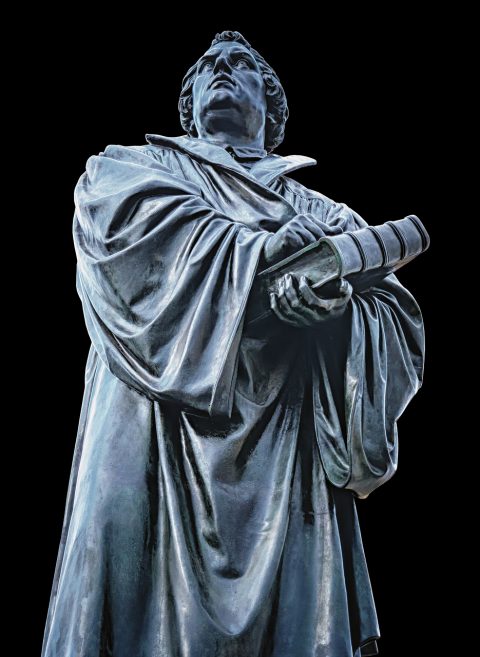
Martin Luther Church (Neustadt)
A beautiful neo-baroque Protestant church built 1883-1887 in Dresden's Neustadt district. Features a distinctive 61-meter tower and richly decorated interior with frescoes and ornate altar. Named after the Reformation leader. The church hosts concerts and cultural events. Less touristy than central churches but equally impressive.
Tips for Religious Sites
- Attend a Kreuzchor concert at Kreuzkirche for a memorable musical experience
- Check concert schedules - many churches host classical music performances
- Dress modestly when visiting churches; cover shoulders and knees
- Photography may be restricted during services
Dresden's public squares and streets form the heart of city life, combining historic architecture with modern urban culture. These spaces host markets, festivals, and daily life.
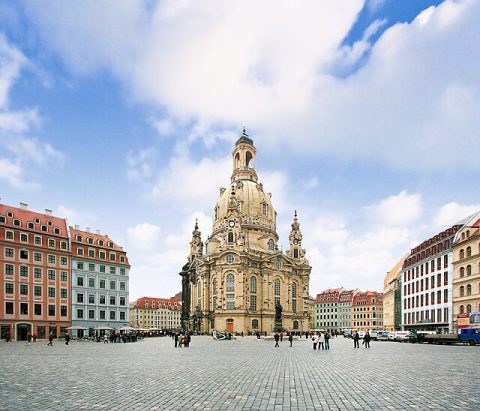
Neumarkt (New Market Square)
The historic heart of Dresden, dominated by the Frauenkirche. This square was completely destroyed in WWII and has been painstakingly reconstructed with baroque buildings. Now features cafes, restaurants, and shops. The Christmas market here is spectacular. Site of the famous 'Lipsius' building and Cosel Palace.
Altmarkt (Old Market Square)
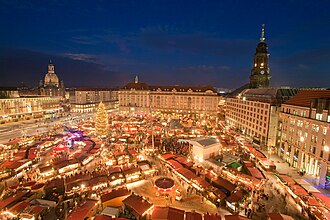
Dresden's main central square, used for markets since medieval times. Surrounded by modern buildings due to WWII destruction. Home to the Kreuzkirche and hosts the famous Striezelmarkt Christmas market (Germany's oldest). Features the Altmarkt-Galerie shopping center. Hub of public transport connections.
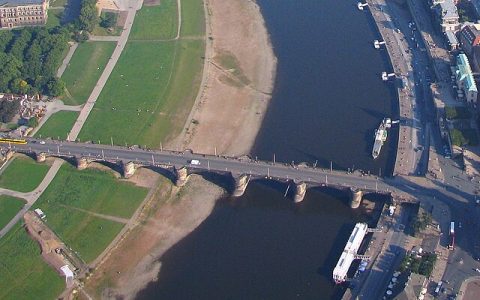
Augustusbrücke (Augustus Bridge)
The main bridge connecting the historic Altstadt and Neustadt districts across the Elbe. Offers stunning views of the riverside baroque skyline. Originally built in 1910 replacing a medieval bridge. Popular spot for photography, especially at sunset. Street musicians and artists often perform here in summer.
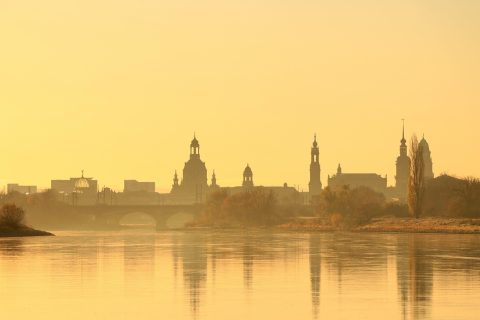
Prager Straße
Dresden's main shopping street, a pedestrianized boulevard connecting the main train station to Altmarkt. Rebuilt in socialist style after WWII with modern fountains and architecture. Features major department stores, international chains, and cafes. Excellent shopping but architecturally controversial.
Tips for Squares & Streets
- Visit Neumarkt during the Christmas market season for magical atmosphere
- Cross Augustusbrücke on foot for the best photo opportunities
- Altmarkt hosts various markets and events throughout the year
- Evening lighting makes the squares particularly photogenic
Dresden's distinct districts each offer unique character, from the baroque Altstadt to the bohemian Neustadt and artistic Kunsthofpassage.
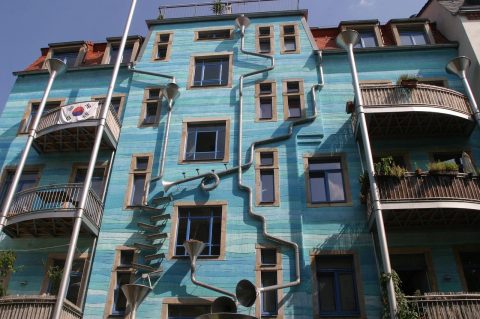
Neustadt (New Town)
Dresden's trendiest neighborhood, known for alternative culture, street art, bars, cafes, and nightlife. The area around Albertplatz and Alaunstraße buzzes with young energy. Features the famous Kunsthofpassage art courtyards. More authentic and lived-in than the tourist-focused Altstadt. Best area for nightlife and independent shops.
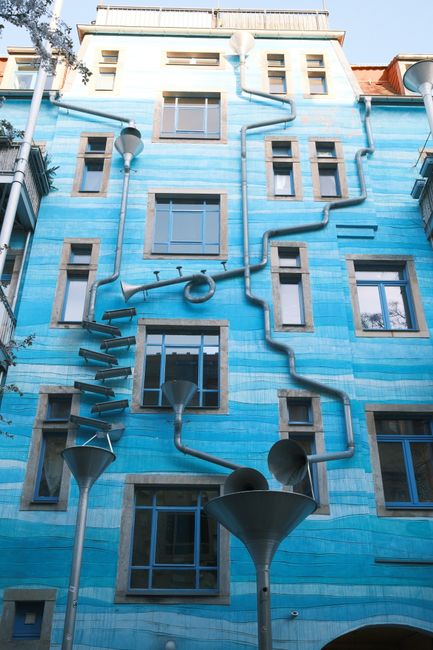
Kunsthofpassage
A series of five beautifully decorated courtyards in Neustadt featuring quirky art installations and facades. Each courtyard has a theme (Elements, Metamorphoses, Mythical Creatures, Light, Animals). The 'Court of Elements' with its musical drainpipes is famous. Houses boutiques, cafes, and workshops. Instagram paradise and free to explore.
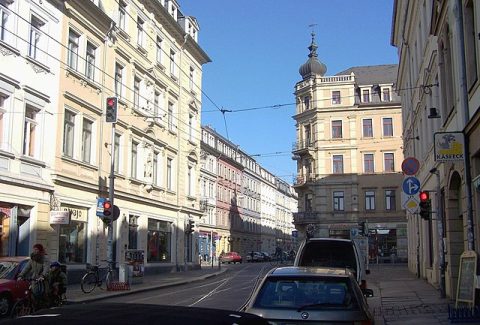
Äußere Neustadt (Outer Neustadt)
The alternative and bohemian heart of Dresden, centered on Alaunstraße. Features independent boutiques, vintage shops, international restaurants, bars, and clubs. Known for street art, alternative culture, and the annual BRN (Bunte Republik Neustadt) street festival. Essential for nightlife and experiencing local youth culture.
Blasewitz & Blue Wonder Bridge
An elegant residential district along the Elbe featuring beautiful villas and the iconic 'Blue Wonder' (Loschwitzer Brücke) steel bridge from 1893. Tree-lined streets, riverside walking paths, and traditional wine taverns. The Schillerplatz is charming. Quieter alternative to central districts with lovely architecture.
Tips for Neighborhoods & Districts
- Explore Neustadt in the evening when bars and restaurants come alive
- Visit Kunsthofpassage after rain to hear the musical drainpipes
- Try local craft beers at Neustadt's independent brewpubs
- The BRN festival in June is chaotic but fun if you enjoy street parties
Dresden boasts magnificent green spaces along the Elbe River, from baroque gardens to expansive parklands perfect for relaxation and recreation.
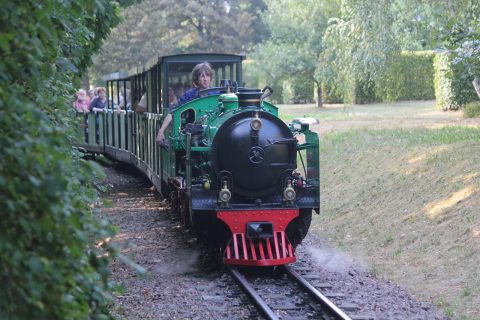
Großer Garten (Great Garden)
Dresden's largest and most beautiful park, covering 147 hectares in French baroque style. Features the baroque Summer Palace (hosting art exhibitions), botanical garden, zoo, and a miniature railway. Perfect for walking, cycling, picnicking. Locals' favorite for relaxation. Beautiful in all seasons but spectacular in spring and autumn.
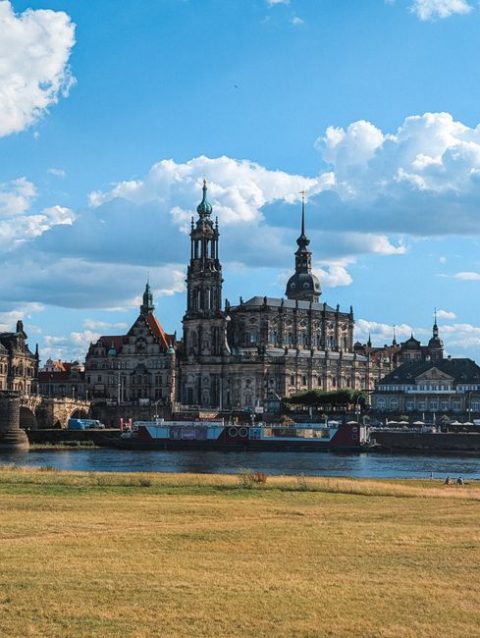
Elbe River Meadows
The green lung of Dresden, extensive meadows along both riverbanks forming one of Europe's few preserved inner-city river landscapes. Perfect for cycling, jogging, picnicking, and watching river traffic. Popular summer gathering spot. UNESCO World Heritage status was controversially revoked due to bridge construction. Free and always accessible.
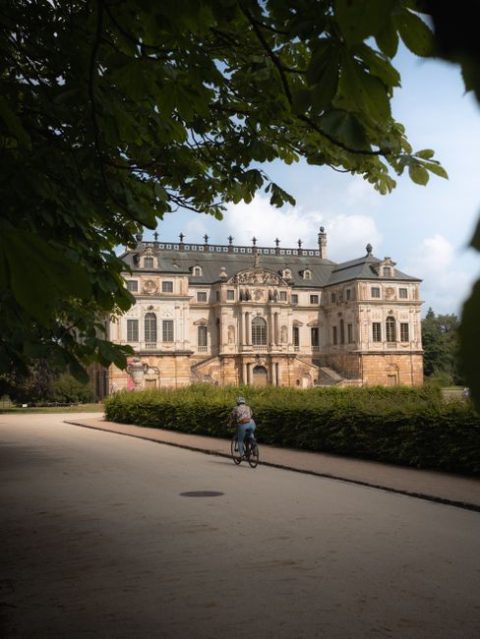
Pillnitz Palace & Park
A stunning baroque summer palace with Chinese-influenced architecture set in extensive gardens along the Elbe. Features the Water Palace, Mountain Palace, and New Palace. The English-style park has rare trees, including a 230-year-old camellia. Take a vintage steamboat here. Perfect half-day excursion from central Dresden.
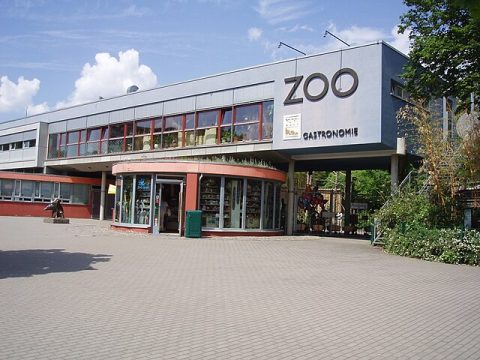
Dresden Zoo
Located within Großer Garten, this fourth-oldest zoo in Germany houses over 1,500 animals. Highlights include the 'Africa House' with giraffes and zebras, Professor Brandes Haus for primates, and the Aquarium. Compact and well-designed. Excellent for families with children. Combined ticket with Großer Garten railway available.
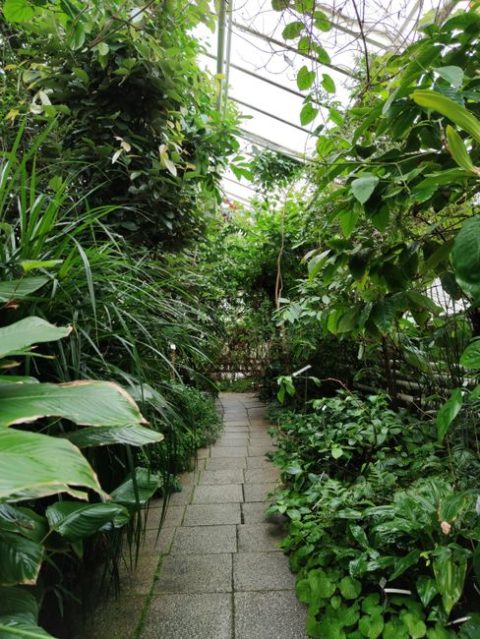
Botanical Garden
Part of the Technical University, this compact botanical garden in Großer Garten features greenhouses with tropical, subtropical, and desert plants. Free admission. Peaceful spot with educational labels. The orchid collection and cacti house are highlights. Hidden gem often overlooked by tourists.
Tips for Parks & Gardens
- Rent a bike to explore the Elbe meadows - flat and scenic cycling
- Großer Garten hosts summer concerts and events
- Take the historic paddle steamer to Pillnitz for a memorable journey
- Parks are perfect for budget picnics with local market purchases
Dresden's streets showcase remarkable public art, from historic murals to modern sculptures and architectural masterpieces.
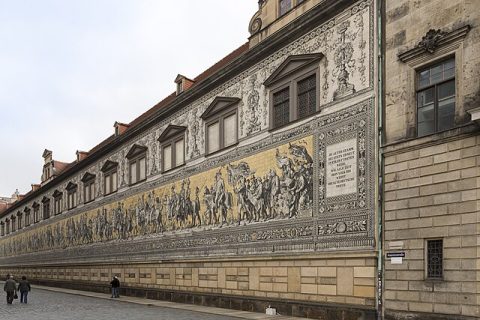
Fürstenzug (Procession of Princes)
The world's largest porcelain mural, measuring 102 meters long. Depicts 35 Saxon rulers on horseback from 1127-1873 using 24,000 Meissen porcelain tiles. Created 1872-1876, miraculously survived WWII bombings. Located on the exterior wall of the Stallhof (stable courtyard). Free to view and absolutely spectacular.
Golden Rider Statue
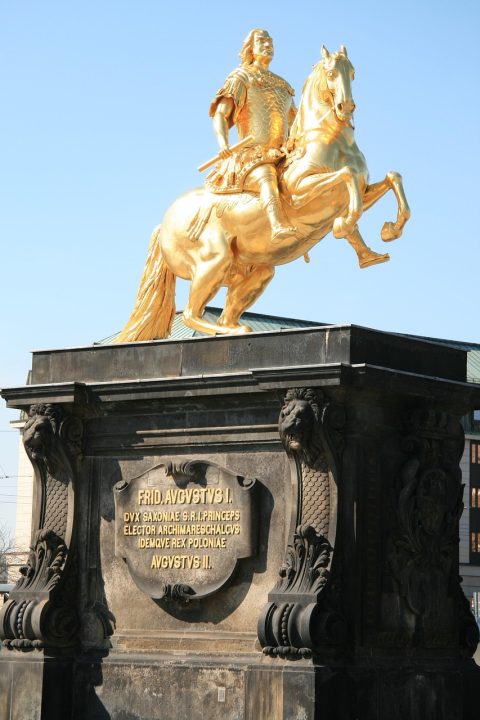
An iconic gilded equestrian statue of Augustus the Strong, Elector of Saxony and King of Poland, created in 1736. Located at the bridgehead of Augustusbrücke in Neustadt. The baroque monument shows Augustus in Roman armor. Popular meeting point and photo spot, especially beautiful when illuminated at night.
Yenidze
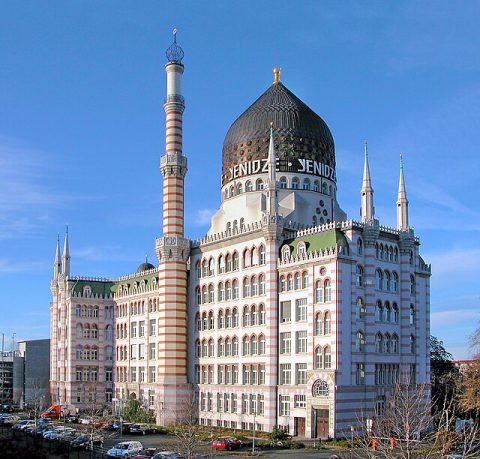
A former cigarette factory built 1908-1909 in a fanciful Oriental style resembling a mosque with colored glass dome. Now houses offices and a restaurant with panoramic views. The building was designed to look exotic as tobacco was associated with the Orient. Unique architectural curiosity visible from many viewpoints.
Panometer Dresden
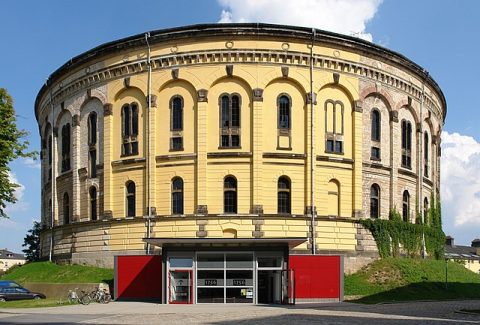
A 360-degree panorama exhibition in a former gasometer by artist Yadegar Asisi. The massive cylindrical building hosts rotating panoramic artworks depicting Dresden's history, including the baroque city and WWII aftermath. Stunning immersive experience with dramatic lighting and sound. Exhibitions change periodically. Unique cultural experience.
Tips for Fountains & Public Art
- Visit the Fürstenzug in morning light for best photography
- The Yenidze restaurant requires reservation for dome dining
- Panometer exhibitions change - check current theme before visiting
- Many public art pieces are beautifully lit at night
Experience Dresden through guided tours and unique activities that bring the city's history and culture to life.
Elbe River Cruise
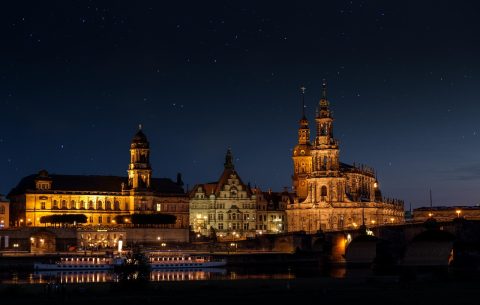
Cruise the Elbe on historic paddle steamer boats operated by the world's oldest and largest paddle steamer fleet (some from 1879). Routes include city tours, trips to Pillnitz Palace, and excursions to Saxon Switzerland. The fleet of nine steamers is lovingly maintained. Romantic and relaxing way to see Dresden's skyline and surrounding landscapes.

Trabi Safari
Drive a Trabant (iconic East German car) through Dresden on a guided convoy tour. Experience driving this quirky two-stroke vehicle while learning about GDR history. Tours include city highlights and stories from communist era. Unique and fun activity, especially for groups. No special license needed beyond standard driving permit.
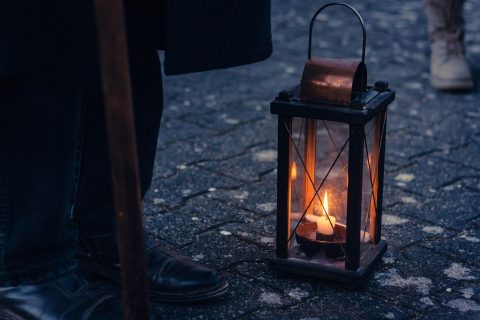
Night Watchman Tour
Join a costumed night watchman for an entertaining historical walking tour through Altstadt's dark alleys. Learn about medieval Dresden, ghost stories, and historical crimes. The guide carries a lantern and halberd. Tours in German and English available. Atmospheric evening activity combining history with theater.
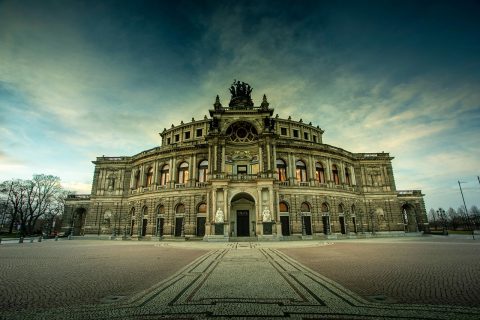
Semperoper Backstage Tour
Go behind the scenes of one of the world's most beautiful opera houses. See the stage machinery, costume workshops, rehearsal rooms, and learn about the building's history and reconstructions. Tours in multiple languages. Essential for opera and theater lovers. Can be combined with performance attendance.
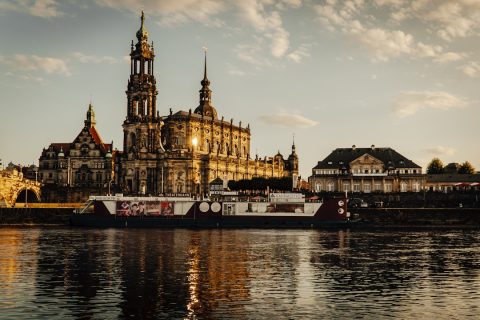
Cooking Class - Saxon Cuisine
Learn to prepare traditional Saxon dishes like Sauerbraten, Dresdner Stollen, or Quarkkäulchen in hands-on cooking classes. Various providers offer market tours combined with cooking. Great way to understand local food culture. Take recipes home as edible souvenirs. Classes usually include eating your creations.
Tips for Tours & Activities
- Book paddle steamer cruises early in peak season - popular with locals too
- Trabi Safari requires valid driver's license and isn't suitable for those wanting serious history tours
- Night Watchman tours can be chilly - bring a jacket even in summer
- Opera backstage tours don't run during rehearsals - check schedule
Dresden's location offers access to spectacular nearby destinations, from fairytale castles to dramatic natural landscapes and historic towns.

Saxon Switzerland National Park
Germany's most spectacular rock formation landscape, 30km from Dresden. Features dramatic sandstone cliffs, deep gorges, and the iconic Bastei Bridge with breathtaking views. Excellent hiking trails of all difficulty levels. Visit Königstein Fortress, Europe's largest hilltop fortress. Take the S-Bahn to Bad Schandau or Rathen. Absolutely unmissable for nature lovers.
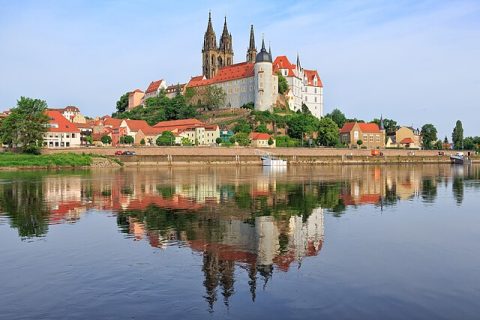
Meissen
Historic town 25km from Dresden, famous for Meissen porcelain manufactured since 1710. Visit the Porcelain Manufactory to see craftsmen at work, explore the hilltop Albrechtsburg Castle (Germany's oldest), and wander the medieval old town. The Gothic cathedral offers panoramic views. Reach by S-Bahn or scenic paddle steamer. Perfect half-day trip.
Moritzburg Castle
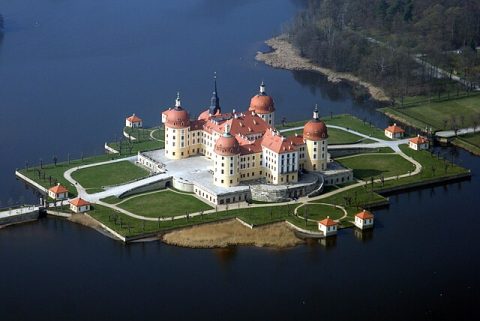
A stunning baroque hunting lodge on an artificial island, 14km from Dresden. Built by Augustus the Strong with distinctive round towers. The interior features hunting trophies, baroque furniture, and the remarkable Feather Room. Beautiful lakeside setting. Location of Three Wishes for Cinderella film. Easily reached by historic steam train or bus.
Radebeul Wine Region
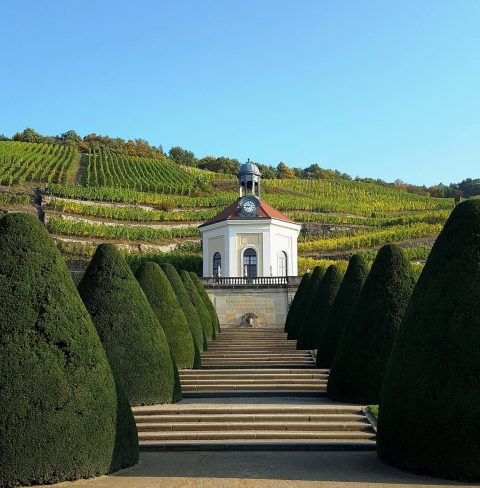
Saxony's premier wine-growing area just northwest of Dresden. Visit traditional wine estates, sample local wines (especially Goldriesling), and enjoy the scenic Elbe slopes. The historic narrow-gauge railway 'Lößnitzgrundbahn' connects wine villages. Charming half-timbered houses and wine taverns. Excellent for wine enthusiasts.
Görlitz
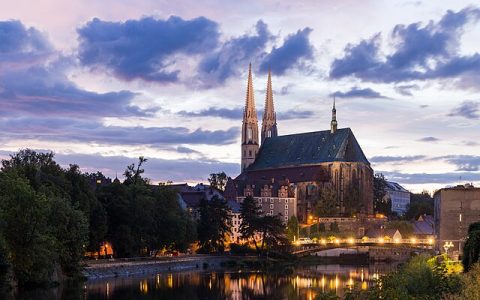
Germany's easternmost city, 100km from Dresden, with one of the best-preserved old towns in Central Europe. Features architecture from Gothic to Art Nouveau. Film location for The Grand Budapest Hotel. Straddles German-Polish border - cross to Zgorzelec. Requires full day but worth the journey for architecture enthusiasts.
Tips for Day Trips & Excursions
- Saxon Switzerland is accessible by S-Bahn - buy a day ticket for unlimited travel
- Book Meissen Porcelain Manufactory tours in advance, especially in summer
- The Lößnitzgrundbahn steam railway to Moritzburg operates weekends and holidays
- Radebeul wine estates often require reservations for tastings
Dresden claims the title of Germany's oldest Christmas market, and every December the city center transforms into a glowing maze of wooden stalls, mulled wine stands, and the scent of fresh Stollen. Beyond the flagship Striezelmarkt, smaller themed markets fill the Neumarkt and the Stallhof courtyard, giving visitors several distinct atmospheres within a short walk.
Striezelmarkt (Altmarkt)
Founded in 1434, the Striezelmarkt is recognized as Germany's oldest continuously held Christmas market, held every year on Dresden's Altmarkt square. In December 2026 it is expected to run from roughly November 27 to December 24, following its usual late-November opening pattern. Visitors browse over 240 wooden stalls selling Dresdner Stollen, hand-carved wooden ornaments (Erzgebirge craftwork), pyramids, and Schwibbogen candle arches. A giant Erzgebirge pyramid and a towering Christmas tree anchor the square, while the market's own miniature train delights children. Expect crowds on weekends and in the evenings, so a weekday afternoon visit is more relaxed. Mulled wine (Glühwein) stalls and roasted almonds provide warmth on cold nights, and the surrounding baroque architecture of the Altmarkt adds to the festive backdrop.
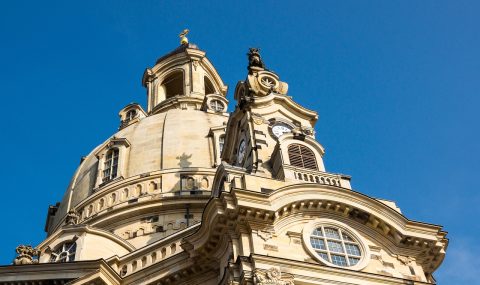
Neumarkt Christmas Market by the Frauenkirche
Set against the rebuilt baroque Frauenkirche, the Neumarkt Christmas market offers a quieter, more atmospheric alternative to the busier Striezelmarkt just a short walk away. Typically open through the same late-November to December 24, 2026 window as the city's other markets, its stalls focus on artisanal gifts, glassware, and regional food rather than mass-market souvenirs. The illuminated dome of the Frauenkirche towering over the square at night makes this one of the most photogenic spots in the city during the holiday season. Benches and heated tents give visitors a place to linger over a cup of Feuerzangenbowle. Because it draws fewer crowds than the Altmarkt, it is a good option for travelers who want the Dresden Christmas market experience without the crush of tour groups.
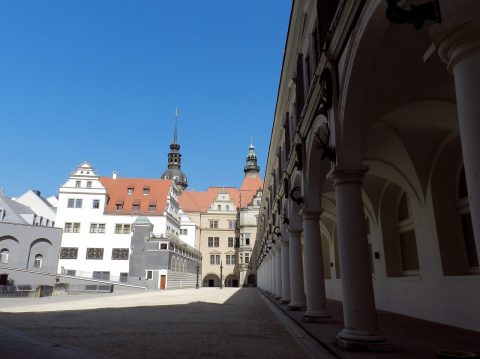
Medieval Christmas Market at the Stallhof
Tucked inside the historic Stallhof courtyard of the Royal Palace, this themed market recreates a medieval winter fair complete with costumed performers, open fire pits, and craftspeople demonstrating candle-making and blacksmithing. It runs concurrently with the main Striezelmarkt season, generally late November through December 2026, though exact dates vary slightly year to year. The narrow stone courtyard and torch-lit stalls give it a distinctly different mood from the modern market stands elsewhere in the city, with mead, roasted meats, and folk music replacing the usual mulled wine and gingerbread. It is smaller and can be covered in well under an hour, making it easy to combine with a visit to the nearby Zwinger or Residenzschloss. Evenings are especially atmospheric once the fire pits are lit.
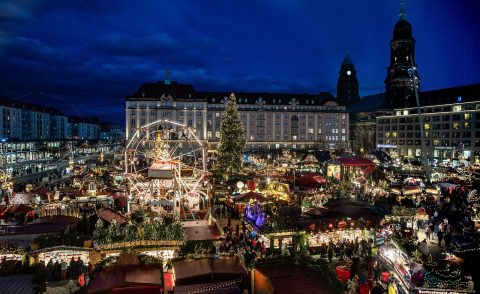
Dresden Stollen and Winter Food Tradition
No December visit to Dresden is complete without tasting Dresdner Stollen, the dense, marzipan-studded fruit bread that gave the city's oldest market its name (Striezel was an old term for the loaf). Bakeries across the city sell it fresh throughout the season, and on the second Saturday of Advent the city holds its annual Stollenfest parade, where a giant ceremonial Stollen weighing several tons is paraded through the streets before being cut and sold for charity. Alongside Stollen, expect roasted chestnuts, Pflaumentoffel (plum figures on skewers), and Feuerzangenbowle at stalls throughout the markets. Pair a Stollen tasting with a walk along the Elbe riverside, where holiday lights reflect on the water, for a quieter counterpoint to the busy market squares.
Tips for Christmas Market
- Markets typically run from late November through December 24 each year, so confirm exact 2026 dates closer to your trip, as they shift slightly year to year.
- Visit on a weekday afternoon to avoid the heaviest evening and weekend crowds.
- Bring cash, as some smaller stalls do not accept cards.
- Try a slice of genuine Dresdner Stollen with a certification seal to ensure it is the authentic local recipe.
- Dress warmly and wear comfortable shoes, since the historic squares involve a lot of walking on cobblestones.
When the museums close, Dresden swaps Baroque grandeur for a looser, after-dark energy centered on the Neustadt bank of the Elbe. Expect smoky jazz cellars, riverside beer gardens, quirky theme bars, and the occasional rooftop view over the reconstructed skyline.
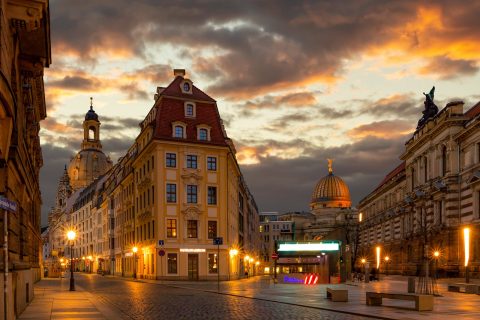
Jazzclub Tonne
Dresden's premier jazz institution, Tonne has hosted touring and local musicians for decades in an intimate, brick-vaulted setting near the Kulturpalast. Expect everything from traditional swing to experimental fusion and the occasional late-night jam session where the audience sits close enough to see the sweat on the drummer's brow.
The vibe is unpretentious: locals in their 30s and 40s mix with music students and the odd tourist who wandered in from Neumarkt. Table service pours regional wines and craft beer between sets. Programming changes nightly, so check listings ahead, weekend shows sell out. It is a welcome antidote to Dresden's daytime focus on porcelain and palaces, proof the city has a genuine after-dark cultural pulse worth catching if you enjoy live improvisation over canned entertainment.
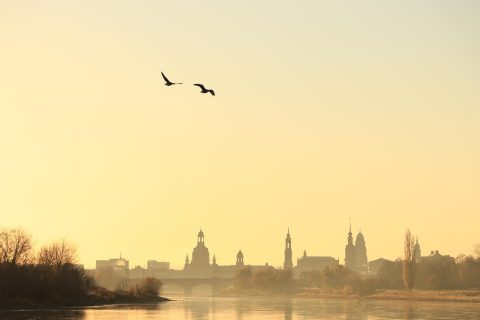
SKY Bar Dresden
Perched atop a Neustadt hotel tower, SKY Bar offers one of the few genuine rooftop views in the city, a panorama stretching over red rooftops toward the old town skyline and the Elbe valley beyond. It is a favored spot for a sunset cocktail before heading down into the livelier streets below.
The menu covers classic and signature cocktails, decent wine, and light bites, with prices reflecting the view rather than the portion size. Seating is limited, especially outdoors in warmer months, so arriving early evening beats a late-night queue. The atmosphere stays relaxed and conversational rather than club-loud, making it a good transition point between dinner and a proper night out in Neustadt's bar district.
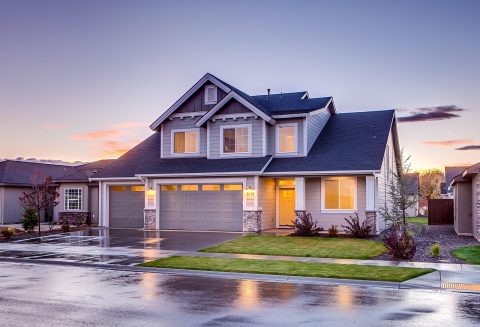
Katy's Garage
Part diner, part rock bar, part shrine to East German car culture, Katy's Garage is Dresden's most theatrical nightlife stop. A vintage Trabant is parked mid-room, walls are plastered with American road-trip memorabilia, and the soundtrack runs from classic rock to 90s anthems depending on the bartender's mood.
Cocktails lean sweet and generous, and the burger-and-beer menu keeps things going past midnight. It draws a mixed crowd of students, expats, and curious visitors who want a break from formal beer halls. There is no cover charge most nights, though DJ sets on weekends can bring a modest door fee. Come for the kitsch, stay because it is genuinely fun and rarely takes itself too seriously, a refreshing change of pace after a day of solemn cathedrals.
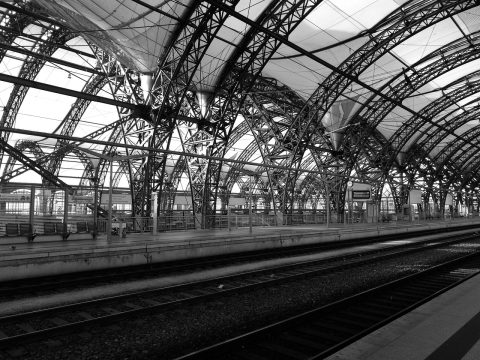
Groove Station
Tucked into the Neustadt club scene, Groove Station is a small, sweaty venue built around funk, soul, hip-hop, and live band nights. Local acts and touring DJs share the same modest stage, and the sound system punches well above the room's size.
Doors open late and things do not really get moving until close to midnight, typical for the surrounding student-heavy neighborhood. Drinks are cheap by Western European standards, and the crowd skews young, casual, and dance-focused rather than see-and-be-seen. There is minimal seating, so expect to stand, sway, and eventually dance. It is a good pick for travelers wanting a genuinely local night out rather than a tourist-oriented bar crawl, with no dress code and a friendly, unfussy door policy.
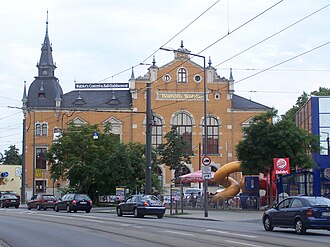
Ballhaus Watzke
A historic riverside brewery and beer garden, Ballhaus Watzke pairs house-brewed lager with live music, cabaret nights, and dancing under strings of lights along the Elbe. It has operated in some form since the early 20th century and retains a wonderfully old-world ballroom charm.
Summer evenings bring long communal tables outdoors with views toward the river, while the indoor hall hosts everything from swing bands to schlager singalongs. Families and older locals often show up early for dinner, and the crowd shifts younger and rowdier as the night goes on. It is less about cutting-edge nightlife and more about convivial, beer-fueled tradition, a good stop if you want music and dancing without the club-scene volume or attitude found closer to Neustadt's core.
Tips for Nightlife & Entertainment
- Most of Dresden's nightlife clusters in the Neustadt, a short walk or tram ride from the historic center, plan your route back in advance since trams thin out after midnight.
- Jazz and live-music venues often sell out on weekends, book ahead or arrive at doors-open time.
- Rooftop bars get busy at sunset in summer, go early to snag outdoor seating.
- Cash is still useful at smaller bars and clubs, though most now accept cards.
Dresden rewards young explorers with hands-on museums, a miniature railway, and splash-friendly pools that break up a day of palaces and churches. These stops are built around touching, riding, and playing rather than looking, making them an easy win when little legs and patience start to run out.
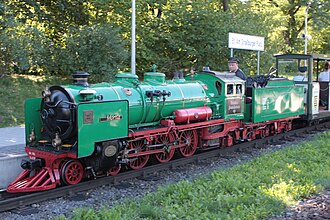
Dresdner Parkeisenbahn (Park Railway)
This narrow-gauge miniature railway has been looping through the Großer Garten since 1950, and it remains one of the simplest ways to delight small children in Dresden. Real diesel and steam-style locomotives, sized for young passengers, pull open carriages along a several-kilometer loop through woodland, past the palace pond, and near the zoo grounds, with a few request stops along the way. Kids can often peer into the driver's cab at the stations, and the whole ride takes well under an hour, making it easy to slot between other sights in the park. It runs seasonally, mainly spring through autumn plus select winter dates, so checking the schedule before heading over saves a wasted trip. Tickets are inexpensive and sold at the station kiosk, no advance booking needed. Bikes and strollers can usually be wheeled onto the platform area, and there is a small snack stand near the main terminus.
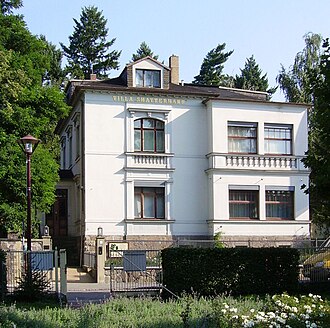
Karl May Museum
Two rustic log-cabin villas near Radebeul house this quirky museum dedicated to the novels of Karl May, the German author whose Wild West adventure stories captivated generations of readers even though he never set foot in America. Kids wander among authentic Native American artifacts, feathered headdresses, tomahawks, and saddles, plus a taxidermied horse said to belong to the fictional hero Winnetou. Costumed staff sometimes appear for storytelling sessions, and the outdoor grounds host mock tepees and a small arena used for summer shows. It leans more historical-curiosity than theme park, so it suits kids around six and up who enjoy stories and artifacts rather than rides. A short tram ride from central Dresden, it pairs well with a walk along the Elbe. Braver children can act out cowboy-and-explorer scenes afterward, and the gift shop sells inexpensive trinket souvenirs that make the visit memorable.
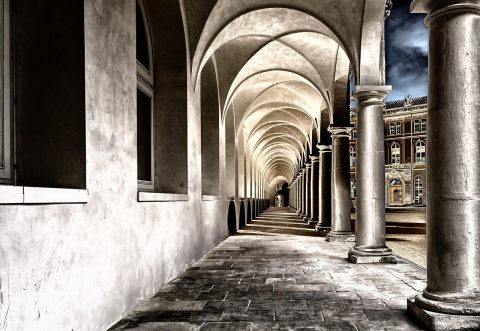
SEA LIFE Dresden
Tucked beside the riverside shopping center, this compact aquarium walks families through themed tanks tracing the journey of the Elbe River out to open ocean, ending in a walk-through tunnel surrounded by sharks and rays. Touch pools let kids feel starfish and sea anemones under staff supervision, and daily feeding sessions keep toddlers glued to the glass. The route is stroller-friendly and entirely indoors, making it a reliable rainy-day fallback regardless of season. Interactive panels and simple quizzes along the way keep older children engaged a little longer than a typical fish tank visit. It is smaller than aquariums in bigger cities, so expect under two hours even at a relaxed pace, and lines can build on weekends and school holidays. Combined online tickets with other SEA LIFE or Dresden attractions sometimes offer a discount, worth checking before arrival.
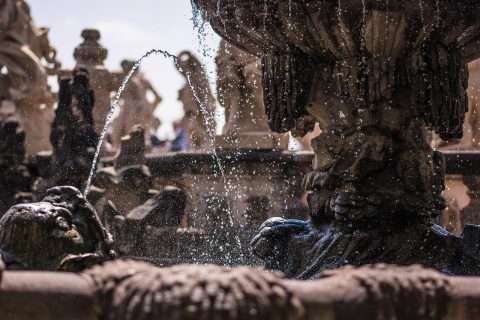
Elbamare Water Park
When the weather turns or energy needs burning off, this indoor-outdoor pool complex on the edge of the Großer Garten delivers slides, a wave basin, and a dedicated shallow children's pool with small water features. The indoor hall stays open year-round while the outdoor section adds sunbathing lawns and additional slides in summer, so it works as a rainy-day plan or a hot-afternoon escape depending on the season. A gentle current channel and warm paddling area suit toddlers, while older kids gravitate toward the taller slide tower. Lockers, showers, and a small snack bar cover the basics without requiring much planning ahead. It sits a short tram ride from the historic center, making it easy to combine with a morning of sightseeing and an afternoon of splashing. Swim diapers are required for the youngest visitors, and towels can be rented if you travel light.
Tips for With Kids
- Check seasonal opening dates for the Parkeisenbahn before planning a visit, as it does not run daily in winter.
- Combine SEA LIFE Dresden with a rainy morning, since the whole visit fits comfortably before lunch.
- Bring swimwear for Elbamare even on a city-break itinerary, it is an easy afternoon add-on near the Großer Garten.
- The Karl May Museum suits school-age kids best; toddlers may find the exhibits less engaging.
Real, highly-rated Restaurants in Dresden, sourced from Google Places (rating above 4★).
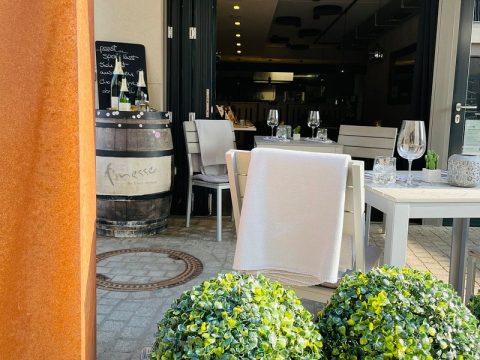
Restaurant finesse
Restaurant finesse is a highly-rated restaurant in Dresden, rated 4.9★ from 360 reviews. Located at Schützengasse 13, 01067 Dresden-Altstadt, Germany.
Opening Hours
- Monday: Closed
- Tuesday: Closed
- Wednesday: Closed
- Thursday: 5:00 – 10:00 PM
- Friday: 5:00 – 10:00 PM
- Saturday: 5:00 – 10:00 PM
- Sunday: 5:00 – 10:00 PM
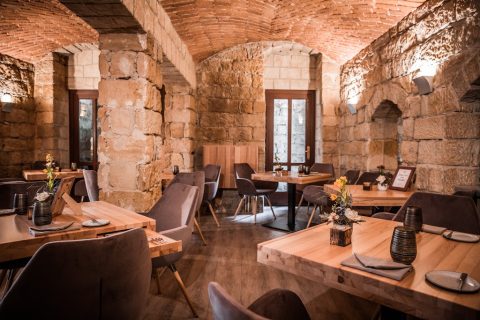
Restaurant Genuss-Atelier
Restaurant Genuss-Atelier is a highly-rated restaurant in Dresden, rated 4.8★ from 911 reviews. Located at Bautzner Str. 149, 01099 Neustadt, Germany.
Opening Hours
- Monday: Closed
- Tuesday: 5:00 – 11:00 PM
- Wednesday: 5:00 – 11:00 PM
- Thursday: 5:00 – 11:00 PM
- Friday: 5:00 – 11:00 PM
- Saturday: 12:00 – 3:30 PM, 5:00 – 11:00 PM
- Sunday: Closed
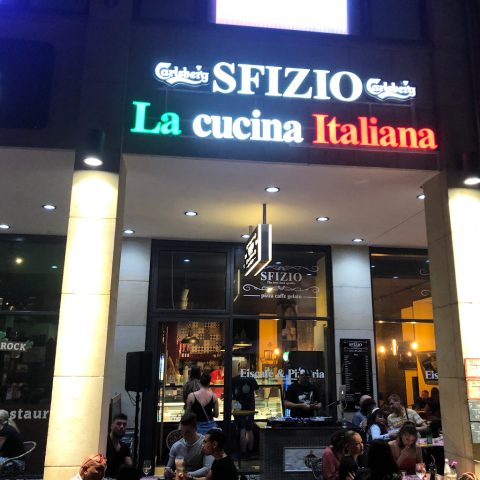
SFIZIO
SFIZIO is a highly-rated restaurant in Dresden, rated 4.8★ from 5370 reviews. Located at Wilsdruffer Str. 20, 01067 Dresden-Altstadt, Germany.
Opening Hours
- Monday: 10:30 AM – 11:30 PM
- Tuesday: 10:30 AM – 11:30 PM
- Wednesday: 10:30 AM – 11:30 PM
- Thursday: 10:30 AM – 11:30 PM
- Friday: 10:30 AM – 11:30 PM
- Saturday: 10:30 AM – 11:30 PM
- Sunday: 10:30 AM – 11:30 PM
Dresden's calendar runs from riverside spring fairs to open-air concerts, neighborhood street parties, and one of Germany's oldest Christmas markets. This selection highlights recurring 2026 dates so visitors can plan a trip around the city's liveliest seasonal happenings.
Dresdner Musikfestspiele (Dresden Music Festival)
One of Europe's major classical music events, the Dresdner Musikfestspiele brings international orchestras, chamber ensembles, and soloists to venues across the city, including the Semperoper, Kulturpalast, and Frauenkirche. Each year follows a curatorial theme, with past editions spotlighting different countries and composers. For 2026, performances are planned from May 15 to June 14, 2026, with dozens of concerts ranging from symphonic evenings to intimate recitals. Many concerts sell out well in advance, so early ticket purchase is strongly advised for headline performances. Some free or reduced-price events, such as open rehearsals or courtyard concerts, are also scheduled throughout the run. The festival is a highlight for visitors interested in Dresden's rich musical heritage tied to composers like Richard Wagner and Richard Strauss.
Dresdner Striezelmarkt and New Year at the Altmarkt
Founded in 1434, the Dresdner Striezelmarkt is one of Germany's oldest Christmas markets and the centerpiece of the city's winter season, filling the Altmarkt square with wooden stalls, a giant Christmas pyramid, mulled wine stands, and the namesake Stollen fruitcake. The 2026 market is expected to run from November 26 to December 24, 2026. The same square then hosts Dresden's New Year's Eve celebration on December 31, 2026, with music, food stalls, and midnight fireworks visible from the historic city center and along the Elbe terraces. Both events draw large crowds, especially on weekends and around Christmas, so weekday or morning visits are quieter. Warm clothing is essential, as both happenings are entirely outdoors.
Dresdner Fruhlingsfest (Spring Festival)
Held along the banks of the Elbe near the Blue Wonder bridge, the Dresdner Fruhlingsfest marks the unofficial start of the outdoor season in Dresden. Expect a lively riverside fairground with food stalls, craft vendors, live music, and a large funfair with rides for all ages. Locals gather in the evenings for beer garden seating with views over the river. The 2026 edition is expected to run from April 16 to April 26, 2026, spanning ten days including two full weekends. It draws a mostly local crowd rather than tourists, making it a good way to experience everyday Dresden life. Entry to the grounds is free, with individual rides and food priced separately. Arrive by tram to Schillerplatz and walk along the river promenade.
Bunte Republik Neustadt
The Bunte Republik Neustadt is a quirky, self-declared micronation street festival that takes over the bohemian Aussere Neustadt district for one weekend each summer. Courtyards, alleys, and squares fill with independent stages, art installations, food stands, and impromptu performances organized largely by residents and small businesses rather than official sponsors. In 2026 the festival is expected to run from June 12 to June 14, 2026. The atmosphere is informal and creative, reflecting the neighborhood's reputation as Dresden's alternative cultural hub. It is entirely free to attend and best explored on foot, wandering between courtyards rather than following a fixed route. Evenings get crowded, so visiting in the afternoon offers a calmer first impression of the district's character.
Filmnaechte am Elbufer (Open-Air Cinema by the Elbe)
Filmnaechte am Elbufer transforms a riverside amphitheater into one of Germany's largest open-air cinemas each summer, with a giant screen set against the backdrop of the Elbe and the historic skyline. The program mixes recent blockbusters, classic films, and occasional live concerts on select nights. For 2026, screenings are anticipated to run from July 3 to August 23, 2026, weather permitting, with showings typically starting after sunset. Food trucks and drink stands operate on-site, and rented blankets or low chairs are common since most seating is on open lawn terracing. Tickets can usually be purchased at the gate but pre-booking online is recommended for popular film nights or concert dates. It is a favorite summer evening activity for both residents and visitors.
Tips for Events Calendar
- Book tickets for the Dresdner Musikfestspiele several weeks ahead, as top concerts sell out quickly.
- Check official event pages closer to the date, as exact 2026 dates may shift slightly from year to year.
- Trams are the easiest way to reach Elbe-side events like the Fruhlingsfest and Filmnaechte, since parking is limited.
- Dress warmly and in layers for the Striezelmarkt and New Year celebrations, which are outdoors even in freezing temperatures.
Explore Dresden on the Map
Seasonal Guide
Best Overall: May-September - Warm weather, long days, outdoor activities along the Elbe, park concerts, and festivals.
Spring (April-May): Beautiful with blooming gardens in Großer Garten and Pillnitz. Fewer crowds than summer. Temperatures 10-20°C (50-68°F). Easter markets are charming.
Summer (June-August): Peak season with warm weather (20-25°C/68-77°F), perfect for river activities and outdoor concerts. Expect crowds at major attractions. Long daylight hours ideal for sightseeing. Occasional hot spells above 30°C (86°F).
Autumn (September-October): Excellent choice with mild weather, beautiful fall colors in parks, fewer tourists, and cultural season starting at Semperoper. Temperatures 10-18°C (50-64°F).
Winter (November-March): Cold (0-5°C/32-41°F) but magical, especially during Striezelmarkt Christmas market (late November-December 24), Germany's oldest. Museums less crowded. February is coldest. New Year celebrations are festive.
Avoid if possible: Late January-February (coldest, darkest period) unless you specifically want winter atmosphere.
Getting Around Dresden
Public Transportation
Dresden has an excellent integrated public transport system (DVB) including trams, buses, S-Bahn trains, and ferries. The network is efficient, clean, and covers all major attractions.
- Tram Network: Most convenient for tourists. Lines 1, 2, 4, and 11 serve major attractions. Trams run 5am-midnight, with night trams on weekends.
- Buses: Complement tram network, reaching areas without tram service.
- S-Bahn: Essential for day trips (Saxon Switzerland, Meissen, Pillnitz). Lines S1 and S2 most useful.
- Ferries: Four Elbe ferry crossings included in public transport tickets - scenic way to cross the river.
Tickets & Passes
- A Dresden-zone single ticket costs €3.60 and is valid for up to one hour (prices effective April 1, 2026).
- A Dresden-zone day ticket costs €9.50; check DVB’s current ticket options for group travel.
- Check the current DVB/VVO fare table for weekly-ticket availability and price; this listed price is outdated.
- Verify the current Dresden Welcome Card prices before travel; these listed prices do not match the city’s published card-price flyer.
Important: Always validate tickets in yellow machines before boarding. Ticket inspectors are frequent and fines are €60.
✈️ Airport Transfer
Dresden Airport (DRS) is 9km from city center. S2 serves Dresden Airport; a Dresden-zone single ticket is €3.60 and valid up to one hour. Allow about 20 minutes to the center. Taxis cost €20-25. Airport is small and easy to navigate.
Cycling
Dresden is very bike-friendly with excellent cycle paths along the Elbe and through parks. Bike rental shops throughout city (€8-15/day). The Elbe Cycle Route is spectacular. Nextbike bike-sharing system available.
Walking
The historic Altstadt is compact and best explored on foot. Most major attractions within 20-minute walk of each other. Brühl's Terrace and riverside promenades are pedestrian-only.
Taxis & Ride-sharing
Taxis readily available but expensive (€3.80 start + €2.20/km). Uber is not available in Dresden. Local app CleverShuttle offers eco-friendly ride-sharing.
Shopping in Dresden
What to Buy
- Meissen Porcelain: The ultimate Dresden souvenir. Buy from official shops for authenticity (look for crossed swords trademark). Prices range from €20 small items to thousands for major pieces.
- Dresdner Stollen: Traditional Christmas cake available year-round. Original recipe protected by law. Bakeries throughout city, especially Bäckerei Wippler and Pfunds Molkerei.
- Saxon Wine: Local wines from Elbe valley, particularly Riesling and Goldriesling. Available at wine shops and directly from Radebeul vineyards.
- Herbal Liqueurs: Try Dresdner Eierschecke liqueur or traditional herb spirits.
- Handcrafted Items: Erzgebirge wooden figures (nutcrackers, smoking men, Christmas pyramids) from nearby mountain region.
- Art & Antiques: Neustadt has numerous galleries and vintage shops.
Shopping Areas
Prager Straße: Main shopping street with department stores (Altmarkt-Galerie), international chains (H&M, Zara, Douglas), and electronics stores.
Neumarkt: Upscale boutiques and souvenir shops around reconstructed baroque square. More touristy but charming atmosphere.
Königstraße: Pedestrian shopping street connecting train station to Altmarkt. Mix of chains and local shops.
Neustadt (Alaunstraße area): Best for unique finds - independent boutiques, vintage stores, record shops, bookstores. More alternative and artistic offerings.
Kunsthofpassage: Art galleries, design shops, and craft workshops in beautifully decorated courtyards.
Markets
- Striezelmarkt: Germany's oldest Christmas market (since 1434) on Altmarkt, late November-December 24
- Neustadt Markthalle: Indoor food market with local produce, cheese, meat, prepared foods. Open Monday-Saturday.
- Weekly Markets: Fresh produce markets on Lingnerplatz (Tuesday, Friday) and various neighborhoods
Shopping Hours
Standard hours: Monday-Saturday 10am-8pm. Most shops closed Sundays except bakeries and tourist areas. Supermarkets: Monday-Saturday 8am-8pm (some until 10pm).
Bargaining
Not customary in Germany. Prices are fixed in shops. Only acceptable at flea markets and sometimes at outdoor craft markets.
Annual Events & Festivals
Major Festivals
Striezelmarkt Christmas Market (Late November-December 24): Germany's oldest Christmas market, dating to 1434. The official 2026 Striezelmarkt page says more than 200 traders. Highlight is the world's largest walk-in Advent calendar on Rathaus. Absolutely magical atmosphere.
The 2026 festival dates and duration need to be checked against the festival’s current program. Tickets from €15-150.
Filmnächte am Elbufer (June-August): Outdoor cinema on Elbe riverbank showing films against backdrop of baroque skyline. Germany's most beautiful open-air cinema. Bring blankets or rent deck chairs. Food and drinks available.
Stadtfest Dresden (August): Three-day city festival with music stages, street performers, food stalls, and fireworks along the Elbe. Free admission. Attracts 500,000+ visitors.
Bunte Republik Neustadt (BRN) (June): Alternative street festival in Neustadt district with live music, art, food, and party atmosphere. Somewhat chaotic but fun and authentic. Free entry.
Dixieland Festival (May): Week-long jazz festival with international artists. Concerts throughout city, many free outdoor performances.
Cultural Season
The Semperoper season runs September-June with opera, ballet, and orchestra performances. Christmas season features special performances of The Nutcracker.
Dresden Philharmonic season also September-June at various venues including Kulturpalast.
National Holidays
- New Year's Day (January 1)
- Good Friday & Easter Monday (March/April - dates vary)
- Labor Day (May 1)
- Ascension Day (39 days after Easter)
- Whit Monday (50 days after Easter)
- German Unity Day (October 3)
- Reformation Day (October 31 - Saxony public holiday)
- Christmas (December 25-26)
Note: Most shops, museums, and attractions closed on these days, though Christmas markets operate through Christmas Eve.
Special Events
International Dresden Dance Festival (April): Contemporary dance performances.
Elbhangfest (June): Festival in Elbe valley wine villages with music, wine tasting, and fireworks.
Tag der Sachsen (August/September): Saxon state festival rotating locations, celebrating regional culture.
Sample Itineraries
Day 1: Baroque Masterpieces
Morning (9am-12pm): Start at Frauenkirche - arrive when it opens to avoid crowds. Climb the dome for panoramic views (30 min). Walk through Neumarkt square admiring reconstructed baroque buildings. Head to Zwinger Palace and visit the Old Masters Picture Gallery (2 hours).
Lunch (12pm-1pm): Café in Zwinger courtyard or nearby restaurant on Taschenberg.
Afternoon (1pm-5pm): Visit Dresden Castle and the New Green Vault (2 hours - Historic Green Vault requires advance booking for separate visit). Walk along Brühl's Terrace enjoying Elbe views. See the Fürstenzug porcelain mural.
Evening (5pm+): Cross Augustusbrücke to Neustadt. Dinner at traditional Saxon restaurant. Evening walk through illuminated Altstadt or drinks in Neustadt bars.
Day 2: Art, Culture & Alternative Dresden
Morning (9am-12pm): Visit Albertinum for 19th-21st century art, especially Caspar David Friedrich and Gerhard Richter (2 hours). Walk through Großer Garten park.
Lunch (12pm-1pm): Neustadt Markthalle for local food specialties.
Afternoon (1pm-5pm): Explore Neustadt district - wander Alaunstraße's independent shops and cafes. Visit Kunsthofpassage colorful courtyards (1 hour). Optional: German Hygiene Museum if interested (2 hours).
Evening (5pm+): Attend performance at Semperoper (book in advance) or take backstage tour. Alternatively, enjoy Neustadt nightlife with craft beer and live music.
Day 3: River & Palaces
Morning (9am-12pm): Take vintage paddle steamer to Pillnitz Palace (1 hour journey upriver). Explore palace and extensive gardens (2 hours).
Lunch (12pm-1pm): Café at Pillnitz or return to city.
Afternoon (1pm-5pm): Visit Pfunds Molkerei (world's most beautiful dairy shop). Cycle or walk along Elbe meadows. Visit Yenidze building. Optional: Panometer Dresden (1.5 hours).
Evening (5pm+): Sunset walk across Blue Wonder bridge in Blasewitz. Dinner at traditional wine tavern with Elbe views.
Day 4: Saxon Switzerland Day Trip
Morning (8am-10am): Take S-Bahn S1 to Rathen or Bad Schandau (45 minutes). Ferry across Elbe in Rathen.
Mid-Morning to Afternoon (10am-4pm): Hike to Bastei Bridge and rock formations (2 hours round trip from Rathen). Spectacular views. Option to visit Königstein Fortress or extend hiking in national park. Pack lunch or eat at Bastei restaurant.
Late Afternoon (4pm-6pm): Return via S-Bahn. Rest at hotel.
Evening (7pm+): Farewell dinner at upscale restaurant in Neumarkt area. Night walk through illuminated historic center.
Day 5: Meissen & Wine Country
Morning (9am-12pm): S-Bahn or paddle steamer to Meissen (30-90 minutes). Visit Meissen Porcelain Manufactory - tour and demonstration (1.5 hours, book ahead). Climb to Albrechtsburg Castle and Cathedral for views.
Lunch (12pm-1pm): Traditional restaurant in Meissen old town.
Afternoon (1pm-5pm): Return via Radebeul wine region. Visit winery for tasting (book ahead). Take historic Lößnitzgrundbahn narrow-gauge railway through vineyards.
Evening (5pm+): Return to Dresden. Final evening exploring missed sights or shopping for souvenirs.
Tips for All Itineraries:
- Purchase Dresden City Card for public transport and discounts
- Book Historic Green Vault and Semperoper tickets weeks in advance
- Wear comfortable walking shoes - expect 15,000+ steps daily
- Allow flexibility for weather and personal interests
- Dresden is compact - don't rush, enjoy the atmosphere
Best Photography Locations
Iconic Skyline Shots
Brühl's Terrace: Classic angle capturing Frauenkirche dome, Cathedral, and Elbe. Best time: Golden hour (sunset) or blue hour after dark when buildings illuminated. Free access.
Augustusbrücke (Augustus Bridge): Center of bridge offers symmetrical view of both riverbanks. Capture paddle steamers passing. Best time: Early morning mist or evening lights.
Elbe Meadows (South Bank): Panoramic vista of entire baroque skyline from grass meadows. Popular with locals and photographers. Best time: Late afternoon/sunset. Walk downstream from Carolabrücke for various angles.
Carola Bridge: Elevated view of city skyline. Less crowded than Augustusbrücke. Best time: Sunrise (east-facing view).
Architectural Details
Zwinger Courtyard: Baroque pavilions, fountains, Crown Gate. Stunning symmetry and ornate details. Best time: Mid-morning when sun illuminates facades. Avoid harsh midday shadows.
Fürstenzug: World's largest porcelain mural. Shoot from angle to show length. Best time: Morning for even lighting on wall.
Frauenkirche Interior: The dome's interior is breathtaking. Photography allowed without flash. Best time: Weekday mornings when less crowded.
Semperoper: Beautiful from Theater Square, especially with fountain. Night illumination spectacular. Best time: Blue hour after sunset.
Unique Perspectives
Frauenkirche Dome Platform: 360° panoramic views from 67m height. Cityscape and river vistas. Book separately, climb 300+ steps. Best early morning or late afternoon.
Kunsthofpassage Courtyards: Colorful, quirky facades. Court of Elements with blue drainpipes most photogenic. Best time: Late morning when courtyards well-lit. After rain for water effects on drainpipes.
Golden Rider Statue: Gilded Augustus the Strong against sky or with Neustadt background. Best time: Golden hour when statue glows.
Yenidze: Unique Oriental-style dome. Photograph from distance showing contrast with surroundings or close-up of colorful glass dome. Best time: Late afternoon.
Hidden Gems
Stallhof Courtyard: Renaissance courtyard tournament grounds between Residenzschloss and Johanneum. Often empty, great geometric patterns. Best time: Midday when sun reaches into courtyard.
Blue Wonder Bridge: The pale blue steel bridge in Blasewitz. Classic angle from riverbank below. Best time: Sunset with bridge silhouetted or illuminated at dusk.
Pfunds Molkerei: Interior of world's most beautiful dairy shop - ornate hand-painted tiles. Best time: Midday when interior well-lit. Free to photograph if you buy something small.
Großer Garten Baroque Palace: Symmetrical baroque palace reflected in pond. Best time: Early morning for mirror reflections, autumn for colorful foliage.
Day Trip Photo Ops
Bastei Bridge (Saxon Switzerland): Dramatic sandstone formations and bridge 194m above Elbe. Sunrise is magical but challenging to reach early. Best time: Early morning or late afternoon to avoid crowds.
Moritzburg Castle: Fairytale castle on island. Classic shot from lakeside path. Best time: Early morning mist for atmospheric shots, winter for frozen lake.
Pro Tips
- Golden Hour Magic: Dresden's baroque architecture glows beautifully in warm evening light (1-2 hours before sunset)
- Blue Hour Brilliance: Illuminated buildings against deep blue sky 20-40 minutes after sunset
- Weather Watching: Dramatic clouds add interest to skyline shots. Post-rain clarity excellent for distance shots
- Avoid Midday: Harsh overhead sun creates unflattering shadows on ornate architecture
- Tripod Spots: Brühl's Terrace and Elbe meadows allow tripods for long exposures
- Drone Restrictions: Strictly limited in historic center - check regulations before flying
- Instagram Hashtags: #Dresden #VisitDresden #DresdenGermany #BaroqueDresden #Elbflorenz
Electricity & Adapters
Electrical Standards
Voltage: 230V AC
Frequency: 50Hz
Plug Type: Type C (Europlug - two round pins) and Type F (Schuko - two round pins with side grounding clips)
Do You Need an Adapter?
- From USA/Canada: YES - Different voltage (110V) and plug type. Need both adapter and voltage converter for non-dual-voltage devices
- From UK/Ireland: YES - Different plug type (UK uses Type G). Adapter needed but voltage similar
- From Australia/New Zealand: YES - Different plug type but voltage compatible (230V/240V)
- From Continental Europe: Usually NO - Most European countries use same plug types
- From Switzerland: MAYBE - Switzerland uses Type J but Type C plugs also fit German sockets
What to Bring
Universal Travel Adapter: Recommended for multiple device types. Available at airports, electronics stores (Saturn, Media Markt), or online before traveling. Cost: €10-25.
Voltage Converter: Only needed if your device isn't dual-voltage (110-240V). Check device labels - most modern electronics (phones, laptops, camera chargers) are dual-voltage and only need plug adapter.
Where to Buy Adapters in Dresden
- Airport: Available but expensive (€15-30)
- Saturn (Prager Straße): Large electronics store with adapter selection (€8-20)
- Media Markt (Elbepark): Electronics chain with good selection
- Drugstores (dm, Rossmann): Basic adapters available (€6-12)
- Hotels: Often lend adapters to guests (ask at reception)
Charging Tips
- Most hotels and hostels provide adequate outlets in rooms
- USB charging ports increasingly common in modern accommodations
- Cafes and restaurants may allow charging at tables, especially if you're dining
- Public charging stations available at train stations and some public areas
- Bring a power strip if traveling with multiple devices - outlets may be limited
Important Notes
Hair dryers, straighteners, and heating devices: These high-wattage items require voltage converters if not dual-voltage. Hotels usually provide hair dryers.
Battery charging: Camera, phone, and laptop chargers are almost always dual-voltage - just need plug adapter.
Extension cords: German outlets often recessed into walls. Short extension cord can be helpful.
Food & Dining in Dresden
Must-Try Saxon Dishes
Sauerbraten: Traditional pot roast marinated for days in wine and vinegar with spices, served with red cabbage and dumplings. Quintessential Saxon comfort food.
Dresdner Stollen: Christmas fruit bread with dried fruits, nuts, and marzipan, covered in powdered sugar. Available year-round but peak season is Christmas markets. Protected by law - only bakeries in Dresden can call it 'Dresdner Stollen.'
Eierschecke: Three-layer Saxon cheesecake with bottom crust, middle quark layer, and top custard layer. Sweet and creamy. Found in traditional cafes and bakeries.
Quarkkäulchen: Small fried pancakes made with quark (fresh cheese), potatoes, and raisins. Served with apple sauce or sugar and cinnamon. Traditional Saxon snack.
Sächsische Kartoffelsuppe: Hearty Saxon potato soup with sausage and vegetables. Perfect comfort food, especially in winter.
Dresdner Christstollen: See Stollen above - but specifically the protected Dresden version from certified bakeries.
Pulsnitzer Pfefferkuchen: Spiced gingerbread from nearby Pulsnitz, traditional Christmas treat available year-round.
Local Beverages
Saxon Wine: The Elbe valley produces excellent white wines, especially Goldriesling, Riesling, Müller-Thurgau, and Traminer. Wine taverns in Radebeul and along Elbe offer tastings.
Radeberger Beer: Local pilsner brewed since 1872 in nearby Radeberg. Available everywhere - the local pride.
Fassbrause: Non-alcoholic malt beverage, refreshing alternative to beer.
Glühwein: Mulled wine essential at Christmas markets, served hot with spices.
Where to Eat
Traditional Saxon Restaurants:
- Pulverturm: Historic restaurant in 16th-century tower, classic Saxon cuisine
- Alte Meister: Elegant dining near Zwinger with regional specialties
- Sophienkeller: Atmospheric cellar restaurant with costumed waiters, hearty portions
- Kastenmeiers: Upscale fish restaurant with excellent wine list
Budget-Friendly Options:
- Curry & Co (Prager Straße): German currywurst institution
- Neustadt Street Food: Döner kebabs, Asian cuisine, international options on Alaunstraße
- Bakeries: Grab Brötchen (bread rolls), pretzels, and pastries for breakfast
- Neustadt Markthalle: Indoor market with food stalls, fresh produce, prepared foods
Cafes & Coffee Culture:
- Café Milchmädchen: Charming Neustadt cafe with homemade cakes
- Pfunds Molkerei: World's most beautiful dairy shop with cafe
- Lloyd's Caffee Bär: Multiple locations, good for breakfast and cake
- Villandry Dresden: French-style cafe near Frauenkirche
International Cuisine:
- Little India: Authentic Indian in Neustadt
- Akemi Sushi Bar: Modern Japanese
- Viet Garden: Vietnamese in Neustadt
- Steaktrain: Steaks delivered via model train (fun novelty)
Dining Tips
- Reservations: Recommended for upscale restaurants, especially weekends. Not usually needed for casual dining.
- Meal Times: Lunch 12pm-2pm, Dinner 6pm-9pm. Germans eat earlier than Southern Europeans. Kitchen often closes 9:30-10pm.
- Tipping: Round up or add 5-10%. Say the total you want to pay when paying by card or cash. Don't leave money on table.
- Water: Tap water (Leitungswasser) is safe and high quality but Germans don't typically order it at restaurants. Expect to pay €3-5 for bottled water (still or sparkling).
- Service: German service is efficient rather than chatty. Don't expect constant check-ins. Signal when ready to pay.
- Smoking: Banned indoors in restaurants. Some bars allow smoking or have separate smoking areas.
- Credit Cards: Widely accepted but cash still preferred at smaller establishments. Always carry some cash.
Food Shopping
- Supermarkets: Rewe, Edeka, Kaufland (open Monday-Saturday until 8-10pm)
- Discount Chains: Aldi, Lidl, Netto (cheapest options)
- Organic: Biomarkt, Denn's (organic/bio supermarkets)
- Markets: Fresh produce at Lingnerplatz (Tuesday, Friday), Neustadt Markthalle (daily except Sunday)
Dietary Restrictions
Vegetarian: Growing options in Neustadt. Look for 'vegetarisch' on menus. Traditional Saxon cuisine is meat-heavy but salads and cheese dishes available.
Vegan: Neustadt has several dedicated vegan restaurants and cafes. Look for 'vegan' label. VeggieBrothers is fully vegan.
Gluten-Free: 'Glutenfrei' increasingly available. Check with restaurants in advance. Health food stores stock gluten-free products.
Halal/Kosher: Limited options. Döner shops often halal-certified. No kosher restaurants currently operating.
Tourist Passes
Dresden City Card
The official tourism card offering free public transportation and discounts at museums, attractions, restaurants, and tours. Available for 1, 2, or 3 days. Single version: 1 day €25, 2 days €38, 3 days €48. Group version (up to 6 people including 4 adults): 1 day €47, 2 days €66, 3 days €80. Includes free admission to Dresden Transport Museum and discounts (typically 25-50%) at State Art Collections museums, tours, and many restaurants. Purchase at tourist information centers, online, or at participating hotels. Worth it if visiting multiple museums and using public transport extensively. Includes guidebook and city map.
www.dresden.deStaatliche Kunstsammlungen Dresden Museum Card
Access to all 15 State Art Collections museums for one day. The 2026 SKD one-day pass is €26 (concession €19.50); the Historic Green Vault requires a timed ticket and is excluded. Includes Zwinger museums (Old Masters Gallery, Porcelain Collection), Dresden Castle museums (Green Vault - New only, Turkish Chamber, Armoury), Albertinum, and others. Excellent value if visiting 2+ major museums. Note: The 2026 Historic Green Vault timed ticket is €16 standard; the SKD day pass excludes it. Valid one calendar day. Purchase at any SKD museum or online.
www.skd.museumDresden Regio Card
Extended version of City Card covering Dresden plus surrounding region including Saxon Switzerland, Meissen, Moritzburg, and Radebeul. Includes free public transport in expanded zone and same discounts as City Card. Available for 1, 2, or 3 days. Single: 1 day €32, 2 days €48, 3 days €59. Group version available. Best for visitors planning day trips using public transport. Covers S-Bahn to Bad Schandau, Meissen, and regional buses.
www.dresden.deVVO Transport Day Ticket
If you only need public transportation without museum discounts, the regular DVB/VVO day ticket is more economical. Single person day ticket €6.50, small group ticket (up to 5 people) €9.50. Valid for one calendar day on all trams, buses, S-Bahn, and ferries in Dresden city zone. Upgrade to regional version (Tageskarte Dresden-Region) for €11 single or €15 group to include Saxon Switzerland and Meissen. Best value for transport-only needs.
www.dvb.deSemperoper Performance Tickets
While not a pass, Semperoper tickets are essential for opera/ballet lovers. Prices range €10-200+ depending on seat location and performance. Best seats in Parkett (orchestra) and first Rang (balcony). Student and last-minute tickets sometimes available. Book weeks or months in advance for popular performances. Guided tours (€13) available if you can't attend performance. Tours run daily except during rehearsals. Online booking recommended.
www.semperoper.deMore about Dresden
Photo credits (47)
- Frauenkirche (Church of Our Lady): photo by Netopyr, CC BY-SA 3.0, via Wikimedia Commons
- Zwinger Palace: photo by Stephan Czuratis (Jazz-face), CC BY-SA 2.5, via Wikimedia Commons
- Dresden Castle (Residenzschloss): photo by User:Kolossos, CC BY-SA 3.0, via Wikimedia Commons
- Semperoper (Semper Opera House): photo by Avda, CC BY-SA 3.0, via Wikimedia Commons
- Brühl's Terrace: photo by Nikater, Public domain, via Wikimedia Commons
- Old Masters Picture Gallery (Gemäldegalerie Alte Meister): photo by Ingersoll, Public domain, via Wikimedia Commons
- Green Vault (Grünes Gewölbe): photo by Slick, CC0, via Wikimedia Commons
- Albertinum: photo by Flickr user Ben Unleashed!, CC BY-SA 2.0, via Wikimedia Commons
- Porcelain Collection (Porzellansammlung): photo by de:Benutzer:Dr. Meierhofer, CC BY-SA 3.0, via Wikimedia Commons
- German Hygiene Museum: photo by Raimond Spekking, CC BY-SA 4.0, via Wikimedia Commons
- Dresden Cathedral (Hofkirche): photo by Dietmar Rabich, CC BY-SA 4.0, via Wikimedia Commons
- Kreuzkirche (Church of the Holy Cross): photo by Jynto (talk), Public domain, via Wikimedia Commons
- Martin Luther Church (Neustadt): photo by Dietmar Rabich, CC BY-SA 4.0, via Wikimedia Commons
- Neumarkt (New Market Square): photo by Ronny Kreutel - Kausalkette, Public domain, via Wikimedia Commons
- Altmarkt (Old Market Square): photo by User:Kolossos, CC BY-SA 3.0, via Wikimedia Commons
- Augustusbrücke (Augustus Bridge): photo by Wolfgang Pehlemann, CC BY-SA 3.0, via Wikimedia Commons
- Prager Straße: photo by Maschienenbau, CC BY-SA 4.0, via Wikimedia Commons
- Neustadt (New Town): photo by Henry Muehlpfordt, CC BY-SA 3.0, via Wikimedia Commons
- Kunsthofpassage: photo by Jörg Blobelt, CC BY-SA 4.0, via Wikimedia Commons
- Äußere Neustadt (Outer Neustadt): photo by X-Weinzar , CC BY-SA 2.5, via Wikimedia Commons
- Blasewitz & Blue Wonder Bridge: photo by JoJan, CC BY 3.0, via Wikimedia Commons
- Großer Garten (Great Garden): photo by User:Kolossos, CC BY-SA 3.0, via Wikimedia Commons
- Elbe River Meadows: photo by Barbara-Ingeborg, CC BY-SA 4.0, via Wikimedia Commons
- Pillnitz Palace & Park: photo by Bybbisch94-Christian Gebhardt, CC BY-SA 4.0, via Wikimedia Commons
- Dresden Zoo: photo by Wakowlk, CC BY-SA 3.0, via Wikimedia Commons
- Botanical Garden: photo by Daderot., CC BY-SA 3.0, via Wikimedia Commons
- Fürstenzug (Procession of Princes): photo by CEphoto, Uwe Aranas, CC BY-SA 3.0, via Wikimedia Commons
- Golden Rider Statue: photo by CEphoto, Uwe Aranas, CC BY-SA 3.0, via Wikimedia Commons
- Yenidze: photo by Jörg Blobelt, CC BY-SA 4.0, via Wikimedia Commons
- Panometer Dresden: photo by User:Kolossos, CC BY-SA 3.0, via Wikimedia Commons
- Trabi Safari: photo by ilovebutter from Houston, TX, USA, CC BY 2.0, via Wikimedia Commons
- Saxon Switzerland National Park: photo by Merops, CC BY-SA 3.0, via Wikimedia Commons
- Meissen: photo by Avda, CC BY-SA 3.0, via Wikimedia Commons
- Moritzburg Castle: photo by Carsten Pietzsch, CC0, via Wikimedia Commons
- Görlitz: photo by Martin Kraft, CC BY-SA 4.0, via Wikimedia Commons
- Striezelmarkt (Altmarkt): photo by LH DD/Dittrich, CC BY-SA 3.0, via Wikimedia Commons
- Jazzclub Tonne: photo by Andreas Lippold, CC BY-SA 4.0, via Wikimedia Commons
- Katy's Garage: photo by Stephencdickson, CC BY-SA 4.0, via Wikimedia Commons
- Ballhaus Watzke: photo by X-Weinzar, CC BY-SA 3.0, via Wikimedia Commons
- SKY Bar Dresden: photo by Bybbisch94, CC BY-SA 4.0, via Wikimedia Commons
- Karl May Museum: photo by Villa_Shatterhand.jpg: --Immanuel Giel 10:42, 22 September 2005 (UTC) derivative work: Regi51 (talk), CC BY-SA 3.0, via Wikimedia Commons
- SEA LIFE Dresden: photo by Unknown artistUnknown artist, Public domain, via Wikimedia Commons
- Dresdner Parkeisenbahn (Park Railway): photo by Henry Mühlpfordt, CC BY-SA 3.0, via Wikimedia Commons
- Elbamare Water Park: photo by Ronny Ueckermann, CC BY-SA 4.0, via Wikimedia Commons
- Pulverturm: photo by Hans Peter Schaefer, http://www.reserv-a-rt.de, CC BY-SA 3.0, via Wikimedia Commons
- Sophienkeller im Taschenbergpalais: photo by Robert Kropf, CC BY-SA 4.0, via Wikimedia Commons
- Restaurant brennNessel Dresden: photo by Albrecht Voß, CC BY-SA 4.0, via Wikimedia Commons


.jpg)


_Durchleuchtet.jpg)


