Leipzig rewards visitors who prioritize its musical and civic heritage. St. Thomas Church, where Johann Sebastian Bach served as cantor, pairs naturally with the nearby Bach Museum for anyone curious about the composer's life and legacy, while St. Nicholas Church holds a quieter but equally significant place in German history as a starting point of the peaceful revolution. The Old City Hall anchors the historic Marktplatz, giving the city center its distinctive Renaissance character in one compact area. For scale and drama, the Völkerschlachtdenkmal offers a massive monument commemorating the 1813 Battle of the Nations. Together these sites cover centuries of Leipzig's identity within an easily walkable route.
Leipzig's architectural treasures tell stories of cultural brilliance, revolutionary courage, and economic prosperity spanning centuries.
Must See
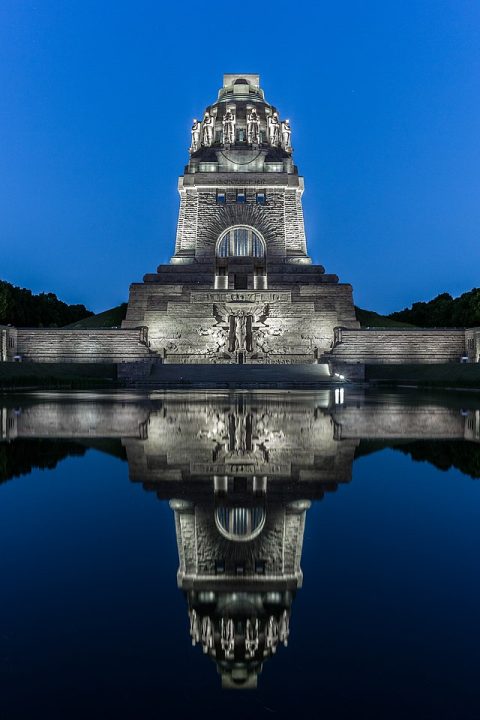
Völkerschlachtdenkmal (Monument to the Battle of the Nations)
This 91-meter tall colossus commemorates the 1813 Battle of Leipzig, where Napoleon was defeated by allied forces. The monument's dark stone construction creates a solemn, powerful atmosphere. Climb 500 steps to the viewing platform for panoramic city views. The architecture combines elements of ancient monuments with early 20th-century design, featuring massive stone warriors and crypts. The surrounding park area includes reflection pools and walking paths. An on-site museum provides historical context about the battle that involved over 600,000 soldiers.
Must See
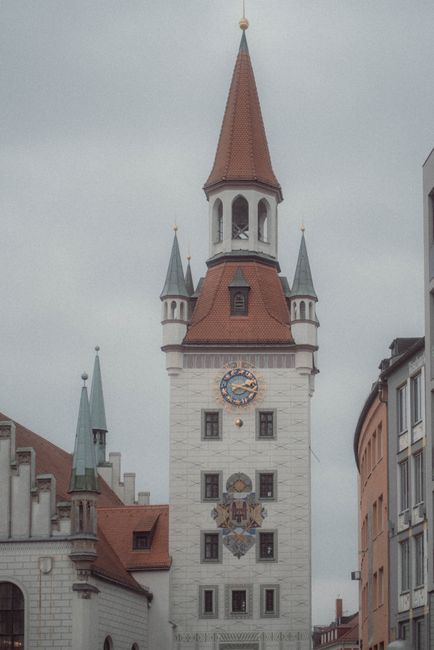
Old City Hall (Altes Rathaus)
This Renaissance masterpiece from 1556 dominates the Marktplatz with its distinctive asymmetrical tower and ornate facade. The building showcases typical Saxon Renaissance architecture with elaborate gables and arcades. Today it houses the City History Museum, displaying artifacts from Leipzig's 1,000-year history. The festival hall features stunning painted ceilings. The building served as the city's administrative center for over 300 years. Its golden weathervane and astronomical clock are iconic symbols of Leipzig.
Tips for Landmarks & Monuments
- Combination tickets available for multiple city museums
- Visit the Völkerschlachtdenkmal on clear days for best views
- The Hauptbahnhof shopping center is open Sundays, unusual for Germany
- Free walking tours depart from the Old City Hall daily
From fine arts to contemporary culture, Leipzig's museums preserve and celebrate creativity across centuries, including world-class musical heritage and cutting-edge exhibitions.

Must See
Museum of Fine Arts (Museum der bildenden Künste)
This striking glass cube designed by architects Hufnagel Pütz Rafaelian houses one of Germany's oldest civic art collections. The museum features over 10,000 works spanning seven centuries, from medieval masters to contemporary art. The collection includes important works by Lucas Cranach, Caspar David Friedrich, and Max Beckmann. The building's modern architecture creates dramatic natural lighting for the artworks. Special exhibitions regularly showcase international contemporary artists. The sculpture courtyard provides a peaceful retreat. Audio guides available in multiple languages enhance your visit.
Must See
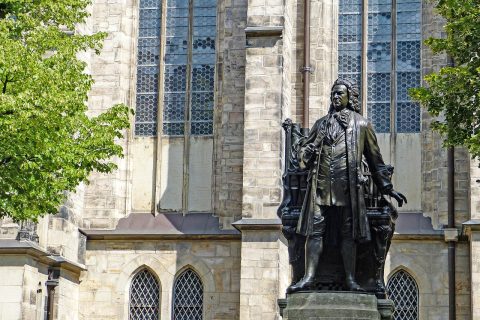
Bach Museum
Located in the historic Bosehaus opposite St. Thomas Church, this museum celebrates Johann Sebastian Bach's 27 years in Leipzig. Interactive exhibits let visitors experience Baroque music-making firsthand, including trying historical instruments. The treasure chamber displays original manuscripts and artifacts. Modern multimedia presentations bring Bach's world to life. The museum explores his daily life, compositional methods, and lasting influence. Regular concerts in the music salon feature period instruments. The listening stations allow deep dives into specific compositions and their historical context.
Tips for Museums & Galleries
- Some museums offer reduced admission on the first Wednesday; the Bach Museum’s free-admission day is the first Tuesday.
- Purchase the Leipzig Card for museum discounts and free public transport
- Concerts are separately scheduled events; check the Bach Archive calendar and ticket details. (check schedule)
- Grassi Museum ticket covers all three museums – plan a full afternoon
- Book Panometer tickets online to avoid queues
Leipzig's churches resonate with musical history and spiritual heritage, from Bach's St. Thomas Church to the Nikolaikirche where peaceful revolution began.
Must See
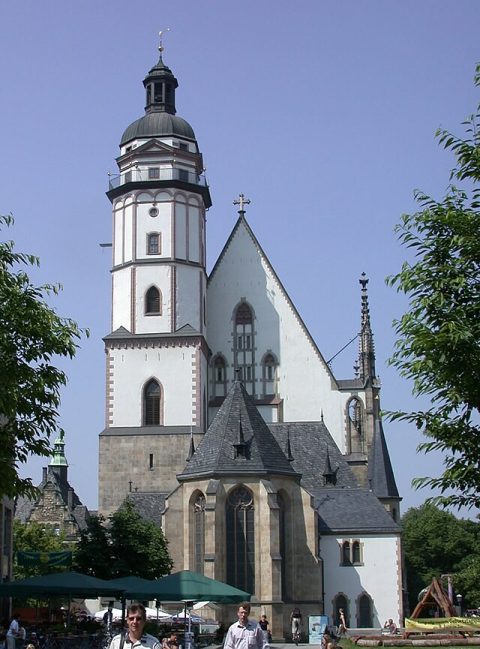
St. Thomas Church (Thomaskirche)
This late-Gothic church is forever linked to Johann Sebastian Bach, who served as cantor from 1723 until his death in 1750. The world-famous Thomanerchor boys' choir, founded in 1212, still performs here regularly, maintaining an 800-year tradition. Bach's tomb lies in front of the altar, marked by a simple bronze plate. The church features beautiful stained glass windows depicting biblical scenes and musical themes. The Sauer organ, while not original, follows Baroque traditions. Motets performed by the Thomanerchor every Friday and Saturday offer authentic Bach experiences. The church's exterior shows late-Gothic architecture with baroque interior modifications.
Must See
St. Nicholas Church (Nikolaikirche)
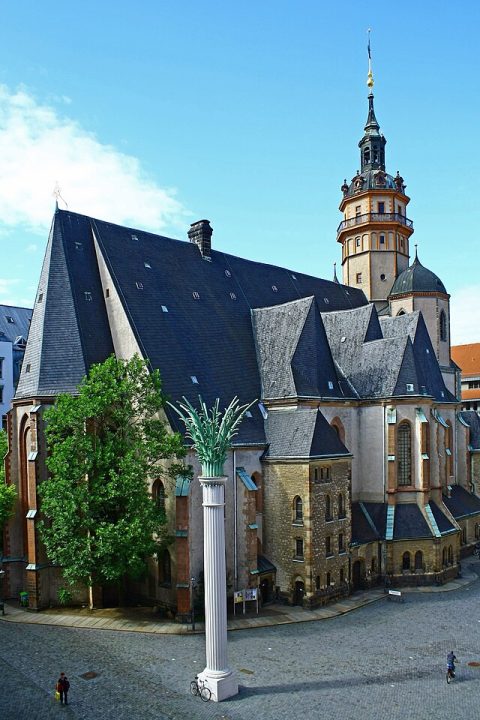
Leipzig's largest church, founded around 1165, became the birthplace of the peaceful revolution that toppled East German communism. The Monday Peace Prayers begun in 1982 grew into mass demonstrations by 1989. The interior features stunning neoclassical design with pink columns resembling palm trees supporting the ceiling. Bach also premiered works here, including the St. John Passion. The church's message of "Swords into Plowshares" inspired peaceful resistance. A pillar in the church bears witness to the revolution with historical markers. The spacious interior can accommodate over 2,000 people.
Tips for Religious Sites
- Attend a Thomanerchor motet – the €3 printed programme is your ticket; arrive 30+ minutes early
- Nikolaikirche Monday prayer services (5 PM) continue the tradition of the peaceful revolution
- Both major churches request modest dress and silence during services
- Combined Bach Museum and church tickets available
- Church concerts frequently scheduled – check websites for programs
Leipzig's historic squares and vibrant thoroughfares showcase centuries of trade, culture, and urban life, from medieval markets to modern shopping districts.
Must See
Marktplatz (Market Square)
The heart of Leipzig's old town, this spacious square is dominated by the Renaissance Old City Hall and surrounded by beautiful baroque buildings. Markets have operated here since the 12th century. Today, it hosts the famous Leipzig Christmas Market, one of Germany's oldest and largest. Regular farmers markets offer regional produce. The square features cafes with outdoor seating perfect for people-watching. Historical markers indicate significant events, including book burnings during the Nazi era. The Naschmarkt, a smaller adjacent square, connects to the main plaza and features the beautiful Old Stock Exchange building.
Tips for Squares & Streets
- Visit Marktplatz during Christmas market season (late November-December) for magical atmosphere
- KarLi is best explored in the evening when bars and venues come alive
- Augustusplatz hosts free open-air concerts in summer
- The City-Hochhaus viewing platform requires admission but offers 360° views
From bohemian Plagwitz to gentrifying Connewitz, Leipzig's diverse neighborhoods each tell unique stories of industrial heritage, creative renewal, and vibrant subcultures.
Must See
Plagwitz
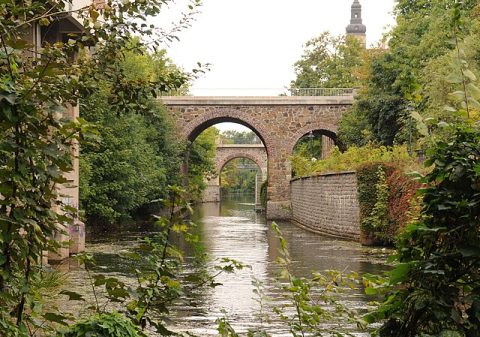
Once Leipzig's industrial heartland, Plagwitz has transformed into the city's most creative neighborhood. Former factories now house artist studios, galleries, and tech startups. The Spinnerei art complex, in a converted cotton mill, houses over 100 artists' studios and galleries. The Karl-Heine-Kanal waterway offers boat tours and kayaking through industrial architecture. Hip cafes, craft breweries, and alternative venues line the streets. Sunday flea markets attract vintage hunters. The neighborhood exemplifies Leipzig's successful post-industrial reinvention. Street art and murals decorate many buildings.
Tips for Neighborhoods & Districts
- The public gallery tours are on selected dates; in 2026, the spring and autumn tours were April 25–26 and September 5–6. – free admission
- Rent bikes to explore neighborhoods efficiently – Leipzig is very bike-friendly
- Plagwitz boat tours on Karl-Heine-Kanal operate May-September
- Waldstraßenviertel best explored on foot with camera for architecture photography
- Connewitz nightlife peaks on weekends but can be loud and crowded
Leipzig hosts one of Germany's oldest and largest Christmas markets, tracing its roots to 1458, when it spreads across the historic city center from the Markt square to Augustusplatz, Naschmarkt and Nikolaikirchhof.
Expect timber stalls, mulled wine, roasted almonds, and Leipzig's own Stollen alongside a Finnish village and a medieval-themed corner, all set against the illuminated old town.
Must See
Leipziger Weihnachtsmarkt (Markt Square)
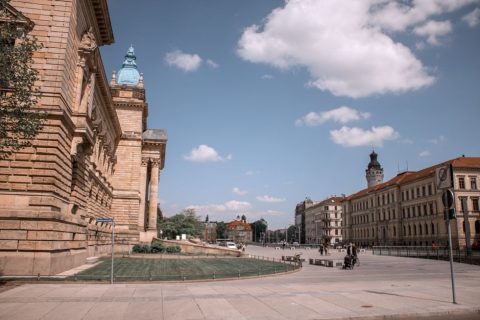
The heart of Leipzig's Christmas season, this market fills the historic Markt square and surrounding streets with over 300 wooden stalls across its market areas, making it one of the largest and oldest Christmas markets in Germany. In 2026 it runs from 24 November to 23 December (only the Markt section on the last day). Highlights include a towering decorated spruce, a nativity scene, a carousel, and stalls selling mulled wine (Glühwein), roasted chestnuts, and handmade wooden ornaments. The market backs onto the Old Town Hall and radiates into Naschmarkt and Augustusplatz (where the The 2026 market information lists Finnish and South Tyrolean villages on Augustusplatz; check the current event details for attractions and locations. Evenings are especially atmospheric, with lights reflecting off the surrounding Renaissance facades. It is a free, walk-in market with no ticket required, though some food and drink stalls take cash only.
Tips for Christmas Market
- The main market traditionally runs late November to December 23 each year; markets close for Christmas Eve, so plan visits before December 24.
- Try Leipziger Stollen, the city's own version of the German Christmas fruitcake, sold fresh at several bakery stalls.
- Evenings after dusk (from around 4-5pm in December) are the most atmospheric time to visit, with all lights and stalls lit.
- Markets are cash-friendly but many larger stalls now accept card; keep some small change for smaller vendors.
- Augustusplatz and the Markt square are a 5-minute walk apart, so the whole market area is easily covered on foot.
Leipzig may be famous for Bach and books, but it also delivers plenty of hands-on fun for younger visitors. From a hands-on natural history museum to a sprawling zoo and a lakeside beach park, families will find plenty to fill a day without a single dull museum stare.

Must See
Leipzig Zoo
Regularly ranked among Europe's best zoos, Leipzig Zoo is built around large themed habitat halls rather than traditional cages. The highlight is Gondwanaland, a vast indoor tropical rainforest hall with free-roaming monkeys, crocodiles, and a boat ride overhead. Kids love the elephant enclosure, the big cat area, and the walk-through Pongoland with gorillas and chimpanzees. Interactive feeding demonstrations and a large playground add extra excitement throughout the day. The zoo is compact enough to cover in a few hours but detailed enough to fill a whole day. Stroller and wheelchair access is excellent, and several cafes offer breaks between exhibits. It sits an easy walk or short tram ride from the city center, making it a simple half-day family outing.
Tips for With Kids
- Combine the Zoo and Natural History Museum on the same day since they are both compact and close to the center.
- Belantis is seasonal, so confirm opening dates before planning a visit outside summer.
- Cospudener See gets busy on hot weekends; arrive early for beach space and parking.
- Trams run frequently to all of these attractions, so a day ticket is often cheaper than individual fares for a family.
Leipzig's calendar runs on rhythm all year, from Bach cantatas in the churches where he once worked to a Gothic subculture takeover each Pentecost. Add a lakeside summer festival, a historic Christmas market, and a candlelit New Year send-off, and the city rarely has a quiet month.

Must See📌 Book Ahead
Bachfest Leipzig
Each June, Leipzig honors its most famous former resident with roughly ten days of concerts across the city's historic churches and concert halls. Held each June over about ten days, centered on the Thomaskirche where Bach served as cantor for 27 years. Programming mixes the Thomanerchor boys choir, visiting orchestras, and chamber ensembles performing cantatas, motets, and organ works in the very spaces Bach composed for. Beyond ticketed evening concerts, many daytime events are free, including courtyard performances and open rehearsals. Booking ahead is strongly advised for headline concerts in the Thomaskirche and Nikolaikirche, as these sell out weeks in advance. The festival draws classical music lovers from across Europe, so hotel rooms also fill quickly during this window.
Must See
Leipziger Weihnachtsmarkt (Christmas Market)
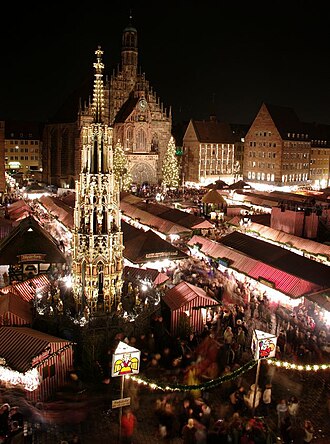
One of Germany's oldest Christmas markets, dating back to 1458, spreads across Markt, Augustusplatz, Naschmarkt and Nikolaikirchhof. In 2026 it runs from 24 November to 23 December (only Markt stays open on the 23rd), with wooden stalls selling mulled wine, roasted almonds, and Saxon handicrafts beneath festive lighting. A dedicated Finnish village and a historical market section set it apart from typical German Christmas markets, and the Nikolaikirche hosts seasonal concerts throughout the run. Evenings are the most atmospheric time to visit, when the illuminated stalls and choir performances create a warm, old-world mood. Weekends draw the heaviest crowds, so weekday afternoons offer a calmer alternative for browsing stalls and sampling Saxon stollen without long queues.
Tips for Events Calendar
- Book Bachfest concert tickets and central hotel rooms months ahead, as classical music tourism fills the city fast in June.
- During Wave-Gotik-Treffen, festival wristbands double as transit passes, so buy one even if attending only fringe events.
- Weekday visits to the Christmas market avoid the weekend crush and still capture the full atmosphere.
- Check exact 2026 dates closer to each event, as city festivals and market openings can shift by a few days year to year.
Real, highly-rated Restaurants in Leipzig, sourced from Google Places (rating above 4★).
Le Petit Chef - Leipzig
Le Petit Chef - Leipzig is a highly-rated restaurant in Leipzig, rated 4.9★ from 584 reviews. Located at Steigenberger Grandhotel, Salzgäßchen 6, 04109 Leipzig, Germany.
Opening Hours
- Monday: Closed
- Tuesday: Closed
- Wednesday: Closed
- Thursday: 6:30 – 9:00 PM
- Friday: 4:30 – 10:30 PM
- Saturday: 4:30 – 10:30 PM
- Sunday: 5:30 – 8:00 PM
Restaurant Goldberg
Restaurant Goldberg is a highly-rated restaurant in Leipzig, rated 4.9★ from 342 reviews. Located at Thomaskirchhof 17, 04109 Leipzig, Germany.
Opening Hours
- Monday: 11:30 AM – 10:30 PM
- Tuesday: 11:30 AM – 10:30 PM
- Wednesday: 11:30 AM – 10:30 PM
- Thursday: 11:30 AM – 10:30 PM
- Friday: 11:30 AM – 11:00 PM
- Saturday: 11:30 AM – 11:00 PM
- Sunday: 11:30 AM – 11:00 PM
Alfa Restaurant
Alfa Restaurant is a highly-rated restaurant in Leipzig, rated 4.8★ from 3170 reviews. Located at Ratsfreischulstraße 8-10, 04109 Leipzig, Germany.
Opening Hours
- Monday: 11:30 AM – 11:00 PM
- Tuesday: 11:30 AM – 11:00 PM
- Wednesday: 11:30 AM – 11:00 PM
- Thursday: 11:30 AM – 11:00 PM
- Friday: 11:30 AM – 11:00 PM
- Saturday: 11:30 AM – 11:00 PM
- Sunday: 11:30 AM – 11:00 PM
Funk Royal
Funk Royal is a highly-rated restaurant in Leipzig, rated 4.8★ from 63 reviews. Located at Karl-Heine-Straße 89, 04229 Leipzig, Germany.
Opening Hours
- Monday: 4:00 – 11:00 PM
- Tuesday: 4:00 – 11:00 PM
- Wednesday: 4:00 – 11:00 PM
- Thursday: 4:00 – 11:00 PM
- Friday: 4:00 PM – 1:00 AM
- Saturday: 4:00 PM – 1:00 AM
- Sunday: Closed
Kemo Café - Bowls & Brunch
Kemo Café - Bowls & Brunch is a highly-rated restaurant in Leipzig, rated 4.8★ from 357 reviews. Located at Johannispl. 20, 04103 Leipzig, Germany.
Opening Hours
- Monday: 10:00 AM – 8:30 PM
- Tuesday: 10:00 AM – 8:30 PM
- Wednesday: 10:00 AM – 8:30 PM
- Thursday: 10:00 AM – 8:30 PM
- Friday: 10:00 AM – 8:30 PM
- Saturday: 10:00 AM – 8:30 PM
- Sunday: 9:00 AM – 8:30 PM
Kuultivo
Kuultivo is a highly-rated restaurant in Leipzig, rated 4.8★ from 220 reviews. Located at Könneritzstraße 24, 04229 Leipzig, Germany.
Opening Hours
- Monday: Closed
- Tuesday: 6:00 – 10:00 PM
- Wednesday: 6:00 – 10:00 PM
- Thursday: 6:00 – 10:00 PM
- Friday: 6:00 – 10:00 PM
- Saturday: 6:00 – 10:00 PM
- Sunday: Closed
Macis Leipzig - Restaurant
Macis Leipzig - Restaurant is a highly-rated restaurant in Leipzig, rated 4.7★ from 517 reviews. Located at Markgrafenstraße 10, 04109 Leipzig, Germany.
Opening Hours
- Monday: 11:30 AM – 2:30 PM, 6:00 – 10:30 PM
- Tuesday: 11:30 AM – 2:30 PM, 6:00 – 10:30 PM
- Wednesday: 11:30 AM – 2:30 PM, 6:00 – 10:30 PM
- Thursday: 11:30 AM – 2:30 PM, 6:00 – 10:30 PM
- Friday: 11:30 AM – 2:30 PM, 6:00 – 10:30 PM
- Saturday: 9:00 AM – 2:30 PM, 6:00 – 10:30 PM
- Sunday: Closed
Planerts Restaurant
Planerts Restaurant is a highly-rated restaurant in Leipzig, rated 4.7★ from 323 reviews. Located at Ritterstraße 23, 04109 Leipzig, Germany.
Opening Hours
- Monday: Closed
- Tuesday: 6:00 – 11:00 PM
- Wednesday: 6:00 – 11:00 PM
- Thursday: 11:30 AM – 2:00 PM, 6:00 – 11:00 PM
- Friday: 11:30 AM – 2:00 PM, 6:00 – 11:00 PM
- Saturday: 11:30 AM – 2:00 PM, 6:00 – 11:00 PM
- Sunday: Closed
Ratskeller der Stadt Leipzig GmbH
Ratskeller der Stadt Leipzig GmbH is a highly-rated restaurant in Leipzig, rated 4.6★ from 5663 reviews. Located at Lotterstraße 1, 04109 Leipzig, Germany.
Opening Hours
- Monday: 5:00 – 10:00 PM
- Tuesday: 5:00 – 10:00 PM
- Wednesday: 5:00 – 10:00 PM
- Thursday: 5:00 – 10:00 PM
- Friday: 12:00 – 11:00 PM
- Saturday: 12:00 – 11:00 PM
- Sunday: 11:00 AM – 4:00 PM
60 seconds to napoli
60 seconds to napoli is a highly-rated restaurant in Leipzig, rated 4.6★ from 14453 reviews. Located at Gottschedstraße 1, 04109 Leipzig, Germany.
Opening Hours
- Monday: 11:30 AM – 12:00 AM
- Tuesday: 11:30 AM – 12:00 AM
- Wednesday: 11:30 AM – 12:00 AM
- Thursday: 11:30 AM – 12:00 AM
- Friday: 11:30 AM – 12:00 AM
- Saturday: 11:30 AM – 12:00 AM
- Sunday: 11:30 AM – 12:00 AM
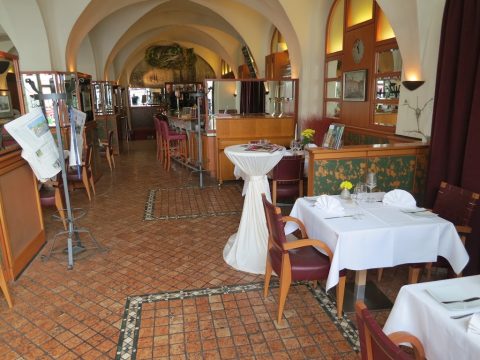
Restaurant Weinstock Leipzig
Restaurant Weinstock Leipzig is a highly-rated restaurant in Leipzig, rated 4.6★ from 966 reviews. Located at Markt 7, 04109 Leipzig, Germany.
Opening Hours
- Monday: 11:30 AM – 2:30 PM, 5:00 – 11:00 PM
- Tuesday: 11:30 AM – 2:30 PM, 5:00 – 11:00 PM
- Wednesday: 11:30 AM – 2:30 PM, 5:00 – 11:00 PM
- Thursday: 11:30 AM – 2:30 PM, 5:00 – 11:00 PM
- Friday: 11:30 AM – 2:30 PM, 5:00 – 11:00 PM
- Saturday: 11:30 AM – 2:30 PM, 5:00 – 11:00 PM
- Sunday: 5:00 – 11:00 PM
SYNDEO Restaurant Leipzig
SYNDEO Restaurant Leipzig is a highly-rated restaurant in Leipzig, rated 4.6★ from 334 reviews. Located at Gottschedstraße 1, 04109 Leipzig, Germany.
Opening Hours
- Monday: 6:30 AM – 1:00 AM
- Tuesday: 6:30 AM – 1:00 AM
- Wednesday: 6:30 AM – 1:00 AM
- Thursday: 6:30 AM – 1:00 AM
- Friday: 6:30 AM – 1:00 AM
- Saturday: 6:30 AM – 1:00 AM
- Sunday: 6:30 AM – 1:00 AM
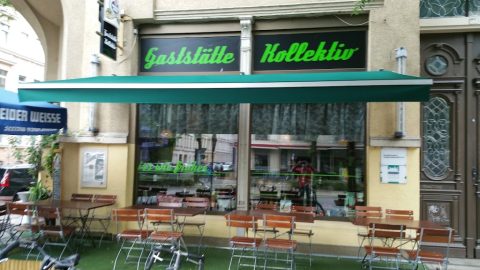
Gaststätte Kollektiv
Gaststätte Kollektiv is a highly-rated restaurant in Leipzig, rated 4.6★ from 2796 reviews. Located at Karl-Liebknecht-Straße 72, 04275 Leipzig-Süd, Germany.
Opening Hours
- Monday: 11:00 AM – 10:00 PM
- Tuesday: 11:00 AM – 10:00 PM
- Wednesday: 11:00 AM – 10:00 PM
- Thursday: 11:00 AM – 10:00 PM
- Friday: 11:00 AM – 10:00 PM
- Saturday: 11:00 AM – 10:00 PM
- Sunday: 11:00 AM – 10:00 PM
HUWA - 100 Wasser Leipzig
HUWA - 100 Wasser Leipzig is a highly-rated restaurant in Leipzig, rated 4.6★ from 1443 reviews. Located at Barfußgäßchen 15 Ecke, Dittrichring, 04109 Leipzig, Germany.
Opening Hours
- Monday: 8:00 AM – 12:00 AM
- Tuesday: 8:00 AM – 12:00 AM
- Wednesday: 8:00 AM – 12:00 AM
- Thursday: 8:00 AM – 12:00 AM
- Friday: 8:00 AM – 2:00 AM
- Saturday: 8:00 AM – 2:00 AM
- Sunday: 9:00 AM – 12:00 AM

IMPERII
IMPERII is a highly-rated restaurant in Leipzig, rated 4.6★ from 1269 reviews. Located at Brühl 72, 04109 Leipzig, Germany.
Opening Hours
- Monday: Closed
- Tuesday: 4:00 PM – 12:00 AM
- Wednesday: 4:00 PM – 12:00 AM
- Thursday: 4:00 PM – 12:00 AM
- Friday: 4:00 PM – 1:00 AM
- Saturday: 4:00 PM – 1:00 AM
- Sunday: Closed