Plan your trip to Leipzig
- How long
- 2 days; add a day for Dresden (about an hour by train) or a lake day on the Cospudener See.
- Best for
- Classical-music lovers (Bach, Mendelssohn, the Gewandhaus), history fans (the 1989 Peaceful Revolution), and anyone after a creative, affordable German city.
- Skip it if
- You want a picture-postcard medieval old town: Leipzig's charm is its arcades, music and alternative neighbourhoods.
If you only do three things
- St Thomas Church, where Bach was cantor, with a Thomanerchor motet on Friday evening or Saturday afternoon (€3 programme).
- St Nicholas Church and the Runde Ecke Stasi museum: the story of the 1989 Peaceful Revolution.
- The Völkerschlachtdenkmal (Monument to the Battle of the Nations) for its scale and the view from the top.
A one-day route
- Morning: Markt, the Old City Hall, then the Mädler-Passage and Auerbachs Keller arcade.
- Midday: St Thomas Church and the Bach Museum opposite; lunch in the centre.
- Afternoon: St Nicholas Church and the Runde Ecke museum, then tram to the Völkerschlachtdenkmal.
- Evening: A concert at the Gewandhaus or Opera on Augustusplatz, then the bars of Barfußgässchen or the KarLi.
Before you go
- Leipzig Card 2026: €9.90 for 1 day, €24.90 for 3 days (the 2-day card is only in the LeipzigMove app).
- Tram and bus fares rose in August 2026; a single ticket is just under €4.
- Thomanerchor motets: Friday 6pm and Saturday 3pm in term time; the €3 printed programme is the ticket.
- On 9 October the Lichtfest commemorates the 1989 Peaceful Revolution with a free light festival in the centre.
Prices, opening status and transport in this plan checked against official sources on 30 September 2026.
Things to do in Leipzig
Leipzig's architectural treasures tell stories of cultural brilliance, revolutionary courage, and economic prosperity spanning centuries.
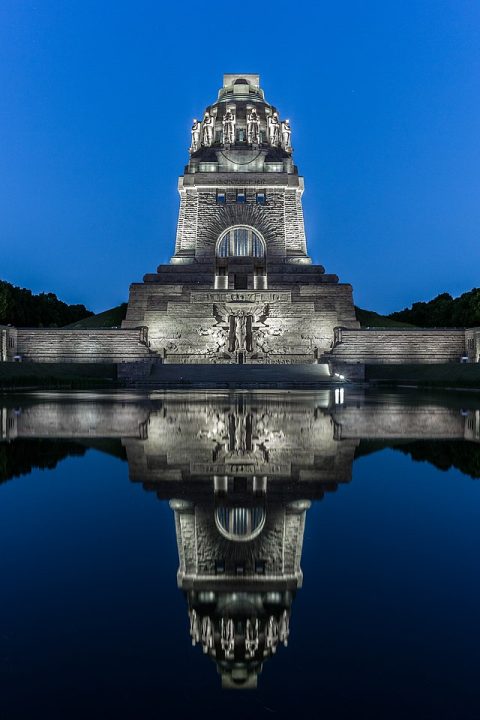
Völkerschlachtdenkmal (Monument to the Battle of the Nations)
This 91-meter tall colossus commemorates the 1813 Battle of Leipzig, where Napoleon was defeated by allied forces. The monument's dark stone construction creates a solemn, powerful atmosphere. Climb 500 steps to the viewing platform for panoramic city views. The architecture combines elements of ancient monuments with early 20th-century design, featuring massive stone warriors and crypts. The surrounding park area includes reflection pools and walking paths. An on-site museum provides historical context about the battle that involved over 600,000 soldiers.
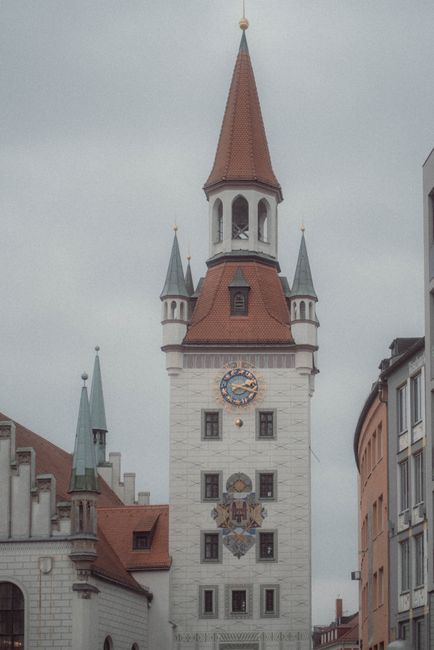
Old City Hall (Altes Rathaus)
This Renaissance masterpiece from 1556 dominates the Marktplatz with its distinctive asymmetrical tower and ornate facade. The building showcases typical Saxon Renaissance architecture with elaborate gables and arcades. Today it houses the City History Museum, displaying artifacts from Leipzig's 1,000-year history. The festival hall features stunning painted ceilings. The building served as the city's administrative center for over 300 years. Its golden weathervane and astronomical clock are iconic symbols of Leipzig.
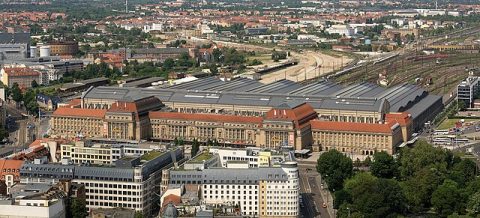
Leipzig Hauptbahnhof (Central Station)
One of Europe's largest railway stations, this architectural marvel from 1915 features a 298-meter-long facade and a stunning glass-roofed hall. The station has been transformed into a multi-level shopping center while maintaining its historical grandeur. The symmetrical design was created to serve two formerly separate railway companies. Notice the beautiful Jugendstil (Art Nouveau) elements throughout. The station connects 23 platforms and serves over 120,000 passengers daily. The Promenaden shopping area occupies three levels beneath the main hall.
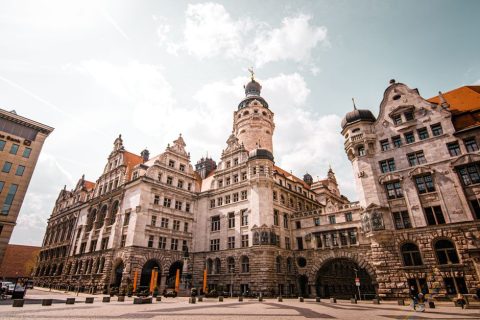
New City Hall (Neues Rathaus)
Built in 1905, this imposing structure stands 114 meters tall, making it one of the tallest city halls in Germany. The building occupies the site of the former Pleißenburg castle, incorporating some original foundation walls. Its eclectic architectural style combines Neo-Renaissance and Art Nouveau elements. The tower offers excellent views during special open days. The building houses the city administration and features beautiful interior courtyards. Note the elaborate stone facades and decorative sculptures representing Leipzig's history.
Tips for Landmarks & Monuments
- Combination tickets available for multiple city museums
- Visit the Völkerschlachtdenkmal on clear days for best views
- The Hauptbahnhof shopping center is open Sundays, unusual for Germany
- Free walking tours depart from the Old City Hall daily
From fine arts to contemporary culture, Leipzig's museums preserve and celebrate creativity across centuries, including world-class musical heritage and cutting-edge exhibitions.

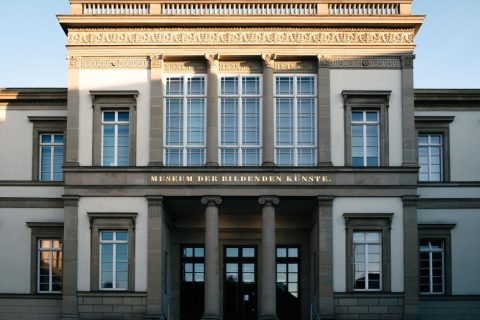
Museum of Fine Arts (Museum der bildenden Künste)
This striking glass cube designed by architects Hufnagel Pütz Rafaelian houses one of Germany's oldest civic art collections. The museum features over 10,000 works spanning seven centuries, from medieval masters to contemporary art. The collection includes important works by Lucas Cranach, Caspar David Friedrich, and Max Beckmann. The building's modern architecture creates dramatic natural lighting for the artworks. Special exhibitions regularly showcase international contemporary artists. The sculpture courtyard provides a peaceful retreat. Audio guides available in multiple languages enhance your visit.
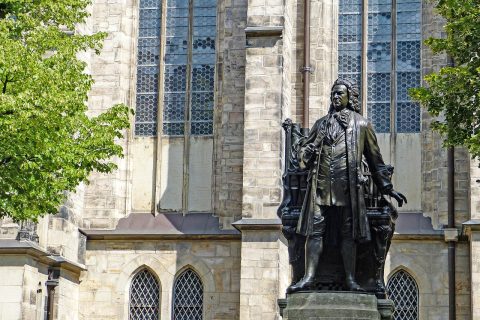
Bach Museum
Located in the historic Bosehaus opposite St. Thomas Church, this museum celebrates Johann Sebastian Bach's 27 years in Leipzig. Interactive exhibits let visitors experience Baroque music-making firsthand, including trying historical instruments. The treasure chamber displays original manuscripts and artifacts. Modern multimedia presentations bring Bach's world to life. The museum explores his daily life, compositional methods, and lasting influence. Regular concerts in the music salon feature period instruments. The listening stations allow deep dives into specific compositions and their historical context.
Grassi Museum Complex
This Art Deco masterpiece houses three distinct museums under one roof: Applied Arts, Musical Instruments, and Ethnography. The Musical Instruments Museum displays over 5,000 instruments from five centuries, including rare keyboards and experimental devices. The Museum of Applied Arts showcases design from ancient times to present, featuring Bauhaus pieces and contemporary craft. The Ethnography Museum presents world cultures through thoughtfully curated collections. The building's central courtyard hosts concerts and events. Architecture enthusiasts appreciate the 1929 building's harmonious proportions and period details.
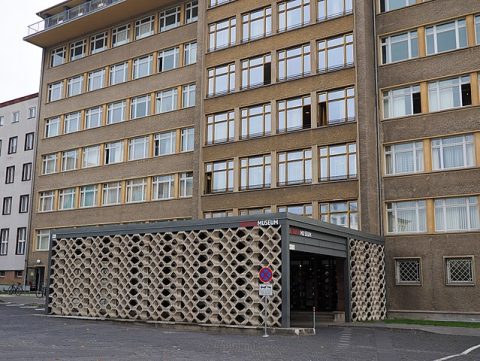
Stasi Museum (Runde Ecke)
The former East German secret police headquarters now serves as a chilling reminder of surveillance state methods. The exhibition "Stasi – Power and Banality" displays original equipment, files, and interrogation techniques. Located in the building's actual offices, creating an authentic atmosphere. Learn about the peaceful revolution of 1989 that began in Leipzig. The museum shows how citizens stormed this building on December 4, 1989, preventing document destruction. Original furnishings and technology provide insight into daily operations. Guided tours offer deeper understanding of this dark chapter in German history.
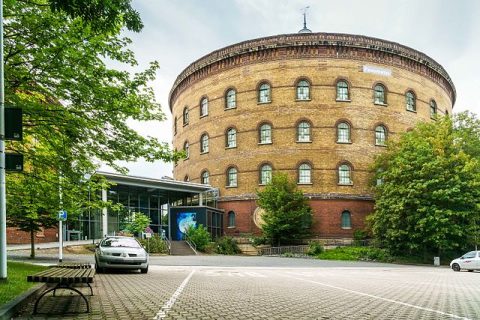
Panometer Leipzig
A unique exhibition space in a former gasometer, featuring monumental 360-degree panoramas by artist Yadegar Asisi. The massive cylindrical building displays rotating historical and natural panoramas up to 32 meters high. Past exhibitions recreated ancient Rome, the Amazonian rainforest, and the Leipzig of 1813. The immersive experience combines art, history, and technology. A central viewing platform lets you appreciate the artwork's massive scale. Accompanying exhibitions provide historical context. The industrial architecture itself is fascinating, showcasing creative reuse of heritage structures.
Tips for Museums & Galleries
- Some museums offer reduced admission on the first Wednesday; the Bach Museum’s free-admission day is the first Tuesday.
- Purchase the Leipzig Card for museum discounts and free public transport
- Concerts are separately scheduled events; check the Bach Archive calendar and ticket details. (check schedule)
- Grassi Museum ticket covers all three museums – plan a full afternoon
- Book Panometer tickets online to avoid queues
Leipzig's churches resonate with musical history and spiritual heritage, from Bach's St. Thomas Church to the Nikolaikirche where peaceful revolution began.
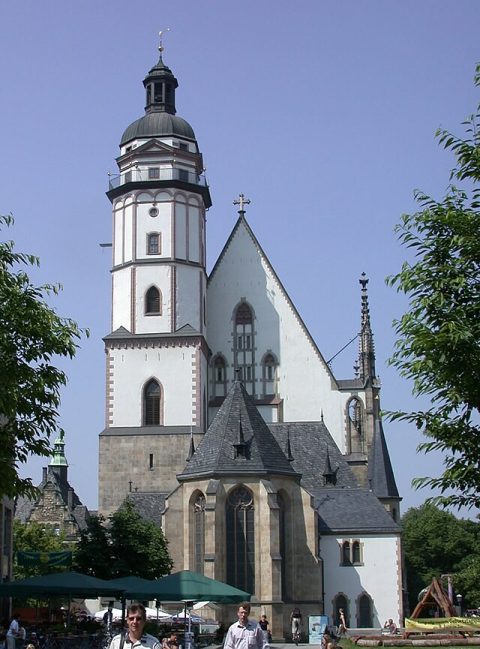
St. Thomas Church (Thomaskirche)
This late-Gothic church is forever linked to Johann Sebastian Bach, who served as cantor from 1723 until his death in 1750. The world-famous Thomanerchor boys' choir, founded in 1212, still performs here regularly, maintaining an 800-year tradition. Bach's tomb lies in front of the altar, marked by a simple bronze plate. The church features beautiful stained glass windows depicting biblical scenes and musical themes. The Sauer organ, while not original, follows Baroque traditions. Motets performed by the Thomanerchor every Friday and Saturday offer authentic Bach experiences. The church's exterior shows late-Gothic architecture with baroque interior modifications.
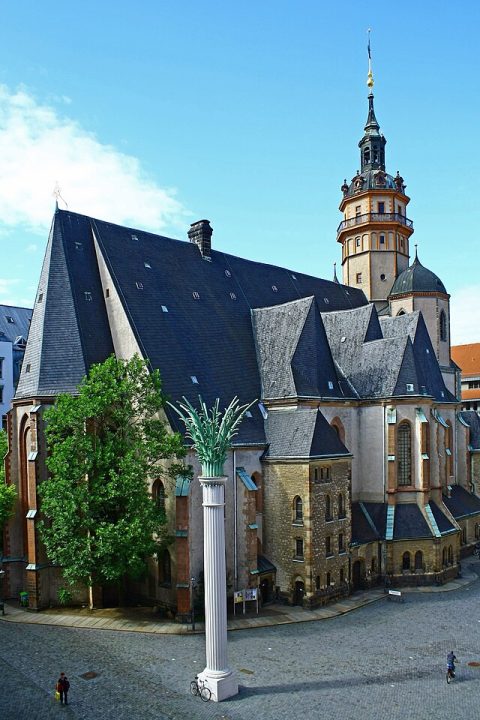
St. Nicholas Church (Nikolaikirche)
Leipzig's largest church, founded around 1165, became the birthplace of the peaceful revolution that toppled East German communism. The Monday Peace Prayers begun in 1982 grew into mass demonstrations by 1989. The interior features stunning neoclassical design with pink columns resembling palm trees supporting the ceiling. Bach also premiered works here, including the St. John Passion. The church's message of "Swords into Plowshares" inspired peaceful resistance. A pillar in the church bears witness to the revolution with historical markers. The spacious interior can accommodate over 2,000 people.

St. Peter's Church (Peterskirche)
The neo-Gothic Peterskirche, consecrated in 1885, replaced an older church of 1507. Its 88-metre tower dominates the southern edge of the centre. Damaged in WWII and neglected in GDR times, it has been repaired and is used again for services, concerts and exhibitions. The site reflects Leipzig's journey through war, division and reunification.
Tips for Religious Sites
- Attend a Thomanerchor motet – the €3 printed programme is your ticket; arrive 30+ minutes early
- Nikolaikirche Monday prayer services (5 PM) continue the tradition of the peaceful revolution
- Both major churches request modest dress and silence during services
- Combined Bach Museum and church tickets available
- Church concerts frequently scheduled – check websites for programs
Leipzig's historic squares and vibrant thoroughfares showcase centuries of trade, culture, and urban life, from medieval markets to modern shopping districts.
Marktplatz (Market Square)
The heart of Leipzig's old town, this spacious square is dominated by the Renaissance Old City Hall and surrounded by beautiful baroque buildings. Markets have operated here since the 12th century. Today, it hosts the famous Leipzig Christmas Market, one of Germany's oldest and largest. Regular farmers markets offer regional produce. The square features cafes with outdoor seating perfect for people-watching. Historical markers indicate significant events, including book burnings during the Nazi era. The Naschmarkt, a smaller adjacent square, connects to the main plaza and features the beautiful Old Stock Exchange building.
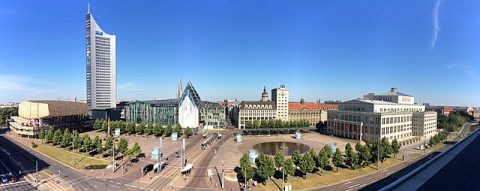
Augustusplatz
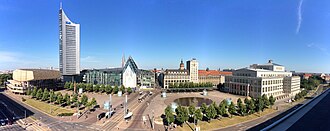
One of Europe's largest city squares at 40,000 square meters, surrounded by major cultural institutions. The square features the Gewandhaus concert hall, Opera House, and main university buildings. Heavily damaged in WWII, the square was rebuilt in modernist GDR style. The City-Hochhaus (city skyscraper) offers viewing platform access. The ornate 19th-century Mendebrunnen fountain stands at its southern end. The square serves as Leipzig's primary event space for festivals and demonstrations. Underground, the Moritzbastei fortress ruins house a popular student culture center.
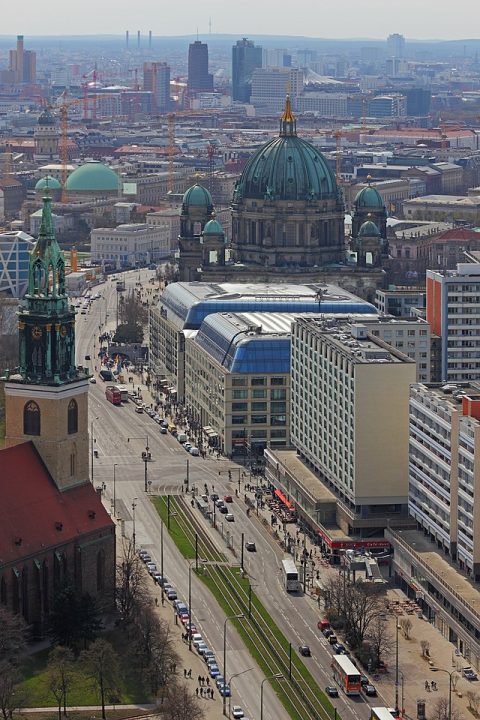
Karl-Liebknecht-Straße (KarLi)
Leipzig's hipster boulevard in the Südvorstadt district, lined with vintage shops, cafes, bars, and street art. The street embodies the city's creative, alternative culture. Diverse gastronomy ranges from vegan cafes to international cuisine. Independent boutiques and second-hand stores attract fashion-conscious visitors. The relaxed atmosphere makes it perfect for evening strolls. Street festivals and markets occur regularly. The area represents Leipzig's reputation as Germany's "new Berlin" with its affordable rents attracting artists and young creatives.
Tips for Squares & Streets
- Visit Marktplatz during Christmas market season (late November-December) for magical atmosphere
- KarLi is best explored in the evening when bars and venues come alive
- Augustusplatz hosts free open-air concerts in summer
- The City-Hochhaus viewing platform requires admission but offers 360° views
From bohemian Plagwitz to gentrifying Connewitz, Leipzig's diverse neighborhoods each tell unique stories of industrial heritage, creative renewal, and vibrant subcultures.
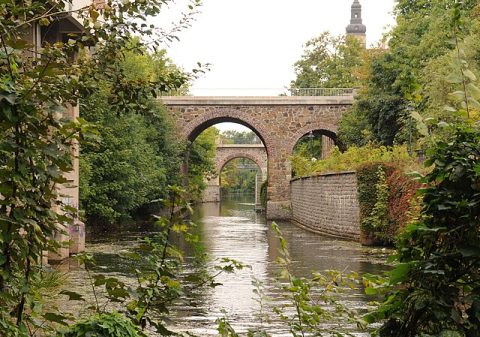
Plagwitz
Once Leipzig's industrial heartland, Plagwitz has transformed into the city's most creative neighborhood. Former factories now house artist studios, galleries, and tech startups. The Spinnerei art complex, in a converted cotton mill, houses over 100 artists' studios and galleries. The Karl-Heine-Kanal waterway offers boat tours and kayaking through industrial architecture. Hip cafes, craft breweries, and alternative venues line the streets. Sunday flea markets attract vintage hunters. The neighborhood exemplifies Leipzig's successful post-industrial reinvention. Street art and murals decorate many buildings.
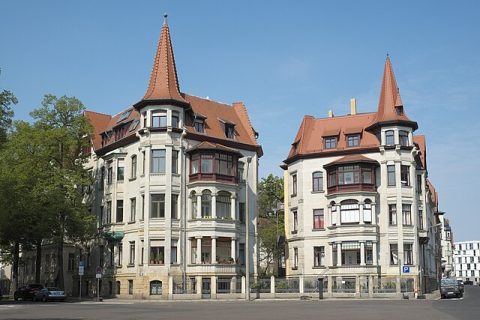
Waldstraßenviertel
Leipzig's most elegant neighborhood, featuring beautifully restored Art Nouveau villas and tree-lined boulevards. Built during Leipzig's late 19th-century prosperity boom for wealthy merchants. The architecture showcases Gründerzeit and Jugendstil styles with ornate facades. Many buildings survived WWII relatively intact. Today, the area houses boutique shops, upscale restaurants, and cultural venues. The Waldplatz forms the neighborhood's social center. It's perfect for architectural walks and photography. The area represents Leipzig's historic wealth and cultural sophistication. Notastraße features particularly impressive mansions.
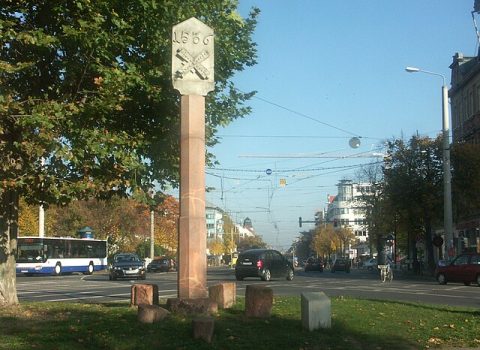
Connewitz
Leipzig's left-wing alternative district, known for its countercultural scene and political activism. The neighborhood maintains a rebellious spirit with squatted houses, autonomous projects, and protest culture. Diverse bars, clubs, and music venues create vibrant nightlife. The Wolfgang-Heinze-Straße features colorful street art and independent shops. Local initiatives promote sustainable living and community projects. While gentrification tensions exist, Connewitz retains its activist identity. The area can feel edgy but offers authentic insight into Leipzig's subcultures. Political demonstrations occasionally occur here.
Tips for Neighborhoods & Districts
- The public gallery tours are on selected dates; in 2026, the spring and autumn tours were April 25–26 and September 5–6. – free admission
- Rent bikes to explore neighborhoods efficiently – Leipzig is very bike-friendly
- Plagwitz boat tours on Karl-Heine-Kanal operate May-September
- Waldstraßenviertel best explored on foot with camera for architecture photography
- Connewitz nightlife peaks on weekends but can be loud and crowded
Leipzig's green spaces range from vast English-style parks to peaceful botanical gardens, offering respite and recreation throughout the city.
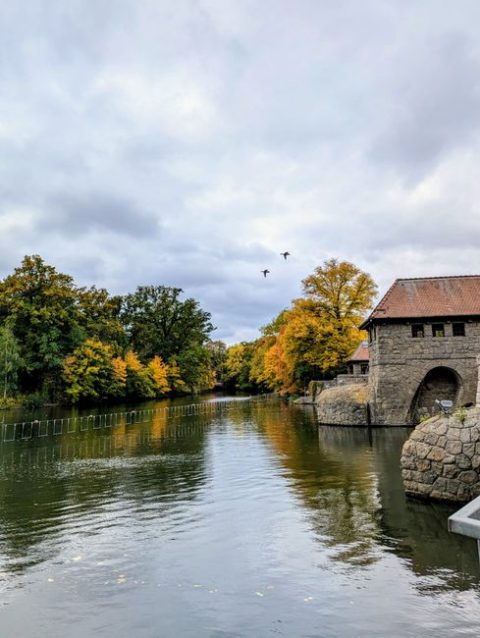
Clara-Zetkin-Park and Johannapark
These connected parks form Leipzig's green heart, totaling 125 hectares of meadows, forests, and waterways. The Clara-Zetkin-Park features the Elsterflutbett river, perfect for paddling and swimming in summer. The Johannapark, created in 1858, showcases English landscape garden design with winding paths and old-growth trees. Popular for jogging, cycling, picnicking, and open-air concerts. The Musikpavillon hosts free summer performances. Locals gather here for sunbathing, sports, and relaxation. The parks connect to Leipzig's extensive green ring system of interconnected parks and trails surrounding the inner city.

Leipzig Riverside Forest (Auwald)
This vast floodplain forest is one of Central Europe's largest remaining riverine forests, covering 5,900 hectares. The forest features unique ecosystem biodiversity with wetlands, old-growth trees, and meandering streams. Popular for cycling, hiking, and birdwatching. The forest provides natural flood protection while offering recreational space. Well-marked trails range from easy walks to long-distance routes. Wildlife includes beavers, deer, and rare bird species. The cool canopy offers summer refuge. Access points throughout the city make it easily reachable. The Auwald represents Leipzig's commitment to urban nature preservation.
Leipzig Botanical Garden
One of Germany's oldest botanical gardens, established in 1542, featuring over 7,000 plant species on 3.5 hectares. The historic site includes several thematic gardens: butterfly house, alpine garden, and medicinal plant collection. The tropical greenhouses showcase exotic species from around the world. The cactus collection is particularly impressive. The gardens serve both research and public education. Peaceful atmosphere makes it perfect for contemplative walks. The site represents centuries of botanical science. Seasonal displays ensure year-round interest. The pond area attracts diverse wildlife including ducks and frogs.
Tips for Parks & Gardens
- Parks are perfect for summer evening picnics – locals bring blankets and food
- Rent bikes at multiple stations to explore the Auwald trail network
- Clara-Zetkin-Park swimming areas are free but unguarded – swim at own risk
- Botanical Garden offers special guided tours (check schedule)
- Bring mosquito repellent for forest and riverside areas in summer
Leipzig hosts one of Germany's oldest and largest Christmas markets, tracing its roots to 1458, when it spreads across the historic city center from the Markt square to Augustusplatz, Naschmarkt and Nikolaikirchhof.
Expect timber stalls, mulled wine, roasted almonds, and Leipzig's own Stollen alongside a Finnish village and a medieval-themed corner, all set against the illuminated old town.
Leipziger Weihnachtsmarkt (Markt Square)
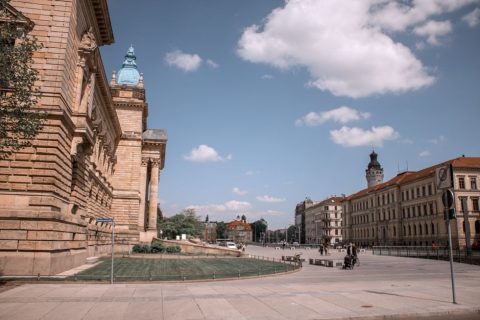
The heart of Leipzig's Christmas season, this market fills the historic Markt square and surrounding streets with over 300 wooden stalls across its market areas, making it one of the largest and oldest Christmas markets in Germany. In 2026 it runs from 24 November to 23 December (only the Markt section on the last day). Highlights include a towering decorated spruce, a nativity scene, a carousel, and stalls selling mulled wine (Glühwein), roasted chestnuts, and handmade wooden ornaments. The market backs onto the Old Town Hall and radiates into Naschmarkt and Augustusplatz (where the The 2026 market information lists Finnish and South Tyrolean villages on Augustusplatz; check the current event details for attractions and locations. Evenings are especially atmospheric, with lights reflecting off the surrounding Renaissance facades. It is a free, walk-in market with no ticket required, though some food and drink stalls take cash only.
Finnish Christmas Village (Augustusplatz)
Since the 1990s, a dedicated Finnish Christmas Village has occupied part of Augustusplatz, Leipzig's largest square, next to the main Weihnachtsmarkt. Wooden cabins staffed by Finnish vendors The official 2026 listing confirms a Finnish village, but I could not verify this specific inventory, giving this corner a distinctly Scandinavian feel. It typically runs on the same schedule as the main market, from late November to 23 December. The setting near the Gewandhaus concert hall and opera house adds a grand backdrop, and a Ferris wheel nearby offers views over the illuminated square. Families often stop here for warm food and a break from the busier Markt stalls. It is a pleasant, less crowded alternative for browsing gifts. Entry is free and stalls accept both cash and card at most stands.
Medieval Christmas Market (Naschmarkt)
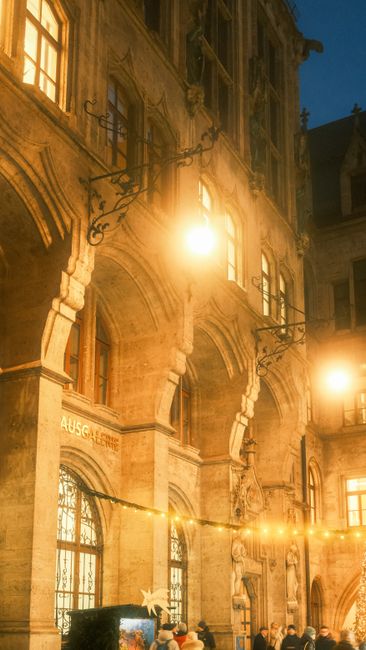
On the Naschmarkt behind the Old Town Hall, the medieval market Alt Leipzig recreates a medieval encampment with costumed traders, open fire pits, and handcrafted goods like leather, pottery, and forged ironwork. It runs concurrently with the main Weihnachtsmarkt, 24 November to 22 December in 2026, and offers a quieter, more rustic contrast to the bustling main square just steps away. Visitors can sample flame-grilled meats, spiced wine served in clay mugs, and honey mead while musicians play period instruments. St. Nicholas Church, famous for the 1989 Monday demonstrations, is a few minutes' walk away (its churchyard has the Feuerzangenbowle pyramid). It is a good stop for something atmospheric and less commercial than the central stalls. No entry fee, cash preferred at most vendors.
Christmas Ferris Wheel (Augustusplatz)
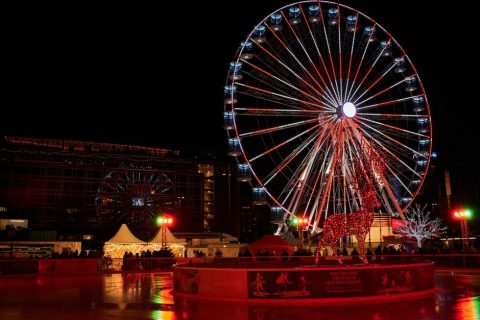
During the Christmas market (24 November to 22 December in 2026), a Ferris wheel on Augustusplatz gives short rides with views over the illuminated square, the Gewandhaus and the Opera House, next to the Finnish Christmas Village. Nearby stalls sell hot chocolate and mulled wine. For ice skating, the separate Leipziger Eistraum rink comes to Augustusplatz from January to March. Weekday evenings mean shorter queues.
Tips for Christmas Market
- The main market traditionally runs late November to December 23 each year; markets close for Christmas Eve, so plan visits before December 24.
- Try Leipziger Stollen, the city's own version of the German Christmas fruitcake, sold fresh at several bakery stalls.
- Evenings after dusk (from around 4-5pm in December) are the most atmospheric time to visit, with all lights and stalls lit.
- Markets are cash-friendly but many larger stalls now accept card; keep some small change for smaller vendors.
- Augustusplatz and the Markt square are a 5-minute walk apart, so the whole market area is easily covered on foot.
When the museums close, Leipzig shifts into one of Germany's most inventive nightlife scenes, a legacy of its status as a hub for jazz, techno, and student culture. From candlelit jazz cellars to industrial techno bunkers in former factories, the city offers something for nearly every hour past dark.
Distillery
At Eggebrechtstraße 2 near the Alte Messe, Distillery is Leipzig's most storied techno club and a cornerstone of the citys reputation as a clubbing destination since the 1990s. Expect marathon sets from local and international DJs, a no-photos policy that keeps the dance floor unselfconscious, and a crowd that treats the club almost like a second home. The main room delivers a punishing sound system while smaller side rooms offer house and disco alternatives. Doors typically open late and the party runs well past sunrise on weekends. It is not a casual stop for the curious tourist so much as a pilgrimage site for electronic music devotees, and queueing outside in a small group with minimal fuss improves your odds at the door. Cash only for entry and drinks is standard practice here.
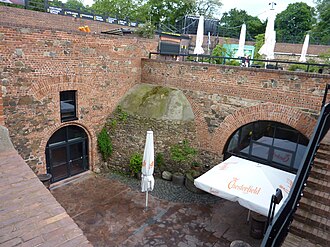
Moritzbastei
Built into the vaulted stone cellars of Leipzig's old city fortifications, Moritzbastei claims to be Europe's largest student club and has been a fixture of nightlife here since the 1970s, when students famously restored the ruined bastion themselves. Today it hosts a rotating mix of concerts, cabaret, film screenings, and club nights across several atmospheric underground chambers. The brick-vaulted cellar setting gives even a simple beer and dance an unusually historic backdrop. Prices stay student-friendly and the crowd skews young, but the eclectic booking, from indie bands to salsa nights, draws a broad mix of visitors. A small outdoor courtyard offers a quieter spot to cool off between sets in warmer months. Its central location just off Augustusplatz makes it an easy first or last stop on a night out.
Bar Ambre / Panorama Tower Rooftop
For a calmer evening with a view, the bars atop and around Leipzig's City-Hochhaus tower deliver panoramic rooftop drinking without the queue culture of the techno clubs. Look out over the city skyline toward the distant Battle of Nations monument while sipping cocktails crafted with a strong regional gin selection, a specialty of several Leipzig bars riding the citys craft-spirits trend. The atmosphere favors conversation over spectacle, with a mixed crowd of professionals, couples, and visitors settling in for the sunset hour. Reservations are wise on weekends since window and terrace seating fills quickly once the light turns golden. It pairs naturally with a pre-dinner or late-evening plan and offers one of the few elevated vantage points over the citys low-rise old town.
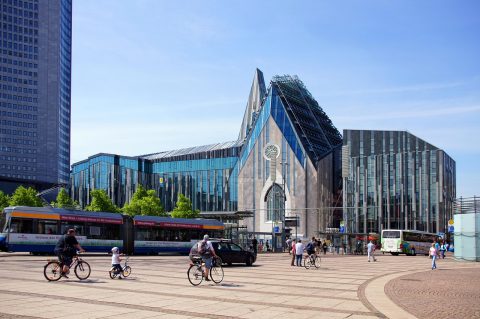
Barfussgaesschen
Tucked just off the Market Square, Barfussgaesschen (Barefoot Alley) is a narrow lane packed wall to wall with bars, beer gardens, and pub terraces that spill into the street once the weather warms. It functions as Leipzig's most concentrated bar-hopping strip, where a single short walk passes traditional German pubs, wine bars, and late-night snack stands side by side. The mood is lively rather than exclusive, popular with both locals finishing the workday and visitors looking for an easy, low-commitment evening. Long communal tables and standing-room crowds are the norm on weekend nights, and live accordion or acoustic buskers occasionally add to the atmosphere. It is best treated as a starting point for the night rather than a single destination, since hopping between two or three spots here takes only minutes.
Tips for Nightlife & Entertainment
- Techno clubs like Distillery often enforce strict door policies and no-photo rules — leave large groups and phones out of sight to improve entry chances.
- Many clubs and smaller bars are cash-only, so carry euros for cover charges and drinks.
- Weekend club nights often run from midnight until mid-morning, so pace your evening if you plan to sightsee the next day.
- Barfussgaesschen gets crowded fast on warm evenings — arrive early for a seat at an outdoor table.
Leipzig may be famous for Bach and books, but it also delivers plenty of hands-on fun for younger visitors. From a hands-on natural history museum to a sprawling zoo and a lakeside beach park, families will find plenty to fill a day without a single dull museum stare.
Leipzig Zoo
Regularly ranked among Europe's best zoos, Leipzig Zoo is built around large themed habitat halls rather than traditional cages. The highlight is Gondwanaland, a vast indoor tropical rainforest hall with free-roaming monkeys, crocodiles, and a boat ride overhead. Kids love the elephant enclosure, the big cat area, and the walk-through Pongoland with gorillas and chimpanzees. Interactive feeding demonstrations and a large playground add extra excitement throughout the day. The zoo is compact enough to cover in a few hours but detailed enough to fill a whole day. Stroller and wheelchair access is excellent, and several cafes offer breaks between exhibits. It sits an easy walk or short tram ride from the city center, making it a simple half-day family outing.
Museum für Naturkunde Leipzig (Natural History Museum)
This hands-on natural history museum is built for curious kids, with taxidermy animals, dinosaur fossils, and interactive touch stations spread across several floors. Children can examine skeletons up close, learn about regional wildlife, and explore rotating exhibitions on evolution and ecology. The museum keeps explanations simple and visual, so even younger children stay engaged without needing to read dense text panels. A dedicated discovery room lets kids handle real specimens and try simple experiments under supervision. It is smaller and less crowded than the big art museums nearby, making it an easy, low-pressure stop on a rainy afternoon. Admission is inexpensive and the museum sits centrally, close to other family-friendly attractions in the historic core.
Belantis Theme Park
Just south of the city, Belantis is central Germany's largest theme park, themed around ancient civilizations like Egypt, Atlantis, and the Maya. It offers over 40 rides and attractions spanning gentle carousels for toddlers to roller coasters and water rides for older kids and teens. Highlights include the Huracan roller coaster, a pirate ship swing, and a splash-heavy log flume that is popular on hot days. Live shows, a petting area, and themed playgrounds round out the experience for younger children. The park is seasonal, typically open from spring through autumn, so checking the calendar before visiting is worthwhile. It works best as a full-day trip, reachable by car or a short bus connection from central Leipzig. Food stalls and shaded rest areas are plentiful throughout the grounds.
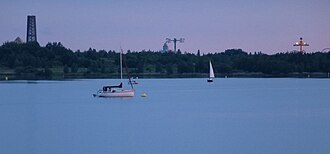
Cospudener See (Cospuden Lake)
A former open-pit mine transformed into a sprawling recreational lake, Cospudener See sits just south of Leipzig and offers sandy beaches, shallow swimming areas, and grassy lawns perfect for families. Children can splash in the designated swimming zones, build sandcastles, or rent pedal boats and small sailboats for older kids. A paved path circles the entire lake, ideal for renting bikes or pushing a stroller while younger ones ride scooters alongside. Playgrounds dot the shoreline, and several beach bars and snack kiosks keep everyone fed without leaving the lake area. In summer it functions much like a seaside resort, complete with lifeguards on the main beaches. It is easily reached by tram and bike path from the city center, making it a relaxed, low-cost outdoor escape.
Leipzig Puppet Theatre (Puppentheater)
This cozy puppet theatre stages colorful marionette and hand-puppet shows aimed squarely at young children, with fairy tale classics and original stories performed in an intimate, welcoming auditorium. Even non-German speakers can usually follow along, since the visual storytelling, music, and puppet expressions carry much of the narrative. Performances typically run under an hour, a comfortable length for shorter attention spans, and the small venue means every seat has a good view. It is a charming, budget-friendly way to introduce kids to live theatre in a format that feels more like play than a formal show. Showtimes vary by season, so checking the schedule in advance is recommended, especially around weekends and school holidays.
Tips for With Kids
- Combine the Zoo and Natural History Museum on the same day since they are both compact and close to the center.
- Belantis is seasonal, so confirm opening dates before planning a visit outside summer.
- Cospudener See gets busy on hot weekends; arrive early for beach space and parking.
- Trams run frequently to all of these attractions, so a day ticket is often cheaper than individual fares for a family.
Leipzig's calendar runs on rhythm all year, from Bach cantatas in the churches where he once worked to a Gothic subculture takeover each Pentecost. Add a lakeside summer festival, a historic Christmas market, and a candlelit New Year send-off, and the city rarely has a quiet month.

Bachfest Leipzig
Each June, Leipzig honors its most famous former resident with roughly ten days of concerts across the city's historic churches and concert halls. Held each June over about ten days, centered on the Thomaskirche where Bach served as cantor for 27 years. Programming mixes the Thomanerchor boys choir, visiting orchestras, and chamber ensembles performing cantatas, motets, and organ works in the very spaces Bach composed for. Beyond ticketed evening concerts, many daytime events are free, including courtyard performances and open rehearsals. Booking ahead is strongly advised for headline concerts in the Thomaskirche and Nikolaikirche, as these sell out weeks in advance. The festival draws classical music lovers from across Europe, so hotel rooms also fill quickly during this window.
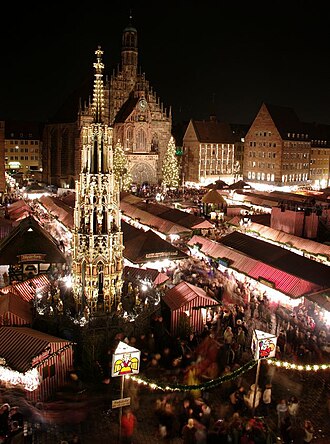
Leipziger Weihnachtsmarkt (Christmas Market)
One of Germany's oldest Christmas markets, dating back to 1458, spreads across Markt, Augustusplatz, Naschmarkt and Nikolaikirchhof. In 2026 it runs from 24 November to 23 December (only Markt stays open on the 23rd), with wooden stalls selling mulled wine, roasted almonds, and Saxon handicrafts beneath festive lighting. A dedicated Finnish village and a historical market section set it apart from typical German Christmas markets, and the Nikolaikirche hosts seasonal concerts throughout the run. Evenings are the most atmospheric time to visit, when the illuminated stalls and choir performances create a warm, old-world mood. Weekends draw the heaviest crowds, so weekday afternoons offer a calmer alternative for browsing stalls and sampling Saxon stollen without long queues.
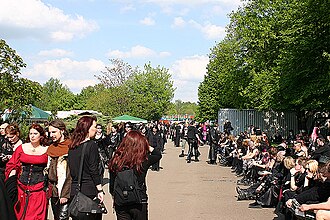
Wave-Gotik-Treffen
Over the Pentecost weekend, Leipzig transforms into the world's largest gathering of Gothic, industrial, and dark-wave subculture. It fills venues across the Agra exhibition grounds, city parks, and historic sites with tens of thousands of attendees in elaborate Victorian, cyberpunk, and medieval-inspired dress. The event includes live music across dozens of stages, a medieval market, a Victorian picnic in Clara-Zetkin-Park, and a bustling crafts bazaar. Wristbands function as public transport passes for the weekend, which locals appreciate since the whole city center joins the spectacle even outside official venues. Photographers and people-watchers flock here as much as festival-goers, making the surrounding streets almost as entertaining as the ticketed grounds.
Leipziger Stadtfest (City Festival)
Leipzig's biggest street party takes over the historic center on the first weekend of June (5-7 June in 2026). Markt square, Augustusplatz, and the surrounding lanes fill with stages hosting local bands, cabaret, and DJ sets, alongside food stalls representing the city's diverse culinary scene. Families gather for daytime activities while evenings bring larger concerts and a firework-lit finale. Entry is free, making it one of the most accessible ways to experience Leipzig's community spirit alongside residents rather than only fellow travelers. Expect large crowds around Markt and Nikolaikirche on Saturday evening, so arrive early for a good vantage point near the main stage. Public transport runs extra services but can be crowded late at night.
New Year's Eve at Augustusplatz
Leipzig rings in the new year with a large open-air gathering centered on Augustusplatz, near the Gewandhaus and Opera House. On 31 December, celebrations typically build from early evening with street vendors, mulled wine stands, and impromptu music before the citywide midnight fireworks display. Unlike ticketed countdown events elsewhere, this gathering is informal and free, with locals and visitors mingling across the square and spilling into the surrounding Innenstadt streets. Many restaurants nearby offer special New Year menus that require advance reservation given the holiday demand. Dress warmly, as temperatures often sit near freezing, and expect the tram network to run a modified overnight schedule to handle the crowds heading home after midnight.
Tips for Events Calendar
- Book Bachfest concert tickets and central hotel rooms months ahead, as classical music tourism fills the city fast in June.
- During Wave-Gotik-Treffen, festival wristbands double as transit passes, so buy one even if attending only fringe events.
- Weekday visits to the Christmas market avoid the weekend crush and still capture the full atmosphere.
- Check exact 2026 dates closer to each event, as city festivals and market openings can shift by a few days year to year.
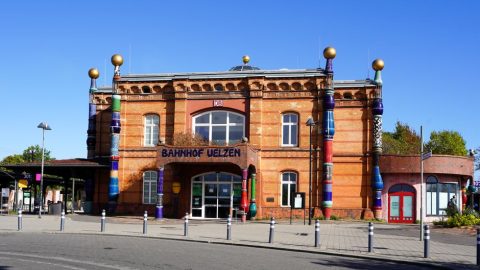
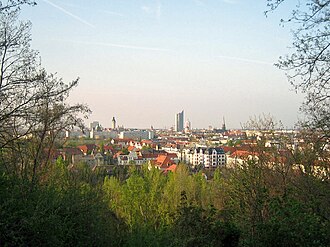
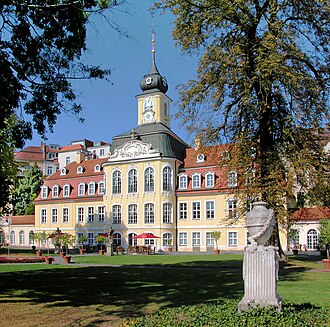
Real, highly-rated Restaurants in Leipzig, sourced from Google Places (rating above 4★).
Le Petit Chef - Leipzig
Le Petit Chef - Leipzig is a highly-rated restaurant in Leipzig, rated 4.9★ from 584 reviews. Located at Steigenberger Grandhotel, Salzgäßchen 6, 04109 Leipzig, Germany.
Opening Hours
- Monday: Closed
- Tuesday: Closed
- Wednesday: Closed
- Thursday: 6:30 – 9:00 PM
- Friday: 4:30 – 10:30 PM
- Saturday: 4:30 – 10:30 PM
- Sunday: 5:30 – 8:00 PM
Restaurant Goldberg
Restaurant Goldberg is a highly-rated restaurant in Leipzig, rated 4.9★ from 342 reviews. Located at Thomaskirchhof 17, 04109 Leipzig, Germany.
Opening Hours
- Monday: 11:30 AM – 10:30 PM
- Tuesday: 11:30 AM – 10:30 PM
- Wednesday: 11:30 AM – 10:30 PM
- Thursday: 11:30 AM – 10:30 PM
- Friday: 11:30 AM – 11:00 PM
- Saturday: 11:30 AM – 11:00 PM
- Sunday: 11:30 AM – 11:00 PM
Alfa Restaurant
Alfa Restaurant is a highly-rated restaurant in Leipzig, rated 4.8★ from 3170 reviews. Located at Ratsfreischulstraße 8-10, 04109 Leipzig, Germany.
Opening Hours
- Monday: 11:30 AM – 11:00 PM
- Tuesday: 11:30 AM – 11:00 PM
- Wednesday: 11:30 AM – 11:00 PM
- Thursday: 11:30 AM – 11:00 PM
- Friday: 11:30 AM – 11:00 PM
- Saturday: 11:30 AM – 11:00 PM
- Sunday: 11:30 AM – 11:00 PM
Explore Leipzig on the Map
Seasonal Guide
Spring (April-May): Pleasant temperatures (10-18°C), blooming parks, and fewer crowds make this an ideal time for sightseeing. The city awakens with outdoor cafe culture and park activities.
Summer (June-August): Warmest weather (20-25°C) with occasional hot spells. Peak season brings festivals, open-air concerts, and vibrant street life. Parks fill with locals, and beer gardens thrive. Book accommodations early.
Autumn (September-October): Comfortable temperatures (10-18°C), stunning foliage in parks, and cultural season begins with opera and concert premieres. October 9th commemorates the peaceful revolution with special events.
Winter (November-March): Cold (0-5°C) but magical during Christmas market season (late November-December). January-February are quietest with lowest prices. Indoor attractions like museums and concert halls shine. Pack warm layers.
Best Overall: May, September, and early October offer the best balance of weather, events, and manageable crowds.
Getting Around Leipzig
Public Transport (LVB): Efficient network of trams, buses, and S-Bahn trains covering the entire city. Fares rose in August 2026: A single ticket for Leipzig fare zone 110 costs €3.80; the airport is in zone 163, so an airport journey costs more, with day tickets better value for several rides. The €9.90 Leipzig Card covers public transport in zone 110; the airport is outside that zone. Validate tickets on board or face €60 fines. Trams run until midnight, then night buses take over. Download the LeipzigMOVE app for real-time schedules and mobile tickets.
Bicycles: Leipzig is Germany's most bike-friendly major city with 500km of dedicated paths. Nextbike stations throughout the city offer 24/7 rentals (pay per ride in the LeipzigMOVE or nextbike app). The flat terrain makes cycling easy. Bike lanes are well-marked and respected by drivers.
From Airport: Leipzig/Halle Airport (LEJ) is 18km northwest. S-Bahn trains S5/S5X reach the Hauptbahnhof in about 14 minutes. Trains run every 30 minutes. Taxis cost approximately €25-30 and take 20 minutes.
Taxis & Ride-sharing: Taxis readily available at stands and by phone. Uber and Bolt operate in Leipzig. Base fare around €3.90 plus €2/km.
Walking: The compact city center is highly walkable. Most major attractions within 20-minute walks of each other. Pedestrian zones make strolling pleasant and safe.
✈️ Airport Transfer
Leipzig/Halle Airport (LEJ) to city center:
- S-Bahn S5/S5X: Direct to Leipzig Hauptbahnhof in about 14 minutes, Buy a ticket valid for the airport’s fare zone 163; the Leipzig Card’s zone 110 coverage alone is insufficient.
- Regional Train: RE/RB services to Leipzig Hauptbahnhof in roughly 13 minutes, on the same ticket
- Taxi: About 20 minutes to the city center, roughly €35 to €40
- Private Transfer: Pre-booked door-to-door car service to central hotels in about 20 minutes, typically €45 to €60
Shopping in Leipzig
What to Buy:
- Bach-themed souvenirs: Sheet music, CDs, figurines from shops near St. Thomas Church
- Porcelain: Meissen porcelain from Saxony, available at department stores
- German design: Bauhaus-inspired items, Leipzig-themed products
- Books: Leipzig is Germany's book city – first-edition prints, antiquarian books
- Organic products: Regional honey, craft beers, natural cosmetics from weekly markets
- Art & crafts: Original artwork from Spinnerei galleries, handmade jewelry
Shopping Areas:
Hauptbahnhof Promenaden: Three-level mall inside the central station with 140 shops. Open daily including Sundays (10am-8pm) – rare in Germany.
Mädler-Passage & Historic Arcades: Elegant 1914 shopping arcade with luxury boutiques, cafes, and Auerbachs Keller restaurant. Several interconnected passages (Königshaus, Specks Hof) showcase Jugendstil architecture.
Höfe am Brühl: Modern shopping center near Augustusplatz with department stores and international brands.
Karl-Liebknecht-Straße: Independent boutiques, vintage stores, record shops in the hip Südvorstadt district.
Flea Markets: Monthly market at Feinkost Leipzig (usually the first Saturday, March-November, 10am-4pm) for vintage clothing, vinyl, antiques. Plagwitz flea markets occur monthly.
Bargaining: Not customary in Germany except at flea markets where polite negotiation is acceptable. Fixed prices are standard in stores.
Annual Events & Festivals
The 2026 Bachfest runs June 11–21. J.S. Bach with over 100 concerts featuring world-class musicians. Held annually since 1908. Performances in historic churches where Bach worked. bachfestleipzig.de
Wave-Gotik-Treffen (Pentecost Weekend, May/June): The world's largest Gothic festival attracts 20,000 fans of dark wave, industrial, and medieval music. Leipzig transforms into a Gothic wonderland with concerts, markets, and Victorian picnics. Unique cultural phenomenon.
Leipzig Christmas Market (Late November-December): One of Germany's oldest Christmas markets dating to 1458. The Marktplatz and surrounding squares host over 300 wooden stalls selling crafts, ornaments, and seasonal foods. Multiple themed markets throughout the city.
Classic Open Air (July): Free open-air concerts on Augustusplatz featuring Gewandhaus Orchestra and opera performances. Attracts 10,000+ spectators. Bring blankets for lawn seating.
Leipzig Book Fair (March): Germany's second-largest book fair with 2,000+ exhibitors. Major literary event with author readings, manga section, and cosplay competitions. Public can attend.
Leipzig Jazz Days (October): International jazz festival since 1976 featuring renowned artists across multiple venues. Combines traditional and experimental jazz.
Festival of Lights (October): Buildings, monuments, and parks illuminated with spectacular light installations and 3D projections. Free outdoor event celebrating art and technology.
October 9th (Peaceful Revolution Day): Commemorations of the 1989 demonstrations with memorial services, exhibitions, and concerts. Candlelight procession retraces protest route.
National Holidays: New Year's Day, Good Friday, Easter Monday, Labour Day (May 1), Ascension Day, Whit Monday, German Unity Day (Oct 3), Reformation Day (Oct 31 - Saxony), Christmas (Dec 25-26). Most shops and attractions closed.
Sample Day Itineraries
Day 1: Classic Leipzig - Music & History
- Morning (9am-12pm): Start at St. Thomas Church to see Bach's tomb, then visit the Bach Museum across the square (2 hours total). Walk through historic arcades to Marktplatz.
- Lunch (12-1pm): Try Saxon specialties at Auerbachs Keller in Mädler-Passage, Leipzig's most historic restaurant (Goethe's Faust was set here).
- Afternoon (1-5pm): Visit St. Nicholas Church (peaceful revolution site), then explore the Old City Hall/City History Museum. Walk to Augustusplatz to admire the Gewandhaus and Opera House.
- Evening (6-9pm): Attend a motet at St. Thomas Church (Friday 6pm, Saturday 3pm; €3 programme) or a concert at Gewandhaus. Dinner in the city center.
Day 2: Art, Revolution & Alternative Culture
- Morning (9am-12pm): Museum of Fine Arts for world-class collections (2-3 hours). The glass cube architecture is stunning.
- Lunch (12-1:30pm): Café in the Südvorstadt or Plagwitz for local atmosphere.
- Afternoon (1:30-5pm): Visit Stasi Museum at Runde Ecke (1.5 hours), then explore Plagwitz neighborhood including Spinnerei art complex. Consider a boat tour on Karl-Heine-Kanal.
- Evening (6pm+): Explore Karl-Liebknecht-Straße for dinner and drinks in Leipzig's hipster district. Try local craft breweries.
Day 3: Monuments & Green Spaces
- Morning (9am-12pm): Take tram to Völkerschlachtdenkmal (Battle of Nations Monument). Climb the tower for panoramic views (2 hours). Visit on-site museum.
- Lunch (12-1pm): Picnic in surrounding park or café nearby.
- Afternoon (1-5pm): Explore Clara-Zetkin-Park and Johannapark. Rent bikes or walk through the Auwald riverside forest. Summer option: swim in the Elsterflutbett.
- Evening (6pm+): Return to city center. Climb City-Hochhaus viewing platform at sunset for 360° views. Dinner in Waldstraßenviertel's elegant restaurants.
Day 4: Museums & Neighborhoods
- Morning (9:30am-1pm): Grassi Museum complex – choose between Musical Instruments, Applied Arts, or Ethnography collections (or see all three with combination ticket).
- Lunch (1-2pm): Restaurant near Johannisplatz or Waldstraßenviertel.
- Afternoon (2-6pm): Architectural walk through Waldstraßenviertel to admire Art Nouveau villas. Visit Botanical Garden for peaceful greenery. Browse independent boutiques.
- Evening (7pm+): Experience Leipzig's nightlife in Connewitz or attend a performance at Opera Leipzig or Schauspiel Leipzig (book tickets in advance).
Day 5: Day Trip & Cultural Deep Dive
- Option A - Colditz Castle: Train to Grimma or Bad Lausick, then bus 619 or 613 to Colditz (about 1.5 hours) to visit the famous WWII prisoner-of-war castle. Guided tours show escape attempts. Return by afternoon for evening in Leipzig.
- Option B - Panometer & Local Experience: Morning at Panometer for immersive panorama (1.5 hours). Afternoon: attend Leipzig Opera matinee or explore the Südvorstadt and Karl-Liebknecht-Straße. Evening: traditional Saxon dinner and local beer.
- Option C - Dresden: Day trip to nearby Dresden (1 hour by train) to see the Zwinger Palace, Frauenkirche, and Semperoper. Return evening for Leipzig nightlife.
Pro Tips: Purchase the Leipzig Card for unlimited transport and museum discounts. Book concert and opera tickets well in advance. Many museums offer free admission on the first Wednesday of each month. Download offline maps as not all areas have strong mobile signal.
Best Photography Locations
Völkerschlachtdenkmal (Monument to the Battle of Nations):
- Best time: Golden hour (sunrise or late afternoon) for dramatic lighting on dark stone
- Angles: Reflection pool for mirror shots, low angle to emphasize monument's height, from top platform for cityscape
- Tips: Arrive early to avoid crowds. The surrounding park offers foreground elements.
Old City Hall & Marktplatz:
- Best time: Morning light on Renaissance facade, evening during Christmas market (November-December)
- Angles: From café balconies for elevated view, include fountain as foreground, architectural details of asymmetrical tower
- Tips: Saturday markets add colorful activity. Blue hour captures building illumination beautifully.
Mädler-Passage & Historic Arcades:
- Best time: Midday for natural light through glass roofs
- Angles: Symmetrical shots down arcade corridors, architectural details of Art Nouveau elements, looking up at glass ceilings
- Tips: Specks Hof has stunning colorful facades. Avoid crowds by visiting weekday mornings.
Karl-Heine-Kanal (Plagwitz):
- Best time: Sunset over industrial buildings reflected in water
- Angles: From bridges looking along canal, old factories with street art, boats on water
- Tips: Summer evenings are busiest. Industrial architecture provides unique urban backdrop.
Spinnerei Art Complex:
- Best time: Any time; industrial atmosphere works in all light
- Angles: Graffiti walls, raw brick textures, artists' studios through windows, outdoor sculptures
- Tips: First Saturday of month during gallery openings for added activity. Respect private studio spaces.
St. Thomas Church:
- Best time: Late afternoon exterior light, interior during concerts for atmosphere
- Angles: Bach statue in foreground with church behind, Gothic architectural details, interior stained glass
- Tips: Photography usually allowed but be respectful during services. No flash indoors.
Augustusplatz:
- Best time: Blue hour when buildings are illuminated, evening during festivals
- Angles: Wide shots showing scale, Gewandhaus modern architecture, fountains in operation
- Tips: Climb City-Hochhaus for elevated cityscape views (admission required).
Leipzig Hauptbahnhof:
- Best time: Early morning or late evening for fewer crowds
- Angles: Symmetrical shots down main hall, glass roof structure, architectural details of 1915 design
- Tips: Photography of trains/platforms may require permission. Focus on architectural elements.
Waldstraßenviertel (Art Nouveau District):
- Best time: Morning soft light on villa facades, autumn for tree-lined streets with foliage
- Angles: Ornate building facades, doorways and architectural details, tree-lined boulevards creating natural frames
- Tips: Walk along Waldstraße and Jahnallee for best examples. Respect private residences.
Peterskirche Tower:
- Best time: Clear days for long-distance views, sunset for golden light
- Angles: 360° panoramas from observation platform, tower itself from Marktplatz
- Tips: Small admission fee for tower access. Brings telephoto lens for distant details.
Instagram Hashtags: #Leipzig #VisitLeipzig #LeipzigCity #LeipzigGermany #ExploreLeipzig #DiscoverLeipzig #LeipzigLiebe #LeipzigGram
Drone Photography: Requires registration and permission in Germany. Generally prohibited in city center and near monuments. Check regulations at dipul.de before flying.
Electrical Information
Voltage & Frequency: Germany uses 230V AC, 50Hz electrical system, standard throughout continental Europe.
Plug Types: Type F (Schuko) plugs with two round pins and grounding clips are standard. Type C (Europlugs) with two round pins also work in German sockets.
Adapters: Visitors from UK, US, Canada, Australia, and most non-European countries will need adapters. Available at:
- Airport shops (more expensive)
- Electronics stores: Saturn and MediaMarkt in city center
- Hauptbahnhof shopping center
- Drugstores (dm, Rossmann) for basic adapters
- Budget option: Buy at discount stores (€5-10) rather than hotels
Voltage Converters: Modern electronics (phones, laptops, cameras) typically support 110-240V and only need a plug adapter. Check device specifications. Older appliances or heat-producing items (hair dryers, curlers) may require voltage converters to avoid damage.
USB Charging: Most hotels and cafes offer USB charging ports. Power banks recommended for day trips and heavy phone use during sightseeing.
Pro Tip: International adapter sets with multiple plug types (€15-25) are worthwhile investments for frequent European travelers.
Leipzig Cuisine & Dining
Must-Try Local Dishes:
Leipziger Allerlei: Leipzig's signature vegetable dish with peas, carrots, asparagus, morel mushrooms, traditionally served with crayfish tails and dumplings. Leipziger Allerlei is documented from the 19th century, but the claim that this dish was created then should be treated as uncertain. Available at traditional Saxon restaurants.
Leipziger Lerchen: Sweet pastry "larks" filled with marzipan, nuts, and jam. Originally created when hunting songbirds was banned in 1876. Found at bakeries citywide, especially at Bäckerei Kleinert.
Gose Beer: Leipzig's historic salty, sour wheat beer dating to medieval times. Once nearly extinct, now revived by local breweries. Try at Bayerischer Bahnhof or Gosebrauerei Döllnitz.
Quarkkäulchen: Fried potato and quark (fresh cheese) pancakes, typically served with applesauce or fruit. Popular Saxon comfort food found at traditional restaurants.
Sauerbraten: Marinated pot roast served with red cabbage and dumplings. While not Leipzig-specific, Saxon versions are particularly flavorful.
Where to Eat:
Auerbachs Keller: Leipzig's most famous restaurant since 1525, immortalized in Goethe's Faust. Historic wine cellar with traditional Saxon cuisine. Reservations essential. (Mädler-Passage)
Bayerischer Bahnhof: Gose beer brewery and restaurant in a converted railway station. Try their house-brewed Gose with traditional dishes. Pleasant beer garden in summer.
Pilot: Modern, Michelin-recommended restaurant in Südvorstadt. Creative interpretations of Saxon ingredients. Good vegetarian options. Reservations recommended.
Apels Garten: Large beer garden near Johannapark serving traditional German fare. Popular with students and families. Self-service system keeps prices low.
Dining Tips:
- Reservations: Essential for upscale restaurants and Friday/Saturday evenings. Book 2-3 days ahead.
- Tipping: Round up or add 5-10%. Say the total amount you want to pay (including tip) when server collects payment.
- Payment: Many restaurants still prefer cash ("Nur Bar" means cash only). Credit cards increasingly accepted but always carry euros.
- Water: Tap water is safe but restaurants typically serve bottled water. "Leitungswasser" (tap water) is free if requested but some restaurants discourage it.
- Service: German service is efficient but not intrusive. Catch server's eye when ready to order or pay rather than expecting them to check frequently.
- Meal times: Lunch typically 12-2pm, dinner 6-9pm. Kitchens may close between meals. Sunday brunch is popular – book ahead.
Food Markets:
- Marktplatz: Tuesday and Friday farmers markets (9am-6pm) with regional produce, meats, cheeses.
- Feinkost Leipzig: Daily food hall with international specialties, local products, and dining options.
- Organic Markets: Weekly eco-markets in various neighborhoods selling organic produce and prepared foods.
Vegetarian & Vegan: Leipzig is very veg-friendly with numerous dedicated restaurants. Most restaurants offer vegetarian options. Look for "Vleischerei" (vegetarian butcher shop) and vegan cafes throughout Südvorstadt and Plagwitz.
Insider Tip: Try coffee and cake ("Kaffee und Kuchen") at traditional cafes around 3-4pm, a beloved German tradition. Riquet café offers beautiful Art Nouveau setting.
Where to Stay in Leipzig
- Waldstraßenviertel — a leafy Gründerzeit district close to the city center, well suited to first-time visitors and families who want elegant streets, cafes, and easy tram access without the late-night noise.
- Plagwitz — a former industrial quarter turned creative hub, popular with budget travelers for its hostels and lower-priced guesthouses, plus canal-side bars and vintage shops for a laid-back evening.
- Connewitz — Leipzig's alternative, student-driven neighborhood, the top pick for nightlife seekers thanks to its dense cluster of clubs, live-music venues, and late-closing bars.
- City Center — around Augustusplatz and the main train station, best for business travelers who need proximity to conference venues, chain hotels, and fast rail connections.
Public transport links all these areas quickly, so choosing a base often comes down to atmosphere: quiet and refined in Waldstraßenviertel, creative and affordable in Plagwitz, or energetic after dark in Connewitz.
Is Leipzig Worth Visiting?
Yes — Leipzig rewards visitors with a rare mix of world-class musical heritage, pivotal history, and an unpretentious creative energy that few German cities can match.
- Musical legacy: As the city where Johann Sebastian Bach composed and directed music for nearly three decades, Leipzig offers sites like St. Thomas Church and the Bach Museum that feel authentic rather than staged for tourists.
- Living history: The 1989 peaceful revolution that helped bring down the Berlin Wall began on Leipzig's streets, and landmarks tied to that era give visitors a tangible sense of how ordinary citizens changed the course of history.
- Creative scene without the crowds: Former industrial spaces like the Spinnerei have become thriving galleries and studios, and the city's affordable, laid-back atmosphere lets travelers explore art, nightlife, and cafe culture without the tourist saturation of Berlin or Munich.
Leipzig Travel Budget
Leipzig remains one of the more affordable major German cities, with prices well below Munich or Frankfurt. Below are realistic daily costs for 2026, covering accommodation, food, local transport, and attractions.
- Budget (€45-70/day): Hostel dorm bed €22-30, bakery breakfast and doner or currywurst for lunch/dinner €12-16, LVB single ticket just under €4 or a day ticket, free entry to churches and parks with occasional €5-8 museum admission.
- Mid-range (€110-170/day): Three-star hotel double room €85-120, restaurant meals in the Barfussgasschen dining area €35-45, a day ticket or the Leipzig Card (€9.90 for one day) with transport and museum discounts.
- Luxury (€280-450+/day): Boutique or design hotel near Augustusplatz €220-320, fine dining with wine pairings €90-130, private guided tours or taxi transfers €40-70, VIP access to the Gewandhaus concert hall or Oper Leipzig €60-120 per ticket.
Tip: Leipzig Zoo and the surrounding lake district (Leipziger Neuseenland) offer excellent value for families and outdoor enthusiasts at any budget level.
Tourist Passes
Leipzig Card
The Leipzig Card offers excellent value for visitors, providing unlimited public transportation throughout the LVB network plus discounts at museums, attractions, restaurants, and shops. Available in two options:
- 1-day card: €9.90
- 2-day card: €17.90 (only in the LeipzigMove app)
- 3-day card: €24.90
- 3-day group card (2 adults and up to 3 children under 15): €49.90
Benefits include free public transport (trams, buses, S-Bahn within Leipzig zone), discounts up to 50% at major museums including Museum of Fine Arts, Bach Museum, Grassi Museums, and City History Museum. Additional discounts at restaurants, guided tours, and shops. The card pays for itself quickly if using public transport and visiting 2-3 museums. Purchase at Tourist Information centers, hotels, or online.
www.leipzig.travelMuseum Pass
Many of Leipzig's city museums offer a combination ticket (Kombiticket) providing access to multiple locations at reduced rates. The City History Museum ticket includes access to the Old City Hall, Völkerschlachtdenkmal, and other historical sites. Individual museums also offer free admission on the first Wednesday of each month – excellent for budget travelers. The Grassi Museum sells a combination ticket covering all three museums (Applied Arts, Musical Instruments, Ethnography). Students, seniors, and families receive additional discounts at most museums.
www.stadtgeschichtliches-museum-leipzig.deConcert & Opera Subscriptions
For classical music enthusiasts planning extended stays or multiple visits, the Gewandhaus and Leipzig Opera offer subscription packages and discount cards. The Gewandhaus "Einführungskarte" provides reduced-price tickets for new subscribers. Same-day student tickets (€10-15) available 1 hour before performances with valid ID. The Opera offers standing room tickets from €5. Both venues feature excellent acoustics and world-class performances. The St. Thomas Church Friday and Saturday motets by the Thomanerchor boys' choir cost just €3: the printed programme is your ticket. Arrive 30-45 minutes early for seating.
www.gewandhausorchester.deMore about Leipzig
Photo credits (38)
- Völkerschlachtdenkmal (Monument to the Battle of the Nations): photo by Stein53, CC BY-SA 4.0, via Wikimedia Commons
- Leipzig Hauptbahnhof (Central Station): photo by Appaloosa, CC BY-SA 3.0, via Wikimedia Commons
- Stasi Museum (Runde Ecke): photo by Nick-D, CC BY-SA 4.0, via Wikimedia Commons
- Panometer Leipzig: photo by Radler59, CC BY-SA 4.0, via Wikimedia Commons
- St. Thomas Church (Thomaskirche): photo by Dirk Goldhahn, Public domain, via Wikimedia Commons
- St. Nicholas Church (Nikolaikirche): photo by JesterWr, CC BY 3.0, via Wikimedia Commons
- St. Peter's Church (Peterskirche): photo by C.Stadler/Bwag, CC BY-SA 4.0, via Wikimedia Commons
- Augustusplatz: photo by Whgler, CC BY-SA 4.0, via Wikimedia Commons
- Karl-Liebknecht-Straße (KarLi): photo by A.Savin, CC BY-SA 3.0, via Wikimedia Commons
- Plagwitz: photo by Pixabay user mana2014, CC0, via Wikimedia Commons
- Connewitz: photo by Martin Geisler at de.wikipedia, CC BY-SA 3.0, via Wikimedia Commons
- Waldstraßenviertel: photo by GFreihalter, CC BY-SA 4.0, via Wikimedia Commons
- Leipzig Riverside Forest (Auwald): photo by Ansgar Koreng, CC BY-SA 4.0, via Wikimedia Commons
- Finnish Christmas Village (Augustusplatz): photo by Whgler, CC BY-SA 4.0, via Wikimedia Commons
- Medieval Christmas Market (Naschmarkt): photo by C.Stadler/Bwag, CC BY-SA 4.0, via Wikimedia Commons
- Christmas Ferris Wheel (Augustusplatz): photo by Whgler, CC BY-SA 4.0, via Wikimedia Commons
- Moritzbastei: photo by Timur Y, CC BY 3.0, via Wikimedia Commons
- Leipzig Zoo: photo by Appaloosa, CC BY-SA 3.0, via Wikimedia Commons
- Cospudener See (Cospuden Lake): photo by Tnemtsoni, CC BY-SA 3.0, via Wikimedia Commons
- Wave-Gotik-Treffen: photo by Unknown, CC BY-SA 3.0, via Wikimedia Commons
- Fockeberg: photo by Tilman Scheinpflug, CC BY 2.5, via Wikimedia Commons
- Leipziger Baumwollspinnerei: photo by Christoph Müller, CC BY-SA 3.0, via Wikimedia Commons
- Gohliser Schlösschen: photo by Jörg Blobelt, CC BY-SA 4.0, via Wikimedia Commons
- New City Hall (Neues Rathaus): photo by Timur Y, CC BY 3.0, via Wikimedia Commons
- Old City Hall (Altes Rathaus): photo by Krzysztof Golik, CC BY-SA 4.0, via Wikimedia Commons
- Museum of Fine Arts (Museum der bildenden Künste): photo by Dguendel, CC BY 4.0, via Wikimedia Commons
- Bach Museum: photo by Roy Zuo, CC BY-SA 4.0, via Wikimedia Commons
- Grassi Museum Complex: photo by Unknown authorUnknown author Unknown authorUnknown author , CC BY 3.0, via Wikimedia Commons
- Clara-Zetkin-Park and Johannapark: photo by Frank Vincentz, CC BY-SA 3.0, via Wikimedia Commons
- Leipziger Weihnachtsmarkt (Markt Square): photo by Xxlfussel, CC BY-SA 3.0, via Wikimedia Commons
- Distillery: photo by phogel from Germany, CC BY 2.0, via Wikimedia Commons
- Barfussgaesschen: photo by Joeb07, CC BY 3.0, via Wikimedia Commons
- Bachfest Leipzig: photo by Derbrauni, CC BY-SA 4.0, via Wikimedia Commons
- Leipziger Weihnachtsmarkt (Christmas Market): photo by Xxlfussel, CC BY-SA 3.0, via Wikimedia Commons
- Bayerischer Bahnhof and Gose Brewery: photo by Bernt Rostad, CC BY 2.0, via Wikimedia Commons
- Restaurant Weinstock Leipzig: photo by Edlerin, CC BY-SA 3.0, via Wikimedia Commons
- Gaststätte Kollektiv: photo by Burkhard Mücke, CC BY-SA 4.0, via Wikimedia Commons
- IMPERII: photo by Mayer, Tobias, CC0, via Wikimedia Commons


.JPG)


.jpg)
.jpg)


.jpg)


