Beyond the postcard sights, Leipzig rewards travelers who wander into its converted breweries, rubble hills, and industrial art quarters. These spots are where locals actually spend their weekends, and most guidebooks barely mention them.
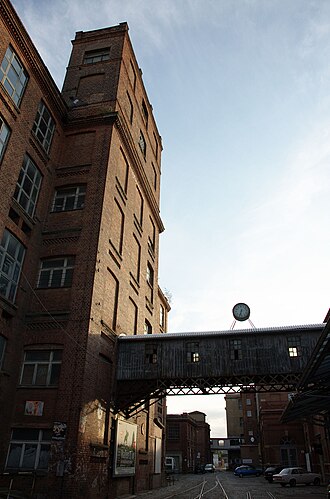
Leipziger Baumwollspinnerei
Once the largest cotton spinning mill in continental Europe, the Baumwollspinnerei complex has been reborn as a sprawling campus of galleries, artist studios and workshops, earning a reputation among insiders as the birthplace of the New Leipzig School of painting. Dozens of red-brick factory halls now house rotating exhibitions, open studios and small independent galleries that visitors can wander between for free, with only a few charging admission for special shows. Unlike a conventional museum, the atmosphere here is unpolished and industrial, with soot-stained chimneys standing beside contemporary installations. Weekend open-studio days let you watch working artists in their actual spaces. It rewards slow, unplanned wandering rather than a checklist visit, and even regular visitors to the city rarely make it out this far.
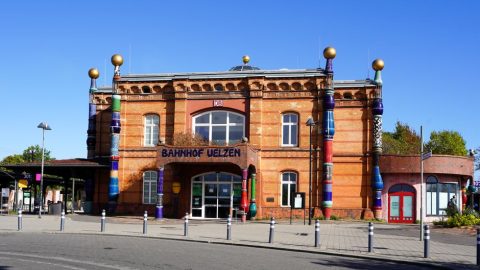
Bayerischer Bahnhof and Gose Brewery
Opened in 1842, the Bayerischer Bahnhof is the oldest surviving terminus railway station building in the world, now repurposed as a brewpub rather than a museum piece behind glass. Inside, the on-site brewery serves Leipziger Gose, a tart, lightly salted wheat beer style that nearly vanished after the Second World War and is now brewed fresh on the premises using the original recipe. The old station hall, with its high arched windows, makes an unusual setting for a beer hall, and the beer garden out front is a favorite with locals rather than tourists. It is a short tram ride from the center but feels like a completely different world from the grand main station. Come hungry, as the kitchen serves solid Saxon fare alongside the beer.
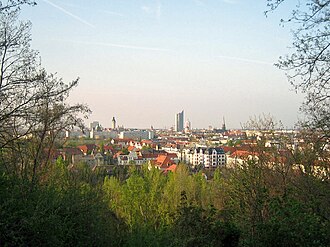
Fockeberg
Rising unexpectedly out of the flat cityscape near Leipzig's exhibition grounds, the Fockeberg is an artificial hill built from the rubble of buildings destroyed in the Second World War. What began as a dumping ground for debris is now a grassy viewpoint popular with kite flyers, dog walkers and locals watching the sunset, offering a surprisingly wide panorama that takes in the Monument to the Battle of the Nations and the distant city skyline. There are no ticket booths, no gift shops and almost no other tourists, just a steady stream of Leipzigers using it as their personal lookout point. The climb takes only a few minutes but the perspective on the city's layout is one you will not get from ground level. Bring a blanket if you want to linger.
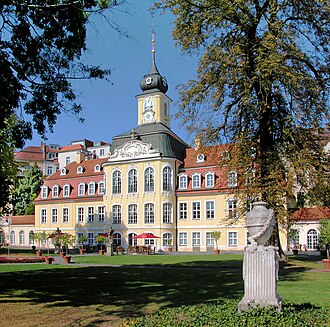
Gohliser Schlösschen
Hidden among the villas of the Gohlis district, this delicate rococo palace was built in the 1750s as a summer retreat and later hosted Goethe and Schiller, yet it draws only a trickle of visitors compared to the city's grander landmarks. The gilded festival hall and adjoining gardens now host chamber concerts and small cultural events, and the surrounding park is free to enter and rarely crowded, making it a peaceful escape from the busier center. Guided tours through the ornately stuccoed interior rooms reveal a side of 18th-century Saxon court life quite different from the civic grandeur of the city hall. The cafe terrace in the garden is a quiet spot for coffee between sightseeing. Check ahead for concert schedules, as evening performances here are intimate and rarely sell out to tourists.
Tips for Hidden Gems
- The Baumwollspinnerei is easiest to reach by tram from Plagwitz, and open-studio weekends are the best time to see artists at work
- Fockeberg has no facilities, so bring water and check the forecast since it is fully exposed
- Bayerischer Bahnhof gets busy with locals on summer evenings, so arrive early for outdoor seating
- Moritzbastei's daytime cafe is a quiet alternative to its loud nightlife reputation
- Concerts at Gohliser Schlosschen often sell tickets only at the door, so arrive 30 minutes early