Leipzig's green spaces range from vast English-style parks to peaceful botanical gardens, offering respite and recreation throughout the city.
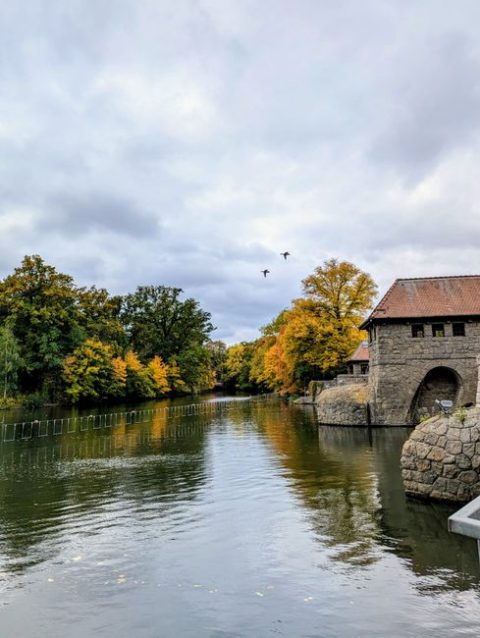
Clara-Zetkin-Park and Johannapark
These connected parks form Leipzig's green heart, totaling 125 hectares of meadows, forests, and waterways. The Clara-Zetkin-Park features the Elsterflutbett river, perfect for paddling and swimming in summer. The Johannapark, created in 1858, showcases English landscape garden design with winding paths and old-growth trees. Popular for jogging, cycling, picnicking, and open-air concerts. The Musikpavillon hosts free summer performances. Locals gather here for sunbathing, sports, and relaxation. The parks connect to Leipzig's extensive green ring system of interconnected parks and trails surrounding the inner city.
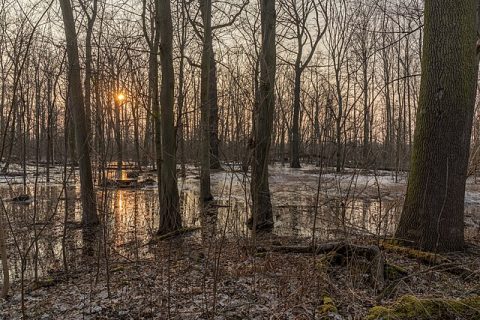
Leipzig Riverside Forest (Auwald)
This vast floodplain forest is one of Central Europe's largest remaining riverine forests, covering 5,900 hectares. The forest features unique ecosystem biodiversity with wetlands, old-growth trees, and meandering streams. Popular for cycling, hiking, and birdwatching. The forest provides natural flood protection while offering recreational space. Well-marked trails range from easy walks to long-distance routes. Wildlife includes beavers, deer, and rare bird species. The cool canopy offers summer refuge. Access points throughout the city make it easily reachable. The Auwald represents Leipzig's commitment to urban nature preservation.
Leipzig Botanical Garden
One of Germany's oldest botanical gardens, established in 1542, featuring over 7,000 plant species on 3.5 hectares. The historic site includes several thematic gardens: butterfly house, alpine garden, and medicinal plant collection. The tropical greenhouses showcase exotic species from around the world. The cactus collection is particularly impressive. The gardens serve both research and public education. Peaceful atmosphere makes it perfect for contemplative walks. The site represents centuries of botanical science. Seasonal displays ensure year-round interest. The pond area attracts diverse wildlife including ducks and frogs.
Tips for Parks & Gardens
- Parks are perfect for summer evening picnics – locals bring blankets and food
- Rent bikes at multiple stations to explore the Auwald trail network
- Clara-Zetkin-Park swimming areas are free but unguarded – swim at own risk
- Botanical Garden offers special guided tours (check schedule)
- Bring mosquito repellent for forest and riverside areas in summer