Leipzig's churches resonate with musical history and spiritual heritage, from Bach's St. Thomas Church to the Nikolaikirche where peaceful revolution began.
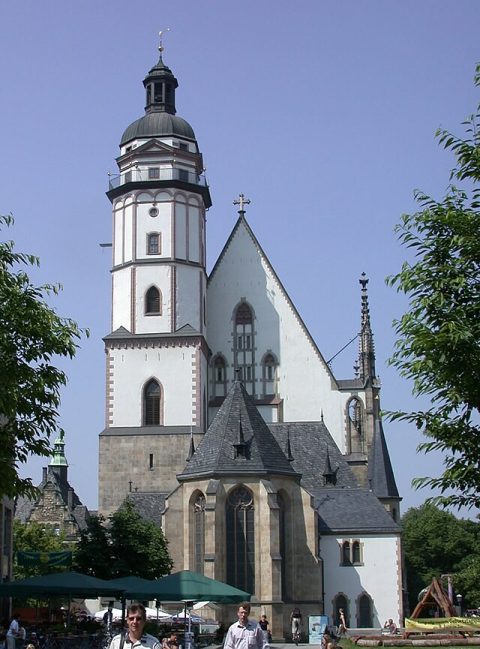
St. Thomas Church (Thomaskirche)
This late-Gothic church is forever linked to Johann Sebastian Bach, who served as cantor from 1723 until his death in 1750. The world-famous Thomanerchor boys' choir, founded in 1212, still performs here regularly, maintaining an 800-year tradition. Bach's tomb lies in front of the altar, marked by a simple bronze plate. The church features beautiful stained glass windows depicting biblical scenes and musical themes. The Sauer organ, while not original, follows Baroque traditions. Motets performed by the Thomanerchor every Friday and Saturday offer authentic Bach experiences. The church's exterior shows late-Gothic architecture with baroque interior modifications.
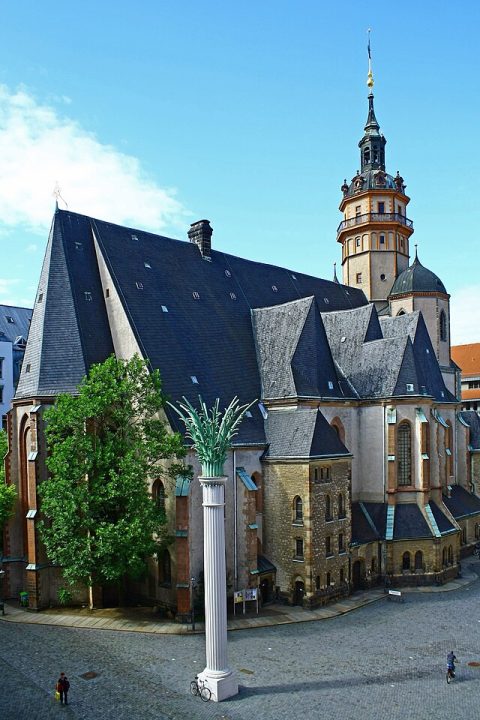
St. Nicholas Church (Nikolaikirche)
Leipzig's largest church, founded around 1165, became the birthplace of the peaceful revolution that toppled East German communism. The Monday Peace Prayers begun in 1982 grew into mass demonstrations by 1989. The interior features stunning neoclassical design with pink columns resembling palm trees supporting the ceiling. Bach also premiered works here, including the St. John Passion. The church's message of "Swords into Plowshares" inspired peaceful resistance. A pillar in the church bears witness to the revolution with historical markers. The spacious interior can accommodate over 2,000 people.
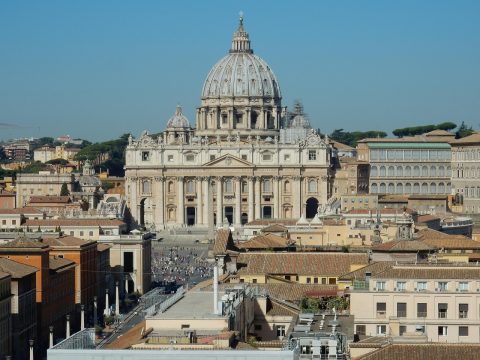
St. Peter's Church (Peterskirche)
The neo-Gothic Peterskirche, consecrated in 1885, replaced an older church of 1507. Its 88-metre tower dominates the southern edge of the centre. Damaged in WWII and neglected in GDR times, it has been repaired and is used again for services, concerts and exhibitions. The site reflects Leipzig's journey through war, division and reunification.
Tips for Religious Sites
- Attend a Thomanerchor motet – the €3 printed programme is your ticket; arrive 30+ minutes early
- Nikolaikirche Monday prayer services (5 PM) continue the tradition of the peaceful revolution
- Both major churches request modest dress and silence during services
- Combined Bach Museum and church tickets available
- Church concerts frequently scheduled – check websites for programs