Leipzig's architectural treasures tell stories of cultural brilliance, revolutionary courage, and economic prosperity spanning centuries.
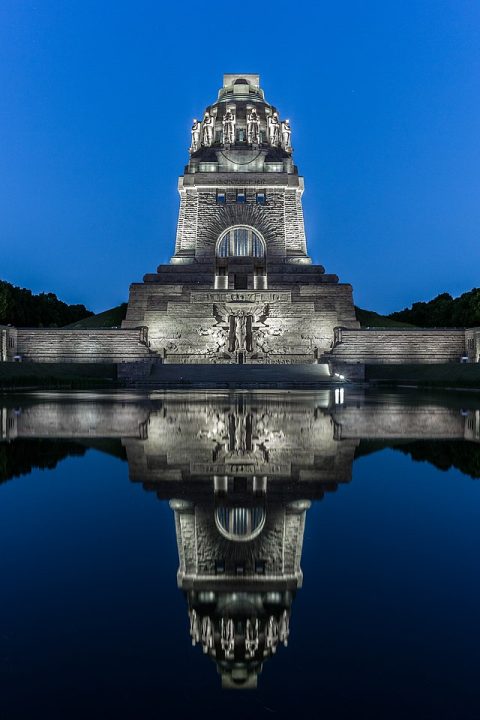
Völkerschlachtdenkmal (Monument to the Battle of the Nations)
This 91-meter tall colossus commemorates the 1813 Battle of Leipzig, where Napoleon was defeated by allied forces. The monument's dark stone construction creates a solemn, powerful atmosphere. Climb 500 steps to the viewing platform for panoramic city views. The architecture combines elements of ancient monuments with early 20th-century design, featuring massive stone warriors and crypts. The surrounding park area includes reflection pools and walking paths. An on-site museum provides historical context about the battle that involved over 600,000 soldiers.
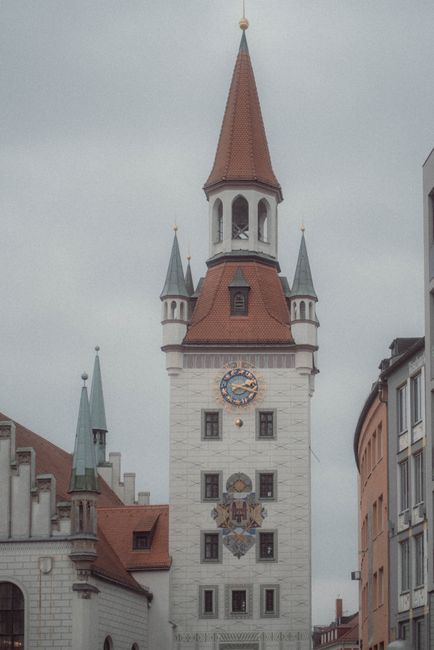
Old City Hall (Altes Rathaus)
This Renaissance masterpiece from 1556 dominates the Marktplatz with its distinctive asymmetrical tower and ornate facade. The building showcases typical Saxon Renaissance architecture with elaborate gables and arcades. Today it houses the City History Museum, displaying artifacts from Leipzig's 1,000-year history. The festival hall features stunning painted ceilings. The building served as the city's administrative center for over 300 years. Its golden weathervane and astronomical clock are iconic symbols of Leipzig.
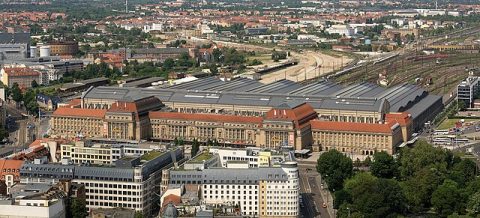
Leipzig Hauptbahnhof (Central Station)
One of Europe's largest railway stations, this architectural marvel from 1915 features a 298-meter-long facade and a stunning glass-roofed hall. The station has been transformed into a multi-level shopping center while maintaining its historical grandeur. The symmetrical design was created to serve two formerly separate railway companies. Notice the beautiful Jugendstil (Art Nouveau) elements throughout. The station connects 23 platforms and serves over 120,000 passengers daily. The Promenaden shopping area occupies three levels beneath the main hall.
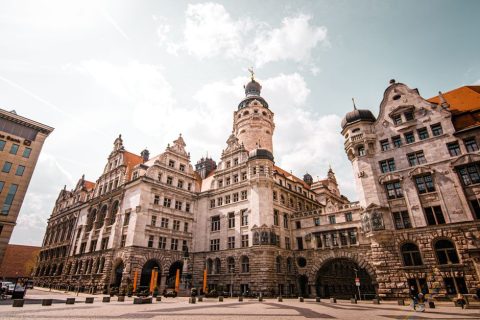
New City Hall (Neues Rathaus)
Built in 1905, this imposing structure stands 114 meters tall, making it one of the tallest city halls in Germany. The building occupies the site of the former Pleißenburg castle, incorporating some original foundation walls. Its eclectic architectural style combines Neo-Renaissance and Art Nouveau elements. The tower offers excellent views during special open days. The building houses the city administration and features beautiful interior courtyards. Note the elaborate stone facades and decorative sculptures representing Leipzig's history.
Tips for Landmarks & Monuments
- Combination tickets available for multiple city museums
- Visit the Völkerschlachtdenkmal on clear days for best views
- The Hauptbahnhof shopping center is open Sundays, unusual for Germany
- Free walking tours depart from the Old City Hall daily