Leipzig's historic squares and vibrant thoroughfares showcase centuries of trade, culture, and urban life, from medieval markets to modern shopping districts.
Marktplatz (Market Square)
The heart of Leipzig's old town, this spacious square is dominated by the Renaissance Old City Hall and surrounded by beautiful baroque buildings. Markets have operated here since the 12th century. Today, it hosts the famous Leipzig Christmas Market, one of Germany's oldest and largest. Regular farmers markets offer regional produce. The square features cafes with outdoor seating perfect for people-watching. Historical markers indicate significant events, including book burnings during the Nazi era. The Naschmarkt, a smaller adjacent square, connects to the main plaza and features the beautiful Old Stock Exchange building.
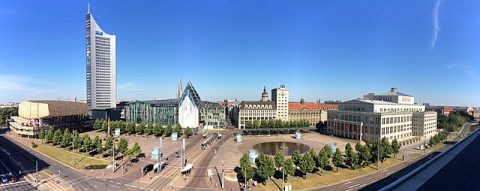
Augustusplatz
One of Europe's largest city squares at 40,000 square meters, surrounded by major cultural institutions. The square features the Gewandhaus concert hall, Opera House, and main university buildings. Heavily damaged in WWII, the square was rebuilt in modernist GDR style. The City-Hochhaus (city skyscraper) offers viewing platform access. The ornate 19th-century Mendebrunnen fountain stands at its southern end. The square serves as Leipzig's primary event space for festivals and demonstrations. Underground, the Moritzbastei fortress ruins house a popular student culture center.
Karl-Liebknecht-Straße (KarLi)
Leipzig's hipster boulevard in the Südvorstadt district, lined with vintage shops, cafes, bars, and street art. The street embodies the city's creative, alternative culture. Diverse gastronomy ranges from vegan cafes to international cuisine. Independent boutiques and second-hand stores attract fashion-conscious visitors. The relaxed atmosphere makes it perfect for evening strolls. Street festivals and markets occur regularly. The area represents Leipzig's reputation as Germany's "new Berlin" with its affordable rents attracting artists and young creatives.
Tips for Squares & Streets
- Visit Marktplatz during Christmas market season (late November-December) for magical atmosphere
- KarLi is best explored in the evening when bars and venues come alive
- Augustusplatz hosts free open-air concerts in summer
- The City-Hochhaus viewing platform requires admission but offers 360° views