Things to do in Gyumri
Iconic structures that define Gyumri's skyline and historical significance
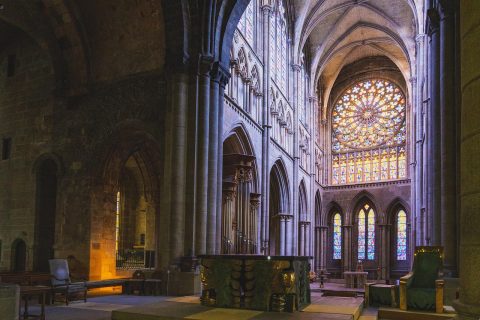
A stunning white stone church featuring distinctive Armenian architectural style with intricate carvings. Built in the 19th century, this sacred site stands as one of Gyumri's most recognizable landmarks. The church's elegant bell tower and ornate stonework reflect the region's rich cultural heritage. Visitors appreciate the peaceful atmosphere and exceptional stone masonry details.
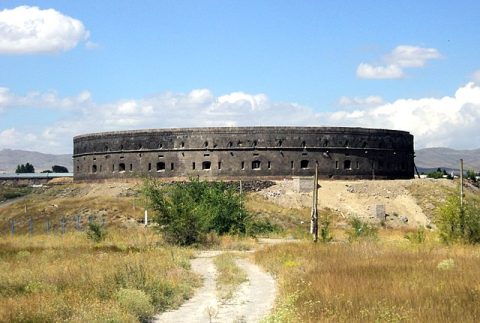
Ancient fortress ruins offering panoramic views of Gyumri and surrounding landscapes. Dating back centuries, these dramatic black stone fortifications showcase medieval Armenian military architecture. The fortress provides excellent vantage points and atmospheric ruins perfect for exploration. Accessible via scenic pathways with varying difficulty levels.

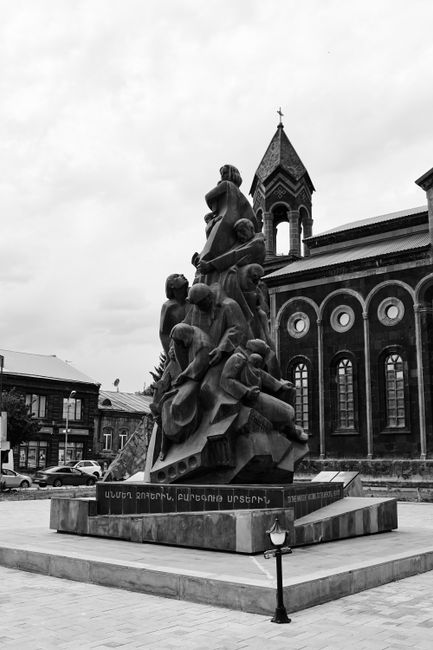
An impressive bronze monument honoring the legendary Armenian military commander and saint. Located prominently in Gyumri's central area, this statue celebrates Vartan's heroic stand at the Battle of Avarayr in 451 AD. The monument has become an important symbol of Armenian national pride and resilience. A popular photo spot and gathering place for locals.
Tips for Landmarks & Monuments
- Visit Kumayri Church early morning for best light photography
- Wear comfortable walking shoes for fortress exploration
- The statue area is busiest during mid-day; consider visiting in early morning or late afternoon
- Bring water and sun protection for outdoor attractions
Collections showcasing Armenian heritage, art, and historical artifacts
A comprehensive museum dedicated to traditional Armenian architecture and urban culture. Displays include detailed models of historical buildings, architectural elements, and examples of traditional craftsmanship. The museum offers insights into the city's development and the unique characteristics of Armenian residential and public structures from different historical periods.
The main museum showcasing Gyumri's rich history from ancient times through the modern era. Exhibitions display archaeological artifacts, traditional crafts, historical photographs, and documents. The museum provides context for understanding the city's evolution and its important role in Armenian civilization across different periods.

Dedicated to Armenian cinema history and the significant contributions of Gyumri filmmakers. The museum features exhibits on local cinema production, equipment, and biographical information about notable directors and actors from the region. Offers a unique perspective on Armenian cultural achievements in film throughout the 20th century.
Tips for Museums & Galleries
- Museums typically close on Mondays; check hours before visiting
- Many museums offer guides in English; ask at the entrance
- Photography policies vary; inquire about permits
- Allow extra time for detailed exhibitions
Sacred spaces reflecting Armenia's deep Christian heritage
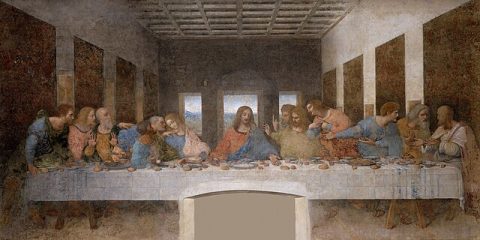
An impressive Armenian Apostolic church featuring traditional khachkars (cross-stones) and elaborate stone carvings. The church demonstrates classical Armenian architectural elements with its distinctive conical dome and sculptural details. Active place of worship with spiritual significance for pilgrims and tourists seeking to understand Armenian Christian traditions.
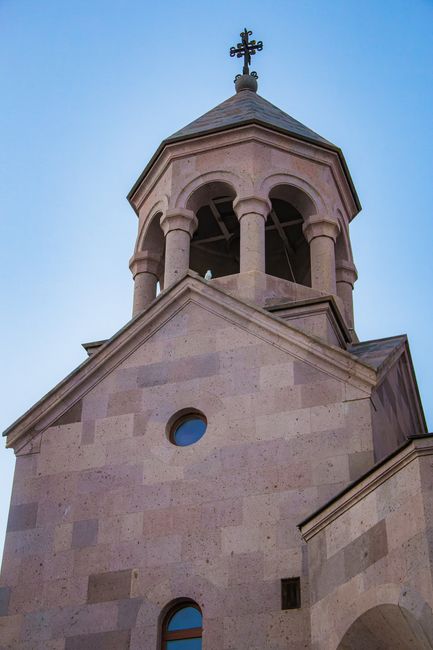
A historic Armenian Apostolic church with ornamental stonework and traditional architectural features. The church features red and black stone construction characteristic of Armenian building traditions. Contains religious icons and artifacts significant to the local faith community. Peaceful interior atmosphere despite Gyumri's urban setting.
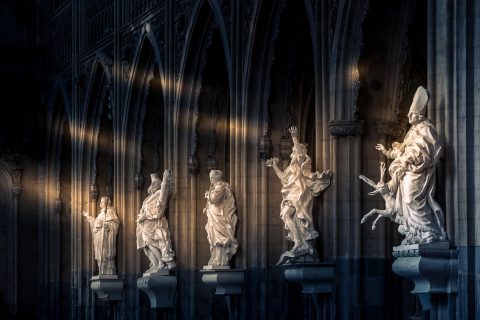
A beautiful example of Armenian church architecture with white stone facade and traditional design elements. Known for its serene interior and spiritual ambiance. The church hosts regular services and welcomes respectful visitors interested in Armenian Orthodox traditions. Features beautiful khachkars in surrounding grounds.
Tips for Religious Sites
- Remove shoes when entering active churches out of respect
- Dress modestly; cover shoulders and knees
- Attend a service to experience living church traditions
- Best visited outside of service times if exploring architecture
- Respect photography restrictions in some areas
Green spaces and public areas for relaxation and leisure
The main public park in Gyumri offering green spaces, walking paths, and recreational facilities. Features landscaped gardens, shaded seating areas, and monuments. Popular gathering spot for locals to relax, exercise, and socialize. The park provides respite from urban surroundings with pleasant views of the city.
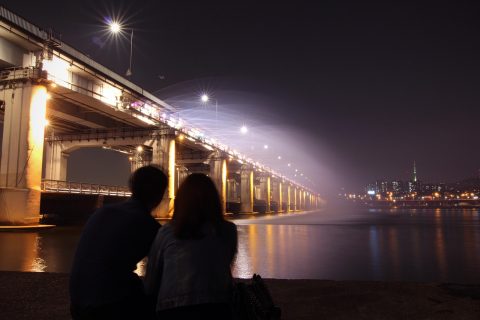
A romantic pedestrian bridge spanning a scenic ravine with beautiful city views. Known as a lovers' meeting point, the bridge features traditional Armenian design elements. The location offers excellent panoramic photography opportunities and a peaceful atmosphere. Popular spot for evening strolls and romantic moments.
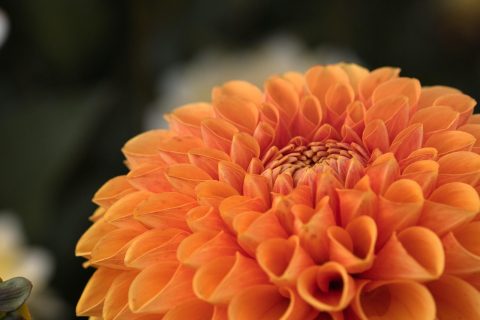
A peaceful garden featuring diverse plant collections and landscaped grounds. The botanical garden showcases native Armenian flora and cultivated plants from various regions. Walking paths wind through themed garden sections offering learning opportunities and scenic beauty. Ideal for nature lovers and quiet reflection.
Tips for Parks & Gardens
- Parks are best visited in late afternoon when temperature is cooler
- Bring picnic supplies; most parks have seating areas
- Spring (April-May) offers the best floral displays
- Early morning is peaceful; late evening sees local social activity
Neighborhoods and areas showcasing Gyumri's artistic heritage
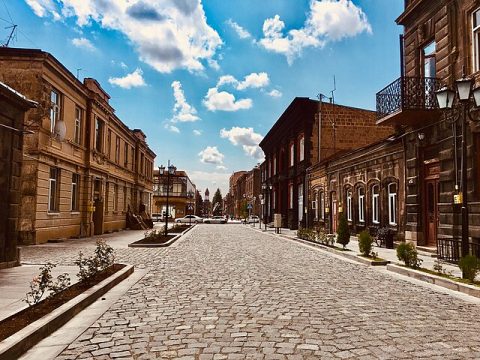
The historic heart of the city featuring 19th-century architecture, narrow streets, and traditional stone buildings. The district preserves Gyumri's architectural heritage with numerous restored and deteriorating buildings of historical significance. Wandering these streets offers immersion in the city's past and glimpses of traditional Armenian urban life.
A vibrant area home to galleries, artist studios, and creative spaces. Local artists showcase their work including paintings, sculptures, crafts, and contemporary art. The quarter embodies Gyumri's cultural renaissance with regular exhibitions and artistic events. Excellent place to meet local artists and purchase authentic Armenian art.
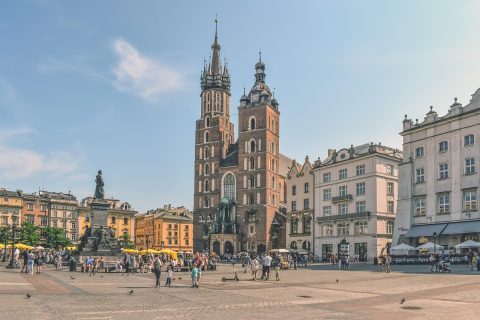
Gyumri's main public square surrounded by important buildings and monuments. The square functions as the civic center with regular events and gatherings. Features a mix of Soviet-era and modern architecture. Ideal for people-watching, understanding local life, and accessing surrounding cultural institutions.
Tips for Neighborhoods & Districts
- Hire a local guide for deeper historical insights
- Photography is encouraged in public areas
- Visit artist studios during afternoon hours for better access
- Square is liveliest during weekends and evenings
Guided activities and specialized experiences
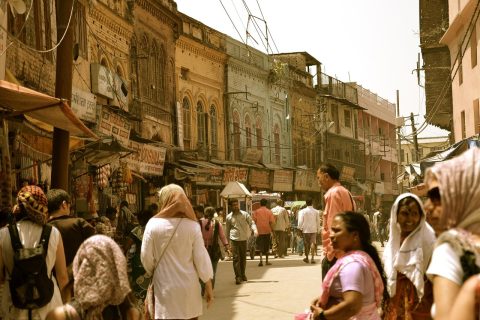
Comprehensive tours led by knowledgeable local guides covering Gyumri's 1,700+ year history. Visit major monuments, churches, and cultural sites while learning detailed historical narratives. Tours address the 1988 earthquake's impact and subsequent reconstruction. Customizable routes focus on architecture, religious history, or cultural highlights based on interest.
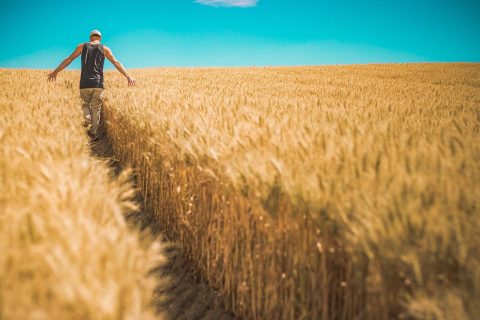
Guided tours exploring local cuisine and food culture while navigating Gyumri's streets. Experience authentic Armenian dishes, visit family-run restaurants, meet local food vendors, and learn about traditional cooking methods. Tours typically include tastings of lula kebab, lavash bread, and local fruits. Perfect for food enthusiasts and cultural immersion.
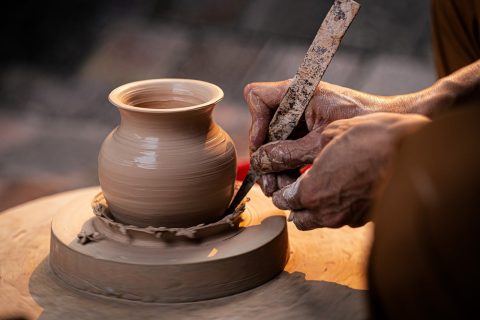
Hands-on experiences learning traditional Armenian pottery techniques from master craftspeople. Participants create their own pieces under guidance, understanding ancient Armenian ceramic traditions. Workshops cover clay preparation, wheel work, and traditional decorative methods. A meaningful way to connect with Armenian artistic heritage.
Tips for Tours & Activities
- Book tours in advance through hotels or tourism offices
- Local guides enhance experience significantly
- Ask about off-season availability and pricing
- Photography policies should be clarified before booking
- Wear comfortable shoes for walking tours
Excursions to nearby destinations easily accessible from Gyumri
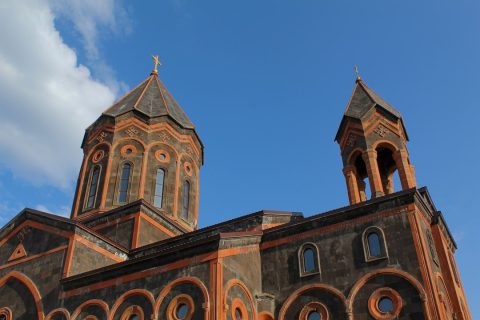
Historic island monastery located a short drive from Gyumri (near Lake Sevan). Features a 10th-century church with remarkable stone carvings and mosaics. The site offers scenic water views and combines archaeological significance with natural beauty. Requires short boat crossing to reach the island church. UNESCO World Heritage site of major historical importance.
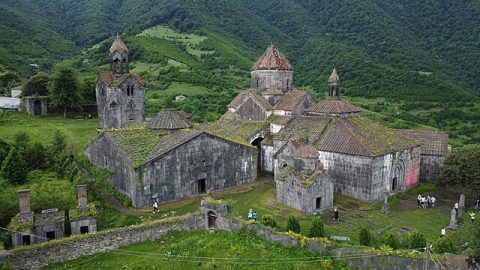
One of Armenia's most important medieval monastic complexes approximately 40 km from Gyumri. UNESCO World Heritage site featuring multiple churches, bells, and elaborate khachkars. Impressive stone architecture demonstrates Armenian medieval craftsmanship. The complex remains an active pilgrimage site with profound spiritual significance for visitors.
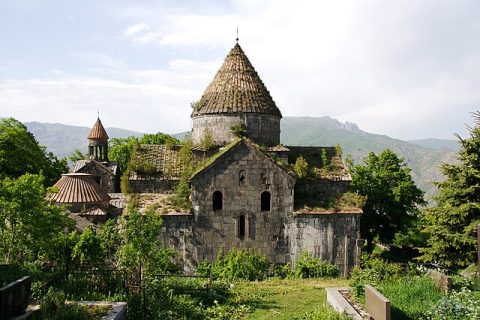
Ancient monastery complex near Haghpat representing peak Armenian medieval ecclesiastical architecture. Features a 10th-century church, bell tower, and surrounding buildings with intricate carvings. The site offers impressive panoramic views of the surrounding valley. Another UNESCO World Heritage site showcasing Armenia's architectural and spiritual heritage.
Tips for Day Trips & Excursions
- Book car rentals or hire drivers through hotels
- Early morning departures beat tour groups
- Bring plenty of water and sun protection
- Many sites are in mountainous terrain; wear sturdy shoes
- Combine nearby monasteries for efficient day trips
Real, highly-rated Restaurants in Gyumri, sourced from Google Places (rating above 4★).
Route 66 is a highly-rated restaurant in Gyumri, rated 5★ from 145 reviews. Located at 139 ул. Абовяна, Gyumri 3104, Armenia.
Opening Hours
- Monday: 12:00 PM – 12:00 AM
- Tuesday: 12:00 PM – 12:00 AM
- Wednesday: 12:00 PM – 12:00 AM
- Thursday: 12:00 PM – 12:00 AM
- Friday: 12:00 PM – 2:00 AM
- Saturday: 12:00 PM – 2:00 AM
- Sunday: 12:00 PM – 2:00 AM
AL AHWAZ Café pub & Eatery Restaurant Armenia is a highly-rated restaurant in Gyumri, rated 4.9★ from 254 reviews. Located at 27 Rustaveli Street, Gyumri, Armenia.
Opening Hours
- Monday: 10:00 AM – 2:00 AM
- Tuesday: 10:00 AM – 2:00 AM
- Wednesday: 10:00 AM – 2:00 AM
- Thursday: 10:00 AM – 2:00 AM
- Friday: 10:00 AM – 2:00 AM
- Saturday: 10:00 AM – 2:00 AM
- Sunday: 10:00 AM – 2:00 AM
Cherkezi Dzor-Gyumri's Fish Restaurant is a highly-rated restaurant in Gyumri, rated 4.8★ from 887 reviews. Located at Gyumri, Armenia.
Opening Hours
- Monday: 9:00 AM – 11:00 PM
- Tuesday: 9:00 AM – 11:00 PM
- Wednesday: 9:00 AM – 11:00 PM
- Thursday: 9:00 AM – 11:00 PM
- Friday: 9:00 AM – 11:00 PM
- Saturday: 9:00 AM – 11:00 PM
- Sunday: 9:00 AM – 11:00 PM
Explore Gyumri on the Map
Best Time to Visit
Ideal Seasons: May-June and September-October offer perfect weather with temperatures between 15-25°C (59-77°F). Spring brings blooming flowers; fall provides clear skies and fewer tourists.
Summer (July-August): Warm but can exceed 25°C; popular tourist season. Lower prices in shoulder seasons (April-May, October-November).
Winter (December-February): Cold and snowy; fewer tourists but some historical sites may have reduced hours. Not ideal for outdoor sightseeing.
Rainfall: Autumn and spring see occasional rain. Summer is generally dry. Winter brings significant snowfall in surrounding mountains.
Getting Around Gyumri
Public Transportation: Affordable buses and minibuses (marshrutkas) serve the city. Standard fare around 100 AMD ($0.25). Service is basic but reliable for main routes.
Taxis: Readily available; negotiate fares before boarding or use phone apps. Typical short rides cost 500-1,500 AMD ($1.50-4.00).
Car Rental: Available through hotels and tourism companies. Recommended for day trips to monasteries. International driving license and insurance required.
Walking: The city center is compact and walkable. Most attractions are accessible on foot from central areas.
From Yerevan: Direct buses (2.5-3 hours, ~1,500 AMD) or marshrutkas depart frequently from Kilikia Bus Station.
✈️ Airport Transfer
Shirak International Airport (LWN) to city center:
- Taxi: About 10 minutes to central Gyumri, roughly 1500-2000 AMD
- Private transfer: Pre-booked car service to hotels in Gyumri, around 15 minutes and 3000-4000 AMD
- Public minibus (marshrutka): Infrequent local minibus toward the city center, about 20 minutes for 200-300 AMD when running
Shopping & Local Products
What to Buy: Armenian brandy and wine (world-renowned quality), traditional woven textiles and carpets, carved wooden items, ceramic pottery, khachkars (stone crosses), and locally-made jewelry.
Shopping Areas: Republic Square has shops and souvenir stalls. The old bazaar area offers authentic local products. Artistic quarter galleries showcase contemporary and traditional crafts.
Negotiation: Bargaining is expected at bazaars and from street vendors. Offer 70-80% of asking price as starting point. Fixed-price shops have set rates.
Handicrafts: Visit artist studios directly for better prices and authentic pieces. Many accept custom orders for ceramics and textiles.
Best Prices: Shop on weekdays away from tourist centers. Early morning visits offer quieter browsing and fresher selections.
Annual Events & Festivals
Gyumri Biennial Festival of Contemporary Art (Odd Years): Major international contemporary art festival featuring installations, performances, and exhibitions throughout the city.
National Holidays: January 1 (New Year), January 6 (Epiphany), March 8 (International Women's Day), April 24 (Genocide Remembrance Day), May 1 (Labor Day), May 28 (Republic Day), September 21 (Independence Day), December 31 (New Year's Eve).
Religious Holidays: Armenian Christmas (January 6), Easter (Orthodox dates). Churches hold special services and celebrations.
Cultural Events: Various concerts, theatrical performances, and exhibitions throughout the year. Check with local tourism office for current schedules.
Seasonal Activities: Summer features outdoor concerts and gatherings in central squares. Spring brings pilgrimage season to regional monasteries.
Sample Day Itineraries
Day 1 - Historic Churches & Monuments (Full Day): Start at Kumayri Church (1 hour), visit St. Gregory's Church (45 min), explore Sev Berd fortress with lunch break (2 hours), afternoon at Vartan Mamikonian monument and surrounding area (1 hour). Evening stroll through Republic Square and dinner at local restaurant.
Day 2 - Museums & Cultural Immersion (Full Day): Morning at City Museum (1.5 hours), visit Museum of National Architecture (1 hour), lunch in Artistic Quarter, afternoon pottery workshop or artist studio visits (2 hours), explore old Kumayri district streets (1.5 hours). Evening in park or at Lovers Bridge.
Day 3 - Monastery Day Trip (Full Day): Early departure to Haghpat and Sanahin monasteries (1 hour drive each way). Spend 2 hours at each site exploring architecture and grounds. Pack picnic lunch. Return to Gyumri by evening for relaxation.
Day 4 - Food & Local Experience (Full Day): Early market visit for authentic atmosphere (1 hour), food tour exploring traditional dishes (3 hours with tastings), cooking class or cooking demonstration (2 hours), evening at family restaurant sampling regional specialties. Shop for local products.
Day 5 - Nature & Relaxation (Half Day): Morning at Shirakatsu Park or Botanical Garden (1.5-2 hours), leisurely lunch, afternoon at Lovers Bridge for views and photography. Optional shopping in central areas before evening departure.
Photography Locations & Tips
Sev Berd Fortress (Sunrise/Sunset): Best light early morning or late afternoon. Dramatic fortress ruins against sky; panoramic city views. Allow 1.5+ hours for exploration and different angles.
Kumayri Church (Golden Hour): White stone facade glows beautifully in morning and late afternoon light. Excellent architectural detail photography. Visit before 9am for fewest tourists.
Lovers Bridge (Sunset - 30 min before sunset): Golden light illuminates the bridge; romantic atmosphere. Great for people photography and landscape shots of city beyond.
Republic Square (Evening): Monument lighting and urban photography opportunities. Best 1-2 hours before sunset. Captures local life and gathering activity.
Old Kumayri District (Morning): Beautiful architectural details in natural light. Narrow streets create leading lines. Visit early to avoid crowds and harsh midday shadows.
Artistic Quarter Galleries (Daytime): Colorful murals, art installations, and gallery windows. Great for contemporary art and cultural photography.
General Tips: Carry circular polarizer filter for clarity on hazy days. Mountain locations require early morning starts to beat clouds. Always ask permission before photographing people. Best overall light: 6-9am and 4-7pm.
Electricity & Technical Information
Voltage: Armenia uses 230 volts AC, 50 Hz frequency.
Plug Types: European standard Type C (two round pins) and Type F (two round pins with earth clips). Some older buildings may have Type D (three round pins in triangular pattern).
Adapters: Essential if your devices use different plugs (US Type A, UK Type G). Universal adapters work but dedicated European adapters more reliable. Available in pharmacies and electronics shops.
Power Supply: Generally reliable in main city areas. Occasional outages in outlying areas. Most hotels provide backup power or generators.
Charging: Hotels usually offer USB charging stations. Bring portable power bank for full days of sightseeing. Internet cafes often allow device charging.
Water & Climate Considerations: High altitude (1,430m) means thinner air and intense sun. Drink water frequently. Electronic devices may behave differently due to altitude and temperature changes.
Must-Try Foods & Dining
Essential Dishes: Lula Kebab (minced meat kebab - Gyumri specialty), Lula Khash (traditional soup with meat and feet - winter specialty), Lavash (thin flatbread), Khorovatz (grilled meat skewers), Manti (dumplings with meat and yogurt), Khash (traditional warming soup), Falafel (chickpea fritters).
Local Specialties: Gyumri is famous for lula kebab made from beef and sometimes pork. Ask for "Gyumri lula" specifically. Try "kufta" (meat patties) and "sujukh" (spiced sausage). Local dairy products including string cheese and yogurt are exceptional.
Dining Tips: Lunch (1-3pm) is main meal with fixed-price menus. Dinner service starts around 7pm. Prices at local restaurants much lower than Yerevan. Tipping 5-10% appreciated but not mandatory. Family restaurants offer authentic cooking in casual settings.
Beverages: Armenian coffee (finely ground, strong), herbal teas, fresh fruit juices, and world-class Armenian cognac and wine. Coffee is served in small cups after meals as tradition.
Fruit & Produce: Fresh apricots, pomegranates, walnuts, and seasonal vegetables available in markets. Late summer/fall offer best produce variety and prices.
Tourist Passes
Armenian Museums Pass
Multi-museum access pass providing entry to participating museums in Gyumri and across Armenia. Typically valid 3-7 days with discounted rates compared to individual museum tickets. Price: Approximately 5,000-10,000 AMD ($12-25 USD). Includes major museums: City Museum, Architecture Museum, Cinema Museum, and others. Saves money for culture-focused visitors exploring multiple sites.
Cultural Heritage Card
Regional tourist package covering entry fees to major historical and religious sites including monasteries, churches, and archaeological sites. Price: Approximately 10,000-15,000 AMD ($25-35 USD). Valid for 5-7 days. Includes transportation coupons for regional excursions. Excellent value for day-trip focused visitors.
Free Entry Attractions
Many of Gyumri's attractions offer free or donation-based entry: Republic Square, parks, streets, many church exteriors, and public monuments. Take advantage of free attractions like the Artistic Quarter galleries and Old Kumayri walking tours. Some museums offer free or discounted entry on specific weekdays.