Plan your trip to Sarajevo
- How long
- 2 days in the city, plus a day trip to Mostar.
- Best for
- History and culture travellers: an Ottoman bazaar beside Austro-Hungarian streets, and memorials to the 1992-95 siege.
- Skip it if
- You want lively nightlife and big sights: Sarajevo is small and sober, with much of its interest in history.
If you only do three things
- Baščaršija (the old bazaar) and Sebilj fountain.
- The Latin Bridge and Vijećnica (City Hall).
- The Tunnel of Hope Museum and a siege-history tour.
A one-day route
- Morning: Baščaršija and the Gazi Husrev-beg Mosque.
- Midday: Lunch: ćevapi in Baščaršija.
- Afternoon: The Latin Bridge, Vijećnica and the Museum of Sarajevo.
- Evening: The Yellow Bastion at sunset; Bosnian coffee after dinner.
Before you go
- Sarajevo Airport is about 12 km from the center; taxis and buses run to town.
- The Tunnel of Hope is about 6 km from the center; go by taxi or a tour.
- Mostar is about 2 hours away by bus or train.
- Respect the memorials; some areas still have marked mine-risk zones outside the city; stay on marked paths.
Prices, opening status and transport in this plan checked against official sources on 30 September 2026.
Things to do in Sarajevo
Sarajevo's landmarks tell the story of a city where four religions coexist and multiple empires left their mark. From Ottoman bridges to Austro-Hungarian architecture, these monuments embody the city's unique character as the Jerusalem of Europe.
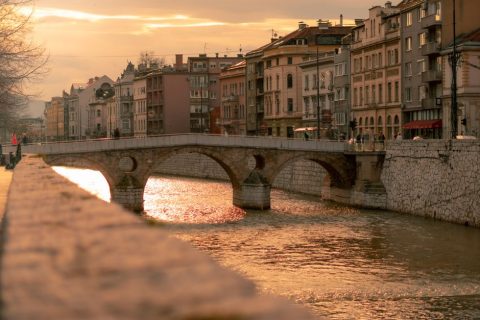
Latin Bridge (Latinska Ćuprija)
This historic Ottoman bridge gained worldwide fame as the site where Archduke Franz Ferdinand was assassinated on June 28, 1914, triggering World War I. The elegant stone bridge, built in 1798, spans the Miljacka River and connects the old town with modern Sarajevo. Today it stands as a powerful symbol of how local events can reshape global history. The nearby museum corner marks the exact spot of the assassination.
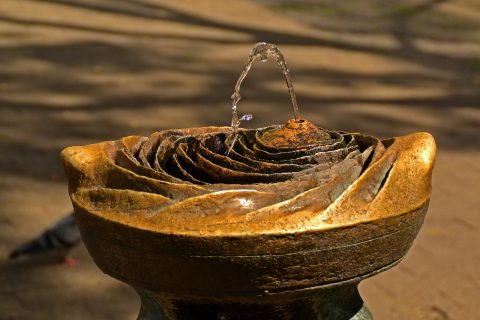
Sebilj Fountain
The iconic wooden fountain in the heart of Baščaršija square is Sarajevo's most photographed monument. Built in Ottoman style with its distinctive pseudo-Moorish design, Sebilj has become the symbol of the city. Legend says that anyone who drinks from Sebilj will return to Sarajevo. The fountain's wooden pavilion and copper dome create a picturesque focal point surrounded by cafés and copper workshops.
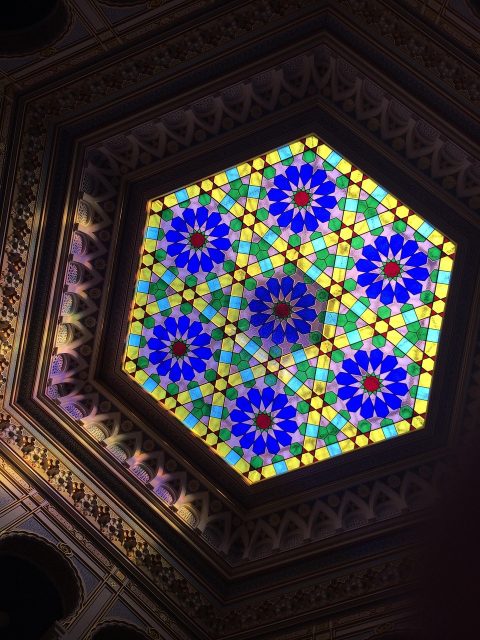
Vijećnica (City Hall)
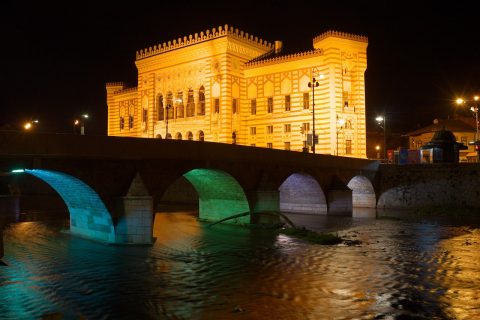
This magnificent Austro-Hungarian building from 1896 showcases stunning pseudo-Moorish architecture with its striped façade and ornate interior. Originally the city hall, it later housed the National Library until being severely damaged during the 1992-95 siege. After meticulous restoration completed in 2014, Vijećnica reopened as a symbol of Sarajevo's resilience. The interior features breathtaking stained glass, geometric patterns, and a grand central atrium.
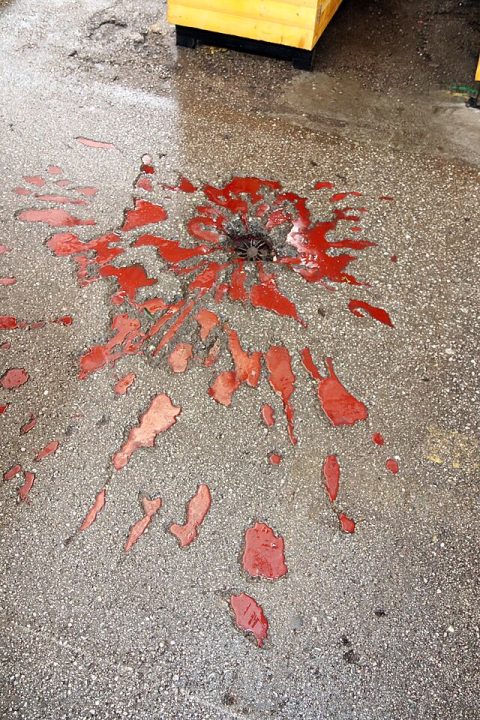
Sarajevo Roses
These powerful memorials mark locations where mortar shells killed civilians during the 1992-95 siege. The shrapnel scars in the pavement have been filled with red resin, creating flower-like patterns throughout the city. Each 'rose' represents lives lost and serves as a stark reminder scattered across everyday streets, ensuring the siege's victims are never forgotten.
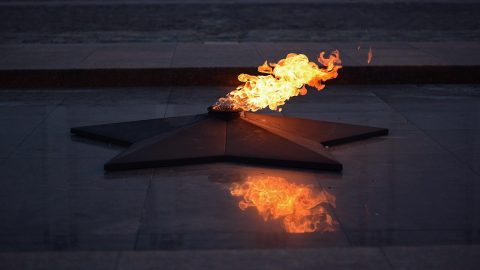
Eternal Flame
Located on Ferhadija Street, this memorial flame has burned continuously since 1946, honoring the victims of World War II and Sarajevo's liberation. The modest monument serves as a gathering point and historical marker in the city center. It represents the city's commitment to remembering its past while the bustling modern street life continues around it.
Tips for Landmarks & Monuments
- Photography: Visit Sebilj fountain early morning (6-8 AM) for the best light and fewer crowds
- Combined visit: Latin Bridge and Vijećnica are within 5 minutes walk - plan them together
- Respect: When encountering Sarajevo Roses, pause respectfully - these are memorial sites
- Evening magic: Vijećnica is beautifully illuminated at night
Sarajevo's museums preserve centuries of cultural convergence, artistic achievement, and recent history. From ancient manuscripts to contemporary conflict documentation, these institutions offer profound insights into the city's complex identity and resilient spirit.
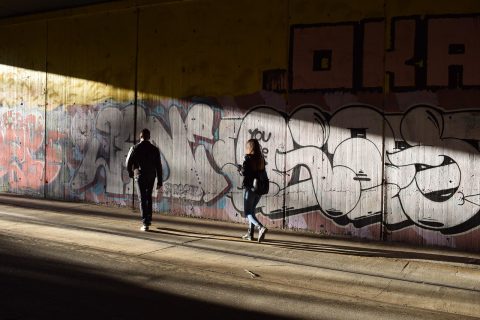
Tunnel of Hope Museum (War Tunnel)
This extraordinary museum preserves the 800-meter tunnel that served as Sarajevo's lifeline during the 1992-95 siege. Dug beneath the airport runway, it connected the besieged city with free territory, allowing passage of food, weapons, and people. The site includes 25 m of authentic tunnel and 100 m of revitalized tunnel; you can also explore the Kolar family home where the tunnel entrance was hidden. Powerful exhibits include siege artifacts, photographs, and video testimonies.
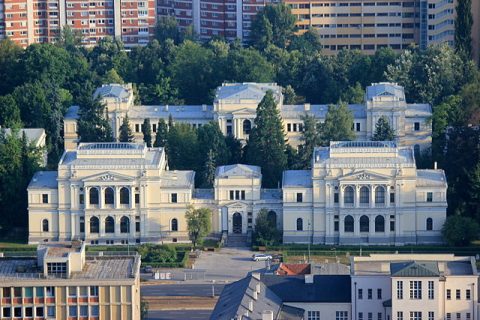
National Museum of Bosnia and Herzegovina
Established in 1888, this is the country's oldest and largest museum. The stunning Austro-Hungarian building houses archaeology, ethnology, and natural history collections. The highlight is the Sarajevo Haggadah, a priceless 14th-century Jewish illuminated manuscript. The museum nearly closed due to post-war funding issues but reopened in 2015. Its botanical garden offers a peaceful retreat with native and exotic plant species.
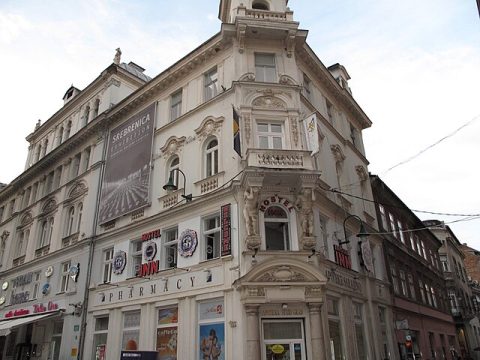
Gallery 11/07/95
This powerful memorial gallery documents the Srebrenica genocide through photographs, video testimonies, and personal belongings. The date in the name marks when over 8,000 Bosniak men and boys were systematically murdered. The emotionally intense exhibition honors victims and educates visitors about Europe's worst atrocity since World War II. The gallery provides essential historical context and serves as a call for justice and reconciliation.
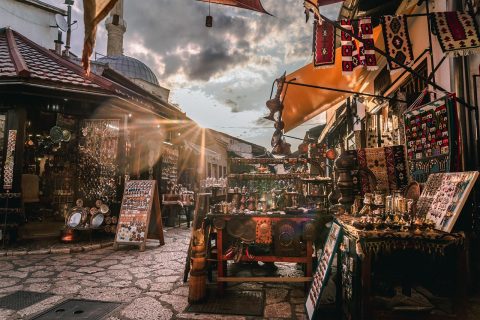
Gazi Husrev-beg Museum
Located within the historic mosque complex, this museum showcases Ottoman Islamic art and manuscripts from Bosnia's rich cultural heritage. Collections include calligraphy, rare books, carpets, and artifacts from the 16th-century Gazi Husrev-beg endowment. The museum illustrates the sophistication of Ottoman Sarajevo and the enduring legacy of the city's most important Ottoman-era benefactor.

Ars Aevi Museum of Contemporary Art
This unique international contemporary art collection was created during the siege when global artists donated works in solidarity with Sarajevo. Over 150 artists including Michelangelo Pistoletto and Marina Abramović contributed. Currently housed in temporary spaces while awaiting a Renzo Piano-designed building, the collection represents art as resistance and hope during wartime.
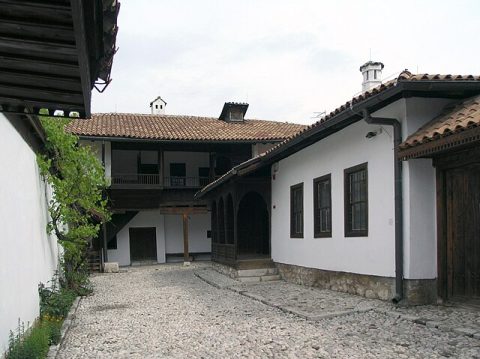
Svrzo's House
This beautifully preserved 18th-century Ottoman townhouse offers an authentic glimpse into traditional Bosnian Muslim domestic life. The house features separate men's (selamluk) and women's (haremluk) quarters, original furnishings, and period decor. The architecture demonstrates how Ottoman families balanced privacy and hospitality. The courtyard garden and fountain complete the atmospheric experience.
Tips for Museums & Galleries
- Tunnel Museum: Book taxi or tour as it's 6km from center; public transport is limited
- Emotional preparation: Gallery 11/07/95 and Tunnel Museum contain difficult content - allow time to process
- Sarajevo Haggadah: The museum reported in April 2026 that the Haggadah was unavailable for viewing; check for a reopening notice before visiting
- Combined tickets: Some museums offer discounts for students and seniors
- Friday closures: Many museums close early on Fridays or are closed entirely
Sarajevo proudly wears the title 'Jerusalem of Europe' where mosques, Catholic and Orthodox churches, and synagogues stand within walking distance. This religious diversity represents centuries of coexistence and makes Sarajevo unique among European capitals.
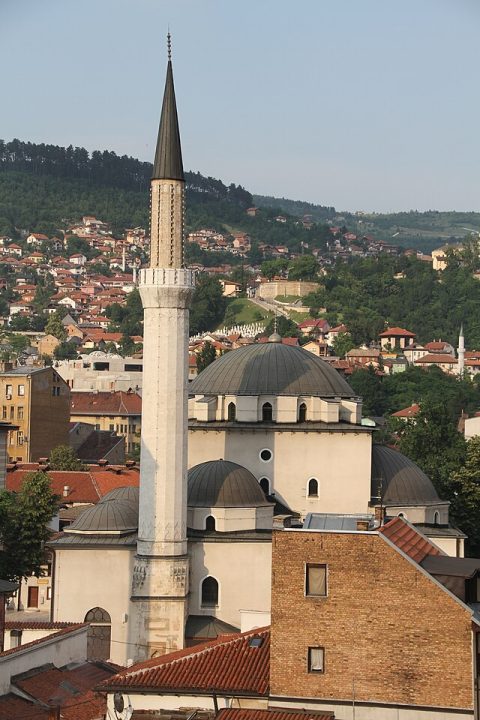
Gazi Husrev-beg Mosque
Built in 1531, this is Bosnia's most important mosque and a masterpiece of Ottoman architecture. The complex includes a madrasa (Islamic school), clock tower, library, and bazaar. The mosque's elegant proportions, 26-meter minaret, and interior decorated with geometric patterns and calligraphy represent the golden age of Ottoman Sarajevo. The courtyard fountain (šadrvan) and covered porch create a serene atmosphere. Non-Muslims are welcome outside prayer times.
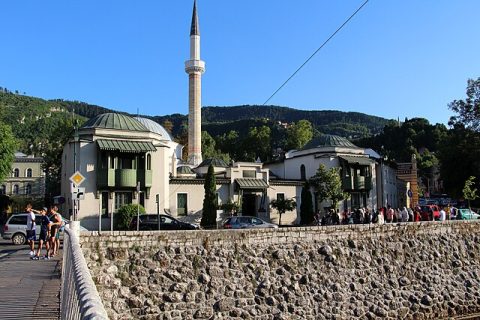
Emperor's Mosque (Careva Džamija)
The oldest mosque in Sarajevo, built in 1457 shortly after Ottoman conquest. Legend says Sultan Mehmed II the Conqueror himself ordered its construction. The simple, elegant structure with its single dome represents early Ottoman architecture. Damaged during the siege but carefully restored, the mosque symbolizes Sarajevo's Ottoman foundation and resilience. The peaceful courtyard offers respite from the bustling Baščaršija.
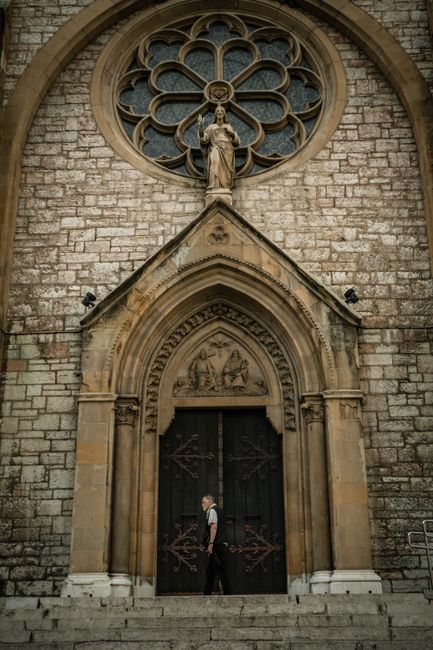
Sacred Heart Cathedral
This neo-Gothic Catholic cathedral, completed in 1889, dominates the Austro-Hungarian quarter with its twin spires. The largest cathedral in Bosnia and Herzegovina features beautiful stained glass, Gothic revival architecture, and serves as the seat of the Vrhbosna Archbishop. The cathedral represents the Catholic community's presence and the city's architectural transformation during Austro-Hungarian rule. The interior's soaring vaults create an impressive sacred space.
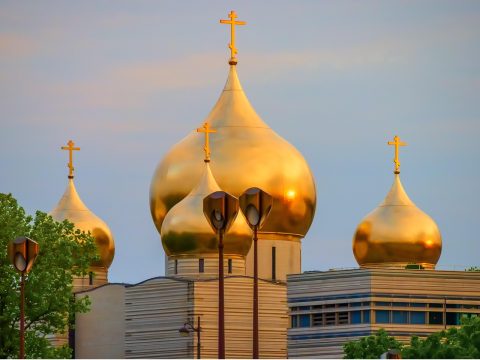
Old Orthodox Church
Dating to the 16th century, this intimate church is one of Sarajevo's oldest religious buildings. The interior features stunning Orthodox iconostasis, frescoes, and icons representing centuries of Serbian Orthodox tradition. Adjacent is a small museum displaying religious artifacts and manuscripts. The church survived multiple fires and conflicts, standing as a testament to the Orthodox community's endurance in Sarajevo.
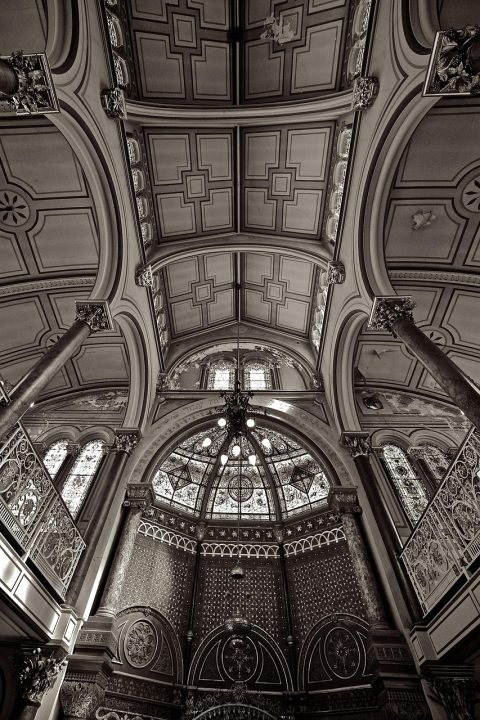
Ashkenazi Synagogue
Built in 1902, this is Sarajevo's only functioning synagogue and houses the Jewish Museum. The Moorish Revival architecture reflects the era's romantic orientalism. The museum documents Bosnia's Jewish community from 1566 Sephardic arrival through the Holocaust, which destroyed 85% of local Jews. Exhibits include the famous Sarajevo Haggadah story, ritual objects, and testimonies. The synagogue represents survival and memory of Sarajevo's Jewish heritage.
Tips for Religious Sites
- Modest dress: Cover shoulders and knees when visiting mosques and churches
- Prayer times: Avoid visiting mosques during prayer times (check daily schedule)
- Shoe removal: Required in mosques; plastic bags provided for carrying shoes
- Walking tour: All major religious sites are within 15-minute walk - create a 'religious harmony' route
- Respectful photography: Always ask permission; no photography during services
- Free entry: Most sites don't charge admission but donations are appreciated
Sarajevo's neighborhoods tell distinct stories: Baščaršija preserves Ottoman soul, Austro-Hungarian streets showcase European elegance, and hillside areas bear scars and memories of the siege. Walking these districts reveals the city's layered identity.
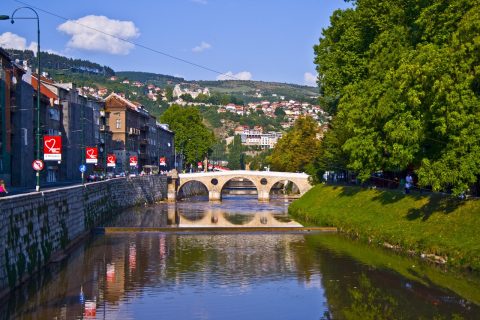
Baščaršija (Old Bazaar)
Sarajevo's historic Ottoman-era bazaar is the city's vibrant heart, established in the 15th century. Narrow cobblestone streets wind past copper workshops, carpet sellers, jewelers, and traditional restaurants. The aroma of ćevapi, Turkish coffee, and baklava fills the air. Artisans still practice traditional crafts in tiny workshops. The district's mosques, fountains, and caravanserais create an authentic Ottoman atmosphere. This is where Sarajevo's soul resides.
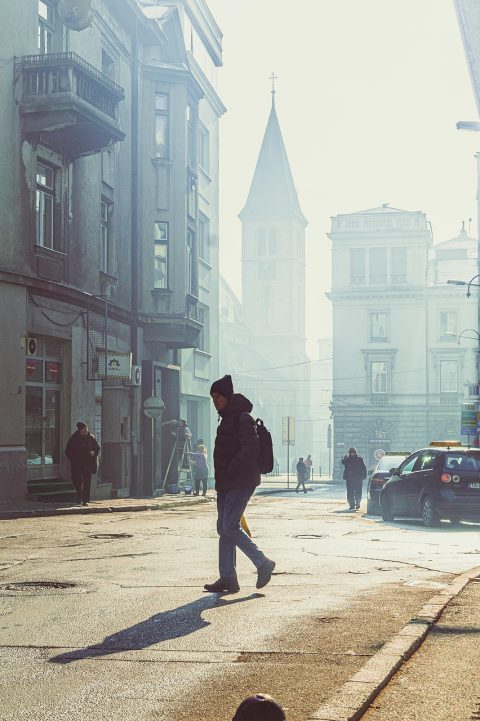
Ferhadija Street
The main pedestrian promenade connecting Ottoman Baščaršija with Austro-Hungarian Sarajevo. This lively street marks the Meeting of Cultures where Eastern and Western architecture blend. Lined with shops, cafés, and street performers, Ferhadija pulses with urban energy. The Eternal Flame memorial and various historical buildings make it both a shopping destination and cultural corridor. The street represents Sarajevo's bridge between civilizations.
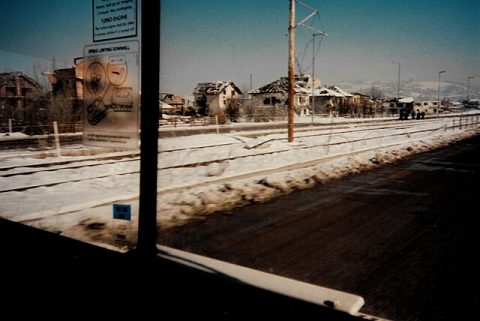
Sniper Alley (Zmaja od Bosne Boulevard)
The main boulevard, nicknamed Sniper Alley during the siege, was the most dangerous street in the world where citizens risked death crossing open spaces. Today this tree-lined avenue is peaceful, but plaques and memorials mark the tragedy. The Boulevard connects downtown with the Parliamentary Assembly and passes the bombed Holiday Inn (now reopened). Walking here provides visceral connection to recent history.
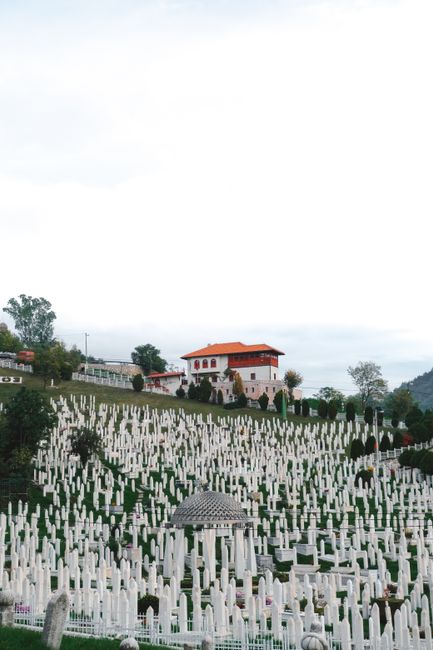
Kovači Cemetery & Martyrs' Memorial
This historic Muslim cemetery on the hillside contains graves of Bosnian heroes, scholars, and siege victims. The site includes a memorial dedicated to murdered children of the siege. The Šehidsko mezarje (Martyrs' Cemetery) section holds rows of white tombstones for those who died defending Sarajevo (1992-95). The location offers panoramic city views and profound historical reflection. Visiting this hillside is a moving tribute to sacrifice and resilience.
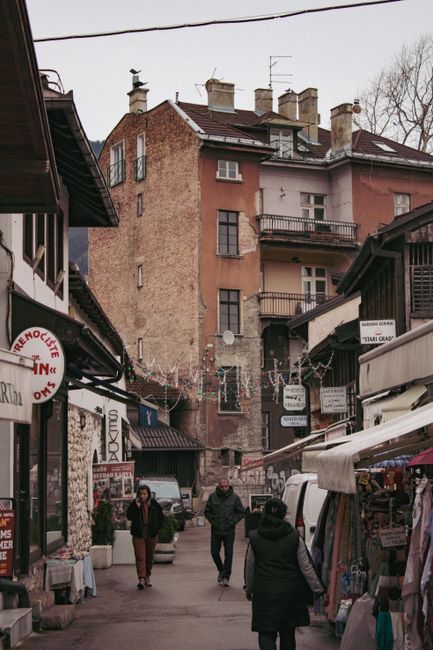
Vratnik Historic Neighborhood
This atmospheric Ottoman-era residential district climbs the hillside above Baščaršija. Narrow stone streets, traditional houses with wooden balconies, and the Yellow Bastion (Žuta Tabija) create authentic old Sarajevo ambiance. The neighborhood offers magnificent sunset views over the city. Climbing through Vratnik to the fortress provides both historical immersion and spectacular vistas.
Tips for Neighborhoods & Districts
- Baščaršija timing: Visit early morning for authentic atmosphere, evening for vibrant café culture
- Shopping bargaining: Expected in souvenir shops but not in restaurants
- Walking shoes: Cobblestones and hills require comfortable footwear
- Sunset views: Yellow Bastion in Vratnik offers the best panoramas around 6-7 PM
- Free walking tours: Start daily from Sebilj fountain - excellent orientation
Surrounded by mountains, Sarajevo offers unexpected green spaces within the urban landscape and easy access to pristine nature. From riverside promenades to Olympic mountains, nature is never far away.
Vrelo Bosne (Spring of Bosnia River)
This enchanting natural park at the source of the Bosna River is Sarajevo's favorite escape, located 12km from downtown. Horse-drawn carriages (fijakerhs) transport visitors through avenue of trees to the springs, where crystal-clear water emerges from underground. Wooden bridges cross over streams, swans glide past, and traditional restaurants serve fresh trout. The park's romantic atmosphere has charmed visitors since Austro-Hungarian times. Perfect for family outings and romantic walks.
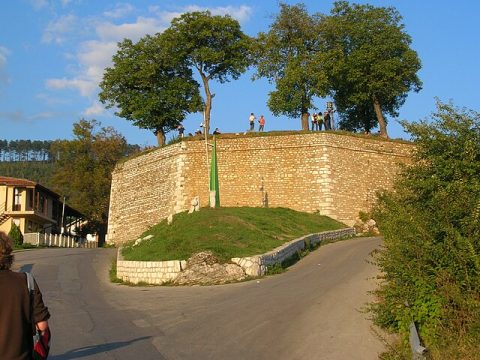
Yellow Bastion (Žuta Tabija)
This Ottoman defensive fortress from 1809 offers the most spectacular panoramic views of Sarajevo. Located above Vratnik neighborhood, the bastion is especially popular at sunset when locals gather to watch the call to prayer echo across the valley as lights begin twinkling below. A short but steep climb rewards visitors with sweeping vistas encompassing the entire city basin surrounded by mountains.
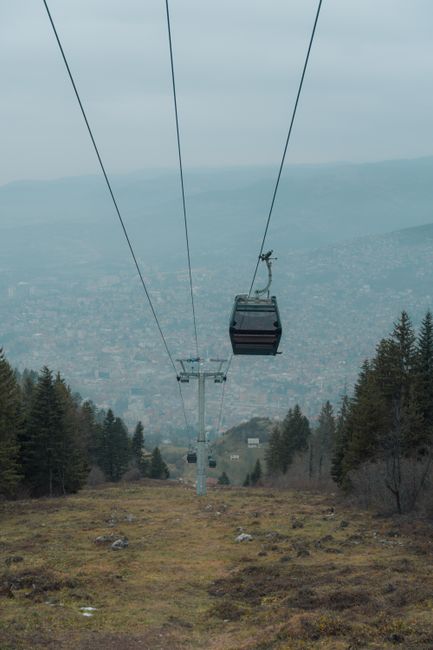
Trebević Mountain & Cable Car
Once an Olympic venue (1984 Winter Olympics), Trebević offers hiking, mountain biking, and stunning views. The cable car (rebuilt in 2018) ascends from downtown in 9 minutes to 1,160m elevation. At the summit explore abandoned Olympic bobsled track covered in graffiti art, forest trails, restaurants, and panoramic terraces. The mountain bears visible war scars but has transformed into a symbol of renewal and outdoor recreation.
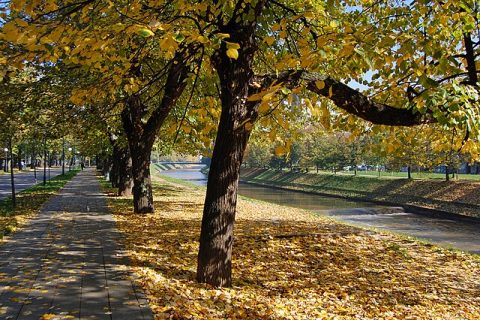
Wilson's Promenade (Vilsonovo Šetalište)
Named after US President Woodrow Wilson, this pleasant riverside walkway along the Miljacka River connects old and new Sarajevo. Tree-lined paths pass parks, bridges, and cafés. Popular with joggers, cyclists, and families, the promenade offers a relaxed way to traverse the city while enjoying riverside scenery. Several historic bridges and buildings line the route.
Tips for Parks & Gardens
- Vrelo Bosne transport: Take tram 3 to Ilidža, then fijaker (horse carriage) or walk 3km
- Cable car tickets: Book online to avoid weekend queues; operates year-round weather permitting
- Sunset timing: Yellow Bastion gets crowded 30 minutes before sunset - arrive earlier
- Hiking preparation: Trebević trails require proper shoes; some areas still have landmine warning signs - stay on marked paths
- Winter activities: Mountains offer skiing December-March; check Bjelašnica and Jahorina resorts
Understanding Sarajevo's complex history and culture is deepened through guided experiences led by local experts. From war history tours to culinary experiences, these activities provide context and personal stories that bring the city to life.
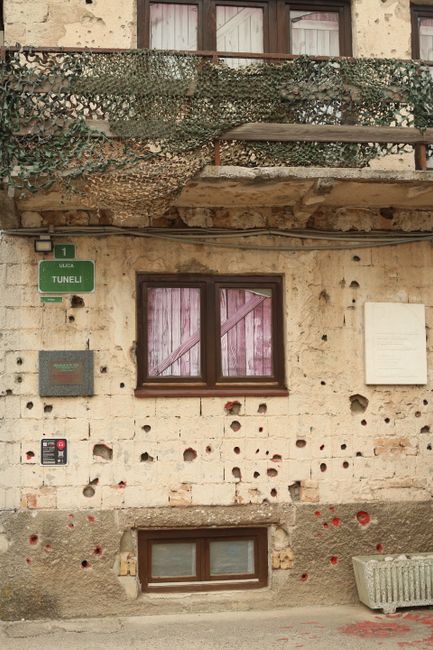
Sarajevo War & Siege Tours
Essential for understanding modern Sarajevo, these tours led by siege survivors cover Sniper Alley, war tunnels, destroyed buildings, and memorial sites. Guides share personal experiences of the 1,425-day siege, explaining how citizens survived without electricity, water, or food. Tours typically include the Tunnel Museum and visits to strategic locations. These powerful experiences provide context impossible to gain from books alone. Several reputable companies offer half-day or full-day options.
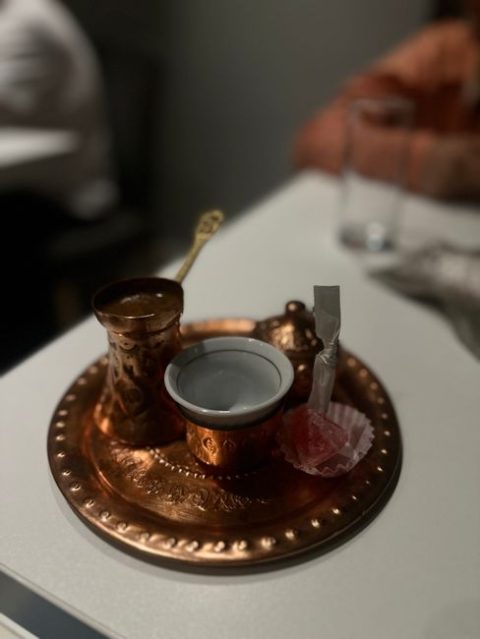
Sarajevo Food & Coffee Tour
Discover Sarajevo's culinary soul through guided tastings of ćevapi, burek, baklava, and Turkish coffee. These tours explain food's cultural significance, visit traditional bakeries and kafanas, and teach proper coffee drinking ritual (served with lokum and water). Guides share stories about how cuisine reflects the city's multicultural heritage. Tours often include market visits and traditional copper craft demonstrations in Baščaršija.
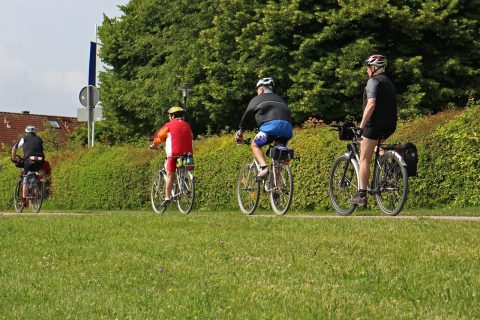
Times of Misfortune Tour
Run by the War Childhood Museum, this unique tour explores siege survival through everyday objects and locations. Former war children guide visitors to spots where they played, waited for water, and attended underground schools. The tour personalizes war history through intimate stories, showing resilience and creativity. Proceeds support the museum's mission of preserving childhood war memories. Deeply moving and unforgettable.
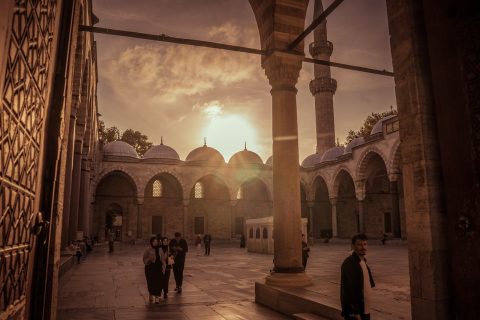
Ottoman Heritage Walking Tour
Explore Sarajevo's Islamic architectural treasures with knowledgeable guides explaining mosque design, Ottoman urban planning, and religious traditions. Tours visit major mosques, clock tower, bezistan (covered market), and traditional workshops. Learn about Sarajevo's role as a major Ottoman cultural center and how Islamic heritage shapes contemporary identity. Some tours include visits to functioning madrasas and libraries.
Copper Craft Workshop
Learn traditional copper engraving from master artisans in Baščaršija workshops. These hands-on experiences teach the ancient craft passed through generations. Create your own souvenir coffee set or decorative plate while learning about Sarajevo's artisan traditions. Workshops provide intimate glimpses into craftsmanship that has defined the old bazaar for centuries. Perfect for cultural immersion and unique souvenirs.
Sarajevo by Night Tour
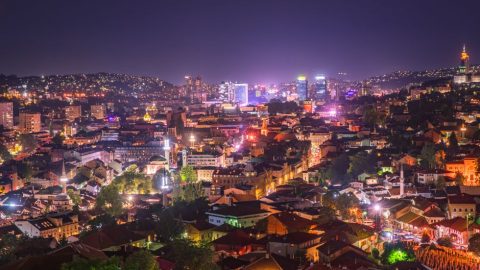
Experience the city's vibrant evening atmosphere through guided walks covering illuminated landmarks, café culture, and nightlife districts. Tours explain how Sarajevo transforms after dark, from sevdah music performances to buzzing rakija bars. Learn about social traditions, evening customs, and the city's resilient spirit. Some tours include traditional music performances and visits to local hangouts rarely discovered by tourists.
Tips for Tours & Activities
- Book war tours carefully: Choose companies employing siege survivors for authentic perspectives
- Emotional preparation: War tours are intense; not recommended for young children
- Free walking tours: Available daily from Sebilj fountain - tip-based, good for orientation
- Small groups: Limit 8-10 people for better interaction with guides
- Weather consideration: Most tours involve extensive walking - dress appropriately
- Photography permission: Always ask guides before photographing sensitive war sites
Beyond Sarajevo lie medieval towns, Ottoman bridges, mystical pilgrimage sites, and pristine nature. These destinations showcase broader Bosnian heritage and offer diverse landscapes from mountain villages to river canyons.
Mostar & Stari Most (Old Bridge)
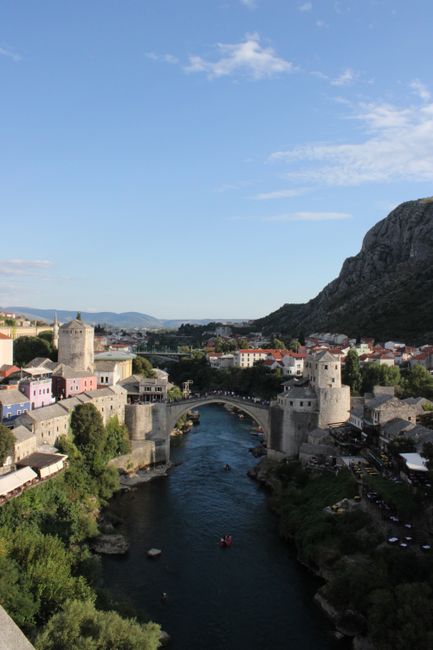
Bosnia's most iconic sight, the Old Bridge arches gracefully over the turquoise Neretva River in this UNESCO World Heritage city. Built in 1566 by Ottoman architect Mimar Hajrudin, the bridge was destroyed in 1993 and painstakingly reconstructed by 2004. Watch brave divers leap 24 meters into the river. Explore the cobblestone old town with its bazaar, mosques, and traditional copper shops. The bridge symbolizes both tragic division and hopeful reconciliation. Distance: 130km, 2.5 hours.
Jajce - Waterfall Town
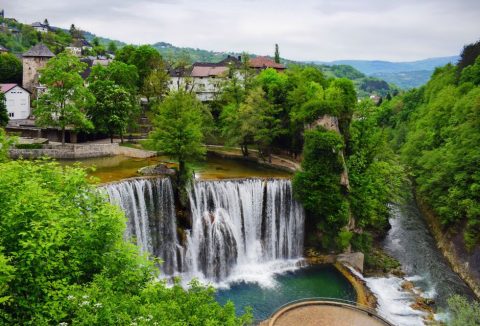
Where the Pliva River cascades 20 meters directly into the Vrbas River within the town center, creating Bosnia's most dramatic urban waterfall. This medieval fortress town was the last Bosnian Kingdom capital before Ottoman conquest. Explore the catacombs, fortress, and the site where Tito established communist Yugoslavia (1943). The nearby Pliva Lakes offer stunning turquoise waters and traditional watermills. Distance: 150km, 2.5 hours.
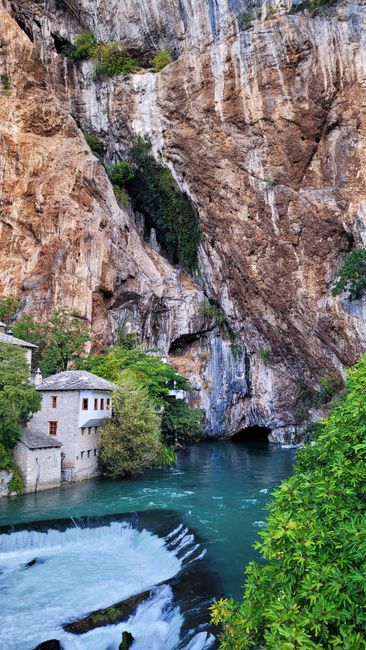
Blagaj Tekke & Buna Spring
A mystical Dervish monastery built into a cliff where the turquoise Buna River springs from a cave. This 16th-century tekke (Sufi lodge) offers stunning photo opportunities and serene spirituality. Dine at riverside restaurants serving fresh trout while water flows beneath your feet. The dramatic setting combines natural wonder with Ottoman mysticism. Often combined with Mostar visits. Distance: 140km (near Mostar), 2.5 hours.
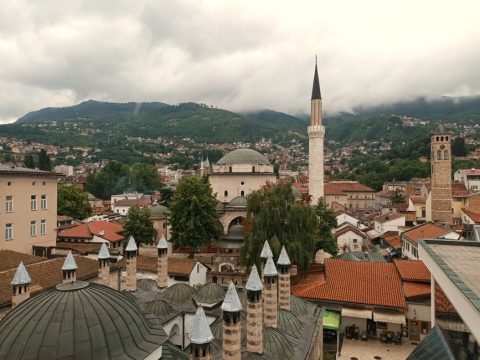
Travnik - Ottoman Town
This beautifully preserved Ottoman town served as Bosnia's capital (1699-1850). Colorful houses climb hillsides beneath a medieval fortress offering valley panoramas. Visit the vizier's residence, ornate mosques, and the birthplace of Nobel Prize winner Ivo Andrić. Travnik is famous for traditional ćevapi and authentic Ottoman atmosphere. The town's 75 mosques earned it the title 'Šarengrad' (colorful town). Distance: 90km, 1.5 hours.
Tips for Day Trips & Excursions
- Mostar essential: Combine with Blagaj Tekke and Počitelj village for full Herzegovina experience
- Tour vs. independent: Organized tours handle logistics; independent travel offers flexibility but requires rental car
- Early starts: Leave Sarajevo by 8 AM to maximize day trip time
- Road conditions: Mountain roads can be winding; allow extra travel time
- Entrance fees: Most sites charge 5-10 KM; fortresses and museums may cost more
- Restaurant timing: Many close 3-5 PM between lunch and dinner service
Real, highly-rated Restaurants in Sarajevo, sourced from Google Places (rating above 4★).
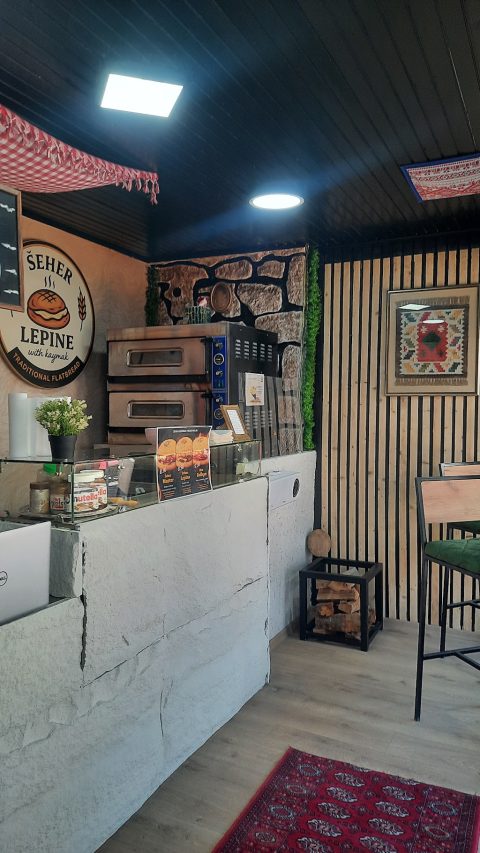
Šeher Lepine
Šeher Lepine is a highly-rated restaurant in Sarajevo, rated 5★ from 181 reviews. Located at Trgovke 3, Sarajevo 71000, Bosnia and Herzegovina.
Opening Hours
- Monday: 10:00 AM – 10:30 PM
- Tuesday: 10:00 AM – 10:30 PM
- Wednesday: 10:00 AM – 10:30 PM
- Thursday: 10:00 AM – 10:30 PM
- Friday: 10:00 AM – 10:30 PM
- Saturday: Closed
- Sunday: Closed
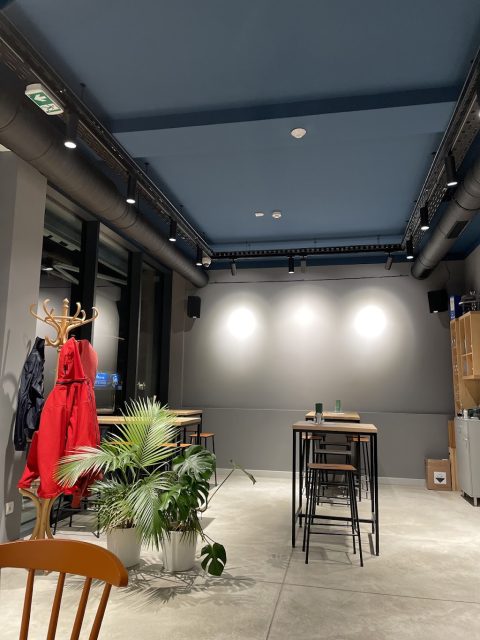
Bistro Grappa
Bistro Grappa is a highly-rated restaurant in Sarajevo, rated 4.9★ from 132 reviews. Located at Obala Kulina bana 10, Sarajevo 71000, Bosnia and Herzegovina.
Opening Hours
- Monday: 12:00 – 11:00 PM
- Tuesday: 11:00 AM – 11:00 PM
- Wednesday: 11:00 AM – 11:00 PM
- Thursday: 11:00 AM – 11:00 PM
- Friday: 11:00 AM – 11:00 PM
- Saturday: 11:00 AM – 11:00 PM
- Sunday: Closed
Tapas Bar & Restaurant
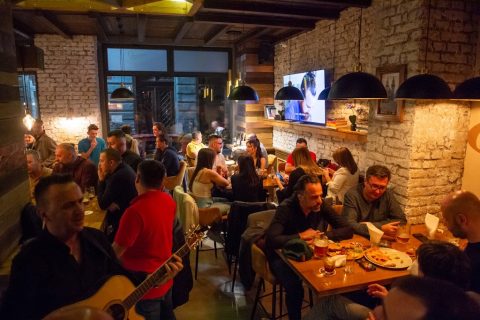
Tapas Bar & Restaurant is a highly-rated restaurant in Sarajevo, rated 4.8★ from 546 reviews. Located at Hadžiristićeva bb, Sarajevo 71000, Bosnia and Herzegovina.
Opening Hours
- Monday: 8:00 AM – 12:00 AM
- Tuesday: 8:00 AM – 12:00 AM
- Wednesday: 8:00 AM – 12:00 AM
- Thursday: 8:00 AM – 12:00 AM
- Friday: 8:00 AM – 12:00 AM
- Saturday: 8:00 AM – 12:00 AM
- Sunday: Closed
Explore Sarajevo on the Map
Seasonal Guide to Sarajevo
Spring (April-May): Ideal visiting time. Pleasant temperatures 15-20°C, blooming parks, fewer tourists, and outdoor cafés reopening. Perfect for walking tours and mountain hiking. Occasional rain showers.
Summer (June-August): Warmest period (25-30°C), peak tourist season. Vibrant café culture, outdoor festivals, and mountain escapes from city heat. Book accommodations early. Can be crowded and occasionally very hot.
Autumn (September-October): Best weather. Mild temperatures (15-20°C), stunning fall foliage in surrounding mountains, harvest season for food lovers. September particularly pleasant with fewer crowds than summer.
Winter (November-March): Cold (0-5°C), occasional snow creating magical atmosphere in Baščaršija. Excellent skiing on nearby Olympic mountains (December-March). Christmas markets in December. Some attractions have reduced hours. Layer clothing and prepare for icy sidewalks.
Pro Tip: May and September offer the best balance of weather, crowd levels, and prices. Avoid July-August if you dislike crowds or heat.
Getting Around Sarajevo
From Airport: Sarajevo International Airport (SJJ) is 12km from center. Options include:
- Shuttle bus: Direct to city center, runs hourly 6 AM-10 PM, costs ~6 KM (~€3), 30 minutes
- Taxi: 25-30 KM (~€15) to center, pre-book or use official airport taxis
- Private transfer: Pre-booked transfers 30-40 KM, door-to-door service
Public Transportation: Efficient tram and trolleybus network.
- Single ticket: 1.80 KM (buy from driver or kiosks)
- Day pass: 5.30 KM (unlimited rides)
- Tram lines 3, 1, 6 cover main tourist areas
- Operates 5 AM-11 PM, reduced weekend service
Taxis: Relatively affordable. Use official companies (Sarajevo Taxi, Yellow Taxi). Base fare ~2 KM plus ~1.50 KM/km. Always insist on meter or agree price beforehand. Uber and local alternatives like TaxiClick available.
Walking: Best way to explore. Old Town, museums, and main sights within walkable distance. Expect hills and cobblestones - wear comfortable shoes.
Car Rental: Not necessary in city center but useful for day trips. Major companies at airport. Parking challenging downtown; use paid lots. Driving can be chaotic; expect aggressive local drivers.
Important: Never venture off marked paths in mountain areas - landmines remain from the war, though tourist areas are completely safe.
✈️ Airport Transfer
Sarajevo International Airport (SJJ) to city center:
- Taxi: About 15-20 minutes to the city center, roughly 15-20 BAM on the meter
- Private transfer: Pre-booked door-to-door shuttle, around 25 minutes, typically 25-30 EUR
- Public bus (Line 32): Local city bus from the airport area to the center, about 30-40 minutes for around 1.80 BAM
- Rental car: Desks at the terminal, self-drive to the center in about 15 minutes with rates from roughly 30 EUR per day
Shopping in Sarajevo
What to Buy:
- Copper items: Traditional hand-engraved coffee sets (džezva), trays, and decorative pieces from Baščaršija workshops. Quality varies - watch artisans work before buying. Expect 50-500 KM depending on size and detail
- Bosnian coffee: Purchase ground coffee with instructions for traditional preparation. Brands like Zlatna džezva or Minas are excellent. 10-20 KM per package
- Filigree jewelry: Delicate silver jewelry made in traditional workshops. Sarajevo's filigree is renowned for intricate craftsmanship. 30-300 KM
- Carpets and kilims: Traditional woven textiles. Negotiate prices. Authentic pieces 200-2000 KM
- Rakija: Fruit brandy (šljivovica, kajsija). Buy from reputable shops. 15-40 KM per bottle
- War memorabilia: Shell casings transformed into art, siege photography books. Emotional and meaningful souvenirs. 10-100 KM
- Leather goods: Handcrafted bags, wallets, and slippers. Check quality carefully. 30-150 KM
Where to Shop:
- Baščaršija Old Bazaar: Traditional crafts, souvenirs, copper work. Prime tourist area - expect higher prices
- Kazandžiluk Street: Copper craftsmen and traditional workshops
- BBI Centar: Modern mall with international brands, cinema, restaurants
- Markale Market: Fresh produce, local foods, authentic local atmosphere
- Ferhadija Street: Mix of international chains and local boutiques
Bargaining Tips:
- Expected in souvenir shops and bazaar, not in fixed-price stores or restaurants
- Start at 60-70% of asking price
- Be friendly and respectful - aggressive bargaining offensive
- Walk away technique works well
- Bundling multiple items yields better discounts
Shopping Etiquette: Always ask permission before photographing artisans or their products. If they demonstrate their craft, purchasing something is courteous.
Annual Events & Festivals
Major Cultural Events:
- Sarajevo Film Festival (August): Prestigious international film festival, largest in Southeast Europe. Founded during the siege (1995), now attracts global cinema. Red carpet events, screenings, parties throughout the city. Book accommodation far in advance
- Baščaršija Nights (July): Cultural festival featuring traditional music, sevdah performances, craft demonstrations, and street food in Old Town. Free outdoor concerts nightly
- Sarajevo Winter Festival (February-March): Classical music, theatre, and cultural performances celebrating winter arts
- Jazz Fest (November): International jazz musicians perform across various venues. Growing reputation in European jazz circuit
- Ramadan (dates vary): Month of fasting followed by Eid celebration. Experience special atmosphere in Baščaršija, iftar (breaking fast) gatherings, night bazaars. Restaurants may have limited daytime hours
National Holidays:
- Independence Day (March 1): Celebrates 1992 independence referendum
- May Day (May 1-2): Labor Day with family gatherings and picnics
- Statehood Day (November 25): Commemorates 1943 AVNOJ proclamation
- Religious Holidays: Catholic Christmas (Dec 25), Orthodox Christmas (Jan 7), Eid al-Fitr, Eid al-Adha (dates vary), and Easter (both dates) are celebrated. Many businesses close
Festival Tip: During Sarajevo Film Festival, the city transforms with outdoor screenings, celebrity sightings, and vibrant nightlife. Hotel prices increase 50-100%.
Sample Itineraries for Sarajevo
Day 1: Ottoman Heritage & Old Town
Morning (9 AM-12 PM): Start at Sebilj Fountain in Baščaršija. Turkish coffee at traditional kafana. Walk through copper bazaar on Kazandžiluk Street. Visit Gazi Husrev-beg Mosque (modest dress). Explore narrow side streets discovering hidden courtyards and artisan workshops.
Lunch (12-1:30 PM): Traditional ćevapi at Željo or Hodžić near Baščaršija.
Afternoon (2-5 PM): Svrzo's House museum for Ottoman domestic life. Walk to Latin Bridge and assassination corner. Stroll Ferhadija Street to Eternal Flame. Visit Gazi Husrev-beg Museum.
Evening (6-9 PM): Sunset from Yellow Bastion (taxi or steep walk). Dinner in Baščaršija. Evening baklava and tea while watching street life.
Day 2: Siege History & Resilience
Morning (9 AM-1 PM): Join organized war tour or visit Tunnel of Hope Museum independently (book taxi). Tour includes museum, tunnel walk, and guide's personal siege experiences.
Lunch (1:30-2:30 PM): Return to center, lunch near City Hall.
Afternoon (3-6 PM): Visit Gallery 11/07/95 (Srebrenica memorial). Walk Sniper Alley (Zmaja od Bosne) understanding siege geography. Visit Holiday Inn if open. Explore Martyrs' Cemetery (Kovači) for sunset views and reflection.
Evening (7-10 PM): Quiet dinner. Perhaps attend cultural performance or simply reflect on day's intense history.
Day 3: Austro-Hungarian Elegance & Culture
Morning (9 AM-12 PM): Vijećnica (City Hall) - tour interior. National Museum (allow 2-3 hours), especially Sarajevo Haggadah if displayed.
Lunch (12:30-2 PM): European-style café lunch on Ferhadija or near Sacred Heart Cathedral.
Afternoon (2:30-5:30 PM): Sacred Heart Cathedral. Walk through European Quarter admiring Austro-Hungarian architecture. Old Orthodox Church and museum. Ashkenazi Synagogue and Jewish Museum. Notice proximity of all religious sites - 'Meeting of Cultures'.
Evening (6-9 PM): Cable car up Trebević Mountain. Explore abandoned Olympic bobsled track. Dinner at mountain restaurant with panoramic views.
Day 4: Nature & Day Trip
Full Day Mostar Excursion: Depart 8 AM for Mostar (2.5 hours). Visit Old Bridge and Old Town (3-4 hours). Stop at Blagaj Tekke on return (1 hour). Optional stop at Počitelj medieval village. Return to Sarajevo by 7-8 PM.
Alternative Nature Day: Morning at Vrelo Bosne park with horse carriage ride and spring walks (3-4 hours). Afternoon exploring Vratnik neighborhood, traditional lunch, end at Yellow Bastion for sunset.
Day 5: Local Life & Crafts
Morning (9 AM-12 PM): Markale Market experiencing authentic local shopping. Copper craft workshop - create own souvenir (pre-book). Wilson's Promenade riverside walk.
Lunch (12-2 PM): Home-style Bosnian restaurant, try klepe (dumplings) or pita (filled pastry).
Afternoon (2:30-5 PM): Ars Aevi contemporary art museum. Browse independent shops and galleries. Visit War Childhood Museum for different siege perspective.
Evening (6-10 PM): Food tour (if not done earlier) or independent culinary exploration. Sample rakija, traditional sweets, and coffee. Attend sevdah music performance if available. Final evening at favorite Baščaršija spot.
Pacing Tip: Sarajevo rewards slow exploration. Don't overschedule - allow time for spontaneous discoveries, long coffee sessions, and conversations with locals.
Best Photography Locations
Iconic Sarajevo Shots:
- Sebilj Fountain: Classic postcard view. Best light: early morning (6-8 AM) or blue hour (30 minutes after sunset). Shoot from café terraces for elevated perspective. Arrive before crowds
- Yellow Bastion panorama: Ultimate cityscape view. Sunset golden hour essential (arrive 45 minutes early). Bring tripod for evening shots. Watch call to prayer echo across valley as city lights emerge
- Vijećnica reflection: Shoot City Hall from across Miljacka River at dusk when building illuminated. Water reflections stunning. Bridge angle offers symmetry
- Latin Bridge angle: Shoot from riverbank showing bridge arch, flowing water, and old town background. Morning light hits bridge front. Include mountains for context
- Baščaršija alleys: Narrow cobblestone streets, copper workshops, hanging Turkish lamps. Best mid-morning when workshops active. Capture artisans at work (ask permission)
Unique Perspectives:
- Trebević cable car view: Shoot through cable car windows ascending/descending. Panoramic city views. At summit, photograph graffiti-covered Olympic bobsled track - powerful abandonment aesthetic
- Vratnik narrow streets: Traditional houses with wooden balconies, stone streets, cats lounging. Late afternoon side-lighting emphasizes texture. Local life authentic here
- Markale Market: Colorful produce, elderly vendors, daily life. Respectfully photograph from edges. Beautiful natural light through market roof. Best mid-morning when fully stocked
- Sarajevo Roses: Red resin-filled shrapnel scars. Photograph respectfully - these are memorials. Context shot showing rose in normal street life powerful. Overcast light best for contrast
- Gazi Husrev-beg Mosque courtyard: Architectural details, fountain, worshippers (outside prayer times, with respect). Geometric patterns, calligraphy, domes. Non-Muslims welcome in courtyard
Instagram Hotspots:
- Tunnel Museum entrance: Dimly lit tunnel opening - atmospheric
- Vrelo Bosne wooden bridges: Turquoise spring water, swans, tree canopy. Midday light penetrates leaves beautifully
- Abandoned bobsled track: Colorful graffiti art on Olympic ruins. Wear sturdy shoes
- Café culture: Traditional Turkish coffee set (copper džezva, cup, lokum, water) against Baščaršija backdrop
- Mostar Old Bridge: Classic dive shot requires patience and luck. Arrive early before crowds. Shoot from both riverbanks
Photography Tips:
- Golden hour (first/last hour of sunlight) transforms city
- Overcast days excellent for war sites - mood appropriate
- Winter snow in Baščaršija creates magical atmosphere
- Always ask permission before photographing people, especially war survivors
- Drone photography restricted in many areas - check regulations
- Museums often prohibit flash photography
Sensitivity Warning: War sites, Sarajevo Roses, and cemeteries are memorials. Photograph respectfully without selfies or frivolous poses. This is real tragedy, not Instagram content.
Electricity & Technical Information
Power Specifications:
- Voltage: 230V
- Frequency: 50Hz
- Plug Type: Type C and Type F (European standard two round pins)
Adapter Needs:
- US/Canada travelers: Adapter and voltage converter required (US uses 120V)
- UK/Ireland travelers: Adapter required (UK uses Type G)
- EU travelers: No adapter needed
- Australia/New Zealand: Adapter required
What to Bring:
- Universal travel adapter recommended
- Power bank essential for full sightseeing days
- Most modern electronics (phones, laptops, cameras) have built-in voltage converters - check device specifications
- Hair dryers/straighteners often require voltage converters unless dual-voltage
Charging Availability:
- Most hotels provide adapters at reception
- Cafés and restaurants usually permit charging - order something and ask politely
- Shopping malls have charging stations
- Power outlets increasingly common in modern trams
Internet & Connectivity:
- SIM cards: Available at airport and throughout city. Major providers: BH Telecom, m:tel, HT Eronet. Tourist packages 10-20 KM for 7-10 days with data
- WiFi: Widely available in hotels, cafés, restaurants. Usually free with purchase. Connection quality varies
- Coverage: Excellent in city center, can be spotty in mountains
Pro Tip: Buy adapter before arriving - airport shops charge premium prices. European standard adapters work throughout Bosnia & Herzegovina.
Bosnian Cuisine & Dining Guide
Must-Try Dishes:
- Ćevapi (Ćevapčići): National dish - small grilled minced meat sausages served in warm lepinja bread (somun) with raw onions, sour cream (kajmak), and ajvar (red pepper spread). Sarajevo's specialty is 10 ćevapi per portion. Best at: Željo, Hodžić, Ferhatović. Cost: 5-8 KM
- Burek: Flaky phyllo pastry filled with meat (sa mesom), cheese (sa sirom), spinach (sa zeljem), or potato (sa krompirom). Eaten for breakfast or late night snack. Authentic served by weight. Best at: Sač, Buregdžinica Bosna. Cost: 2-4 KM per portion
- Bosanski Lonac: Traditional slow-cooked meat and vegetable stew, prepared in earthenware pot. Hearty winter dish reflecting Ottoman influences. Cost: 12-18 KM
- Begova Čorba: Rich chicken soup with okra and vegetables, Ottoman-era recipe. Perfect starter or light meal. Cost: 6-10 KM
- Klepe: Bosnian dumplings filled with minced meat, served with garlic yogurt sauce. Similar to Turkish manti. Cost: 8-12 KM
- Japrak: Stuffed grape leaves (dolma) with minced meat and rice. Mediterranean influence. Cost: 10-14 KM
- Tufahija: Poached apple stuffed with walnuts, topped with whipped cream. Traditional dessert showing Ottoman sweet-making artistry. Cost: 4-6 KM
- Baklava & Hurmašice: Sweet phyllo pastries with nuts and syrup. Baklava with walnuts is Bosnian specialty. Best at traditional pastry shops in Baščaršija. Cost: 3-5 KM per piece
Bosnian Coffee Culture:
Coffee (kafa) is ritual, not just beverage. Served in copper džezva with small cup, sugar cubes, and lokum (Turkish delight). Proper etiquette: pour small amount first, drink slowly while socializing, add sugar to taste, use lokum as palate cleanser. Never rush Bosnian coffee - it's about conversation and slowing down. Cost: 2-4 KM. Try at: Džirlo, Morica Han, Caffe Tito.
Drinks:
- Rakija: Fruit brandy (šljivovica from plums most common). Offered as welcome drink. Sipped slowly, not shot. Homemade versions strongest
- Salep: Hot milk-based drink with orchid root, served in winter. Comforting and unique
- Boza: Slightly fermented millet drink, acquired taste, traditional winter beverage
- Local beers: Sarajevsko Pivo, Preminger - light lagers perfect for warm days
Dining Recommendations by Category:
Traditional Bosnian:
- Dveri: Upscale traditional, beautiful courtyard, excellent service. 25-40 KM per person
- Park Prinčeva: Garden setting, comprehensive Bosnian menu, romantic. 20-35 KM
- Kibe Mahala: Hillside location, stunning views, authentic cuisine. 18-30 KM
- Morica Han: Historic caravanserai, atmospheric old town setting. 15-25 KM
Ćevapi Specialists:
- Željo: Most famous, always crowded, no-frills authentic. 6-8 KM
- Hodžić: Rival to Željo, same quality, similar prices. 6-8 KM
- Ferhatović: Locals' favorite, slightly outside center. 6-8 KM
Sweet Shops:
- Baklava Shop (Baklava-dućan): Baščaršija staple, traditional pastries
- Ramis: Famous for tufahija and kadaif
Dining Tips:
- Lunch (ručak) typically 1-3 PM - main meal, restaurants full
- Dinner (večera) starts late, 7-9 PM common
- Many restaurants close 3-5 PM between services
- Tipping: 10% standard for good service, round up for casual
- Smoking still permitted in many restaurants - request non-smoking section
- Tap water safe to drink but usually not free in restaurants (order 'česmovača' for tap water)
- Vegetarian options limited in traditional restaurants but improving. Pita sa zeljem (spinach pie), cheese burek, shopska salad are safe choices
Food Culture: Bosnians take hospitality seriously. If invited to someone's home, refusing food is offensive. Expect generous portions and insistence you eat more. This is love language.
Visitor Passes & Discount Cards
Note: Unlike many European cities, Sarajevo does not currently offer an official comprehensive tourist card. However, several options can provide savings:
Sarajevo Funicular & Museum Bundle
Some travel agencies offer combination tickets including Trebević cable car round trip plus entry to 2-3 museums (typically Tunnel Museum, National Museum, and one other). Saves approximately 20% versus separate purchases. Book through local tour operators or hotels. Availability varies seasonally.
War Sites Tour Package
Organized tours often bundle Tunnel Museum entry, transportation, and guided interpretation for 40-70 KM per person. Much better value than independent visit requiring taxi (30-40 KM each way) plus admission (20 KM adult ticket). Tours provide essential historical context. Recommended operators: Sarajevo Funky Tours, Toorico Tours, Meet Bosnia.
www.sarajevofunkytours.comGroup Discounts
Many attractions offer reduced rates for groups of 10+, students (with valid ISIC card), and seniors 65+. Student discounts typically 30-50% off. Always carry student ID or proof of age. Some museums free for children under 12.
Free Walking Tours
Tip-based walking tours depart daily from Sebilj Fountain at 10 AM and 2 PM. Excellent introduction to city history and orientation. Typically 2-2.5 hours covering Baščaršija, major landmarks, and basic history. Guides work for tips (10-20 KM suggested). Some companies: Neno's Tours, Sarajevo Free Walking Tour.
Cultural Institution Annual Pass
For longer stays, the National Museum offers annual membership (50 KM) providing unlimited entry plus discounts at museum shop and special events. Worthwhile if visiting multiple times or staying several weeks.
www.zemaljskimuzej.baSafety & Practical Considerations
General Safety: Sarajevo is generally very safe for tourists. Violent crime against visitors is rare. Standard precautions apply:
- Watch belongings in crowded areas (Baščaršija, markets, trams)
- Use official taxis or ride apps to avoid overcharging
- Avoid poorly lit areas at night
- Keep copies of passport and important documents
- Beware of pickpockets in tourist zones
LANDMINE WARNING: Unexploded ordnance remains in some rural and mountain areas. NEVER venture off marked paths when hiking. Marked trails and tourist areas are completely safe and regularly checked. Warning signs (skull and crossbones with "MINE!" text) indicate danger zones - take them seriously. Stick to: established hiking trails, paved roads, maintained parks, tourist sites.
Political Sensitivity: Bosnia's ethnic divisions remain. Avoid political discussions unless locals initiate. Be respectful when discussing the war - many have personal trauma. Don't make assumptions about ethnicity or religion.
Scams to Avoid:
- Unofficial exchange offices offering "best rates" - use banks or ATMs
- Overpriced taxis without meters - agree price beforehand
- Restaurant bill padding - check carefully, count change
- Souvenir shops claiming "antiques" - most are reproductions
Health & Medical:
- Tap water safe to drink throughout Sarajevo
- Pharmacies (apoteka) well-stocked and staffed by knowledgeable pharmacists
- European Health Insurance Card (EHIC) accepted in public facilities
- Private clinics available for faster service
- Travel insurance strongly recommended
- Emergency number: 124 (ambulance), 122 (police), 123 (fire)
LGBTQ+ Travelers: Bosnia is conservative regarding LGBTQ+ issues. Same-sex relationships legal but not widely accepted socially. Public displays of affection may attract unwanted attention. Sarajevo more tolerant than rural areas, but discretion advised.
Emergency Contacts: Keep these handy: Police 122 | Ambulance 124 | Fire 123 | Tourist Police +387 33 565 990 | US Embassy +387 33 704 000 | EU Delegation +387 33 254 700
Money & Currency
Currency: Bosnia & Herzegovina uses the Convertible Mark (KM or BAM). Fixed exchange rate: 1 EUR = 1.95583 KM. Often written as "KM" after numbers (e.g., 100 KM).
Exchange:
- Euros widely accepted in tourist areas, but you'll get change in KM at unfavorable rates
- Exchange at banks or official exchange offices for best rates
- Airport exchange rates poor - change only small amount if needed
- Avoid street money changers
- Keep some euro cash as backup
ATMs & Cards:
- ATMs (bankomat) widespread in city center
- Major credit cards (Visa, Mastercard) accepted in hotels, larger restaurants, shops
- Small restaurants, markets, and shops often cash-only
- ATMs offer best exchange rates (though your bank may charge fees)
- Notify bank before traveling to avoid card blocks
- Daily withdrawal limits typically 500-1000 KM
Costs & Budgeting:
Budget Traveler (per day): 50-80 KM (~€25-40)
- Hostel bed: 25-35 KM
- Street food/ćevapi meals: 15-25 KM
- Local transport: 5-10 KM
- Museum entries: 10-15 KM
Mid-Range Traveler (per day): 120-200 KM (~€60-100)
- 3-star hotel: 80-120 KM
- Restaurant meals: 40-70 KM
- Taxis/transport: 20-30 KM
- Activities/tours: 30-50 KM
Luxury Traveler (per day): 300+ KM (~€150+)
- 4/5-star hotel: 200-400 KM
- Fine dining: 100-150 KM
- Private tours/transfers: 100-200 KM
Typical Prices:
- Bosnian coffee: 2-4 KM
- Ćevapi meal: 6-10 KM
- Beer (0.5L): 3-5 KM
- Museum entry: 5-15 KM
- Taxi (3km): 8-12 KM
- Cable car round-trip: 30 KM
- Traditional dinner for two: 50-80 KM
Tipping:
- Restaurants: 10% for good service
- Taxis: Round up to nearest 5 KM
- Hotel porters: 2-5 KM
- Tour guides: 10-20 KM per person
- Not obligatory but appreciated
Money Tip: Bosnia is cash-oriented society. Carry KM for small purchases, markets, cafés, and taxis. Cards work in modern establishments, but always have cash backup.
Language & Communication
Official Language: Bosnian, Serbian, and Croatian are all official (mutually intelligible, politically designated differently). Collectively called Serbo-Croatian. Uses both Latin and Cyrillic alphabets.
English Proficiency:
- Young people (under 35) generally speak good English
- Tourist areas, hotels, restaurants: English widely spoken
- Older generations: limited English, may speak German
- Learning few phrases greatly appreciated by locals
Essential Phrases:
| English | Bosnian | Pronunciation |
|---|---|---|
| Hello | Zdravo | ZDRAH-voh |
| Good morning | Dobro jutro | DOH-broh YOO-troh |
| Good evening | Dobro veče | DOH-broh VEH-cheh |
| Goodbye | Doviđenja | doh-vee-JEH-nyah |
| Please | Molim | MOH-leem |
| Thank you | Hvala | HVAH-lah |
| Yes | Da | DAH |
| No | Ne | NEH |
| Excuse me | Izvinite | eez-VEE-nee-teh |
| Do you speak English? | Govorite li engleski? | goh-voh-REE-teh lee en-GLEHS-kee |
| I don't understand | Ne razumijem | NEH rah-ZOO-mee-yem |
| How much? | Koliko? | KOH-lee-koh |
| Cheers! | Živjeli! | ZHEEV-yeh-lee |
| Delicious | Ukusno | OO-koos-noh |
Cultural Communication Tips:
- Bosnians are warm and hospitable - smile and greet
- Handshake standard greeting; friends do three cheek kisses (alternating)
- Direct eye contact shows respect and honesty
- Small talk before business is customary
- "Kako si?" (How are you?) common greeting - expect actual conversation, not just "fine"
- Gestures generally similar to broader European norms
- Expect personal questions (age, marital status, salary) - not considered rude
Language Tip: Attempt speaking Bosnian, even poorly, brings warm responses and better service. "Hvala" (thank you) is most important word to master!
Where to Stay in Sarajevo
Best Neighborhoods:
Baščaršija (Old Town): Most atmospheric. Walk to major sights, restaurants, and attractions. Cobblestones can be noisy with tourists and café life. Limited parking. Best for first-time visitors wanting immersion. Expect premium prices.
Ferhadija/City Center: Central location between old and new Sarajevo. Good mix of restaurants, shops, and sights. Better value than Baščaršija. Excellent transport connections. More business hotels and apartments.
Austro-Hungarian Quarter: Elegant streets with European architecture. Quieter than old town but still walkable to sights. Good upscale hotels. Near cathedral and museums.
Marijin Dvor: Modern commercial district. Less touristy, good local restaurants. Near Parliament and museums. Better value. Popular with business travelers. Trams to old town in 10 minutes.
Accommodation Types:
Luxury Hotels (200-400 KM/night):
- Hotel Europe: Historic 5-star, prime location, old-world elegance
- Swissotel: Modern luxury, excellent facilities, city views
- Hotel Bristol: Austro-Hungarian building, central, recently renovated
Mid-Range Hotels (80-150 KM/night):
- Hotel Central: Great Baščaršija location, traditional style
- Hotel Colors Inn: Modern, colorful design, excellent value
- Courtyard Marriott: Reliable chain, good facilities
Budget Options (25-60 KM/night):
- Hostel Franz Ferdinand: Social atmosphere, tours organized
- Carpe Diem Hostel: Central, clean, friendly staff
- Doctor's House Hostel: Character-filled old house, cozy
Apartments: Excellent value for groups/families.
- Book through Booking.com or Airbnb
- 50-100 KM for nice 1-bedroom in center
- Full kitchens allow budget savings
- More space and local neighborhood feel
Booking Tips:
- Book 2-3 months advance for summer (June-August)
- Sarajevo Film Festival (August) requires 6+ months booking
- Winter (Dec-Feb) offers best deals, 30-50% discounts
- Many hotels include breakfast - check if real meal or just coffee/pastry
- Old town locations can be noisy until late - request quiet room
- Parking expensive in center (15-25 KM/day) - check if included
- Apartments often require meeting for key handoff - coordinate arrival time
Accommodation Tip: For first visit, stay in or near Baščaršija for easiest exploration. Repeat visitors might prefer quieter neighborhoods with lower prices and authentic local life.
More about Sarajevo
Photo credits (23)
- Latin Bridge (Latinska Ćuprija): photo by sundeviljeff, CC BY 2.0, via Wikimedia Commons
- Sebilj Fountain: photo by Pudelek (Marcin Szala), CC BY-SA 3.0, via Wikimedia Commons
- Vijećnica (City Hall): photo by Ladislav Boháč, CC0, via Wikimedia Commons
- Eternal Flame: photo by Milan Suvajac, CC BY-SA 4.0, via Wikimedia Commons
- Sarajevo Roses: photo by Superikonoskop, CC BY-SA 4.0, via Wikimedia Commons
- National Museum of Bosnia and Herzegovina: photo by Julian Nyča, CC BY-SA 4.0, via Wikimedia Commons
- Gazi Husrev-beg Museum: photo by Niegodzisie, CC BY-SA 4.0, via Wikimedia Commons
- Svrzo's House: photo by Matěj Baťha, CC BY-SA 2.5, via Wikimedia Commons
- Gazi Husrev-beg Mosque: photo by Bjoertvedt, CC BY-SA 3.0, via Wikimedia Commons
- Emperor's Mosque (Careva Džamija): photo by Fred Romero from Paris, France, CC BY 2.0, via Wikimedia Commons
- Sacred Heart Cathedral: photo by Bosnien_catholic_church_in_Sarajevo.jpg: sbamueller derivative work: Rabanus Flavus, CC BY-SA 2.0, via Wikimedia Commons
- Old Orthodox Church: photo by Bernard Gagnon, CC BY-SA 4.0, via Wikimedia Commons
- Ashkenazi Synagogue: photo by Alaexis, CC BY-SA 2.5, via Wikimedia Commons
- Baščaršija (Old Bazaar): photo by Julian Nyča, CC BY-SA 3.0, via Wikimedia Commons
- Ferhadija Street: photo by This image was produced by me, David Castor (user:dcastor). The pictures I submit to the Wikipedia Project are released , CC0, via Wikimedia Commons
- Kovači Cemetery & Martyrs' Memorial: photo by Michael Büker, CC BY-SA 3.0, via Wikimedia Commons
- Sniper Alley (Zmaja od Bosne Boulevard): photo by Unknown, CC BY-SA 2.0 fr, via Wikimedia Commons
- Vrelo Bosne (Spring of Bosnia River): photo by rejflinger from Vienna, Austria, CC BY 2.0, via Wikimedia Commons
- Yellow Bastion (Žuta Tabija): photo by Damien Smith from London, United Kingdom, CC BY-SA 2.0, via Wikimedia Commons
- Trebević Mountain & Cable Car: photo by xinem from GR, USA, CC BY 2.0, via Wikimedia Commons
- Wilson's Promenade (Vilsonovo Šetalište): photo by Milan Suvajac, CC BY-SA 4.0, via Wikimedia Commons
- Mostar & Stari Most (Old Bridge): photo by Z thomas, CC BY-SA 4.0, via Wikimedia Commons
- Avlija Sarajevo: photo by Christian Michelides, CC BY-SA 4.0, via Wikimedia Commons
.jpg)


.jpg)


.jpg)
.jpg)

.jpg)