Sarajevo proudly wears the title 'Jerusalem of Europe' where mosques, Catholic and Orthodox churches, and synagogues stand within walking distance. This religious diversity represents centuries of coexistence and makes Sarajevo unique among European capitals.
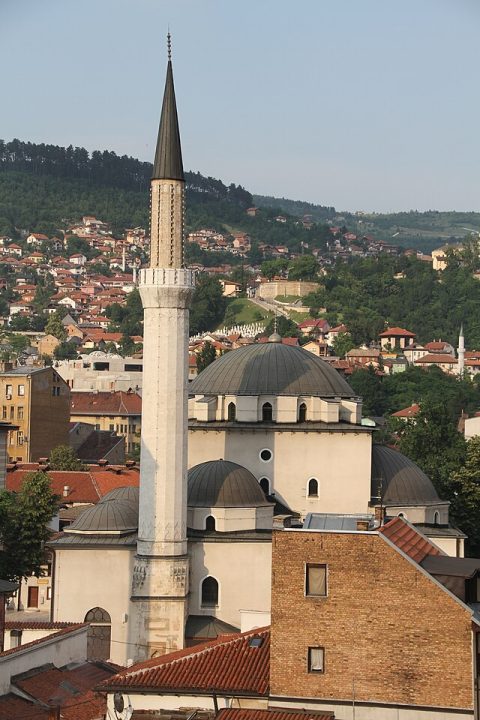
Gazi Husrev-beg Mosque
Built in 1531, this is Bosnia's most important mosque and a masterpiece of Ottoman architecture. The complex includes a madrasa (Islamic school), clock tower, library, and bazaar. The mosque's elegant proportions, 26-meter minaret, and interior decorated with geometric patterns and calligraphy represent the golden age of Ottoman Sarajevo. The courtyard fountain (šadrvan) and covered porch create a serene atmosphere. Non-Muslims are welcome outside prayer times.
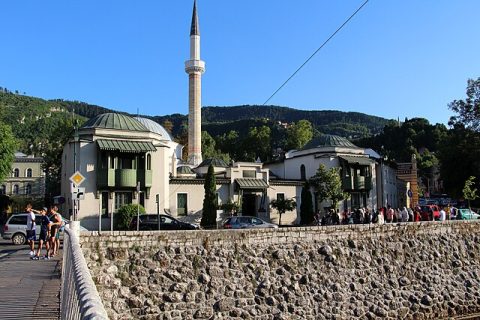
Emperor's Mosque (Careva Džamija)
The oldest mosque in Sarajevo, built in 1457 shortly after Ottoman conquest. Legend says Sultan Mehmed II the Conqueror himself ordered its construction. The simple, elegant structure with its single dome represents early Ottoman architecture. Damaged during the siege but carefully restored, the mosque symbolizes Sarajevo's Ottoman foundation and resilience. The peaceful courtyard offers respite from the bustling Baščaršija.
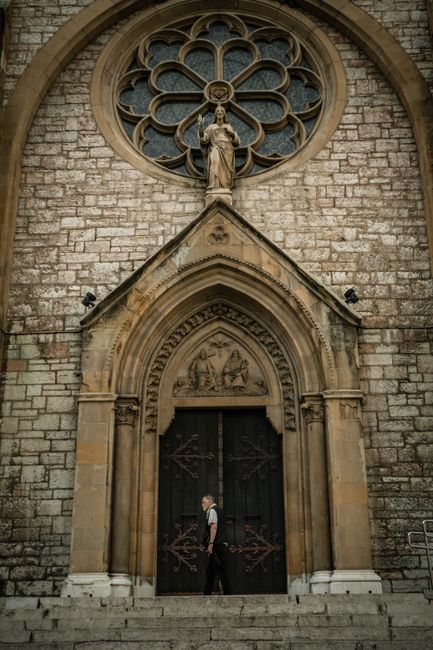
Sacred Heart Cathedral
This neo-Gothic Catholic cathedral, completed in 1889, dominates the Austro-Hungarian quarter with its twin spires. The largest cathedral in Bosnia and Herzegovina features beautiful stained glass, Gothic revival architecture, and serves as the seat of the Vrhbosna Archbishop. The cathedral represents the Catholic community's presence and the city's architectural transformation during Austro-Hungarian rule. The interior's soaring vaults create an impressive sacred space.
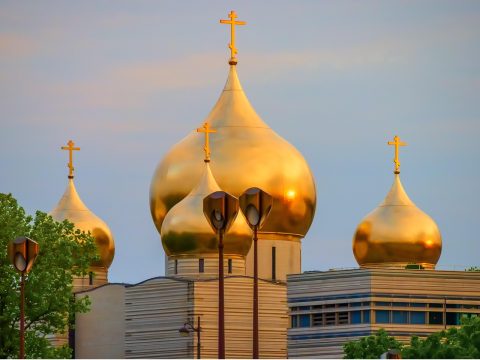
Old Orthodox Church
Dating to the 16th century, this intimate church is one of Sarajevo's oldest religious buildings. The interior features stunning Orthodox iconostasis, frescoes, and icons representing centuries of Serbian Orthodox tradition. Adjacent is a small museum displaying religious artifacts and manuscripts. The church survived multiple fires and conflicts, standing as a testament to the Orthodox community's endurance in Sarajevo.
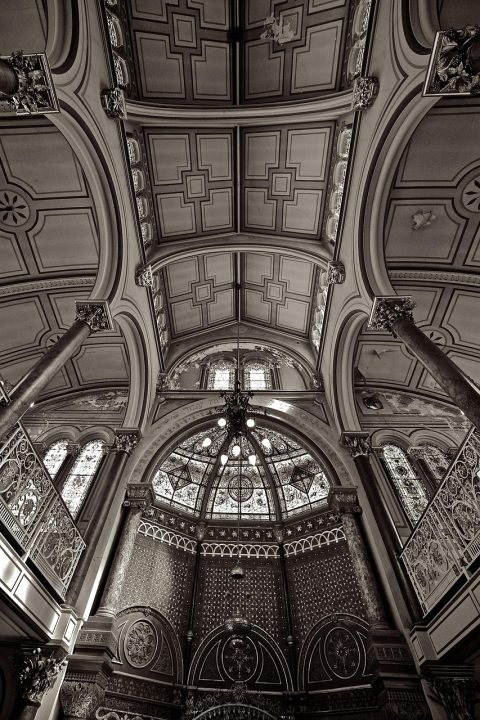
Ashkenazi Synagogue
Built in 1902, this is Sarajevo's only functioning synagogue and houses the Jewish Museum. The Moorish Revival architecture reflects the era's romantic orientalism. The museum documents Bosnia's Jewish community from 1566 Sephardic arrival through the Holocaust, which destroyed 85% of local Jews. Exhibits include the famous Sarajevo Haggadah story, ritual objects, and testimonies. The synagogue represents survival and memory of Sarajevo's Jewish heritage.
Tips for Religious Sites
- Modest dress: Cover shoulders and knees when visiting mosques and churches
- Prayer times: Avoid visiting mosques during prayer times (check daily schedule)
- Shoe removal: Required in mosques; plastic bags provided for carrying shoes
- Walking tour: All major religious sites are within 15-minute walk - create a 'religious harmony' route
- Respectful photography: Always ask permission; no photography during services
- Free entry: Most sites don't charge admission but donations are appreciated