Beyond the Acropolis, Athens contains numerous archaeological sites that reveal layers of ancient civilization. These ruins tell stories of democracy, philosophy, commerce, and daily life in classical antiquity.
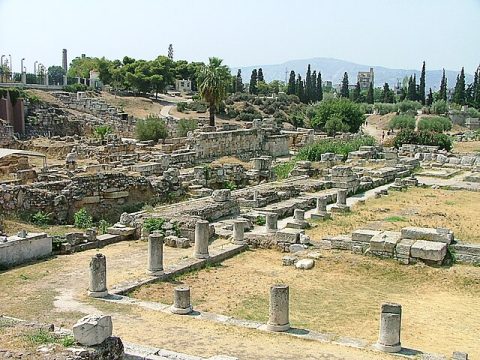
Ancient Agora
The heart of ancient Athenian life, this sprawling site was the civic center where democracy was born. Citizens gathered here for political assemblies, philosophical discussions, and commerce. The well-preserved Temple of Hephaestus (one of the best-preserved Greek temples) dominates the site. The reconstructed Stoa of Attalos now houses the Agora Museum with fascinating everyday artifacts. Walk the same paths as Socrates, Plato, and Aristotle. Excavations reveal foundations of government buildings, law courts, and shops. The site powerfully evokes ancient civic life and the foundations of Western democracy.
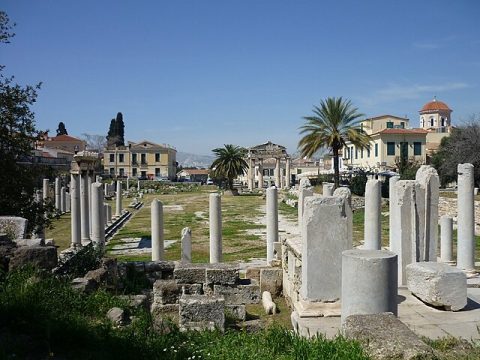
Roman Agora
Built during the Roman period (1st century BC), this marketplace supplemented the ancient Greek agora. The iconic Tower of the Winds, an octagonal marble clocktower and weather vane from the 1st century BC, remains remarkably intact with relief sculptures depicting wind gods. The Gate of Athena Archegetis marks the entrance with imposing Doric columns. Excavated remains include ancient latrines, shops, and water distribution systems. The site demonstrates how Athens adapted under Roman rule while maintaining commercial vitality. Smaller and less crowded than other sites, it offers intimate glimpses of daily ancient life.
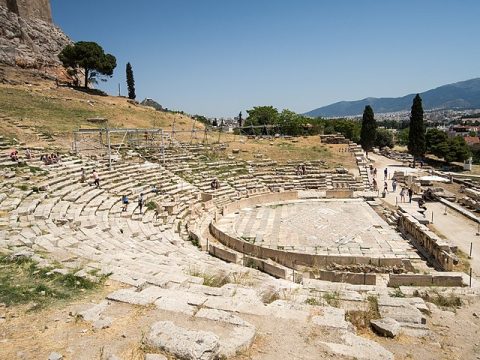
Theatre of Dionysus
The birthplace of Greek drama, where the plays of Aeschylus, Sophocles, Euripides, and Aristophanes premiered. Located on the south slope of the Acropolis, this 4th-century BC theatre seated 17,000 spectators. The elaborate marble thrones in the front row were reserved for priests and officials. The stage area features reliefs depicting Dionysus, god of wine and theatre. This is where Western theatrical tradition began, with the first competitions and dramatic performances. Though partially ruined, the site powerfully evokes ancient cultural life. Imagine the original performances that established tragedy and comedy as art forms.
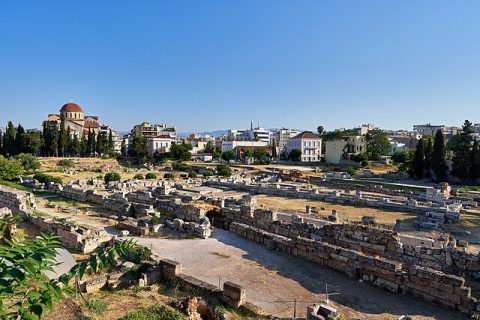
Kerameikos Cemetery
Athens' ancient cemetery district and potters' quarter, remarkably peaceful and less visited than other sites. The necropolis contains elaborate tombs and grave markers from the 12th century BC onwards, providing insights into ancient funerary customs and art. The Street of Tombs features impressive sculpted monuments. The Kerameikos Museum displays exceptional pottery, sculptures, and grave offerings. The site includes sections of the ancient city walls and gates. Lush vegetation creates contemplative atmosphere. This archaeological treasure reveals ancient attitudes toward death, commemoration, and social status through beautifully preserved monuments and artifacts.
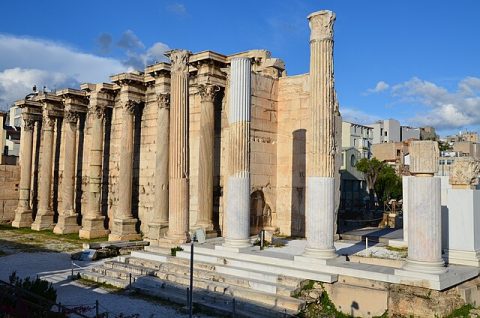
Library of Hadrian
Emperor Hadrian built this grand complex in 132 AD as a cultural and educational center. Originally featuring a vast collection of papyrus scrolls, lecture halls, and reading rooms surrounding a peaceful courtyard with pool. The impressive facade with Corinthian columns partially survives. The structure demonstrates Roman appreciation for Greek learning and Hadrian's philhellenism. Archaeological excavations revealed early Christian churches built within the ruins. Located near Monastiraki, the site shows architectural evolution through centuries. The remains convey the scale of Roman imperial architecture and dedication to preserving Greek intellectual heritage.
Tips for Ancient & Historical Sites
- The combined ticket covers Ancient Agora, Roman Agora, Kerameikos, Theatre of Dionysus, and more - valid 5 days
- Visit archaeological sites in early morning or late afternoon to avoid midday heat
- Bring water and sun protection - ancient sites have limited shade
- Wear sturdy walking shoes for uneven ancient pathways
- Consider hiring a licensed guide for deeper historical context and stories
- Free admission days: March 6, April 18, May 18, last weekend of September, October 28, every first Sunday Nov-March