Reykjavik's historical sites tell the story of Iceland's settlement, independence struggles, and transformation from fishing village to modern capital city.
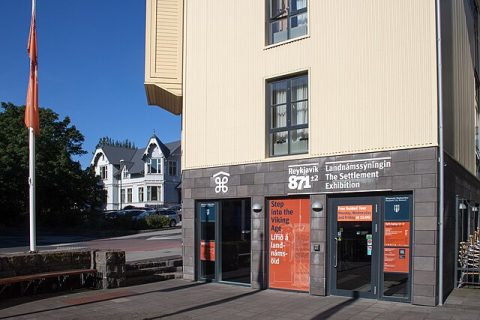
Settlement Exhibition (Reykjavik 871±2)
This fascinating underground museum showcases the archaeological remains of a Viking Age longhouse from approximately 871 AD, discovered during downtown construction. Built around the in situ excavation, the exhibition uses cutting-edge technology including holograms and interactive displays to recreate daily life in early Reykjavik. See actual Viking artifacts, learn about Landnám (land-taking), and understand how volcanic eruptions help date settlements. The museum brilliantly combines archaeology, technology, and storytelling to bring Iceland's foundation to life.
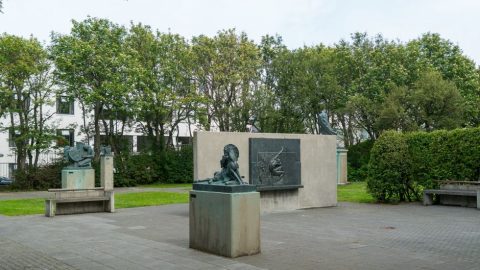
Árbær Open Air Museum
Experience Icelandic rural and urban life from past centuries at this living history museum featuring over 20 historic buildings relocated from around Reykjavik and Iceland. Costumed interpreters demonstrate traditional crafts like turf house construction, blacksmithing, and textile work during summer. Explore authentic 19th and early 20th-century farmhouses, workshops, and churches. The museum shows how ordinary Icelanders lived before modernization, with furnished interiors and period gardens. Particularly engaging for families and history enthusiasts seeking hands-on cultural experiences.
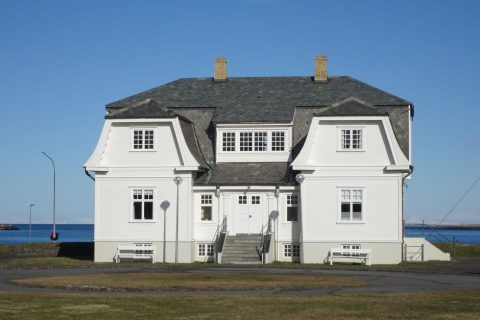
Höfði House
This elegant white wooden house hosted the historic 1986 Reagan-Gorbachev Summit that helped end the Cold War. Though not open to the public, the exterior is worth viewing for its architectural beauty and historical significance. The waterfront location offers scenic views and photo opportunities. Höfði represents Iceland's role in international diplomacy and Cold War history. Information plaques explain the summit's importance. The surrounding park provides pleasant walking paths along the coast.
Tips for Ancient & Historical Sites
- Seasonal hours: Árbær Museum has limited winter hours verify before visiting
- Photo opportunities: Historic buildings and costumed interpreters make excellent photo subjects
- Guided tours: Free guided tours enhance understanding of historical context
- Family friendly: Children especially enjoy hands-on activities at open-air museums