Iconic structures that define Bengaluru's architectural heritage and civic importance, showcasing the city's transformation from princely state to modern metropolis.
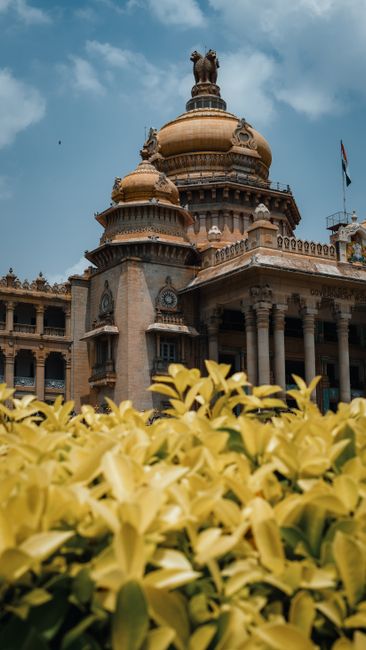
Vidhana Soudha
The majestic seat of the state legislature built in 1956, featuring stunning Neo-Dravidian architecture with intricate carvings. The grand dome and imposing granite structure make it one of Asia's most impressive legislative buildings. Illuminated beautifully at night, it's an iconic symbol of Bengaluru's civic pride.
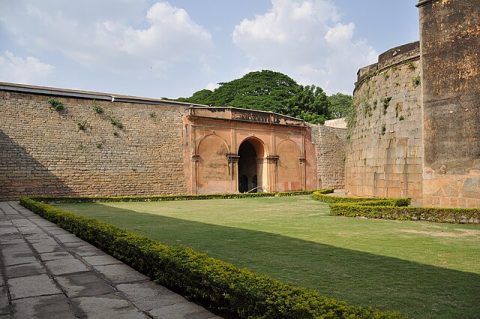
Bangalore Fort
Built in 1537 by Kempegowda I, this historic fort represents Bengaluru's early defensive architecture. Though largely demolished during British times, the remaining structures showcase 16th-century military engineering. The fort grounds now serve as a cultural hub hosting various events and exhibitions throughout the year.
Tips for Landmarks & Monuments
- Visit Vidhana Soudha at night for spectacular illumination
- Best photography angles at sunrise for architectural details
- Combine with nearby Cubbon Park for a full morning/afternoon
- Avoid peak hours (11 AM - 3 PM) for better experience
- Respect photography restrictions in government buildings