Delhi rewards a focused itinerary more than almost any capital in India. The Red Fort (Lal Qila) and the neighboring Jama Masjid anchor Old Delhi (Shahjahanabad), and wandering into Chandni Chowk or joining an Old Delhi Food Walk brings that Mughal-era street life into sharp focus. Across town, India Gate and the towering Qutub Minar cover the colonial and Delhi Sultanate chapters, while Humayun's Tomb and Akshardham Temple round out the city's architectural range from medieval to modern. If time allows, a day trip to Agra for the Taj Mahal is well worth the early start. Together these stops turn a short stay into a coherent tour of Delhi's layered history.
Delhi's skyline is shaped by millennia of empire — Mughal mausoleums, British colonial edifices, and post-independence icons all stand within a single city, making it one of the world's richest concentrations of monumental architecture.
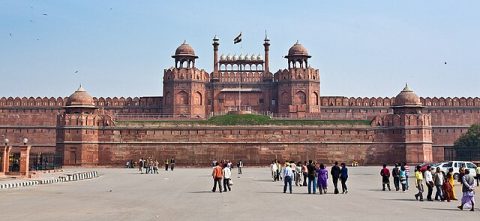
The Red Fort is Delhi's most iconic landmark — a UNESCO World Heritage Site built by Emperor Shah Jahan in 1639 as the seat of Mughal power. Its massive red sandstone ramparts enclose palaces, audience halls, and gardens. The Diwan-i-Aam and Diwan-i-Khas showcase the pinnacle of Mughal craftsmanship. India's Prime Minister addresses the nation from its ramparts on Independence Day every August 15.
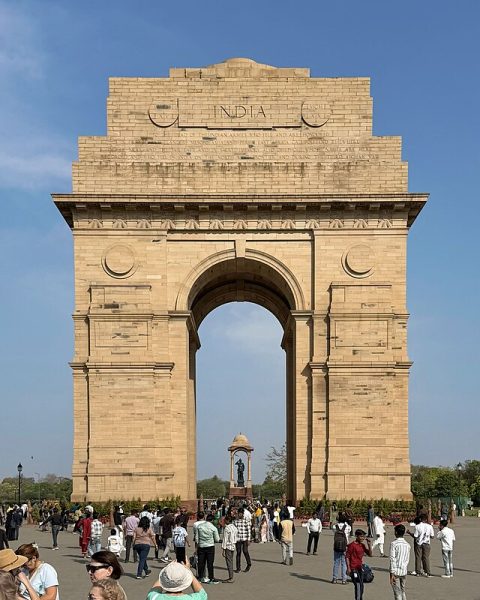
India Gate is a 42-metre war memorial designed by Edwin Lutyens, erected in 1931 to honour 70,000 Indian soldiers who died in World War I. Inscribed with 13,300 names, it stands at the eastern end of Kartavya Path surrounded by lawns that become a beloved evening promenade. Beautifully illuminated at night, it is best visited after sunset for the most dramatic effect.
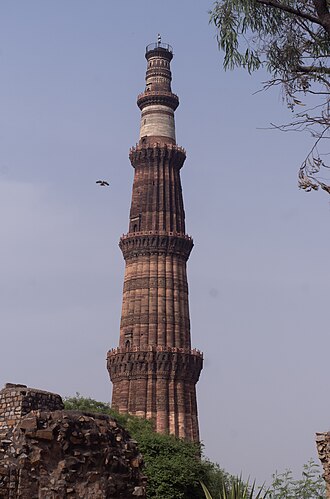
At 73 metres, Qutub Minar is the tallest brick minaret in the world and a UNESCO World Heritage Site. Built in 1193 by Qutb ud-Din Aibak, its five tapering storeys are ornately carved with Quranic verses. The complex also contains the Iron Pillar of Delhi — a 4th-century metallurgical marvel that has never rusted — and the ruins of India's first mosque, Quwwat-ul-Islam.
Tips for Landmarks & Monuments
- Hire an ASI-approved guide at the Red Fort ticket counter for deeper historical context.
- India Gate lawns are best visited at dusk — street food stalls serving kulfi and chaat appear as the sun sets.
- Qutub Minar complex is least crowded on weekday mornings before 9 am.
- Combine Rashtrapati Bhavan garden visits (Feb–Mar) with a stroll down Kartavya Path.
Delhi's museums house some of Asia's most extraordinary collections, spanning 5,000 years of Indian civilisation — from Indus Valley seals to Mughal miniatures, Partition testimonies to contemporary art.
India's premier museum holds over 200,000 artefacts spanning 5,000 years — Indus Valley terracotta figurines, Mauryan stone sculpture, Mughal miniature paintings, tribal jewellery, and Gandhara Buddhist art. Highlights include the Dancing Girl bronze from Mohenjo-daro (2500 BCE) and a manuscript of the Rigveda. Regular temporary exhibitions and evening lecture series make repeat visits worthwhile.
Tips for Museums & Galleries
- National Museum is closed on Mondays — plan accordingly.
- Audio guides at the National Museum are available in multiple languages and greatly enhance the experience.
- National Rail Museum is ideal on winter mornings when outdoor steam engine demonstrations run.
- Crafts Museum entry is free for Indian nationals on Sundays.
Delhi is a city of many faiths — its skyline punctuated by mosque minarets, temple shikhars, Sikh gurudwaras, and Jain derasars. Visiting its religious sites is one of the most profound ways to understand the city's multicultural soul.
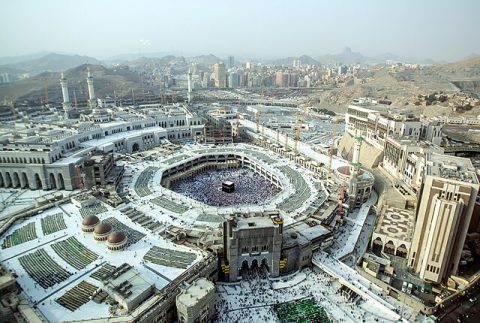
Built by Shah Jahan between 1644 and 1656, Jama Masjid is India's largest mosque, capable of holding 25,000 worshippers. Its three imposing gateways, two 40-metre minarets, and vast courtyard of red sandstone and white marble are breathtaking. Visitors can climb the south minaret for panoramic views of Old Delhi's rooftops. Relics of the Prophet Muhammad are kept in a chamber inside. Non-Muslims are welcome outside prayer times.
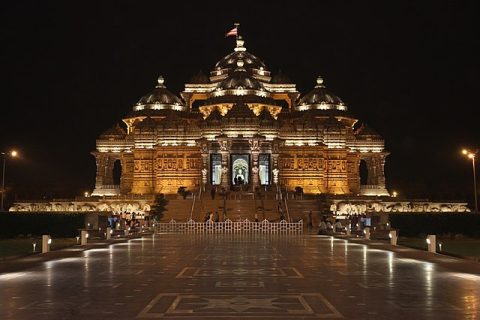
Completed in 2005 and a Guinness World Record holder for the world's largest comprehensive Hindu temple, Akshardham is a vision in pink Rajasthani sandstone and white Italian marble. The central monument — carved with 234 pillars, 9 domes, and 20,000 statues — took 11,000 artisans five years to complete. The complex features a boat ride through Indian history and a spectacular musical fountain show at dusk. Photography not permitted inside.
Tips for Religious Sites
- Dress modestly at all religious sites — shoulders and knees covered; remove shoes at temples, gurudwaras, and mosques.
- Photography is restricted inside Akshardham — all cameras and phones must be deposited at the entrance.
- Visit Jama Masjid early morning for atmospheric light; avoid Friday midday prayer times unless you plan to observe.
- Bangla Sahib langar is open 24 hours — experiencing the free community meal is one of Delhi's unmissable activities.
No city has been continuously inhabited as long as Delhi, which has served as capital to at least eight successive empires. Walking its ruins is walking through layers of civilisation — each stratum revealing a different dynasty's vision of power and beauty.
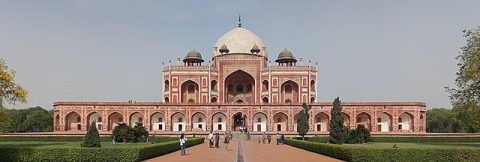
A UNESCO World Heritage Site and architectural ancestor of the Taj Mahal, Humayun's Tomb (1572) was India's first garden tomb — a Persian charbagh divided by water channels symbolising paradise. The double-domed mausoleum of white marble and red sandstone rises 47 metres. Designed by Persian architect Mirak Mirza Ghiyuath, it also contains graves of over 100 Mughal family members. Recently restored to pristine condition by the Aga Khan Trust for Culture.
Tips for Ancient & Historical Sites
- Humayun's Tomb and nearby Nizamuddin dargah can be combined in a rewarding half-day heritage walk.
- Lodi Garden is open from sunrise — go early on weekday mornings for a near-solitary experience among the tombs.
- Purana Qila hosts a Sound and Light show on winter evenings — check ASI website for current timings.
- INTACH and Delhi Heritage Walks offer excellent guided tours of Mehrauli on weekend mornings.
Delhi's great streets and squares are stages where history, commerce, and daily life intersect. From the Mughal-era spice markets of Chandni Chowk to the colonial grandeur of Connaught Place, each thoroughfare tells a story of the city's evolution through the centuries.
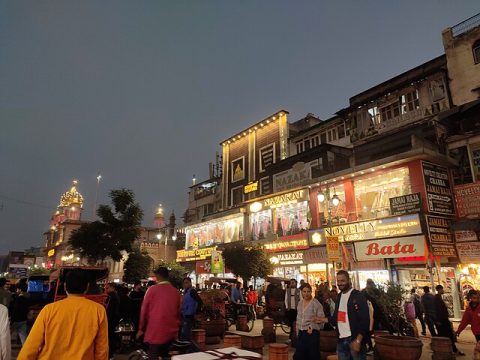
Chandni Chowk — 'Moonlit Square' — was laid out in 1650 as one of Asia's grandest marketplaces and remains one of Delhi's most overwhelming sensory experiences. The main boulevard feeds into specialised gallis: Khari Baoli (Asia's largest spice market), Dariba Kalan for jewellery, Nai Sarak for books, and Paranthe Wali Gali for legendary stuffed flatbreads. Best explored on foot or by cycle-rickshaw in early morning before heat and crowds peak.
Tips for Squares & Streets
- Chandni Chowk is closed on Sundays — plan your Old Delhi visit for a weekday morning.
- Hire a cycle-rickshaw at the Chandni Chowk metro exit for a guided loop of the main lanes and gallis.
- Connaught Place's underground Palika Bazaar is good for cheap electronics and souvenirs — bargaining expected.
- Visit Kartavya Path at sunset for golden light on the sandstone buildings and dramatic long-exposure photography opportunities.
Delhi's neighbourhoods are worlds unto themselves — each with its own culinary identity, social texture, and architectural era. Understanding the city means moving beyond its monuments and into its mohallas and urban villages.
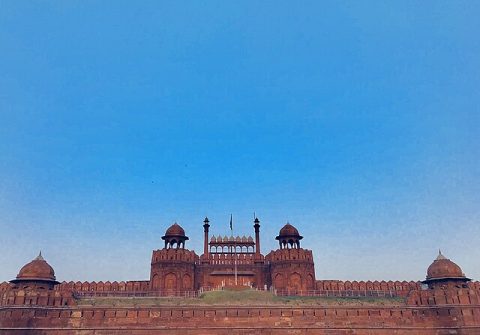
Old Delhi is Mughal Delhi — built by Shah Jahan in the 17th century, it retains its original street grid of narrow lanes, havelis, and bazaars. Dominated by the Red Fort and Jama Masjid, the neighbourhood is a living heritage site where craftsmen still ply unchanged trades: kite-makers in Ballimaran, attar perfumers near Jama Masjid, halwais on every corner. The evening call to prayer echoing over the rooftops is an unforgettable sound.
Tips for Neighborhoods
- Old Delhi is best explored before 10 am before heat and crowds intensify — pair with early breakfast at Paranthe Wali Gali.
- Thursday qawwali at Nizamuddin dargah begins around 6 pm — arrive 30 minutes early for space near the shrine.
- Hauz Khas Village restaurants are excellent for dinner with views over the medieval reservoir lit up at night.
Delhi rewards those who dig below its surface. Guided food walks through Old Delhi, cycling heritage trails, and cultural immersion tours reveal the city's many layers in ways that independent sightseeing simply cannot match.
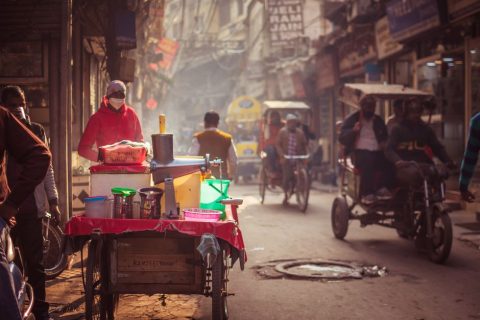
An Old Delhi food walk is arguably the best single activity in the city. Tours include tasting stops at Paranthe Wali Gali (stuffed flatbreads since 1875), Natraj Dahi Bhalle (lentil dumplings in yogurt), Old Famous Jalebi Wala (crispy fried spirals since 1884), and century-old chai shops. Operators like Delhi Food Walks and Culinary on Road run excellent morning tours with 8–12 tastings over 3–4 hours. Book at least 48 hours in advance.
Tips for Tours & Activities
- Book food and cycle tours at least 48 hours in advance, especially in peak season (Oct–Feb).
- Wear comfortable shoes and loose cotton clothing for any Old Delhi walking tour.
- Early morning (6–9 am) is the ideal time for any Old Delhi exploration — before heat and crowds.
- Carry cash for tipping local guides and impromptu street food purchases along the way.
Delhi's position in the heart of northern India makes it an ideal base for extraordinary day trips — from the Taj Mahal to medieval ghost cities. The capital sits at the hub of India's fastest train network, putting iconic destinations within easy reach.
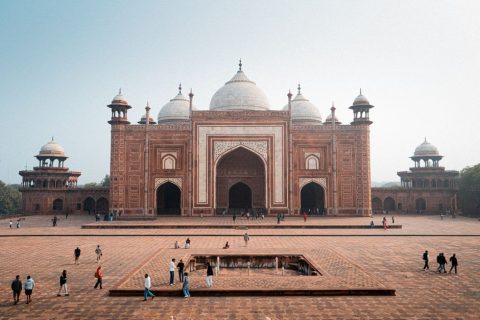
The Taj Mahal in Agra is the world's most celebrated building — a white marble mausoleum built by Shah Jahan for his empress Mumtaz Mahal (1632–1653). At 200 km from Delhi, it's accessible by the Gatimaan Express (100 minutes) or by road (3–4 hours). Visit at sunrise for ethereal light and smallest crowds. Combine with the Agra Fort and Baby Taj (Itmad-ud-Daulah) for a full day. Pre-book tickets online. Closed on Fridays.
Tips for Day Trips
- Book Gatimaan or Shatabdi Express trains through IRCTC at least a week in advance for best availability.
- For Agra, a private car (INR 3,000–4,500 for 12 hours) allows flexibility to add Fatehpur Sikri en route back.
- Depart by 5 am to reach the Taj Mahal at sunrise — the single most rewarding time to experience it.
- Pre-book Taj Mahal entry tickets via the ASI website to avoid long queues at the gate.
Real, highly-rated Restaurants in Delhi, sourced from Google Places (rating above 4★).
The Mandi Chowk is a highly-rated restaurant in Delhi, rated 4.8★ from 1354 reviews. Located at 1st Floor Premises No. 3/90 Block - P Connaught Place, Block P, CANTONMENT, Delhi, New Delhi, Delhi 110001, India.
Opening Hours
- Monday: 11:30 AM – 11:00 PM
- Tuesday: 11:30 AM – 11:00 PM
- Wednesday: 11:30 AM – 11:00 PM
- Thursday: 11:30 AM – 11:00 PM
- Friday: 11:30 AM – 12:00 AM
- Saturday: 11:30 AM – 12:00 AM
- Sunday: 11:30 AM – 12:00 AM
Indian Accent is a highly-rated restaurant in Delhi, rated 4.7★ from 8054 reviews. Located at The Lodhi, Lodhi Rd, CGO Complex, Pragati Vihar, New Delhi, Delhi 110003, India.
Opening Hours
- Monday: 12:00 – 2:30 PM, 6:45 – 9:00 PM, 9:45 PM – 12:00 AM
- Tuesday: 12:00 – 2:30 PM, 6:45 – 9:00 PM, 9:45 PM – 12:00 AM
- Wednesday: 12:00 – 2:30 PM, 6:45 – 9:00 PM, 9:45 PM – 12:00 AM
- Thursday: 12:00 – 2:30 PM, 6:45 – 9:00 PM, 9:45 PM – 12:00 AM
- Friday: 12:00 – 2:30 PM, 6:45 – 9:00 PM, 9:45 PM – 12:00 AM
- Saturday: 12:00 – 2:30 PM, 6:45 – 9:00 PM, 9:45 PM – 12:00 AM
- Sunday: 12:00 – 2:30 PM, 6:45 – 9:00 PM, 9:45 PM – 12:00 AM
Megu is a highly-rated restaurant in Delhi, rated 4.7★ from 4930 reviews. Located at Africa Ave, Diplomatic Enclave, Chanakyapuri, New Delhi, Delhi 110023, India.
Opening Hours
- Monday: 12:30 – 2:30 PM, 7:00 PM – 12:00 AM
- Tuesday: 12:30 – 2:30 PM, 7:00 PM – 12:00 AM
- Wednesday: 12:30 – 2:30 PM, 7:00 PM – 12:00 AM
- Thursday: 12:30 – 2:30 PM, 7:00 PM – 12:00 AM
- Friday: 12:30 – 2:30 PM, 7:00 PM – 12:00 AM
- Saturday: 12:30 – 2:30 PM, 7:00 PM – 12:00 AM
- Sunday: 12:30 – 2:30 PM, 7:00 PM – 12:00 AM
Food Exchange is a highly-rated restaurant in Delhi, rated 4.7★ from 1695 reviews. Located at Asset No 2, Aerocity, New Delhi, Delhi 110037, India.
Opening Hours
- Monday: 6:30 AM – 11:00 PM
- Tuesday: 6:30 AM – 11:00 PM
- Wednesday: 6:30 AM – 11:00 PM
- Thursday: 6:30 AM – 11:00 PM
- Friday: 6:30 AM – 11:00 PM
- Saturday: 6:30 AM – 11:00 PM
- Sunday: 6:30 AM – 11:00 PM
Olive Bar & Kitchen is a highly-rated restaurant in Delhi, rated 4.6★ from 8711 reviews. Located at Mile 6, One Style, 8, Kalka Das Marg, Seth Sarai, Mehrauli, New Delhi, Delhi 110030, India.
Opening Hours
- Monday: 12:30 PM – 12:30 AM
- Tuesday: 12:30 PM – 12:30 AM
- Wednesday: 12:30 PM – 12:30 AM
- Thursday: 12:30 PM – 12:30 AM
- Friday: 12:30 PM – 12:30 AM
- Saturday: 12:30 PM – 12:30 AM
- Sunday: 12:30 PM – 12:30 AM
SIDECAR is a highly-rated restaurant in Delhi, rated 4.6★ from 2435 reviews. Located at Greater Kailash-2, M29, GK2, M Block Market, Right, 110048, next to HDFC Bank, Block M, Greater Kailash II, Greater Kailash, New Delhi, Delhi 110048, India.
Opening Hours
- Monday: 10:00 AM – 1:00 AM
- Tuesday: 10:00 AM – 1:00 AM
- Wednesday: 10:00 AM – 1:00 AM
- Thursday: 10:00 AM – 1:00 AM
- Friday: 10:00 AM – 1:00 AM
- Saturday: 10:00 AM – 1:00 AM
- Sunday: 10:00 AM – 1:00 AM
Indyaki is a highly-rated restaurant in Delhi, rated 4.6★ from 1071 reviews. Located at Outer Ring Rd, Sunder Vihar, Paschim Vihar, New Delhi, Delhi, 110087, India.
Opening Hours
- Monday: 7:00 – 11:00 PM
- Tuesday: 7:00 – 11:00 PM
- Wednesday: 7:00 – 11:00 PM
- Thursday: 7:00 – 11:00 PM
- Friday: 7:00 – 11:00 PM
- Saturday: 7:00 – 11:00 PM
- Sunday: 12:30 – 3:00 PM, 7:00 – 11:00 PM
Zaffran BY KASBAH is a highly-rated restaurant in Delhi, rated 4.6★ from 747 reviews. Located at Block Market, N2 N, N Block, Greater Kailash I, Greater Kailash, New Delhi, Delhi 110048, India.
Opening Hours
- Monday: 12:30 – 3:30 PM, 7:00 PM – 12:00 AM
- Tuesday: 12:30 – 3:30 PM, 7:00 PM – 12:00 AM
- Wednesday: 12:30 – 3:30 PM, 7:00 PM – 12:00 AM
- Thursday: 12:30 – 3:30 PM, 7:00 PM – 12:00 AM
- Friday: 12:30 – 3:30 PM, 7:00 PM – 12:00 AM
- Saturday: 12:30 – 3:30 PM, 7:00 PM – 12:00 AM
- Sunday: 12:30 – 3:30 PM, 7:00 PM – 12:00 AM