Tel Aviv rewards visitors who balance beach time with culture and history. The White City Bauhaus Architecture earns UNESCO status for its dense concentration of modernist buildings, best appreciated on a walk through Rothschild Boulevard and the nearby Neve Tzedek lanes. For art and heritage, the Tel Aviv Museum of Art and ANU - Museum of the Jewish People anchor a single afternoon, while Old Jaffa (Yafo) adds centuries of layered history steps from the coast. Round things out with the Beaches and Promenade for downtime, a Carmel Market Food Tour for flavor, and day trips to Jerusalem or the Dead Sea and Masada for the bigger picture beyond the city.
Tel Aviv showcases a unique blend of modernist architecture and contemporary landmarks that define the city's character. From the iconic White City Bauhaus buildings to modern cultural centers, these structures tell the story of a young city with global significance.
Must See
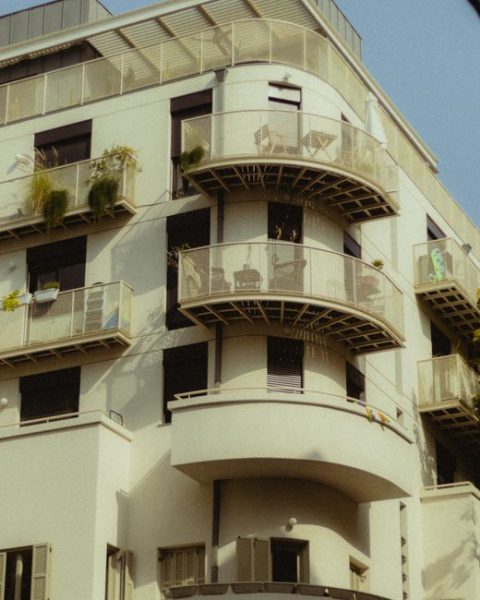
White City Bauhaus Architecture
Explore over 4,000 modernist buildings constructed in the 1930s by Many Jewish architects who designed the White City had studied at the Bauhaus or were influenced by it; some fled Europe after the Nazi rise to power. This UNESCO World Heritage Site represents the largest collection of Bauhaus-style buildings globally. Walk through Rothschild Boulevard, Dizengoff Street, and Bialik Street to admire clean lines, flat roofs, and functional design. The Bauhaus Center offers guided tours and exhibitions explaining this architectural movement's significance to Tel Aviv's identity.
Tips for Landmarks & Monuments
- Best photography time: Early morning or golden hour for optimal lighting on white facades
- Free walking tours: The Bauhaus Center lists English tours on Fridays and Sundays at 10 AM; check for cancellations before going.
- Architecture apps: Download the White City app for self-guided tours with historical context
- Weather consideration: Summer afternoons can be extremely hot; plan indoor observation deck visits during peak heat
Tel Aviv's museum scene reflects its creative spirit and diverse heritage, from world-class art institutions to specialized collections documenting Jewish history and Israeli innovation. Museums range from contemporary art spaces to moving historical narratives.
Must See
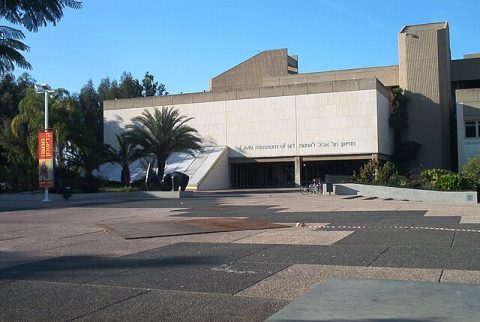
Tel Aviv Museum of Art
Israel's leading art museum houses an impressive collection of Israeli and international art spanning classical to contemporary periods. The iconic Herta and Paul Amir Building, designed by Preston Scott Cohen, features spectacular geometric architecture. Collections include works by Monet, Renoir, Chagall, and comprehensive Israeli art from the 1920s onward. Special exhibitions rotate regularly, showcasing cutting-edge contemporary artists. The museum also hosts concerts, lectures, and educational programs making it a vibrant cultural hub.
Must See📌 Book Ahead
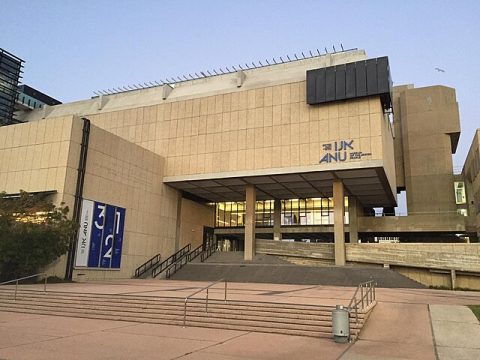
ANU - Museum of the Jewish People
Located on Tel Aviv University campus, this completely renovated museum (formerly Beit Hatfutsot) offers an immersive journey through 4,000 years of Jewish history and culture worldwide. Interactive exhibits, multimedia displays, and personal stories explore Jewish communities across continents. The museum examines themes of faith, peoplehood, and culture through innovative technology and engaging narratives. Highlights include genealogy workshops, temporary exhibitions, and the Heroes Hall celebrating Jewish contributions to civilization.
Tips for Museums & Galleries
- Discount days: Many museums offer reduced admission on certain weekdays - check individual websites
- Museum passes: Consider multi-museum passes if visiting several institutions
- Advance booking: Reserve tickets online for Palmach Museum and ANU as tours run at specific times
- Sabbath closure: Check each museum’s schedule: the Tel Aviv Museum of Art is open Fridays and Saturdays.; plan accordingly
- Audio guides: Available in multiple languages at major museums for enhanced experience
While Tel Aviv is a young city (founded 1909), it encompasses ancient Jaffa with 4,000 years of continuous habitation. Archaeological sites reveal layers of Canaanite, Egyptian, Roman, Byzantine, and Ottoman civilizations.
Must See
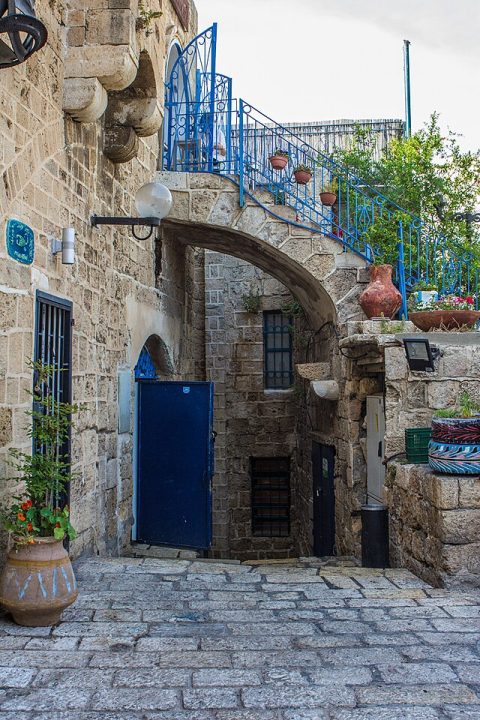
Old Jaffa (Yafo)
One of the world's oldest functioning ports, Jaffa's history spans over 4,000 years of continuous settlement. Wander narrow stone alleyways past galleries, restaurants, and historic sites including St. Peter's Church, the House of Simon the Tanner, and Kedumim Square. The restored old city blends Ottoman architecture with modern artists' studios and boutiques. Archaeological excavations reveal Canaanite, Philistine, and Roman layers. Spectacular views from HaPisga Gardens overlook the port and Tel Aviv coastline. The Clock Tower marks the entrance to this enchanting historical quarter.
Tips for Ancient & Historical Sites
- Best exploration time: Late afternoon into evening captures both daylight charm and vibrant nightlife
- Comfortable shoes: Old Jaffa's stone streets and stairs require sturdy walking footwear
- Guided tours: Consider hiring a guide to understand historical layers and hidden details
- Combined visit: Walk from Tel Aviv promenade through Jaffa for seamless ancient-modern transition
- Flea market: Visit Jaffa Flea Market (Shuk Hapishpeshim) on Friday mornings for best selection
Tel Aviv's vibrant public spaces serve as the city's living rooms where locals and visitors gather, socialize, and experience urban culture. From historic boulevards to modern pedestrian zones, these areas pulse with energy.
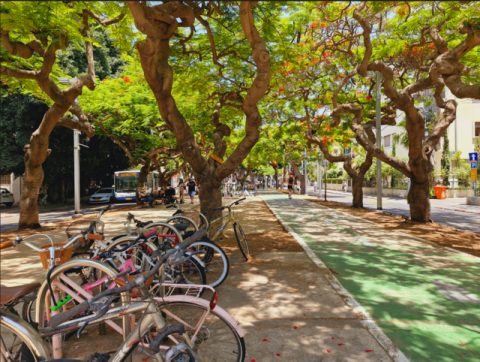
Must See
Rothschild Boulevard
Tel Aviv's most iconic tree-lined promenade epitomizes the city's Bauhaus heritage and café culture. The wide pedestrian median features bicycle paths, benches, and playgrounds beneath towering ficus trees. Bauhaus buildings line both sides, housing trendy cafés, restaurants, and boutiques. Independence Hall sits along this historic avenue. Popular for morning jogging, afternoon coffee breaks, and evening strolls, Rothschild captures Tel Aviv's cosmopolitan lifestyle. The boulevard represents the perfect blend of architectural heritage, urban design, and contemporary culture that defines modern Israeli life.
Tips for Squares & Streets
- Coffee culture: Experience authentic Tel Aviv life by spending time at boulevard cafés during morning hours
- Evening atmosphere: Rothschild and Sheinkin come alive at night with restaurants and bars
- Bicycle rental: Many squares connect via bike paths; rent city bikes for efficient exploration
- Market timing: Visit nearby Carmel Market Tuesday-Thursday mornings for authentic local experience
- Walking tours: Join free walking tours that often include these historic streets with cultural context
Tel Aviv's diverse neighborhoods each possess distinct character and atmosphere, from trendy Neve Tzedek's restored charm to Florentin's street art and underground scene. Exploring these areas reveals the city's multifaceted personality.
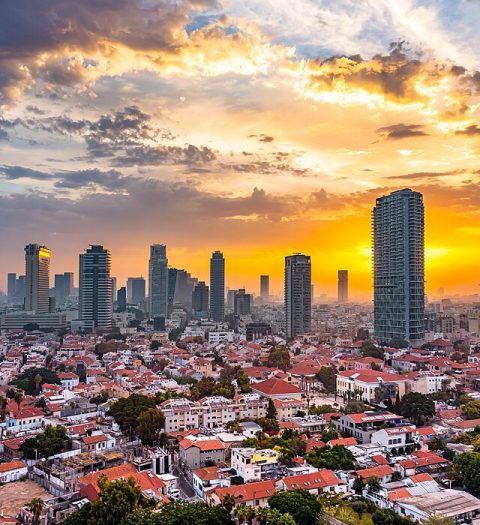
Must See
Neve Tzedek
Tel Aviv's first neighborhood, established in 1887 before the city's official founding, features narrow lanes lined with beautifully restored low-rise buildings painted in pastels. This upscale bohemian quarter houses designer boutiques, art galleries, trendy restaurants, and the Suzanne Dellal Centre for Dance. The architectural preservation showcases late Ottoman and early Zionist periods. Charming courtyards, flowering vines, and intimate scale create romantic atmosphere. Neve Tzedek represents successful urban renewal, transforming from neglected area to Tel Aviv's most sought-after address while maintaining historical authenticity.
Tips for Neighborhoods
- Neighborhood hopping: Tel Aviv's compact size allows exploring multiple districts in one day on foot or bike
- Local guides: Consider neighborhood-specific walking tours for deeper cultural understanding and hidden gems
- Evening exploration: Florentin and Neve Tzedek reveal different personalities after dark with nightlife and dining scenes
- Photography opportunities: Each neighborhood offers distinct visual character - Florentin for street art, Neve Tzedek for architecture
- Market timing: Visit Kerem HaTeimanim Tuesday-Friday mornings when Carmel Market is most vibrant
Despite being a dense urban environment, Tel Aviv prioritizes green spaces and outdoor recreation. Parks range from manicured gardens to wild riverside trails, providing essential breathing room in the Mediterranean city.
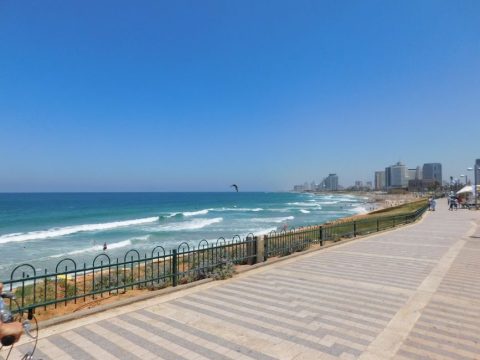
Must See
Beaches and Promenade
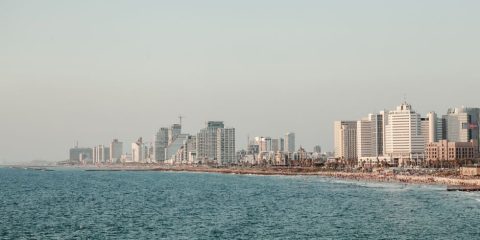
Tel Aviv's 14 kilometers of Mediterranean coastline feature sandy beaches, a renovated promenade, and distinctive beach culture. From religious-friendly beaches to dog beaches, each section has unique character. The renovated Tayelet (promenade) connects all beaches with pedestrian and bike paths, dotted with cafés, outdoor gyms, and playgrounds. Gordon Beach and Frishman Beach attract tourists, while Hilton Beach draws surfers and the LGBTQ+ community. Beach culture is integral to Tel Aviv identity - locals swim year-round, play matkot (beach paddleball), and gather for sunset. Free beaches offer showers, lifeguards, and rental facilities.
Tips for Parks & Gardens
- Beach essentials: Bring sunscreen, hat, and water - Mediterranean sun is intense year-round
- Bike rentals: Tel-O-Fun bike-sharing stations throughout parks and promenade make exploration easy
- Swimming safety: Only swim at beaches with lifeguards (typically May-October); heed flag warnings
- Sunset timing: Arrive at western-facing parks and beaches 30 minutes before sunset for optimal views
- Weekend crowds: Parks and beaches fill with locals on Saturdays; visit early morning or weekdays for peace
- Free fitness: Many parks offer outdoor exercise equipment and free group workout sessions
Tel Aviv offers diverse guided experiences and activities from culinary tours and beach sports to cultural workshops and nightlife adventures. These curated experiences provide deeper engagement with the city's multifaceted personality.
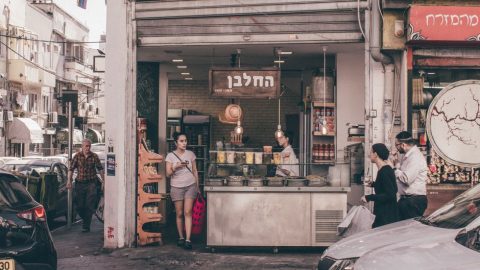
Must See📌 Book Ahead
Carmel Market Food Tour
Explore Shuk HaCarmel, Tel Aviv's largest and most vibrant market, with expert guides introducing local vendors, ingredients, and culinary traditions. Sample fresh-baked breads, halva, dried fruits, nuts, spices, and street food favorites like sabich and shakshuka. Learn about Israeli food culture's diverse influences from Yemenite, Iraqi, Moroccan, and Eastern European cuisines. Guides explain ingredient selection, bargaining etiquette, and cooking techniques. Tours typically include 8-12 tastings providing substantial meal replacement. The sensory experience captures Tel Aviv's multicultural fabric through food, offering authentic encounters with local life beyond typical tourist experiences.
Tips for Tours & Activities
- Advance booking: Popular tours fill quickly, especially during high season; reserve 2-3 days ahead minimum
- Private vs. group: Private tours offer flexibility and customization; group tours provide social atmosphere and lower cost
- Tipping etiquette: Guides expect 10-15% tips for quality service; carry cash as many don't accept cards
- Weather appropriate: Wear sun protection, comfortable shoes, and bring water for outdoor tours
- Free alternatives: Self-guided audio tours and walking apps available for budget-conscious travelers
- Combination deals: Some operators offer multi-tour packages at discounted rates
Tel Aviv's central location makes it an ideal base for exploring nearby attractions including Jerusalem, Dead Sea, Masada, Caesarea, and other significant historical and natural sites within 1-3 hours' travel.

Must See📌 Book Ahead
Jerusalem Day Trip
Israel's capital and holy city for three religions lies just 60 kilometers from Tel Aviv (1 hour by train/bus). Essential sites include the Old City with Western Wall, Church of the Holy Sepulchre, Temple Mount/Dome of the Rock, and Via Dolorosa. Explore four quarters (Jewish, Christian, Muslim, Armenian) each with distinct character. Visit Yad Vashem Holocaust Memorial, Israel Museum housing Dead Sea Scrolls, and Mahane Yehuda Market. The Mount of Olives provides panoramic views. Jerusalem's ancient spiritual atmosphere contrasts dramatically with Tel Aviv's secularity. Organized day tours handle transportation and guide services, though independent travel via train is straightforward.
Must See📌 Book Ahead
Dead Sea and Masada
Visit the world's lowest point at 430 meters below sea level for the unique floating experience in hypersaline water. The Dead Sea's mineral-rich mud offers therapeutic benefits. Combine with Masada, the dramatic mountaintop fortress where Jewish rebels made their last stand against Romans in 73 CE. Cable car ascends to ruins featuring palaces, synagogue, and breathtaking desert views. Early morning visits avoid heat and allow witnessing sunrise over the Dead Sea. Tours typically include Ein Gedi nature reserve oasis. Round trip from Tel Aviv takes 2-3 hours each way. Full-day tours are recommended given distances and multiple sites.
Tips for Day Trips
- Early departures: Start day trips by 7-8 AM to maximize site time and avoid afternoon heat
- Guided vs. independent: Jerusalem and Dead Sea benefit from organized tours; Caesarea and Akko manageable independently
- Rental car considerations: Provides flexibility but involves parking challenges and navigation; trains/buses adequate for most destinations
- Combination efficiency: Pair nearby sites (Caesarea + Haifa, Dead Sea + Masada) to maximize single-day value
- Friday limitations: Public transportation ceases Friday afternoon for Sabbath; plan accordingly
- Sun protection essential: Desert and archaeological sites lack shade; bring hat, sunscreen, and abundant water
Real, highly-rated Restaurants in Tel Aviv, sourced from Google Places (rating above 4★).

&Moshik
&Moshik is a highly-rated restaurant in Tel Aviv, rated 4.8★ from 489 reviews. Located at Zvi Strahilevitz St Strachilevitz 4, Tel Aviv-Yafo, 6473957, Israel.
Opening Hours
- Monday: 6:00 – 11:00 PM
- Tuesday: 6:00 – 11:00 PM
- Wednesday: 6:00 – 11:00 PM
- Thursday: 6:00 – 11:00 PM
- Friday: Closed
- Saturday: Closed
- Sunday: 6:00 – 11:00 PM
Villa Mare
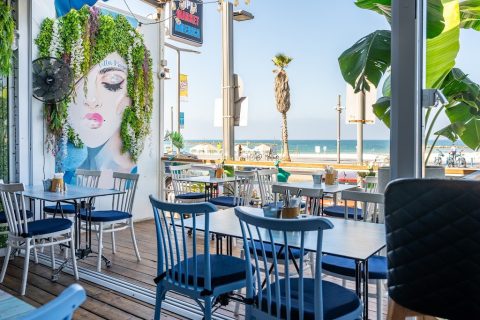
Villa Mare is a highly-rated restaurant in Tel Aviv, rated 4.7★ from 3479 reviews. Located at Retsif Herbert Samuel St 88, Tel Aviv-Yafo, 6343126, Israel.
Opening Hours
- Monday: 12:00 – 11:00 PM
- Tuesday: 12:00 – 11:00 PM
- Wednesday: 12:00 – 11:00 PM
- Thursday: 12:00 – 11:00 PM
- Friday: 11:00 AM – 11:00 PM
- Saturday: 11:00 AM – 11:00 PM
- Sunday: 12:00 – 11:00 PM

Halevantini
Halevantini is a highly-rated restaurant in Tel Aviv, rated 4.6★ from 3266 reviews. Located at Ben Yehuda St 170, Tel Aviv-Yafo, Israel.
Opening Hours
- Monday: 11:00 AM – 11:00 PM
- Tuesday: 11:00 AM – 11:00 PM
- Wednesday: 11:00 AM – 11:00 PM
- Thursday: 11:00 AM – 11:00 PM
- Friday: 11:00 AM – 11:00 PM
- Saturday: 11:00 AM – 11:00 PM
- Sunday: 11:00 AM – 11:00 PM
HIBA Restaurant
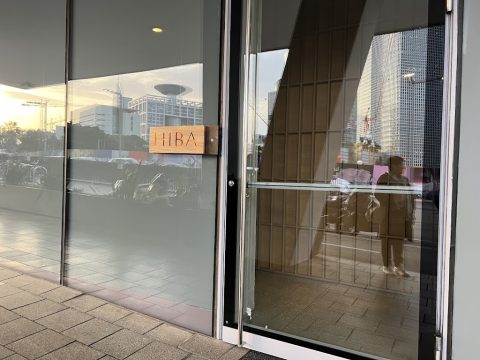
HIBA Restaurant is a highly-rated restaurant in Tel Aviv, rated 4.6★ from 1093 reviews. Located at Menakhem Begin Rd 144, Tel Aviv-Yafo, 4692102, Israel.
Opening Hours
- Monday: 6:00 – 11:30 PM
- Tuesday: 6:00 – 11:30 PM
- Wednesday: 6:00 – 11:30 PM
- Thursday: 6:00 – 11:30 PM
- Friday: 6:00 – 11:30 PM
- Saturday: Closed
- Sunday: Closed