Plan your trip to Tel Aviv
- How long
- 3-4 days: the White City, Jaffa, the beach promenade and the markets.
- Best for
- Beach, food and architecture lovers: 13 beaches along 14 km of coast, Bauhaus buildings and Jaffa.
- Skip it if
- You need certainty about regional security: check your government’s travel advice, as flights and airspace can be disrupted.
If you only do three things
- The White City and Rothschild Boulevard.
- Old Jaffa.
- Carmel Market and Kerem HaTeimanim.
A one-day route
- Morning: Carmel Market and Kerem HaTeimanim.
- Midday: Rothschild Boulevard and the White City.
- Afternoon: Neve Tzedek and the beach promenade.
- Evening: Old Jaffa at sunset.
Before you go
- Check your government’s current travel advice before booking: regional tensions have caused flight cancellations and airspace closures.
- Arrange Palmach Museum visits in advance (the tour lasts 90 minutes). The Tel Aviv Museum of Art opens Saturdays but is closed Sundays.
- The airport station is below Terminal 3; the city tourism board lists ₪13.50 to Tel Aviv, and no trains run from Friday morning until Saturday evening.
Prices, opening status and transport in this plan checked against official sources on 1 October 2026.
Things to do in Tel Aviv
Tel Aviv showcases a unique blend of modernist architecture and contemporary landmarks that define the city's character. From the iconic White City Bauhaus buildings to modern cultural centers, these structures tell the story of a young city with global significance.
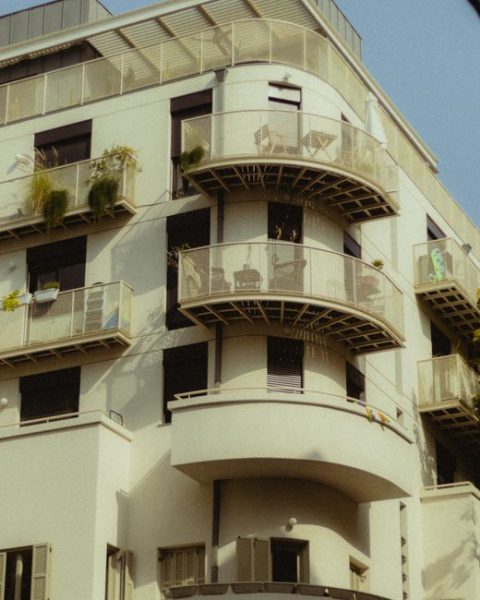
White City Bauhaus Architecture
Explore over 4,000 modernist buildings constructed in the 1930s by Many Jewish architects who designed the White City had studied at the Bauhaus or were influenced by it; some fled Europe after the Nazi rise to power. This UNESCO World Heritage Site represents the largest collection of Bauhaus-style buildings globally. Walk through Rothschild Boulevard, Dizengoff Street, and Bialik Street to admire clean lines, flat roofs, and functional design. The Bauhaus Center offers guided tours and exhibitions explaining this architectural movement's significance to Tel Aviv's identity.
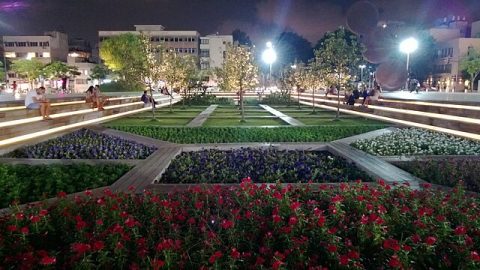
Habima Square
The cultural heart of Tel Aviv featuring the Habima National Theatre, Israel's national theater founded in 1918. The modernized square, redesigned by international architects, includes reflecting pools, open spaces, and connects to the Mann Auditorium and Helena Rubinstein Pavilion. Habima Square is not part of the UNESCO-listed White City property. The brutalist architecture contrasts beautifully with surrounding Bauhaus buildings, creating a dynamic urban space for locals and visitors.
Tips for Landmarks & Monuments
- Best photography time: Early morning or golden hour for optimal lighting on white facades
- Free walking tours: The Bauhaus Center lists English tours on Fridays and Sundays at 10 AM; check for cancellations before going.
- Architecture apps: Download the White City app for self-guided tours with historical context
- Weather consideration: Summer afternoons can be extremely hot; plan indoor observation deck visits during peak heat
Tel Aviv's museum scene reflects its creative spirit and diverse heritage, from world-class art institutions to specialized collections documenting Jewish history and Israeli innovation. Museums range from contemporary art spaces to moving historical narratives.
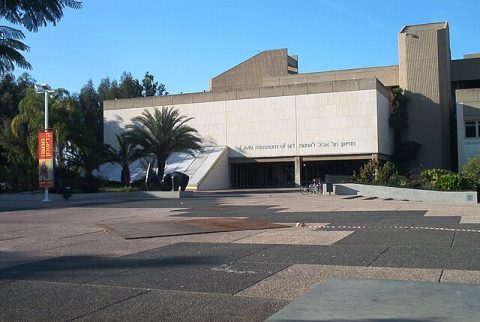
Tel Aviv Museum of Art
Israel's leading art museum houses an impressive collection of Israeli and international art spanning classical to contemporary periods. The iconic Herta and Paul Amir Building, designed by Preston Scott Cohen, features spectacular geometric architecture. Collections include works by Monet, Renoir, Chagall, and comprehensive Israeli art from the 1920s onward. Special exhibitions rotate regularly, showcasing cutting-edge contemporary artists. The museum also hosts concerts, lectures, and educational programs making it a vibrant cultural hub.
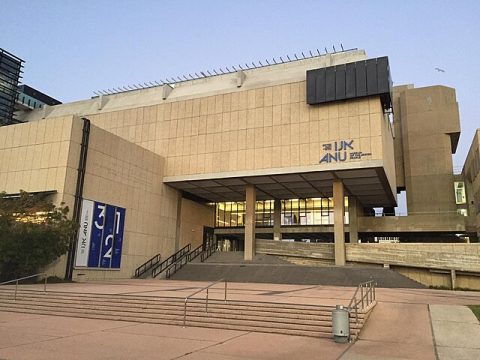
ANU - Museum of the Jewish People
Located on Tel Aviv University campus, this completely renovated museum (formerly Beit Hatfutsot) offers an immersive journey through 4,000 years of Jewish history and culture worldwide. Interactive exhibits, multimedia displays, and personal stories explore Jewish communities across continents. The museum examines themes of faith, peoplehood, and culture through innovative technology and engaging narratives. Highlights include genealogy workshops, temporary exhibitions, and the Heroes Hall celebrating Jewish contributions to civilization.
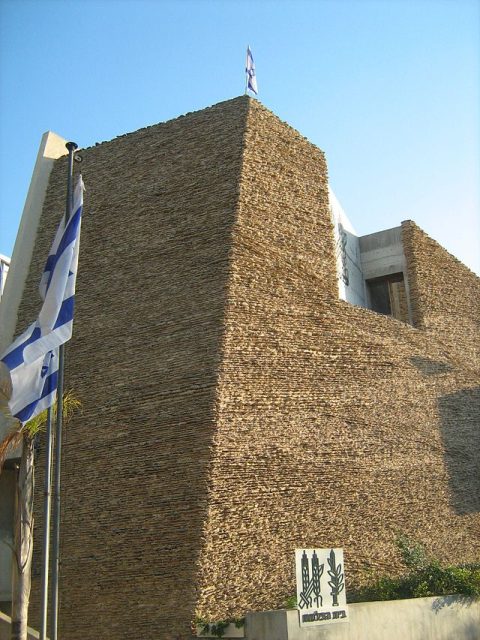
Palmach Museum
An emotionally powerful museum documenting the history of the Palmach strike force that operated during the British Mandate and Israel's War of Independence. Through multimedia presentations, visitors follow a group of young fighters through their training, battles, and personal stories. The experiential format combines film, recorded testimonies, and reconstructed scenes creating an immersive historical journey. This unique museum offers deep insight into Israel's founding generation and the sacrifices made during the nation's establishment.
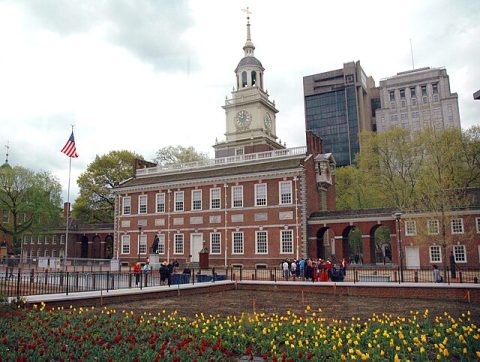
Independence Hall
The historic building where David Ben-Gurion declared Israel's independence on May 14, 1948. The museum The historic hall was reconstructed in 1978; confirm current visitor access and booking before planning a visit, with period furniture, photographs, and documents. Guided tours (available in multiple languages) provide context about the dramatic events surrounding independence, the political negotiations, and key figures involved. This small but significant site offers an intimate connection to modern Israel's founding moment.
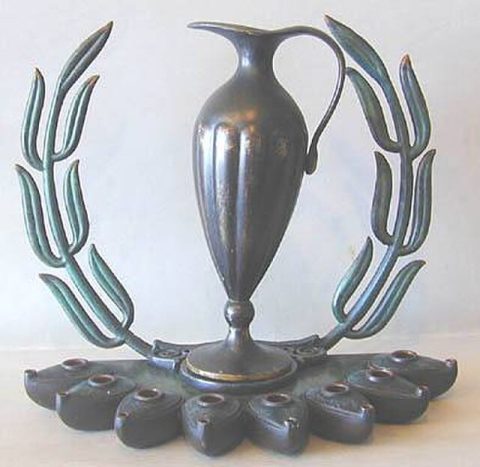
Eretz Israel Museum
A sprawling archaeological and anthropological complex featuring multiple pavilions exploring the Land of Israel's history, culture, and crafts. Highlights include Tel Qasile archaeological site with 12 layers of civilization, glass pavilion showcasing ancient glassmaking, ceramics collection, and ethnography exhibits. The planetarium offers astronomy shows while outdoor spaces display mosaics and traditional structures. This family-friendly museum provides comprehensive understanding of the region's material culture from prehistoric to modern times.
Tips for Museums & Galleries
- Discount days: Many museums offer reduced admission on certain weekdays - check individual websites
- Museum passes: Consider multi-museum passes if visiting several institutions
- Advance booking: Reserve tickets online for Palmach Museum and ANU as tours run at specific times
- Sabbath closure: Check each museum’s schedule: the Tel Aviv Museum of Art is open Fridays and Saturdays.; plan accordingly
- Audio guides: Available in multiple languages at major museums for enhanced experience
Tel Aviv's religious landscape reflects its multicultural character, with synagogues, mosques, and churches coexisting peacefully. While less concentrated than Jerusalem, the city offers meaningful spiritual sites representing diverse faiths and communities.
Great Synagogue of Tel Aviv
Tel Aviv's main synagogue, completed in 1926, represents one of the city's earliest significant buildings. The Moorish Revival architecture features distinctive domes, arches, and decorative elements. Located on Allenby Street, it serves as the center of Tel Aviv's religious establishment. The interior showcases beautiful craftsmanship with ornate ark, bimah, and stained glass windows. While primarily a functioning house of worship, visitors can appreciate the historical and architectural significance. Dress modestly and respect prayer times when visiting.
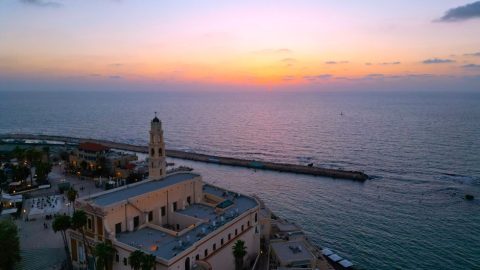
St. Peter's Church Jaffa
This striking Franciscan Catholic church in Old Jaffa dates to the 17th century, though the current structure was rebuilt in the 1890s. The neo-baroque architecture features ornate stone carvings, a distinctive bell tower, and beautiful interior frescoes. The church commemorates St. Peter's visit to Jaffa mentioned in Acts of the Apostles. Panoramic views from the courtyard overlook Jaffa port and Tel Aviv's skyline. The peaceful atmosphere contrasts with the bustling streets below, offering spiritual respite and historical context.
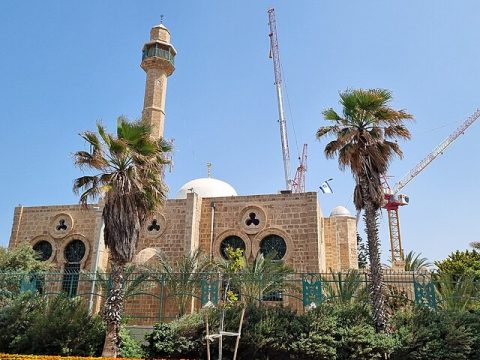
Hassan Bek Mosque
Built in 1916 during Ottoman rule, this historic mosque stands at the intersection of Tel Aviv and Jaffa, near the beachfront. The stone minaret serves as a visible landmark from the promenade. Named after Hassan Bek, the Ottoman governor, it represents the area's Islamic heritage predating Tel Aviv's founding. While primarily serving local Muslim worshippers, its exterior and location make it architecturally significant. The mosque symbolizes the coexistence of cultures in modern Tel Aviv-Jaffa.
Tips for Religious Sites
- Dress code: Wear modest clothing covering shoulders and knees when visiting religious sites
- Prayer times: Avoid visiting during active services unless participating; check schedules in advance
- Sabbath awareness: Jewish sites may have limited access Friday evening through Saturday evening
- Photography etiquette: Always ask permission before photographing inside houses of worship
- Respectful behavior: Maintain quiet, remove hats in churches, cover heads in synagogues (kippot usually provided)
While Tel Aviv is a young city (founded 1909), it encompasses ancient Jaffa with 4,000 years of continuous habitation. Archaeological sites reveal layers of Canaanite, Egyptian, Roman, Byzantine, and Ottoman civilizations.
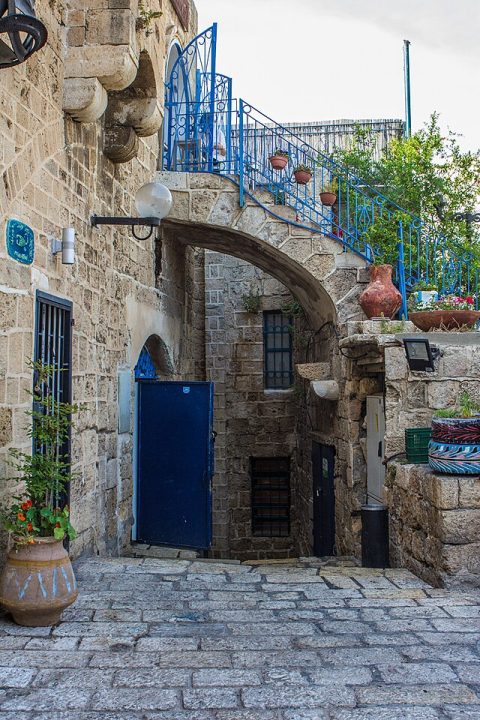
Old Jaffa (Yafo)
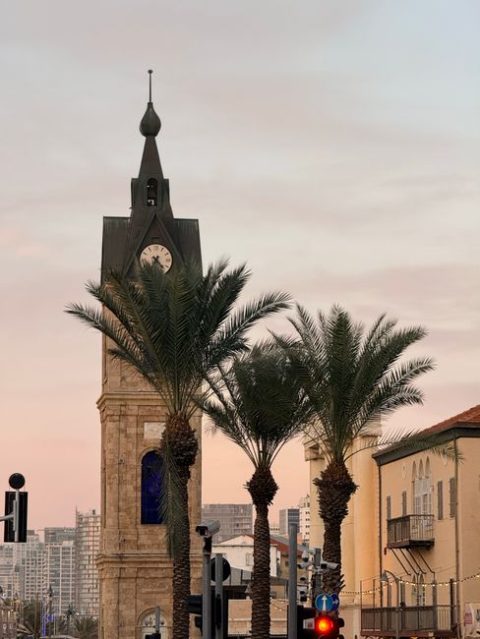
One of the world's oldest functioning ports, Jaffa's history spans over 4,000 years of continuous settlement. Wander narrow stone alleyways past galleries, restaurants, and historic sites including St. Peter's Church, the House of Simon the Tanner, and Kedumim Square. The restored old city blends Ottoman architecture with modern artists' studios and boutiques. Archaeological excavations reveal Canaanite, Philistine, and Roman layers. Spectacular views from HaPisga Gardens overlook the port and Tel Aviv coastline. The Clock Tower marks the entrance to this enchanting historical quarter.
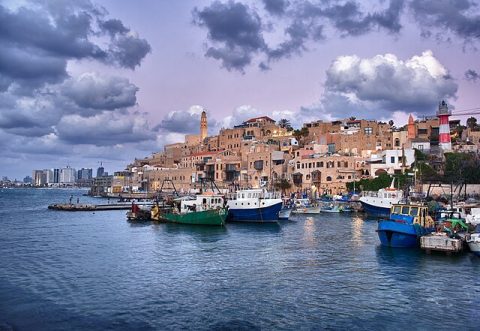
Jaffa Port
Operating for over 3,000 years, Jaffa's ancient harbor now serves as a picturesque marina and entertainment district. Historical significance includes being the arrival point for Jewish pilgrims, timber for Solomon's Temple, and the departure point in the biblical story of Jonah. Today, renovated warehouses house restaurants, fish markets, and cultural spaces. The port hosts festivals, markets, and outdoor events. Fishing boats still dock here, maintaining maritime traditions. Sunset views across the Mediterranean provide magical photo opportunities along the wooden boardwalks.
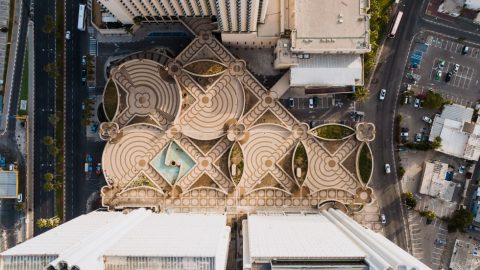
Sarona Complex
Once a German Templar colony founded in 1871, Sarona has been transformed into a vibrant commercial and dining complex while preserving 36 original buildings. The restored stone structures showcase Templar architecture and agricultural heritage. Informative displays explain the colony's history and restoration process. Today it features upscale restaurants, boutique shops, an indoor market (Sarona Market), and cultural events. The juxtaposition of 19th-century buildings with modern Tel Aviv skyscrapers creates unique atmosphere. Gardens and courtyards provide pleasant spaces for relaxation amid the urban setting.
Tips for Ancient & Historical Sites
- Best exploration time: Late afternoon into evening captures both daylight charm and vibrant nightlife
- Comfortable shoes: Old Jaffa's stone streets and stairs require sturdy walking footwear
- Guided tours: Consider hiring a guide to understand historical layers and hidden details
- Combined visit: Walk from Tel Aviv promenade through Jaffa for seamless ancient-modern transition
- Flea market: Visit Jaffa Flea Market (Shuk Hapishpeshim) on Friday mornings for best selection
Tel Aviv's vibrant public spaces serve as the city's living rooms where locals and visitors gather, socialize, and experience urban culture. From historic boulevards to modern pedestrian zones, these areas pulse with energy.
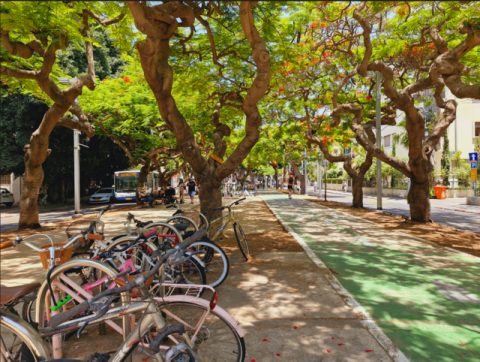
Rothschild Boulevard
Tel Aviv's most iconic tree-lined promenade epitomizes the city's Bauhaus heritage and café culture. The wide pedestrian median features bicycle paths, benches, and playgrounds beneath towering ficus trees. Bauhaus buildings line both sides, housing trendy cafés, restaurants, and boutiques. Independence Hall sits along this historic avenue. Popular for morning jogging, afternoon coffee breaks, and evening strolls, Rothschild captures Tel Aviv's cosmopolitan lifestyle. The boulevard represents the perfect blend of architectural heritage, urban design, and contemporary culture that defines modern Israeli life.
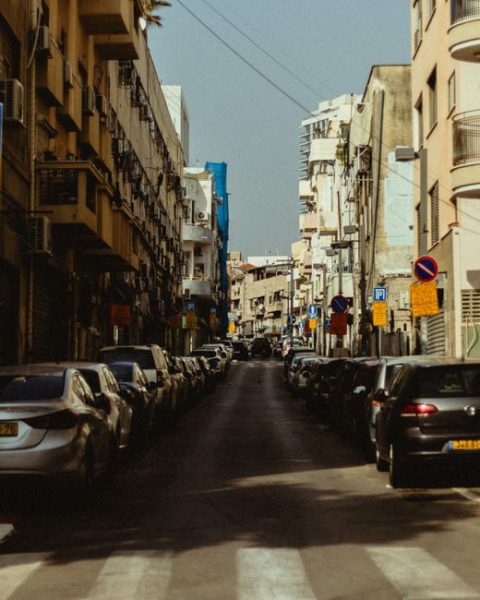
Sheinkin Street
A bohemian shopping street that became synonymous with Tel Aviv's alternative culture in the 1980s-90s. Once the epicenter of Israeli café society and fashion, Sheinkin still maintains artistic character with independent boutiques, vintage shops, and sidewalk cafés. The street attracts creatives, students, and fashion-forward locals. Tree-shaded sidewalks invite leisurely browsing through unique stores selling Israeli designer clothing, jewelry, and home goods. While gentrification has changed its character, Sheinkin remains an essential stop for understanding Tel Aviv's creative spirit and urban evolution.
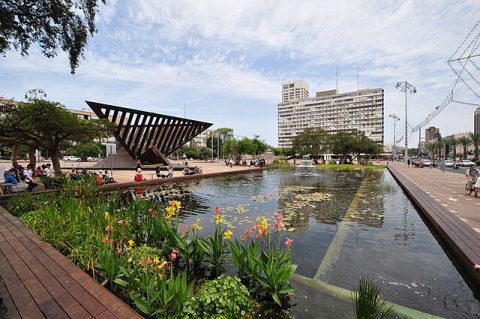
Rabin Square
Tel Aviv's largest public square, formerly Kings of Israel Square, was renamed after Prime Minister Yitzhak Rabin who was assassinated here in 1995. A memorial marks the exact spot of this tragic event. The vast paved plaza hosts major political rallies, concerts, holiday celebrations, and public gatherings. Surrounded by City Hall and modern office buildings, the square represents Tel Aviv's role as Israel's civic and cultural center. The scale and openness make it impressive, though it's most alive during events rather than daily visits.
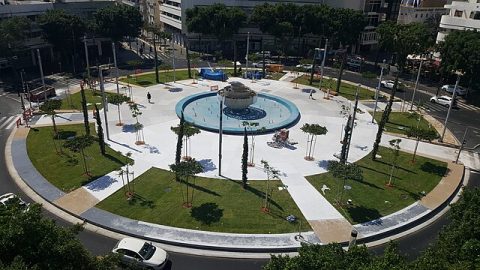
Dizengoff Square
Once Tel Aviv's main plaza, this elevated pedestrian area was redesigned in the 1970s with modernist aspirations. The centerpiece Fire and Water Fountain, designed by Yaacov Agam, features kinetic sculpture with colored rings rotating to music. Surrounding the square are cafés, shops, and residential buildings representing 1930s-1970s architecture. While it lost some prominence to newer areas, recent renovations aim to restore its cultural significance. The square hosts events and remains a snapshot of Tel Aviv's mid-century optimism and architectural experimentation.
Tips for Squares & Streets
- Coffee culture: Experience authentic Tel Aviv life by spending time at boulevard cafés during morning hours
- Evening atmosphere: Rothschild and Sheinkin come alive at night with restaurants and bars
- Bicycle rental: Many squares connect via bike paths; rent city bikes for efficient exploration
- Market timing: Visit nearby Carmel Market Tuesday-Thursday mornings for authentic local experience
- Walking tours: Join free walking tours that often include these historic streets with cultural context
Tel Aviv's diverse neighborhoods each possess distinct character and atmosphere, from trendy Neve Tzedek's restored charm to Florentin's street art and underground scene. Exploring these areas reveals the city's multifaceted personality.
Neve Tzedek
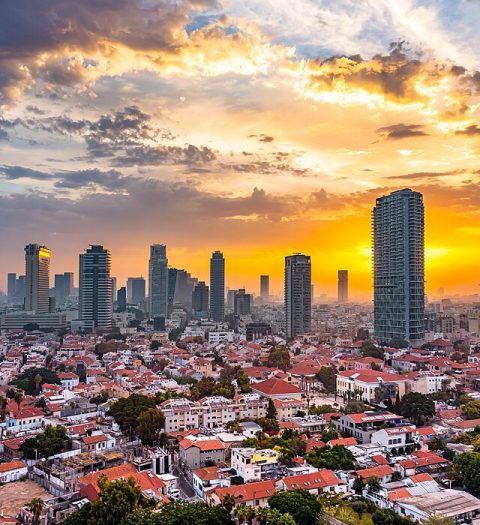
Tel Aviv's first neighborhood, established in 1887 before the city's official founding, features narrow lanes lined with beautifully restored low-rise buildings painted in pastels. This upscale bohemian quarter houses designer boutiques, art galleries, trendy restaurants, and the Suzanne Dellal Centre for Dance. The architectural preservation showcases late Ottoman and early Zionist periods. Charming courtyards, flowering vines, and intimate scale create romantic atmosphere. Neve Tzedek represents successful urban renewal, transforming from neglected area to Tel Aviv's most sought-after address while maintaining historical authenticity.
Florentin
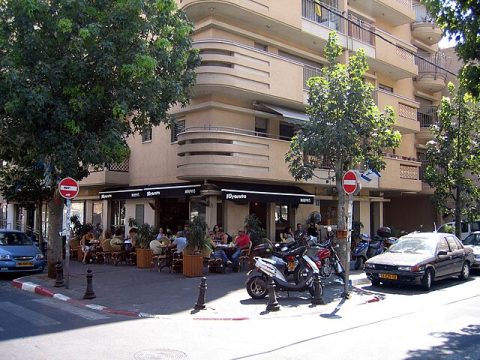
Tel Aviv's hipster haven pulses with alternative culture, street art, and underground venues. Once a working-class neighborhood, Florentin has become the epicenter of young creative energy. Colorful murals cover building facades, dive bars operate in converted workshops, and vintage shops share space with tattoo parlors. The graffiti-covered walls tell political and artistic stories. Late-night bars, art collectives, and music venues create vibrant nightlife. Despite gentrification pressures, Florentin maintains gritty authenticity that appeals to artists, musicians, and adventurous travelers seeking authentic urban experience.
Kerem HaTeimanim (Yemenite Quarter)
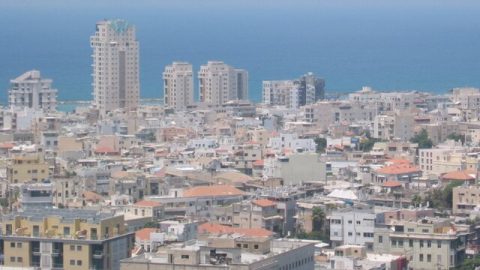
Founded by Yemenite Jewish immigrants in 1906, this compact neighborhood maintains traditional character with narrow winding lanes, small houses, and authentic atmosphere. The centerpiece Carmel Market borders the quarter, offering sensory overload of sights, smells, and flavors. Family-run restaurants serve traditional Yemenite cuisine including jachnun, malawach, and kubaneh. The neighborhood's intimate scale and preserved architecture contrast sharply with surrounding modern development. Walking these streets provides glimpse into Tel Aviv's immigrant founding and multicultural fabric of Israeli society.
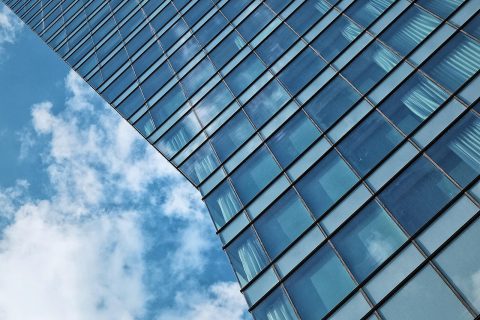
Sarona Neighborhood
The transformed German Templar colony now serves as upscale dining and shopping destination while preserving historical architecture. Thirty-six restored buildings from 1871 create atmospheric complex mixing heritage with modernity. Sarona Market's indoor food hall features gourmet vendors, fresh produce, and international cuisine. Manicured gardens, shaded walkways, and cultural programming make it popular for families and tourists. The neighborhood exemplifies successful adaptive reuse, honoring Tel Aviv's diverse founding communities while serving contemporary needs. Surrounded by skyscrapers, Sarona offers historical contrast and pedestrian-friendly respite.
Tips for Neighborhoods & Districts
- Neighborhood hopping: Tel Aviv's compact size allows exploring multiple districts in one day on foot or bike
- Local guides: Consider neighborhood-specific walking tours for deeper cultural understanding and hidden gems
- Evening exploration: Florentin and Neve Tzedek reveal different personalities after dark with nightlife and dining scenes
- Photography opportunities: Each neighborhood offers distinct visual character - Florentin for street art, Neve Tzedek for architecture
- Market timing: Visit Kerem HaTeimanim Tuesday-Friday mornings when Carmel Market is most vibrant
Despite being a dense urban environment, Tel Aviv prioritizes green spaces and outdoor recreation. Parks range from manicured gardens to wild riverside trails, providing essential breathing room in the Mediterranean city.
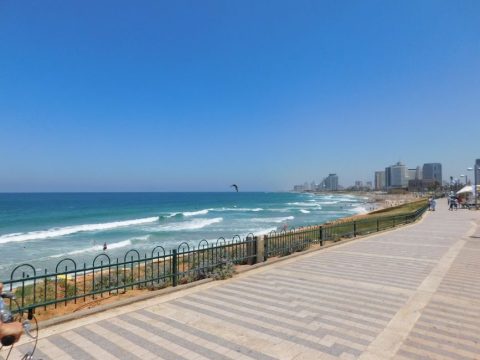
Beaches and Promenade
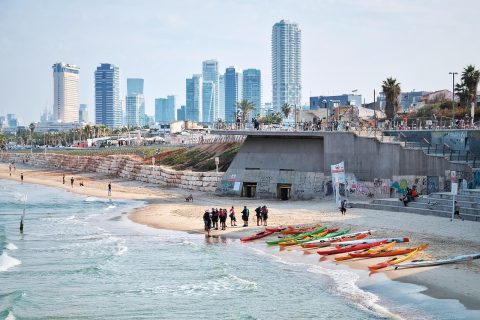
Tel Aviv's 14 kilometers of Mediterranean coastline feature sandy beaches, a renovated promenade, and distinctive beach culture. From religious-friendly beaches to dog beaches, each section has unique character. The renovated Tayelet (promenade) connects all beaches with pedestrian and bike paths, dotted with cafés, outdoor gyms, and playgrounds. Gordon Beach and Frishman Beach attract tourists, while Hilton Beach draws surfers and the LGBTQ+ community. Beach culture is integral to Tel Aviv identity - locals swim year-round, play matkot (beach paddleball), and gather for sunset. Free beaches offer showers, lifeguards, and rental facilities.
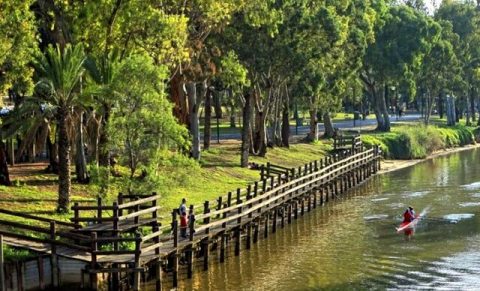
Yarkon Park (Park HaYarkon)
Tel Aviv's largest urban park spans 380 hectares along the Yarkon River from the Mediterranean inland. This green oasis features botanical gardens, sports facilities, playgrounds, paddle boat rentals, and bike paths. The Tropical Garden showcases exotic plants from around the world. Large lawns host concerts and festivals, including major music events. Bird-watching opportunities abound along the river, which has been restored after decades of pollution. Families picnic under eucalyptus trees while joggers and cyclists enjoy extensive trails. The park represents Tel Aviv's commitment to environmental restoration and public green space.
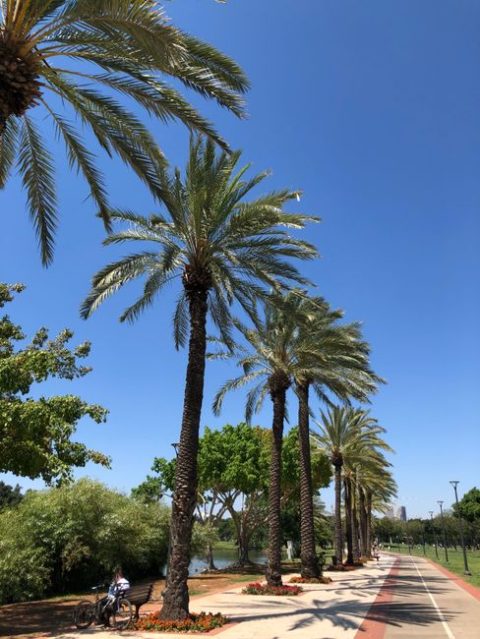
Independence Park (Gan HaAtzma'ut)
Overlooking the Mediterranean near Hilton Beach, this historic park combines natural beauty with cultural significance. The terraced hillside features lawns, walking paths, and shaded areas perfect for picnics. The park sits atop the old Muslim cemetery of Jaffa, with some tombstones still visible. Popular with locals for relaxation, dog-walking, and sunset viewing, the park offers spectacular sea views. Its proximity to the beach and central location make it an accessible green retreat. The park occasionally hosts outdoor concerts and cultural events during summer months.
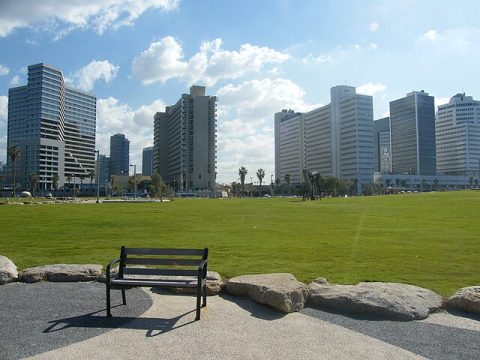
Charles Clore Park
Stretching along the southern coastline, this waterfront park provides vast lawns, palm-lined paths, and unobstructed sea views. The elevated promenade offers perfect vantage points for Mediterranean sunsets and Tel Aviv skyline panoramas. Popular for kite-flying, picnics, and outdoor exercise, the park features basketball courts, skate areas, and playgrounds. Its proximity to Jaffa makes it ideal for combined visits. The park connects to the beach through pedestrian bridges and ramps. Less crowded than northern beaches, it offers peaceful atmosphere while maintaining easy accessibility and modern amenities.
Tips for Parks & Gardens
- Beach essentials: Bring sunscreen, hat, and water - Mediterranean sun is intense year-round
- Bike rentals: Tel-O-Fun bike-sharing stations throughout parks and promenade make exploration easy
- Swimming safety: Only swim at beaches with lifeguards (typically May-October); heed flag warnings
- Sunset timing: Arrive at western-facing parks and beaches 30 minutes before sunset for optimal views
- Weekend crowds: Parks and beaches fill with locals on Saturdays; visit early morning or weekdays for peace
- Free fitness: Many parks offer outdoor exercise equipment and free group workout sessions
Tel Aviv's urban landscape is enriched by sculptures, installations, and artistic fountains that reflect the city's creative spirit. From historical monuments to contemporary works, public art makes the city an open-air gallery.
Florentin Street Art
The Florentin neighborhood serves as Tel Aviv's outdoor graffiti gallery with ever-changing murals covering building facades, walls, and alleyways. Works range from political statements to whimsical characters, abstract designs to social commentary. Local and international artists contribute to the dynamic visual landscape. Notable pieces address Israeli society, Middle Eastern politics, environmental issues, and urban life. The ephemeral nature means art constantly evolves with new works replacing old. Walking tours specialize in Florentin street art, providing context about artists and messages. This grassroots artistic expression defines the neighborhood's rebellious, creative character.
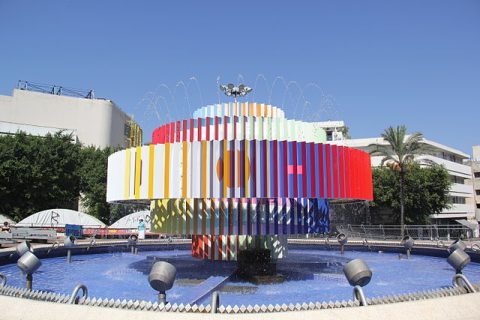
Fire and Water Fountain (Dizengoff Square)
Created by renowned Israeli artist Yaacov Agam in 1986, this kinetic fountain features colorful concentric rings that rotate to music while water and fire elements perform synchronized shows. The cybernetic sculpture represents geometric abstraction and participatory art. Performances occur several times daily with water jets, flames, and rotating platforms creating mesmerizing displays. The fountain symbolizes Tel Aviv's modernist ambitions and public art investment during the 1980s. While the surrounding square has evolved, the fountain remains an iconic if somewhat dated landmark of Israeli contemporary art.
Statue of Meir Dizengoff
A monument honoring Tel Aviv's first mayor and founding father, Meir Dizengoff, who served from 1911-1925. The statue captures the visionary leader who transformed sand dunes into a modern city. Located prominently in the city center, it reminds residents and visitors of Tel Aviv's relatively recent founding and rapid development. Dizengoff's contributions included urban planning, cultural institution building, and municipal infrastructure that established foundations for the metropolis. While not artistically remarkable, the monument holds historical significance as homage to the pioneering spirit that created Israel's cultural capital.
Tips for Fountains & Public Art
- Photography walks: Florentin street art changes frequently; what you see today may be gone tomorrow
- Guided tours: Street art tours provide context about artists, techniques, and social messages behind murals
- Respectful shooting: Some murals appear on private property; be considerate when photographing
- Best light: Morning and late afternoon provide optimal lighting for street art photography
- Public art maps: Check Tel Aviv municipality website for public sculpture locations throughout the city
Tel Aviv offers diverse guided experiences and activities from culinary tours and beach sports to cultural workshops and nightlife adventures. These curated experiences provide deeper engagement with the city's multifaceted personality.
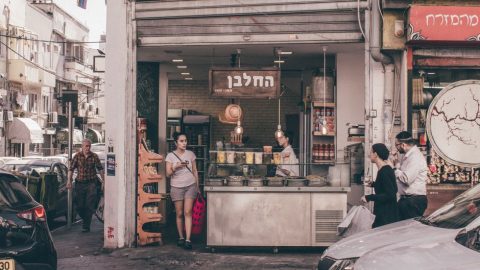
Carmel Market Food Tour
Explore Shuk HaCarmel, Tel Aviv's largest and most vibrant market, with expert guides introducing local vendors, ingredients, and culinary traditions. Sample fresh-baked breads, halva, dried fruits, nuts, spices, and street food favorites like sabich and shakshuka. Learn about Israeli food culture's diverse influences from Yemenite, Iraqi, Moroccan, and Eastern European cuisines. Guides explain ingredient selection, bargaining etiquette, and cooking techniques. Tours typically include 8-12 tastings providing substantial meal replacement. The sensory experience captures Tel Aviv's multicultural fabric through food, offering authentic encounters with local life beyond typical tourist experiences.
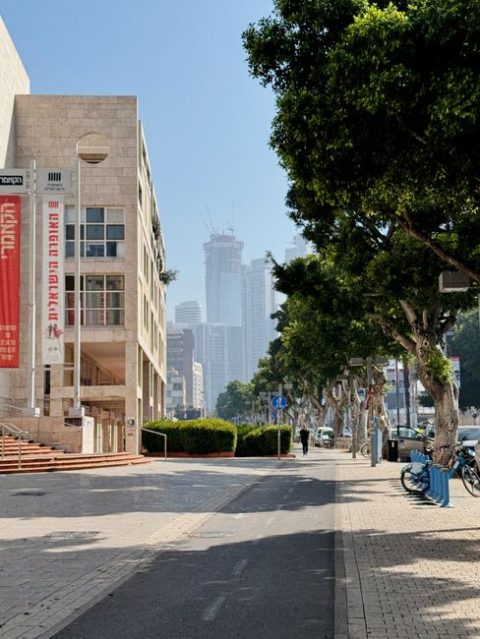
Bauhaus Architecture Walking Tour
Discover Tel Aviv's UNESCO World Heritage White City through specialized architectural tours led by knowledgeable guides. Examine distinctive features of International Style buildings including ribbon windows, thermometer staircases, flat roofs, and pilotis. Learn about the European Jewish architects who brought Bauhaus principles to Tel Aviv in the 1930s, adapting them for Mediterranean climate. Tours cover Rothschild Boulevard, Bialik Street, and Dizengoff areas while explaining historical context of modernist movement and preservation efforts. The Bauhaus Center offers regular scheduled tours, and private architectural historians provide customized experiences for serious enthusiasts.
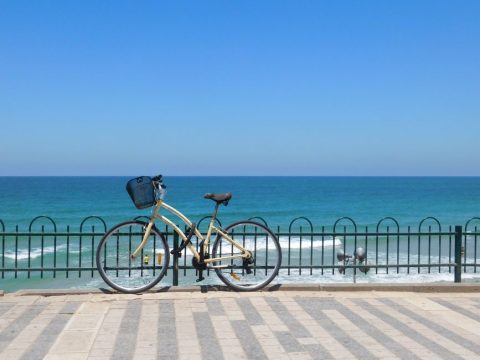
Tel Aviv by Bike Tour
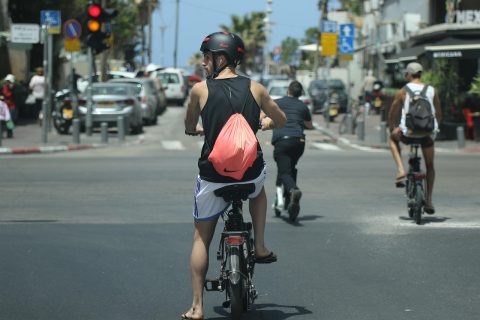
Cover maximum ground efficiently on guided bicycle tours showcasing Tel Aviv's compact yet diverse landscape. Routes typically include beachfront promenade, Yarkon Park, White City neighborhoods, old Jaffa, and Neve Tzedek. The cycling format allows experiencing the city like locals do, as Tel Aviv has become increasingly bike-friendly with dedicated lanes. Tours accommodate all fitness levels with frequent stops for explanations, photos, and refreshments. E-bike options make hills manageable. Guides provide cultural commentary, historical context, and insider tips. Morning or sunset tours offer optimal weather and lighting for the 10-15 kilometer routes.
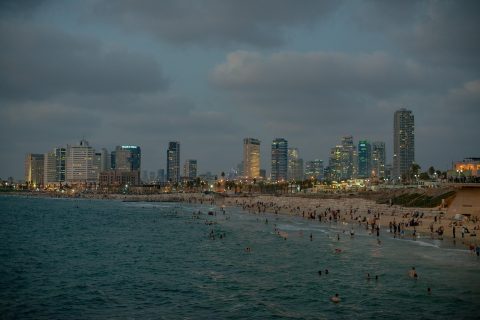
Jaffa Sunset and Night Tour
Experience Old Jaffa's magical atmosphere as daylight fades into evening. Tours begin at golden hour, capturing sunset views from HaPisga Gardens overlooking the Mediterranean and Tel Aviv skyline. Walk through illuminated stone alleyways learning about 4,000 years of history, biblical connections, and Ottoman heritage. Visit artisan galleries, historical sites, and the ancient port area. The evening timing reveals Jaffa's romantic character while avoiding daytime heat and crowds. Many tours conclude at waterfront restaurants for optional traditional Middle Eastern dinner. The experience combines historical education with atmospheric beauty, showcasing why Jaffa captivates visitors.
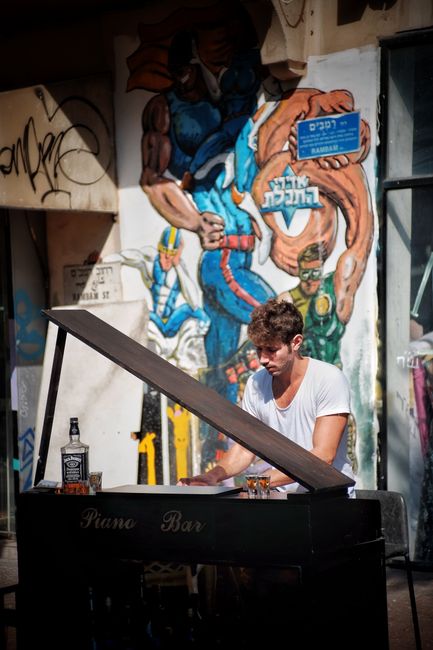
Street Art and Graffiti Tour
Delve into Tel Aviv's urban art scene through specialized tours of Florentin's murals and installations. Expert guides explain artists, techniques, political messages, and social commentary embedded in street art. Learn about Israel's thriving graffiti culture, stencil art traditions, and how urban art reflects contemporary Israeli society. Tours document ever-changing artworks while discussing gentrification's impact on creative neighborhoods. Some operators include meetings with local artists or visits to studios. The walking tour format allows intimate exploration of back alleys and hidden corners where most compelling works appear, providing counterculture perspective on Tel Aviv.
Tips for Tours & Activities
- Advance booking: Popular tours fill quickly, especially during high season; reserve 2-3 days ahead minimum
- Private vs. group: Private tours offer flexibility and customization; group tours provide social atmosphere and lower cost
- Tipping etiquette: Guides expect 10-15% tips for quality service; carry cash as many don't accept cards
- Weather appropriate: Wear sun protection, comfortable shoes, and bring water for outdoor tours
- Free alternatives: Self-guided audio tours and walking apps available for budget-conscious travelers
- Combination deals: Some operators offer multi-tour packages at discounted rates
Tel Aviv's central location makes it an ideal base for exploring nearby attractions including Jerusalem, Dead Sea, Masada, Caesarea, and other significant historical and natural sites within 1-3 hours' travel.
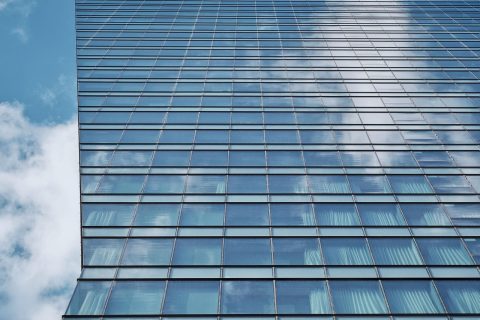
Jerusalem Day Trip
Israel's capital and holy city for three religions lies just 60 kilometers from Tel Aviv (1 hour by train/bus). Essential sites include the Old City with Western Wall, Church of the Holy Sepulchre, Temple Mount/Dome of the Rock, and Via Dolorosa. Explore four quarters (Jewish, Christian, Muslim, Armenian) each with distinct character. Visit Yad Vashem Holocaust Memorial, Israel Museum housing Dead Sea Scrolls, and Mahane Yehuda Market. The Mount of Olives provides panoramic views. Jerusalem's ancient spiritual atmosphere contrasts dramatically with Tel Aviv's secularity. Organized day tours handle transportation and guide services, though independent travel via train is straightforward.
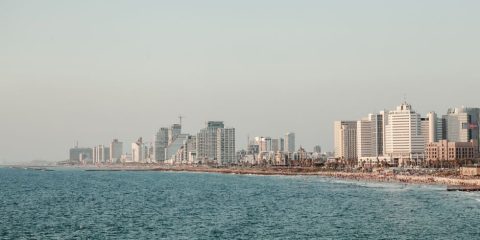
Dead Sea and Masada
Visit the world's lowest point at 430 meters below sea level for the unique floating experience in hypersaline water. The Dead Sea's mineral-rich mud offers therapeutic benefits. Combine with Masada, the dramatic mountaintop fortress where Jewish rebels made their last stand against Romans in 73 CE. Cable car ascends to ruins featuring palaces, synagogue, and breathtaking desert views. Early morning visits avoid heat and allow witnessing sunrise over the Dead Sea. Tours typically include Ein Gedi nature reserve oasis. Round trip from Tel Aviv takes 2-3 hours each way. Full-day tours are recommended given distances and multiple sites.
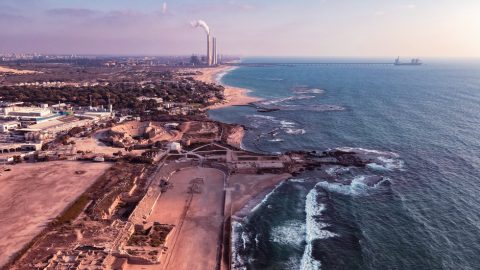
Caesarea and Haifa
Caesarea National Park preserves stunning Roman and Crusader ruins including amphitheater, hippodrome, aqueduct, and harbor installations along Mediterranean coast. King Herod built this impressive port city in 1st century BCE. Continue north to Haifa, Israel's third-largest city, to visit the magnificent Bahá'í Gardens cascading down Mount Carmel with golden-domed shrine. The terraced gardens offer spectacular views over Haifa Bay. Explore the German Colony's restored Templar buildings and restaurants. This combination provides archaeological wonders and architectural beauty along the coast, approximately 1-1.5 hours north of Tel Aviv.
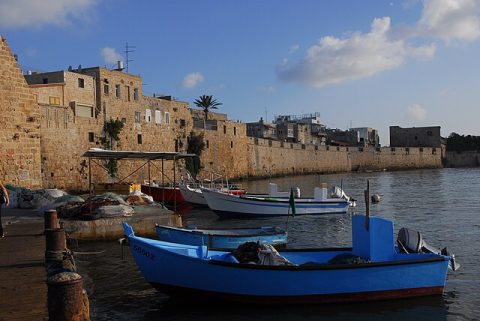
Akko (Acre)
This UNESCO World Heritage Crusader city 90 minutes north features remarkably preserved medieval architecture, underground halls, Ottoman fortifications, and bustling markets. Walk through authentic Middle Eastern atmosphere in the old city where time seems stopped. Explore underground Crusader city, Knights' Halls, and Al-Jazzar Mosque. The port area offers fresh seafood restaurants and harbors fishing boats. Akko's mixed Jewish-Arab population creates authentic multicultural experience. The Templars' Tunnel, ancient baths, and waterfront fortifications provide hours of exploration. Less touristic than Jerusalem yet equally historically significant, Akko offers genuine archaeological adventure and cultural immersion.
Tips for Day Trips & Excursions
- Early departures: Start day trips by 7-8 AM to maximize site time and avoid afternoon heat
- Guided vs. independent: Jerusalem and Dead Sea benefit from organized tours; Caesarea and Akko manageable independently
- Rental car considerations: Provides flexibility but involves parking challenges and navigation; trains/buses adequate for most destinations
- Combination efficiency: Pair nearby sites (Caesarea + Haifa, Dead Sea + Masada) to maximize single-day value
- Friday limitations: Public transportation ceases Friday afternoon for Sabbath; plan accordingly
- Sun protection essential: Desert and archaeological sites lack shade; bring hat, sunscreen, and abundant water
Real, highly-rated Restaurants in Tel Aviv, sourced from Google Places (rating above 4★).
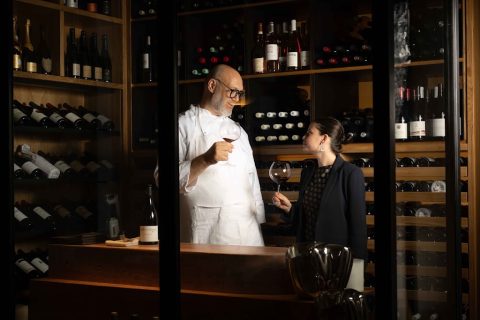
&Moshik
&Moshik is a highly-rated restaurant in Tel Aviv, rated 4.8★ from 489 reviews. Located at Zvi Strahilevitz St Strachilevitz 4, Tel Aviv-Yafo, 6473957, Israel.
Opening Hours
- Monday: 6:00 – 11:00 PM
- Tuesday: 6:00 – 11:00 PM
- Wednesday: 6:00 – 11:00 PM
- Thursday: 6:00 – 11:00 PM
- Friday: Closed
- Saturday: Closed
- Sunday: 6:00 – 11:00 PM
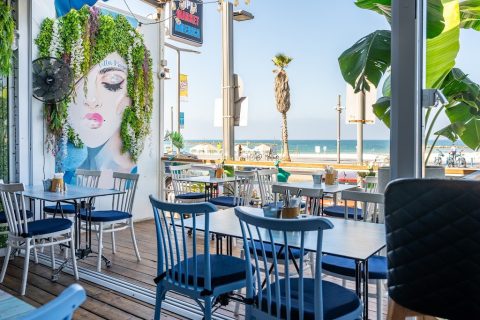
Villa Mare
Villa Mare is a highly-rated restaurant in Tel Aviv, rated 4.7★ from 3479 reviews. Located at Retsif Herbert Samuel St 88, Tel Aviv-Yafo, 6343126, Israel.
Opening Hours
- Monday: 12:00 – 11:00 PM
- Tuesday: 12:00 – 11:00 PM
- Wednesday: 12:00 – 11:00 PM
- Thursday: 12:00 – 11:00 PM
- Friday: 11:00 AM – 11:00 PM
- Saturday: 11:00 AM – 11:00 PM
- Sunday: 12:00 – 11:00 PM
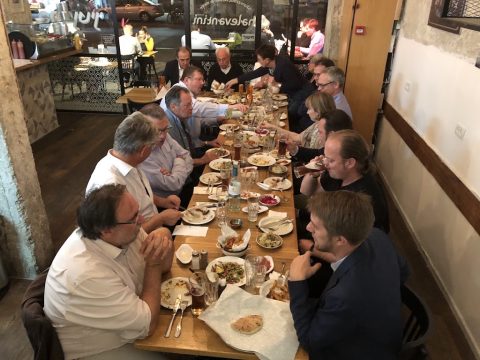
Halevantini
Halevantini is a highly-rated restaurant in Tel Aviv, rated 4.6★ from 3266 reviews. Located at Ben Yehuda St 170, Tel Aviv-Yafo, Israel.
Opening Hours
- Monday: 11:00 AM – 11:00 PM
- Tuesday: 11:00 AM – 11:00 PM
- Wednesday: 11:00 AM – 11:00 PM
- Thursday: 11:00 AM – 11:00 PM
- Friday: 11:00 AM – 11:00 PM
- Saturday: 11:00 AM – 11:00 PM
- Sunday: 11:00 AM – 11:00 PM
Explore Tel Aviv on the Map
Optimal Travel Seasons
Spring (March-May): The absolute best time to visit Tel Aviv with temperatures ranging 18-25°C (64-77°F). Perfect weather for walking tours, beach activities, and outdoor exploration. Hotels and flights are moderately priced except during Passover week.
Fall (September-November): Excellent conditions with warm Mediterranean weather (22-28°C/72-82°F) and calm seas. September remains hot but beautiful. October-November offer ideal temperature and fewer crowds than spring. Jewish High Holidays (September/October) bring higher prices and closures.
Summer (June-August): Peak tourist season with hot, humid weather (28-32°C/82-90°F). Beach season in full swing with extended daylight hours perfect for enjoying nightlife. Expect higher prices, crowded beaches, and sold-out accommodations. Early mornings and evenings most comfortable for sightseeing.
Winter (December-February): Mild with occasional rain (12-18°C/54-64°F). Lowest prices and smallest crowds make it budget-friendly. Swimming possible on warmer days, though seas can be rough. Some attractions have reduced hours. Pack layers and light rain jacket.
| Month | Avg Temp | Rain Days | Crowd Level | Price Level |
|---|---|---|---|---|
| Jan-Feb | 12-18°C | 8-10 | Low | Low |
| Mar-May | 18-25°C | 2-5 | Medium-High | Medium |
| Jun-Aug | 28-32°C | 0 | Very High | High |
| Sep-Nov | 22-28°C | 1-3 | Medium-High | Medium-High |
Insider tip: November offers the sweet spot of excellent weather, lower prices than October, and manageable crowds after the Jewish holidays conclude.
Getting Around Tel Aviv
✈️ Airport Transfer
The city tourism board lists a ₪13.50 fare and service to four Tel Aviv stations; check live schedules for frequency and travel time. Operates Sunday-Thursday 5 AM-midnight, Saturday night only (Sabbath closure Friday afternoon-Saturday evening).
Sherut (Shared Taxi): 10-passenger vans depart when full to city center (45-60 minutes depending on traffic, ₪20/~$5.50). Available 24/7 including Sabbath. Drops passengers at or near accommodation.
Taxi/Ride-share: Fixed rate taxis ₪180-220 (~$50-60) to city center (30-45 minutes). Gett and Yango apps offer reliable service. Always confirm fixed rate before departure.
Public Transportation Within City
Bus System: Dan Bus Company operates extensive network covering entire metropolitan area. For local bus travel up to 15 km, the published fare is ₪8 single and ₪17.50 daily; check the current fare calculator for other routes and pass options. Use Rav-Kav card (rechargeable smart card purchased at Central Bus Station, HoHop kiosks, or some convenience stores). Moovit app provides real-time schedules and navigation. Buses cease Friday afternoon until Saturday evening for Sabbath.
Tel-O-Fun Bike Share: Over 200 stations with 2,000+ bicycles throughout city. Register via app or website. First 30 minutes free, then nominal fees. Excellent for short trips and exploring neighborhoods. Bike lanes expanding throughout city make cycling increasingly convenient and safe.
Electric Scooters: Multiple companies (Lime, Bird, Wind) operate app-based e-scooter rentals. Available throughout central areas. Cost approximately ₪3-5 (~$1-1.50) unlock fee plus ₪0.50-1 per minute. Convenient but requires careful navigation of pedestrian areas.
Walking: Tel Aviv's compact core makes walking the best option for central neighborhoods. Most major attractions within Neve Tzedek, White City, and beach areas accessible on foot. Flat terrain and pleasant climate facilitate pedestrian exploration.
Taxis and Ride-shares: Abundant taxis throughout city. Insist on meter (moneh) or use Gett/Yango apps for transparent pricing. Typical cross-city journey ₪30-50 (~$8-14). Ride-shares often cheaper and more reliable than street taxis.
The Red Line opened in August 2023.
The Red Line light rail has operated since August 2023 and runs through Tel Aviv between Petah Tikva and Bat Yam. Check current status for potential operational segments during your visit.
Sabbath Transportation: Remember that public transportation shuts down from Friday afternoon (~4 PM, varies by season) until Saturday evening (~8 PM). Plan accordingly or rely on taxis, ride-shares, bicycles, or walking during this period.
Shopping in Tel Aviv
What to Buy
Israeli Design & Fashion: Tel Aviv has emerged as fashion capital with numerous local designers. Shop for clothing, jewelry, and accessories by Israeli designers in Neve Tzedek boutiques, Sheinkin Street shops, and Dizengoff Center. Brands like Ronen Chen, Alon Livné, and Shahar Avnet offer contemporary designs.
Judaica: Religious and cultural items including menorahs, mezuzahs, kiddush cups, Sabbath candlesticks, and decorative hamsa hands. Find high-quality pieces in Old Jaffa galleries, Nachalat Binyamin Arts & Crafts Fair, and specialized Judaica shops along King George Street.
Dead Sea Cosmetics: Mineral-rich skincare products from brands like Ahava, Sea of Spa, and Kedma. Available at airport duty-free, Carmel Market stands, and dedicated stores. Dead Sea mud, salts, and creams offer therapeutic benefits and make excellent souvenirs.
Food Products: Bring home Israeli flavors including za'atar spice blend, tahini, halva, Turkish coffee, bamba (peanut snack), dates, honey, and olive oil. Levinsky Spice Market and Carmel Market offer best selection and prices. Check customs regulations for food items.
Jewelry: Israel has thriving jewelry industry with contemporary and traditional designs. Yemenite silver filigree, Roman glass jewelry (made from ancient glass fragments), and modern pieces by Israeli artisans. Old Jaffa and Neve Tzedek house numerous jewelry galleries.
Shopping Areas
Carmel Market (Shuk HaCarmel): Tel Aviv's largest outdoor market for food, spices, clothing, housewares, and souvenirs. Open Sunday-Thursday 8 AM-sunset, Friday 8 AM-3 PM. Bargaining expected and encouraged. Most authentic shopping experience.
Nachalat Binyamin Arts & Crafts Fair: Open-air artisan market every Tuesday and Friday featuring 200+ Israeli artists selling handmade jewelry, ceramics, textiles, paintings, and decorative items. Quality craftsmanship with artists present to explain their work. Fixed prices, minimal bargaining.
Dizengoff Center: Major shopping mall with international brands, Israeli chains, food court, and cinema. More expensive than markets but air-conditioned comfort and modern convenience. Open Sunday-Thursday 10 AM-10 PM, Friday 9:30 AM-3 PM, Saturday evening-midnight.
Sarona Market: Upscale indoor food hall with gourmet vendors, specialty shops, fresh produce, and international cuisine. Premium prices but high quality and pleasant atmosphere. Excellent for food gifts and specialty items.
Jaffa Flea Market (Shuk Hapishpeshim): Eclectic vintage market selling antiques, furniture, clothing, records, and collectibles. Bargaining essential. Surrounding streets feature trendy boutiques and galleries. Best on Friday mornings; closed Saturday.
Shopping Tips
- Bargaining etiquette: Expected at outdoor markets and flea markets. Start at 50-60% of asking price, negotiate respectfully. Fixed-price stores and malls don't bargain.
- VAT refund: Tourists can reclaim 17% VAT on purchases over ₪400 (~$110) at participating stores. Keep receipts and process refund at airport before departure.
- Payment methods: Credit cards widely accepted. Markets prefer cash. ATMs abundant throughout city.
- Sabbath closures: Most shops close Friday afternoon and remain closed Saturday. Shopping centers open Saturday night. Plan major shopping Sunday-Thursday.
- Authentic vs. touristy: Carmel Market and Levinsky Market offer better prices than tourist-oriented Old Jaffa shops for similar items.
Annual Events & Festivals
Cultural Events
Tel Aviv Pride (June): One of the world's largest LGBTQ+ pride celebrations, typically held mid-June. Week-long festivities culminate in massive parade along beach with 250,000+ participants. Hotels book months in advance; city transforms into celebration of diversity and inclusion.
White Night (Layla Lavan) (June): All-night cultural festival featuring free museums, concerts, performances, street parties, and art installations throughout the city. Hundreds of events run from dusk till dawn celebrating Tel Aviv's culture and creativity. Typically last Thursday of June coinciding with UNESCO White City designation anniversary.
Tel Aviv International Film Festival (April): Showcasing Israeli and international cinema with screenings, premieres, and industry events. Documentary film festival in May offers additional programming focusing on non-fiction cinema.
DocAviv (May): International documentary film festival screening hundreds of documentaries from around the world. Industry panels, workshops, and filmmaker discussions accompany screenings at various venues.
Tel Aviv Fashion Week (March & October): Showcasing Israeli fashion designers with runway shows, exhibitions, and industry events. Highlights Tel Aviv's emerging role as fashion capital and creative hub.
Music Festivals
InDNegev (September): Electronic music festival in the Negev Desert featuring international DJs and Israeli artists. Multi-day camping festival with psychedelic trance and electronic music focus. Shuttle buses from Tel Aviv available.
Piano Festival (July-August): Series of classical piano concerts at Tel Aviv Museum of Art featuring international virtuosos and Israeli talents.
Red Sea Jazz Festival (Eilat, August): While in Eilat (3.5 hours south), this major jazz festival attracts international artists. Many Tel Aviv jazz venues host related events.
Religious & National Holidays
Rosh Hashanah (September/October): Jewish New Year. Two-day holiday with closures of most businesses, restaurants, and transportation. Streets quiet, families gather for traditional meals. Secular Tel Aviv more active than religious areas.
Yom Kippur (September/October): Holiest day in Judaism. Complete city shutdown: no vehicles, businesses, or public transportation. Surreal experience of empty highways where cyclists and pedestrians freely roam. Completely quiet atmosphere throughout 25-hour fast period.
Sukkot (September/October): Week-long festival with sukkahs (temporary huts) appearing on balconies and streets. Semi-holiday atmosphere with many businesses open but reduced hours.
Hanukkah (December): Eight-day festival of lights. Menorahs lit in windows and public spaces. Sufganiyot (jelly donuts) sold everywhere. Festive atmosphere though not a major closure holiday.
Purim (February/March): Joyous costume holiday similar to Halloween/Carnival. Street parties, especially along Rothschild Boulevard and in Florentin. Children and adults dress in costumes. Lively celebrations and drinking encouraged by tradition.
Passover (March/April): Week-long holiday commemorating Exodus from Egypt. First and last days see major closures. Bread products (chametz) unavailable; restaurants serve matzah instead. Hotels and tours at premium prices. Intermediate days (Chol HaMoed) see domestic tourism spike.
Independence Day (Yom Ha'atzmaut) (April/May): Massive celebrations with air force flyovers, beach parties, concerts, and fireworks. Parks fill with families barbecuing. Extremely festive atmosphere citywide. Preceded by Memorial Day (Yom HaZikaron) with somber ceremonies and siren at 8 PM.
Eurovision Song Contest (May, varies): When Israel wins (most recently 2018), Tel Aviv hosts next year's competition. Massive international event bringing performers and fans from across Europe. Tel Aviv hosted 2019 contest.
Planning note: Jewish holidays follow lunar calendar with dates shifting each year on Gregorian calendar. Check specific dates when planning travel. Major holidays see business closures, transportation challenges, and price increases but also offer unique cultural experiences.
Sample Day-by-Day Itineraries
Day 1: Tel Aviv Essentials
Morning (8:00-12:00): Begin at Carmel Market for breakfast - grab fresh juice, burekas, or shakshuka. Wander through the vibrant stalls, sampling halva and fresh bread. Walk through Kerem HaTeimanim (Yemenite Quarter) admiring low-rise architecture. Continue to Rothschild Boulevard, stopping at Do not rely on this time slot; verify current opening and tour availability before scheduling. Walk the boulevard observing Bauhaus buildings, cafe culture, and tree-lined median.
Lunch (12:00-13:30): Cafe on Rothschild or nearby restaurant for Israeli mezze lunch.
Afternoon (13:30-18:00): Explore Neve Tzedek neighborhood, wandering narrow streets, visiting boutiques and galleries. Stop at Suzanne Dellal Centre courtyard. Walk through Florentin for street art photography. Head to beach, reaching Gordon Beach or Frishman Beach by 16:00 for swimming and relaxation.
Evening (18:00-22:00): Sunset walk along Tel Aviv Promenade watching the Mediterranean transform golden. Dinner at Old Jaffa Port with fresh seafood and harbor views. Explore Old Jaffa alleys illuminated at night, visiting galleries and the HaPisga Gardens viewpoint.
Day 2: Culture & History
Morning (9:00-13:00): The museum is closed Sunday; it opens at 10 AM Monday through Saturday. Spend 2-3 hours exploring Israeli and international collections. Walk to nearby Habima Square and Dizengoff Square to see Fire and Water Fountain.
Lunch (13:00-14:30): Sarona Market for gourmet food hall experience or nearby restaurant.
Afternoon (14:30-18:30): Taxi or public transport to ANU Museum of the Jewish People at Tel Aviv University (requires advance booking for specific time slot). Immersive 3-hour experience exploring Jewish history and diaspora. Alternatively, visit Palmach Museum (also requires booking) for Israeli independence history.
Evening (19:00-23:00): Return to city center. Dinner along Sheinkin Street at casual restaurant. Evening stroll through lit-up White City neighborhoods. Drinks at rooftop bar like Kuli Alma or Radio EPGB for nightlife introduction.
Day 3: Ancient Jaffa & Beach Day
Morning (9:00-13:00): Start early at Jaffa Flea Market (best on Friday mornings). Browse antiques, vintage items, and unique finds. Explore Old Jaffa thoroughly: wander stone alleys, visit St. Peter's Church, see Kedumim Square, explore art galleries, climb to HaPisga Gardens for panoramic views. Visit Jaffa Port area.
Lunch (13:00-14:30): Dr. Shakshuka or Abu Hassan for authentic hummus and Middle Eastern specialties in Jaffa.
Afternoon (14:30-19:00): Walk or bike along promenade to Charles Clore Park and choose beach (Alma Beach, Banana Beach, or continue to Gordon/Frishman). Full beach afternoon with swimming, sunbathing, beach volleyball, or trying matkot (paddleball). Beachfront cafe for coffee and people-watching.
Evening (19:00-late): Seafood dinner at beachfront restaurant. Sunset drinks at Manta Ray or similar venue with sea views. Explore Florentin nightlife or return to hotel to rest.
Day 4: Day Trip to Jerusalem
Early Morning (6:30-8:00): Catch train from Tel Aviv to Jerusalem (7:00 AM departure recommended). The fast train arrives at Jerusalem–Yitzhak Navon; allow about 30 minutes for the rail journey and check the live timetable. Light rail to Old City (Jaffa Gate).
Morning (8:30-13:00): Enter Old City through Jaffa Gate. Walk Via Dolorosa to Church of the Holy Sepulchre. Explore Jewish Quarter and descend to Western Wall plaza. Visit Western Wall Tunnels if time (requires advance booking). Walk ramparts for city views.
Lunch (13:00-14:30): Hummus in Muslim Quarter or cafe in Jewish Quarter.
Afternoon (14:30-18:00): Choose between: Israel Museum to see Dead Sea Scrolls and archaeological treasures, Yad Vashem Holocaust Memorial for profound historical experience (allow 2-3 hours), or Mahane Yehuda Market for food and spice shopping. Alternatively, explore Mount of Olives for sunset views.
Evening (18:00-21:00): Dinner in Jerusalem (Machne Yehuda area vibrant at night). Return train to Tel Aviv (last trains around 21:00-22:00 depending on day).
Note: Friday departure must be before 15:00 for Sabbath. No trains Friday evening through Saturday evening. Check holiday schedules.
Day 5: Relaxation & Exploration
Morning (9:00-12:00): Yarkon Park for peaceful morning - rent bike or paddle boat, walk through Tropical Garden, relax on lawns. Alternatively, join Bauhaus Architecture Walking Tour for deeper understanding of White City (book ahead).
Lunch (12:00-13:30): Port area (Namal) for trendy lunch spot with industrial-chic atmosphere.
Afternoon (13:30-17:00): Visit Eretz Israel Museum complex for archaeological and cultural exhibits, or Azrieli Observatory for 360-degree city views from 49th floor. Alternative: leisure shopping afternoon at Dizengoff Center, Sarona, or revisiting favorite neighborhoods.
Afternoon-Evening (17:00-19:00): Final beach time or relaxation at hotel pool.
Evening (19:00-late): Farewell dinner at upscale restaurant - consider North Abraxas, Tasting Room, or Mashya for memorable meal. Conclude with drinks in trendy neighborhood bar or rooftop venue. Late-night walk along promenade for final Mediterranean memories.
Flexibility note: These itineraries are suggestions - Tel Aviv's compact size and excellent walkability allow spontaneous adjustments based on weather, energy levels, and personal interests. Don't over-schedule; leave time for serendipitous discoveries and Israeli café culture immersion.
Best Photography & Instagram Locations
Iconic Views
HaPisga Gardens, Old Jaffa: Elevated gardens providing sweeping panoramas of Tel Aviv's skyline against Mediterranean backdrop. Best timing: Golden hour (sunset) creates magical warm light on white buildings and glowing sea. Also beautiful for sunrise with eastern light. The arched viewing platforms and ancient stone walls add foreground interest. Arrive 30 minutes before sunset for optimal positioning.
Charles Clore Park Promenade: Raised walkway offering unobstructed views of entire Tel Aviv coastline from south. Capture the curve of beaches, modern skyline, and Mediterranean expanse. Best timing: Blue hour (post-sunset) when city lights begin twinkling. Wide-angle lens recommended for panoramic compositions. Also excellent for sunrise with city silhouetted.
Azrieli Observatory (49th Floor): 360-degree aerial views from circular tower showing urban grid, coastline, and surrounding landscape. Best timing: Late afternoon through blue hour captures both daylight detail and city lights transition. Clear days offer views to Jerusalem hills. Bring polarizing filter to reduce window glare.
Architectural Photography
Rothschild Boulevard: Tel Aviv's quintessential Bauhaus boulevard with tree-lined median and white International Style buildings. Best timing: Morning (8-10 AM) for soft eastern light on building facades without harsh shadows. The ficus trees create natural framing. Focus on clean lines, geometric shapes, ribbon windows, and characteristic thermometer staircases.
Bialik Street: Concentrated area of beautifully preserved Bauhaus buildings including Bialik House with its distinctive architecture. Best timing: Late afternoon side-lighting emphasizes textures and architectural details. The small plaza at Bialik Square offers composition opportunities with multiple buildings.
Neve Tzedek Streets: Pastel-colored restored buildings with narrow lanes, flowering bougainvillea, and romantic charm. Best timing: Morning or late afternoon when sun illuminates painted facades. The low-rise scale and pedestrian streets allow intimate architectural details. Look for characteristic arched windows and decorative elements.
Street Life & Culture
Carmel Market (Shuk HaCarmel): Vibrant colors, produce displays, and bustling vendors create dynamic market photography. Best timing: Tuesday-Thursday mornings (9-11 AM) for peak activity and fresh produce displays. Colorful spices, fruit pyramids, and vendor interactions offer endless compositions. Respect vendors - ask permission for portraits.
Florentin Street Art: Large-scale murals and graffiti covering building facades throughout the neighborhood. Best lighting: Overcast days or shade eliminate harsh shadows on artwork. Late afternoon provides warm side-lighting on east-facing walls. Notable pieces along Florentin Street, Vital Street, and Abarbanel Street. Art changes frequently - explore thoroughly.
Jaffa Flea Market: Eclectic vintage items, antiques, and market atmosphere. Best timing: Friday mornings for busiest activity. Look for texture-rich compositions with stacked furniture, vintage objects, and colorful textiles. The surrounding stone streets add historical context.
Beach & Waterfront
Tel Aviv Promenade at Sunset: Mediterranean sunsets with city skyline create postcard-perfect scenes. Best timing: 30 minutes before sunset through blue hour. Position along promenade between Gordon and Frishman beaches for optimal skyline view. Use silhouettes of palm trees, cyclists, or beachgoers as foreground elements.
Jaffa Port: Fishing boats, stone harbor, and ancient architecture with modern city background. Best timing: Early morning (6-8 AM) for soft light and active fishermen, or golden hour for warm tones on stone. Blue hour captures illuminated boats and city lights. The wooden boardwalks and weathered boats provide texture.
Beach Action Shots: Matkot players, surfers, and beach culture showcase Tel Aviv's lifestyle. Best timing: Late afternoon when beach is most active but light softening. Fast shutter speeds capture matkot action. Hilton Beach on Friday afternoons for LGBTQ+ community and surfers.
Hidden Gems
Nachalat Binyamin Arts Market: Colorful artisan stalls and street performers. Best timing: Tuesday or Friday mornings when market operates. Vibrant handicrafts, jewelry displays, and artist interactions create documentary opportunities. Street musicians add dynamic elements.
Sarona Complex: Historic Templar stone buildings with modern skyscrapers behind them create striking old-new contrasts. Best timing: Golden hour emphasizes texture on stone while illuminating glass towers. The gardens and courtyards offer peaceful architectural compositions.
White City Staircases: Iconic spiral staircases and thermometer stairs visible from street level. Best timing: Midday through afternoon when light enters stairwells. Look for Engel House on Ruppin Street and stairwells along Dizengoff Street for photogenic examples.
Photography Tips
- Golden hour priority: Mediterranean light during first and last hours of daylight creates magical warm tones perfect for architecture and landscapes
- Respect privacy: Ultra-Orthodox neighborhoods (less common in Tel Aviv) prefer no photography. Always ask permission for portraits, especially at markets and religious sites
- Sabbath consideration: Avoid photographing observant Jews on Sabbath (Friday evening-Saturday evening) in religious areas
- Drone regulations: Drones restricted near airport (most of Tel Aviv), beaches, and crowds. Check regulations and obtain permits if planning aerial photography
- Weather advantage: Rare cloudy days provide soft diffused light ideal for street photography and eliminating harsh shadows on white buildings
- Equipment recommendations: Wide-angle lens for architecture and interiors, 50mm for street photography, telephoto for beach candids from distance
Electrical Information
Voltage: Israel operates on 230V at 50Hz, standard throughout Europe and most of the world. North American devices designed for 110V will require voltage converter unless labeled dual-voltage (common for phone chargers, laptops, and camera batteries).
Plug Types: Israel uses Type H outlets exclusively - distinctive three-pronged configuration unique to Israel. The three round prongs form triangular pattern (two at bottom, one on top). Most outlets also accommodate European Type C plugs (two round prongs) which fit into Type H sockets' bottom two holes.
Adapters & Converters
What You Need: Travelers from North America, UK, Asia, and Australia require Type H adapter or universal adapter with Type H configuration. European travelers with Type C plugs can usually connect directly without adapter.
Where to Purchase: Adapters available at Ben Gurion Airport shops, electronics stores throughout Tel Aviv, convenience stores, and hotel front desks (often for loan or purchase). Purchase at airport arrival for immediate charging needs. Prices range ₪20-50 (~$5-15).
Universal Adapters: Recommended if visiting multiple countries. Ensure your universal adapter specifically includes Type H/Israel configuration, as some don't include this less common standard.
Voltage Converters: Heavy, bulky voltage converters (230V to 110V) rarely necessary anymore. Most modern electronics (phones, laptops, tablets, camera batteries) feature dual-voltage capability (110-240V) noted on charging brick. Check your device before packing heavy converter. Hair dryers, curling irons, and heating appliances most likely to require converter or simply purchase dual-voltage travel versions.
Device Charging Tips
- Check your devices: Look for "INPUT: 110-240V" printed on power adapters - this means no converter needed, only plug adapter
- USB charging: USB ports universal worldwide - bring USB wall adapters compatible with 230V (most are)
- Hotel amenities: Many Tel Aviv hotels provide adapters at front desk or in-room USB charging ports
- Power strips: If traveling with multiple devices, bring compact power strip from home - single adapter then powers all your chargers
- Backup power: Portable battery banks eliminate outlet dependency during long sightseeing days
Practical note: Type H outlets quite specific to Israel. If purchasing adapter in Israel for this trip, keep it for future Israel visits as you won't encounter this plug type elsewhere.
Israeli Cuisine & Dining
Must-Try Dishes
Hummus: Creamy chickpea spread considered art form in Israel. Authentic hummusiot (hummus restaurants) serve warm hummus in shallow plate, topped with olive oil, chickpeas, and choice of additions (fava beans, mushrooms, ground beef). Eaten with fresh pita bread. Try: Abu Hassan (Jaffa), Hummus Ashkara, or Abu Dabi.
Falafel: Deep-fried chickpea balls served in pita with salads, tahini, pickles, and french fries. Tel Aviv has countless falafel stands. Authentic versions include unlimited salad bar self-service. Try: Falafel Hakosem, Gabay Falafel, or any neighborhood stand with locals queuing.
Shakshuka: Eggs poached in spiced tomato sauce with peppers, onions, and cumin. Served in cast-iron pan with bread for dipping. Originally North African dish adopted as Israeli breakfast staple. Try: Dr. Shakshuka (Jaffa), Cafe Xoho, or Benedict cafes.
Sabich: Iraqi-Jewish street food featuring fried eggplant, hard-boiled eggs, Israeli salad, tahini, amba (pickled mango sauce), and potatoes in pita. Unique to Israel with dedicated stands. Try: Sabich Frishman or Sabich Tchernichovsky.
Shawarma: Spit-roasted meat (lamb, turkey, or chicken) shaved thin, served in pita or laffa bread with tahini, hummus, and vegetables. Ubiquitous street food available everywhere. Quality varies - look for busy stands with high turnover.
Bourekas: Flaky pastry pockets filled with cheese, potato, mushroom, or spinach. Popular breakfast or snack from Balkan Jewish tradition. Best fresh from bakery (ma'afiya) in morning. Often served with hard-boiled egg and pickles.
Jachnun: Yemenite rolled pastry slow-cooked overnight, traditionally eaten Saturday morning. Served with grated tomato, zhug (spicy cilantro sauce), and hard-boiled eggs. Dense, slightly sweet, deeply satisfying. Try: Hakosem, Yemenite Step, or Kerem HaTeimanim restaurants.
Malawach: Yemenite layered flatbread, fried crispy, served with similar accompaniments as jachnun. Flakier, lighter texture. Popular brunch item at Yemenite restaurants.
Israeli Salad: Finely diced tomatoes and cucumbers with lemon, olive oil, and herbs. Accompanies nearly every meal. Simple yet essential to Israeli cuisine - freshness is key.
Tahini: Ground sesame paste used as condiment, spread, and sauce. Drizzled over nearly everything. Quality tahini makes significant difference - smooth, nutty, slightly bitter.
Labneh: Strained yogurt cheese, thick and creamy, served with olive oil and za'atar. Common breakfast item or mezze dish.
Bamba: Peanut-flavored puffed corn snack beloved by Israeli children and adults. Available everywhere - try this uniquely Israeli treat.
Dining Customs
Breakfast Culture: Israelis take breakfast seriously. Traditional Israeli breakfast features eggs, salads, cheeses, olives, bread, yogurt, and vegetables. Cafes serve breakfast all day. Benedict chain restaurants specialize in creative breakfast variations served 24/7.
Mezze Tradition: Middle Eastern small plates sharing style common at restaurants. Order multiple dishes for table to share - hummus, salads, grilled meats, vegetables, dips. Communal eating integral to Israeli dining culture.
Kosher Dining: Many Tel Aviv restaurants are kosher, meaning they follow Jewish dietary laws: no pork or shellfish, meat and dairy separate, Sabbath closures. However, Tel Aviv as secular city has numerous non-kosher restaurants serving everything. Kosher restaurants display certification certificates. Sabbath-observant kosher restaurants close Friday afternoon through Saturday evening.
Tipping: Service charge rarely included. Tip 10-15% at sit-down restaurants, round up for casual eateries, and ₪5-10 for delivery. Cash tips preferred though credit card tipping available.
Cafe Society: Coffee culture central to Tel Aviv lifestyle. Cafes everywhere serve excellent coffee (hafuch = latte, espresso, cappuccino). Sitting for hours over single coffee socially acceptable and encouraged. Free WiFi standard.
Food Markets
Carmel Market (Shuk HaCarmel): The authentic Tel Aviv market experience. Fresh produce, spices, baked goods, nuts, dried fruits, cheese, prepared foods. Peak: Tuesday-Thursday mornings. Bordering restaurants serve market-fresh meals.
Sarona Market: Upscale indoor food hall with gourmet vendors, specialty imports, fresh counters, bakeries, and prepared food stands. More expensive but high quality, air-conditioned comfort, tourist-friendly.
Levinsky Market: Spice market with Iranian, Greek, and Turkish influences. Dried fruits, nuts, spices, tahini, halva, olive oil. More wholesale atmosphere, authentic character. Tuesday-Thursday mornings best.
Jaffa Flea Market Area: Surrounding streets feature boutique food shops, artisan bakeries, specialty stores, and trendy restaurants in restored spaces.
Neighborhood Dining Scenes
Carmel Market Area: Authentic local eateries, hummus joints, Yemenite restaurants, street food stands. Budget-friendly, genuine atmosphere.
Neve Tzedek: Upscale dining, trendy cafes, boutique restaurants in charming settings. Higher prices, refined atmosphere, international cuisine.
Florentin: Alternative scene with dive bars, vegan restaurants, hip eateries, late-night food. Younger crowd, creative menus, affordable prices.
Rothschild Boulevard: Cosmopolitan dining, sidewalk cafes, wine bars, international restaurants. See-and-be-seen atmosphere, mid-to-high prices.
Old Jaffa: Seafood restaurants at port, Middle Eastern eateries, tourist-oriented venues with atmosphere. Scenic dining with views, higher prices.
Port Area (Namal): Trendy warehouse conversions, international chains, sushi, Asian fusion, steakhouses. Modern setting, parking available, popular for groups.
Dining Tips
- Reservations: Book ahead for popular restaurants, especially Thursday-Saturday nights and during holidays
- Lunch deals: Many restaurants offer business lunch specials (₪50-80) providing better value than dinner pricing
- Street food safety: Israeli street food generally very safe due to strict health regulations and high turnover
- Vegetarian paradise: Israeli cuisine naturally vegetable-heavy with excellent vegan and vegetarian options everywhere
- Friday rush: Restaurants packed Friday lunch before Sabbath; many close Friday dinner through Saturday lunch, reopening Saturday evening
- Water: Tap water safe to drink throughout Israel - no need to purchase bottled water
- Portion sizes: Israeli portions generous, especially at hummus and mezze restaurants - consider sharing
- Late dining: Tel Aviv dines late - restaurants busy 20:00-23:00. Earlier dining (18:00-19:00) avoids crowds
Budget Considerations
Budget (₪30-60 per person): Falafel, hummus restaurants, market eateries, bakeries, street food, self-service cafeterias.
Mid-range (₪60-150 per person): Casual restaurants, neighborhood bistros, cafe meals, shawarma platters, sabich shops, pizza, Asian restaurants.
Upscale (₪150-400+ per person): Fine dining, seafood restaurants, trendy Neve Tzedek eateries, chef-driven restaurants, sushi, steakhouses, wine pairings.
Foodie recommendation: Balance your meals - splurge on one special dinner but embrace authentic street food and market eateries for genuine Tel Aviv culinary experience at fraction of restaurant prices.
Tourist Passes
Tel Aviv Museum Pass
While Tel Aviv doesn't offer a comprehensive city-wide tourist pass like many European cities, individual museums offer combined tickets and membership options. The Tel Aviv Museum of Art provides annual memberships offering unlimited entry, but single-visit discounts are limited. Consider: ANU Museum and Tel Aviv Museum of Art offer combination tickets when visited on same day (inquire at ticket counters). Students with valid international student ID receive discounts at most museums (typically 20-30% reduction). Israeli residents and soldiers receive substantial discounts not available to tourists.
www.tamuseum.org.ilIsrael National Parks Pass
The Israel Nature and Parks Authority offers passes providing access to over 60 national parks and nature reserves throughout Israel, including Caesarea, Masada, Ein Gedi, and other day-trip destinations from Tel Aviv. Individual site entries cost ₪20-40, so a pass can pay off if you visit three or more sites; the Nature and Parks Authority’s current Israel Pass offers 3- or 6-site options (check current prices). While few sites are within Tel Aviv city limits, this pass significantly benefits travelers planning day trips to historical and archaeological sites around Israel. Purchase at first visited site or online.
www.parks.org.ilTel-O-Fun Bike Share
Tel Aviv's bike-sharing system operates as transportation pass alternative. Tel-O-Fun offers daily, 3-day, or weekly access cards; confirm current prices at purchase, and annual memberships available. First 30 minutes of each ride free, nominal fees thereafter (₪5 per additional 30 minutes). With 200+ stations citywide, it's efficient for multiple daily short trips between neighborhoods. Register via app or website using credit card. Highly recommended for exploring Tel Aviv's compact center, beach promenade, and Yarkon Park. Stations located near major attractions, beaches, and neighborhoods. Note: Helmets not provided; bike in designated lanes when available; watch for cars as Tel Aviv drivers can be aggressive.
www.tel-o-fun.co.ilRav-Kav Transportation Card
Israel's rechargeable smart card for public transportation provides discounted fares on buses and trains throughout Tel Aviv and Israel. Purchase card (₪5 deposit) at Central Bus Station, HoHop kiosks, some convenience stores, or train stations. Load with: stored value (pay-as-you-go), daily, weekly or monthly passes (check current Rav-Kav fares). Offers slight discount versus cash fares and eliminates need for exact change. Essential for frequent public transport users. Sabbath reminder: Public transport ceases Friday afternoon through Saturday evening except rail service to airport. Card can be shared among travelers unlike some European transit cards.
www.rail.co.ilMore about Tel Aviv
Photo credits (35)
- White City Bauhaus Architecture: photo by רוני פומרנץ, CC BY 2.5, via Wikimedia Commons
- Habima Square: photo by Inaani333, CC BY-SA 3.0, via Wikimedia Commons
- Tel Aviv Museum of Art: photo by Itayba at Hebrew Wikipedia, Public domain, via Wikimedia Commons
- ANU - Museum of the Jewish People: photo by D. Benjamin Miller, CC0, via Wikimedia Commons
- Palmach Museum: photo by אושרה דיין, CC BY 2.5, via Wikimedia Commons
- Eretz Israel Museum: photo by Talmoryair, Public domain, via Wikimedia Commons
- Independence Hall: photo by Rdsmith4, CC BY-SA 2.5, via Wikimedia Commons
- Great Synagogue of Tel Aviv: photo by DGtal, CC BY-SA 4.0, via Wikimedia Commons
- Hassan Bek Mosque: photo by Alon Marcus, CC BY-SA 4.0, via Wikimedia Commons
- St. Peter's Church Jaffa: photo by Godot13, CC BY-SA 4.0, via Wikimedia Commons
- Old Jaffa (Yafo): photo by Markper39, CC BY-SA 3.0, via Wikimedia Commons
- Jaffa Port: photo by Noam.armonn, CC BY-SA 3.0, via Wikimedia Commons
- Sarona Complex: photo by Alona Farber, jerusalem, CC BY 4.0, via Wikimedia Commons
- Rothschild Boulevard: photo by Rakoon, CC0, via Wikimedia Commons
- Dizengoff Square: photo by Ovedc, CC BY-SA 4.0, via Wikimedia Commons
- Sheinkin Street: photo by Yoni Salinger, CC BY 4.0, via Wikimedia Commons
- Rabin Square: photo by Ron Henzel, CC BY-SA 3.0, via Wikimedia Commons
- Neve Tzedek: photo by Giladtop, CC BY-SA 4.0, via Wikimedia Commons
- Florentin: photo by Talmoryair, CC BY-SA 3.0, via Wikimedia Commons
- Kerem HaTeimanim (Yemenite Quarter): photo by User:Sambach, CC BY-SA 2.5, via Wikimedia Commons
- Sarona Neighborhood: photo by Ynhockey, CC BY-SA 4.0, via Wikimedia Commons
- Yarkon Park (Park HaYarkon): photo by Laliv g, CC BY-SA 4.0, via Wikimedia Commons
- Beaches and Promenade: photo by israeltourism from Israel, CC BY-SA 2.0, via Wikimedia Commons
- Independence Park (Gan HaAtzma'ut): photo by דר' אבישי טייכר, CC BY 2.5, via Wikimedia Commons
- Charles Clore Park: photo by חן כדורי, CC BY 2.5, via Wikimedia Commons
- Fire and Water Fountain (Dizengoff Square): photo by SilviaMollova, CC BY-SA 3.0, via Wikimedia Commons
- Florentin Street Art: photo by Nizzan Cohen, CC BY 4.0, via Wikimedia Commons
- Statue of Meir Dizengoff: photo by Beko, CC BY-SA 4.0, via Wikimedia Commons
- Tel Aviv by Bike Tour: photo by U.S. Embassy Tel Aviv, CC BY-SA 2.0, via Wikimedia Commons
- Street Art and Graffiti Tour: photo by ישראל פרקר, CC BY 2.5, via Wikimedia Commons
- Jerusalem Day Trip: photo by Ashton Carter, CC BY 2.0, via Wikimedia Commons
- Dead Sea and Masada: photo by Armineaghayan, CC BY-SA 4.0, via Wikimedia Commons
- Caesarea and Haifa: photo by Mohammad Shad Siddiqui, CC BY-SA 4.0, via Wikimedia Commons
- Akko (Acre): photo by israeltourism from Israel, CC BY 2.0, via Wikimedia Commons
- Ouzeria: photo by hofman01, CC BY-SA 2.0, via Wikimedia Commons


.jpg)


.jpg)


.jpg)
.jpg)
.jpg)
.jpg)
