Tel Aviv's urban landscape is enriched by sculptures, installations, and artistic fountains that reflect the city's creative spirit. From historical monuments to contemporary works, public art makes the city an open-air gallery.

Florentin Street Art
The Florentin neighborhood serves as Tel Aviv's outdoor graffiti gallery with ever-changing murals covering building facades, walls, and alleyways. Works range from political statements to whimsical characters, abstract designs to social commentary. Local and international artists contribute to the dynamic visual landscape. Notable pieces address Israeli society, Middle Eastern politics, environmental issues, and urban life. The ephemeral nature means art constantly evolves with new works replacing old. Walking tours specialize in Florentin street art, providing context about artists and messages. This grassroots artistic expression defines the neighborhood's rebellious, creative character.
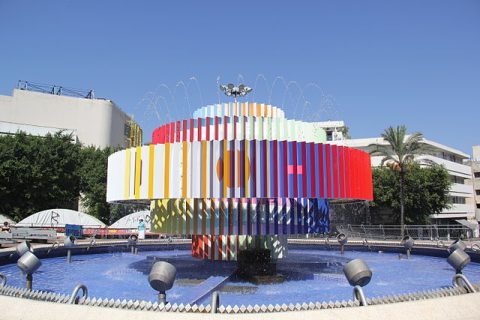
Fire and Water Fountain (Dizengoff Square)
Created by renowned Israeli artist Yaacov Agam in 1986, this kinetic fountain features colorful concentric rings that rotate to music while water and fire elements perform synchronized shows. The cybernetic sculpture represents geometric abstraction and participatory art. Performances occur several times daily with water jets, flames, and rotating platforms creating mesmerizing displays. The fountain symbolizes Tel Aviv's modernist ambitions and public art investment during the 1980s. While the surrounding square has evolved, the fountain remains an iconic if somewhat dated landmark of Israeli contemporary art.
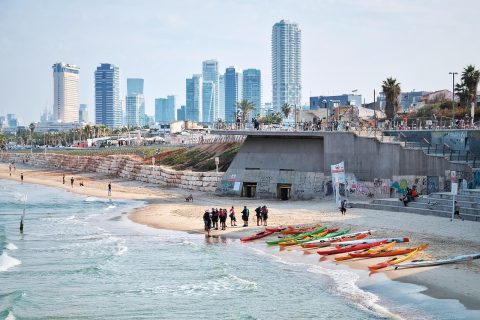
Statue of Meir Dizengoff
A monument honoring Tel Aviv's first mayor and founding father, Meir Dizengoff, who served from 1911-1925. The statue captures the visionary leader who transformed sand dunes into a modern city. Located prominently in the city center, it reminds residents and visitors of Tel Aviv's relatively recent founding and rapid development. Dizengoff's contributions included urban planning, cultural institution building, and municipal infrastructure that established foundations for the metropolis. While not artistically remarkable, the monument holds historical significance as homage to the pioneering spirit that created Israel's cultural capital.
Tips for Fountains & Public Art
- Photography walks: Florentin street art changes frequently; what you see today may be gone tomorrow
- Guided tours: Street art tours provide context about artists, techniques, and social messages behind murals
- Respectful shooting: Some murals appear on private property; be considerate when photographing
- Best light: Morning and late afternoon provide optimal lighting for street art photography
- Public art maps: Check Tel Aviv municipality website for public sculpture locations throughout the city