Tel Aviv's religious landscape reflects its multicultural character, with synagogues, mosques, and churches coexisting peacefully. While less concentrated than Jerusalem, the city offers meaningful spiritual sites representing diverse faiths and communities.
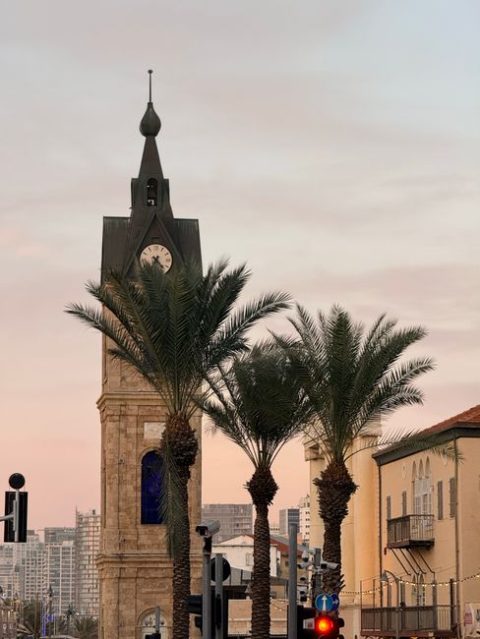
Great Synagogue of Tel Aviv
Tel Aviv's main synagogue, completed in 1926, represents one of the city's earliest significant buildings. The Moorish Revival architecture features distinctive domes, arches, and decorative elements. Located on Allenby Street, it serves as the center of Tel Aviv's religious establishment. The interior showcases beautiful craftsmanship with ornate ark, bimah, and stained glass windows. While primarily a functioning house of worship, visitors can appreciate the historical and architectural significance. Dress modestly and respect prayer times when visiting.
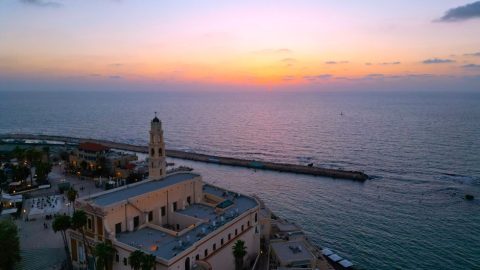
St. Peter's Church Jaffa
This striking Franciscan Catholic church in Old Jaffa dates to the 17th century, though the current structure was rebuilt in the 1890s. The neo-baroque architecture features ornate stone carvings, a distinctive bell tower, and beautiful interior frescoes. The church commemorates St. Peter's visit to Jaffa mentioned in Acts of the Apostles. Panoramic views from the courtyard overlook Jaffa port and Tel Aviv's skyline. The peaceful atmosphere contrasts with the bustling streets below, offering spiritual respite and historical context.
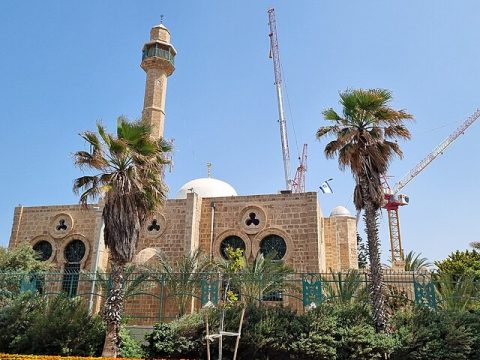
Hassan Bek Mosque
Built in 1916 during Ottoman rule, this historic mosque stands at the intersection of Tel Aviv and Jaffa, near the beachfront. The stone minaret serves as a visible landmark from the promenade. Named after Hassan Bek, the Ottoman governor, it represents the area's Islamic heritage predating Tel Aviv's founding. While primarily serving local Muslim worshippers, its exterior and location make it architecturally significant. The mosque symbolizes the coexistence of cultures in modern Tel Aviv-Jaffa.
Tips for Religious Sites
- Dress code: Wear modest clothing covering shoulders and knees when visiting religious sites
- Prayer times: Avoid visiting during active services unless participating; check schedules in advance
- Sabbath awareness: Jewish sites may have limited access Friday evening through Saturday evening
- Photography etiquette: Always ask permission before photographing inside houses of worship
- Respectful behavior: Maintain quiet, remove hats in churches, cover heads in synagogues (kippot usually provided)