Tel Aviv's vibrant public spaces serve as the city's living rooms where locals and visitors gather, socialize, and experience urban culture. From historic boulevards to modern pedestrian zones, these areas pulse with energy.
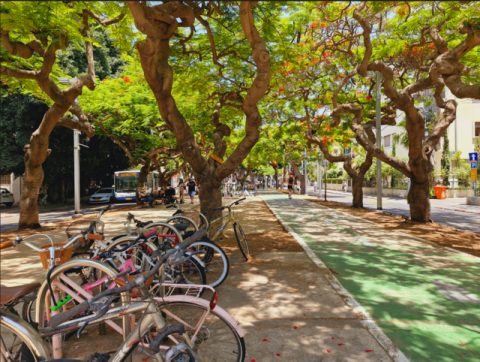
Rothschild Boulevard
Tel Aviv's most iconic tree-lined promenade epitomizes the city's Bauhaus heritage and café culture. The wide pedestrian median features bicycle paths, benches, and playgrounds beneath towering ficus trees. Bauhaus buildings line both sides, housing trendy cafés, restaurants, and boutiques. Independence Hall sits along this historic avenue. Popular for morning jogging, afternoon coffee breaks, and evening strolls, Rothschild captures Tel Aviv's cosmopolitan lifestyle. The boulevard represents the perfect blend of architectural heritage, urban design, and contemporary culture that defines modern Israeli life.
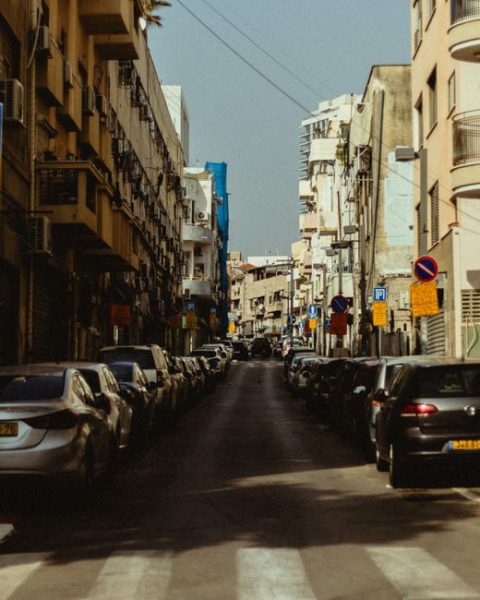
Sheinkin Street
A bohemian shopping street that became synonymous with Tel Aviv's alternative culture in the 1980s-90s. Once the epicenter of Israeli café society and fashion, Sheinkin still maintains artistic character with independent boutiques, vintage shops, and sidewalk cafés. The street attracts creatives, students, and fashion-forward locals. Tree-shaded sidewalks invite leisurely browsing through unique stores selling Israeli designer clothing, jewelry, and home goods. While gentrification has changed its character, Sheinkin remains an essential stop for understanding Tel Aviv's creative spirit and urban evolution.
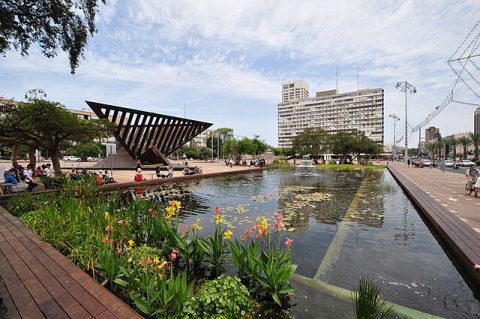
Rabin Square
Tel Aviv's largest public square, formerly Kings of Israel Square, was renamed after Prime Minister Yitzhak Rabin who was assassinated here in 1995. A memorial marks the exact spot of this tragic event. The vast paved plaza hosts major political rallies, concerts, holiday celebrations, and public gatherings. Surrounded by City Hall and modern office buildings, the square represents Tel Aviv's role as Israel's civic and cultural center. The scale and openness make it impressive, though it's most alive during events rather than daily visits.
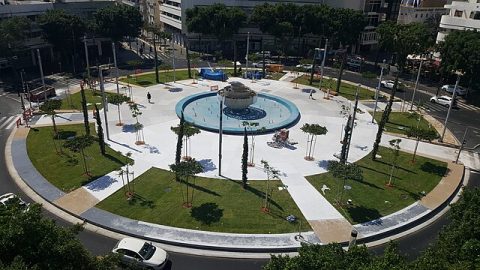
Dizengoff Square
Once Tel Aviv's main plaza, this elevated pedestrian area was redesigned in the 1970s with modernist aspirations. The centerpiece Fire and Water Fountain, designed by Yaacov Agam, features kinetic sculpture with colored rings rotating to music. Surrounding the square are cafés, shops, and residential buildings representing 1930s-1970s architecture. While it lost some prominence to newer areas, recent renovations aim to restore its cultural significance. The square hosts events and remains a snapshot of Tel Aviv's mid-century optimism and architectural experimentation.
Tips for Squares & Streets
- Coffee culture: Experience authentic Tel Aviv life by spending time at boulevard cafés during morning hours
- Evening atmosphere: Rothschild and Sheinkin come alive at night with restaurants and bars
- Bicycle rental: Many squares connect via bike paths; rent city bikes for efficient exploration
- Market timing: Visit nearby Carmel Market Tuesday-Thursday mornings for authentic local experience
- Walking tours: Join free walking tours that often include these historic streets with cultural context