Tel Aviv's diverse neighborhoods each possess distinct character and atmosphere, from trendy Neve Tzedek's restored charm to Florentin's street art and underground scene. Exploring these areas reveals the city's multifaceted personality.
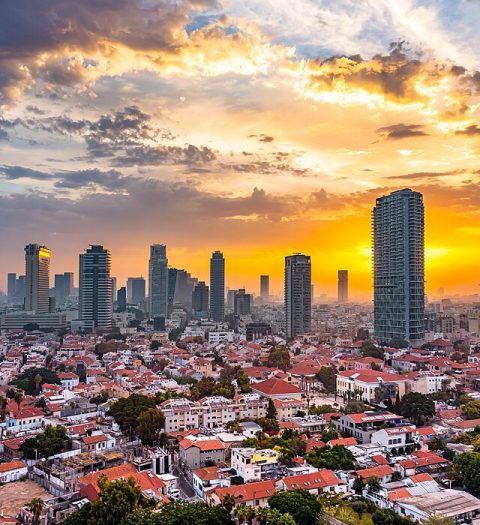
Neve Tzedek
Tel Aviv's first neighborhood, established in 1887 before the city's official founding, features narrow lanes lined with beautifully restored low-rise buildings painted in pastels. This upscale bohemian quarter houses designer boutiques, art galleries, trendy restaurants, and the Suzanne Dellal Centre for Dance. The architectural preservation showcases late Ottoman and early Zionist periods. Charming courtyards, flowering vines, and intimate scale create romantic atmosphere. Neve Tzedek represents successful urban renewal, transforming from neglected area to Tel Aviv's most sought-after address while maintaining historical authenticity.
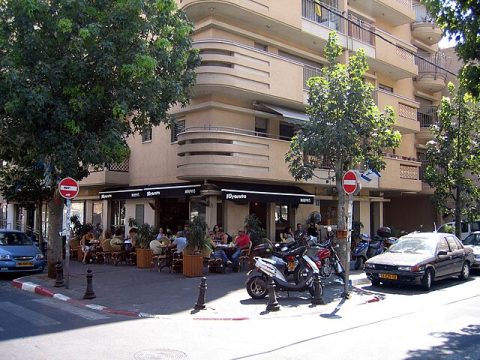
Florentin
Tel Aviv's hipster haven pulses with alternative culture, street art, and underground venues. Once a working-class neighborhood, Florentin has become the epicenter of young creative energy. Colorful murals cover building facades, dive bars operate in converted workshops, and vintage shops share space with tattoo parlors. The graffiti-covered walls tell political and artistic stories. Late-night bars, art collectives, and music venues create vibrant nightlife. Despite gentrification pressures, Florentin maintains gritty authenticity that appeals to artists, musicians, and adventurous travelers seeking authentic urban experience.
Kerem HaTeimanim (Yemenite Quarter)
Founded by Yemenite Jewish immigrants in 1906, this compact neighborhood maintains traditional character with narrow winding lanes, small houses, and authentic atmosphere. The centerpiece Carmel Market borders the quarter, offering sensory overload of sights, smells, and flavors. Family-run restaurants serve traditional Yemenite cuisine including jachnun, malawach, and kubaneh. The neighborhood's intimate scale and preserved architecture contrast sharply with surrounding modern development. Walking these streets provides glimpse into Tel Aviv's immigrant founding and multicultural fabric of Israeli society.

Sarona Neighborhood
The transformed German Templar colony now serves as upscale dining and shopping destination while preserving historical architecture. Thirty-six restored buildings from 1871 create atmospheric complex mixing heritage with modernity. Sarona Market's indoor food hall features gourmet vendors, fresh produce, and international cuisine. Manicured gardens, shaded walkways, and cultural programming make it popular for families and tourists. The neighborhood exemplifies successful adaptive reuse, honoring Tel Aviv's diverse founding communities while serving contemporary needs. Surrounded by skyscrapers, Sarona offers historical contrast and pedestrian-friendly respite.
Tips for Neighborhoods & Districts
- Neighborhood hopping: Tel Aviv's compact size allows exploring multiple districts in one day on foot or bike
- Local guides: Consider neighborhood-specific walking tours for deeper cultural understanding and hidden gems
- Evening exploration: Florentin and Neve Tzedek reveal different personalities after dark with nightlife and dining scenes
- Photography opportunities: Each neighborhood offers distinct visual character - Florentin for street art, Neve Tzedek for architecture
- Market timing: Visit Kerem HaTeimanim Tuesday-Friday mornings when Carmel Market is most vibrant