Bologna's compact medieval core makes it easy to see the essentials in a day or two. Piazza Maggiore anchors the city, flanked by the Basilica of San Petronio and framed by the Fountain of Neptune just steps away. Climbing Le Due Torri rewards visitors with sweeping rooftop views, while the Porticoes of Bologna, a UNESCO-listed network of covered walkways, let you explore comfortably in any weather. For a deeper cultural stop, the Archiginnasio of Bologna reveals the city's academic history through its historic anatomical theatre. These picks combine iconic landmarks, hidden gems, and walkable proximity, giving travelers maximum cultural payoff without wasting limited time.
Bologna's architectural heritage showcases centuries of history through its iconic towers, grand palaces, and Renaissance structures that define the city's distinctive skyline and character.
Must See
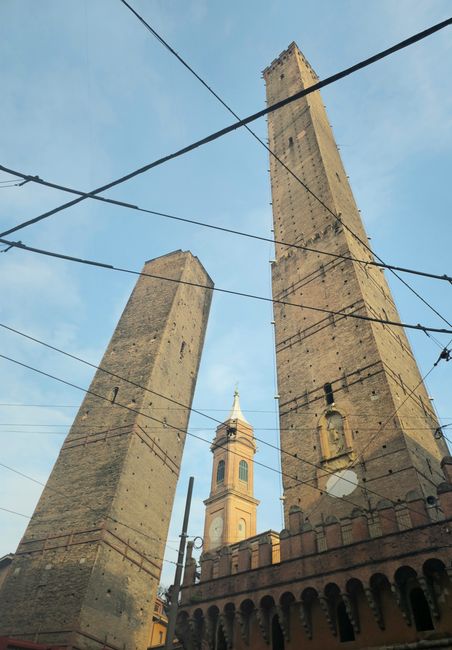
Le Due Torri (Two Towers)
The Two Towers are Bologna's iconic medieval symbols. The 97-meter Torre degli Asinelli (1109-1119) offers spectacular panoramic views after climbing 498 steps, showcasing terracotta rooftops and distant mountains. The adjacent Torre Garisenda leans noticeably and inspired Dante's Divine Comedy. Built by noble families as power symbols, these towers define Bologna's skyline. The steep climb rewards visitors with unforgettable vistas over the historic center.
Must See📌 Book Ahead
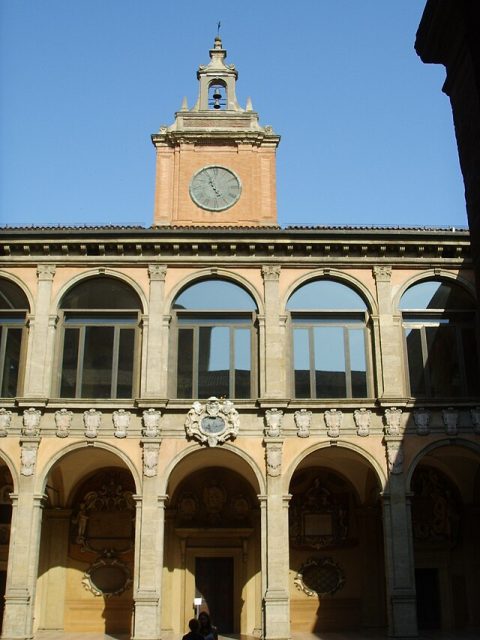
Archiginnasio of Bologna
The Archiginnasio served as the University of Bologna's main building (1563-1803) and now houses an 850,000-volume municipal library. Its crown jewel is the Teatro Anatomico (1637), an exquisite wooden anatomical theater with carved physician statues and a marble dissection table topped by figures called 'gli spellati' (the skinned ones). Over 6,000 student coats of arms decorate the corridors, creating a unique chronicle of university history.
Tips for Landmarks & Monuments
- The Asinelli Tower is currently closed to the public, and the Garisenda Tower is not accessible.
- The Teatro Anatomico requires timed tickets – book online in advance during peak season
- The Asinelli Tower is currently closed to the public. – the wooden steps can be steep and narrow
- Many palaces offer free entry on specific days – check the Bologna Welcome website for updated schedules
- Photography is generally allowed but flash may be prohibited in certain areas
Bologna's museums showcase an impressive range of collections from medieval art and Renaissance masterpieces to modern innovations, reflecting the city's role as a cultural and intellectual center throughout history.
Must See
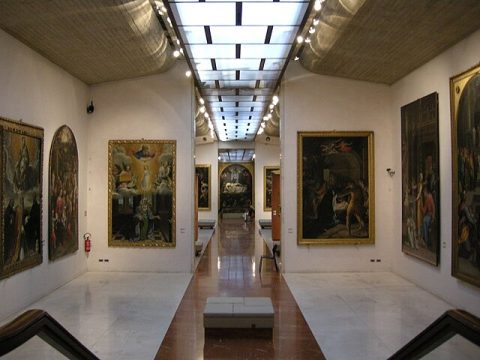
Pinacoteca Nazionale di Bologna
The National Art Gallery houses Italy's finest collections of 13th-18th century paintings, specializing in the Bolognese School. Masterpieces include Raphael's 'Ecstasy of Saint Cecilia', exceptional works by the Carracci family, and Guido Reni's powerful religious compositions. The 30 chronologically arranged rooms trace Italian painting evolution through Renaissance and Baroque periods, with particular strength in Emilian art showcasing Bologna's profound influence on Western painting.
Tips for Museums & Galleries
- First Sunday of the month often features free admission to state museums
- Consider purchasing a Bologna Welcome Card for discounted or free museum entry
- Many museums close on Mondays – always verify opening times before visiting
- Audio guides are available at major museums and greatly enhance the experience
- The MAMbo bookshop is excellent for contemporary art publications and design objects
Bologna's churches and religious complexes represent architectural masterpieces spanning Byzantine, Romanesque, Gothic, Renaissance, and Baroque periods, housing priceless artworks and serving as spiritual centers for centuries.
Must See
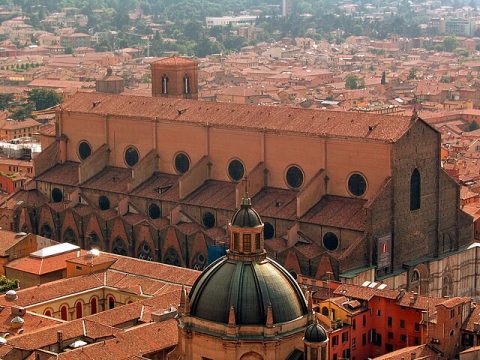
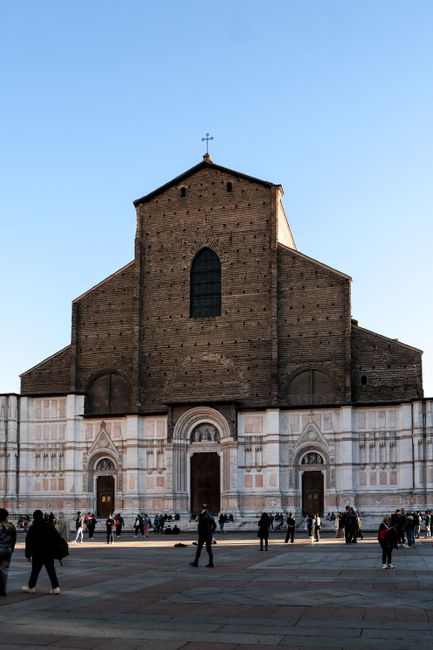
Basilica of San Petronio
The Basilica of San Petronio dominates Piazza Maggiore as one of the world's largest churches (132m long, 66m wide). Construction began in 1390 to rival St. Peter's. The striking incomplete marble facade contrasts finished lower sections with exposed brick above. Inside, 22 chapels feature works by Giovanni da Modena and Lorenzo Costa. The world's largest sundial (1655) stretches 67.7 meters. Here, Pope Clement VII crowned Charles V in 1530.
Must See
Basilica of Santo Stefano (Seven Churches)
The Basilica of Santo Stefano complex, known as 'Sette Chiese' (Seven Churches), comprises interconnected medieval structures creating a unique architectural ensemble (5th-13th centuries). Four main buildings remain: the Church of the Crucifix, octagonal Church of the Holy Sepulchre (modeled after Jerusalem), Courtyard of Pilate with its 8th-century basin, and Church of Vitale and Agricola (Bologna's oldest, 5th century). The tranquil Benedictine Cloister enhances the mystical atmosphere.
Tips for Religious Sites
- Modest dress is required – shoulders and knees must be covered
- Churches typically close during lunch hours (approximately 12:30-15:30) and during Mass times
- Entry to churches is generally free, though donations are appreciated and some museum sections require tickets
- Photography without flash is usually permitted but be respectful during religious services
- Visit Santo Stefano in the late afternoon when golden light filters through the ancient buildings
Bologna's magnificent squares and porticoed streets form the social and architectural heart of the city, where daily life unfolds beneath kilometers of historic arcades that have earned UNESCO World Heritage status.
Must See
Piazza Maggiore
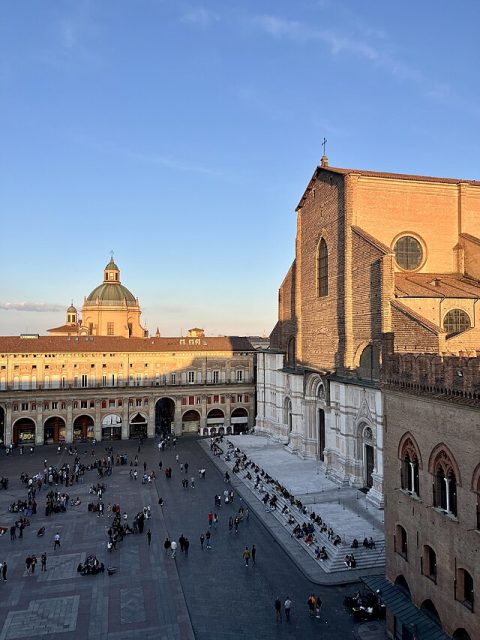
Piazza Maggiore, Bologna's civic center since the 13th century, is surrounded by medieval and Renaissance landmarks: the massive Basilica of San Petronio, Palazzo Comunale, Palazzo dei Banchi, and Palazzo del Podestà. The vast trapezoidal space hosts markets, gatherings, and the evening passeggiata. Throughout the day, it transforms from morning cafes to student lounging to evening crowds. Summer brings outdoor cinema and concerts, making it Bologna's vibrant heart.

Must See
The Porticoes of Bologna (UNESCO)
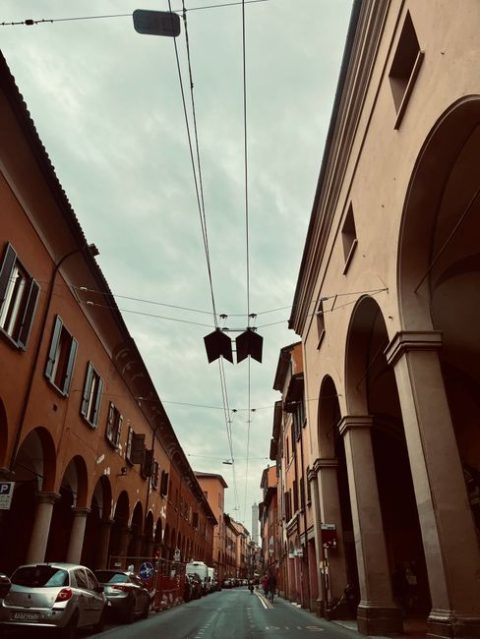
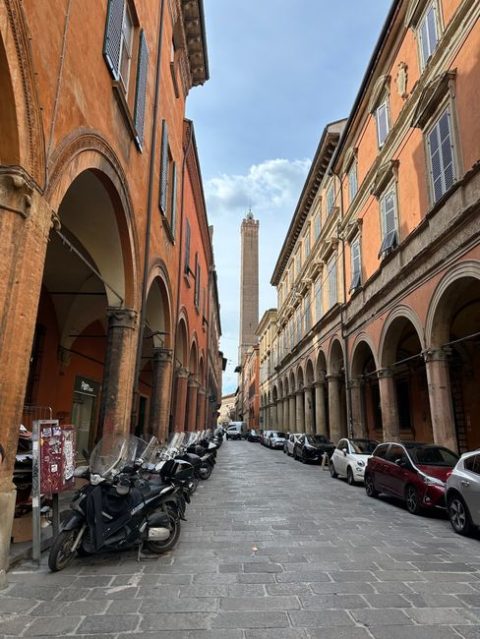
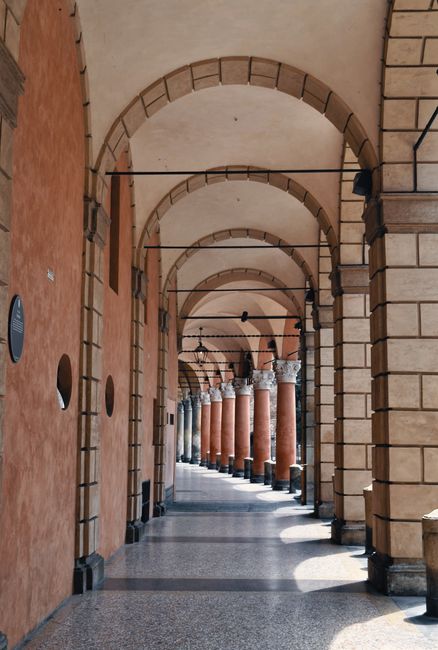
Bologna's porticoes form the world's most extensive covered walkways 62 kilometers total, 38km in the center earning UNESCO World Heritage status (2021). Beginning in the Middle Ages as expanded living space, they became universal through city statutes. Styles range from medieval wooden posts to baroque arches. The Portico di San Luca stretches 3.8km uphill with 666 arches. These covered streets create unique urban rhythm, enabling social life regardless of weather.
Must See
Quadrilatero Market District
The Quadrilatero, Bologna's historic market district since the Middle Ages, features medieval streets named after ancient trades: Via Pescherie Vecchie (Fish), Via Drapperie (Cloth), Via Clavature (Nails). Today it remains a vibrant food market with vendors selling Parmigiano-Reggiano, prosciutto, fresh pasta, and regional wines. Traditional shops like Tamburini operate alongside artisan boutiques, wine bars, and trattorias, creating authentic Bolognese gastronomic atmosphere.
Tips for Squares & Historic Streets
- Visit the Quadrilatero market weekday mornings (9am-1pm) for the full authentic experience
- The Portico di San Luca pilgrimage walk takes 1-2 hours uphill – wear comfortable shoes and bring water
- Evening in Piazza Maggiore is perfect for people-watching – grab gelato and sit on San Petronio's steps
- Many shops in the Quadrilatero close on Sunday afternoons and Mondays
- Download a porticoes walking map from Bologna Welcome to explore different architectural styles
Bologna's public spaces feature magnificent fountains and sculptures that serve as landmarks, meeting points, and symbols of the city's artistic heritage and civic identity.
Must See
Fountain of Neptune
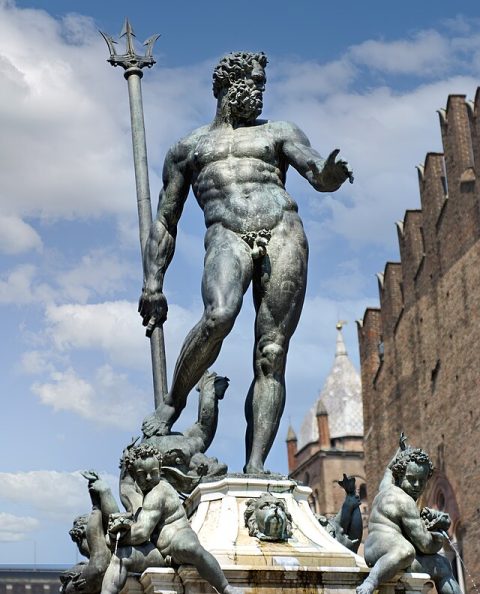
The Fountain of Neptune by Flemish sculptor Giambologna (1563-1566) is Bologna's iconic baroque monument. The imposing 3-meter bronze Neptune commands attention with his extended arm gesture symbolizing authority. Four cherubs riding water-spouting dolphins and four sirens squeezing their breasts scandalized clergy but delighted the public. This Renaissance masterwork brilliantly combines classical mythology with baroque dynamism, becoming Bologna's signature landmark and gathering point. Recently restored to original luster.
Tips for Fountains & Public Art
- The fountain is beautifully illuminated at night – perfect for evening photography
- Walk around the entire fountain to appreciate Giambologna's 360-degree composition
- Look for the hidden thumb trick – stand at a specific angle where Neptune's thumb appears positioned suggestively
- The fountain area can be very crowded – early morning offers the best photo opportunities
Bologna offers unique experiences from hands-on cooking classes to specialized tours that reveal the city's culinary traditions, artisan crafts, and hidden histories.
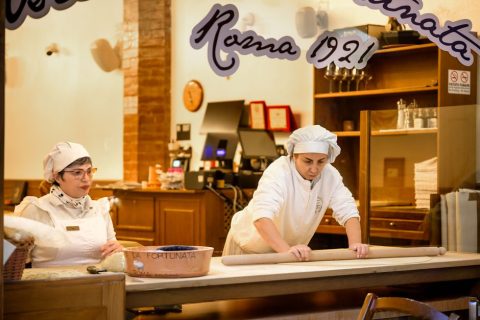
Must See📌 Book Ahead
Food Tours & Cooking Classes
Bologna's reputation as 'La Grassa' (The Fat) makes food experiences essential. Food walking tours through Quadrilatero market (3-4hrs) include tastings of mortadella, Parmigiano-Reggiano, balsamic vinegar, pasta, and wines. Cooking classes teach authentic pasta-making (tagliatelle, tortellini) in historic settings, typically including market visits and meal enjoyment. Specialized experiences feature mortadella tastings, balsamic vinegar education, wine tours, and cheese aging cellar visits transforming visitors into temporary Bolognesi understanding food as identity.
Tips for Tours & Experiences
- Book cooking classes well in advance – popular classes fill weeks ahead
- Morning food tours work best – markets are most vibrant and shops fully stocked
- Bologna Welcome office in Piazza Maggiore provides tour bookings and information
- Many tours include generous tastings – skip breakfast beforehand
- Private tours offer flexibility for special interests or mobility needs
Bologna's central location and excellent rail connections make it an ideal base for exploring nearby UNESCO sites, medieval towns, culinary destinations, and coastal cities throughout Emilia-Romagna and beyond.
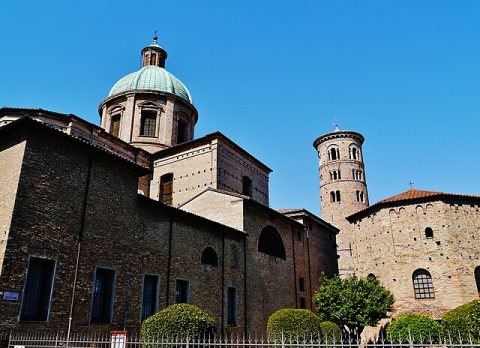
Must See
Ravenna
Ravenna (75min east) preserves the world's finest Byzantine mosaics eight UNESCO monuments. The Basilica of San Vitale and Mausoleum of Galla Placidia dazzle with 6th-century mosaics in brilliant golds and blues. Sant'Apollinare Nuovo, Baptistry of Neon, and Sant'Apollinare in Classe showcase different Byzantine artistry aspects. Dante Alighieri spent his final years here; his tomb honors Italy's greatest poet. Ravenna's compact center allows visiting all major sites in one day.
Tips for Day Trips & Excursions
- Book train tickets in advance on Trenitalia or Italo for discounts up to 60%
- Regional trains are cheaper than high-speed but take longer – choose based on your schedule
- Many day trip destinations are best explored by bike – rentals available at train stations
- Combine Modena with a balsamic vinegar producer visit for authentic experiences
- Purchase combination tickets for multiple Ravenna mosaic sites to save money
- Consider guided day tours from Bologna including transportation for hassle-free experiences
Practical Information
Essential information for planning your Bologna visit, including optimal timing, local customs, and practical tips for navigating the city like a local.
When to Visit Bologna
Spring (April-June): ideal temperatures 15-25°C, blooming gardens, festivals including Bologna Children's Book Fair. Fall (September-October): pleasant 18-25°C, harvest season, food festivals, university returns. Summer (July-August): hot 28-35°C, porticoes provide shade, outdoor cinema, many close for Ferragosto. Winter (November-March): 0-10°C, fewer crowds, Christmas markets, authentic atmosphere, cozy trattorias. Best times: April-June and September-October for perfect balance.
Essential Practical Tips
Money & Costs
Euro (€). Budget €10-15 casual meals, €25-40 trattorias, €3-5 coffee/pastry. ATMs widely available; cards accepted though cash preferred at markets.
Language
Italian official. English spoken at tourist sites. Basic Italian appreciated. Bolognese dialect differs from standard Italian.
Tipping
Coperto (€2-3) usually included. Additional 5-10% for excellent service appreciated but not mandatory.
Safety
Very safe. Watch pickpockets at stations/markets. Emergency: 112.
Hours
Shops: 9:30-13:00, 15:30-19:30 (closed Sunday/Monday morning). Restaurants: lunch 12:30-14:30, dinner 19:30-22:30. Many close 2-3 weeks in August.
Etiquette
Greet with 'Buongiorno'/'Buonasera'. Dress modestly for churches. No cappuccino after 11am. Wait to be seated at restaurants.
Tips for Practical Information
- Download offline maps before arrival – WiFi is available at cafes but data roaming can be expensive
- Purchase a Bologna Welcome Card for museum discounts and public transport (24h/48h/72h options)
- Book accommodation early during trade fair periods (check Bologna Fiere calendar) when prices spike
- Many churches and smaller museums have irregular hours – always verify before making special trips
- The historic center is largely pedestrianized – comfortable walking shoes are essential for cobblestones
- Learn the phrase 'mi scusi' (excuse me) for navigating crowded porticoes
Bologna eases into the holidays with a mix of old and new traditions rather than one single blockbuster market. The medieval Piazza Santo Stefano hosts one of Italy's oldest nativity and craft markets, while the wider historic center glows each December under the F-Light art installations. Expect porticoed streets strung with lights, roasted chestnuts, and a laid-back, local feel rather than the alpine-style wooden chalets found further north.
Must See
Mercatino di Natale di Piazza Santo Stefano
Tucked among the seven churches of one of Bologna's most atmospheric squares, this nativity and handicraft market is among the oldest Christmas traditions in the city, running roughly from early December through early January 2026. Stalls sell hand-carved presepi (nativity figures), regional ceramics, wooden toys, and holiday sweets like torrone and panettone. Because the square itself is a medieval architectural complex, browsing here doubles as sightseeing, and the market stays low-key and pedestrian-friendly compared to larger European markets. Evenings are especially pleasant, when the porticoes are lit and the crowds thin out. It is a short walk from Piazza Maggiore, making it easy to combine with other holiday sights in one outing. Vendors are mostly local artisans, so it is a good stop for distinctive, non-mass-produced gifts and souvenirs.
Tips for Christmas Market
- Bologna does not have one single famous Christmas market like Vienna or Strasbourg — plan around several smaller events (Piazza Santo Stefano market, F-Light, Piazza Maggiore) instead of one destination.
- Confirm exact 2026 opening dates and rink locations closer to your trip, as city-run holiday programs are announced in autumn each year.
- The historic center is very walkable, so an evening visiting the tree, lights, and market can easily be done on foot in one outing.
- Bring warm layers for outdoor evening events, as December temperatures in Bologna are often near freezing.
- Reserve restaurant tables in advance around Piazza Maggiore during December weekends, as the area gets busy with holiday visitors.
When the museums close, Bologna does not go quiet. The university population keeps a dense cluster of bars, wine cellars, and clubs buzzing well past midnight, especially around Via del Pratello and Via Zamboni. Expect cheap spritz, live jazz, and a student-driven energy that runs later than in most Italian cities.
Must See
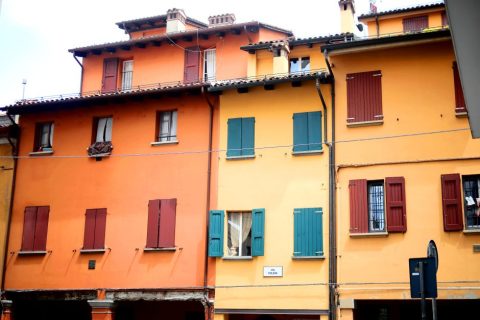
Via del Pratello Bar Crawl
Via del Pratello is Bologna's unofficial nightlife spine, a narrow cobbled street lined with small bars, wine shops, and craft beer spots that spill drinkers onto the pavement every night of the week. It has a scruffy, unpolished feel compared to the postcard center, which is exactly its appeal. Locals gather here from early evening for an aperitivo and often stay well past 2am, moving between venues with a glass in hand. Expect natural wine bars, tiny cocktail counters, and the occasional impromptu street performer. Weekends get loud and crowded, so arrive early if you want a seat rather than standing room. It is a good street to just wander rather than plan, since the best spot is often whichever one has the liveliest crowd outside it that particular night.
Tips for Nightlife
- Via del Pratello gets loud on weekend nights; weeknights are calmer if you prefer conversation over crowds
- Book a table at Cantina Bentivoglio in advance for weekend jazz sets
- Many bars offer an aperitivo buffet with the price of a drink, a cheap way to cover dinner before a night out
- Public transport winds down after midnight, so plan a taxi or short walk back to your accommodation
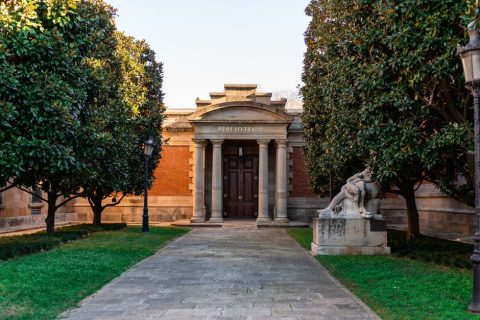
Bologna rewards young explorers with hands-on museums, leafy parks, and a food-themed adventure park just outside town. Between piazza strolls, these stops give children room to run, touch, and play while parents get a breather.
Must See📌 Book Ahead
Explora - Il Museo dei Bambini di Bologna
This is Bologna's dedicated childrens science museum, built entirely around hands-on play for ages 0 to 12. Rooms are split by age group, letting toddlers splash in water tables while older kids experiment with pulleys, light, and simple machines. Everything is designed to be touched, climbed on, or taken apart, with staff on hand to turn each station into a mini lesson without it ever feeling like school. There is a soft-play area for the youngest visitors and rotating themed exhibits that keep repeat visits fresh. It sits just outside the historic center, making it an easy add-on to a day of sightseeing when little legs need a change of pace. Weekday mornings are noticeably quieter than weekends, when local families crowd in for birthday parties and workshops. Strollers fit throughout, and there is a small cafe area for snack breaks.
Tips for With Kids
- Pack a light change of clothes for splash areas at Explora and the Montagnola playground.
- Book FICO Eataly World workshops a day ahead, as the popular sessions for kids fill up fast.
- Combine Montagnola park with a train station arrival or departure to save extra travel time.
- Midweek mornings are quieter at every stop, especially Explora, which fills with birthday groups on weekends.
Bologna keeps a lively calendar year round, from its landmark contemporary art fair in winter to open-air concerts, jazz nights, and a Christmas market that fills the porticoed streets. Below is a month-by-month look at the recurring events shaping a 2026 visit to the city.
Must See
Bologna Estate Summer Festival Series
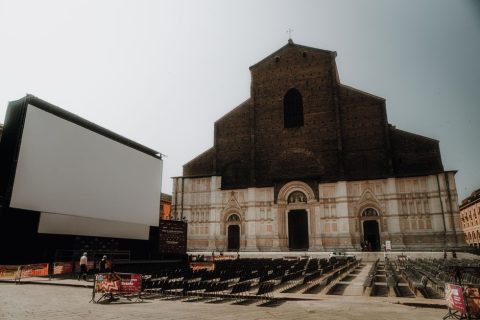
From early summer through the first cool evenings of autumn, Bologna Estate transforms parks, cloisters, and hilltop villas into an open-air stage. Running roughly from June 5 to September 20, 2026, the program mixes free concerts, outdoor cinema screenings, dance nights, and DJ sets at venues such as Giardini Margherita, Villa Ghigi, and the courtyard of Certosa. Highlights typically include a jazz-under-the-stars series in July and a world-music weekend in August, both drawing a relaxed mix of students, families, and visitors escaping the daytime heat. Most events are free or low-cost, and food trucks and pop-up bars usually set up nearby. Because the schedule spans many small venues rather than one central site, checking the weekly program board or the city's cultural office listings before heading out is the best way to catch a specific act.
Must See
Bologna Christmas Market and New Year in Piazza Maggiore
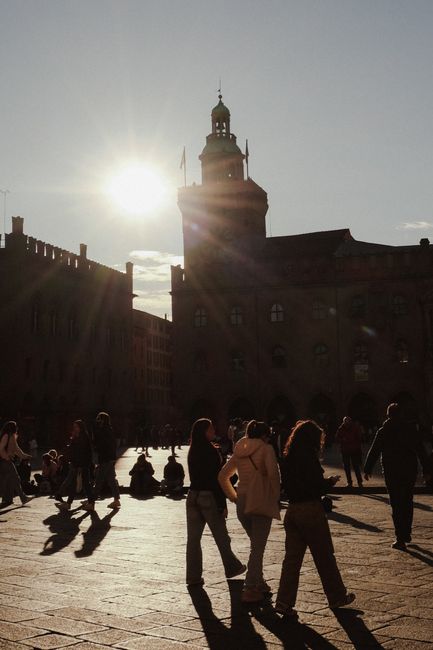
Bologna's central square becomes a glowing hub of holiday activity as wooden chalets selling mulled wine, roasted chestnuts, and handmade gifts fill Piazza Maggiore from late November through Epiphany. In 2026, expect the market to open around November 28 and run through January 6, 2027, with a towering illuminated tree and a life-size nativity scene as the square's centerpiece. The season peaks on December 31, when a free open-air concert and countdown draw thousands under the Two Towers before a midnight fireworks display over the historic center. Surrounding streets stay lively with festive lights strung along the porticoes well into January. Arriving by early evening secures a good spot near the stage on New Year's Eve, and warm layers are essential for the outdoor crowds.
Tips for Events Calendar
- Dates for most Bologna events are confirmed only a few months ahead, so check the city's official cultural calendar shortly before your trip.
- Book accommodation early if visiting during Arte Fiera or New Year's Eve, when hotel prices in the center rise sharply.
- Many summer and open-courtyard events are free, but headline jazz festival concerts and fair tickets should be purchased in advance.
- Pack for both extremes: outdoor summer events run late into humid evenings, while the December market can be damp and cold under the porticoes.
Real, highly-rated Restaurants in Bologna, sourced from Google Places (rating above 4★).
Bologna Food Gallery
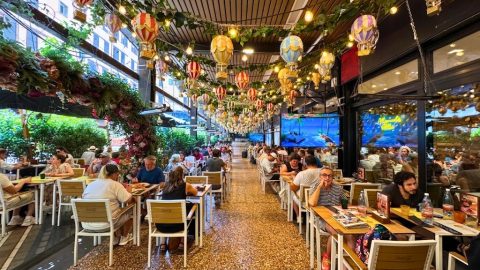
Bologna Food Gallery is a highly-rated restaurant in Bologna, rated 4.8★ from 4890 reviews. Located at Galleria II Agosto 1980, 8, 40121 Bologna BO, Italy.
Opening Hours
- Monday: 7:00 AM – 11:00 PM
- Tuesday: 7:00 AM – 11:00 PM
- Wednesday: 7:00 AM – 11:00 PM
- Thursday: 7:00 AM – 11:00 PM
- Friday: 7:00 AM – 11:00 PM
- Saturday: 7:00 AM – 11:00 PM
- Sunday: 7:00 AM – 11:00 PM
Ristorante Mamima
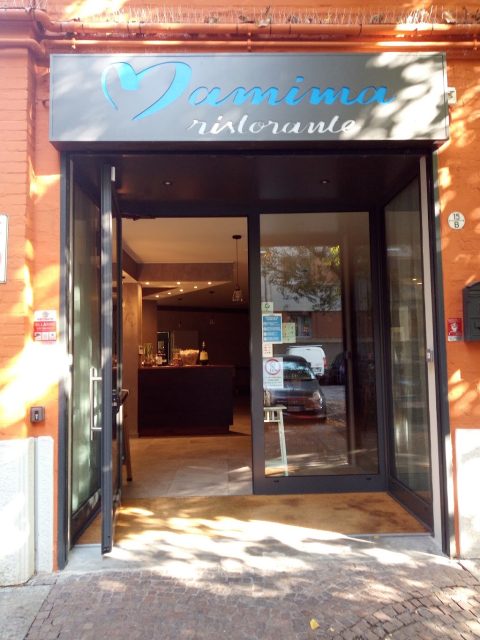
Ristorante Mamima is a highly-rated restaurant in Bologna, rated 4.8★ from 884 reviews. Located at Via Lodovico Berti, 15b, 40131 Bologna BO, Italy.
Opening Hours
- Monday: Closed
- Tuesday: 12:00 – 2:30 PM, 7:30 – 11:00 PM
- Wednesday: 12:00 – 2:30 PM, 7:30 – 11:00 PM
- Thursday: 12:00 – 2:30 PM, 7:30 – 11:00 PM
- Friday: 12:00 – 2:30 PM, 7:30 – 11:00 PM
- Saturday: 12:00 – 2:30 PM, 7:30 PM – 12:00 AM
- Sunday: 12:00 – 3:00 PM
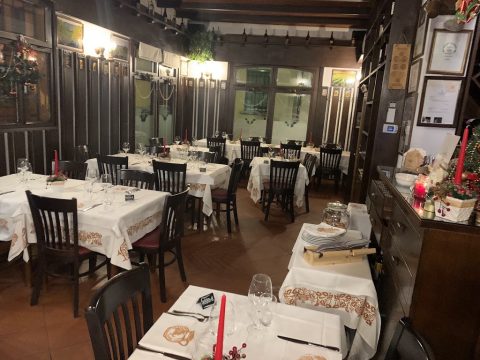
Al Sangiovese Restaurant
Al Sangiovese Restaurant is a highly-rated restaurant in Bologna, rated 4.7★ from 1442 reviews. Located at Vicolo del Falcone, 2b, 40124 Bologna BO, Italy.
Opening Hours
- Monday: 12:15 – 2:30 PM, 7:15 – 10:30 PM
- Tuesday: 12:15 – 2:30 PM, 7:15 – 10:30 PM
- Wednesday: 12:15 – 2:30 PM, 7:15 – 10:30 PM
- Thursday: 12:15 – 2:30 PM, 7:15 – 10:30 PM
- Friday: 12:15 – 2:30 PM, 7:15 – 10:30 PM
- Saturday: 12:15 – 2:15 PM, 7:15 – 10:15 PM
- Sunday: Closed
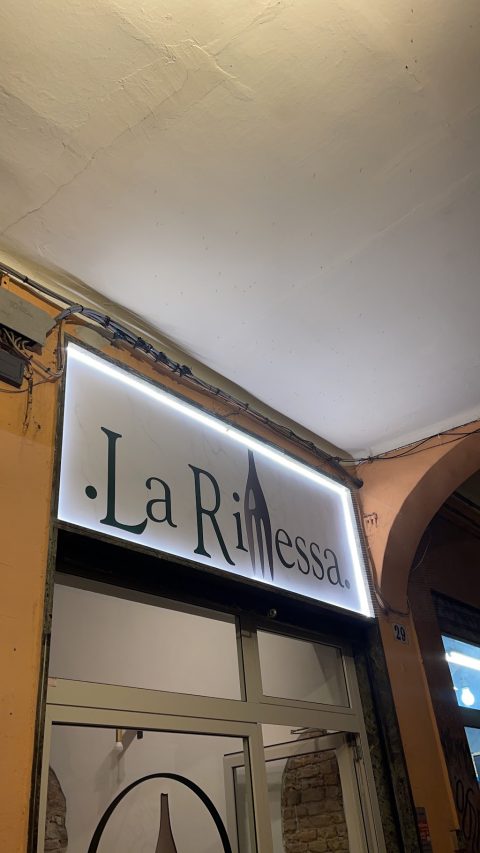
La Rimessa
La Rimessa is a highly-rated restaurant in Bologna, rated 4.7★ from 531 reviews. Located at Via Marsala, 29, 40126 Bologna BO, Italy.
Opening Hours
- Monday: Closed
- Tuesday: Closed
- Wednesday: 7:30 – 10:30 PM
- Thursday: 7:30 – 10:30 PM
- Friday: 12:30 – 3:00 PM, 7:30 – 10:30 PM
- Saturday: 12:30 – 3:00 PM, 7:30 – 10:30 PM
- Sunday: 12:30 – 3:30 PM
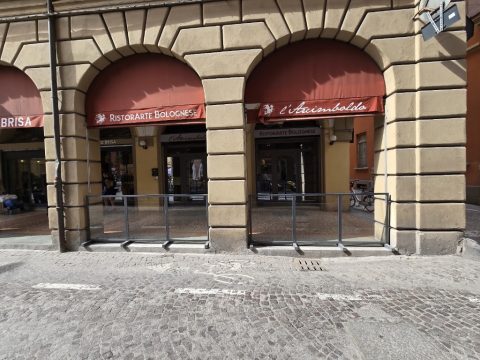
Ristorante L'Arcimboldo
Ristorante L'Arcimboldo is a highly-rated restaurant in Bologna, rated 4.6★ from 1585 reviews. Located at Via Galliera, 34/E, 40121 Bologna BO, Italy.
Opening Hours
- Monday: Closed
- Tuesday: 12:30 – 2:30 PM, 7:30 – 9:30 PM
- Wednesday: 12:30 – 2:30 PM, 7:30 – 9:30 PM
- Thursday: 12:30 – 2:30 PM, 7:30 – 9:30 PM
- Friday: 12:30 – 2:30 PM, 7:30 – 9:30 PM
- Saturday: 12:30 – 2:30 PM, 7:30 – 9:30 PM
- Sunday: 12:30 – 2:30 PM
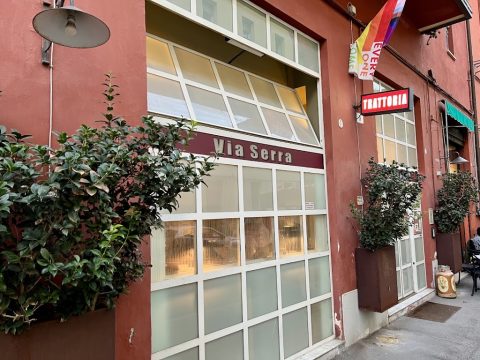
Trattoria di Via Serra
Trattoria di Via Serra is a highly-rated restaurant in Bologna, rated 4.6★ from 2006 reviews. Located at Via Luigi Serra, 9b, 40129 Bologna BO, Italy.
Opening Hours
- Monday: Closed
- Tuesday: 12:00 – 1:45 PM
- Wednesday: 12:00 – 1:45 PM, 7:00 – 9:30 PM
- Thursday: 12:00 – 1:45 PM, 7:00 – 9:30 PM
- Friday: 12:00 – 1:45 PM, 7:00 – 9:30 PM
- Saturday: 12:00 – 1:45 PM, 7:00 – 9:30 PM
- Sunday: Closed
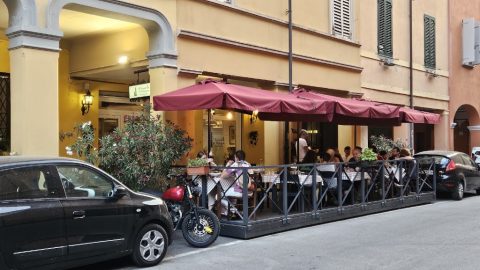
il Passatello di Bologna
il Passatello di Bologna is a highly-rated restaurant in Bologna, rated 4.6★ from 1520 reviews. Located at Via Agamennone Zappoli, 5/b, 40126 Bologna BO, Italy.
Opening Hours
- Monday: 12:00 – 3:00 PM, 7:00 – 11:00 PM
- Tuesday: Closed
- Wednesday: 12:00 – 3:00 PM, 7:00 – 11:00 PM
- Thursday: 12:00 – 3:00 PM, 7:00 – 11:00 PM
- Friday: 12:00 – 3:00 PM, 7:00 – 11:00 PM
- Saturday: 12:00 – 3:00 PM, 7:00 – 11:00 PM
- Sunday: 12:00 – 3:00 PM, 7:00 – 11:00 PM
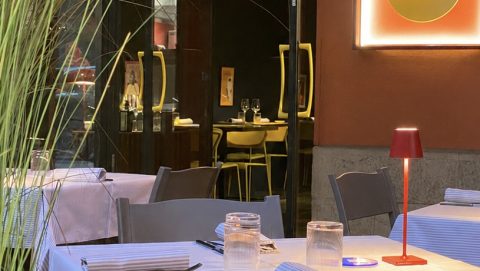
Darcy Osteria Contemporanea
Darcy Osteria Contemporanea is a highly-rated restaurant in Bologna, rated 4.6★ from 608 reviews. Located at Str. Maggiore, 10/a, 40125 Bologna BO, Italy.
Opening Hours
- Monday: 7:30 – 11:30 PM
- Tuesday: 7:30 – 11:30 PM
- Wednesday: Closed
- Thursday: 7:30 – 11:30 PM
- Friday: 12:30 – 3:30 PM, 7:30 – 11:30 PM
- Saturday: 12:30 – 3:30 PM, 7:30 – 11:30 PM
- Sunday: 12:30 – 3:30 PM, 7:30 – 11:30 PM
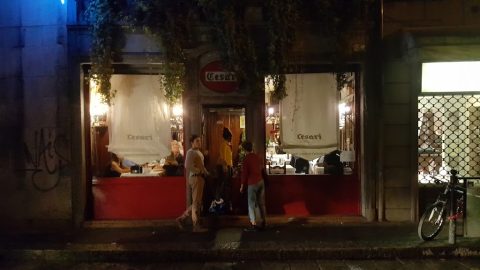
Da Cesari
Da Cesari is a highly-rated restaurant in Bologna, rated 4.6★ from 2466 reviews. Located at Via de' Carbonesi, 8, 40123 Bologna BO, Italy.
Opening Hours
- Monday: 12:30 – 2:30 PM, 7:30 – 10:30 PM
- Tuesday: 12:30 – 2:30 PM, 7:30 – 10:30 PM
- Wednesday: 12:30 – 2:30 PM, 7:30 – 10:30 PM
- Thursday: 12:30 – 2:30 PM, 7:30 – 10:30 PM
- Friday: 12:30 – 2:30 PM, 7:30 – 10:30 PM
- Saturday: 12:30 – 2:30 PM, 7:30 – 10:30 PM
- Sunday: Closed
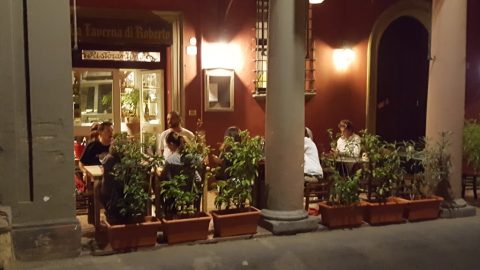
La Taverna Di Roberto
La Taverna Di Roberto is a highly-rated restaurant in Bologna, rated 4.6★ from 1947 reviews. Located at Via S. Vitale, 9, 40125 Bologna BO, Italy.
Opening Hours
- Monday: 12:30 – 3:00 PM, 7:00 – 10:30 PM
- Tuesday: 12:30 – 3:00 PM, 7:00 – 10:30 PM
- Wednesday: 12:30 – 3:00 PM, 7:00 – 10:30 PM
- Thursday: 12:30 – 3:00 PM, 7:00 – 10:30 PM
- Friday: 12:30 – 3:00 PM, 7:00 – 10:30 PM
- Saturday: 12:30 – 3:00 PM, 7:00 – 10:30 PM
- Sunday: Closed