Beyond the postcard sights, Milan hides an eccentric mix of open-air sculpture parks, secret vineyards, and optical-illusion churches that most itineraries skip entirely. These spots reward travelers who wander a few streets off the main routes and take the time to look closer.
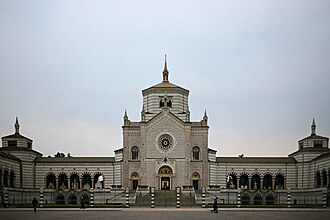
Cimitero Monumentale di Milano
Milan's grand 19th-century cemetery functions as an open-air museum of funerary sculpture, packed with Art Nouveau, Symbolist, and Art Deco tombs commissioned by the city's wealthiest families. Wandering the wide avenues feels closer to touring a sculpture park than visiting a graveyard, with Egyptian temples, Gothic spires, and dramatic bronze figures crowded shoulder to shoulder. The Famedio, a monumental hall at the entrance, honors Milan's most illustrious citizens, including Alessandro Manzoni. Photographers and design lovers linger for hours here, yet it barely registers on typical tourist maps. Free entry and a genuinely peaceful escape from the city center's crowds. Go on a clear morning when the light rakes across the marble reliefs for the best atmosphere and photography conditions.
Vigna di Leonardo (Casa degli Atellani)
Tucked behind an unassuming courtyard near Santa Maria delle Grazie, this restored vineyard was gifted to Leonardo da Vinci by Ludovico Sforza in 1498 while the artist painted the Last Supper nearby. Destroyed in World War II bombing, the vineyard was painstakingly replanted using DNA analysis of the original grape variety, the Malvasia di Candia Aromatica. A short guided visit through the Renaissance courtyard and gardens of Casa degli Atellani leads to the vines themselves, along with rooms displaying period frescoes. It is one of the few places in central Milan where visitors can stand in a genuine 15th-century garden. Advance booking is essential since visits run in small timed groups. Pair it with a walk through the quiet residential streets of the surrounding Magenta district.
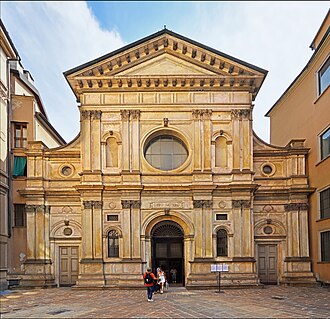
Santa Maria presso San Satiro
Steps from the Duomo but overlooked by nearly everyone rushing past, this modest church hides one of the Renaissance's cleverest optical tricks. Architect Donato Bramante, constrained by a shallow lot with no room for a proper apse, painted and sculpted a trompe-l'oeil choir in shallow relief that appears from the entrance to extend many meters deeper than it actually does. Step toward the altar and the illusion collapses into flat plasterwork, a moment that delights architecture enthusiasts every time. The adjoining octagonal baptistery, decorated with terracotta reliefs, is equally worth a look. Entry is free and the church rarely has more than a handful of visitors. It takes only minutes to see but rewards close attention to how light and perspective are manipulated.
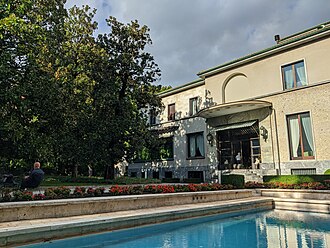
Villa Necchi Campiglio
Hidden behind high walls in the elegant Quadrilatero area, this 1930s rationalist villa offers a rare glimpse into how Milan's industrial elite once lived. Commissioned by the wealthy Necchi sewing-machine family, the house retains its original Art Deco interiors, a swimming pool that was among the first private pools built in Milan, and manicured gardens that feel worlds away from the busy streets outside. The film I Am Love was shot largely within its rooms, drawing a small but devoted following of design and film fans. Guided tours cover the kitchens, staff quarters, and family living spaces, giving a fuller picture of domestic life than most historic house museums. Booking ahead is recommended on weekends. The garden cafe makes a pleasant, quiet stop afterward.
Vicolo dei Lavandai
Along a narrow stretch of the Naviglio Grande sits this tiny lane where Milanese women once did the city's laundry by hand at stone-and-wood washing stations fed by canal water. A short covered walkway with the original basins still standing recreates the working-class canal life that existed here well into the 20th century, in sharp contrast with the trendy bars now lining the rest of the Navigli. It takes only a few minutes to see, but offers a striking counterpoint to the district's nightlife reputation. Small plaques and old photographs nearby explain the site's history for anyone curious. Best visited in daylight when the alley is quiet, before the surrounding area fills with evening crowds. Completely free and easy to combine with a canal-side stroll.
Tips for Hidden Gems
- Most of these sites are free or low-cost and take well under two hours combined with nearby stops.
- Book the Vigna di Leonardo and Villa Necchi Campiglio in advance, as both run limited timed visits.
- Visit Santa Maria presso San Satiro and Vicolo dei Lavandai in the morning when they are quietest.
- Combine the Cimitero Monumentale with a walk through the nearby Isola district for a full off-the-beaten-path morning.