Plan your trip to Milan
- How long
- 2 days for the Duomo, the Last Supper and Brera, 3 if you add Lake Como or Bergamo.
- Best for
- Art, fashion and food lovers: the Duomo, Leonardo's Last Supper, La Scala and the aperitivo scene.
- Skip it if
- You want a postcard-pretty old town: Milan is a working, modern city with a few standout sights.
If you only do three things
- The Duomo, including the rooftop, and the Galleria Vittorio Emanuele II.
- Leonardo's Last Supper (book weeks ahead; slots sell out).
- Castello Sforzesco and Brera, then an aperitivo in Navigli.
A one-day route
- Morning: The Last Supper (pre-booked), then the Duomo and its rooftop.
- Midday: Lunch near the Galleria Vittorio Emanuele II.
- Afternoon: Castello Sforzesco and Parco Sempione, then Brera.
- Evening: Aperitivo and dinner in the Navigli district.
Before you go
- The Malpensa Express connects Malpensa Airport to Cadorna and Centrale in about 50 minutes.
- Metro tickets are valid for 90 minutes; validate before boarding.
- Lake Como is about 40 minutes by train, Bergamo about 50.
- Book the Last Supper and La Scala well ahead.
Prices, opening status and transport in this plan checked against official sources on 30 September 2026.
Things to do in Milan
Milan's architectural heritage spans centuries, from Gothic masterpieces to modernist towers. These iconic structures define the city's skyline and represent its historical importance as a center of power, religion, and commerce.
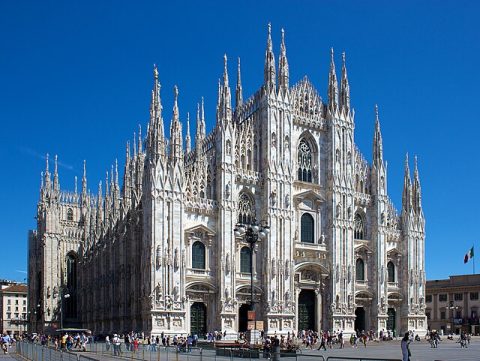
Duomo di Milano
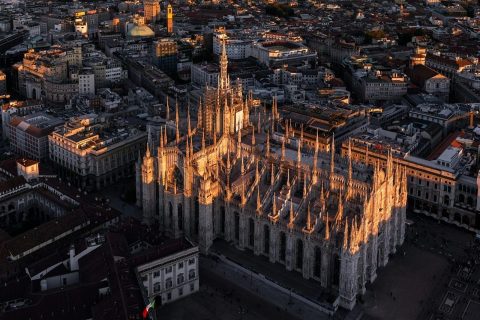
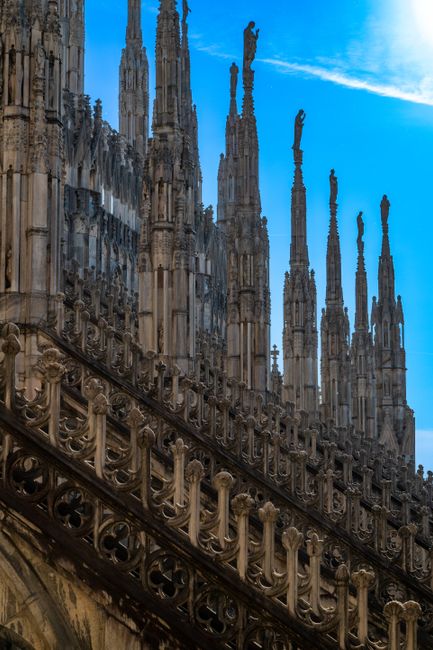
The iconic Gothic cathedral is Milan's most recognizable symbol, featuring 3,400 statues and 135 spires. Construction began in 1386 and took nearly six centuries to complete. The rooftop terraces offer breathtaking panoramic views of the city and, on clear days, the Alps. The interior houses priceless art and the tomb of San Carlo Borromeo. Don't miss the magnificent stained glass windows and the treasury museum.
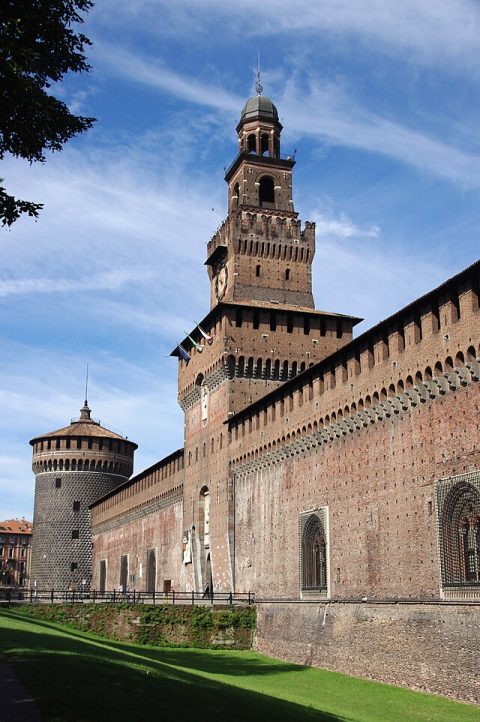
Castello Sforzesco
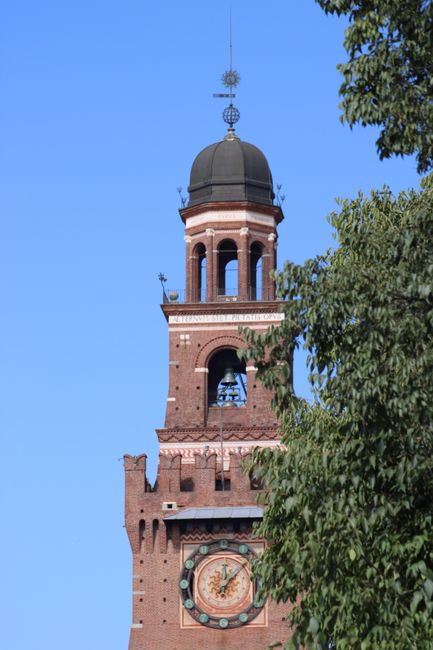
This imposing 15th-century fortress was home to the Sforza dynasty, Milan's ruling family during the Renaissance. Today it houses several world-class museums including Michelangelo's unfinished Rondanini Pietà, ancient Egyptian artifacts, and decorative arts collections. The castle's courtyards and surrounding Sempione Park provide peaceful respites from the urban bustle.
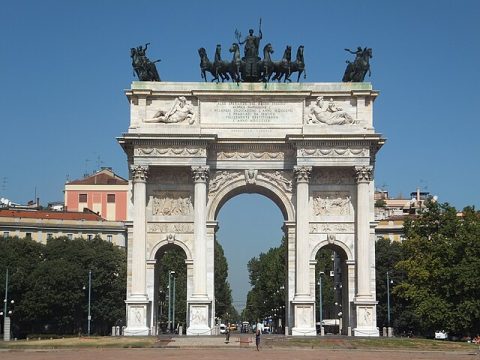
Arco della Pace
The Arch of Peace stands majestically at the entrance to Sempione Park. Originally commissioned by Napoleon to celebrate his victories, it was completed in 1838 under Austrian rule. The neoclassical monument features intricate relief sculptures and crowning horses, making it a popular gathering spot and photogenic landmark.
Tips for Landmarks & Monuments
- Book Duomo tickets online to skip long queues, especially for rooftop access
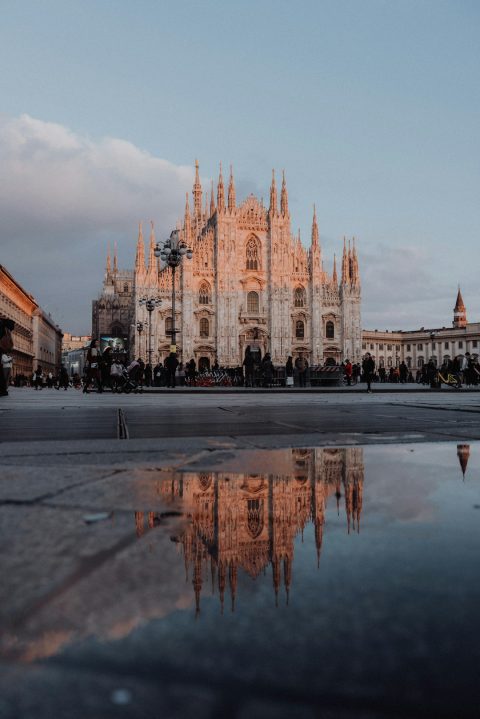
- Visit the Duomo at sunset for magical golden-hour photography
- Castello Sforzesco is free to enter; museums require tickets
- Dress modestly for the Duomo (covered shoulders and knees required)
Milan's museums house some of the world's greatest artistic treasures, from Renaissance masterpieces to contemporary design. The city's cultural institutions reflect its dual identity as both guardian of tradition and champion of innovation.
Santa Maria delle Grazie - The Last Supper
Leonardo da Vinci's The Last Supper (Il Cenacolo) is one of the most famous paintings in the world. This Renaissance masterpiece covers the refectory wall of the Dominican convent. Viewing is strictly controlled with timed 15-minute slots to preserve the fragile fresco. The church itself is a UNESCO World Heritage Site with beautiful Renaissance architecture.
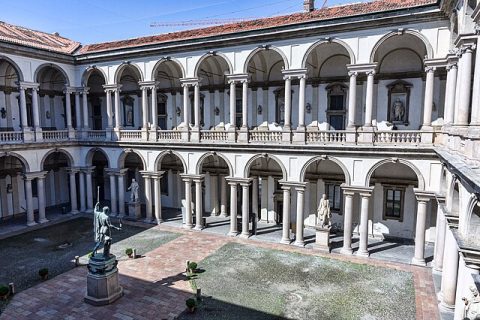
Pinacoteca di Brera
One of Italy's most important art galleries, the Brera Art Gallery features masterpieces by Raphael, Caravaggio, Mantegna, and Bellini. Housed in a 17th-century palace, the collection focuses on Italian Renaissance and Baroque painting. The atmospheric courtyard with its bronze Napoleon statue is an artwork itself. The surrounding Brera district is perfect for post-museum exploration.
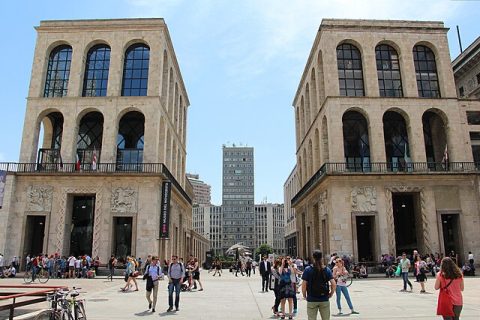
Museo del Novecento
This modern art museum showcases 20th-century Italian art in a stunning setting overlooking Piazza del Duomo. The collection includes works by Boccioni, Modigliani, and De Chirico. The building's spiral walkway provides unique perspectives of both the art and the cathedral. Futurism, Arte Povera, and postwar Italian movements are particularly well-represented.
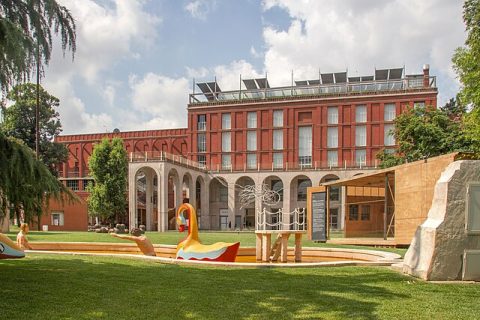
Triennale di Milano
The Triennale Design Museum celebrates Milan's status as a global design capital. Rotating exhibitions showcase contemporary design, architecture, and decorative arts. The museum is housed in the Palazzo dell'Arte in Sempione Park. Visit the design store for unique gifts and the rooftop restaurant for city views.
Tips for Museums & Galleries
- Book Last Supper tickets 2-3 months in advance - they sell out quickly
- Many museums are free on the first Sunday of each month (expect crowds)
- Brera is less crowded on weekday mornings
Milan's churches represent centuries of religious devotion and artistic patronage. Beyond the famous Duomo, the city harbors numerous ecclesiastical treasures featuring stunning frescoes, architecture, and sacred art.
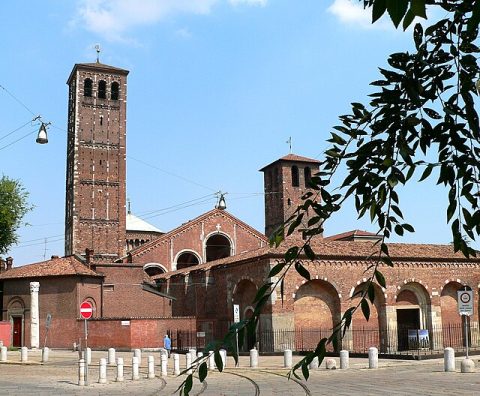
Basilica di Sant'Ambrogio
One of Milan's oldest churches, Sant'Ambrogio dates to 379 AD and is a masterpiece of Romanesque architecture. Named after Milan's patron saint, it features a beautiful atrium, ancient mosaics, and the golden altar. The crypt contains the remains of Saints Ambrose, Gervase, and Protase. The peaceful courtyard offers respite from the city.
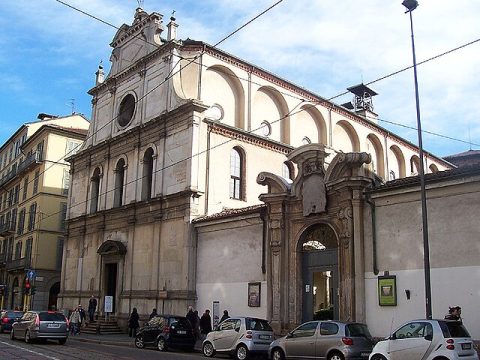
San Maurizio al Monastero Maggiore
Often called the 'Sistine Chapel of Milan', this 16th-century church is covered floor-to-ceiling with magnificent Renaissance frescoes by Bernardino Luini. The church was part of a Benedictine convent, with a wall dividing the nuns' section from the public. The vibrant colors and intricate details are breathtaking. Adjacent archaeological museum included with admission.
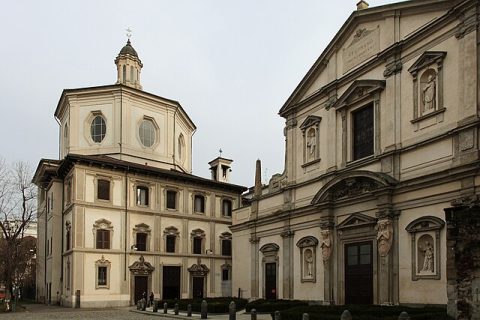
Chiesa di San Bernardino alle Ossa
This unique church features an ossuary chapel decorated with human bones and skulls arranged in decorative patterns. The macabre yet artistic display dates to 1210 when a nearby cemetery became overcrowded. The ceiling fresco depicts souls in glory while surrounded by skeletal remains a meditation on mortality and faith.
Tips for Religious Sites
- Dress modestly (covered shoulders and knees) for all churches
- Many churches close midday (12:30-3:30pm) - plan accordingly
- Sant'Ambrogio is especially beautiful during evening vespers
- Most churches are free but welcome donations
Milan's ancient Roman roots are visible throughout the city. From amphitheater ruins to medieval towers, these sites connect visitors to Mediolanum the important Roman city that preceded modern Milan.
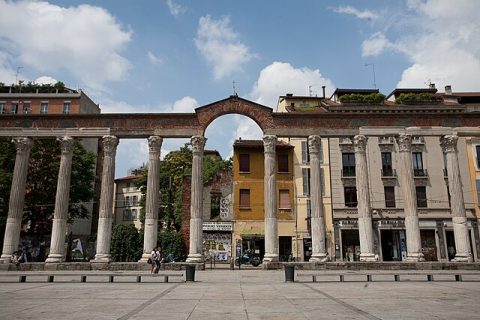
Colonne di San Lorenzo
These 16 Roman columns date to the 2nd-3rd century AD and originally belonged to a temple or bath complex. Relocated to their current position in the 4th century, they now stand before the Basilica of San Lorenzo. The area is popular with young Milanese, becoming a lively evening gathering spot with street performers and aperitivo crowds.
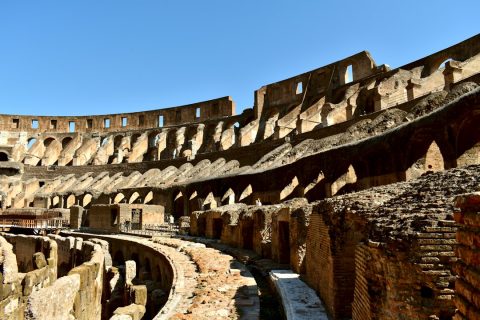
Roman Amphitheatre Ruins
Hidden in a park near Via Arena, the remains of Milan's Roman amphitheater once seated 20,000 spectators. Built in the 1st century AD, it hosted gladiatorial contests. While only foundations remain, informative panels help visitors imagine its former glory. The site is often overlooked, providing a quiet historical moment.
Tips for Ancient & Historical Sites
- Download a Roman Milan walking tour app for context
- Visit the Colonne di San Lorenzo at aperitivo time (6-8pm) for atmosphere
- Many Roman ruins are free and accessible 24/7
Milan's piazzas and streets form the city's living rooms spaces where locals gather, shop, dine, and socialize. From the grandeur of Piazza del Duomo to the elegance of fashion district boutiques, these public spaces define Milanese life.
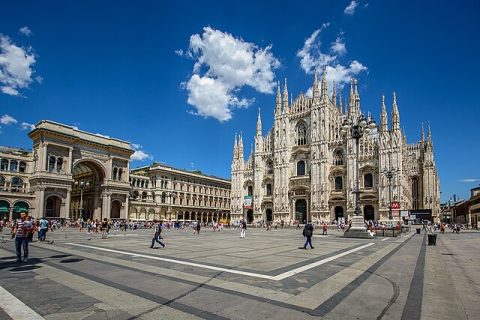
Piazza del Duomo
Milan's main square is dominated by the cathedral and serves as the city's geographic and social center. The piazza features the equestrian statue of Vittorio Emanuele II and provides access to the Galleria Vittorio Emanuele II. Street performers, tourists, and locals converge here day and night. The square is pedestrianized, making it perfect for people-watching.
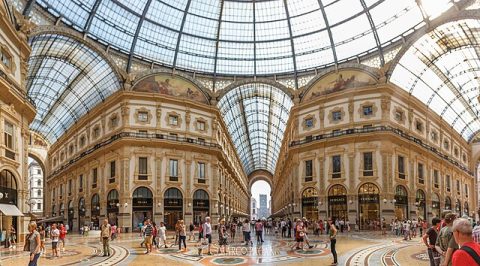
Galleria Vittorio Emanuele II
Italy's oldest shopping mall, this 19th-century arcade connects Piazza del Duomo to Piazza della Scala. The elegant iron-and-glass structure houses luxury brands like Prada and Gucci alongside historic cafés. The mosaic floor features the Savoy coat of arms tradition says spinning on the bull's testicles brings good luck. The octagonal glass dome is architectural magnificence.
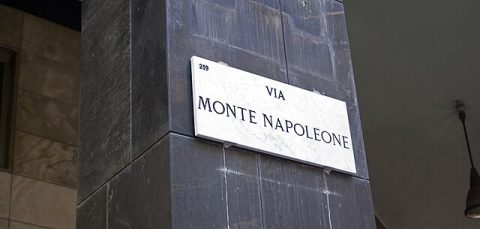
Via Monte Napoleone
The heart of Milan's Quadrilatero d'Oro (Golden Rectangle), this street epitomizes luxury shopping. Every major fashion house Versace, Hermès, Cartier has flagship boutiques here. Even window shopping is an experience. The street name honors Napoleon's brief rule. Visit during Fashion Week for celebrity sightings and extra glamour.
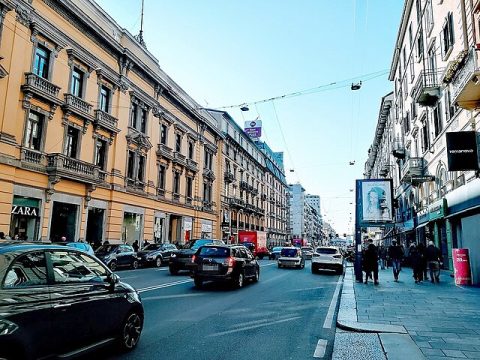
Corso Buenos Aires
One of Europe's longest shopping streets, Corso Buenos Aires offers over 350 shops catering to every budget. Unlike the luxury fashion district, this is where Milanese shop for everyday clothing, electronics, and home goods. The diverse, bustling atmosphere provides authentic local experience away from tourist crowds.
Tips for Squares & Streets
- Visit Galleria Vittorio Emanuele at night when beautifully illuminated
- Window shopping in the fashion district is free and fabulous
- Corso Buenos Aires has better prices than tourist areas
- Beware of pickpockets in crowded Piazza del Duomo
Each of Milan's districts has distinct character from artistic Brera to trendy Navigli. Exploring these neighborhoods reveals the city's diversity beyond its famous landmarks and fashion houses.
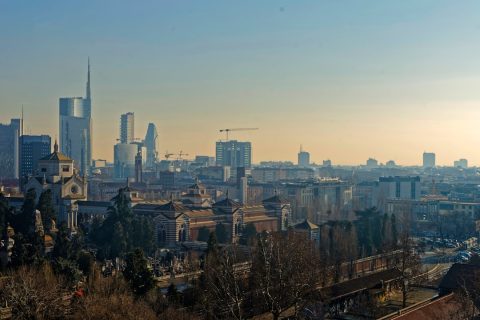
Brera District
Milan's artistic quarter centers around cobblestone streets lined with art galleries, antique shops, and cafés. The neighborhood exudes bohemian charm with street artists, vintage boutiques, and intimate restaurants. Thursday's antique market and Sunday's art market draw locals. The Pinacoteca di Brera anchors the district culturally. Evening aperitivo here is quintessentially Milanese.
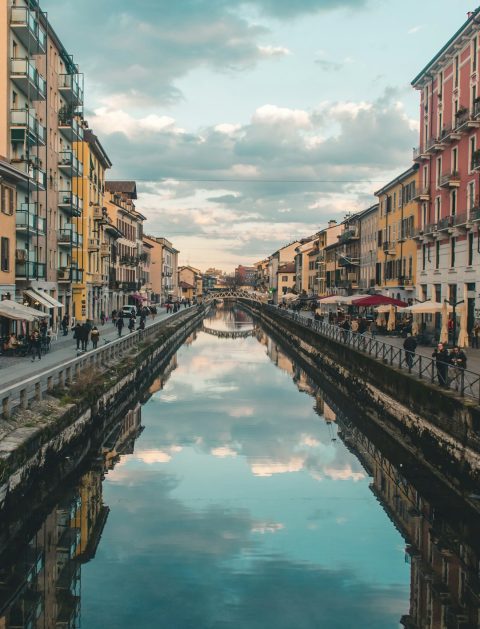
Navigli District
Once Milan's canal port, Navigli is now the city's nightlife hub. The picturesque waterways are lined with bars, restaurants, and vintage shops. The area comes alive at aperitivo hour and stays vibrant past midnight. The monthly antique market (last Sunday) attracts treasure hunters. Summer sees outdoor dining and live music along the canals.
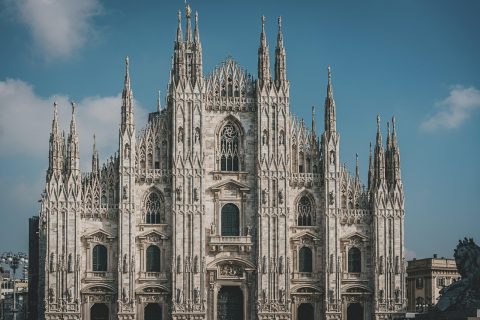
Porta Nuova & Vertical Forest
Porta Nuova represents Milan's futuristic ambitions with cutting-edge architecture including the iconic Bosco Verticale (Vertical Forest) towers covered in trees and plants. The modern district features pedestrian plazas, contemporary art installations, and upscale dining. Gae Aulenti Square hosts events and offers striking photo opportunities of sustainable urban design.
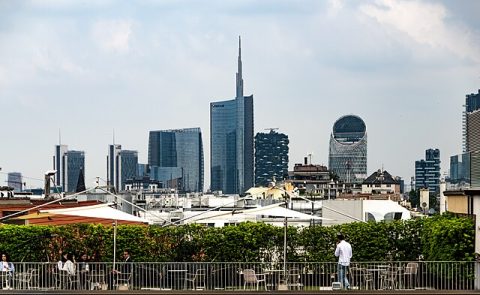
Isola
Once a working-class area, Isola has transformed into a trendy neighborhood while retaining authentic character. Multicultural restaurants, independent boutiques, and street art define the area. Less touristy than central Milan, it offers genuine local atmosphere. The Wednesday market on Via Sebenico is excellent for fresh produce and people-watching.
Tips for Neighborhoods & Districts
- Navigli is best visited Thursday-Saturday evenings for atmosphere
- Book restaurants in Brera and Navigli in advance on weekends
- Explore neighborhoods on foot to discover hidden courtyards and shops
- Each district has distinct character visit multiple for full Milan experience
Milan offers surprising green spaces where locals escape urban intensity. From royal parks to community gardens, these areas provide recreational opportunities and peaceful retreats.
Parco Sempione
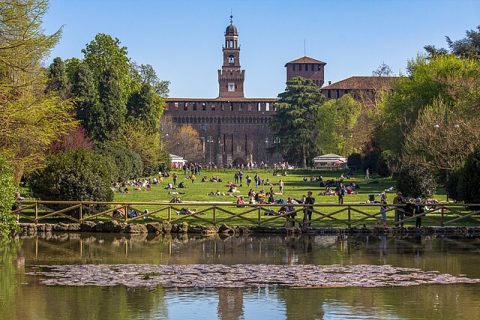
Milan's largest central park stretches behind Castello Sforzesco, offering 95 acres of green space. Designed in English landscape style, it features winding paths, ponds, and monuments including the Arco della Pace. The park houses the Triennale design museum and Torre Branca observation tower. Perfect for jogging, picnicking, or relaxing after museum visits.
Giardini Pubblici Indro Montanelli
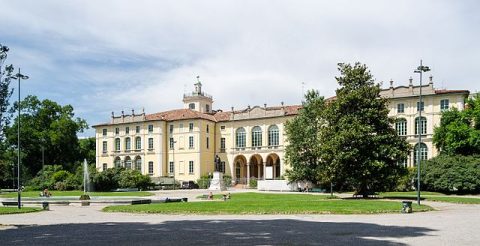
These public gardens near Porta Venezia date to 1784, making them Milan's oldest park. The romantic landscaping includes ponds, statues, and tree-lined paths. The park contains the Natural History Museum and Planetarium. Children's playgrounds and shaded benches make it popular with families. Less touristy than Sempione.
Parco delle Basiliche
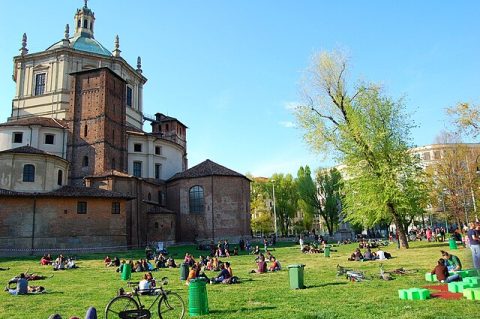
This small urban park connects two ancient basilicas (Sant'Eustorgio and San Lorenzo) and provides a peaceful green corridor through the historic center. The grassy areas are popular for impromptu picnics and sunbathing. The park is surrounded by appealing bars and restaurants, perfect for combining relaxation with aperitivo.
Tips for Parks & Gardens
- Parks are great for budget-friendly picnic lunches
- Torre Branca in Sempione offers panoramic city views (small fee)
- Avoid parks late at night
Milan integrates art into urban space through fountains, sculptures, and installations. These works range from classical to contemporary, adding beauty and cultural depth to everyday city life.
Ago, Filo e Nodo (Needle, Thread and Knot)
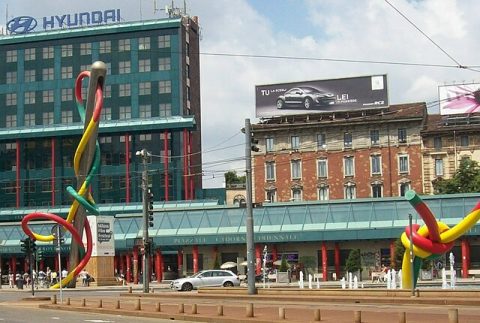
This striking modern sculpture in Piazza Cadorna features a giant needle with colorful thread symbolizing Milan's fashion heritage. Created by Claes Oldenburg and Coosje van Bruggen, the playful installation has become a beloved Instagram-worthy landmark. The bright colors provide cheerful contrast to surrounding architecture.
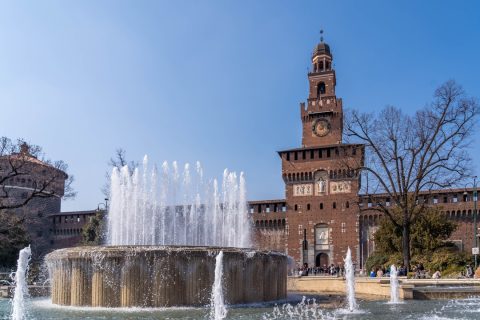
Fontana di Piazza Castello
The circular fountain in front of Castello Sforzesco dates from the early 20th century. Its simple yet monumental design provides a gathering point and photo opportunity. The fountain's water jets and lighting create pleasant ambiance, especially during evening passeggiata when locals stroll around the castle.
Tips for Fountains & Public Art
- Many public art pieces are near metro stations easy to include in daily routes
- Evening lighting enhances fountains and sculptures photographically
- Most public art is accessible 24/7 and free
Milan's efficient public transportation system includes metro, trams, and buses. The integrated network makes navigating the city straightforward and affordable.
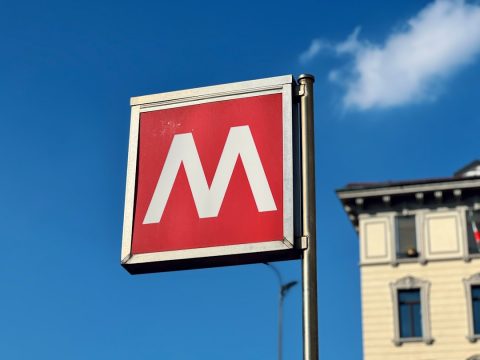
Milan Metro System
The 4-line metro system (M1-Red, M2-Green, M3-Yellow, M5-Lilac) efficiently connects the city. Trains run 6am-12:30am with extended weekend hours. Single tickets are valid 90 minutes (check the ATM site for the current fare). The historic tram network complements metro service beautifully. Purchase tickets at machines, tobacco shops, or via ATM Milano app before boarding.
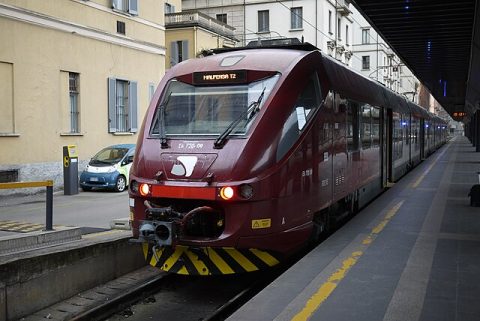
Malpensa Express
The Malpensa Express train connects Malpensa Airport to central Milan (Cadorna and Centrale stations) in approximately 50 minutes. Trains run every 30 minutes with comfortable seating and luggage racks. This is the fastest, most reliable airport connection. Tickets can be purchased online, at machines, or onboard (surcharge); check the current fare on the operator's site. The express service is significantly faster than buses during rush hour.
Tips for Transportation
- Buy multi-day passes (24h/48h/72h) for unlimited travel best value for tourists
- Validate tickets before boarding or face hefty fines
- Download ATM Milano app for real-time schedules and mobile tickets
- Metro stations near major attractions: Duomo (M1/M3), Cadorna (M1/M2), Centrale (M2/M3)
- Tram #1 offers scenic route through historic center
Beyond self-guided sightseeing, Milan offers specialized tours and experiences that provide deeper cultural immersion from opera performances to food tours and behind-the-scenes access.
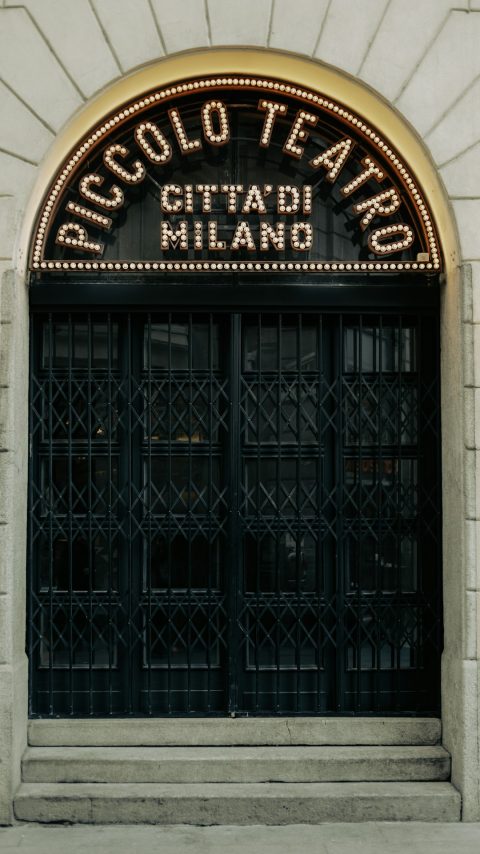
Teatro alla Scala Opera Performance
Attending a performance at La Scala, one of the world's most prestigious opera houses, is an unforgettable experience. The season runs December-July with world-class productions. Even if tickets are sold out, the museum and theater tour offers glimpses of this 1778 neoclassical masterpiece. Dress elegantly for performances Milanese take opera seriously.
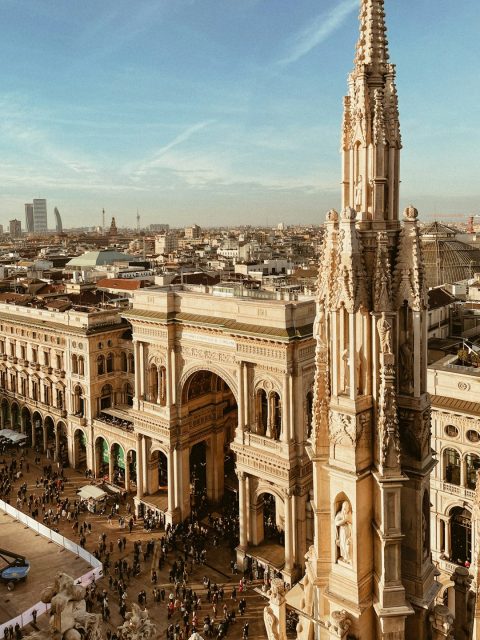
Aperitivo & Food Tour
Join a guided food tour to experience Milan's famous aperitivo culture complimentary buffets served with evening drinks. Tours typically visit 3-4 venues in Navigli or Brera, sampling local wines, prosecco, and traditional Milanese specialties like risotto alla milanese and panettone. Learn about food traditions from local guides while socializing like the Milanese.
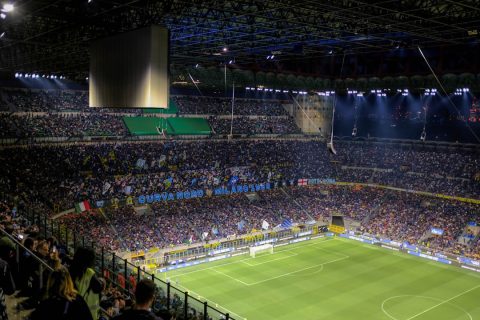
San Siro Stadium Tour
Football fans can tour the iconic San Siro Stadium, home to both AC Milan and Inter Milan. The tour includes dressing rooms, players' tunnel, pitch side, and the museum showcasing trophy collections. Match tickets offer electric atmosphere the rivalry derby is legendary. Stadium holds 80,000 passionate fans creating unforgettable sporting spectacle.
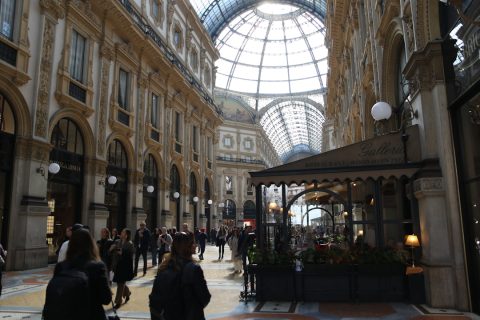
Milan Fashion District Walking Tour
Explore the Quadrilatero d'Oro with expert guides who reveal the history of Italian fashion houses, architectural details, and insider shopping tips. Tours often include visits to historic ateliers or fashion museums. Learn how Milan became the fashion capital while window shopping along Via Monte Napoleone, Via della Spiga, and Via Manzoni.
Tips for Tours & Activities
- Book La Scala tickets months in advance for popular performances
- Last-minute La Scala tickets sometimes available 2 hours before curtain
- Aperitivo typically 6-9pm arrive early for best buffet selection
- Food tours provide excellent value dinner and cultural education combined
- Match tickets cheaper in upper tiers; book early for derbies
Milan's central location makes it an excellent base for exploring northern Italy's lakes, mountains, and historic cities all accessible within 1-2 hours by train.
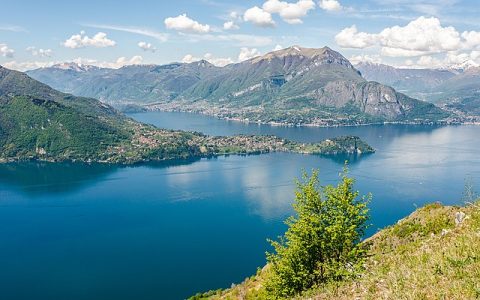
Lake Como
Lake Como is Italy's most glamorous lake destination, 40 minutes from Milan by train. Visit picturesque towns like Bellagio, Varenna, and Como with their elegant villas and stunning mountain backdrops. Take ferries between villages, explore botanical gardens, or simply enjoy lakeside dining. George Clooney's villa is in Laglio celebrity spotting optional.
Bergamo
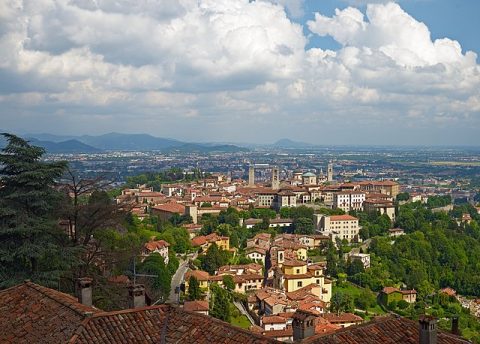
This beautiful medieval city divides into Bergamo Alta (upper town) and Bergamo Bassa (lower). The walled upper city features stunning Piazza Vecchia, the Basilica di Santa Maria Maggiore, and panoramic views from the Venetian walls (UNESCO site). Reach Città Alta via funicular. Only 50 minutes from Milan perfect for architecture and history lovers.
Verona
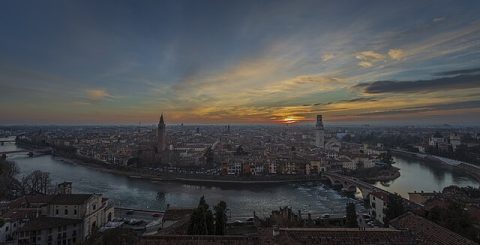
Shakespeare's Verona is 1.5 hours from Milan by train. Visit Juliet's balcony (touristy but iconic), the magnificent Roman Arena (still hosts operas), and wander medieval streets. The pink-hued historic center is remarkably preserved with elegant piazzas and ancient bridges. Combine romance, history, and excellent wine from nearby Valpolicella region.
Cinque Terre
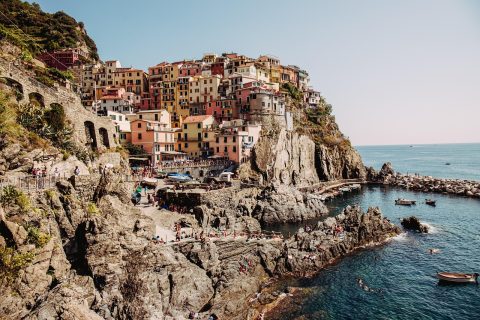
The five coastal villages of Cinque Terre offer dramatic cliffside scenery and colorful houses cascading to the sea. While 3+ hours from Milan, it's feasible as a long day trip or overnight. Hike the scenic trails between villages, sample fresh seafood and pesto, swim in crystalline waters. UNESCO World Heritage Site combines natural beauty with charming Mediterranean culture.
Tips for Day Trips & Excursions
- Purchase train tickets in advance for best prices on Trenitalia or Italo
- Lake Como: buy ferry day-pass for unlimited village hopping
- Start early for day trips trains crowded after 9am on weekends
- Bergamo's upper town is steep wear comfortable shoes
- Consider staying overnight in Verona or Cinque Terre to avoid rushing
Milan turns the last weeks of the year into a season of light and tradition, from the centuries-old Oh Bej! Oh Bej! street fair to the German-style wooden stalls tucked behind the Duomo. Add a glowing tree in the Galleria, an open-air ice rink, and mulled wine stands, and the city center becomes a proper winter destination through late December 2026.
Oh Bej! Oh Bej! Christmas Market
Milans oldest and most beloved holiday market, Oh Bej! Oh Bej! takes over the area around Castello Sforzesco and Foro Bonaparte for the feast of Saint Ambrose, the citys patron saint. It is held around the feast of St. Ambrose (early December); confirm the exact dates closer to the season. Hundreds of stalls sell roasted chestnuts, artisan crafts, antiques, and the classic street food caldarroste and mondeghili. Its less polished than a German-style market and more of a genuine local fair, packed with Milanese families rather than tourists. Arrive early on weekend mornings to beat the crowds, and pair a visit with a walk through the nearby Sempione Park, especially pretty when dusted with winter light.
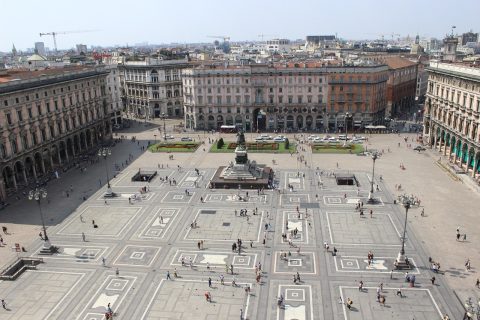
Duomo Christmas Tree and Piazza Lights
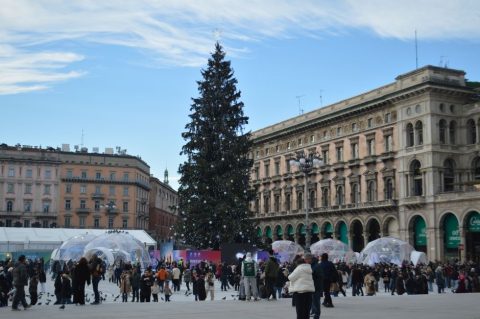
Each year a towering illuminated Christmas tree rises in front of the Duomo, and the piazza and surrounding streets are strung with elaborate light displays that usually switch on in early December and stay lit into early January 2026s successor season, meaning through the first days of January 2027. The cathedrals white marble facade glows against the decorations, making this one of the most photographed winter scenes in the city. Nearby, the Galleria Vittorio Emanuele II gets its own grand tree and often a temporary luxury-brand light installation along its glass-domed arcade. Its free to visit and best experienced in the early evening, when the lights come on but the square is not yet at its most crowded.
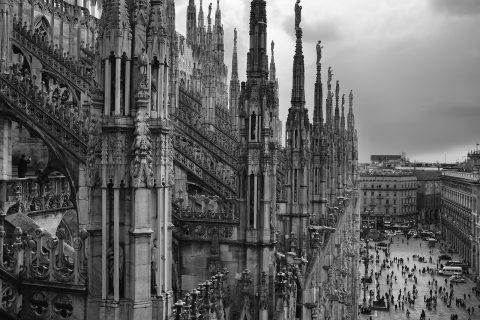
Mercatino di Natale in Piazza Santo Stefano
Set in a quiet square just behind the Duomo, this German-style Christmas market is Milans most atmospheric, with roughly seventy dark-wood chalets selling ornaments, mulled wine known locally as vin brulè, strudel, and roasted nuts. It typically opens in late November and runs until Christmas; confirm the dates closer to the season. Part of its charm is the cause behind it, the market has long been organized in partnership with a cooperative supporting people with disabilities, so proceeds go toward social projects. Its compact enough to see in under an hour but worth lingering in with a warm drink, especially at night when the stalls are lit up and the square empties of daytime crowds.
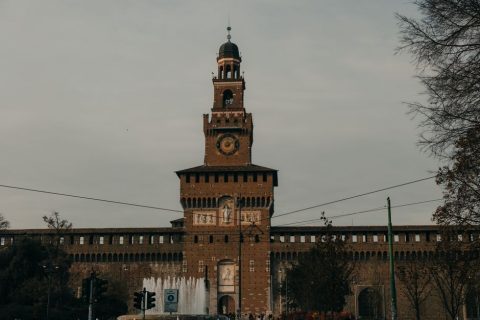
Ice Skating at Christmas Village, Castello Sforzesco
A seasonal open-air ice rink is typically set up on the lawns near Castello Sforzesco and Sempione Park as part of Milans winter village programming, generally operating from late November through early January, so it should be active for most of December 2026. Surrounding kiosks sell hot chocolate, panettone, and roasted chestnuts, and the castles floodlit brick towers make a dramatic backdrop for skating after dark. Skate and helmet rental is available on site for a fee, and sessions usually run in timed slots on weekends. Its a good stop for families or couples looking for something more active than market browsing, and it pairs naturally with an Oh Bej! Oh Bej! visit if timed during the same week.
Tips for Christmas Market
- Confirm exact 2026 opening dates closer to your trip, as Milans markets often finalize schedules only a few weeks in advance.
- Bring cash in small euro notes, many stalls at Oh Bej! Oh Bej! and Piazza Santo Stefano are cash-only.
- Evenings are more atmospheric but busier, weekday afternoons offer a quieter visit.
- Combine a market visit with the Duomo rooftop or Galleria Vittorio Emanuele II, both within a short walk of the main holiday sites.
- Dress warmly, Milans December evenings hover near freezing with damp fog common in the Po Valley.
Milan trades its daytime elegance for a livelier after-dark energy, from Navigli canal-side bars to rooftop lounges overlooking the skyline. Whether its craft cocktails, live jazz, or DJ sets until dawn, the city rewards those who stay out late.
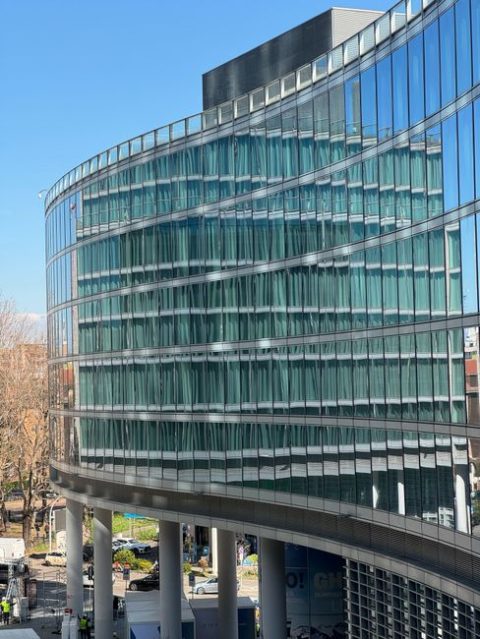
Blue Note Milano
A branch of the legendary New York jazz club, Blue Note Milano brings world-class live jazz, blues, and soul performances to the citys northern edge near Isola. The intimate dinner-and-show format means guests can enjoy a full meal while watching internationally touring musicians up close, with excellent acoustics and unobstructed sightlines from nearly every table.
Programming ranges from traditional jazz trios to soul, funk, and Sunday gospel brunches, making it a versatile pick for an evening that feels sophisticated rather than rowdy. Advance booking is strongly recommended, as popular acts sell out quickly. It is a refined alternative for travelers who want great music without the club crowds.
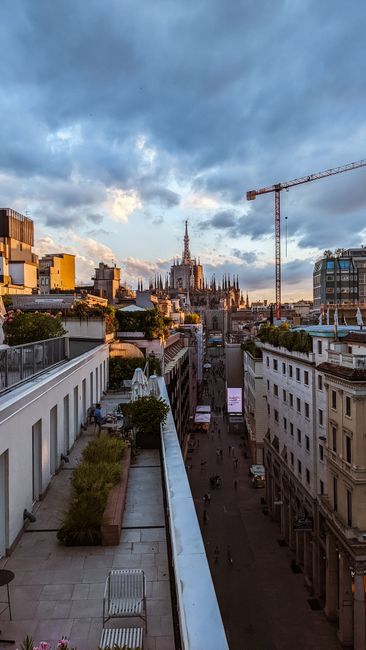
Ceresio 7 Rooftop
Set atop the former Enel headquarters near Porta Nuova, Ceresio 7 is a rooftop pool bar and restaurant offering sweeping views over Milans skyline, including its striking cluster of contemporary towers. Owned by the Dsquared2 fashion house, the space has a polished, design-magazine aesthetic with twin infinity pools flanking the terrace, best enjoyed at golden hour or after dark when the city lights up.
Cocktails lean classic-with-a-twist, and the crowd is a mix of fashion industry regulars and well-heeled travelers. While daytime access can include the pool for hotel guests, the evening scene is all about aperitivo and late drinks with a view. Reservations are essential, especially on weekends.
Old Fashion Club
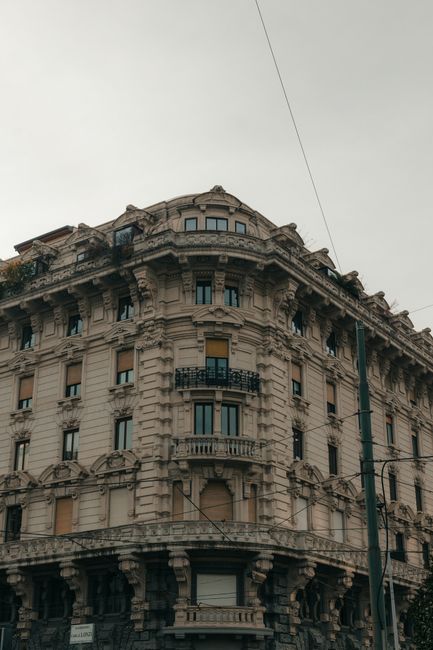
Housed in a former pavilion within Parco Sempione, Old Fashion Club is one of Milans most historic dance clubs, having hosted the citys club-going crowd since the 1980s. Its central dance floor, mirrored decor, and mix of house, disco, and commercial music make it a reliable bet for a proper night out, popular with both locals and university students.
The venue frequently hosts themed nights and international guest DJs, and its garden terrace offers a breather from the packed interior during peak hours. Its proximity to the Arco della Pace makes it easy to combine with an evening stroll through the park beforehand. Expect long lines on weekends and a lively, unpretentious energy overall.
Navigli Canal Bar Crawl
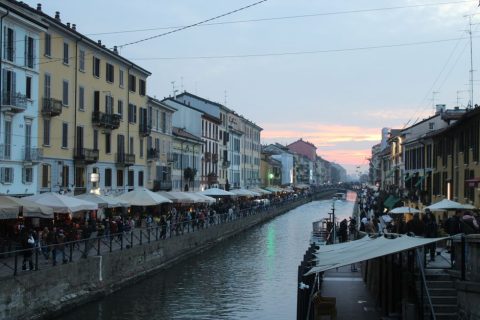
The bars lining the Naviglio Grande and Naviglio Pavese canals form Milans most walkable nightlife strip, where dozens of bars spill onto the sidewalks with tables set canal-side. The scene shifts from relaxed aperitivo crowds in the early evening to a livelier bar-hopping atmosphere after 10pm, with everything from craft beer pubs to natural wine bars and late-night cocktail spots within a few minutes walk of each other.
Its a low-key, budget-friendly way to experience Milan after dark without needing reservations or dress codes. On weekends the canal banks fill with people drinking outdoors even in cooler months. Note: this overlaps with the Navigli District covered elsewhere, but the after-dark bar scene here is worth experiencing as its own outing.
Tips for Nightlife & Entertainment
- Milans major clubs often enforce a dress code (no sneakers or shorts) and may require women/men ratios at the door — arrive early or on a guest list if possible.
- Many clubs and lounges are seasonal or move to outdoor/rooftop venues in summer (June-September) — check social media for current locations.
- The last Metro trains run around 12:30-1am (slightly later on weekends); budget for a taxi or rideshare after that.
- Book tables at rooftop bars and Blue Note in advance, especially Friday and Saturday nights.
Milan surprises many visitors with how much it offers younger travelers, from a hands-on science museum with a real submarine to an aquarium tucked inside a historic pavilion. These stops mix indoor play with open-air fun, giving families an easy way to break up a day of sightseeing.
Museo Nazionale Scienza e Tecnologia Leonardo da Vinci
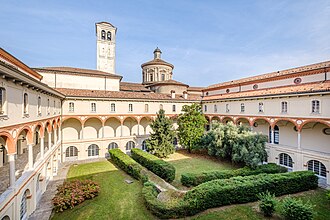
This sprawling science and technology museum is one of the most rewarding stops for families in Milan. Kids can climb aboard a real submarine, explore galleries packed with interactive machines based on Leonardo da Vinci's sketches, and wander sections devoted to trains, planes, and early computers. Hands-on stations let children turn cranks, pull levers, and test simple physics concepts rather than just reading labels, which keeps even restless visitors engaged. The submarine tour requires a separate timed ticket and tends to sell out, so booking ahead is strongly recommended, especially on weekends and school holidays. Give yourself at least two hours, more if you plan to see the submarine and do a workshop. There is a cafe on site for snack breaks, and strollers move easily through most of the ground floor galleries. It is a great rainy-day option that still feels like an adventure rather than a chore.
Acquario Civico di Milano
Housed in a lovely Art Nouveau building built for the 1906 international exposition, Milan's civic aquarium is compact but packs in enough variety to hold a child's attention without wearing out little legs. Tanks feature Mediterranean and tropical species, freshwater fish, and a few tactile touch-pool style displays where staff sometimes bring creatures closer for a look. Because it sits right at the edge of Parco Sempione, it pairs naturally with a stroll or playground stop before or after the visit. The scale is small enough to cover in about an hour, making it an easy add-on rather than a half-day commitment. Signage is in Italian and English, and the low entry price makes it a low-stress choice if you are unsure how long your child's attention span will last that day. It rarely gets crowded compared to Milan's larger museums.
MUBA - Museo dei Bambini Milano
MUBA is a museum built entirely around children rather than adapted for them, occupying the striking octagonal Rotonda della Besana near the center of Milan. Exhibits rotate but consistently emphasize creative, tactile play over passive viewing, with activities like a giant hands-on construction zone or sensory installations designed for toddlers through pre-teens. Staff run guided workshops throughout the day, and younger children in particular tend to lose track of time here. Because sessions are often timed and capacity-limited, checking or booking a slot in advance is a good idea, especially during weekends and Italian school holidays. The surrounding courtyard and garden give kids room to run off extra energy afterward. It is one of the few Milan attractions genuinely designed for a preschool or early-elementary crowd rather than adults with children in tow.
Idroscalo di Milano
Once a landing strip for seaplanes, the Idroscalo is now Milan's biggest outdoor playground for families, built around a long artificial lake on the city's eastern edge. There are supervised swimming areas in summer, paddle boats, cycling and jogging paths, playgrounds, and wide grassy stretches where kids can simply run around after a day of museum-hopping in the historic center. Food kiosks and casual restaurants line parts of the shore, so a full outing here can easily stretch across a meal. It gets busy with local families on warm weekends, which also makes it a good spot to see everyday Milanese life away from the tourist core. Renting a bike or paddle boat is easy and inexpensive, and there is no entry fee to simply walk in and use the park. It is best reached by car, taxi, or a longer bus ride rather than the metro.
Leolandia
For families willing to venture just outside Milan, Leolandia is Italy's largest theme park built specifically for younger children, with gentle rides, a Peppa Pig themed area, a Lego-brick miniature Italy, and daily character shows. It sits roughly thirty minutes from central Milan by car and is also reachable by a combination of train and shuttle bus, making it a realistic half or full day trip rather than a major expedition. Rides are geared toward toddlers through early-elementary kids rather than thrill-seekers, so it suits families with a wide age range better than a typical amusement park would. Booking tickets online in advance usually saves money and skips the ticket-counter line, particularly during peak season and Italian school holidays. There are shaded picnic areas and food courts throughout, so it works well as a full-day escape from city sightseeing.
Tips for With Kids
- Book the submarine tour at the Leonardo da Vinci science museum online in advance, it often sells out on weekends
- Check MUBA's daily workshop schedule before arriving since sessions can be timed and capacity-limited
- Visit the Idroscalo in the morning during summer to beat crowds at the swimming areas
- Combine the Acquario Civico with a playground stop in nearby Parco Sempione for a longer outing
- Reserve Leolandia tickets online for a discount and to skip the ticket counter, and plan for a full day away from the city
Milan's calendar is punctuated by world-famous design, fashion, and food events alongside centuries-old civic traditions. Below is a selection of recurring 2026 happenings worth planning a visit around, from spring design fairs to the December Sant Ambrogio street fair.
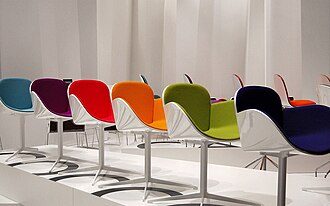
Fuorisalone (Milan Design Week)
Every April, Milan transforms into the world's design capital during Fuorisalone, the citywide fringe program that runs alongside the Salone del Mobile furniture fair. In 2026 the festival is expected to run from April 14 to April 19, filling neighborhoods like Brera, Tortona, and the Isola district with installations, pop-up showrooms, and experimental exhibits from international designers and brands. Unlike the ticketed trade fair itself, most Fuorisalone events are free and open to the public, making it one of the best times to see Milan's creative energy up close. Expect immersive light shows, furniture previews, and courtyard parties in historic palazzi normally closed to visitors. Book accommodation months ahead, as the city fills to capacity. Comfortable shoes are essential since the best way to experience the district-hopping event is on foot, weaving between official venues and spontaneous street exhibitions.
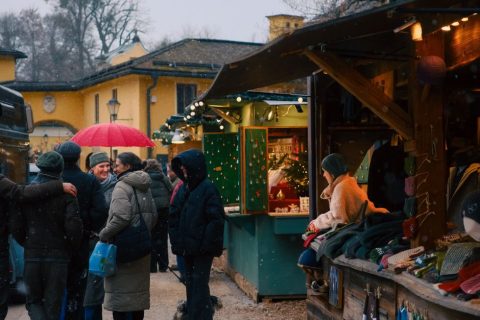
Oh Bej! Oh Bej! Christmas Fair
One of Milan's oldest traditions, Oh Bej! Oh Bej! is a sprawling street fair held around the Sant Ambrogio holiday, held in early December (confirm the dates closer to the season) near the Castello Sforzesco and Sempione Park. Hundreds of stalls sell roasted chestnuts, mulled wine, handicrafts, antiques, and traditional sweets like panettone, while the surrounding streets fill with a distinctly festive, unhurried energy. The fair marks the unofficial start of Milan's Christmas season and coincides with the opening night of La Scala's opera season, giving the whole city a celebratory buzz. Families flock here for carousel rides and puppet shows, while collectors browse vintage stalls for rare finds. It gets crowded on weekend afternoons, so a weekday or morning visit is more comfortable. Dress warmly, as December in Milan is damp and chilly, and the fair is entirely outdoors.
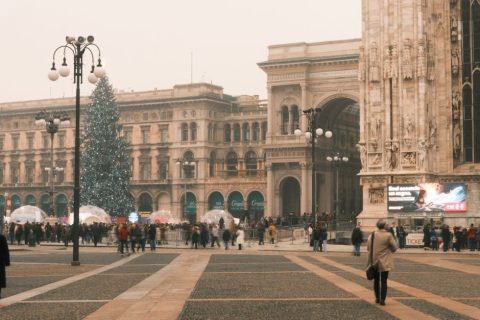
New Years Eve at Piazza Duomo
Milan rings in the new year with a free public celebration in Piazza Duomo on the night of December 31, 2026 into January 1, 2027, with the cathedral square packed with locals and visitors for live music and a midnight countdown. In recent years the event has featured a concert stage with Italian and international performers, culminating in a fireworks or light display over the piazza as the clock strikes twelve. The Duomo's illuminated facade makes for a spectacular backdrop, and nearby streets like the Galleria Vittorio Emanuele II stay lively well past midnight with bars and restaurants extending their hours. Expect heavy security checks and crowd control near the square, so arrive several hours early to secure a good vantage point. Public transport typically runs extended hours to help revelers get home safely after the celebration winds down in the early morning.
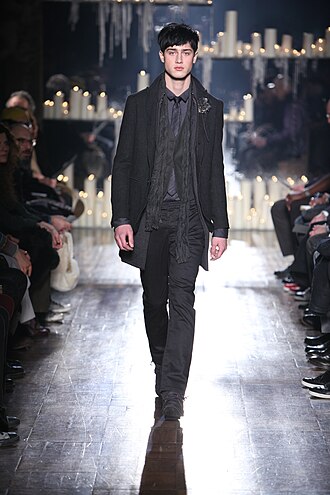
Milan Fashion Week (Womens Autumn/Winter)
Twice yearly Milan cements its status as a global fashion capital, and the autumn/winter womenswear edition, expected around September 22 to September 28, 2026, is the more spectacular of the two. Major runway shows from houses like Prada, Versace, and Armani take place in the Quadrilatero della Moda, known as the Golden Triangle of shopping streets, though most catwalk events remain invite-only for industry insiders. Visitors can still soak up the atmosphere through street style crowds, pop-up brand activations, and special window displays along Via Montenapoleone and Via della Spiga. Some events, including designer talks and the CNMI-sponsored exhibitions, are open to the public with advance registration. Evenings bring a buzz of after-parties and exclusive dinners across the city center. Even without a ticket, wandering the fashion district during show week offers a genuine taste of Milan's sartorial obsession.
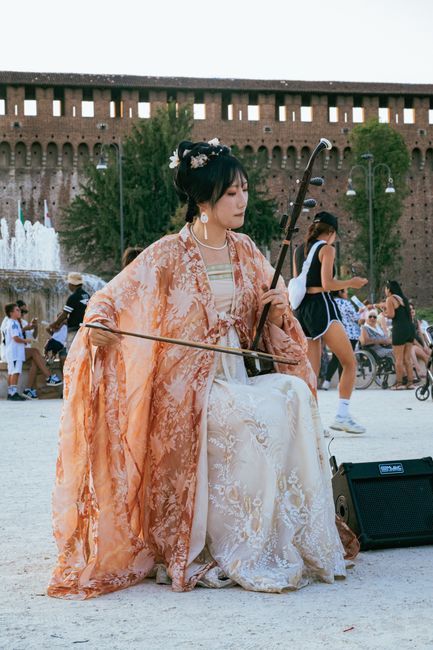
Estate Sforzesca Summer Concert Series
From June through August 2026, the courtyards and gardens surrounding the Castello Sforzesco host Estate Sforzesca, a season-long program of open-air concerts, dance performances, and cinema nights. Past editions have featured everything from jazz ensembles to classical orchestras and contemporary bands, with many performances free to attend under the stars. The setting is remarkable: medieval brick towers and moonlit ramparts provide a dramatic backdrop for an eclectic lineup that draws both locals and tourists escaping the summer heat. Expect a relaxed atmosphere, with picnic blankets and folding chairs common sights on the lawns. Specific dates and artists are usually confirmed a few weeks ahead each month, so checking the schedule closer to your visit is recommended. Arrive early for the more popular shows since seating fills quickly, and bring a light layer for the cooler evening air near the moat.
Tips for Events Calendar
- Book accommodation well in advance for Design Week and Fashion Week, as prices spike citywide during these periods.
- Many outdoor summer and Christmas events are free, but arrive early for the best spot at popular evening shows.
- Check official event websites close to your travel dates, since exact 2026 schedules are typically confirmed a few months ahead.
- Public transport can be crowded or rerouted during major events like New Year's Eve, so plan extra travel time.
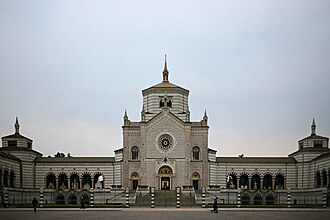
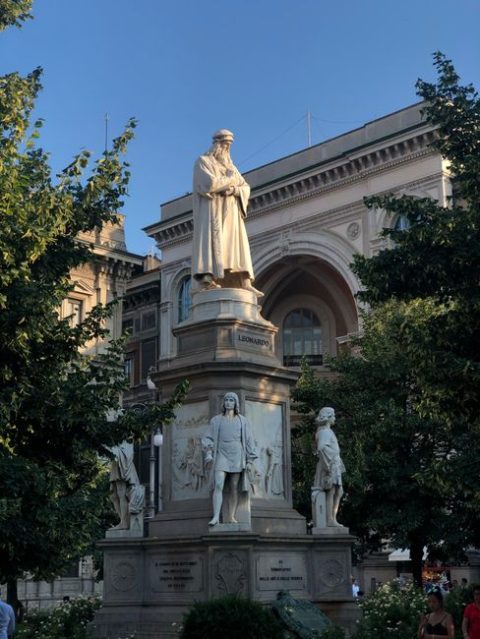
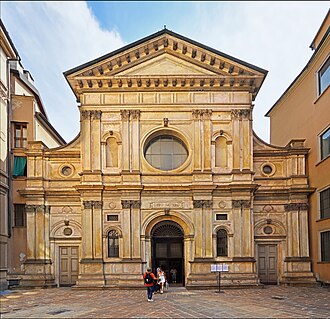
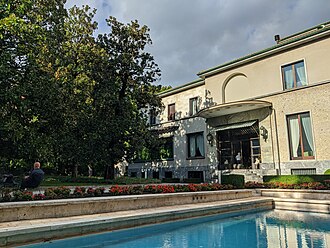
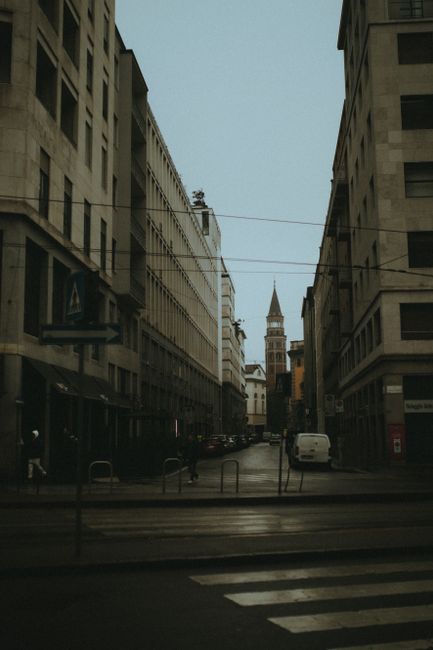
Real, highly-rated Restaurants in Milan, sourced from Google Places (rating above 4★).
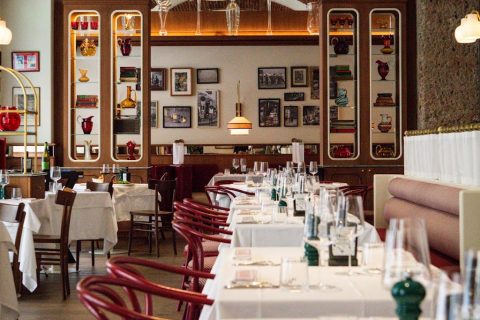
Veramente
Veramente is a highly-rated restaurant in Milan, rated 4.9★ from 3513 reviews. Located at Via Palermo, 11, 20121 Milano MI, Italy.
Opening Hours
- Monday: 12:00 – 3:00 PM, 6:00 – 11:00 PM
- Tuesday: 12:00 – 3:00 PM, 6:00 – 11:00 PM
- Wednesday: 12:00 – 3:00 PM, 6:00 – 11:00 PM
- Thursday: 12:00 – 3:00 PM, 6:00 – 11:00 PM
- Friday: 12:00 – 3:00 PM, 6:00 – 11:30 PM
- Saturday: 12:00 – 3:00 PM, 6:00 – 11:30 PM
- Sunday: 12:00 – 3:00 PM, 6:00 – 11:00 PM
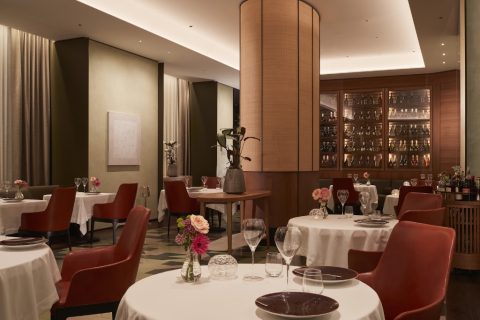
Pellico 3 Milano
Pellico 3 Milano is a highly-rated restaurant in Milan, rated 4.9★ from 81 reviews. Located at Via Silvio Pellico, 3, 20121 Milano MI, Italy.
Opening Hours
- Monday: Closed
- Tuesday: 7:00 – 10:00 PM
- Wednesday: 7:00 – 10:00 PM
- Thursday: 7:00 – 10:00 PM
- Friday: 7:00 – 10:00 PM
- Saturday: 7:00 – 10:00 PM
- Sunday: Closed
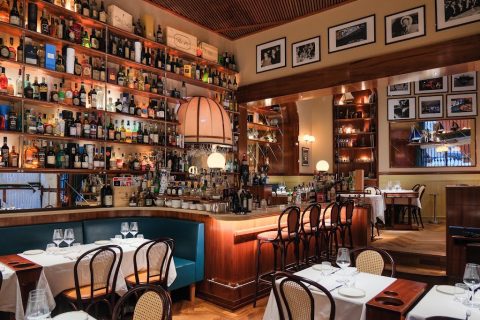
Al Baretto San Marco
Al Baretto San Marco is a highly-rated restaurant in Milan, rated 4.8★ from 1820 reviews. Located at Via Marsala, 2, 20121 Milano MI, Italy.
Opening Hours
- Monday: 7:15 PM – 12:00 AM
- Tuesday: 7:15 PM – 12:00 AM
- Wednesday: 7:15 PM – 12:00 AM
- Thursday: 7:15 PM – 12:00 AM
- Friday: 7:15 PM – 12:00 AM
- Saturday: 7:15 PM – 12:00 AM
- Sunday: 12:30 – 2:30 PM, 7:15 PM – 12:00 AM
Explore Milan on the Map
Optimal Travel Seasons
Spring (April-May) and Fall (September-October) offer the best combination of pleasant weather, fewer crowds, and cultural events. Temperatures range 15-25°C (59-77°F) with occasional rain.
Summer (June-August) is hot and humid (25-35°C/77-95°F) with many locals on vacation in August. Museums and attractions remain open but some restaurants close. Milan Design Week in April and Fashion Weeks (February/September) attract international visitors book accommodations early.
Winter (November-March) is cold and foggy (0-8°C/32-46°F) but offers La Scala opera season, Christmas markets, and fewer tourists. This is low season with better hotel rates. Avoid August if you want authentic local atmosphere.
| Season | Temp | Pros | Cons |
|---|---|---|---|
| Spring | 15-25°C | Perfect weather, Design Week, blooming parks | Fashion Week crowds, some rain |
| Summer | 25-35°C | Long days, outdoor dining | Heat, humidity, August closures |
| Fall | 15-25°C | Fashion Week, comfortable temps, harvest season | Occasional rain, shorter days |
| Winter | 0-8°C | Opera season, Christmas markets, fewer tourists | Cold, fog, short days |
Shopping in Milan
What to Buy
- Fashion & Leather Goods: Designer clothing, handbags, shoes from flagship boutiques or outlet stores
- Design Objects: Furniture, lighting, kitchenware from design district showrooms
- Gourmet Food: Panettone, risotto rice, truffle products, balsamic vinegar, Italian wines
- Beauty Products: Italian pharmacy skincare (Marvis toothpaste, Santa Maria Novella)
- Vintage Fashion: Pre-loved designer pieces from Brera/Navigli boutiques
Shopping Areas
Quadrilatero d'Oro (Golden Rectangle): Luxury fashion houses Prada, Gucci, Versace, Armani. Via Monte Napoleone, Via della Spiga, Via Manzoni, Via Sant'Andrea. Window shopping is free entertainment.
Corso Buenos Aires: 350+ mid-range shops for everyday fashion, electronics, home goods. Better prices than tourist areas.
Navigli/Brera: Vintage boutiques, antique shops, artisan workshops. Monthly antique markets (last Sunday in Navigli, third Saturday in Brera).
Department Stores:
- La Rinascente (Piazza Duomo): High-end department store with rooftop restaurant and Duomo views
- Coin: Mid-range department store with good selection
Outlets & Markets
Serravalle Designer Outlet (1 hour from Milan): 300+ designer stores with 30-70% discounts. Shuttle buses from city center.
Markets:
- Mercato di Viale Papiniano (Tuesday/Saturday mornings): clothing, accessories, household goods
- Fiera di Sinigaglia (Saturday mornings, Navigli): flea market for vintage finds
- Mercato Comunale (various locations): fresh produce, cheese, meats
Shopping Tips
- Tax-Free Shopping: Non-EU residents can reclaim VAT (22%) on purchases over €154.94. Get forms stamped at airport before departure.
- Sales periods: Saldi Invernali (January-February), Saldi Estivi (July-August)
- Shops typically open 10am-7:30pm, closed Sunday mornings (some all day Sunday)
- Bargaining not customary except at flea markets
- Bring passport for tax-free forms
Annual Events & Festivals
Major Cultural Events
Milano Fashion Week (February & September): The fashion world descends on Milan for runway shows, presentations, and parties. Even without invitations, the street style and energy are captivating. Book hotels months ahead.
Salone del Mobile/Milan Design Week (April): The world's largest furniture fair transforms the city into a design showcase. Installations, exhibitions, and parties throughout neighborhoods. FuoriSalone events open to public.
La Scala Opera Season Opening (December 7, Sant'Ambrogio Day): Milan's patron saint day coincides with La Scala's prestigious season premiere. Black-tie gala with broadcast on giant screens in Piazza del Duomo.
Religious & Traditional Festivals
- Carnevale Ambrosiano (February/March): Milan's carnival lasts 4 days longer than others, ending on the Saturday after Ash Wednesday. Parades, costumes, and traditional chiacchiere pastries.
- Sant'Ambrogio Day (December 7): Patron saint celebration with the Oh Bej! Oh Bej! market around Castello Sforzesco antiques, crafts, regional foods since 1510.
- Festa di San Lorenzo (August 10): Celebrations around the Colonne di San Lorenzo with music and festivities.
Music & Entertainment
- Milano Film Festival (September): Independent and international cinema screenings
- MITO SettembreMusica (September): Classical music festival shared with Turin
- Milano Jazz Festival (October): International jazz artists perform across venues
- Piano City Milano (May): Free piano concerts in unusual locations courtyards, streets, stations
Seasonal Markets
- Christmas Markets (November-January): Traditional markets in Piazza Duomo, Castello Sforzesco, and neighborhood squares. Mulled wine, handcrafts, seasonal treats.
- Flower Markets (Spring): Various locations selling plants and flowers
Public Holidays
Most shops/museums closed on these dates:
- January 1 (New Year)
- January 6 (Epiphany)
- Easter Sunday & Monday
- April 25 (Liberation Day)
- May 1 (Labor Day)
- June 2 (Republic Day)
- August 15 (Ferragosto/Assumption)
- November 1 (All Saints)
- December 7 (Sant'Ambrogio - Milan only)
- December 8 (Immaculate Conception)
- December 25-26 (Christmas)
Sample Daily Itineraries
Day 1: Milan's Greatest Hits
Morning: Start at Piazza del Duomo (8am to beat crowds). Climb to the Duomo rooftop for sunrise views. Explore the cathedral interior. Walk through Galleria Vittorio Emanuele II, spinning on the bull mosaic for luck.
Late Morning: Visit La Scala Museum and theater (if touring schedule permits). Coffee at historic Café Biffi in the Galleria.
Lunch: Traditional Milanese lunch near Brera. Try risotto alla milanese or cotoletta.
Afternoon: Explore Brera district Pinacoteca di Brera art gallery (2-3 hours), browse art galleries and boutiques along cobblestone streets.
Evening: Aperitivo in Brera (6-8pm). Dinner reservation in the neighborhood. Evening stroll back to Duomo to see it illuminated.
Day 2: Art, History & The Last Supper
Morning: The Last Supper viewing (book exact time slot weeks ahead). Visit Santa Maria delle Grazie church. Walk to nearby Corso Magenta for coffee.
Late Morning: Explore Castello Sforzesco and its museums. Highlight: Michelangelo's Rondanini Pietà.
Lunch: Picnic in Parco Sempione or lunch near the park.
Afternoon: Walk through Sempione Park to Arco della Pace. Optional: Torre Branca for panoramic views or Triennale Design Museum.
Evening: Head to Navigli district. Aperitivo along the canals (many venues with generous buffets). Dinner at canal-side restaurant. Enjoy the vibrant nightlife atmosphere.
Day 3: Fashion, Design & Modern Milan
Morning: Window shopping in the Quadrilatero d'Oro fashion district. Visit flagship stores of Italian designers. Stop at historic Cova or Marchesi 1824 for coffee and pastries.
Late Morning: Museo del Novecento for 20th-century Italian art with Duomo views from the museum's spiral walkway.
Lunch: La Rinascente's rooftop restaurant for lunch with cathedral views.
Afternoon: Explore Porta Nuova and photograph the Bosco Verticale (Vertical Forest). Walk modern Gae Aulenti Square. Visit 10 Corso Como concept store (fashion, art, design, bookstore, café).
Evening: Return to city center. Aperitivo in a rooftop bar. Dinner in Isola district for trendy, local atmosphere away from tourist areas.
Day 4: Hidden Gems & Neighborhoods
Morning: Visit San Maurizio al Monastero Maggiore (Milan's Sistine Chapel) for stunning frescoes. Nearby Archaeological Museum.
Late Morning: Explore Sant'Ambrogio Basilica, one of Milan's oldest churches. Walk through the traditional neighborhood.
Lunch: Authentic trattoria near Sant'Ambrogio try ossobuco or cassoeula.
Afternoon: Colonne di San Lorenzo Roman ruins. Visit San Lorenzo church. Explore Ticinese neighborhood boutiques. Optional: quirky San Bernardino alle Ossa bone chapel.
Evening: Return to Navigli or try Isola district for dinner. Consider attending an event at Blue Note Milano jazz club or live music venue.
Day 5: Day Trip or Deeper Milan
Option A - Lake Como: Early train to Como (40 min). Explore Como town. Ferry to Bellagio for lunch and lakeside strolling. Visit Villa Melzi gardens. Ferry to Varenna. Return train to Milan evening.
Option B - Bergamo: Train to Bergamo (50 min). Funicular to Città Alta. Explore medieval Piazza Vecchia, Basilica di Santa Maria Maggiore, Venetian walls. Lunch in upper town. Afternoon exploring ramparts and views. Return to Milan.
Option C - Deep Milan: Morning at Giardini Pubblici and Natural History Museum. Lunch on Corso Buenos Aires (shopping). Afternoon: Centrale Station architecture, NoLo neighborhood exploration, Hangar Bicocca contemporary art space. Evening: San Siro stadium tour or match if scheduled.
Itinerary Tips
- Book Last Supper and Duomo rooftop tickets 2-3 months advance
- Start days early to maximize sightseeing and avoid afternoon crowds
- Build in aperitivo time (6-8pm) it's essential Milanese culture
- Mix major attractions with neighborhood wandering for authentic experience
- Wednesday and Saturday markets add local flavor
- Reserve restaurants for Friday/Saturday dinners
- Allow flexibility for unexpected discoveries
Best Photography Locations
Iconic Shots
Duomo Rooftop Terraces: Golden hour (sunset) provides magical light on the spires with city/Alps backdrop. Arrive 1-1.5 hours before sunset. The white marble glows beautifully. 360° panoramic opportunities.
Galleria Vittorio Emanuele II: Shoot from center looking up at glass dome. Early morning (7-8am) before crowds or evening when lit up. The geometric patterns and mosaics create Instagram-perfect symmetry.
Piazza del Duomo: Classic cathedral facade shot best in morning light (east-facing). Evening illumination dramatic. Use wide-angle lens. Get low for imposing perspective.
Architectural Gems
Bosco Verticale (Vertical Forest): Photograph from Gae Aulenti Square for full tower view. Midday sun highlights the greenery. The sustainable architecture is internationally recognized unique Milan shot.
Arco della Pace: Shoot from Sempione Park side at sunset when golden light hits the monument. The symmetry and surrounding trees frame beautifully.
Colonne di San Lorenzo: Blue hour (just after sunset) captures the columns illuminated against twilight sky. The basilica behind adds depth. Lively evening crowds add energy.
Hidden Perspectives
Castello Sforzesco Tower: Shoot through the main archway framing the internal courtyard and tower. Afternoon side-lighting creates dimension. The Renaissance proportions photograph beautifully.
Brera Backstreets: Cobblestone Via Fiori Chiari and Via Madonnina have colorful buildings, ivy-covered walls, vintage shops. Morning or late afternoon for soft light. Authentic Milan atmosphere.
Navigli Canals: Reflections in the water during golden hour. The colorful buildings and bridge perspectives create charming compositions. Evening lights double in water reflections.
Modern Milan
Porta Nuova District: Geometric modern architecture, especially Piazza Gae Aulenti. Blue hour when buildings illuminate creates futuristic aesthetic. The UniCredit Tower at night is stunning.
Citylife District: Three towers by international architects (Hadid, Libeskind, Isozaki) create dramatic skyline. Shoot from public park for foreground. Clear days provide Alps backdrop.
Street Photography
Corso Como: Fashionable Milanese walking dogs, sipping espresso. Late morning (10-11am) when locals are out. The 10 Corso Como concept store exterior is photogenic.
Porta Venezia: Liberty-style architecture and diverse neighborhood character. The area around Giardini Pubblici has beautiful early 20th-century buildings.
Seasonal Shots
Spring: Parco Sempione blooming trees and flowers. Giardini Pubblici gardens.
Winter: Duomo Christmas lights, Christmas markets in piazzas. Early morning fog creates moody atmosphere.
Fashion Week: Street style photography outside show venues (Via Monte Napoleone, Palazzo della Borsa).
Photography Tips
- Churches: No flash photography permitted; high ISO necessary
- Duomo rooftop: Tripods prohibited; bring image stabilization
- Best light: Golden hour (1 hour after sunrise, before sunset)
- Blue hour provides magical twilight tones for cityscapes
- Drone photography restricted in city center check regulations
- Street photography: Always ask permission for close portraits
- Museums: Photography policies vary Brera allows no flash; Last Supper prohibits all photography
- Wide-angle lens (16-35mm) essential for architecture and interiors
- Bring extra batteries winter cold drains them quickly
Electricity & Adapters
Voltage: 230V AC, 50Hz (same as most of Europe)
Plug Types: Italy uses Type F (Schuko - two round pins) and Type L (three round pins in a row). Type F is more common in hotels and modern buildings.
What You Need
- North American travelers (US/Canada): Voltage converter AND plug adapter (your devices are 110V/120V)
- UK travelers: Plug adapter only (your devices already 230V)
- Australian travelers: Plug adapter only (your devices already 230V)
- Most electronics: Check device labels many modern chargers (phones, laptops, cameras) are dual-voltage (100-240V) and only need plug adapter
Where to Buy
Purchase adapters before arrival (cheaper) or at Milan airports, train stations, electronics shops. Pharmacies and convenience stores also stock them. Budget €5-15 for quality adapter.
Hotel Considerations
Most hotels provide 230V outlets. Many newer hotels have international sockets or USB charging ports. Ask at reception if adapters available to borrow. Luxury hotels typically provide upon request.
Tips
- Bring a multi-port USB charger to charge multiple devices from one outlet
- Power strips from home won't work without adapter and converter
- Italy's Type L plugs (3 pins) are unique ensure adapter compatibility
- Hair dryers/straighteners: Use hotel-provided appliances (high wattage devices risk burning out even with converter)
- Consider universal travel adapter for future trips
Milanese Cuisine & Dining
Must-Try Dishes
Risotto alla Milanese: Creamy saffron risotto, Milan's signature dish. The golden color comes from precious saffron threads. Best versions use Carnaroli rice and rich beef broth.
Cotoletta alla Milanese: Breaded veal cutlet similar to Wiener schnitzel but with bone-in. Pounded thin, coated in breadcrumbs, fried in butter. Served with lemon wedge.
Ossobuco: Braised veal shanks in white wine, vegetables, and broth. The marrow inside the bone is delicacy. Traditionally served with risotto alla milanese or polenta.
Cassoeula: Hearty winter stew with pork and Savoy cabbage. Peasant dish packed with flavor ribs, sausage, trotters slow-cooked for hours.
Mondeghili: Milanese meatballs made from leftover boiled meat, eggs, cheese, and mortadella. Fried until crispy outside, tender inside.
Panettone: Milan's famous Christmas sweet bread studded with candied fruits and raisins. Artisanal versions available year-round at quality bakeries. Classic brands: Marchesi, Cova, Pavé.
Michetta/Rosetta: Hollow, crusty bread roll perfect for sandwiches. The airy interior soaks up flavors.
Aperitivo Culture
Milan invented aperitivo the ritual of pre-dinner drinks (6-9pm) accompanied by complimentary buffets. Pay for drinks (€8-15), help yourself to food ranging from chips and olives to pasta, pizza, salads. Essentially dinner for the price of cocktails.
Classic aperitivo drinks:
- Aperol Spritz: Aperol, prosecco, soda water orange, bittersweet, refreshing
- Negroni Sbagliato: Campari, sweet vermouth, prosecco (invented in Milan when bartender accidentally used prosecco instead of gin)
- Campari Spritz: More bitter than Aperol version
- Prosecco: Italian sparkling wine, light and celebratory
Best aperitivo neighborhoods: Navigli, Brera, Porta Romana, Isola. Arrive 6:30-7pm for freshest buffet spreads.
Dining Customs
- Meal times: Lunch 12:30-2:30pm, Dinner 7:30-10pm (earlier than Rome/Naples)
- Coperto: Cover charge (€2-5/person) for bread and table service standard, not a scam
- Service: Usually included in bill or expect 10% tip for good service (not obligatory like US)
- Courses: Traditional meals: antipasto (starter), primo (pasta/risotto), secondo (meat/fish), contorno (vegetable side), dolce (dessert), caffè
- Coffee rules: Cappuccino only before 11am. Espresso after meals. Macchiato acceptable anytime.
- Stand at the bar for cheaper coffee (sitting costs 2-3x more)
- Meals are leisurely rushing considered rude
Where to Eat
Traditional Trattorias:
- Authentic Milanese cuisine, family-run establishments
- Look for handwritten menus, locals dining, simple decor
- Try Trattoria Milanese, Ratanà, Al Pont de Ferr
Modern Restaurants:
- Milan's innovative dining scene rivals European capitals
- Michelin-starred: Enrico Bartolini, Seta, Il Luogo di Aimo e Nadia
- Contemporary Italian: Contraste, Tokuyoshi, Dry Milano
Markets & Street Food:
- Mercato Centrale (Milano Centrale station): Food hall with quality vendors
- Eataly: Italian food emporium with restaurants and market
- Luini: Famous for panzerotti (fried calzone-like pastries)
- Spontini: Thick-crust pizza slices Milan institution since 1953
Gelato
Authentic gelato characteristics: Soft, stored in covered metal containers (not piled high), natural colors, seasonal flavors. Avoid fluorescent colors and mountain displays.
Top gelaterias: Gelateria della Musica, Il Massimo del Gelato, Cioccolati Italiani, Venchi.
Food Shopping & Gifts
- Peck: Historic gourmet food emporium cheeses, cured meats, truffles, wine
- Eataly: Modern Italian food marketplace with everything Italian
- Local markets: Mercato di Viale Papiniano (Tue/Sat), neighborhood produce markets
- Panettone: Purchase from historic pasticcerie (Marchesi 1824, Cova, Pavé)
- Risotto rice: Carnaroli or Vialone Nano varieties
- Saffron: Essential Milanese ingredient, available at specialty shops
- Amaretti: Almond cookies from nearby Saronno
Dietary Considerations
Milan accommodates dietary needs better than smaller Italian cities:
- Vegetarian/Vegan: Growing options, especially in modern neighborhoods. Look for 'verdure' (vegetables) sections on menus
- Gluten-free: Many restaurants offer 'senza glutine' pasta/pizza. Pharmacies stock GF products
- Kosher: Small Jewish community in Porta Venezia area with kosher restaurants
- Halal: Available in multicultural areas (Isola, Porta Venezia)
Dining Tips
- Reserve restaurants for Friday/Saturday dinner and during Fashion Week/Design Week
- Lunch menus often cheaper than dinner with same quality
- 'Menu del giorno' (daily menu) offers good value at lunch
- Water: Still (naturale) or sparkling (frizzante) ask or you'll get expensive bottled water
- Learn basic Italian food terms menus rarely in English at traditional places
- Aperitivo provides excellent value for budget travelers
- Avoid restaurants directly on Piazza Duomo touristy and overpriced
- Follow locals: busy = good, empty at meal times = avoid
Tourist Passes
MilanoCard
The MilanoCard provides unlimited public transportation plus discounts at museums, restaurants, and shops. The MilanoCard site currently lists 1-, 2-, and 3-day options at €15, €25, and €30. Includes Malpensa Express discount. Best for visitors planning multiple museums and extensive metro use. Purchase online or at tourist offices, airports, Centrale station. Digital version available via app.
www.milanocard.itAbbonamento Musei Lombardia Milano
The Museum Pass grants access to numerous Lombardy museums including Castello Sforzesco museums, Pinacoteca di Brera, and others. Annual pass (€45) or temporary exhibitions pass available. Excellent value for museum enthusiasts planning 3+ museum visits. Skip-the-line access at participating venues. Does NOT include Last Supper or Duomo.
www.abbonamentomusei.itDuomo Pass
Combined ticket for Milan Cathedral providing access to: cathedral interior, rooftop terraces (elevator or stairs), baptistery, archaeological area, and museum. Available as Duomo Complex (everything) or separate tickets. Rooftop access requires timed booking. Purchase online to skip queues. Walk-up stairs cheaper than elevator but 250+ steps. Valid for 3 days from first use.
www.duomomilano.itATM Travel Cards
Public transportation passes offering unlimited travel on metro, trams, buses within Milan city limits. Options: 24-hour (€7.60), 48-hour (€13), 72-hour (€18), The Mi1–Mi3 weekly subscription costs €18.50 and runs Monday through Sunday, monthly (€39). Children under 14 travel free with adult. Validate once upon first use. Best value for tourists staying 2+ days. Purchase at metro stations, tobacco shops, or ATM Milano app.
www.atm.itSerravalle Designer Outlet Shuttle + VIP Card
Combined bus transfer and shopping card for Serravalle Designer Outlet (1 hour from Milan). Round-trip shuttle from city center plus VIP card offering additional 10% discount at participating stores. Buses depart multiple times daily. Booking recommended, especially weekends. Outlet features 300+ luxury brands at 30-70% off retail prices. Full-day shopping experience.
www.mcarthurglen.comMore about Milan
Photo credits (43)
- Duomo di Milano: photo by Jiuguang Wang, CC BY-SA 3.0, via Wikimedia Commons
- Castello Sforzesco: photo by Jakub Hałun, CC BY-SA 4.0, via Wikimedia Commons
- Arco della Pace: photo by Filip Maljković from Pancevo, Serbia, CC BY-SA 2.0, via Wikimedia Commons
- Santa Maria delle Grazie - The Last Supper: photo by Miscellaneous Items in High Demand, PPOC, Library of Congress, Public domain, via Wikimedia Commons
- Pinacoteca di Brera: photo by Jean-Christophe BENOIST, CC BY 3.0, via Wikimedia Commons
- Museo del Novecento: photo by Fred Romero, CC BY 2.0, via Wikimedia Commons
- Triennale di Milano: photo by Photograph by Mike Peel (www.mikepeel.net)., CC BY-SA 4.0, via Wikimedia Commons
- Basilica di Sant'Ambrogio: photo by Novellón, CC BY-SA 4.0, via Wikimedia Commons
- San Maurizio al Monastero Maggiore: photo by MarkusMark, CC BY-SA 3.0, via Wikimedia Commons
- Chiesa di San Bernardino alle Ossa: photo by Paolobon140, CC BY-SA 4.0, via Wikimedia Commons
- Colonne di San Lorenzo: photo by https://www.flickr.com/photos/lizadaly/, CC BY 2.0, via Wikimedia Commons
- Roman Amphitheatre Ruins: photo by Unknown authorUnknown author, CC BY-SA 4.0, via Wikimedia Commons
- Piazza del Duomo: photo by kuhnmi, CC BY 2.0, via Wikimedia Commons
- Galleria Vittorio Emanuele II: photo by Marco Pagani, CC BY 3.0, via Wikimedia Commons
- Via Monte Napoleone: photo by MaryG90, CC BY-SA 3.0, via Wikimedia Commons
- Corso Buenos Aires: photo by FlavMi, CC BY-SA 3.0, via Wikimedia Commons
- Brera District: photo by Pava, CC BY-SA 3.0 it, via Wikimedia Commons
- Navigli District: photo by JasonParis from Toronto, Canada, CC BY 2.0, via Wikimedia Commons
- Isola: photo by Julian Lupyan, CC0, via Wikimedia Commons
- Parco Sempione: photo by Alessandro Perazzoli, CC BY-SA 4.0, via Wikimedia Commons
- Giardini Pubblici Indro Montanelli: photo by Steffen Schmitz, CC BY-SA 4.0, via Wikimedia Commons
- Parco delle Basiliche: photo by Goldmund100, CC BY 3.0, via Wikimedia Commons
- Fontana di Piazza Castello: photo by Zairon, CC BY-SA 4.0, via Wikimedia Commons
- Ago, Filo e Nodo (Needle, Thread and Knot): photo by Stefano Stabile, CC BY-SA 3.0, via Wikimedia Commons
- Milan Metro System: photo by Arbalete, CC BY-SA 3.0, via Wikimedia Commons
- Malpensa Express: photo by Chris Down, CC BY 4.0, via Wikimedia Commons
- Teatro alla Scala Opera Performance: photo by Unknown authorUnknown author, CC BY-SA 4.0, via Wikimedia Commons
- San Siro Stadium Tour: photo by Oscar from Milan, Italy, CC BY-SA 2.0, via Wikimedia Commons
- Lake Como: photo by Luca Casartelli, CC BY-SA 2.0, via Wikimedia Commons
- Bergamo: photo by Ввласенко, CC BY-SA 3.0, via Wikimedia Commons
- Verona: photo by Hoppend, CC0, via Wikimedia Commons
- Cinque Terre: photo by Bruno Rijsman, CC BY-SA 2.0, via Wikimedia Commons
- Museo Nazionale Scienza e Tecnologia Leonardo da Vinci: photo by Paolo Soave, CC BY 4.0, via Wikimedia Commons
- Acquario Civico di Milano: photo by Margherito1, CC BY-SA 4.0, via Wikimedia Commons
- Idroscalo di Milano: photo by Marcuscalabresus, CC BY-SA 3.0, via Wikimedia Commons
- Fuorisalone (Milan Design Week): photo by Lord Brummel, CC BY 2.0, via Wikimedia Commons
- Milan Fashion Week (Womens Autumn/Winter): photo by Jvpr1, CC BY-SA 3.0, via Wikimedia Commons
- Cimitero Monumentale di Milano: photo by Paolobon140, CC BY-SA 4.0, via Wikimedia Commons
- Vigna di Leonardo (Casa degli Atellani): photo by Luca Beltrami, Public domain, via Wikimedia Commons
- Santa Maria presso San Satiro: photo by Ludvig14, CC BY-SA 4.0, via Wikimedia Commons
- Villa Necchi Campiglio: photo by Thomas Kowalski, CC BY-SA 4.0, via Wikimedia Commons
- Vicolo dei Lavandai: photo by FlavMi, CC BY-SA 3.0, via Wikimedia Commons
- Pellico 3 Milano: photo by Fcarbonara, CC BY-SA 3.0, via Wikimedia Commons


.jpg)


,_Wikimania_2016,_MP_003.jpg)


.jpeg)
.jpg)

_Brera_district_02.JPG)
.jpg)


.jpg)


.jpg)
.jpg)


_-_24_(50543603956).jpg)


