Plan your trip to Frankfurt am Main
- How long
- 2 days: one for the Altstadt and the Museumsufer, one for Sachsenhausen, the skyline and a Rhine or Heidelberg day trip.
- Best for
- Art lovers (the Museumsufer), skyline and architecture fans, business travellers with a spare day, and anyone using Frankfurt Airport as a gateway.
- Skip it if
- You want a picture-perfect old town throughout: much of the centre was rebuilt after WWII and is dominated by modern towers.
If you only do three things
- The reconstructed Altstadt: Römerberg, the Römer, the cathedral (coronation church of the Holy Roman Emperors) and the New Old Town lanes.
- The Museumsufer: the Städel for 700 years of European art, plus the Film Museum or the Jewish Museum.
- Evening in Sachsenhausen with apple wine (Ebbelwoi) and Grüne Soße, then the skyline from the Eiserner Steg.
A one-day route
- Morning: Römerberg and the Römer, the cathedral, then the Main Tower platform (200 m) for the skyline.
- Midday: Lunch at the Kleinmarkthalle (closed Sundays).
- Afternoon: Cross the Eiserner Steg to the Städel Museum on the Museumsufer.
- Evening: Apple-wine tavern dinner in Sachsenhausen, then back across the river for the lit-up skyline.
Before you go
- From the airport, S-Bahn S8/S9 reach the Hauptbahnhof in about 15 minutes; a single ticket costs €6.90.
- Frankfurt Card (2026): €13 for 1 day or €21 for 2 days, including transport to and from the airport.
- Christmas market 2026: 23 November to 22 December on Römerberg and Paulsplatz.
- Shops are closed on Sundays except at the station and airport; museums are open, and most close on Mondays.
- The Paulskirche faces a major renovation: check it is open before you go.
Prices, opening status and transport in this plan checked against official sources on 30 September 2026.
Things to do in Frankfurt am Main
Frankfurt's skyline is a captivating blend of medieval towers and modern skyscrapers. From the reconstructed Old Town to the iconic Main Tower, these landmarks tell the story of a city that honors its past while embracing the future.
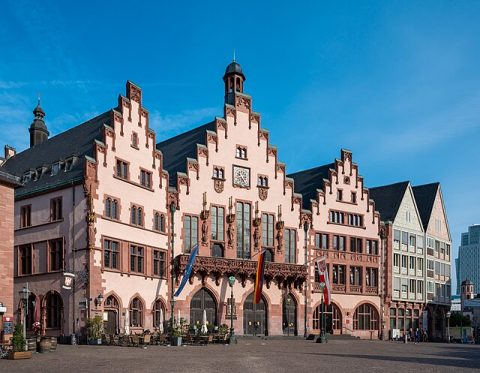
Römer
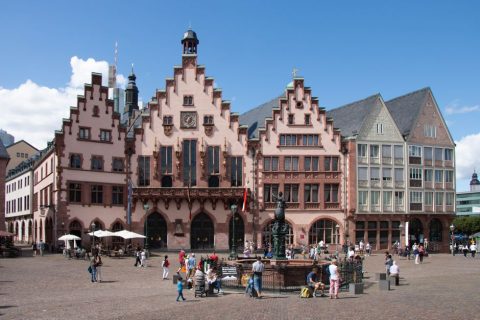
The Römer is Frankfurt's iconic medieval town hall, featuring a distinctive three-peaked facade that has served as the city's symbol for over 600 years. Located in the heart of the reconstructed Altstadt (Old Town), this 15th-century building hosted Holy Roman Emperor coronation banquets in its magnificent Kaisersaal (Imperial Hall). The picturesque Römerberg square surrounding it showcases traditional half-timbered houses and creates one of Germany's most photographed historical ensembles.
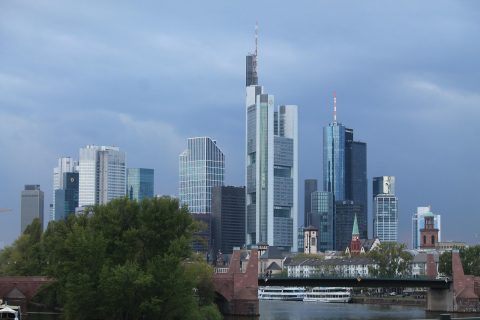
Main Tower
Standing at 200 meters tall, Main Tower offers Frankfurt's only publicly accessible observation platform, providing breathtaking 360-degree views of the city's distinctive skyline and the Main River valley. This 56-story skyscraper features both an indoor viewing gallery and an outdoor platform on floors 55 and 56 (the upper platform is reached by stairs). Visit at sunset for spectacular views of 'Mainhattan' transitioning from day to night, or enjoy fine dining at the tower's restaurant while overlooking Germany's financial district.
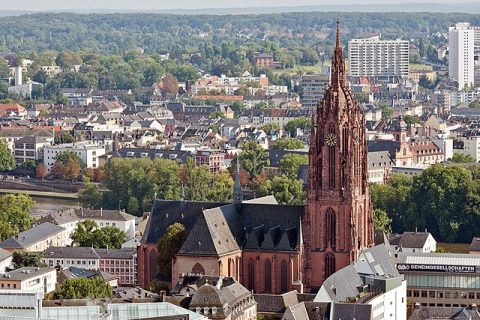
Frankfurt Cathedral (Kaiserdom St. Bartholomäus)
This magnificent Gothic cathedral served as the coronation church for Holy Roman Emperors from 1562 to 1792, making it one of Germany's most historically significant religious buildings. The distinctive red sandstone structure, dating back to the 13th-15th centuries, features a 95-meter tower offering panoramic city views after climbing 324 steps. Inside, admire the impressive late Gothic choir, beautiful frescoes, and the cathedral museum displaying imperial regalia and religious artifacts.
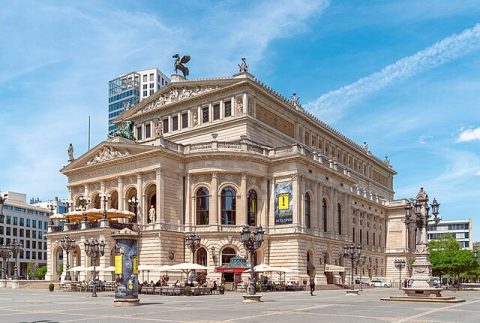
Old Opera House (Alte Oper)
Built in 1880 in Italian Renaissance style, the Alte Oper is one of Germany's most beautiful concert halls and Frankfurt's premier cultural venue. Destroyed during WWII and rebuilt from 1976 and reopened in 1981, it now hosts over 300 concerts annually, from classical symphonies to jazz performances. The stunning facade and elegant interior make it a architectural masterpiece, while the surrounding plaza hosts outdoor events and festivals. Even if not attending a performance, the building's exterior is worth visiting for photos.
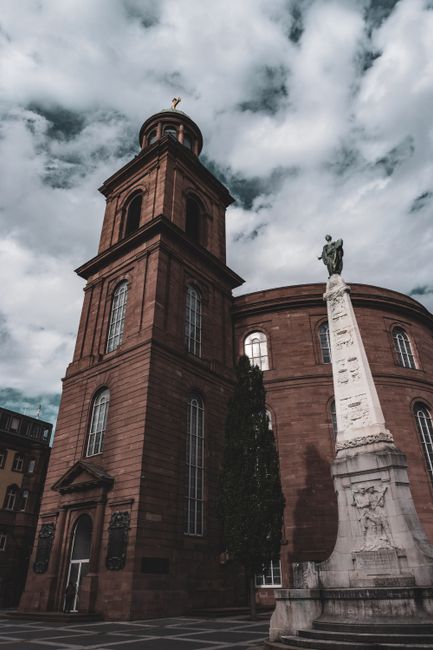
Paulskirche (St. Paul's Church)
The Paulskirche holds profound significance as the birthplace of German democracy, where the first freely elected German parliament convened in 1848. This circular Protestant church, built 1789-1833, now serves as a memorial and venue for events promoting democracy and human rights. The simple yet powerful interior features the iconic black-red-gold flag and exhibitions about Germany's democratic history. A major renovation is being planned (work began on the planning in 2026), so check it is open before you go; entry is free and it is an essential stop for understanding Germany's political heritage.
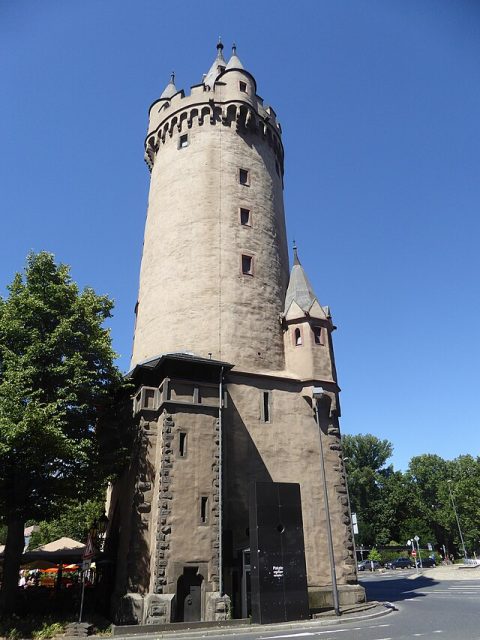
Eschenheimer Turm
This imposing 47-meter medieval tower, built in the early 15th century, is Frankfurt's oldest and best-preserved city fortification. Part of the original city walls, the Eschenheimer Tower combines late Gothic architecture with Renaissance elements. While the tower itself isn't regularly open to the public, its dramatic exterior presence in the modern cityscape creates a striking contrast. The adjacent café offers a perfect spot to admire this architectural time capsule.
Tips for Landmarks & Monuments
- Best photo timing: Visit Römerberg early morning (before 9 AM) for crowd-free photos
- Main Tower tip: Book online to skip queues; sunset visits require advance planning
- Cathedral tower: Tower closes earlier than the church - check times if you want to climb
- Free attractions: Römerberg, Paulskirche, and most exterior views are completely free
Frankfurt's Museumsufer (Museum Embankment) along the Main River hosts one of Europe's most concentrated cultural districts. From Old Masters to modern art, natural history to film, the city's world-class museums offer something for every interest.
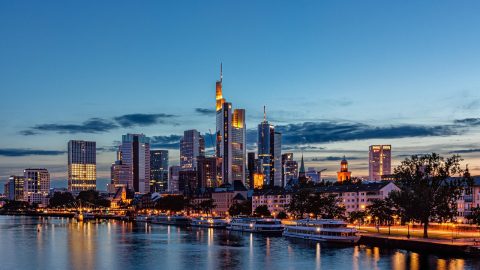
Städel Museum
One of Germany's most important art museums, the Städel houses 700 years of European art from medieval to contemporary. The collection includes masterpieces by Rembrandt, Vermeer, Monet, Renoir, Picasso, and Beckmann. The modern underground extension, opened in 2012, features innovative circular skylights and houses contemporary works. With over 3,100 paintings, 660 sculptures, and 100,000 drawings and prints, plan at least 2-3 hours to explore this exceptional collection properly.
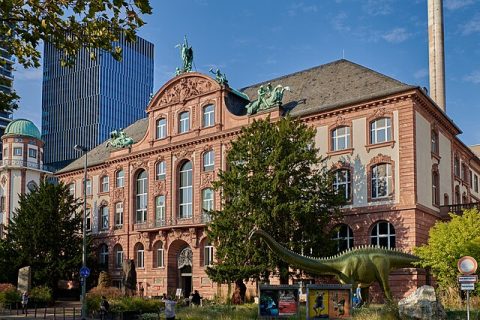
Senckenberg Natural History Museum
Germany's second-largest natural history museum features an extraordinary dinosaur collection, including the largest exhibition of large dinosaurs in Europe. The impressive displays include fossil skeletons, a diplodocus measuring 18 meters, and the famous Frankfurt T-Rex. Beyond dinosaurs, explore extensive collections of taxidermied animals, Egyptian mummies, minerals, and evolutionary exhibits. Perfect for families, the interactive displays and life-size reconstructions make natural history come alive for visitors of all ages.
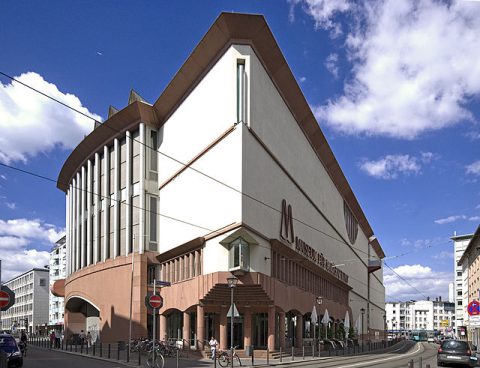
Museum für Moderne Kunst (MMK)
Housed in a striking triangular postmodern building nicknamed 'slice of cake,' the MMK showcases international contemporary art from the 1960s to present. The collection features works by Andy Warhol, Roy Lichtenstein, Joseph Beuys, and Gerhard Richter, among others. The building itself, designed by Hans Hollein, is an architectural landmark. Three locations (MUSEUMMMK, TOWERMMK and ZOLLAMTMMK) offer diverse exhibition spaces. The museum's focus on avant-garde and experimental art makes it essential for contemporary art enthusiasts.
Goethe House and Museum
The birthplace of Johann Wolfgang von Goethe, Germany's greatest writer, has been meticulously reconstructed to its 18th-century appearance. Walk through the rooms where Goethe spent his youth (1749-1765) and wrote early works including 'The Sorrows of Young Werther.' The adjacent museum displays manuscripts, portraits, and artifacts related to Goethe's life and the Enlightenment era. The house provides intimate insight into bourgeois life in Frankfurt during the Baroque period and the formative environment of this literary giant.
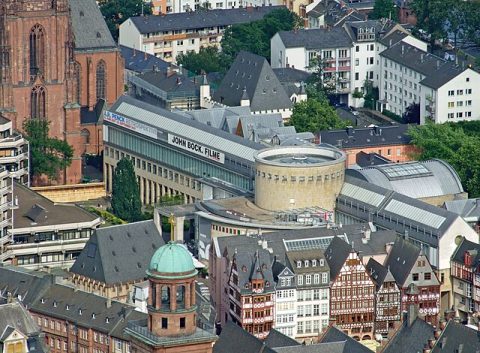
Schirn Kunsthalle
While its building beside the Römerberg is renovated (until 2028), the Schirn shows its exhibitions in the former Dondorf Druckerei in Bockenheim. This prestigious exhibition hall in the heart of Frankfurt hosts rotating world-class contemporary art exhibitions. Without a permanent collection, Schirn focuses on innovative temporary shows featuring both established masters and emerging artists. Past exhibitions have covered everything from Renaissance art to digital media. The striking circular architecture integrates seamlessly with the adjacent Römerberg. Check their program before visiting, as exhibitions change every few months, offering fresh perspectives on art history and contemporary culture.
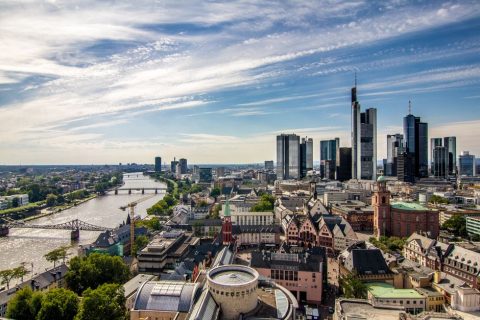
German Film Museum (Deutsches Filmmuseum)
This interactive cinema museum on the Museumsufer explores film history from early cinema to digital filmmaking. Visitors can experiment with pre-cinema optical devices, understand film production techniques, and explore behind-the-scenes movie magic. The permanent exhibition covers international film history with artifacts, costumes, and props. The museum also houses a cinematheque showing classic and contemporary films. Hand-on exhibits make this especially engaging for families and film enthusiasts wanting to understand the art and technology of cinema.
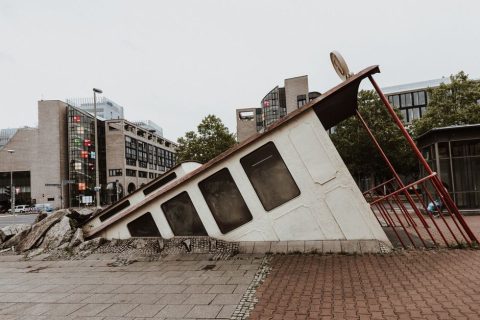
Museum of Communication
Trace the evolution of human communication from ancient postal systems to the digital age in this fascinating museum. Interactive exhibits let visitors experience historical communication methods, from writing letters with quill pens to operating telegraph machines. The extensive stamp collection is one of the world's finest. Modern exhibits explore internet culture, social media, and digital communication's impact on society. The hands-on approach and multimedia installations make complex topics accessible and entertaining for all ages.
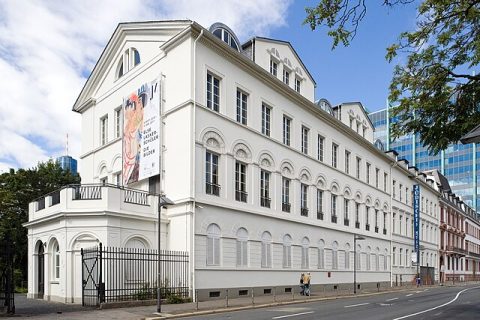
Jewish Museum Frankfurt
Two historic buildings - the Rothschild Palais and the Museum Judengasse - tell the story of Frankfurt's Jewish community from medieval times to present. The Museum Judengasse stands on the site of the original Jewish ghetto, displaying archaeological remains of homes and ritual baths. Exhibitions explore Jewish life, culture, persecution, and contributions to Frankfurt's development. The Rothschild family's former residence houses contemporary exhibitions on Jewish identity. Together, these sites provide profound insight into Jewish history and Frankfurt's multicultural heritage.
Tips for Museums & Galleries
- Museumsufer ticket: Consider the Frankfurt Card or Museumsufer ticket for multiple museum visits
- Tuesday savings: Some museums offer reduced admission on specific weekdays
- Museumsufer Festival: Visit during the annual August festival for special programming and outdoor events
- Free Saturdays: The last Saturday of each month offers free admission to several museums
- English tours: Städel and Senckenberg offer audio guides and guided tours in English
Frankfurt's churches reflect centuries of religious heritage, from medieval Catholic cathedrals to Protestant churches that shaped German history. These sacred spaces offer both spiritual reflection and architectural splendor.
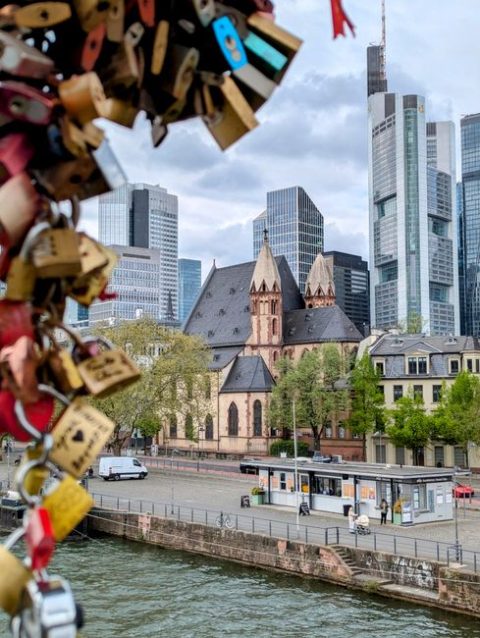
St. Leonhard's Church
This beautiful late Gothic church near the Main River is considered one of Frankfurt's finest medieval buildings. Built in the 15th century, St. Leonhard's features two distinctive towers and stunning stained glass windows, including some original 15th-century panels. The church miraculously survived WWII bombing relatively intact, preserving its authentic medieval atmosphere. Notable features include the intricately carved entrance portal, the Marienaltar (Mary's Altar), and the atmospheric vaulted ceiling. Regular organ concerts showcase the church's exceptional acoustics.
St. Catherine's Church (Katharinenkirche)
Frankfurt's largest Protestant church, St. Catherine's was rebuilt after WWII and features a distinctive 54-meter baroque tower that survived the war. The church, originally built in the 14th century, played an important role in Frankfurt's Protestant history. Inside, the modern interior design contrasts beautifully with traditional elements. The church is known for its outstanding musical program, particularly organ concerts and choral performances. Its location near the Hauptwache makes it easily accessible during city exploration.
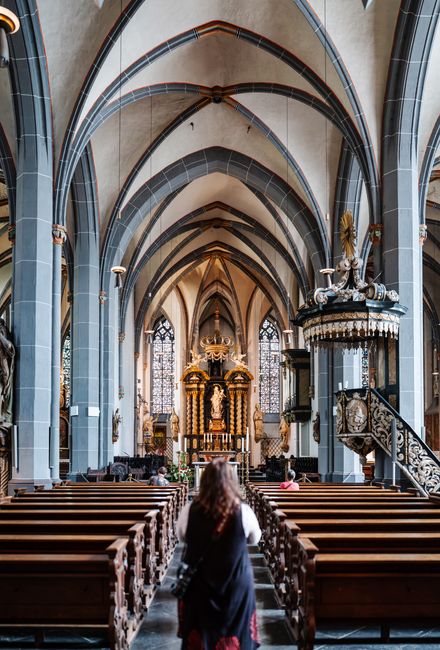
Liebfrauenkirche (Church of Our Lady)
Dating back to the 14th century, this Catholic church stands prominently at the Liebfrauenberg in Frankfurt's shopping district. The late Gothic structure features a beautiful carved portal and houses important religious artworks. After WWII damage, the church was reconstructed maintaining its historical character. The peaceful interior provides a tranquil escape from the busy shopping streets. The adjacent Liebfrauenberg square hosts the popular Christmas market, making the church particularly atmospheric during the holiday season.
Tips for Religious Sites
- Respectful visiting: Remember these are active places of worship - dress modestly and remain quiet during services
- Concert schedules: Check church websites for organ concerts and choral performances, often free or low-cost
- Combined tours: Many churches are clustered near the Altstadt - visit several in one walking tour
- Photography: Most churches allow photos, but flash photography may be prohibited during services
Frankfurt's public squares and pedestrian streets form the heart of city life, from the historic Römerberg to the elegant shopping boulevard of Zeil. These spaces blend history, culture, and modern urban vitality.
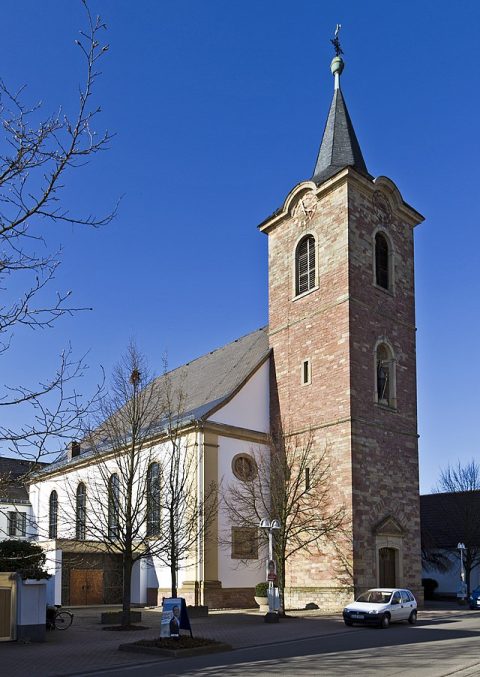
Römerberg
Frankfurt's most iconic square, Römerberg is the historic heart of the city and site of medieval markets and festivals for centuries. Surrounded by meticulously reconstructed half-timbered houses (Ostzeile), the medieval Römer town hall, and the Gothic Old St. Nicholas Church, the square embodies Frankfurt's medieval heritage. The Fountain of Justice (Justitiabrunnen) stands at its center. Today, Römerberg hosts Christmas markets, cultural festivals, and outdoor events. The square's photogenic charm makes it Frankfurt's most recognizable landmark and essential first stop.
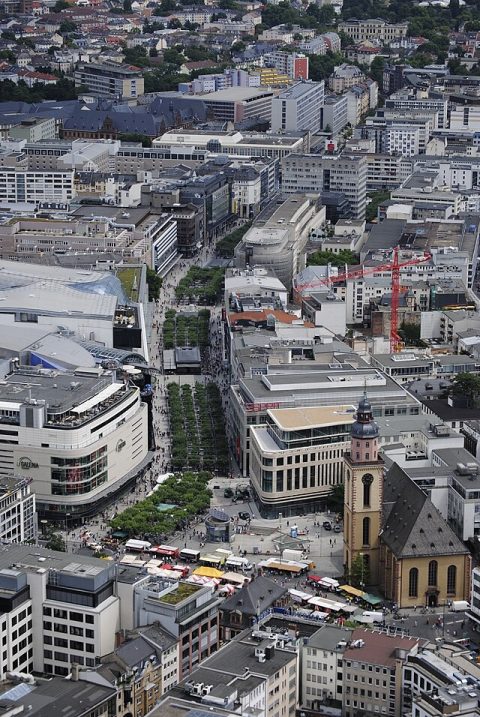
Zeil
One of Germany's most famous shopping streets, the Zeil stretches for a kilometer through Frankfurt's city center as a mostly pedestrianized zone. This bustling boulevard combines department stores, international brands, and the striking MyZeil shopping center with its futuristic spiral architecture. Street performers, cafés, and public art installations create vibrant urban energy. The central Hauptwache square marks the western end, while eastward the street leads to the Konstablerwache. Beyond shopping, Zeil showcases Frankfurt's modern commercial vitality and contemporary urban design.
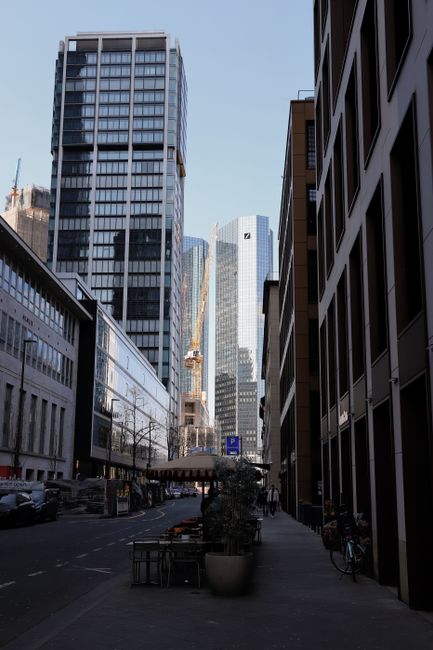
Kleinmarkthalle
While technically an indoor market, this 1950s market hall functions as Frankfurt's culinary town square. Under one roof, over 60 vendors sell fresh produce, meats, cheeses, fish, baked goods, flowers, and international specialties. The bustling atmosphere, with vendors calling out offers and locals shopping, provides authentic Frankfurt flavor. Several stands serve prepared foods - perfect for lunch. The Kleinmarkthalle represents Frankfurt's multicultural character through its diverse food offerings and remains a beloved local institution where tradition meets contemporary foodie culture.
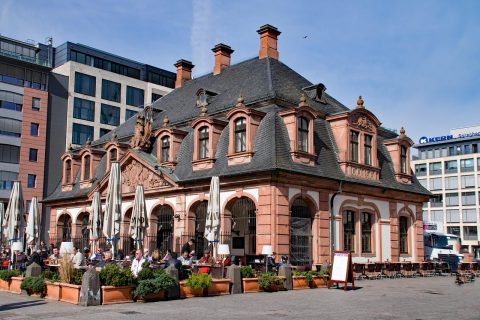
Hauptwache
This central square takes its name from the baroque guardhouse (built 1730) that still stands at its center, now housing a café. The Hauptwache serves as Frankfurt's primary meeting point and transportation hub, with one of the city's busiest U-Bahn and S-Bahn stations below. The surrounding area features the striking St. Catherine's Church tower, modern office buildings, and the beginning of the Zeil shopping street. The square's mix of historic and contemporary architecture, combined with constant pedestrian flow, captures Frankfurt's dynamic character.
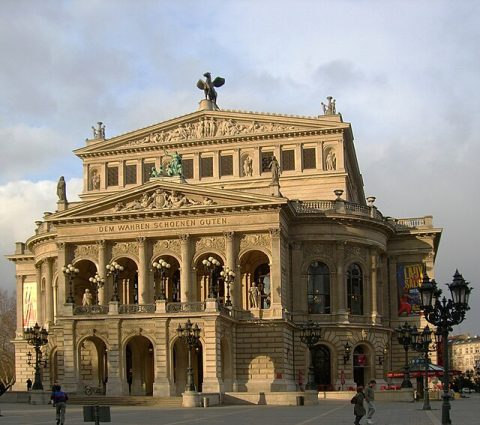
Opernplatz
This elegant square fronts the magnificent Alte Oper (Old Opera House) and serves as a cultural gathering space. The spacious plaza hosts outdoor concerts, festivals, and events, particularly during summer months. Fountains and seating areas make it perfect for relaxing while admiring the Renaissance Revival architecture of the opera house. The square connects to the banking district and Bockenheimer Anlage park. In evenings, the illuminated opera house creates a romantic atmosphere, making Opernplatz popular for evening strolls before performances or dinner.
Tips for Squares & Streets
- Market timing: Visit Kleinmarkthalle Tuesday-Friday mornings for the best selection and authentic market atmosphere
- Photography: Römerberg is most photogenic in early morning light with fewer tourists
- Events: Check Frankfurt's event calendar - squares host regular festivals, concerts, and markets
- Rest stops: All major squares have nearby cafés perfect for people-watching breaks
Beyond the city center, Frankfurt's diverse neighborhoods each possess distinct character - from the apple wine taverns of Sachsenhausen to the multicultural energy of Bahnhofsviertel and the trendy cafés of Bornheim.
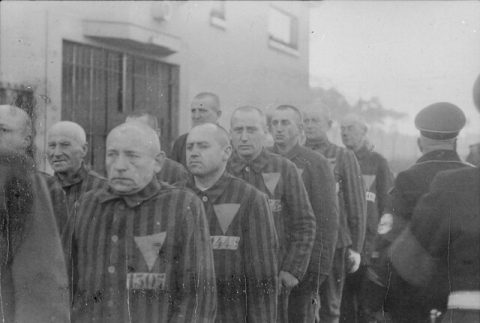
Sachsenhausen
Located south of the Main River, Sachsenhausen is Frankfurt's most characterful neighborhood, famous for traditional apple wine taverns (Apfelweinlokale). The Alt-Sachsenhausen district features cobblestone streets, half-timbered houses, and authentic taverns serving Ebbelwoi (apple wine) with regional specialties like Handkäs mit Musik. The riverfront promenade offers stunning views of Frankfurt's skyline. The neighborhood combines traditional German gemütlichkeit (coziness) with vibrant nightlife. Don't miss the atmospheric taverns along Klappergasse and Textorstraße, where locals gather in traditional blue-grey pottery cups.

Nordend
Nordend is Frankfurt's creative and residential heart, characterized by beautiful Gründerzeit (late 19th-century) architecture, tree-lined streets, and neighborhood feel. This gentrified district attracts artists, young professionals, and families with its independent boutiques, cozy cafés, organic shops, and weekly farmers' markets. The Oeder Weg area pulses with bars and restaurants, while quieter residential streets showcase elegant apartment buildings. Bethmann Park and the Chinese Garden provide green retreats. Nordend embodies Frankfurt's livable, cultural side away from skyscrapers and finance.
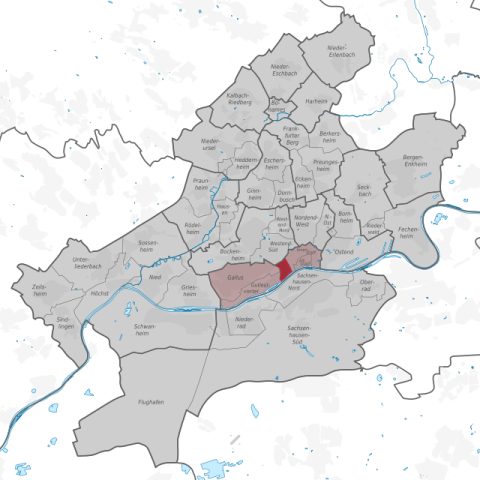
Bahnhofsviertel
Frankfurt's most multicultural and rapidly gentrifying neighborhood surrounds the Hauptbahnhof (main train station). Once notorious for its red-light district, Bahnhofsviertel now buzzes with hip cocktail bars, ethnic restaurants (particularly Korean, Vietnamese, and Turkish), art galleries, and creative spaces. The area's gritty urban character coexists with emerging cultural venues like English Theatre and trendy nightlife. Diversity defines Bahnhofsviertel - expect authentic international cuisine, street art, and urban energy. Exercise normal city caution, especially at night, though the area has significantly improved.
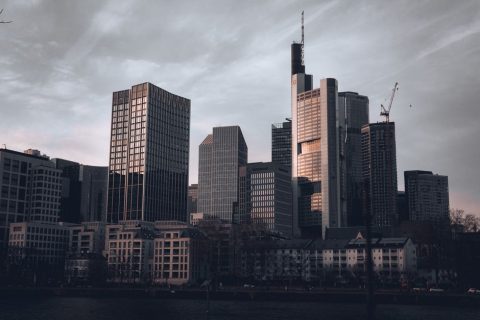
Bornheim
Charming Bornheim offers village-like atmosphere within Frankfurt, featuring the lengthy Berger Straße - one of Germany's longest shopping streets. This historic neighborhood combines Gründerzeit architecture with independent shops, traditional bakeries, cozy wine bars, and international restaurants. The weekly market at Bornheim Mitte brings locals together, while numerous cafés provide perfect spots for afternoon coffee and people-watching. Less touristy than other districts, Bornheim reveals authentic Frankfurt neighborhood life. The area's relaxed pace and community feeling make it ideal for leisurely exploration.
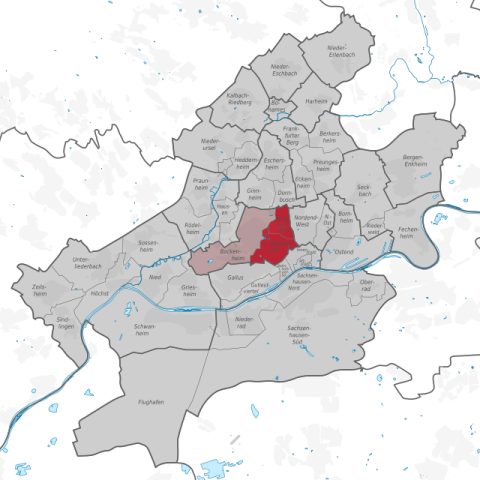
Westend
Frankfurt's most elegant and affluent neighborhood, Westend showcases grand villas, diplomatic residences, and Art Nouveau architecture alongside modern banking towers. The district divides into residential Westend-Nord and commercial Westend-Süd (banking district). Palmengarten botanical garden and Grüneburgpark provide green spaces, while the university district adds youthful energy. Leafy boulevards like Bockenheimer Landstraße feature boutiques and cafés. Westend demonstrates Frankfurt's sophisticated side - where historic wealth meets contemporary finance, creating an atmosphere of refined urban living.
Tips for Neighborhoods & Districts
- Apple wine experience: Visit Sachsenhausen on weekend evenings for authentic atmosphere, but weekday lunches are quieter
- Market days: Explore Nordend's Saturday Konstablerwache market or Bornheim's Wednesday market for local life
- Safety: Bahnhofsviertel is generally safe during day; exercise standard city caution at night
- Local transport: Each neighborhood is well-connected by U-Bahn and tram - get a day pass for easy exploring
Frankfurt surprises visitors with its extensive green spaces. From the riverside paths along the Main to the exotic Palmengarten, these parks offer peaceful retreats and recreational opportunities in Germany's financial capital.
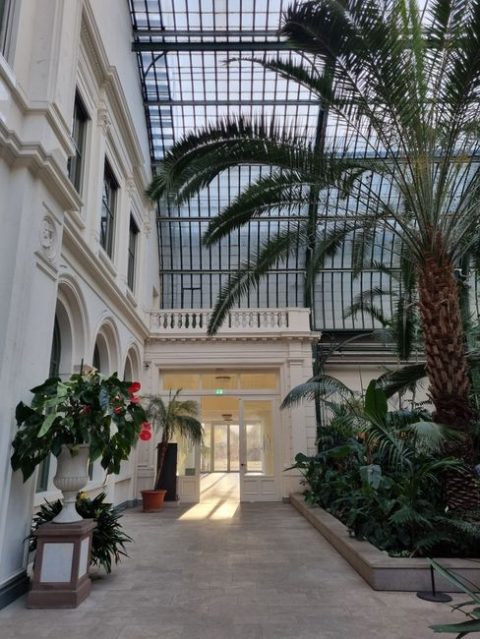
Palmengarten
One of Europe's most beautiful botanical gardens, the Palmengarten spans 22 hectares with greenhouse complexes and outdoor gardens displaying plants from around the world. Established in 1868, highlights include the tropical Tropicarium, desert house, subantarctic house, and seasonal flower displays. The historic palm house showcases towering palms, while themed gardens range from rose gardens to rhododendron groves. Children enjoy the small train and playgrounds. Regular concerts, exhibitions, and special events (particularly during summer) enhance visits. The Palmengarten offers educational beauty and peaceful escape year-round.
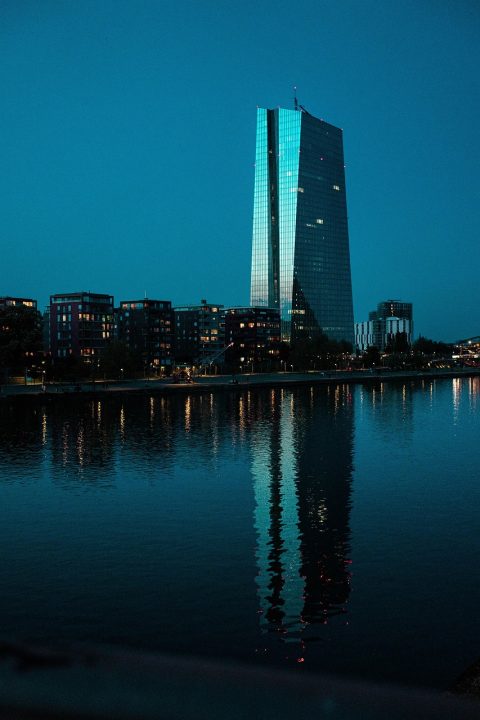
Main River Banks (Mainufer)
The Main River promenades on both banks provide Frankfurt's most popular recreational space. The northern bank (Nizza) features manicured lawns, cafés, and spectacular skyline views, while the southern Sachsenhausen bank (Schweizer Straße area) offers a more relaxed atmosphere with beach bars in summer. Locals picnic, jog, cycle, and socialize along these waterfront paths. The Museumsufer stretch passes major museums with riverside cafés. Summer brings beach clubs, open-air movies, and festivals. The pedestrian Eiserner Steg footbridge connects both sides, perfect for sunset skyline photos.
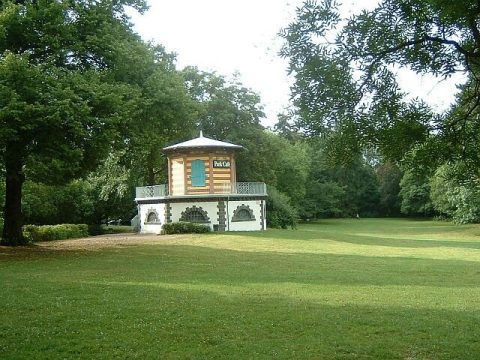
Grüneburgpark
This expansive English-style landscape park in the Westend district covers 29 hectares with rolling lawns, mature trees, and meandering paths. Originally part of the Rothschild family estate, the park features a Korean garden, children's playgrounds, and wide open spaces perfect for picnics and sports. The park's topography creates varied landscapes - from hilltop views to secluded groves. Popular with students from nearby Goethe University and local families, Grüneburgpark offers authentic Frankfurt park culture. Especially beautiful during spring blossoms and autumn colors.
Bethmann Park with Chinese Garden
This hidden gem in Nordend features a authentic Chinese Garden (Garten des Himmlischen Friedens) within a larger European-style park. The Chinese garden, created in partnership with Frankfurt's sister city Guangzhou, includes traditional pavilions, moon gates, rock formations, and carefully arranged plants following feng shui principles. The surrounding Bethmann Park offers rose gardens, tree-lined paths, and quiet corners. The combination of German romantic landscape and classical Chinese garden design creates a unique tranquil oasis. Entry to Chinese Garden requires small fee; outer park is free.
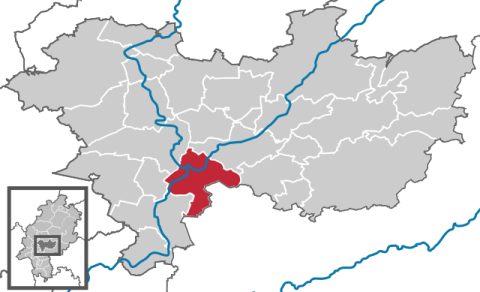
Nidda Valley (Niddatal)
The Nidda River valley creates a green corridor through northwestern Frankfurt, offering extensive cycling and walking paths through natural landscapes. This regional park stretches for kilometers, featuring wetlands, meadows, and recreational areas. Popular for cycling, the flat paths connect various neighborhoods and extend to surrounding communities. The Nidda flows into the Main, and the valley provides important ecological habitat. Perfect for longer walks, bike rides, or picnics away from urban density. Local sections like Brentanobad area offer swimming and sports facilities during summer.
Tips for Parks & Gardens
- Best seasons: Palmengarten shines year-round; Main banks are magical May-September; parks peak during spring bloom and autumn foliage
- Sunset spots: Northern Main bank (Nizza) and Eiserner Steg offer best skyline sunset views
- Picnic supplies: Pick up food at Kleinmarkthalle or neighborhood markets before heading to parks
- Cycling: Rent bikes to explore Nidda valley trails or Main riverbanks - mostly flat and well-maintained paths
Experience Frankfurt through guided tours and unique activities - from river cruises and bike tours to food experiences and cultural walks that reveal the city's layers beyond guidebook highlights.
Main River Cruise
See Frankfurt from the water on a scenic Main River cruise, offering unique perspectives of the skyline, bridges, and riverfront museums. Various operators offer cruises ranging from 50-minute city tours to longer trips including lunch or dinner. The boats pass under historic bridges like the Eiserner Steg, along the Museumsufer, and past both modern skyscrapers and traditional Sachsenhausen. Commentary (usually multilingual) explains landmarks and city history. Sunset cruises are particularly atmospheric. Some tours extend to nearby destinations like Höchst or Offenbach. Book online for guaranteed seats during peak season.
Apple Wine (Ebbelwoi) Tour
Discover Frankfurt's traditional drink through guided apple wine tours in Sachsenhausen. These cultural experiences combine history, tavern visits, and tastings of various Ebbelwoi styles paired with regional specialties like Handkäs and Grüne Soße. Guides explain apple wine production, Frankfurt drinking traditions, and tavern culture while visiting 2-3 authentic establishments. Some tours include the Express train ride through Sachsenhausen. Perfect introduction to this Frankfurt institution, especially for those uncertain about navigating taverns independently. Tours typically run Friday-Sunday evenings and must be booked in advance.
Old Town Walking Tour
Professional guided walking tours bring Frankfurt's history alive through the reconstructed Altstadt, Römerberg, Cathedral, and medieval lanes. Knowledgeable guides share stories of Holy Roman emperors, WWII destruction and reconstruction, Goethe, and Frankfurt's evolution from medieval trading center to modern metropolis. Tours typically last 1.5-2 hours and cover major Old Town highlights with insider details you'd miss independently. Free walking tours (tip-based) and paid private tours available. English-language tours run daily from Römerberg. Some themed tours focus on specific aspects like Jewish heritage, architecture, or WWII history.
Bike Tour
Explore Frankfurt efficiently by bicycle on guided bike tours covering major sights and neighborhoods impossible to see on foot. Tours typically include the Old Town, Sachsenhausen, Main River banks, financial district, and parks, with stops for photos and commentary. Frankfurt's flat terrain and extensive bike paths make cycling ideal. Tours last 2.5-3.5 hours with comfortable bikes provided. Some operators offer themed tours (night rides, food tours, urban culture). Great way to cover distance while getting local insights and exercise. Book through tour operators or hotels; tours run daily in good weather.
Food Tour
Taste your way through Frankfurt on culinary walking tours visiting markets, traditional taverns, specialty shops, and restaurants. Experience local favorites like Frankfurter Grüne Soße (green sauce), Handkäs cheese, apple wine, and Bethmännchen cookies while learning about regional food culture. Tours include Kleinmarkthalle market visits, Sachsenhausen tavern stops, and international food scenes in neighborhoods like Bahnhofsviertel. Guides share history, recommend restaurants, and provide insider food tips. Tours run 3-4 hours with sufficient food for lunch. Book through specialized food tour companies or tourist office.
Hop-On Hop-Off Bus
Double-decker hop-on hop-off buses provide convenient overview tours with flexibility to explore at your own pace. Routes cover major attractions including Römerberg, Goethe House, Museumsufer, Hauptbahnhof, Palmengarten, and financial district. Multilingual audio commentary explains sights. Tickets valid 24-48 hours allow unlimited boarding. Useful for orientation on first day or when time is limited. Buses run every 20-30 minutes. While less intimate than walking tours, hop-on hop-off buses efficiently connect distant attractions and work well for families or those with mobility limitations.
Tips for Tours & Activities
- Book ahead: Popular tours (river cruises, food tours, bike tours) sell out during peak season - reserve 2-3 days advance
- Free options: Free walking tours operate on tips - budget €10-15 per person for good guide
- Weather dependent: Bike tours and some walking tours cancel in heavy rain - check cancellation policies
- Combination tickets: Some tour operators offer package deals combining multiple activities at discounts
Frankfurt's central location makes it perfect base for exploring surrounding regions - from Rhine Valley castles to medieval Heidelberg, wine regions, and charming small towns, all within 1-2 hours by train.
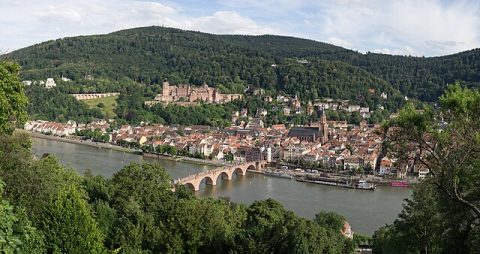
Heidelberg
Heidelberg, Germany's most romantic city, sits just one hour south by train. The magnificent castle ruins overlooking the Neckar River, charming Altstadt with baroque architecture, and Germany's oldest university create an enchanting atmosphere. Walk the Philosophers' Way for castle views, explore the cobblestone streets, and visit the impressive castle with its world's largest wine barrel. The Old Bridge (Karl Theodor Bridge) offers postcard views. Heidelberg embodies German romanticism and makes an ideal full-day excursion. Trains run frequently from Frankfurt Hauptbahnhof; consider buying regional train passes.
Rhine Valley & Castles (Rüdesheim)
The UNESCO-listed Middle Rhine Valley between Rüdesheim and Koblenz features dramatic castles, vineyards, and the legendary Lorelei rock. Rüdesheim, accessible in one hour by train, makes an excellent day trip base. Explore the charming wine village, ride the cable car to Niederwald Monument for panoramic views, and take a Rhine cruise past castle-topped cliffs. The region's Riesling wines are world-famous - visit wine taverns and cellar tastings. Some tours from Frankfurt combine river cruises with castle visits. Late summer and autumn (wine harvest) are particularly beautiful seasons.
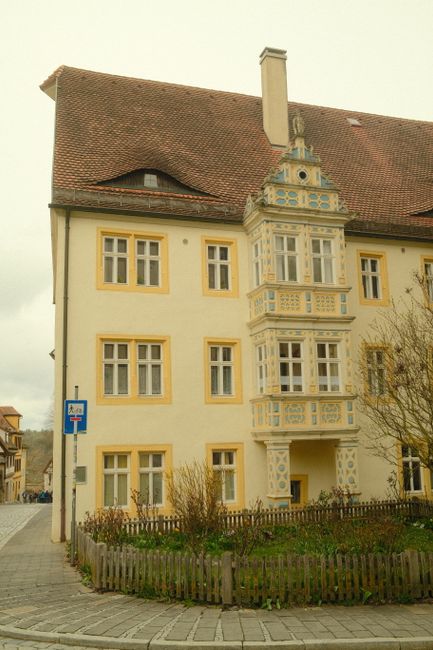
Rothenburg ob der Tauber
Rothenburg ob der Tauber, Germany's best-preserved medieval town, transports visitors to the Middle Ages with its complete town walls, towers, and half-timbered houses. Located on the Romantic Road, Rothenburg sits 2-2.5 hours from Frankfurt by train (transfer required). Walk the complete town wall, visit the Medieval Crime Museum, explore the Market Square with Gothic town hall, and see the famous Plönlein corner. The Christmas Museum opens year-round. While crowds peak in summer, the fairytale atmosphere remains magical. Consider spending the night to experience the town after day-trippers leave.
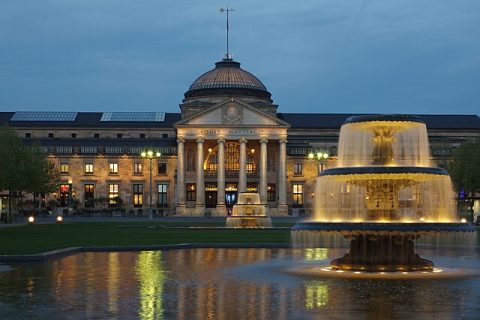
Wiesbaden
Wiesbaden, the elegant spa town and Hesse state capital, lies just 40 minutes from Frankfurt. Known for thermal springs since Roman times, the city features belle époque architecture, the neoclassical Kurhaus (casino and concert hall), and beautiful parks. Visit the impressive Russian Orthodox Church, relax in thermal baths, stroll through elegant shopping arcades, or enjoy wine in nearby Rheingau vineyards. The Neroberg mountain offers hilltop views accessible by historic water-powered railway. Wiesbaden makes an easy half-day or full-day trip, perfect for leisurely exploration and spa relaxation.
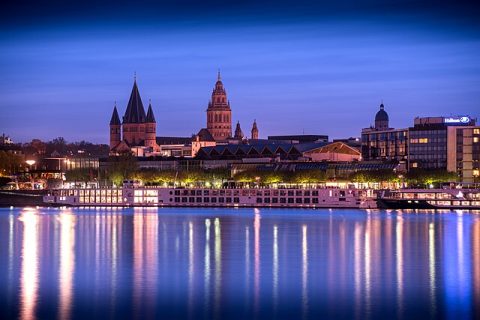
Mainz
Mainz, just 40 minutes away, combines 2,000 years of history as a Roman settlement, medieval archbishopric seat, and Gutenberg's printing revolution birthplace. The stunning St. Martin's Cathedral dominates the old town with its six towers, while the Gutenberg Museum displays original 15th-century Bibles. The charming Altstadt features baroque churches, market squares, and wine taverns serving regional Rheinhessen wines. As a university city, Mainz has youthful energy alongside historical depth. The riverside promenade along the Rhine provides pleasant walks. Excellent half-day trip or combine with Wiesbaden for full-day exploration.
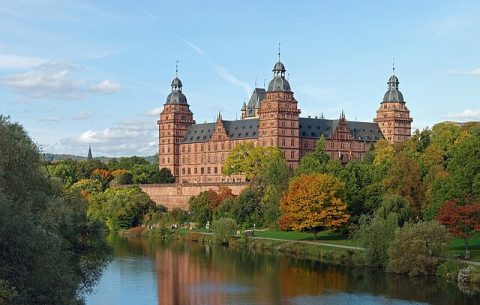
Aschaffenburg
Aschaffenburg, nicknamed 'Bavarian Nice' for its mild climate, sits 40 minutes east along the Main River. The impressive Renaissance Johannisburg Palace with its art collections overlooks the river, while Pompejanum - a replica Roman villa - showcases classical architecture. The medieval old town, parks, and riverside location create pleasant atmosphere. Less touristy than other destinations, Aschaffenburg offers authentic small-town German experience. The Schönbusch Park, an English landscape garden with neoclassical buildings, provides peaceful walking. Easy relaxed day trip for those seeking alternatives to crowded tourist destinations.
Tips for Day Trips & Excursions
- Train passes: Consider RMV regional day pass or Hessen ticket for unlimited regional train travel - significant savings for groups
- Early starts: Leave Frankfurt by 9 AM to maximize time at destination, especially for distant trips like Rothenburg
- Guided tours: Many tour operators offer day trip packages from Frankfurt with transportation and guides included
- Combination trips: Rhine Valley and Heidelberg are often combined in organized full-day tours
Real, highly-rated Restaurants in Frankfurt am Main, sourced from Google Places (rating above 4★).
Kish Restaurant
Kish Restaurant is a highly-rated restaurant in Frankfurt am Main, rated 4.9★ from 10896 reviews. Located at Leipziger Str. 16A, 60487 Frankfurt am Main, Germany.
Opening Hours
- Monday: 11:30 AM – 11:30 PM
- Tuesday: 11:30 AM – 11:30 PM
- Wednesday: 11:30 AM – 11:30 PM
- Thursday: 11:30 AM – 11:30 PM
- Friday: 11:30 AM – 11:30 PM
- Saturday: 11:30 AM – 11:30 PM
- Sunday: 11:30 AM – 11:30 PM
Trattoria i Siciliani Ristorante Italiano
Trattoria i Siciliani Ristorante Italiano is a highly-rated restaurant in Frankfurt am Main, rated 4.9★ from 2756 reviews. Located at Walter-Kolb-Straße 17, 60594 Frankfurt am Main, Germany.
Opening Hours
- Monday: 11:30 AM – 11:00 PM
- Tuesday: 11:30 AM – 11:00 PM
- Wednesday: 11:30 AM – 11:00 PM
- Thursday: 11:30 AM – 11:00 PM
- Friday: 11:30 AM – 11:00 PM
- Saturday: 11:30 AM – 11:00 PM
- Sunday: 11:30 AM – 11:00 PM
Zarathustra
Zarathustra is a highly-rated restaurant in Frankfurt am Main, rated 4.9★ from 3125 reviews. Located at Jahnstraße 1, 60318 Frankfurt am Main-Innenstadt III, Germany.
Opening Hours
- Monday: 12:00 – 10:30 PM
- Tuesday: 12:00 – 10:30 PM
- Wednesday: 12:00 – 10:30 PM
- Thursday: 12:00 – 10:30 PM
- Friday: 12:00 – 10:30 PM
- Saturday: 12:00 – 10:30 PM
- Sunday: 12:00 – 10:30 PM
Frankfurt hosts one of Germany's oldest and largest Christmas markets, with roots traced back to 1393, filling the historic Römerberg square and spreading through the Altstadt down to the Main riverbank.
Wooden stalls, mulled wine, and the scent of roasted almonds define the city center through most of December, alongside seasonal ice skating and smaller neighborhood markets.
Frankfurter Weihnachtsmarkt (Römerberg)
The heart of Frankfurt's holiday season, this market spreads across the Römerberg, Paulsplatz, and down toward the Main river, with roughly 200 stalls set among the half-timbered facades of the old town. Expect Glühwein (mulled wine) served in collectible mugs, Bethmännchen marzipan cookies, roasted chestnuts, and handcrafted ornaments. In 2026 it runs from 23 November to 22 December. The illuminated town hall backdrop and towering Christmas tree near the Justitia fountain make it one of the most photographed holiday scenes in Germany. Evenings are busiest, especially weekends, so a weekday visit or early evening arrival helps avoid the densest crowds while still catching the lights.
Seasonal Ice Rink at the Römer
Alongside the market stalls, a temporary open-air ice rink is typically set up near the Römerberg or adjacent squares each winter, offering skating sessions for visitors of all ages with skate rental on site. It's a favorite stop for families and couples looking for an active break between browsing stalls, especially in the early evening when the surrounding market is lit up. Sessions usually run in timed slots through the December market period, and lines can form on weekends, so arriving on a weekday afternoon is easier. Warm drinks and snack stalls are typically clustered right around the rink, making it simple to combine skating with a Glühwein break afterward.
Höchst Christmas Market
For a quieter alternative to the crowded city center, the historic Schlossplatz in Frankfurt-Höchst, a well-preserved medieval quarter in the city's west, hosts its own smaller Christmas market. Set against the timber-framed old town and moated castle, it has a cozier, more local feel with regional food stalls, mulled wine, and handmade crafts. It generally runs on select weekends through December rather than the full daily schedule of the main market. It's an easy tram ride from central Frankfurt and rewards visitors who want holiday atmosphere without the downtown crowds, combined with a chance to explore one of the city's most charming historic districts.
Tips for Christmas Market
- The main Römerberg market typically runs from late November until around December 22; markets close before Christmas Eve, so plan a December visit rather than arriving on the 24th or later
- Weekday evenings are noticeably calmer than weekends for browsing stalls and photos
- Bring cash, as many smaller stalls do not accept cards
- Mug deposits (Pfand) apply to Glühwein cups; return the mug or keep it as a souvenir
- Dress warmly and consider comfortable, waterproof shoes, since the old town's cobblestones can be slippery
When the offices and museums close, Frankfurt trades its buttoned-up banking image for a lively after-dark scene spanning smoky jazz bars, thumping techno clubs, and sleek rooftop lounges. From old-school piano bars beloved by regulars for decades to underground venues that helped shape the German electronic music scene, the city rewards those willing to stay out late.
Jimmy's Bar
Tucked inside the Hessischer Hof hotel, Jimmy's Bar has been a fixture of Frankfurt nightlife since the 1950s, drawing bankers, musicians, and visiting celebrities alike into its dim, wood-paneled room. The atmosphere is unapologetically old-school: a grand piano, leather armchairs, and a bartender who has likely poured drinks here for longer than most patrons have been alive. It is the kind of place where conversations run late into the night over expertly mixed classic cocktails rather than trend-driven creations.
Live piano music sets a relaxed, sophisticated tone most evenings, making it a favorite for a quiet nightcap rather than a rowdy night out. Reservations are wise on weekends, and smart-casual dress is expected. For travelers wanting a taste of old Frankfurt glamour away from the city's flashier clubs, Jimmy's remains an essential stop.
Batschkapp
Batschkapp is Frankfurt's most storied live-music venue, hosting touring rock, indie, punk, and electronic acts since the 1970s. Now at Gwinnerstraße in Seckbach (since 2013), the club has launched and welcomed countless international artists over the decades and remains a cornerstone of the city's alternative music culture. The industrial, no-frills interior keeps the focus squarely on the sound system and the stage.
Beyond concerts, Batschkapp regularly hosts club nights and DJ sets that run well past midnight, drawing a mixed crowd of longtime locals and students. It is a far cry from Frankfurt's polished financial-district image, offering instead a gritty, community-driven space where the lineup changes constantly. Checking the schedule ahead of a visit is essential, as ticketed shows can sell out and the venue's programming shifts nightly between genres.
Zoom Bar Frankfurt
Set among the neon signs and late-night energy of the Bahnhofsviertel, Zoom Bar is a compact, atmospheric spot known for its inventive cocktails and unpretentious crowd. Exposed brick, low lighting, and a rotating menu of seasonal drinks give it a distinct character compared to the polished hotel bars found elsewhere in the city. Bartenders here take their craft seriously without the stiff formality of more upscale venues.
The bar tends to fill up as the night progresses, with a mix of locals, service-industry workers finishing late shifts, and visitors drawn in by word of mouth. It is a good choice for those who want genuine late-night energy paired with well-made drinks rather than a tourist-oriented lounge. Arriving before midnight helps secure a seat, since standing room only is common on busy weekends.
Roomers Bar
The bar at the design-forward Roomers Hotel is one of Frankfurt's most stylish spots for an evening drink, combining moody lighting, plush seating, and a soundtrack of soft house and lounge beats. It draws a well-dressed crowd of hotel guests and locals looking for a polished setting without the pretension of a members-only club. The cocktail list leans inventive, with seasonal ingredients and a strong wine and spirits selection.
As the evening progresses, the atmosphere shifts from relaxed after-work drinks to a livelier late-night scene, with occasional resident DJs keeping energy high on weekends. Its central location makes it an easy stop before or after dinner elsewhere in the city. The elegant, understated design and attentive service make it a reliable choice for travelers wanting a refined nightlife experience.
Tips for Nightlife & Entertainment
- Bahnhofsviertel is the heart of Frankfurt's late-night scene, but stick to well-lit main streets and go with company after midnight.
- Many clubs and bars only pick up energy after 11pm, so plan a late dinner before heading out.
- Cash is still preferred at some smaller bars and clubs, even though most now accept cards.
- Check venue websites or social media ahead of time, as live-music and club schedules change frequently.
Frankfurt am Main packs a surprising amount of family fun into its compact center, from a century-old zoo to hands-on science exhibits and leafy parks with playgrounds. Many of these spots are reachable on foot or by tram, making it easy to break up a day of sightseeing with something more playful for younger visitors.
Frankfurt Zoo
One of Germany's oldest zoos, Frankfurt Zoo sits right at the edge of the city center and is home to over 4,500 animals across roughly 450 species. Kids gravitate toward the Exotarium with its fish, reptiles and amphibians, and the Grzimek House of nocturnal animals where bats fly overhead in the dark. The Borgori Forest and its ape enclosures are a longtime favorite, and there is a dedicated children's zoo area with goats and other animals to pet. Shaded paths, several playgrounds, and a couple of casual snack kiosks make it easy to spend a half day here without much planning. It is compact enough that even young children can walk most of it themselves, though a stroller is still handy for nap time. Weekends can get busy with local families, so an early arrival helps avoid the biggest crowds around the main enclosures.
Experiminta ScienceCenter
Experiminta ScienceCenter is a hands-on science museum built almost entirely around touching, pulling, spinning, and testing rather than reading labels. Spread over multiple floors, it packs in more than 130 interactive stations covering physics, perception, and mechanics, including a giant soap-bubble wall, a spinning chair that demonstrates angular momentum, and mirror mazes that delight even toddlers. Staff and volunteers are on hand to explain the trickier exhibits, which keeps things engaging for a wide range of ages, from preschoolers to curious teens. Because everything is designed to be manipulated, it works well as a rainy-day backup plan when outdoor sightseeing is not an option. The building itself is a converted train station a short ride from downtown, and the space rarely feels overcrowded even during school holidays. Plan on at least two hours since kids tend to want to try nearly every station.
Struwwelpeter Museum
Dedicated to Heinrich Hoffmann's classic and slightly dark 1845 children's book Struwwelpeter, written by a Frankfurt doctor for his own son, this small museum blends storytelling with hands-on activities. Kids can dress up in oversized costumes based on the book's characters, work through a scavenger-hunt style trail, and join regular craft sessions tied to the illustrations. The exhibits explain how the cautionary tales reflect 19th-century parenting attitudes, which gives older children and accompanying adults something to talk about beyond the pictures themselves. It is a modest, single-floor space, so it pairs naturally with a stop at the nearby Kleinmarkthalle or a walk through the Altstadt rather than filling an entire day on its own. The gift shop sells reproductions of the original book, a fun keepsake for young readers. Note that some of the stories are genuinely eerie, so it suits curious kids better than very sensitive ones.
Günthersburgpark
A favorite among Frankfurt families rather than tourists, Günthersburgpark is a landscaped green space in the Bornheim-Nordend area built around a small lake with resident ducks and swans. Its large playground has climbing structures, swings, and a sand area that keep younger kids busy for hours, while wide open lawns give older children room to run or kick a ball around. A seasonal café-kiosk near the park entrance serves ice cream and drinks, which makes it easy to turn a quick stop into a longer picnic afternoon. The park is far enough off the main tourist route that it feels distinctly local, offering a break from museum-heavy sightseeing. It connects well with the Bornheim neighborhood if you want to combine the visit with a stroll through residential streets. Paths are stroller-friendly throughout, and there are benches spaced regularly around the lake for parents needing a rest.
Ebbelwei-Express Tram Tour
Distinct from a standard sightseeing bus, the Ebbelwei-Express is a vintage-style tram that loops past many of Frankfurt's landmarks on weekends and holidays, and its old-fashioned rattling carriages are an attraction in themselves for kids who enjoy trains and trams. The roughly hour-long circuit includes recorded commentary and passes sights like the zoo, the river, and the Palmengarten area without requiring anyone to get on and off. Children often like counting the stops or spotting familiar buildings from the window, and the novelty of an open-window vintage tram tends to hold their attention better than a typical coach bus. Tickets are sold on board and include a drink, apple juice for kids in place of the traditional apple wine served to adults. It runs on a fixed schedule rather than continuously, so checking departure times in advance avoids a wasted trip to the stop. It is a low-effort, seated way to cover a lot of ground with tired little legs.
Tips for With Kids
- Combine the zoo and Experiminta on separate days rather than the same one, as both easily fill a half day each.
- Book Ebbelwei-Express tickets or check the schedule online before heading to the stop, since it does not run every day.
- Bring a stroller for younger children even at Günthersburgpark and the zoo, as paths are long despite being flat and stroller-friendly.
- Rainy days are the best time to prioritize Experiminta or the Struwwelpeter Museum over outdoor parks.
Frankfurt am Main keeps a lively rhythm of festivals and public celebrations running through the year, from illuminated art trails in spring to mulled-wine markets in winter. Each entry below is tied to a specific 2026 date range so visitors can plan a trip around the city's biggest gatherings. Locals treat several of these as unofficial holidays, so expect crowds, closed streets, and a festive atmosphere.
Museumsuferfest (Museum Embankment Festival)
For three days over the last weekend of August (28-30 August in 2026), the banks of the Main river host Europe's largest museum festival. Over thirty museums along the Museumsufer open their doors with extended hours and reduced admission, while outdoor stages along both riverbanks fill with live music, dance, and cabaret acts running well into the night. Food and craft stalls line the promenade, and the festival ends with fireworks over the Main on the Sunday night. It is a rare chance to combine culture with street-festival energy, moving freely between gallery visits and open-air concerts without needing separate tickets for each. Expect the heaviest crowds on Saturday evening; arriving earlier in the day makes it easier to see the museums before the music takes over the embankment.
Frankfurt Christmas Market
Running from 23 November to 22 December 2026, the Frankfurter Weihnachtsmarkt fills the Römerberg, Paulsplatz, and surrounding lanes with wooden stalls selling mulled wine, roasted chestnuts, and the local Handkäse cheese. A towering Christmas tree stands in front of the half-timbered Römer building, and a Ferris wheel offers views over the twinkling market and the city's skyline beyond. One of Germany's oldest Christmas markets, it draws visitors from across Europe, especially on weekends and during the final week before Christmas Eve. Smaller satellite markets pop up nearby, so a stroll from the Römerberg toward the cathedral takes in several distinct clusters of stalls. Evenings are the most atmospheric time to visit, once the lights come on and the daytime crowds thin slightly.
Wäldchestag Spring Festival
One of Frankfurt's oldest and quirkiest traditions, Wäldchestag falls on the Tuesday after Whit Monday (26 May in 2026), when much of the city unofficially takes the afternoon off to head to the Stadtwald at Oberforsthaus, south of the Main. What began centuries ago as a forest outing has grown into a sprawling fairground with carousel rides, beer gardens, and food stalls tucked among the trees. Families picnic on the grass while local schools and workplaces empty out for the occasion, giving the day a distinctly local, unhurried feel compared to the city's bigger international festivals. There is no formal program or ticketing; it is simply a matter of showing up, finding a shaded spot, and joining the crowds drifting between the rides and refreshment tents. Trams and buses to Oberforsthaus get noticeably busier from midday onward.
New Year's Eve Celebration at Römerberg
As midnight approaches on December 31, 2026, thousands gather at the Römerberg and along the Main riverbanks to welcome 2027 with a citywide fireworks display over Frankfurt's skyline of glass towers and medieval gables. Bars and restaurants around the Altstadt fill early, and many rooftop venues offer paid views of the fireworks against the illuminated skyscrapers. Street vendors sell sparkling wine and snacks along the river promenade, and the atmosphere stays lively well past midnight. Unlike ticketed firework shows in some cities, the main display over the Main is free and visible from any of the river bridges, making the Eiserner Steg a popular, if crowded, vantage point. Warm layers are essential, as temperatures are typically at or below freezing.
Tips for Events Calendar
- Check exact dates each year, as several of these events shift slightly to follow the Whitsun holiday or trade-fair calendar.
- Book central hotels well ahead for Museumsuferfest and the Christmas market, as both fill up quickly.
- Public transport is the easiest way to reach crowded events like Wäldchestag and New Year's Eve, since parking and roads near the Altstadt are often closed.
Explore Frankfurt am Main on the Map
Best Time to Visit Frankfurt
Peak Season (May-September): Warmest weather with temperatures 20-28°C (68-82°F). Ideal for outdoor activities, river cruises, and park visits. Museums and attractions are busiest. Book accommodations well in advance, especially during major trade fairs when hotel prices spike dramatically.
Shoulder Season (April, October): Pleasant temperatures (10-18°C/50-64°F), fewer crowds, and lower prices make this the best value period. Spring blossoms and autumn colors enhance parks and gardens. October brings wine harvest festivals in nearby regions.
Winter (November-March): Cold (0-8°C/32-46°F) but atmospheric, especially during Christmas market season (late November-December). January-February are quietest with best hotel deals. Indoor attractions like museums are never crowded. Pack warm layers.
Special Events to Consider: Avoid major trade fair dates (Frankfurt Messe hosts frequent international fairs) unless attending - hotel prices quintuple and availability plummets. Popular fairs include the Frankfurt Book Fair (October), Ambiente (February) and Light + Building (March, even years).
| Month | Avg Temp | Rainfall | Highlights |
|---|---|---|---|
| Jan-Feb | 0-5°C | Low | Lowest prices, winter atmosphere |
| Mar-Apr | 8-15°C | Moderate | Spring blossoms, Easter markets |
| May-Jun | 15-23°C | Moderate | Perfect weather, Wäldchestag festival |
| Jul-Aug | 20-28°C | Moderate | Peak season, Museumsufer Festival (Aug) |
| Sep-Oct | 13-18°C | Moderate | Autumn colors, wine harvest, Book Fair |
| Nov-Dec | 2-8°C | Moderate | Christmas markets, festive atmosphere |
Getting Around Frankfurt
Public Transportation
Frankfurt has an excellent integrated public transport system (RMV) including U-Bahn (subway), S-Bahn (regional rail), trams, and buses. A single ticket within the city costs €3.80 (2026); day tickets and group day tickets are better value for several trips. Buy tickets from machines or the RMVgo app before boarding; they do not need stamping.
Frankfurt Card: €13 (1 day) or €21 (2 days) in 2026, with unlimited public transport (including the airport) plus discounts on museums, tours and attractions. Available at tourist offices, hotels, and online.
✈️ Airport Transfer
- S-Bahn: Lines S8/S9 run every 15 minutes to Hauptbahnhof (15 min, €6.90 single from the airport to the city) and city center
- Regional trains: Faster connections to Hauptbahnhof (11 min)
- Taxi/Uber: €30-40 to city center, 20-30 minutes depending on traffic
- Airport shuttle: Various services available for pre-booking
Taxis & Ride-sharing
Taxis are metered and reliable. Base fare €3.90 plus €2-2.60/km. Find taxi stands at major squares and stations. Uber, Bolt, and FreeNow apps work well in Frankfurt. Expect €10-15 for cross-city trips.
Cycling
Frankfurt is bike-friendly with extensive dedicated paths. Call a Bike (Deutsche Bahn) and nextbike offer bike-sharing. Stations throughout city; rent via app. €1-3 per 30 minutes. Many hotels provide free bikes. Cycling along Main River and through parks is delightful.
Walking
Central Frankfurt is compact and walkable. Römerberg to Hauptwache: 10 minutes; Hauptwache to Hauptbahnhof: 15 minutes. The riverfront promenade and Altstadt are best explored on foot. Download offline maps or use Google Maps.
Driving
Not recommended in city center due to limited parking, one-way streets, and environmental zones requiring green stickers. If renting for day trips, pick up car from airport or outer locations.
Shopping in Frankfurt
What to Buy
- Apple Wine (Ebbelwoi): Frankfurt's signature drink in decorative bottles - available at Kleinmarkthalle or Sachsenhausen taverns
- Bethmännchen: Traditional marzipan cookies, especially during holidays
- Grüne Soße Mix: Herb blend for Frankfurt's famous green sauce
- Handkäs: Regional cheese (check customs regulations for transport)
- German Christmas ornaments: Year-round at Käthe Wohlfahrt stores
- Designer goods: Goethestraße luxury shopping district
- Books: Frankfurt is Germany's publishing capital - excellent bookstores
Shopping Areas
Zeil: Main shopping street with department stores (Galeria, MyZeil mall) and international chains. Open Mon-Sat 10am-8pm.
Goethestraße: Luxury boutiques including Chanel, Gucci, Louis Vuitton. Frankfurt's most exclusive shopping.
Kleinmarkthalle: Indoor market for food, flowers, specialties. Mon-Fri 8am-6pm, Sat 8am-4pm. Best for authentic local products and lunch.
Berger Straße (Bornheim): Independent boutiques, specialty shops, neighborhood feel. Great for unique finds.
Schweizer Straße (Sachsenhausen): Antiques, galleries, independent stores.
Shopping Tips
- Sunday closures: Nearly all shops closed Sundays except train station stores and airport
- Tax refunds: Non-EU visitors can claim VAT refunds (19%) on purchases over €50 - ask for Tax Free forms
- Markets: Saturday farmers' market at Konstablerwache for local products
- Opening hours: Typically Mon-Sat 10am-8pm, smaller shops may close 6pm
- Payment: Cash still widely used; carry euros as some small shops don't accept cards
Annual Events & Festivals
Major Festivals
Christmas Markets (23 Nov - 22 Dec in 2026): Frankfurt hosts multiple atmospheric Christmas markets. The main market at Römerberg is one of Germany's oldest and most beautiful. Other markets include Paulsplatz, Mainkai, and smaller neighborhood markets. Perfect for Glühwein, gifts, and festive atmosphere.
Museumsufer Festival (last weekend of August): Massive cultural festival along both Main riverbanks. Museums offer special exhibitions, live music fills stages, food stalls serve international cuisine, and hundreds of thousands attend. Many museums free entry. Frankfurt's biggest annual celebration.
Dippemess (Spring & Autumn): Traditional folk festival dating to 14th century. Amusement rides, food stalls, and pottery (Dippe) sales. Held at Festplatz am Ratsweg. Spring: Easter period; Autumn: late September.
Frankfurt Book Fair (October): World's largest book fair, primarily trade-focused but weekend open to public. Literary readings, author appearances, international focus. Not typical tourist event but fascinating for book lovers.
Wäldchestag (Tuesday after Pentecost, May/June): Traditional forest festival in Oberwald forest. Folk music, rides, food, and celebrations. Local holiday with authentic German festival atmosphere.
Opernplatzfest (May/June): Food and live-music festival on Opernplatz in front of the Alte Oper, running for about two weeks.
Public Holidays (shops/attractions closed)
- New Year's Day (Jan 1)
- Good Friday, Easter Monday (March/April)
- Labor Day (May 1)
- Ascension Day (May, 40 days after Easter)
- Whit Monday (May/June, 50 days after Easter)
- Corpus Christi (June, Hesse only)
- German Unity Day (Oct 3)
- Christmas (Dec 25-26)
Note: Many attractions close on public holidays or have reduced hours. Restaurants and cafés remain open.
Sample Day Itineraries
Day 1: Frankfurt Highlights
Morning (9am-12pm): Start at Römerberg square - explore the Römer town hall, photograph half-timbered houses, visit Frankfurt Cathedral and climb the tower for city views. Walk through the reconstructed Altstadt to Paulskirche (birthplace of German democracy).
Lunch (12-1:30pm): Lunch at Kleinmarkthalle - sample local specialties from market stands, try Frankfurter sausages or diverse international offerings.
Afternoon (1:30-5pm): Visit Goethe House (birthplace of Germany's greatest writer), then walk along Zeil shopping street to Hauptwache. Continue to Main Tower - ride to observation deck for spectacular 360° skyline views. Descend and walk to the Main River.
Evening (5-8pm): Stroll along Main River northern bank (Nizza) enjoying skyline views. Cross Eiserner Steg footbridge to Sachsenhausen. Dinner and apple wine at traditional tavern like Adolf Wagner or Atschel. Try Grüne Soße and local specialties.
Day 2: Museums & Culture
Morning (9:30am-12:30pm): Städel Museum - explore 700 years of European art. Focus on your preferred periods (Old Masters, Impressionism, or contemporary underground galleries). Allow minimum 2.5 hours.
Lunch (12:30-2pm): Riverside café along Museumsufer or cross to Sachsenhausen for casual lunch.
Afternoon (2-6pm): Choose based on interests: Senckenberg Natural History Museum (dinosaurs, great for families), Museum für Moderne Kunst (contemporary art), or German Film Museum (interactive cinema history). Alternatively, visit Schirn Kunsthalle for current exhibitions.
Evening (6-9pm): Explore Nordend neighborhood - walk Oeder Weg for trendy bars and restaurants. Dinner at local restaurant or international cuisine. Alternatively, attend performance at Alte Oper if booked in advance.
Day 3: Parks & Neighborhoods
Morning (9am-12pm): Palmengarten botanical gardens - explore tropical greenhouses, themed gardens, and seasonal displays. Beautiful photo opportunities.
Lunch (12-1:30pm): Lunch in Westend café or restaurant near Palmengarten.
Afternoon (1:30-5pm): Grüneburgpark walk, then explore Bornheim neighborhood along Berger Straße - independent shops, cafés, authentic local atmosphere. Stop at Bethmann Park to visit the Chinese Garden.
Evening (5-8pm): Main River cruise (50-90 minutes) for unique skyline perspectives. Alternatively, visit Bahnhofsviertel for international restaurants and emerging nightlife scene.
Day 4: Day Trip
Full Day: Take train to Heidelberg (depart by 9am, return by 7-8pm). Explore castle ruins, walk through charming Altstadt, cross Old Bridge, optional Philosophers' Way hike for views. Lunch at traditional restaurant.
Alternative: Rhine Valley - train to Rüdesheim, cable car to Niederwald Monument, Rhine river cruise through castle-studded gorge, wine tasting in village taverns.
Day 5: Hidden Gems & Relaxation
Morning (9am-12pm): Höchst Altstadt (western Frankfurt district) - explore medieval old town, Bolongaro Palace, Justinuskirche church, charming market square. Less touristy authentic atmosphere.
Lunch (12-1:30pm): Return to city center, lunch at Café Hauptwache or nearby restaurant.
Afternoon (1:30-5pm): Jewish Museum Frankfurt (both locations - Museum Judengasse and Rothschild Palais) for insight into Frankfurt's Jewish heritage. Alternatively, bike along Nidda Valley paths.
Evening (5-9pm): Sunset drinks at rooftop bar (try Roomers Bar or similar). Final dinner choosing your favorite discovered restaurant or cuisine. Evening walk along Museumsufer to see illuminated skyline reflections in Main River.
Flexibility Tips: Adjust based on weather (move outdoor activities to nice days), interests (add more museums or neighborhoods as preferred), and energy levels. Frankfurt is compact - you can always change plans spontaneously.
Best Photography & Instagram Spots
Iconic Skyline Views
Eiserner Steg (Iron Footbridge): THE classic Frankfurt photo - capture the skyline from mid-bridge with Main River in foreground. Best timing: Blue hour (30 minutes after sunset) when building lights illuminate and sky glows. Love locks add romantic element. Can be crowded at sunset.
Main River North Bank (Mainkai/Nizza): Multiple angles along the promenade between Eiserner Steg and Friedensbrücke. Best timing: Golden hour (hour before sunset) for warm light on buildings. Trees provide natural framing. Early mornings (7-8am) nearly deserted.
Deutschherrnufer (South Bank): Less crowded alternative with excellent skyline views across water. Best timing: Morning light (8-10am) illuminates building facades. Perfect for reflection shots when water is calm.
Main Tower Observation Deck: Only public observation platform in Frankfurt - 360° aerial views. Best timing: Clear days for maximum visibility. Sunset creates dramatic sky colors but expect crowds. Night shots capture illuminated cityscape.
Historic & Architectural
Römerberg Square: Medieval town hall with three-peaked facade and colorful half-timbered houses. Best timing: Early morning (before 9am) for empty square, or evening with building illumination. Christmas market season adds festive atmosphere. Shoot from various angles including through archways.
Neue Altstadt (New Old Town): Reconstructed medieval buildings with modern interpretation. Distinctive architecture includes Hühnermarkt, Goldene Waage, and narrow lanes. Best timing: Late afternoon side-lighting enhances architectural details. Less crowded than Römerberg.
Frankfurt Cathedral: Gothic red sandstone exterior photographs well from multiple angles. Interior shots possible (no flash). Best timing: Morning east-side lighting, evening west-side golden light. Climb tower for aerial perspectives.
Alte Oper (Old Opera House): Magnificent Renaissance Revival building, especially photogenic from Opernplatz. Best timing: Evening illumination creates dramatic facade. Summer fountain shows add dynamic element.
Modern Architecture
MyZeil Shopping Center: Futuristic glass spiral architecture. Interior offers unique perspectives. Best timing: Afternoon when sunlight fills spiral. Shoot upward from ground level for dramatic lines.
Banking District: Clustered skyscrapers including Deutsche Bank Twin Towers, Commerzbank Tower, and distinctive triangular shape of Westhafen Tower. Best location: View from Taunusanlage park. Best timing: Clear days, evening blue hour.
Nature & Parks
Palmengarten: Tropical greenhouses, seasonal gardens, and botanical diversity. Orchid house particularly photogenic. Best timing: Spring tulips (April), summer roses, autumn colors. Overcast days work well for greenhouse interiors.
Bethmann Park Chinese Garden: Authentic Chinese pavilions, moon gates, and traditional landscaping. Best timing: Spring cherry blossoms, autumn foliage. Golden hour enhances red pavilion colors.
Street Photography
Kleinmarkthalle: Colorful market stalls, food displays, locals shopping. Authentic Frankfurt atmosphere. Best timing: Saturday mornings for busiest authentic activity. Ask vendors before photographing people.
Sachsenhausen Taverns: Traditional apple wine taverns with blue-grey Bembel pitchers and cozy interiors. Best timing: Evening atmosphere when taverns fill with locals. Respect privacy - avoid photographing patrons without permission.
Berger Straße (Bornheim): Long neighborhood street with independent shops, cafés, and local life. Best timing: Late afternoon for golden street light and active street life.
Photography Tips
- Weather: Overcast works well for architectural details; clear days essential for skyline views
- Drone photography: Heavily restricted in city center - check regulations before flying
- Crowds: Major tourist spots crowded 10am-5pm; shoot early morning or evening
- Permissions: Museums generally prohibit flash; some prohibit photography entirely - always check
- Seasonal: Christmas markets (December) add atmospheric elements; spring blossoms and autumn colors enhance park shots
Instagram Hashtags: #Frankfurt #MainHattan #VisitFrankfurt #FrankfurtAmMain #IGFrankfurt #FrankfurtSkyline #RhineMain
Electricity & Technical Information
Voltage: 230V AC, 50Hz (standard throughout European Union)
Plug Type: Type C (two round pins) and Type F (two round pins with grounding clips on sides) - the standard European Schuko plug
For International Visitors
- From USA/Canada (110V, Type A/B): You need both a voltage converter AND plug adapter. Most modern electronics (laptops, phone chargers, cameras) have built-in converters (check if device says 110-240V) - these only need plug adapter. Hair dryers, curling irons typically require voltage converter unless specifically dual-voltage.
- From UK (230V, Type G): Voltage compatible, only need plug adapter from UK three-pin to European two-pin
- From Australia/New Zealand (230V, Type I): Voltage compatible, only need plug adapter
- From Asia: Most Asian countries use 220-240V - check your specific country. Plug adapters needed for Types A/B (Japan, Taiwan) and Type G (Singapore, Hong Kong)
Where to Buy Adapters
Available at Frankfurt Airport shops, electronics stores (Saturn, Media Markt), drugstores (dm, Rossmann), and major hotels. Prices €5-15. Recommendation: purchase before arrival for better prices and immediate availability.
Charging Facilities
- Hotels provide standard European outlets; many modern hotels have USB charging ports
- Cafés and restaurants increasingly offer charging sockets, especially in central areas
- Frankfurt Airport has numerous charging stations throughout terminals
- Public libraries and coworking spaces provide charging facilities
Internet & Mobile
WiFi: Widely available free in hotels, cafés, restaurants, museums, and public buildings. Many public squares offer free city WiFi (FrankfurtFree).
Mobile Data: EU visitors can use home data plans without roaming charges. Non-EU visitors should consider purchasing local SIM card (Telekom, Vodafone, O2) from €10-20 for tourist packages with data. SIM cards available at airport, mobile shops, and electronics stores. Germany uses GSM network; ensure your phone is unlocked.
Phone: Germany country code +49, Frankfurt area code 069
Frankfurt Cuisine & Dining
Must-Try Local Dishes
Frankfurter Grüne Soße (Green Sauce): Frankfurt's most famous dish - cold herb sauce made from seven specific herbs (parsley, chervil, chives, borage, sorrel, burnet, cress) mixed with sour cream, yogurt, and hard-boiled eggs. Traditionally served with boiled potatoes and eggs. Best season: spring when fresh herbs available. Try at: Adolf Wagner, Zum Gemalten Haus.
Apfelwein (Ebbelwoi/Apple Wine): Frankfurt's signature alcoholic drink - dry, tart fermented apple cider served in traditional blue-grey Bembel pitchers and diamond-patterned glasses (Gerippte). Alcohol content ~5-6%. Often mixed with water (Gespritzter) or lemonade (Süßgespritzter). Taverns serve it at cellar temperature. Essential Frankfurt experience in Sachsenhausen taverns.
Handkäs mit Musik (Hand Cheese with Music): Small sour milk cheese marinated in oil, vinegar, onions, and caraway seeds. 'Music' refers to digestive effects. Acquired taste - strong smell and flavor but authentic local specialty. Pairs perfectly with apple wine and dark bread.
Frankfurter Rippchen: Cured and smoked pork chop served with sauerkraut and mashed potatoes. Hearty traditional German comfort food. Also called 'Rippchen mit Kraut.'
Frankfurter Würstchen: The original Frankfurt sausage - thin smoked pork sausage, different from American hot dogs. Served hot with mustard and bread or potato salad. Authentic versions only found in Frankfurt region.
Bethmännchen: Traditional marzipan cookies topped with three almond halves (representing three sons of Bethmann family). Slightly sweet, delicate flavor. Originally Christmas treat, now available year-round in bakeries.
Dining Tips
- Reservations: Recommended for popular restaurants, especially weekends. Apple wine taverns generally don't take reservations except for large groups
- Meal times: Lunch 12-2pm, dinner 6-10pm. Many restaurants close between lunch and dinner. Taverns serve continuously
- Service: German service can seem brusque - it's normal, not rude. Waiters give space; wave when ready to order
- Tipping: Round up or add 5-10% - tell server total amount including tip. Say 'Stimmt so' (keep the change) for exact rounding
- Water: Tap water safe but rarely free in restaurants. Order 'Leitungswasser' specifically for tap, or expect bottled (still/Stilles Wasser or sparkling/Sprudelwasser)
- Payment: Cards are widely accepted, but some small taverns and stalls are cash-only - carry some euros. Server brings portable card machine to table
Where to Eat
Traditional Apple Wine Taverns (Sachsenhausen): Adolf Wagner, Atschel, Zum Gemalten Haus, Dauth-Schneider - authentic atmosphere, communal tables (shared seating normal), hearty portions, reasonable prices
Fine Dining: Frankfurt has multiple Michelin-starred restaurants including Lafleur (2 stars), Seven Swans (1 star, vegetarian), and Gustav (modern German)
International Cuisine: Bahnhofsviertel neighborhood offers outstanding Korean, Vietnamese, Turkish, and Indian restaurants. Frankfurt's multiculturalism reflected in diverse food scene
Markets & Quick Eats: Kleinmarkthalle - market stalls serve fresh prepared foods, perfect for lunch. Try different vendors for authentic variety
Cafés: German café culture strong - excellent coffee and cakes. Try Frankfurter Kranz (Frankfurt Crown Cake) - buttercream layer cake with crunchy praline coating
Vegetarian & Dietary Restrictions
Frankfurt increasingly accommodates dietary needs. Many restaurants offer vegetarian options; vegan options growing. Use phrases: 'vegetarisch' (vegetarian), 'vegan' (vegan), 'glutenfrei' (gluten-free), 'allergisch gegen...' (allergic to...). Traditional taverns have limited vegetarian options beyond cheese and salads, but modern restaurants very accommodating.
Supermarkets
Major chains: REWE, Edeka (larger selection, open later), Aldi, Lidl (discount), dm and Rossmann (drugstores with snacks). Generally open Mon-Sat ~8am-8pm or later. Closed Sundays except train station locations. Self-checkout requires inserting coins/bills before scanning items.
Tourist Passes
Frankfurt Card
The Frankfurt Card offers excellent value combining unlimited public transportation with museum and attraction discounts. 1-day card: €13 includes RMV public transport (all zones within Frankfurt) plus 25-50% discounts at over 30 museums, city tours, Main Tower observation deck, Palmengarten, zoo, and river cruises. 2-day card: €21 extends benefits. Group variant available for up to 5 people. Purchase at tourist information offices, many hotels, online, or at airport. The card typically pays for itself with 2-3 museum visits plus transport. Best for visitors planning multiple museum visits and extensive public transport use. Not valid for regional trains to day trip destinations outside Frankfurt city limits.
www.frankfurt-tourismus.deMuseumsufer Ticket
The MuseumsuferTicket is a two-day ticket for 39 museums; the separate MuseumsuferCard is valid for 12 months: for €21 it gives entry to 39 Museumsufer museums on two consecutive days (the festival button in August is a separate product). Includes Städel Museum, German Film Museum, Museum of Communication, Applied Arts Museum, and 20+ others. The ticket covers museum exhibitions on two consecutive days; it does not cover special events. The two-day MuseumsuferTicket is available year-round; it costs €21 for an individual. Perfect for culture enthusiasts visiting during late August. Purchase at any participating museum or festival information points. Note: Some temporary exhibitions may require small supplements.
www.museumsuferfest.deRMV Day Ticket
Single tickets within Frankfurt cost €3.80 (2026) and €6.90 between the city and the airport. Day tickets and group day tickets (up to five people) from the machines: an adult day ticket (€7.75 in 2026) pays off from the third trip, and the group day ticket (€14.80) for two or more people. Visitors staying longer can use the monthly Deutschlandticket subscription for local and regional transport across Germany. For regional day trips, the Hessenticket (€43.50) covers up to five people across Hesse (weekdays from 9am), good for Wiesbaden or Mainz but not Heidelberg.
www.rmv.deStädteLinie Hop-On Hop-Off
The hop-on hop-off bus ticket covers Frankfurt's major attractions via double-decker bus with multilingual audio commentary. 24-hour ticket: €21, 48-hour ticket: €25, children €12. Route includes Römerberg, Goethe House, Museumsufer, Hauptbahnhof, Palmengarten, and financial district with stops at all major sights. Buses depart every 20-30 minutes from Hauptbahnhof and other stops. Audio guides available in 8+ languages. Useful for first-time visitors wanting orientation overview or those with limited mobility. However, Frankfurt's compact center and excellent public transport often makes this unnecessary - public transport day passes offer better value and flexibility. Consider if preferring narrated tours or visiting during limited time with many dispersed attractions.
www.citysightseeing-frankfurt.deMore about Frankfurt am Main
Photo credits (37)
- Römer: photo by Thomas Wolf, www.foto-tw.de, CC BY-SA 3.0 de, via Wikimedia Commons
- Main Tower: photo by Thomas Wolf, www.foto-tw.de, CC BY-SA 3.0 de, via Wikimedia Commons
- Old Opera House (Alte Oper): photo by Thomas Wolf, www.foto-tw.de, CC BY-SA 3.0 de, via Wikimedia Commons
- Paulskirche (St. Paul's Church): photo by Photo: Andreas Praefcke, CC BY 3.0, via Wikimedia Commons
- Eschenheimer Turm: photo by Nemo bis, CC BY-SA 4.0, via Wikimedia Commons
- Senckenberg Natural History Museum: photo by Tilman2007, CC BY-SA 4.0, via Wikimedia Commons
- Schirn Kunsthalle: photo by dontworry, CC BY-SA 3.0, via Wikimedia Commons
- Zeil: photo by Daviidos, CC BY-SA 4.0, via Wikimedia Commons
- Opernplatz: photo by Dr. Thomas Liptak, CC BY-SA 4.0, via Wikimedia Commons
- Sachsenhausen: photo by Unknown authorUnknown author, Public domain, via Wikimedia Commons
- Nordend: photo by Konkord, CC BY-SA 3.0, via Wikimedia Commons
- Palmengarten: photo by Anna16, CC BY-SA 3.0, via Wikimedia Commons
- Heidelberg: photo by Jörg Braukmann, CC BY-SA 4.0, via Wikimedia Commons
- Rothenburg ob der Tauber: photo by Berthold Werner, Public domain, via Wikimedia Commons
- Wiesbaden: photo by Berthold Werner, CC BY-SA 3.0, via Wikimedia Commons
- Mainz: photo by salomon10 from Germany, CC BY 2.0, via Wikimedia Commons
- Aschaffenburg: photo by Rainer Lippert → Derivative work: Steffen Schmitz (Carschten), CC0, via Wikimedia Commons
- Saravanaa Bhavan: photo by --L I C, CC BY-SA 3.0, via Wikimedia Commons
- Frankfurt Cathedral (Kaiserdom St. Bartholomäus): photo by Madern Gerthener (around 1360–1430), Public domain, via Wikimedia Commons
- Städel Museum: photo by Städel-Museum, Public domain, via Wikimedia Commons
- Museum für Moderne Kunst (MMK): photo by © Mirko Krizanovic, CC BY-SA 4.0, via Wikimedia Commons
- Goethe House and Museum: photo by Unknown authorUnknown author, Public domain, via Wikimedia Commons
- German Film Museum (Deutsches Filmmuseum): photo by Matti Blume, CC BY-SA 4.0, via Wikimedia Commons
- Museum of Communication: photo by Matti Blume, CC BY-SA 4.0, via Wikimedia Commons
- Jewish Museum Frankfurt: photo by Gerda Arendt, CC BY-SA 4.0, via Wikimedia Commons
- St. Leonhard's Church: photo by No machine-readable author provided. Mylius assumed (based on copyright claims)., CC BY-SA 3.0, via Wikimedia Commons
- Liebfrauenkirche (Church of Our Lady): photo by DXR, CC BY-SA 4.0, via Wikimedia Commons
- Römerberg: photo by Thomas Wolf (Der Wolf im Wald), CC BY-SA 3.0, via Wikimedia Commons
- Hauptwache: photo by Norbert Nagel, CC BY-SA 3.0, via Wikimedia Commons
- Kleinmarkthalle: photo by DXR, CC BY-SA 4.0, via Wikimedia Commons
- Bahnhofsviertel: photo by DXR, CC BY-SA 4.0, via Wikimedia Commons
- Bornheim: photo by GeorgDerReisende, CC BY-SA 4.0, via Wikimedia Commons
- Westend: photo by Thomas Wolf, www.foto-tw.de, CC BY-SA 3.0, via Wikimedia Commons
- Main River Banks (Mainufer): photo by Norbert Nagel, CC BY-SA 3.0, via Wikimedia Commons
- Grüneburgpark: photo by Leonhard Lenz, CC0, via Wikimedia Commons
- Nidda Valley (Niddatal): photo by Dontworry, CC BY-SA 3.0, via Wikimedia Commons
- Medici: photo by Rifra (talk) 08:34, 18 October 2014 (UTC), Public domain, via Wikimedia Commons


.jpg)


.jpg)


.jpg)
.jpg)


