Plan your trip to Bucovina
- How long
- 4-5 days: base in Gura Humorului or Suceava for the painted monasteries.
- Best for
- Culture and craft lovers: UNESCO mural-painted churches, black pottery and painted eggs.
- Skip it if
- You have no car: monasteries are far apart and public transport follows regional routes, not a monastery circuit.
If you only do three things
- Voroneț and Humor monasteries.
- Suceava Fortress.
- Marginea black pottery and Vama’s Painted Egg Museum.
A one-day route
- Morning: Voroneț Monastery.
- Midday: Lunch in Gura Humorului.
- Afternoon: Humor Monastery.
- Evening: Overnight in Gura Humorului.
Before you go
- UNESCO lists the Moldavian painted churches as mural-painted monuments from the late 15th to late 16th centuries.
- Suceava Fortress is closed Mondays in October; it opens Tuesday–Sunday 10:00–20:00 (last entry 19:00).
- Bus M8 connects Burdujeni station and Suceava Airport hourly; check the current fare.
Prices, opening status and transport in this plan checked against official sources on 1 October 2026.
Things to do in Bucovina
Bucovina's landmarks trace the golden age of medieval Moldavia under Ștefan cel Mare (Stephen the Great), whose fortresses, princely courts, and monuments still dominate the region's towns. These sites reveal a border principality that fought off Ottoman, Polish, and Hungarian invasions for centuries.
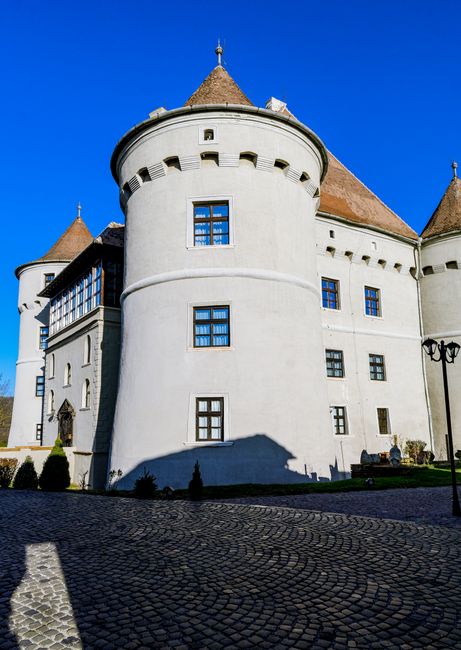
Suceava Fortress (Cetatea de Scaun a Sucevei)
The seat fortress of medieval Moldavia, built in the 14th century and massively reinforced by Ștefan cel Mare to withstand Ottoman sieges. Perched on a hill overlooking Suceava, The fortress resisted the 1476 Ottoman and 1497 Polish sieges; in 1538 it was surrendered to Suleiman I’s forces. A modern glass-and-steel walkway and restored towers let visitors explore the ramparts, dungeons, and interactive exhibits recounting Moldavia's resistance against the Ottoman Empire. Evening light shows illuminate the walls in summer.
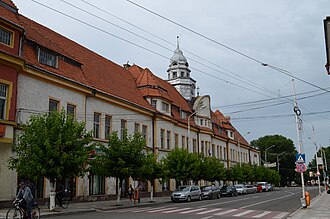
Bogdana Monastery & Princely Necropolis (Rădăuți)
Believed to be the oldest stone church in Moldavia, founded around 1359 by Bogdan I, the principality's first ruler. The church's crypt holds the tombs of Moldavia's earliest princes, carved with Gothic ornamentation rarely seen elsewhere in the region. Its plain, fortress-like exterior contrasts with the historical weight inside, making it essential for understanding how Moldavia's ruling dynasty began before the painted-monastery era.
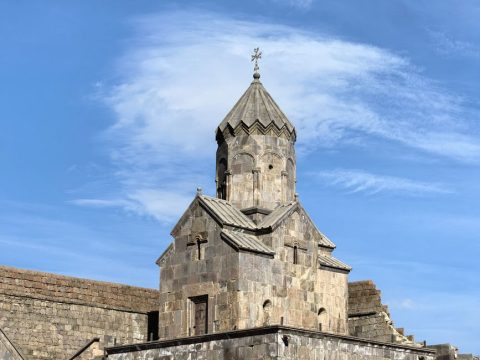
Zamca Armenian Fortified Monastery
A striking fortified monastery built by Suceava's Armenian merchant community in the 16th-17th centuries, combining monastic and defensive architecture on a hilltop outside the city. Thick stone walls and corner towers protected the church and cells during turbulent times. Now mostly in evocative ruin, it offers quiet views over Suceava and a glimpse into the multi-ethnic trading community that once thrived alongside Moldavian boyars and Saxon craftsmen.
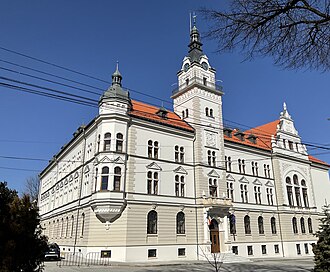
Ștefan cel Mare Equestrian Monument (Suceava)
An imposing bronze equestrian statue of Ștefan cel Mare, Moldavia's most celebrated ruler and a canonized Orthodox saint, standing near the fortress he rebuilt. The monument anchors Suceava's civic identity - nearly every painted monastery, fortress, and church in Bucovina was either founded or fortified during his 47-year reign. A short walk from the fortress park, it's a natural starting point before exploring the medieval hilltop site itself.
Tips for Landmarks & Monuments
- Combine with the fortress park - Suceava's monuments cluster within a 20-minute walk of each other
- Wear sturdy shoes - fortress ramparts and hilltop paths are uneven
- Visit late afternoon for warm light on the stone walls and fewer tour buses
- Combine tickets for the fortress and Bucovina Village Museum are sold together at some ticket points
Bucovina's museums preserve a living folk culture that continues alongside its medieval monuments - traditional wooden architecture, hand-decorated eggs, ceramics, and the art collections of the region's most celebrated sculptor. Together they explain the crafts still practiced in Bucovina's villages today.
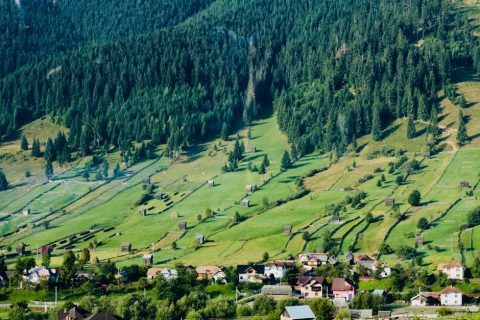
Bucovina Village Museum (Muzeul Satului Bucovinean)
An open-air ethnographic museum in Suceava's Cetatea de Scaun park, gathering authentic wooden houses, windmills, an oil press, and a wooden church relocated from villages across the region. Each homestead is furnished with period textiles, tools, and pottery, showing how Bucovina's peasant and boyar families lived from the 18th to early 20th centuries. The museum says visitors can see and learn traditional techniques in workshops; its official page does not specify summer-weekend demonstrations, including weaving and wood carving.
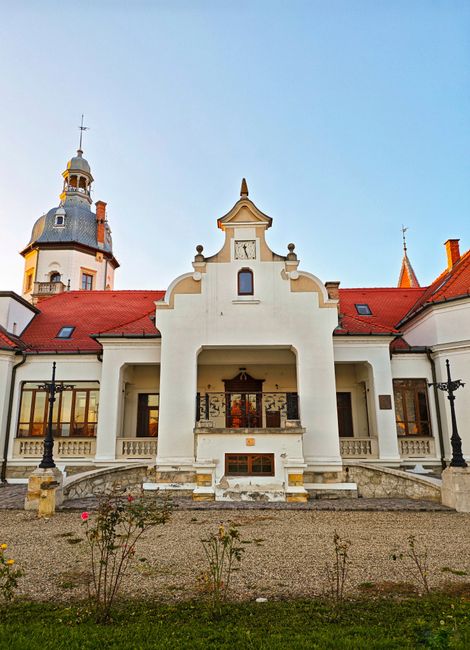
Bucovina History Museum (Hurmuzachi Palace, Suceava)
The History Museum is at 33 Ștefan cel Mare Street, this museum traces Bucovina's history from Dacian and Roman times through the Moldavian principality to Habsburg administration. Highlights include a reconstructed medieval treasury room, weapons, and documents from Ștefan cel Mare's chancellery. A dedicated wing covers Habsburg rule began in 1775; Bucovina was part of Austria-Hungary from 1867 to 1918, when Bucovina became a distinct crownland - a chapter that shaped the region's unusually multi-ethnic character.
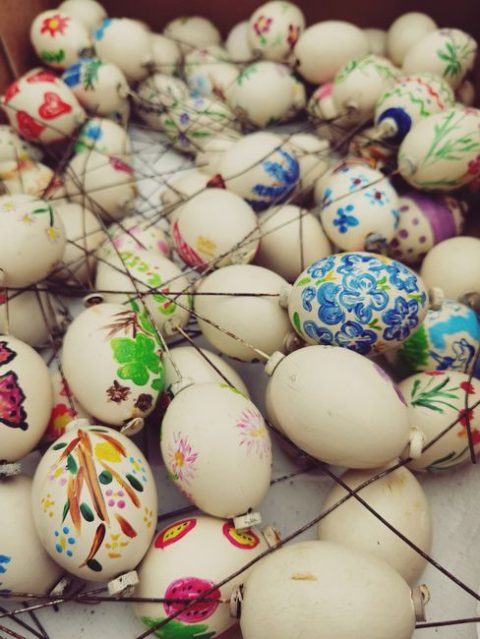
Painted Egg Museum (Muzeul Ouălor Încondeiate, Vama)
A unique private collection of about 16,000 decorated eggs (ouă încondeiate) from Romania and beyond, gathered by folk artist Letiția Orșivschi. Eggs are decorated using wax-resist dyeing, etching, and bead application, with Bucovina's geometric and floral patterns among the most intricate in the country. Live demonstrations show the painstaking technique, and visitors can try decorating an egg themselves to take home.
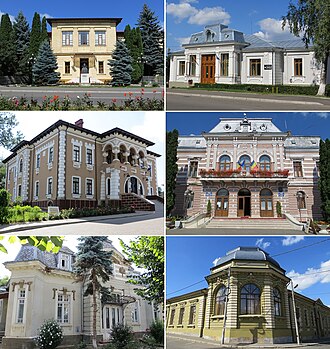
Ion Irimescu Art Museum (Fălticeni)
Dedicated to Ion Irimescu, one of Romania's most important 20th-century sculptors, born in Fălticeni. The museum displays his bronze and stone sculptures alongside works by other Romanian modernists, housed in a building he helped design in his hometown. Fălticeni itself was a magnet for Romanian writers and artists in the 19th century, and the museum's collection reflects that literary-artistic heritage on Bucovina's southern edge.
Tips for Museums & Galleries
- Vama's egg museum pairs well with a stop in nearby Ciocănești's painted houses on the same drive
- Ask about egg-decorating demonstrations - schedules vary and aren't always posted online
- Small entrance fees (usually 5-15 RON) - cash preferred at smaller village museums
- Photography generally allowed without flash; ask staff first
Bucovina's UNESCO World Heritage painted monasteries are its defining attraction - exterior walls covered floor to roofline in vivid 15th-16th century frescoes depicting biblical scenes, designed to teach scripture to villagers who couldn't read. Each monastery has its own dominant color and iconographic program, making them distinct despite sharing the same era and purpose.
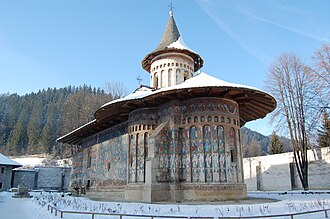
Voroneț Monastery
Known as the 'Sistine Chapel of the East', Voroneț is famous for the unique deep-blue pigment covering its western wall - dubbed 'Voroneț Blue' - against which a monumental Last Judgment fresco unfolds. Founded by Ștefan cel Mare in 1488, the monastery's frescoes remain remarkably vivid despite over 500 years of exposure. The composition includes rows of philosophers, animals, and sinners being weighed, painted with a narrative clarity meant for an illiterate congregation.
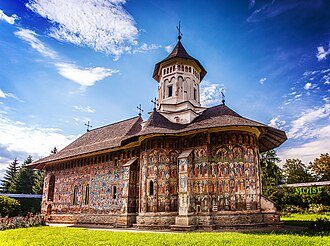
Moldovița Monastery
Surrounded by a fortified wall with defense towers, Moldovița showcases frescoes dominated by rich yellows and reds, including a detailed Siege of Constantinople scene that doubles as political commentary on the era's Ottoman threat. Founded in 1532, the monastery complex includes a small museum of icons, manuscripts, and royal gifts. Its enclosed courtyard and working convent give it a more intimate, lived-in atmosphere than some of the other painted monasteries.
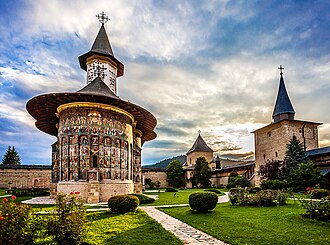
Sucevița Monastery
The largest and most heavily fortified of the painted monasteries, with massive stone walls and towers giving it the look of a citadel. Sucevița's frescoes are dominated by emerald green and include the famous 'Ladder of Virtues' scene depicting souls ascending toward heaven while demons pull them down. Built in the late 16th century, it was the last of the great painted monasteries and the closest in style to a fortress-monastery.
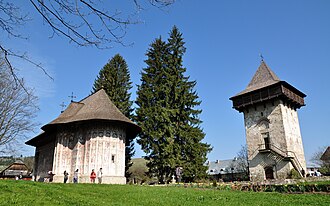
Humor Monastery
One of the oldest painted monasteries, founded in 1530, notable for its brick-red frescoes and an open porch (unusual among the group) that better protected the paintings from rain. The Siege of Constantinople fresco here is considered one of the finest, alongside vivid scenes of the Prodigal Son. A wooden defense tower, added later against Ottoman raids, still stands beside the church and can be climbed for views over the surrounding hills.
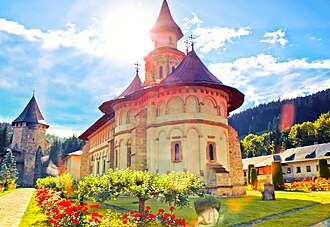
Putna Monastery
Called the 'Jerusalem of the Romanian people', Putna was founded by Ștefan cel Mare in 1466 as his necropolis, and his tomb remains here as a major pilgrimage site. Unlike the painted monasteries, Putna's exterior is unadorned, but its treasury holds an exceptional collection of medieval embroidered textiles, illuminated manuscripts, and royal gifts. The surrounding forested valley and the adjacent 'Daniil the Hermit' cave add to its spiritual atmosphere.
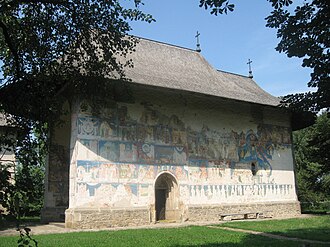
Arbore Church (Biserica Arbore)
A smaller, unfortified painted church built in 1503, distinguished by its dominant green tones and unusually detailed narrative scenes, including a rare depiction of the Creation story. Without monastery walls or a resident religious community, Arbore feels quieter and less visited than the major monasteries, letting visitors study the frescoes at close range. Weathering has faded parts of the southern facade, making the surviving color all the more striking.
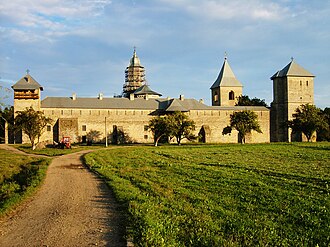
Dragomirna Monastery
Unlike its painted neighbors, Dragomirna has no exterior frescoes - its beauty comes from an extraordinarily tall, slender silhouette and intricate stone rope-carving encircling the entire church. Built in 1609, it's often called the tallest monastic church in Moldavia. The fortified complex, surrounded by thick walls and towers, also houses a valuable manuscript and icon collection, and its forested setting outside Suceava is notably peaceful.
Tips for Religious Sites
- Dress modestly - covered shoulders and knees required; wraps are often available to borrow at the gate
- Photography of frescoes is usually permitted outdoors but may require a small fee - check signage at each monastery
- Visit 3-4 monasteries per day comfortably by car; distances between them are 30-60 minutes
- Nuns/monks are in residence - keep voices low and avoid visiting during services unless attending respectfully
- Hire a local guide for at least one monastery - the iconography is dense and rewards explanation
Before Suceava became Moldavia's capital, the principality's earliest rulers governed from smaller courts scattered across what is now Bucovina. These archaeological remains mark the region's founding chapter, predating even the painted monasteries by over a century.
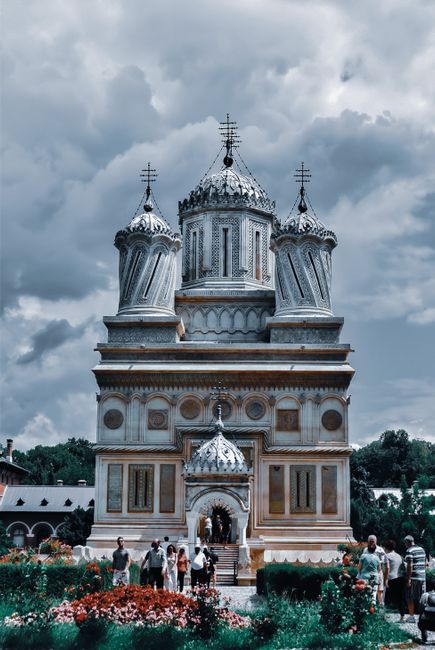
Princely Court of Suceava (Curtea Domnească)
Excavated foundations of the original royal residence in Suceava's old town, predating the hilltop fortress as the seat of Moldavia's princes. Archaeological digs uncovered building layers spanning the 14th-17th centuries, now displayed with informational panels amid the ruins. Though less visually dramatic than the fortress, the site anchors the medieval town center and is an easy stop while exploring central Suceava on foot.
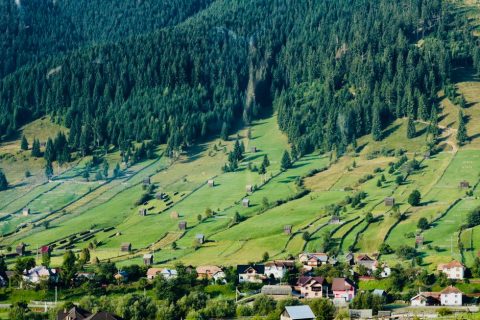
Baia - First Princely Court Ruins
Baia served as Moldavia's first capital under founding ruler Bogdan I in the mid-14th century, before the seat moved to Siret and later Suceava. Archaeological excavations have revealed the foundations of the original princely court and a Catholic church built by the town's German settlers. Little remains above ground today, but the site offers a quiet, off-the-beaten-path stop for visitors tracing the earliest history of the Moldavian state.
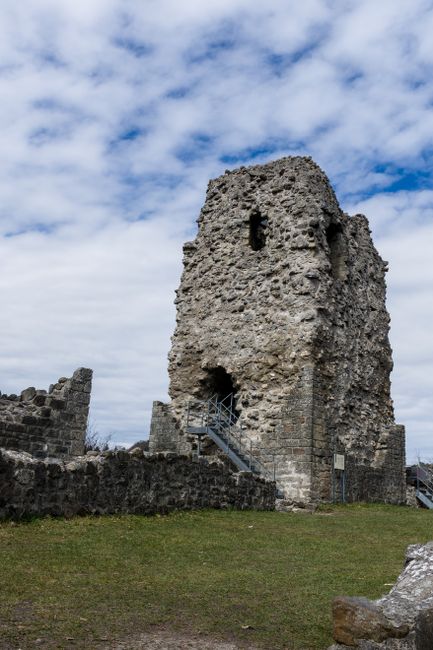
Șcheia Fortress Ruins
A 14th-century earthwork and stone fortress on the outskirts of Suceava, predating the main fortress and believed to be one of the first fortifications built to defend the emerging Moldavian capital. Excavations revealed defensive ditches and wall foundations, now a low-key archaeological site mainly of interest to history enthusiasts. Its wooded hilltop setting offers a peaceful contrast to the more visited Cetatea de Scaun nearby.
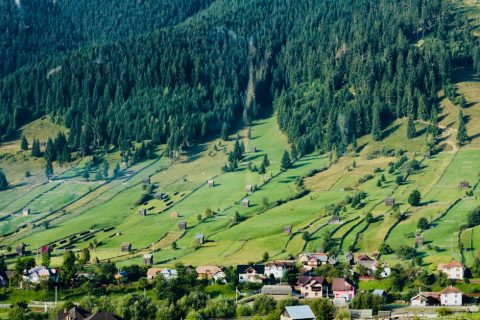
Siret - Former Medieval Capital
Moldavia's second capital after Baia, Siret briefly served as the political and religious center of the principality in the 14th century before Suceava took over. The town preserves fragments of its medieval past, including an old Armenian church and traces of the princely court, alongside a small archaeological museum. Sitting near the modern border with Ukraine, Siret marks the historic edge of Bucovina.
Tips for Ancient & Historical Sites
- These sites are for history enthusiasts rather than dramatic ruins - manage expectations versus the fortress or monasteries
- Combine with nearby stops - Baia and Șcheia are easy add-ons to a Suceava or monastery-circuit day
- Free entry at most archaeological sites; the fortress and Curtea Domnească may charge a small combined ticket
Bucovina's town centers are smaller and quieter than Transylvania's Saxon squares, but they carry their own Habsburg-era charm, shaped by the region's decades as an Austrian crownland alongside its Moldavian roots.
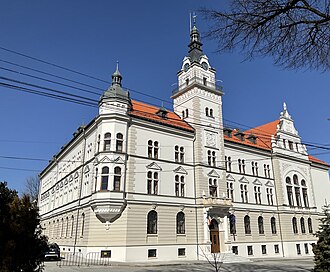
Ștefan cel Mare Square (Suceava)
Suceava's central square, framed by 19th-century buildings, the county hall, and cafés spilling onto the pavement in summer. It hosts markets, concerts, and the city's Christmas fair, and serves as the natural starting point for walking to the fortress or old town. The square's relaxed, unhurried pace reflects Suceava's identity as a regional hub rather than a heavily touristed city center.
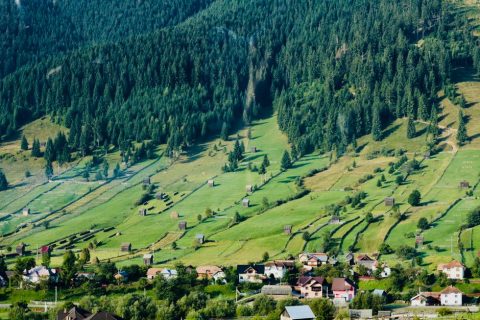
Suceava Old Town (Strada Curtea Domnească)
A compact pedestrian-friendly stretch connecting Ștefan cel Mare Square to the Princely Court ruins, lined with period buildings, small shops, and local bakeries. It's the most walkable part of Suceava, giving visitors a sense of everyday city life between monastery excursions. Evening strolls here are pleasant, with outdoor terraces filling up as the day cools.
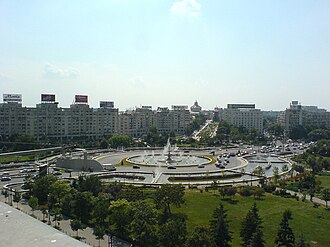
Piața Unirii (Rădăuți)
The main square of Rădăuți, a quieter town known as the gateway to Bogdana Monastery and the Bison Reserve. Surrounded by low Austro-Hungarian-era buildings, the square hosts a lively Saturday market where locals sell produce, cheese, and handicrafts. It's a good stop for a coffee break between the Rădăuți area's historical sites and the drive toward the painted monasteries further west.
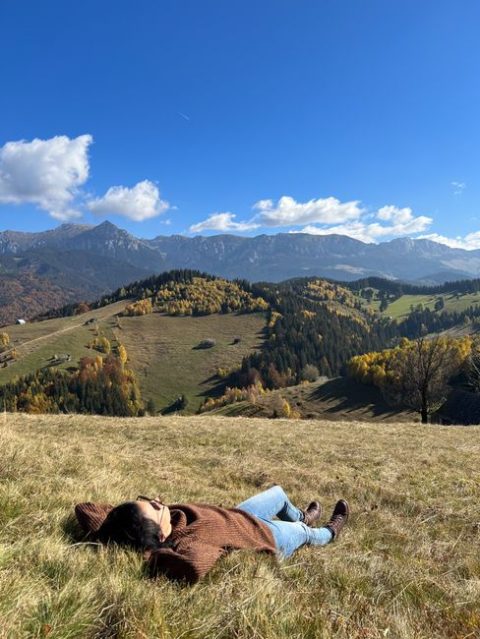
Gura Humorului Central Square
The small, tidy square of Gura Humorului, the most convenient base town for visiting Voroneț and Humor monasteries. Restaurants serving traditional Bucovinian food line the perimeter, and the town's relaxed resort-like feel (it also has a small ski slope nearby) makes it a popular overnight stop for travelers touring the monastery circuit over 2-3 days.
Tips for Squares & Streets
- Gura Humorului and Rădăuți make better overnight bases than Suceava if focusing on the monastery circuit
- Saturday markets are the liveliest time to visit smaller town squares
- Evening dining - book ahead in Gura Humorului during July-August when tour groups fill restaurants
Beyond its monasteries, Bucovina's villages themselves are attractions - painted houses, black pottery workshops, and Habsburg-era railway quarters preserve crafts and architecture found nowhere else in Romania.
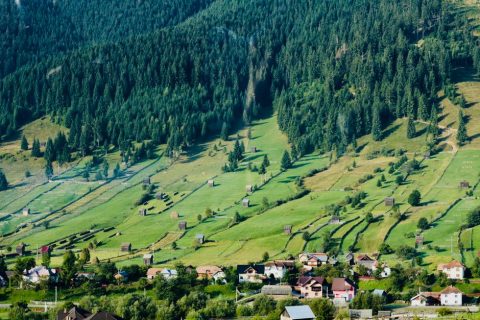
Ciocănești Painted Village
A village where nearly every house facade is hand-painted with traditional folk motifs in bright colors, a tradition revived and formalized here more than anywhere else in Romania. Homeowners repaint patterns each year, turning the entire village into an open-air gallery. Set in a scenic valley near the Bistrița River, Ciocănești is one of Bucovina's most photogenic and distinctive stops, best explored on foot along the main road.
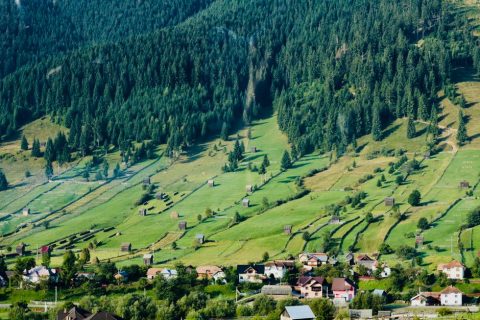
Marginea Black Pottery Village
Home to Romania's tradition of black ceramics, fired in oxygen-reduced kilns to produce a distinctive matte-black finish achieved through a smoke-firing technique passed down through generations of local potters. Several family workshops in the village welcome visitors to watch the process and buy pieces directly from the makers. The craft is registered as a form of intangible cultural heritage and remains a genuine working tradition, not a tourist recreation.
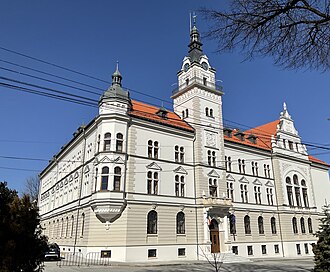
Ițcani District (Suceava)
A former railway quarter built during the Austro-Hungarian era, when Suceava's Ițcani station connected Bucovina to Vienna. The neighborhood retains elegant period villas and the restored station building, offering a visibly different architectural character from Suceava's Moldavian old town. It's a reminder that Bucovina spent nearly 150 years under Habsburg administration, leaving a distinct Central European layer on top of its medieval Romanian identity.
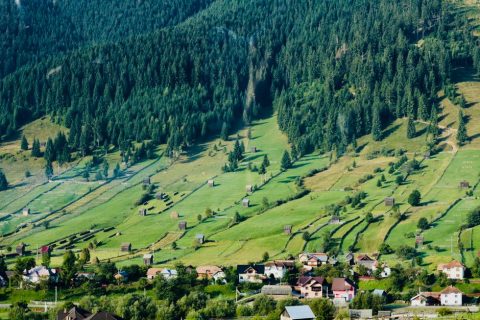
Vama Village
A rural village best known for the Painted Egg Museum and its strong tradition of ouă încondeiate (decorated eggs), alongside traditional wooden houses and small family guesthouses.
Tips for Neighborhoods & Districts
- Rent a car - these villages are only practically reachable by driving; public transport is sparse
- Respect private homes - Ciocănești's painted houses are lived-in residences, not museums; photograph from the street
- Buy directly from artisans in Marginea for authentic, fairly-priced black pottery
- Spring and early autumn are quietest for wandering these villages without tour groups
Bucovina's landscape rises from monastery valleys into the northern Carpathians, home to some of Europe's last untouched virgin forests, volcanic rock formations.
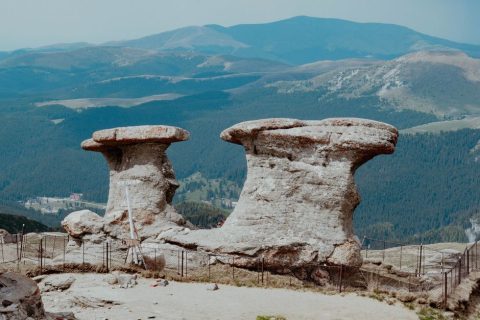
Rarău-Giumalău Mountains & Pietrele Doamnei
A dramatic limestone ridge crowned by Pietrele Doamnei ('The Lady's Rocks'), a cluster of towering rock spires reachable by an easy marked trail from the Rarău chalet. The surrounding Giumalău massif protects old-growth spruce forest, and the area is popular for both summer hiking and winter skiing. Clear-day views stretch across much of southern Bucovina, making the short climb one of the region's best reward-to-effort hikes.
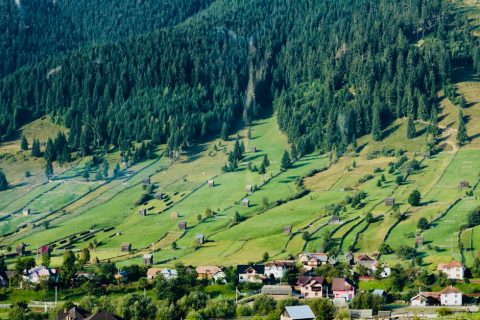
Slătioara Secular Forest (Codrul Secular Slătioara)
One of Europe's largest surviving virgin spruce and fir forests, with trees several centuries old and never commercially logged. A UNESCO-recognized nature reserve at the foot of the Rarău massif, it offers marked trails through dense, primeval woodland that feels markedly different from managed European forests. Wildlife includes brown bears, lynx, and capercaillie, though sightings require patience and, ideally, a local guide.
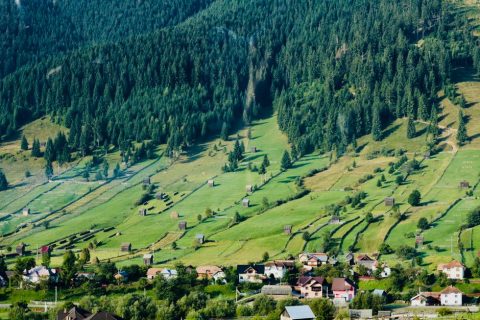
Călimani National Park & the Twelve Apostles
Romania's largest volcanic massif, home to the 'Twelve Apostles' - eerie, wind-eroded rock towers of volcanic tuff scattered across a high plateau. The park also protects the country's oldest and highest stands of Swiss stone pine (zâmbru), a species found almost nowhere else in Romania. Trails are remote and better suited to experienced hikers; the payoff is a genuinely otherworldly landscape unlike anywhere else in Bucovina.
Tips for Parks & Gardens
- Weather changes fast in the Rarău and Călimani highlands - bring layers even in summer
- Bear country - make noise on forest trails and avoid hiking alone in remote sections
- Marked trails only in Slătioara and Călimani - the terrain is easy to get disoriented in without waymarks
- Winter access limited - high-elevation trails often close November-April due to snow
Beyond simply viewing the monasteries, Bucovina offers hands-on access to the crafts and landscapes that define the region - from salt mines and pottery kilns to guided hikes through virgin forest.
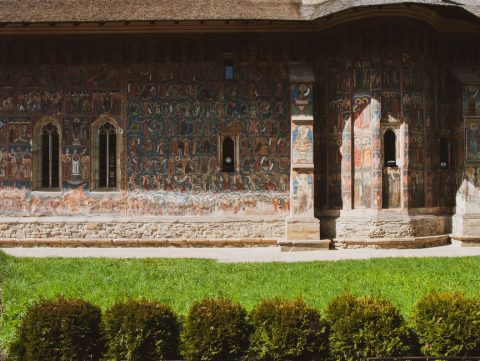
Painted Monasteries Circuit Tours
Guided full-day or multi-day tours covering 4-6 painted monasteries, typically including Voroneț, Humor, Moldovița, and Sucevița, with a knowledgeable guide explaining the fresco iconography at each stop. Most depart from Suceava, Gura Humorului, or as add-ons from Iași. Private tours allow more time at each site, while group tours offer a more affordable way to cover the full circuit in a single day.
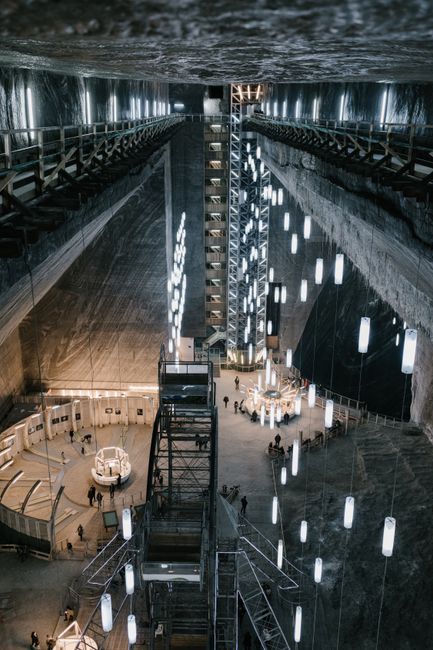
Cacica Salt Mine
A working 18th-century salt mine near Suceava, notable for an underground chapel carved entirely from salt, along with a ballroom-like main chamber used for concerts and events. Guided tours descend into the cool, constant-temperature galleries, explaining centuries of hand-mining techniques still visible in the walls. Smaller and less commercialized than Transylvania's Turda mine, it retains an authentic, workaday character.
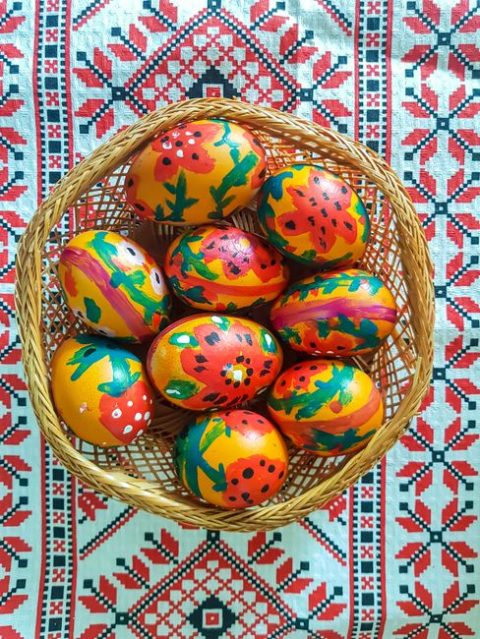
Painted Egg Decorating Workshops
Hands-on classes in ouă încondeiate, Bucovina's wax-resist egg decorating tradition, taught by local artisans in Vama, Ciocănești, or Suceava. Participants learn the layered dyeing technique used to build up the intricate geometric patterns, working with a hot wax pen (chișiță) on a real egg. Most workshops run 1-2 hours and let visitors keep their finished piece as a souvenir.
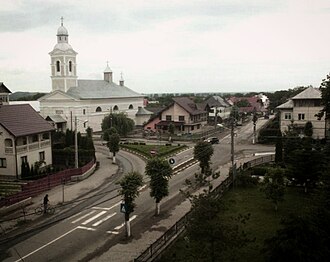
Black Pottery Workshops (Marginea)
Demonstrations and hands-on sessions at family black-ceramics workshops in Marginea, where potters shape pieces on foot-powered wheels before smoke-firing them to their signature matte-black finish. Some workshops let visitors try the wheel themselves, though the smoke-firing step requires the potter's expertise. A rewarding way to understand a craft that has otherwise nearly disappeared elsewhere in Romania.
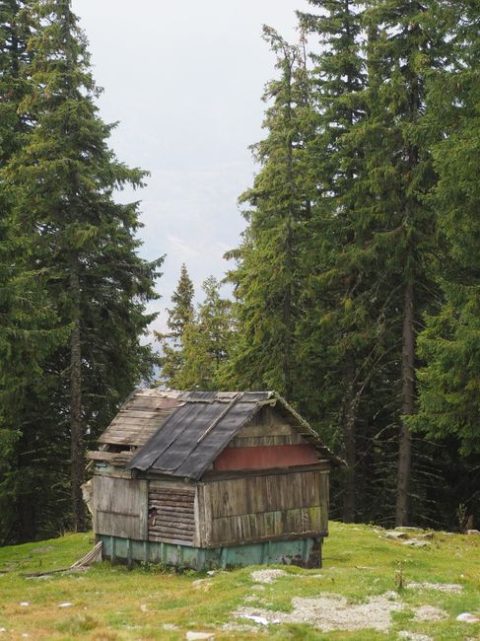
Rarău Hiking & Nature Tours
Guided hikes through the Rarău-Giumalău and Slătioara reserves, ranging from easy walks to Pietrele Doamnei to longer treks through virgin forest with a chance of spotting wildlife tracks. Local guides add context on the ecology of Europe's remaining old-growth forests. Best arranged through guesthouses in Gura Humorului or Câmpulung Moldovenesc.
Tips for Tours & Activities
- Book monastery circuit tours a few days ahead in July-August peak season
- Craft workshops often require advance notice - contact guesthouses or local tourism offices to arrange, especially outside summer
- Bring cash - small workshops and family-run sites rarely take cards
- Layer clothing for Cacica's mine - underground temperatures stay cool year-round
Bucovina's position in Romania's far north opens up excursions into the Dornelor spa country, ski resorts, and neighboring historic regions that pair naturally with a monastery-focused trip.
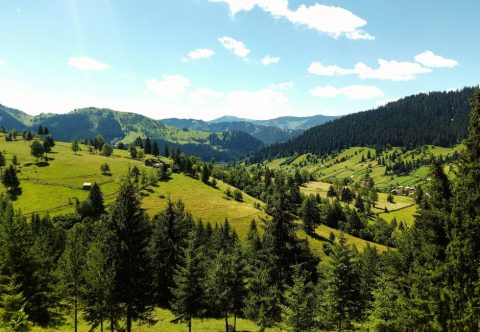
Vatra Dornei & the Dornelor Depression
A historic spa town built around mineral springs and mofettes (natural carbon-dioxide gas baths), popular since the Austro-Hungarian era for balneotherapy. The surrounding Dornelor Depression offers gentle hiking and scenic drives through mountain pastures. Vatra Dornei's belle-époque spa architecture and slower pace make it a relaxing counterpoint to a monastery-heavy itinerary, and it's also a gateway to skiing at nearby resorts in winter.
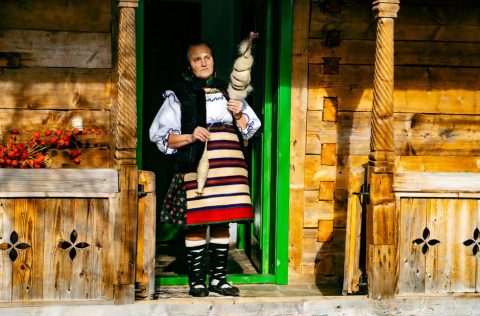
Maramureș Wooden Churches
Romania's other great UNESCO church cluster, a few hours west of Bucovina, featuring soaring wooden churches with steep shingle spires - a striking contrast to Bucovina's painted stone monasteries. Combined with the Merry Cemetery in Săpânța and traditional villages where horse-drawn carts remain common transport, Maramureș rewards travelers extending their trip by 2-3 days beyond Bucovina.
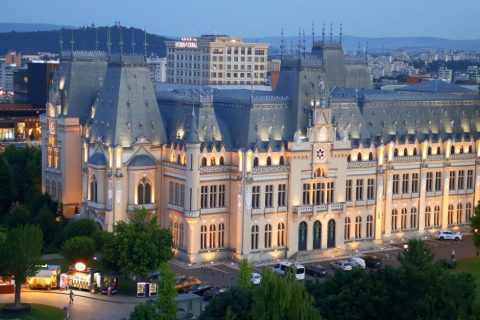
Iași - Cultural Capital of Moldavia
Romania's former princely and cultural capital, roughly 2 hours southeast of Suceava, home to grand Orthodox cathedrals, the ornate Palace of Culture, and a lively student-driven café scene. Many travelers combine Bucovina's monastery circuit with a stop in Iași either as an arrival/departure point (via its international airport) or as a cultural bookend to the trip.
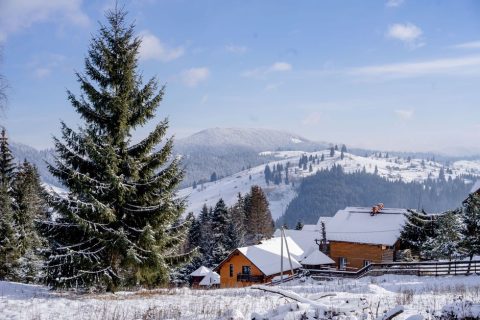
Câmpulung Moldovenesc & Surrounding Ski Resorts
A mountain town serving as a base for skiing at Rarău and nearby slopes in winter, and hiking or mountain biking in summer. Câmpulung Moldovenesc also hosts a small open-air museum of local wooden architecture and sits within easy reach of both the painted monasteries and the Rarău-Giumalău reserves, making it a practical overnight stop for travelers wanting nature alongside culture.
Tips for Day Trips & Excursions
- Iași has the nearest major airport for many international visitors reaching Bucovina - Suceava also has a smaller regional airport
- Maramureș requires a dedicated 2-3 day extension, not a single day trip, due to mountain roads
- Vatra Dornei and Câmpulung Moldovenesc work well as a relaxed final day after several days of monastery touring
- Check seasonal road conditions for mountain routes between Bucovina and Maramureș, especially outside May-October
Real, highly-rated Restaurants in Bucovina, sourced from Google Places (rating above 4★).
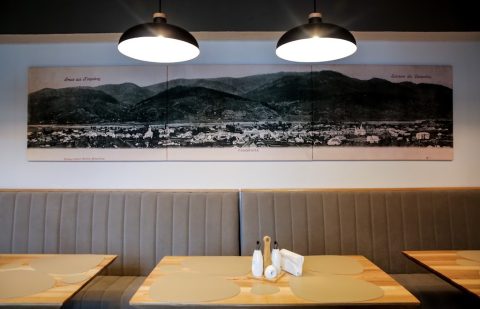
Restaurant Parc (Park Restaurant)
Restaurant Parc (Park Restaurant) is a highly-rated restaurant in Bucovina, rated 4.9★ from 903 reviews. Located at 22 Decembrie, 3 Campulung Moldovenesc, 725100 Suceava, Romania.
Opening Hours
- Monday: 9:00 AM – 10:00 PM
- Tuesday: 9:00 AM – 10:00 PM
- Wednesday: 9:00 AM – 10:00 PM
- Thursday: 9:00 AM – 10:00 PM
- Friday: 9:00 AM – 12:00 AM
- Saturday: 9:00 AM – 12:00 AM
- Sunday: 9:00 AM – 10:00 PM
SALT by Moldavian Burger Suceava
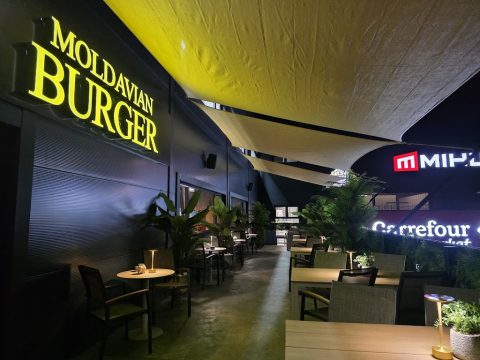
SALT by Moldavian Burger Suceava is a highly-rated restaurant in Bucovina, rated 4.9★ from 898 reviews. Located at Str. Mihai Viteazul, 727325 Ipotești, Romania.
Opening Hours
- Monday: 11:00 AM – 11:00 PM
- Tuesday: 11:00 AM – 11:00 PM
- Wednesday: 11:00 AM – 11:00 PM
- Thursday: 11:00 AM – 11:00 PM
- Friday: 11:00 AM – 11:00 PM
- Saturday: 11:00 AM – 11:00 PM
- Sunday: 11:00 AM – 11:00 PM
Hanul Bucovinei
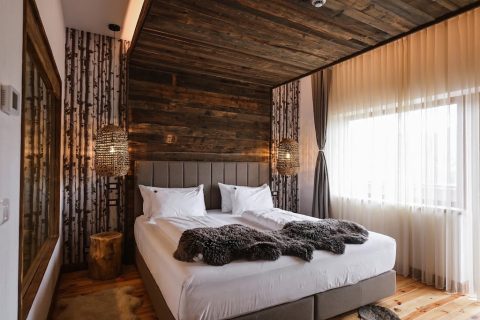
Hanul Bucovinei is a highly-rated restaurant in Bucovina, rated 4.8★ from 1150 reviews. Located at Str. Calea Bucovinei 270, 725100 Câmpulung Moldovenesc, Romania.
Explore Bucovina on the Map
Seasonal Guide to Bucovina
Spring (April-May): Orchards bloom and the countryside turns green, with mild temperatures (10-18°C). Easter is a major event, with painted-egg traditions on full display. Fewer tourists than summer, though some mountain trails remain snow-covered into May.
Summer (June-August): Peak season - warm weather (20-28°C), all monasteries and museums fully open, and the best window for hiking Rarău and Călimani. Craft festivals and village fairs run throughout summer. Book accommodation in Gura Humorului and Vatra Dornei ahead for July-August weekends.
Autumn (September-October): Arguably the best time to visit - comfortable temperatures (12-22°C), golden forest color in the Carpathian foothills, and noticeably thinner crowds at the monasteries. Harvest and mushroom-picking traditions are visible in villages.
Winter (November-March): Snow blankets the monastery courtyards for striking photos, and Vatra Dornei/Câmpulung Moldovenesc become small ski destinations. Some rural roads and mountain trails become impassable; distances between sights take longer. Temperatures often fall below freezing (-10 to 2°C).
Getting Around Bucovina
Arriving in Bucovina
By Air: Ștefan cel Mare Suceava International Airport (SCV) has domestic and a growing number of European connections. Iași International Airport (IAS), about 2 hours away, offers more international routes and is a common alternative entry point. Bucharest's Otopeni Airport (OTP) connects via a 6-7 hour drive or an internal flight to Suceava.
Inter-City Travel
Trains: Romanian Railways (CFR) links Suceava to Iași, Cluj, and Bucharest, though routes to individual monastery villages don't exist - trains get you to regional hubs only. Book via cfrcalatori.ro.
Buses/Maxitaxis: Local minibuses connect Suceava to Gura Humorului, Rădăuți, and Vatra Dornei, but schedules to the monasteries themselves are sparse and often geared to locals rather than tourists.
Rental Cars: Essential for covering the monastery circuit and reaching villages like Ciocănești and Marginea efficiently. Available at Suceava and Iași airports. Roads are generally in good condition on main routes but narrower and winding in the mountains; winter driving requires snow tires/chains.
Local Transportation
Taxis: Available in Suceava, Gura Humorului, and Rădăuți; agree on a price or confirm the meter before longer trips between towns.
Organized Tours: The most common way for visitors without a car to see multiple monasteries in a day, departing from Suceava, Gura Humorului, or Iași.
✈️ Airport Transfer
Suceava Stefan cel Mare International Airport (SCV) to city center:
- Taxi: About 15 minutes and 40 RON to Suceava city center, or roughly 1 hour and 180 RON to Gura Humorului in the heart of Bucovina
- Private Transfer: Pre-booked minivan direct to Bucovina monastery towns like Gura Humorului or Vatra Dornei, 60-90 minutes, around 300-450 RON
- Car Rental: Desks at the terminal from Dacia/local agencies, roughly 150-250 RON per day, best option for touring the scattered painted monasteries
- TPL’s M8 runs between Burdujeni railway station and the airport; it is scheduled hourly, and the airport segment is charged at Metropolitan Zone 2 rates, then connect onward by regional bus or train
Shopping & Souvenirs
What to Buy
Painted Eggs (ouă încondeiate): Bucovina's signature craft - hand-decorated eggs in wax-resist technique, sold at the Vama museum, village workshops, and monastery gift shops. Authentic pieces from named artisans cost more but last far longer than mass-produced versions.
Black Pottery: Distinctive matte-black ceramics from Marginea, ranging from small decorative pieces to full dinnerware sets, best bought directly from workshop potters.
Icons & Religious Art: Hand-painted icons on wood or glass, sold at most monasteries, often made by resident nuns or monks.
Food Products: Local honey, forest berry preserves, sheep cheese, and țuică (plum brandy) from village markets and roadside stands.
Where to Shop
Monastery Gift Shops: Reliable source for icons, embroidery, and religious items, with proceeds often supporting the monastic community.
Village Workshops: Marginea for pottery, Ciocănești and Vama for painted eggs and textiles - buying directly supports the artisans and usually costs less than town shops.
Suceava Market: The city's central market has fresh produce, cheese, and honey; busiest on weekend mornings.
Festivals & Annual Events
Traditional Celebrations
Easter (March/April): Bucovina's most significant holiday - painted eggs, midnight church services at the monasteries, and traditional foods like pască (sweet cheese bread). Putna and Voroneț draw large numbers of pilgrims for the Paschal services.
Rădăuți Days & Folk Festivals (Summer): Various towns host summer folk festivals with traditional costume, music, and dance performances, plus craft fairs featuring painted eggs and black pottery.
Hram (Monastery Patron Saint Days): Each monastery celebrates its patron saint's feast day with special services and pilgrim gatherings - Putna's hram in particular draws large crowds; check dates in advance if hoping to avoid or join the crowds.
Christmas & Winter Traditions (December): Village carolers (colindători) go door to door in traditional dress; some Bucovina villages retain distinctive local carols and masked winter rituals (like the 'Malanka' traditions near the Ukrainian border) not seen elsewhere in Romania.
Sample Day Itineraries
Day 1: Suceava & Landmarks
Morning (9:00-12:00): Explore Suceava Fortress and the adjacent Bucovina Village Museum. Walk to the Ștefan cel Mare Monument and Princely Court ruins.
Lunch (12:00-13:30): Traditional lunch in Suceava's old town - try tochitură (meat stew) with mămăligă.
Afternoon (13:30-17:00): Visit the Bucovina History Museum, then drive to Dragomirna Monastery (20 minutes) for its striking architecture.
Evening: Dinner in Suceava; overnight in the city or push on to Gura Humorului.
Day 2: The Painted Monasteries Circuit
Morning (8:00-12:00): Start early at Voroneț (30 minutes from Gura Humorului), then Humor Monastery nearby. Both can be seen unhurried in half a day.
Lunch (12:00-13:00): Lunch in Gura Humorului or a village along the route.
Afternoon (13:00-18:00): Drive to Moldovița (45 minutes) and continue to Sucevița (30 minutes further) for the day's final two monasteries.
Evening: Overnight near Sucevița or Rădăuți.
Day 3: Putna, Villages & Nature
Morning (8:30-11:00): Visit Putna Monastery and Ștefan cel Mare's tomb.
Late Morning-Lunch (11:00-13:00): Drive to Marginea for a black pottery workshop stop, then lunch nearby.
Afternoon (13:00-18:00): Continue to Ciocănești for the painted houses, then Vama for the Painted Egg Museum.
Evening: Return to Gura Humorului or Suceava for the night.
Day 4: Mountains & Optional Extension
Morning (8:00-13:00): Hike to Pietrele Doamnei in the Rarău Mountains, or explore Slătioara's virgin forest for a gentler option.
Lunch: Picnic or mountain chalet meal at Rarău.
Afternoon: Drive to Vatra Dornei for a relaxed spa-town finish, or begin the journey toward Maramureș or Iași depending on your onward route.
Best Photography Locations
Iconic Landmarks
Voroneț's Western Wall: The famous 'Voroneț Blue' Last Judgment fresco. Best time: Morning light, before tour buses arrive (9-10 AM). Photography permitted outdoors; check for a small fee.
Sucevița's Fortified Walls: Capture the monastery's citadel-like silhouette from the surrounding hillside path. Best time: Late afternoon for warm light on the green frescoes.
Suceava Fortress at Dusk: The illuminated ramparts against the evening sky, viewable from the park below. Best time: Blue hour, just after sunset.
Natural Landscapes
Pietrele Doamnei Rock Spires: Dramatic limestone towers rising above the forest. Best time: Sunrise for soft light and mist in the valley below.
Slătioara Virgin Forest: Moody, ancient woodland with moss-covered trunks. Best time: Overcast days actually work best here, giving even, diffused light for forest interiors.
Charming Villages
Ciocănești's Painted Facades: Rows of houses with intricate folk patterns. Best time: Midday for even light across the colorful walls; avoid photographing residents without permission.
Marginea Pottery Workshops: Potters at the wheel, black ceramics drying in rows. Best time: Morning, when workshops are most active.
Instagram Favorites
- Humor Monastery's Defense Tower: Climb for an elevated view over the painted church and surrounding hills.
- Dragomirna's Rope-Carved Facade: The intricate stone carving photographs beautifully in raking side light.
- Interior fresco photography is often restricted or prohibited - always check before shooting inside a church
- A polarizing filter helps cut glare on painted exterior walls, especially at midday
- Golden hour light dramatically improves photos of the fortress and painted monastery exteriors alike
- Ask permission before photographing monks, nuns, or village residents
Electricity & Adapters
Voltage: Romania uses 230V, 50Hz, standard for the European Union.
Plug Type: Type C and Type F (two round pins, the latter with grounding clips), standard across continental Europe.
Adapters Needed:
- UK travelers: Yes - UK uses Type G
- US/Canada travelers: Yes - North America uses Type A/B, 110V
- Australia/NZ travelers: Yes - Australasia uses Type I
- EU travelers: No adapter needed
Voltage Converters: Most modern electronics are dual-voltage (100-240V); check your device's label before relying on this. Heat appliances (hair dryers, straighteners) may need a converter.
Where to Buy: Adapters available in Suceava and Iași electronics stores; rural guesthouses may lend one, but it's safer to bring your own given limited shops in small monastery towns.
Bucovinian Cuisine
Must-Try Traditional Dishes
Tochitură Moldovenească: A rich stew of pork, sausage, and liver in its own fat, served with mămăligă (polenta), a fried egg, and sheep cheese - Moldavia's signature hearty dish.
Borș/Ciorbă: Sour soups made with fermented wheat bran (borș) as the souring agent, appearing in countless variations - vegetable, meat, or tripe-based.
Colivă & Monastery Bread: Many monasteries sell their own baked bread and, on religious occasions, colivă (a boiled-wheat dish offered in memory of the dead) - a taste of monastic daily life.
Pască: Sweet cheese-filled bread traditional at Easter, sold in bakeries throughout Bucovina during the season.
Smoked & Cured Meats: Mountain villages produce excellent smoked sausages and cured pork, often sold directly by producers at weekend markets.
Bucovina Specialties
Bulz: Baked polenta stuffed or topped with cheese and butter, a rustic mountain comfort food.
Forest Berry Preserves: Wild blueberry, raspberry, and rosehip jams from Carpathian foothill villages, sold at roadside stands.
Pălincă: Fruit brandy, often plum or apple based, offered as a welcome drink in guesthouses - noticeably strong.
Dining Tips
Meal Times: Lunch (prânz) typically 12:00-15:00, dinner (cină) 18:00-21:00; rural restaurants may have limited evening hours outside peak season.
Tipping: 10% standard for good service in restaurants.
Fasting-Day Options: Ask for 'de post' (fasting/vegan) dishes, common given Bucovina's strong Orthodox monastic presence, especially around monastery towns.
Restaurant Types:
- Han/Crama: Traditional rustic restaurant, often the most authentic option in monastery towns
- Pensiune: Guesthouse dining, frequently home-cooked meals using local ingredients
Where to Eat
Suceava: Traditional Moldavian restaurants around the old town and Ștefan cel Mare Square.
Gura Humorului: Numerous guesthouse restaurants serving home-style Bucovinian food, convenient for the monastery circuit.
Vatra Dornei: Spa-town restaurants with a slightly more refined take on regional dishes.
Tourist Passes
Suceava Fortress + Village Museum Combined Ticket
A combined entry ticket Modest savings versus separate tickets, and convenient since both sites sit within the same park.
Monastery Circuit Guided Tour Packages
Private and small-group operators in Suceava, Gura Humorului, and Iași sell bundled day or multi-day packages covering transport, guiding, and sometimes entrance donations across 4-6 painted monasteries. Booking ahead, especially for July-August, secures better vehicles and English-speaking guides.
Bucovina Tourism Regional Info Points
Local tourist information offices in Suceava and Gura Humorului provide free regional maps, current monastery visiting hours, and up-to-date advice on village workshop visits - useful since opening times can shift seasonally and aren't always reflected online.
More about Bucovina
Photo credits (19)
- Suceava Fortress (Cetatea de Scaun a Sucevei): photo by Rosenborg BK Fan, CC0, via Wikimedia Commons
- Bogdana Monastery & Princely Necropolis (Rădăuți): photo by Razvan Socol, CC BY-SA 3.0 ro, via Wikimedia Commons
- Ștefan cel Mare Equestrian Monument (Suceava): photo by Rosenborg BK Fan, CC0, via Wikimedia Commons
- Bucovina Village Museum (Muzeul Satului Bucovinean): photo by Jocelyn Erskine-Kellie from London, UK, CC BY-SA 4.0, via Wikimedia Commons
- Bucovina History Museum (Hurmuzachi Palace, Suceava): photo by Rosenborg BK Fan, Public domain, via Wikimedia Commons
- Ion Irimescu Art Museum (Fălticeni): photo by Musichistory2009, CC BY 3.0, via Wikimedia Commons
- Voroneț Monastery: photo by Dstefanescu, Public domain, via Wikimedia Commons
- Moldovița Monastery: photo by Alex Moise, CC BY-SA 3.0 ro, via Wikimedia Commons
- Sucevița Monastery: photo by Alex Moise, CC BY-SA 3.0 ro, via Wikimedia Commons
- Humor Monastery: photo by România de vis, CC BY-SA 3.0 ro, via Wikimedia Commons
- Putna Monastery: photo by Geboiu Dumitru Mihai, CC BY-SA 3.0 ro, via Wikimedia Commons
- Arbore Church (Biserica Arbore): photo by Cezar Suceveanu, CC BY 3.0, via Wikimedia Commons
- Dragomirna Monastery: photo by Alessio Damato, CC BY-SA 3.0, via Wikimedia Commons
- Ștefan cel Mare Square (Suceava): photo by Rosenborg BK Fan, CC0, via Wikimedia Commons
- Piața Unirii (Rădăuți): photo by bogdan, CC BY 2.0, via Wikimedia Commons
- Ițcani District (Suceava): photo by Rosenborg BK Fan, CC0, via Wikimedia Commons
- Black Pottery Workshops (Marginea): photo by Cozma1995, CC BY-SA 4.0, via Wikimedia Commons
- Eker: photo by Mudy1231230, CC BY-SA 3.0, via Wikimedia Commons
- Brasserie: photo by Brasserie Vagenende, CC BY-SA 4.0, via Wikimedia Commons

.JPG)
.jpg)
.jpg)


