Bucovina's landscape rises from monastery valleys into the northern Carpathians, home to some of Europe's last untouched virgin forests, volcanic rock formations.
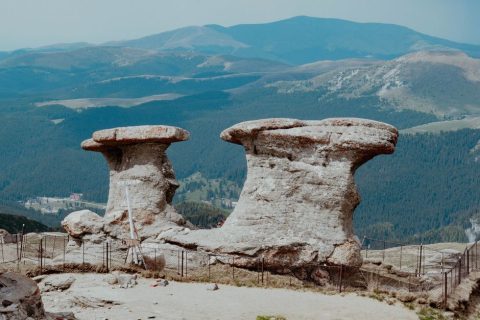
Rarău-Giumalău Mountains & Pietrele Doamnei
A dramatic limestone ridge crowned by Pietrele Doamnei ('The Lady's Rocks'), a cluster of towering rock spires reachable by an easy marked trail from the Rarău chalet. The surrounding Giumalău massif protects old-growth spruce forest, and the area is popular for both summer hiking and winter skiing. Clear-day views stretch across much of southern Bucovina, making the short climb one of the region's best reward-to-effort hikes.
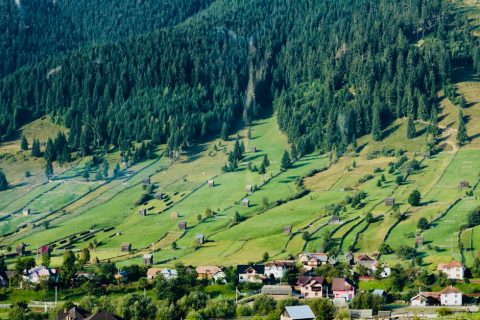
Slătioara Secular Forest (Codrul Secular Slătioara)
One of Europe's largest surviving virgin spruce and fir forests, with trees several centuries old and never commercially logged. A UNESCO-recognized nature reserve at the foot of the Rarău massif, it offers marked trails through dense, primeval woodland that feels markedly different from managed European forests. Wildlife includes brown bears, lynx, and capercaillie, though sightings require patience and, ideally, a local guide.
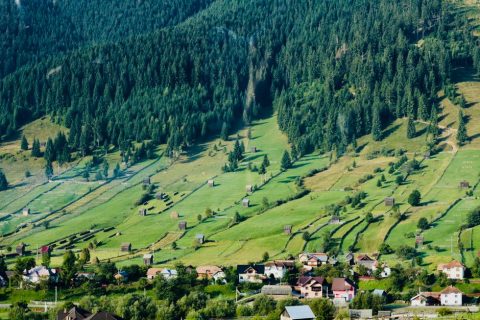
Călimani National Park & the Twelve Apostles
Romania's largest volcanic massif, home to the 'Twelve Apostles' - eerie, wind-eroded rock towers of volcanic tuff scattered across a high plateau. The park also protects the country's oldest and highest stands of Swiss stone pine (zâmbru), a species found almost nowhere else in Romania. Trails are remote and better suited to experienced hikers; the payoff is a genuinely otherworldly landscape unlike anywhere else in Bucovina.
Tips for Parks & Gardens
- Weather changes fast in the Rarău and Călimani highlands - bring layers even in summer
- Bear country - make noise on forest trails and avoid hiking alone in remote sections
- Marked trails only in Slătioara and Călimani - the terrain is easy to get disoriented in without waymarks
- Winter access limited - high-elevation trails often close November-April due to snow