Bucovina's town centers are smaller and quieter than Transylvania's Saxon squares, but they carry their own Habsburg-era charm, shaped by the region's decades as an Austrian crownland alongside its Moldavian roots.
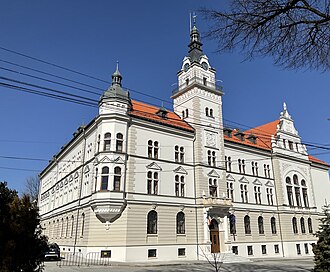
Ștefan cel Mare Square (Suceava)
Suceava's central square, framed by 19th-century buildings, the county hall, and cafés spilling onto the pavement in summer. It hosts markets, concerts, and the city's Christmas fair, and serves as the natural starting point for walking to the fortress or old town. The square's relaxed, unhurried pace reflects Suceava's identity as a regional hub rather than a heavily touristed city center.
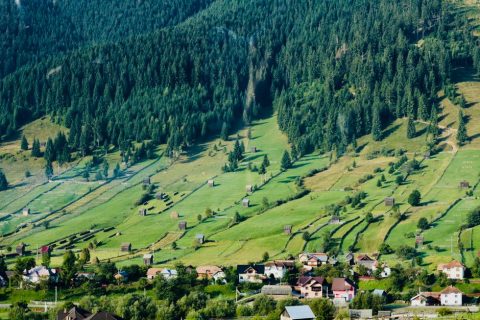
Suceava Old Town (Strada Curtea Domnească)
A compact pedestrian-friendly stretch connecting Ștefan cel Mare Square to the Princely Court ruins, lined with period buildings, small shops, and local bakeries. It's the most walkable part of Suceava, giving visitors a sense of everyday city life between monastery excursions. Evening strolls here are pleasant, with outdoor terraces filling up as the day cools.
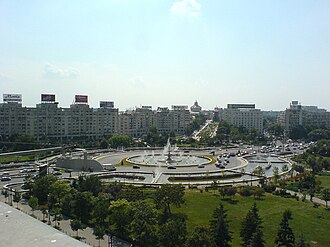
Piața Unirii (Rădăuți)
The main square of Rădăuți, a quieter town known as the gateway to Bogdana Monastery and the Bison Reserve. Surrounded by low Austro-Hungarian-era buildings, the square hosts a lively Saturday market where locals sell produce, cheese, and handicrafts. It's a good stop for a coffee break between the Rădăuți area's historical sites and the drive toward the painted monasteries further west.
Gura Humorului Central Square
The small, tidy square of Gura Humorului, the most convenient base town for visiting Voroneț and Humor monasteries. Restaurants serving traditional Bucovinian food line the perimeter, and the town's relaxed resort-like feel (it also has a small ski slope nearby) makes it a popular overnight stop for travelers touring the monastery circuit over 2-3 days.
Tips for Squares & Streets
- Gura Humorului and Rădăuți make better overnight bases than Suceava if focusing on the monastery circuit
- Saturday markets are the liveliest time to visit smaller town squares
- Evening dining - book ahead in Gura Humorului during July-August when tour groups fill restaurants