Bucovina's position in Romania's far north opens up excursions into the Dornelor spa country, ski resorts, and neighboring historic regions that pair naturally with a monastery-focused trip.
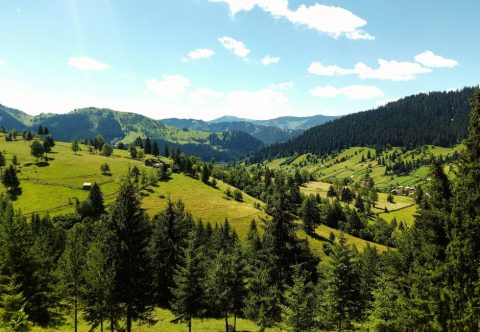
Vatra Dornei & the Dornelor Depression
A historic spa town built around mineral springs and mofettes (natural carbon-dioxide gas baths), popular since the Austro-Hungarian era for balneotherapy. The surrounding Dornelor Depression offers gentle hiking and scenic drives through mountain pastures. Vatra Dornei's belle-époque spa architecture and slower pace make it a relaxing counterpoint to a monastery-heavy itinerary, and it's also a gateway to skiing at nearby resorts in winter.
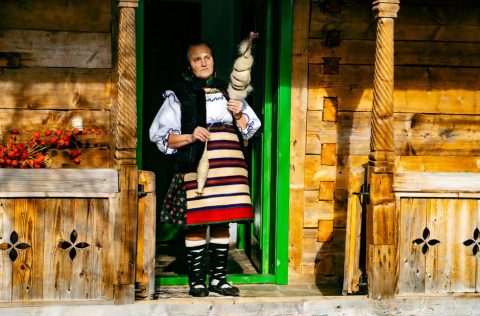
Maramureș Wooden Churches
Romania's other great UNESCO church cluster, a few hours west of Bucovina, featuring soaring wooden churches with steep shingle spires - a striking contrast to Bucovina's painted stone monasteries. Combined with the Merry Cemetery in Săpânța and traditional villages where horse-drawn carts remain common transport, Maramureș rewards travelers extending their trip by 2-3 days beyond Bucovina.
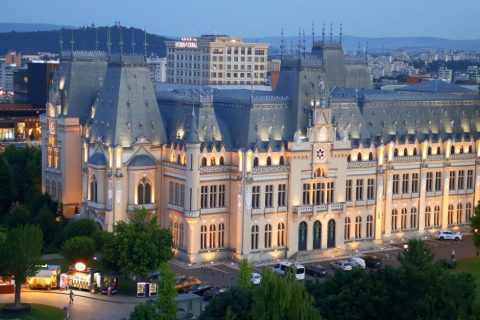
Iași - Cultural Capital of Moldavia
Romania's former princely and cultural capital, roughly 2 hours southeast of Suceava, home to grand Orthodox cathedrals, the ornate Palace of Culture, and a lively student-driven café scene. Many travelers combine Bucovina's monastery circuit with a stop in Iași either as an arrival/departure point (via its international airport) or as a cultural bookend to the trip.
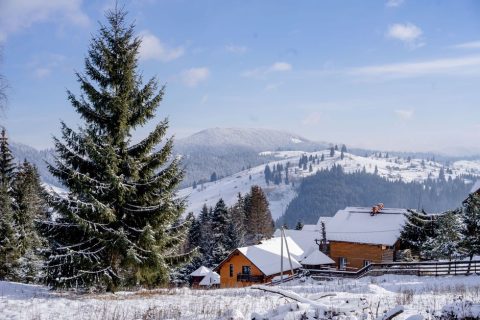
Câmpulung Moldovenesc & Surrounding Ski Resorts
A mountain town serving as a base for skiing at Rarău and nearby slopes in winter, and hiking or mountain biking in summer. Câmpulung Moldovenesc also hosts a small open-air museum of local wooden architecture and sits within easy reach of both the painted monasteries and the Rarău-Giumalău reserves, making it a practical overnight stop for travelers wanting nature alongside culture.
Tips for Day Trips & Excursions
- Iași has the nearest major airport for many international visitors reaching Bucovina - Suceava also has a smaller regional airport
- Maramureș requires a dedicated 2-3 day extension, not a single day trip, due to mountain roads
- Vatra Dornei and Câmpulung Moldovenesc work well as a relaxed final day after several days of monastery touring
- Check seasonal road conditions for mountain routes between Bucovina and Maramureș, especially outside May-October