Bucovina's museums preserve a living folk culture that continues alongside its medieval monuments - traditional wooden architecture, hand-decorated eggs, ceramics, and the art collections of the region's most celebrated sculptor. Together they explain the crafts still practiced in Bucovina's villages today.
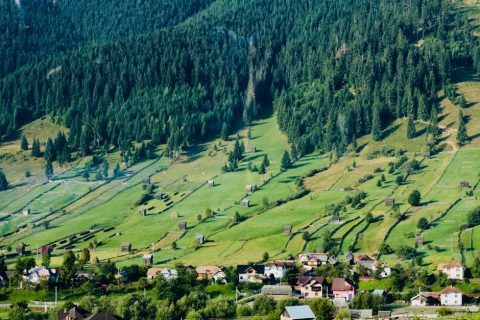
Bucovina Village Museum (Muzeul Satului Bucovinean)
An open-air ethnographic museum in Suceava's Cetatea de Scaun park, gathering authentic wooden houses, windmills, an oil press, and a wooden church relocated from villages across the region. Each homestead is furnished with period textiles, tools, and pottery, showing how Bucovina's peasant and boyar families lived from the 18th to early 20th centuries. The museum says visitors can see and learn traditional techniques in workshops; its official page does not specify summer-weekend demonstrations, including weaving and wood carving.
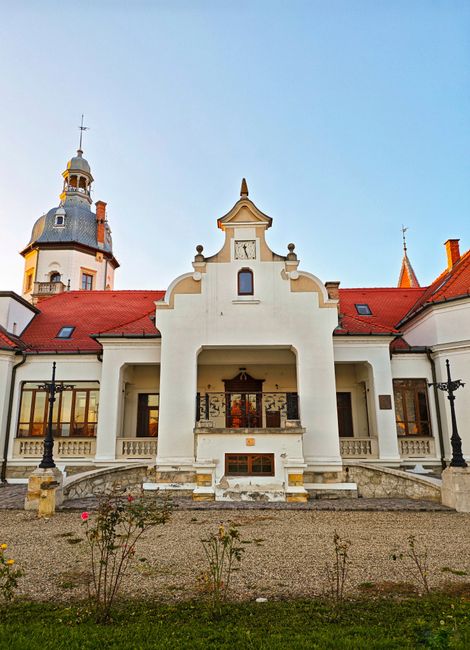
Bucovina History Museum (Hurmuzachi Palace, Suceava)
The History Museum is at 33 Ștefan cel Mare Street, this museum traces Bucovina's history from Dacian and Roman times through the Moldavian principality to Habsburg administration. Highlights include a reconstructed medieval treasury room, weapons, and documents from Ștefan cel Mare's chancellery. A dedicated wing covers Habsburg rule began in 1775; Bucovina was part of Austria-Hungary from 1867 to 1918, when Bucovina became a distinct crownland - a chapter that shaped the region's unusually multi-ethnic character.
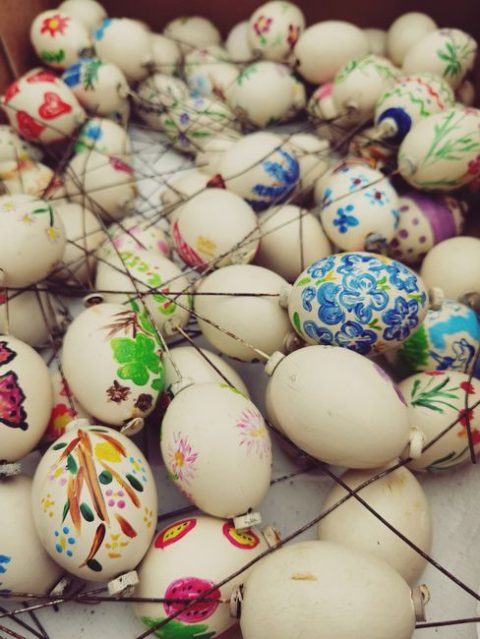
Painted Egg Museum (Muzeul Ouălor Încondeiate, Vama)
A unique private collection of about 16,000 decorated eggs (ouă încondeiate) from Romania and beyond, gathered by folk artist Letiția Orșivschi. Eggs are decorated using wax-resist dyeing, etching, and bead application, with Bucovina's geometric and floral patterns among the most intricate in the country. Live demonstrations show the painstaking technique, and visitors can try decorating an egg themselves to take home.
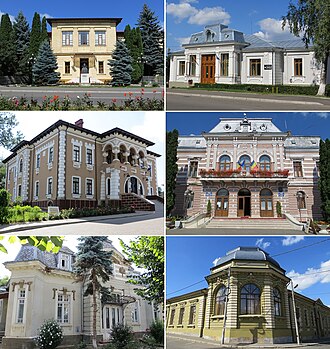
Ion Irimescu Art Museum (Fălticeni)
Dedicated to Ion Irimescu, one of Romania's most important 20th-century sculptors, born in Fălticeni. The museum displays his bronze and stone sculptures alongside works by other Romanian modernists, housed in a building he helped design in his hometown. Fălticeni itself was a magnet for Romanian writers and artists in the 19th century, and the museum's collection reflects that literary-artistic heritage on Bucovina's southern edge.
Tips for Museums & Galleries
- Vama's egg museum pairs well with a stop in nearby Ciocănești's painted houses on the same drive
- Ask about egg-decorating demonstrations - schedules vary and aren't always posted online
- Small entrance fees (usually 5-15 RON) - cash preferred at smaller village museums
- Photography generally allowed without flash; ask staff first