Bucovina rewards travelers who focus on its painted monasteries and mountain scenery rather than trying to see everything. Voroneț Monastery, famed for its vivid Voroneț blue frescoes, and Sucevița Monastery, the largest and most fortress-like of the group, showcase the region's UNESCO-listed exterior paintings at their finest. Suceava Fortress adds a dose of medieval history, while the Bucovina Village Museum offers an easy introduction to rural Moldavian life. For those with limited time, a guided Painted Monasteries Circuit Tour efficiently links these sites in one trip, making this shortlist the most efficient way to experience Bucovina's spiritual art, history, and landscape.
Bucovina's landmarks trace the golden age of medieval Moldavia under Ștefan cel Mare (Stephen the Great), whose fortresses, princely courts, and monuments still dominate the region's towns. These sites reveal a border principality that fought off Ottoman, Polish, and Hungarian invasions for centuries.
Must See
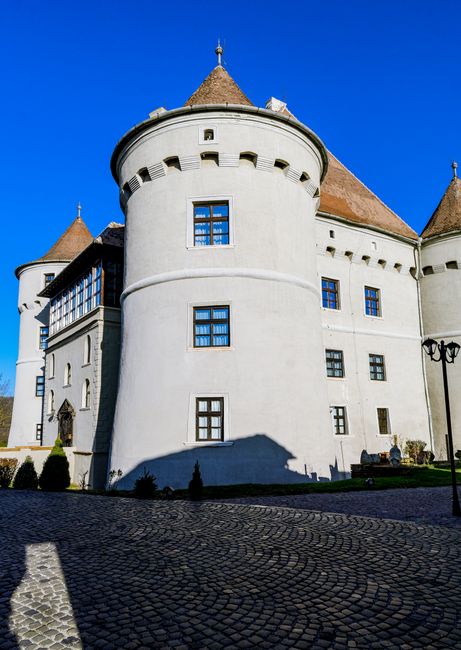
Suceava Fortress (Cetatea de Scaun a Sucevei)
The seat fortress of medieval Moldavia, built in the 14th century and massively reinforced by Ștefan cel Mare to withstand Ottoman sieges. Perched on a hill overlooking Suceava, The fortress resisted the 1476 Ottoman and 1497 Polish sieges; in 1538 it was surrendered to Suleiman I’s forces. A modern glass-and-steel walkway and restored towers let visitors explore the ramparts, dungeons, and interactive exhibits recounting Moldavia's resistance against the Ottoman Empire. Evening light shows illuminate the walls in summer.
Tips for Landmarks & Monuments
- Combine with the fortress park - Suceava's monuments cluster within a 20-minute walk of each other
- Wear sturdy shoes - fortress ramparts and hilltop paths are uneven
- Visit late afternoon for warm light on the stone walls and fewer tour buses
- Combine tickets for the fortress and Bucovina Village Museum are sold together at some ticket points
Bucovina's museums preserve a living folk culture that continues alongside its medieval monuments - traditional wooden architecture, hand-decorated eggs, ceramics, and the art collections of the region's most celebrated sculptor. Together they explain the crafts still practiced in Bucovina's villages today.
Must See
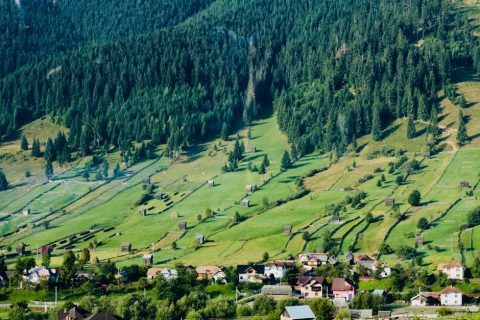
Bucovina Village Museum (Muzeul Satului Bucovinean)
An open-air ethnographic museum in Suceava's Cetatea de Scaun park, gathering authentic wooden houses, windmills, an oil press, and a wooden church relocated from villages across the region. Each homestead is furnished with period textiles, tools, and pottery, showing how Bucovina's peasant and boyar families lived from the 18th to early 20th centuries. The museum says visitors can see and learn traditional techniques in workshops; its official page does not specify summer-weekend demonstrations, including weaving and wood carving.
Tips for Museums & Galleries
- Vama's egg museum pairs well with a stop in nearby Ciocănești's painted houses on the same drive
- Ask about egg-decorating demonstrations - schedules vary and aren't always posted online
- Small entrance fees (usually 5-15 RON) - cash preferred at smaller village museums
- Photography generally allowed without flash; ask staff first
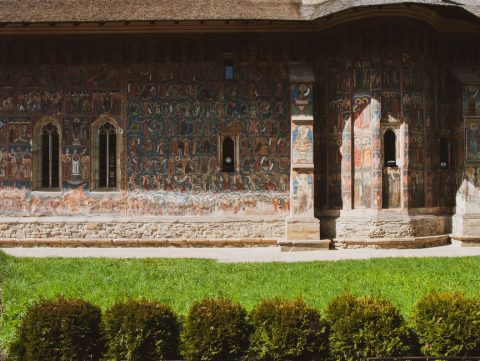
Bucovina's UNESCO World Heritage painted monasteries are its defining attraction - exterior walls covered floor to roofline in vivid 15th-16th century frescoes depicting biblical scenes, designed to teach scripture to villagers who couldn't read. Each monastery has its own dominant color and iconographic program, making them distinct despite sharing the same era and purpose.
Must See
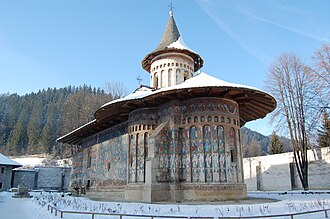
Voroneț Monastery
Known as the 'Sistine Chapel of the East', Voroneț is famous for the unique deep-blue pigment covering its western wall - dubbed 'Voroneț Blue' - against which a monumental Last Judgment fresco unfolds. Founded by Ștefan cel Mare in 1488, the monastery's frescoes remain remarkably vivid despite over 500 years of exposure. The composition includes rows of philosophers, animals, and sinners being weighed, painted with a narrative clarity meant for an illiterate congregation.
Must See
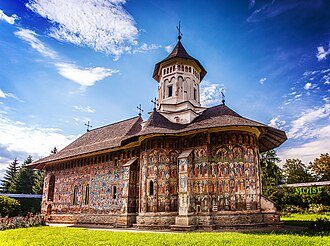
Moldovița Monastery
Surrounded by a fortified wall with defense towers, Moldovița showcases frescoes dominated by rich yellows and reds, including a detailed Siege of Constantinople scene that doubles as political commentary on the era's Ottoman threat. Founded in 1532, the monastery complex includes a small museum of icons, manuscripts, and royal gifts. Its enclosed courtyard and working convent give it a more intimate, lived-in atmosphere than some of the other painted monasteries.
Must See
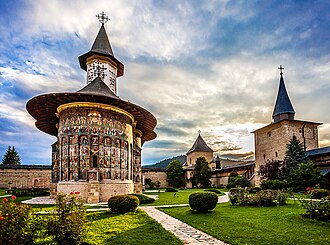
Sucevița Monastery
The largest and most heavily fortified of the painted monasteries, with massive stone walls and towers giving it the look of a citadel. Sucevița's frescoes are dominated by emerald green and include the famous 'Ladder of Virtues' scene depicting souls ascending toward heaven while demons pull them down. Built in the late 16th century, it was the last of the great painted monasteries and the closest in style to a fortress-monastery.
Must See
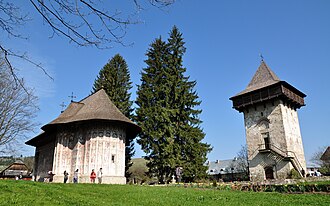
Humor Monastery
One of the oldest painted monasteries, founded in 1530, notable for its brick-red frescoes and an open porch (unusual among the group) that better protected the paintings from rain. The Siege of Constantinople fresco here is considered one of the finest, alongside vivid scenes of the Prodigal Son. A wooden defense tower, added later against Ottoman raids, still stands beside the church and can be climbed for views over the surrounding hills.
Must See
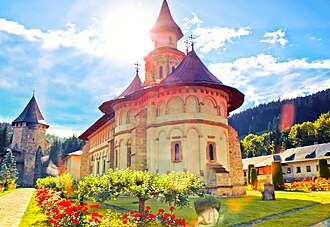
Putna Monastery
Called the 'Jerusalem of the Romanian people', Putna was founded by Ștefan cel Mare in 1466 as his necropolis, and his tomb remains here as a major pilgrimage site. Unlike the painted monasteries, Putna's exterior is unadorned, but its treasury holds an exceptional collection of medieval embroidered textiles, illuminated manuscripts, and royal gifts. The surrounding forested valley and the adjacent 'Daniil the Hermit' cave add to its spiritual atmosphere.
Tips for Religious Sites
- Dress modestly - covered shoulders and knees required; wraps are often available to borrow at the gate
- Photography of frescoes is usually permitted outdoors but may require a small fee - check signage at each monastery
- Visit 3-4 monasteries per day comfortably by car; distances between them are 30-60 minutes
- Nuns/monks are in residence - keep voices low and avoid visiting during services unless attending respectfully
- Hire a local guide for at least one monastery - the iconography is dense and rewards explanation
Bucovina's landscape rises from monastery valleys into the northern Carpathians, home to some of Europe's last untouched virgin forests, volcanic rock formations.
Must See
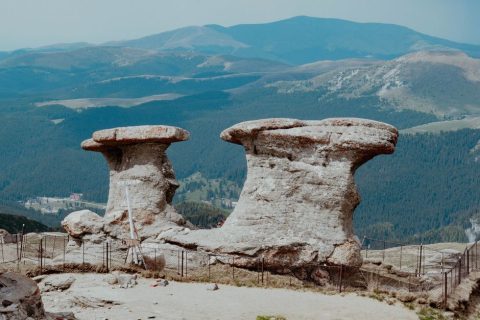
Rarău-Giumalău Mountains & Pietrele Doamnei
A dramatic limestone ridge crowned by Pietrele Doamnei ('The Lady's Rocks'), a cluster of towering rock spires reachable by an easy marked trail from the Rarău chalet. The surrounding Giumalău massif protects old-growth spruce forest, and the area is popular for both summer hiking and winter skiing. Clear-day views stretch across much of southern Bucovina, making the short climb one of the region's best reward-to-effort hikes.
Tips for Parks & Gardens
- Weather changes fast in the Rarău and Călimani highlands - bring layers even in summer
- Bear country - make noise on forest trails and avoid hiking alone in remote sections
- Marked trails only in Slătioara and Călimani - the terrain is easy to get disoriented in without waymarks
- Winter access limited - high-elevation trails often close November-April due to snow
Beyond simply viewing the monasteries, Bucovina offers hands-on access to the crafts and landscapes that define the region - from salt mines and pottery kilns to guided hikes through virgin forest.
Must See📌 Book Ahead
Painted Monasteries Circuit Tours
Guided full-day or multi-day tours covering 4-6 painted monasteries, typically including Voroneț, Humor, Moldovița, and Sucevița, with a knowledgeable guide explaining the fresco iconography at each stop. Most depart from Suceava, Gura Humorului, or as add-ons from Iași. Private tours allow more time at each site, while group tours offer a more affordable way to cover the full circuit in a single day.
Tips for Tours & Activities
- Book monastery circuit tours a few days ahead in July-August peak season
- Craft workshops often require advance notice - contact guesthouses or local tourism offices to arrange, especially outside summer
- Bring cash - small workshops and family-run sites rarely take cards
- Layer clothing for Cacica's mine - underground temperatures stay cool year-round
Real, highly-rated Restaurants in Bucovina, sourced from Google Places (rating above 4★).
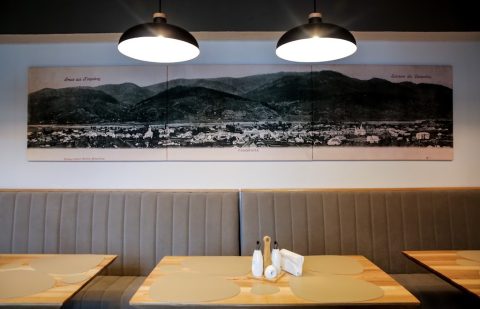
Restaurant Parc (Park Restaurant)
Restaurant Parc (Park Restaurant) is a highly-rated restaurant in Bucovina, rated 4.9★ from 903 reviews. Located at 22 Decembrie, 3 Campulung Moldovenesc, 725100 Suceava, Romania.
Opening Hours
- Monday: 9:00 AM – 10:00 PM
- Tuesday: 9:00 AM – 10:00 PM
- Wednesday: 9:00 AM – 10:00 PM
- Thursday: 9:00 AM – 10:00 PM
- Friday: 9:00 AM – 12:00 AM
- Saturday: 9:00 AM – 12:00 AM
- Sunday: 9:00 AM – 10:00 PM
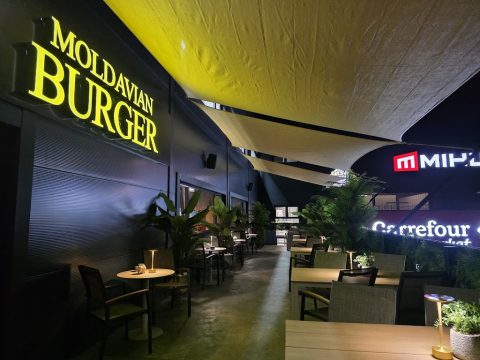
SALT by Moldavian Burger Suceava
SALT by Moldavian Burger Suceava is a highly-rated restaurant in Bucovina, rated 4.9★ from 898 reviews. Located at Str. Mihai Viteazul, 727325 Ipotești, Romania.
Opening Hours
- Monday: 11:00 AM – 11:00 PM
- Tuesday: 11:00 AM – 11:00 PM
- Wednesday: 11:00 AM – 11:00 PM
- Thursday: 11:00 AM – 11:00 PM
- Friday: 11:00 AM – 11:00 PM
- Saturday: 11:00 AM – 11:00 PM
- Sunday: 11:00 AM – 11:00 PM
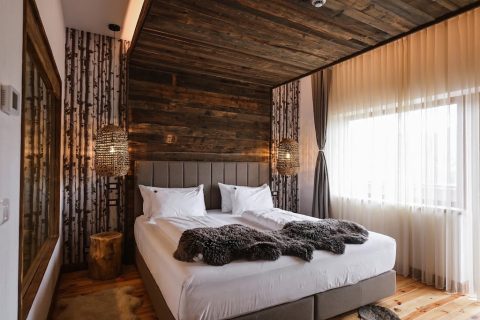
Hanul Bucovinei
Hanul Bucovinei is a highly-rated restaurant in Bucovina, rated 4.8★ from 1150 reviews. Located at Str. Calea Bucovinei 270, 725100 Câmpulung Moldovenesc, Romania.
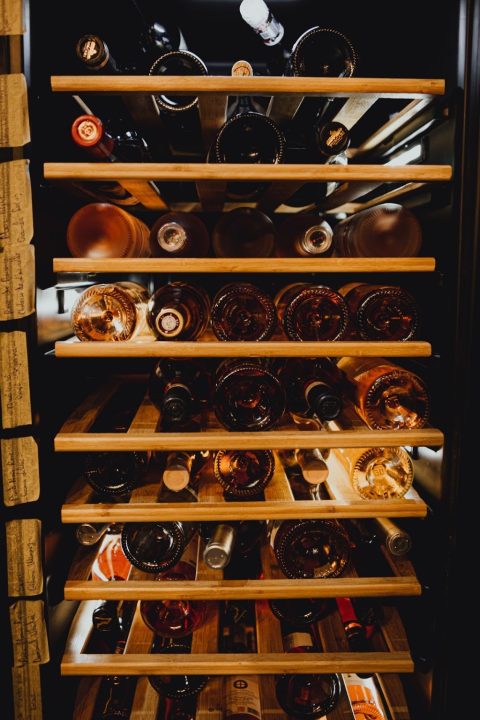
Eker
Eker is a highly-rated restaurant in Bucovina, rated 4.8★ from 1929 reviews. Located at Strada Ștefan cel Mare 28, 720002 Suceava, Romania.
Opening Hours
- Monday: 8:00 AM – 10:00 PM
- Tuesday: 8:00 AM – 10:00 PM
- Wednesday: 8:00 AM – 10:00 PM
- Thursday: 8:00 AM – 10:00 PM
- Friday: 8:00 AM – 10:00 PM
- Saturday: 8:00 AM – 10:00 PM
- Sunday: 10:00 AM – 10:00 PM
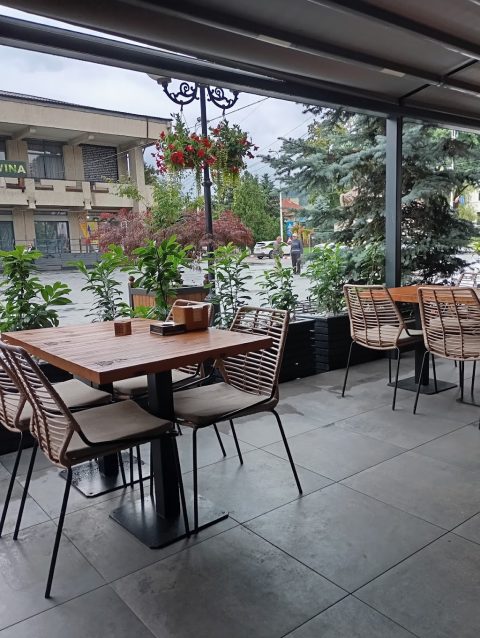
Brasserie
Brasserie is a highly-rated restaurant in Bucovina, rated 4.7★ from 859 reviews. Located at Strada 22 Decembrie 1989 2, 725100 Câmpulung Moldovenesc, Romania.
Opening Hours
- Monday: 7:30 AM – 9:00 PM
- Tuesday: 7:30 AM – 9:00 PM
- Wednesday: 7:30 AM – 9:00 PM
- Thursday: 7:30 AM – 9:00 PM
- Friday: 7:30 AM – 11:00 PM
- Saturday: 9:00 AM – 11:00 PM
- Sunday: 9:00 AM – 9:00 PM
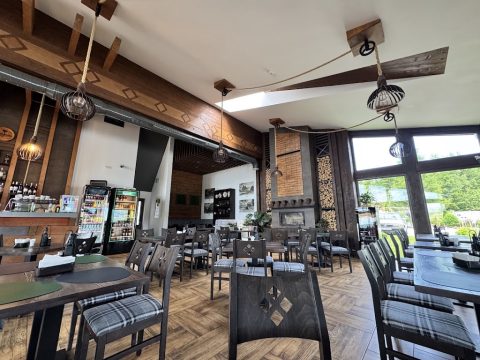
Restaurant Mestecăniș
Restaurant Mestecăniș is a highly-rated restaurant in Bucovina, rated 4.7★ from 3694 reviews. Located at Fermierilor 57B, 727315 Mestecăniș, Romania.
Opening Hours
- Monday: 9:30 AM – 9:30 PM
- Tuesday: 11:00 AM – 9:30 PM
- Wednesday: 9:30 AM – 10:00 PM
- Thursday: 9:00 AM – 9:30 PM
- Friday: 9:30 AM – 9:30 PM
- Saturday: 9:30 AM – 9:30 PM
- Sunday: 9:30 AM – 9:30 PM
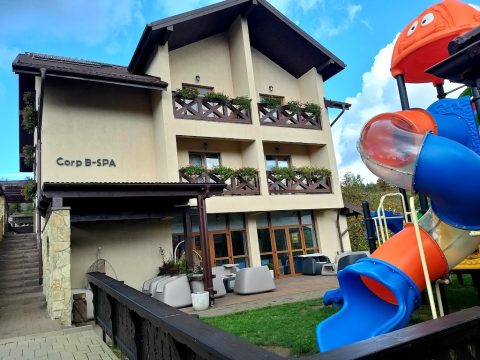
Casa Humor
Casa Humor is a highly-rated restaurant in Bucovina, rated 4.7★ from 2070 reviews. Located at Aleea Ştefan cel Mare 5 bis, 725300 Gura Humorului, Romania.
Opening Hours
- Monday: 8:00 AM – 10:00 PM
- Tuesday: 8:00 AM – 10:00 PM
- Wednesday: 8:00 AM – 10:00 PM
- Thursday: 8:00 AM – 10:00 PM
- Friday: 8:00 AM – 10:00 PM
- Saturday: 8:00 AM – 10:00 PM
- Sunday: 8:00 AM – 10:00 PM
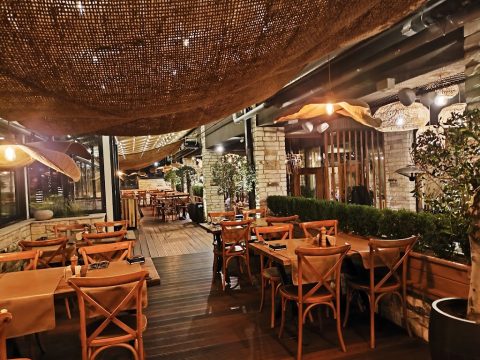
Kimpolung Restaurant
Kimpolung Restaurant is a highly-rated restaurant in Bucovina, rated 4.6★ from 237 reviews. Located at Str. Calea Bucovinei 270, 725100 Câmpulung Moldovenesc, Romania.
Opening Hours
- Monday: 8:00 AM – 10:00 PM
- Tuesday: 8:00 AM – 10:00 PM
- Wednesday: 8:00 AM – 10:00 PM
- Thursday: 8:00 AM – 10:00 PM
- Friday: 8:00 AM – 11:00 PM
- Saturday: 8:00 AM – 11:00 PM
- Sunday: 8:00 AM – 10:00 PM
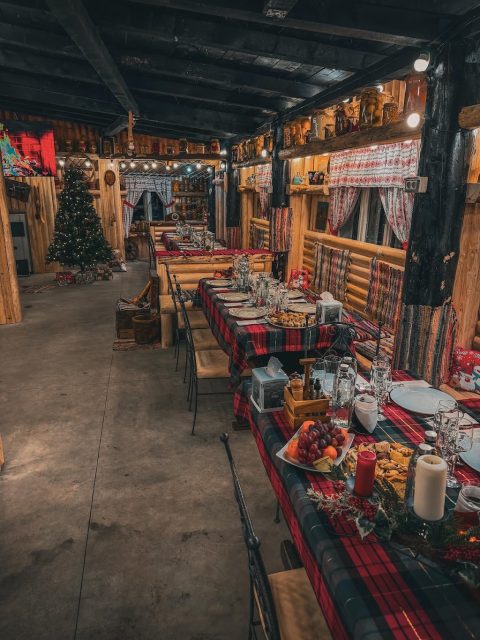
La Ceaune & Hanul Ceaunelor Voronet
La Ceaune & Hanul Ceaunelor Voronet is a highly-rated restaurant in Bucovina, rated 4.6★ from 238 reviews. Located at Strada Voroneț, 725301 Voroneț, Romania.
Opening Hours
- Monday: 11:00 AM – 10:00 PM
- Tuesday: 11:00 AM – 10:00 PM
- Wednesday: 11:00 AM – 10:00 PM
- Thursday: 11:00 AM – 10:00 PM
- Friday: 11:00 AM – 10:00 PM
- Saturday: 11:00 AM – 10:00 PM
- Sunday: 11:00 AM – 10:00 PM
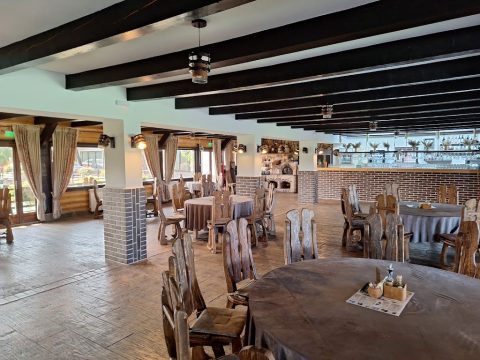
Pastravaria Poiana
Pastravaria Poiana is a highly-rated restaurant in Bucovina, rated 4.6★ from 1488 reviews. Located at Comuna malini sat pâraie, strada bargauanu, 727350 Mălini, Romania.
Opening Hours
- Monday: Closed
- Tuesday: 11:00 AM – 9:00 PM
- Wednesday: 11:00 AM – 9:00 PM
- Thursday: 11:00 AM – 9:00 PM
- Friday: 11:00 AM – 9:00 PM
- Saturday: 11:00 AM – 9:00 PM
- Sunday: 11:00 AM – 5:00 PM