Things to do in Kyoto
Kyoto's skyline is defined by iconic structures that have stood for centuries — from the luminous Golden Pavilion to the endless rows of vermillion torii gates winding up Mount Inari.
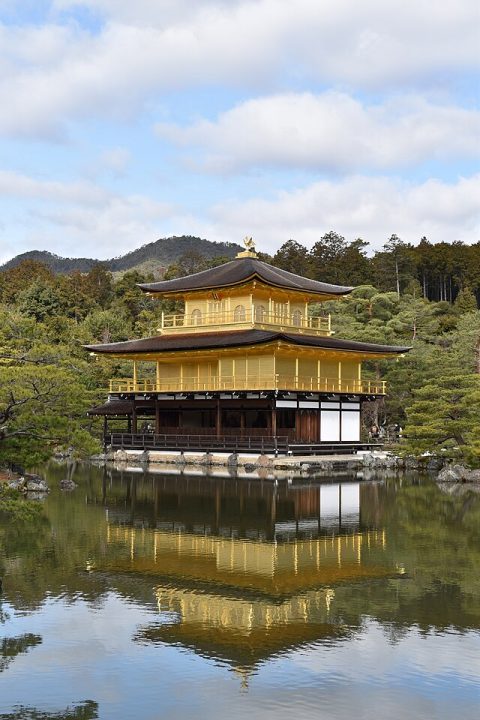
Kinkaku-ji, the Temple of the Golden Pavilion, is Kyoto's most photographed landmark. The top two floors of this three-story Zen Buddhist temple are completely covered in gold leaf, shimmering above a mirror-like reflecting pond. Originally built as a retirement villa for Shogun Ashikaga Yoshimitsu in 1397, it was converted to a Zen temple after his death. The surrounding stroll garden features ancient pines and stone lanterns framing perfect reflections of the golden structure. Visit early morning for the best light and fewest crowds.
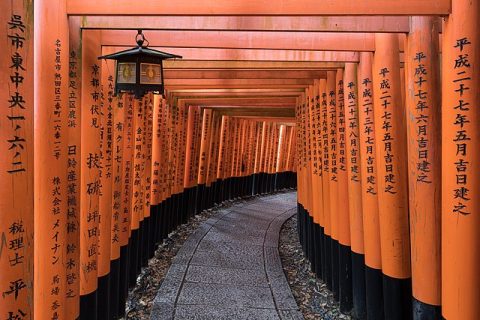
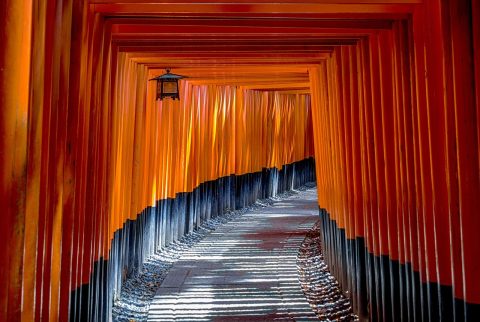
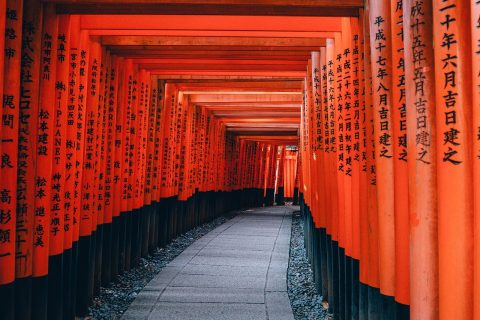
Fushimi Inari Taisha is Kyoto's most iconic Shinto shrine, famous for thousands of vermillion torii gates winding up Mount Inari. Dedicated to the god of rice, the shrine has existed since 711 AD. The full hike to the summit takes 2–3 hours and rewards with panoramic views. The lower gates are crowded during daylight — arriving at dawn or dusk transforms the tunnels into an ethereal experience. Free and open 24 hours.
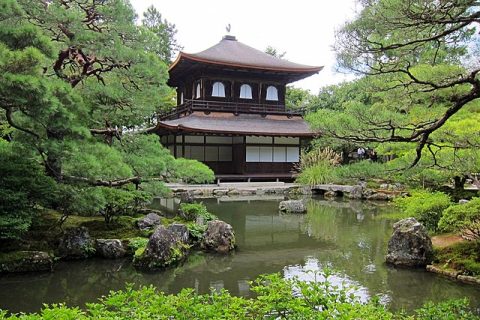
Ginkaku-ji, the Temple of the Silver Pavilion, was built in 1482 as a retirement villa for Shogun Ashikaga Yoshimasa. Despite its name, it was never coated in silver — it is celebrated for its exquisite dry sand garden and moss-covered landscape. Sitting at the northern end of the Philosopher's Path, the property exemplifies Higashiyama culture, emphasizing simplicity, wabi aesthetics, and Zen-influenced art of Muromachi Japan.
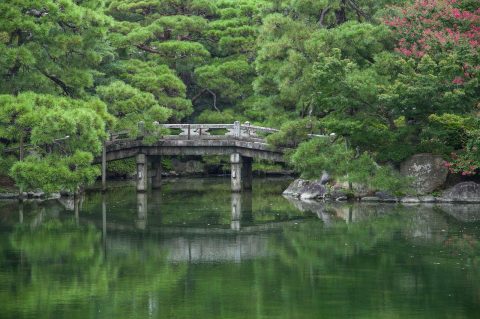
Togetsu-kyo Bridge, meaning 'Moon Crossing Bridge,' spans the Oi River in Arashiyama and has been a Kyoto landmark since the Heian period. The current wooden bridge dates to the 1930s and frames spectacular mountain views. In spring, cherry blossoms cascade over the banks; in autumn, the hills blaze crimson and gold. The bridge is the gateway to Arashiyama's bamboo groves, temples, and boat rental spots.
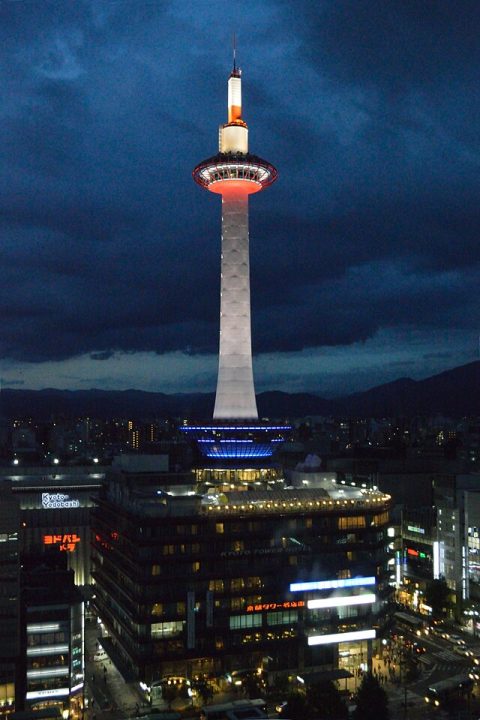
Kyoto Tower stands 131 meters tall in the heart of the city, offering 360-degree panoramic views from its observation deck. Opened in 1964 and inspired by a traditional candle symbolizing light for travelers, it is the tallest structure in Kyoto. Located directly in front of Kyoto Station, it is a useful orientation point. Night views are particularly spectacular. A shopping complex and bathhouse (Kyoto Tower Sando) occupy the base.
Tips for Landmarks & Monuments
- Arrive at Kinkaku-ji and Fushimi Inari before 8:30 AM to avoid tour groups
- Fushimi Inari summit hike is free and open 24 hours — pre-dawn visits are magical
- Many landmarks require entrance fees of ¥500–¥1,000; carry cash
- Combine Kinkaku-ji, Ryoan-ji, and Ninna-ji in one northern loop itinerary
Kyoto's museums span millennia of Japanese history, from imperial treasures to contemporary manga, offering deep insights into the artistic and cultural soul of Japan's ancient capital.
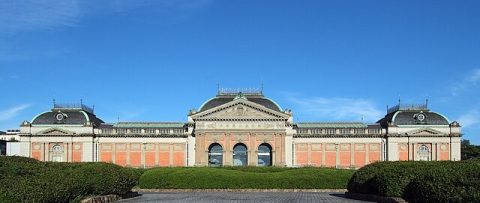
Kyoto National Museum houses over 13,000 items spanning Japanese art from the Heian through the Edo period. The permanent collection includes National Treasures and Important Cultural Properties — Buddhist sculptures, Noh costumes, lacquerware, and scroll paintings. The Heisei Chishinkan wing, designed by Yoshio Taniguchi and opened in 2014, is a masterpiece of modern museum architecture. Located adjacent to Sanjusangen-do, it is essential for understanding Kyoto's artistic legacy.
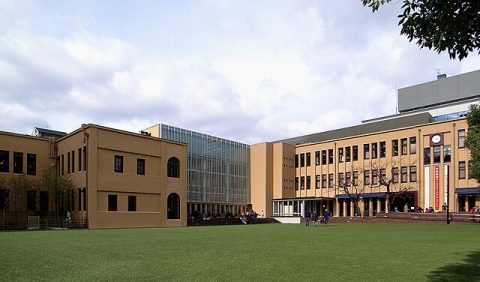
Kyoto International Manga Museum occupies a converted 1920s elementary school and holds over 300,000 manga volumes in multiple languages. Visitors can freely pull any book from the shelves and read on the lawn or in reading rooms. The museum documents manga's history from the Meiji era to present and hosts rotating exhibitions by contemporary artists. It is a collaborative institution between Kyoto City and Kyoto Seika University.
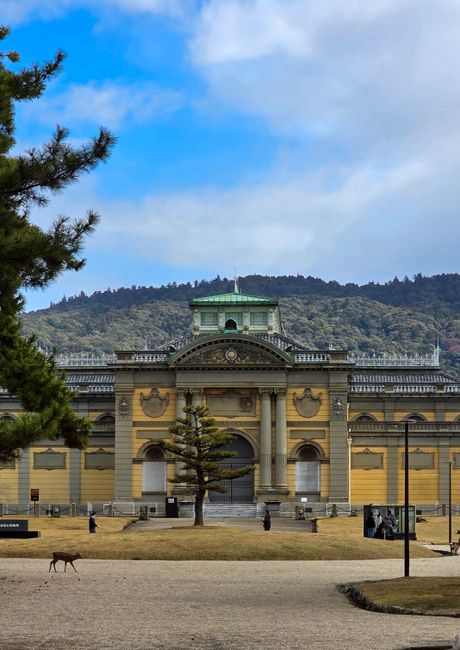
The Museum of Kyoto is located in a Meiji-era bank building and traces Kyoto's 1,200-year history as Japan's imperial capital. Exhibits cover the city's evolution through Heian, Kamakura, Muromachi, and Edo periods, with audiovisual reconstructions of ancient street life. The lower level recreates a Meiji-era townhouse and merchant street. The museum also hosts traditional craft demonstrations and academic symposia on Kyoto's heritage.
Nishijin Textile Center showcases the 1,200-year tradition of Nishijin-ori weaving — the highly skilled craft producing Kyoto's most prized kimono fabrics. The center holds daily kimono fashion shows, weaving demonstrations on traditional looms, and exhibitions of historical textiles. Visitors can rent kimono for photo sessions and watch artisans weave intricate silk brocades used in Japan's most formal garments, including those worn at imperial ceremonies.
Tips for Museums & Galleries
- The Kyoto National Museum is closed on Mondays — plan accordingly
- Purchase a combination ticket if visiting multiple municipal museums
- The Manga Museum has English-language manga sections on the upper floor
- Check museum websites for special exhibitions which often require advance booking
With over 1,600 Buddhist temples and 400 Shinto shrines, Kyoto is the spiritual heartland of Japan. Each site carries centuries of ritual, architecture, and meditative landscape design.
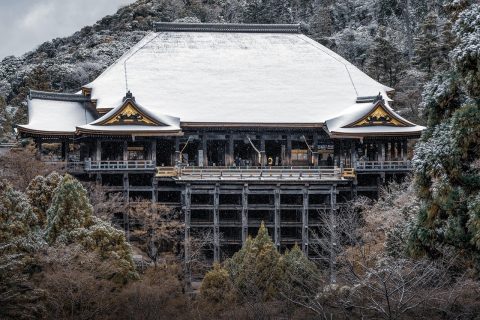
Kiyomizu-dera, founded in 778 AD, is Kyoto's most beloved temple and a UNESCO World Heritage Site. Its famous wooden stage, built without nails, juts 13 meters above a forested hillside offering sweeping city views. The Otowa waterfall below divides into three streams — visitors drink from them for longevity, academic success, and a fortunate love life. The surrounding Higashiyama district, with stone-paved lanes and traditional shops, is one of Kyoto's most atmospheric walks.

Ryoan-ji houses the world's most celebrated Zen rock garden — 15 carefully placed stones on raked white gravel, framed by earthen walls stained with centuries of moss. Founded in 1450, the garden's meaning remains deliberately ambiguous: no matter where you stand, one stone is always hidden. The surrounding grounds include a large mirror pond and ancient cedar trees. A UNESCO World Heritage Site, best experienced in contemplative silence during quiet morning hours.
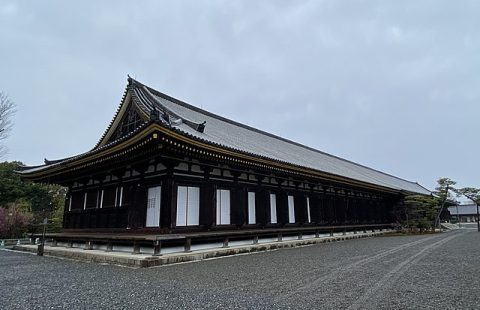
Sanjusangen-do is a remarkable 12th-century hall containing 1,001 life-size gilded wooden statues of Kannon, the Buddhist goddess of mercy, arranged in 50 rows stretching 120 meters. At the center sits a towering principal Kannon flanked by 28 guardian deities. The hall, rebuilt in 1266, is a masterpiece of Kamakura-period Buddhist sculpture. Visitors may not photograph the interior, which adds to the solemn, awe-inspiring atmosphere.
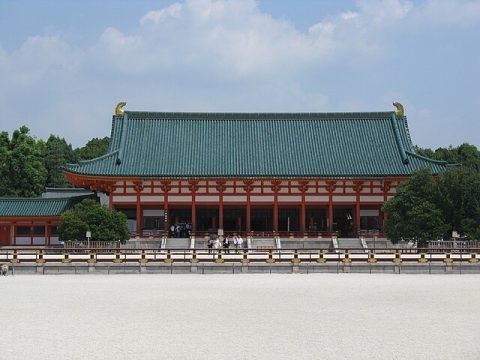
Heian Shrine was built in 1895 to commemorate the 1,100th anniversary of Kyoto's founding. It enshrines Emperor Kanmu, the city's founder, and Emperor Komei. The shrine's vermillion and white architecture is a scaled replica of the original Heian Palace. Its surrounding stroll garden features a famous wisteria bridge in spring. The annual Jidai Matsuri Festival (October 22) departs from here in spectacular historical procession.
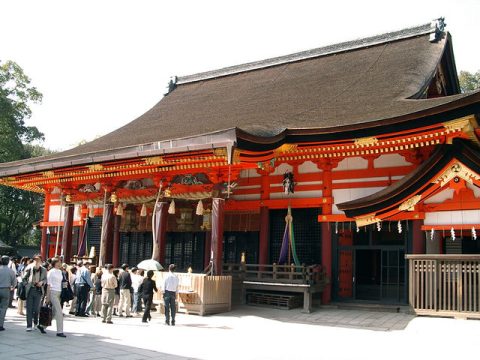
Yasaka Shrine presides over the eastern end of Shijo Avenue in Gion and has been a center of Kyoto's spiritual life since the 7th century. It hosts the famous Gion Matsuri, Japan's greatest festival (July), when elaborate floats parade through the streets. The adjacent Maruyama Park is Kyoto's premier cherry blossom spot, with the famous weeping cherry tree illuminated after dark in spring.

Tofuku-ji, founded in 1236, is one of Kyoto's Five Great Zen Temples. It is home to four spectacular dry gardens designed by Mirei Shigemori in 1939, blending traditional Zen aesthetics with modernist geometric patterns. The temple is most famous for its autumn foliage — the maple-filled ravine crossed by the Tsutenkyo Bridge turns crimson in November, drawing enormous crowds. The main hall contains several National Treasure artworks.
Tips for Religious Sites
- Temple admission typically ranges from ¥400–¥800; carry cash as many do not accept cards
- Dress modestly — shoulders and knees covered are respectful at religious sites
- Remove shoes when entering temple interiors; wear slip-on footwear for convenience
- Early morning (7–9 AM) offers peaceful temple visits before tour groups arrive
Kyoto served as Japan's imperial capital for over a thousand years. Its castles, imperial palaces, and ancient quarters preserve the living memory of emperors, shoguns, and samurai.
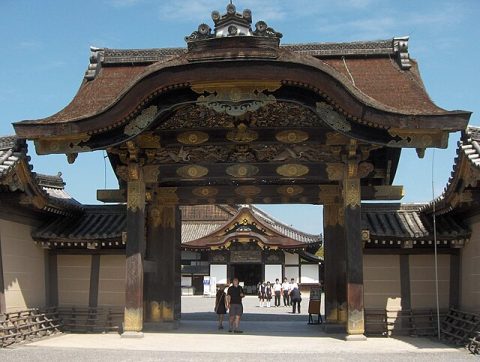
Nijo Castle was built in 1603 as the Kyoto residence of the first Tokugawa shogun. A UNESCO World Heritage Site, its Ninomaru Palace features the famous uguisubari 'nightingale floors' — boards deliberately constructed to creak, alerting guards to intruders. Interior walls are lavishly painted by Kano-school masters. The palace garden was designed by master Kobori Enshu. The castle was the site of the Meiji Restoration declaration in 1867.
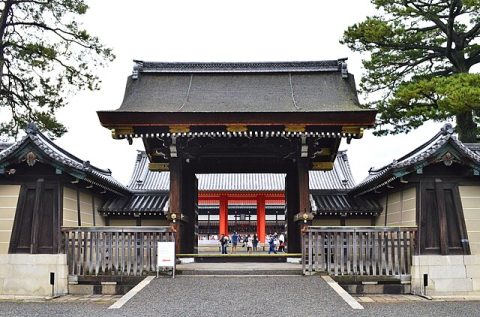
Kyoto Imperial Palace was the residence of Japan's imperial family until 1869, when the capital moved to Tokyo. Set within the 65-hectare Kyoto Gyoen National Garden, current palace buildings date to 1855. Free guided tours in English are offered daily. The sprawling park surrounding the palace is a favorite local retreat for cycling, picnicking, and cherry blossom viewing in spring. Advance registration is no longer required for tours.
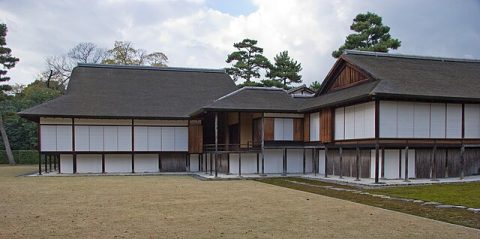
Katsura Imperial Villa is widely regarded as the pinnacle of Japanese architectural and garden design. Built in the early 17th century, the villa's stroll garden integrates teahouses, bridges, stone lanterns, and seasonal plantings in a seamless composition. Western architects including Bruno Taut declared it a masterwork of modernist principles realized centuries before modernism. Access requires advance reservations through the Imperial Household Agency.
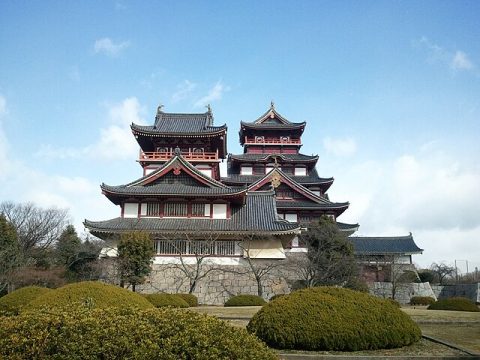
Fushimi Castle was originally built by Toyotomi Hideyoshi in 1594 and played a pivotal role in the Battle of Fushimi in 1600. The current castle is a 1964 concrete reconstruction (currently closed to visitors). The surrounding Fushimi district is best known for Fushimi Inari Taisha and its famous sake breweries — Fushimi sake has been produced here for over 400 years using the region's pure spring water.
Tips for Ancient & Historical Sites
- Book Katsura Imperial Villa months in advance — slots fill quickly
- Nijo Castle is closed on Tuesdays from December to February
- The Imperial Palace park is free to enter and ideal for a morning walk or cycling
- Combine Nijo Castle with the nearby Nishiki Market for a full central Kyoto day
Kyoto's cobblestone lanes, preserved merchant streets, and bustling market alleys offer some of Japan's most atmospheric walking experiences, blending culinary culture, craft shops, and centuries-old urban fabric.
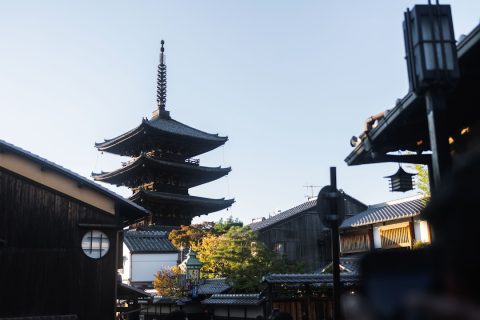
Ninenzaka (Two-year Slope) and Sannenzaka (Three-year Slope) are Kyoto's finest preserved stone-paved lanes, winding through the Higashiyama historic district. Lined with traditional machiya wooden townhouses now occupied by matcha cafes, ceramics shops, and lacquerware sellers, these pedestrian paths lead directly to Kiyomizu-dera. Local legend holds that tripping on these slopes brings two or three years of bad luck — watch your step.
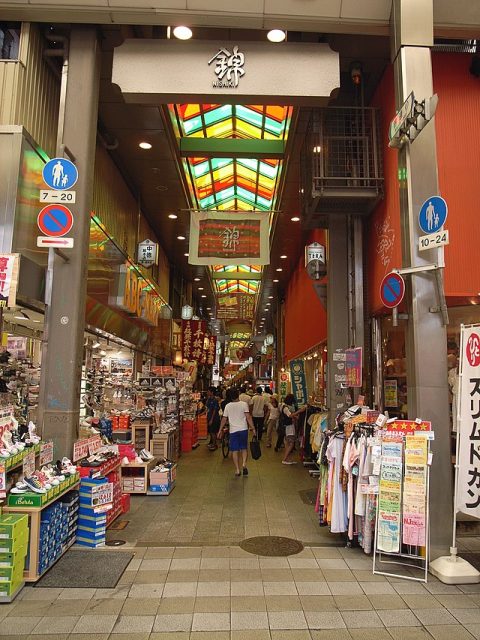
Nishiki Market is a narrow 400-meter covered shopping street in central Kyoto, known as 'Kyoto's Kitchen.' Its 100+ stalls sell fresh tofu, pickled vegetables, grilled skewers, matcha confections, dried seafood, and traditional kitchen knives. The market has operated for over 400 years and remains central to Kyoto culinary culture. Most stalls open by 9 AM and close by 6 PM.
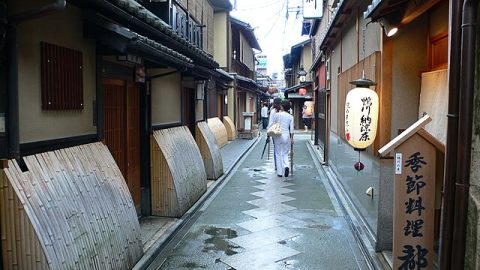
Pontocho is a narrow lantern-lit alley running parallel to the Kamo River between Sanjo and Shijo avenues, considered one of Kyoto's most atmospheric dining destinations. In summer (May–September), restaurants extend platforms over the river for outdoor dining. Pontocho is one of Kyoto's five geisha districts — it is not uncommon to spot geiko and maiko in the early evening returning from appointments.
Tips for Squares & Streets
- Nishiki Market is busiest on weekends — visit early morning on a weekday for a quieter experience
- Pontocho restaurants range from ¥1,000 ramen to ¥30,000+ kaiseki — choose based on budget
- Photography in Pontocho is fine but never photograph geiko/maiko without permission
- Teramachi-dori is ideal for antiques, Buddhist incense, and craft supplies
Kyoto's neighborhoods each carry a distinct identity — from the geisha district of Gion to the bamboo groves of Arashiyama, each quarter rewards unhurried exploration on foot.
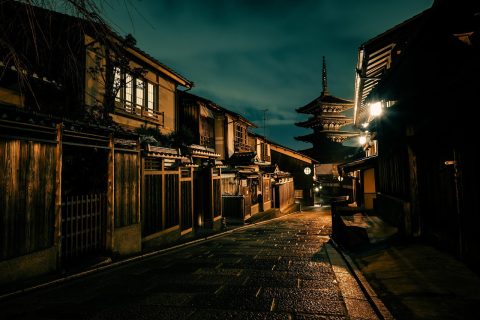
Gion is Kyoto's most famous geisha district, centered on Hanamikoji Street — a perfectly preserved lane of wooden ochaya (teahouses) where geiko and maiko entertain guests in private banquets. The district is richest in atmosphere at dusk, when lanterns glow and formally attired geisha move between engagements. The Gion Matsuri Festival (July) transforms the streets into one of Japan's greatest spectacles.
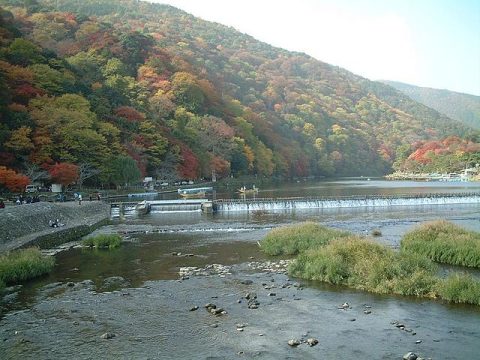
Arashiyama is Kyoto's most scenic district, where the Oi River curves beneath forested mountains. It encompasses the Bamboo Grove, Tenryu-ji garden, hillside temples, boat rentals, and the Sagano Romantic Train. The district is atmospheric in all seasons: cherry blossoms in spring, crimson maples in autumn, snow-dusted bamboo in winter. Best explored on foot or by rented bicycle.
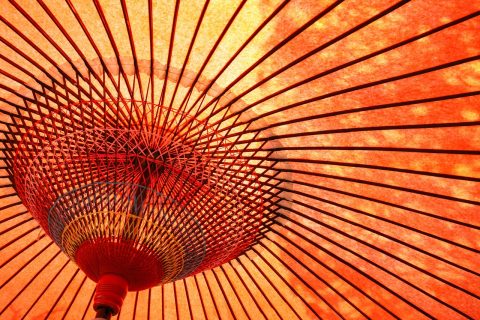
Higashiyama is Kyoto's best-preserved historic district, stretching along the eastern foothills from Yasaka Shrine south to Kiyomizu-dera. Its stone-paved lanes, traditional craft shops, and machiya townhouses create an atmosphere unchanged for centuries. Major temples including Chion-in, Shoren-in, and Kodai-ji are interspersed through the district. Higashiyama is wonderful at night when lantern-lit paths are nearly deserted.
Fushimi, in southern Kyoto, is Japan's second most important sake production center. The district's pure subterranean spring water has sustained the sake industry for over 400 years. Picturesque canals lined with brewery storehouses recall Edo-period commerce. The Gekkeikan Okura Sake Museum offers tastings and historical exhibits. Far less visited than central Kyoto, Fushimi provides an authentic glimpse of traditional Japanese industry.
Tips for Neighborhoods & Districts
- Explore Gion on foot after 5 PM for the best chance of seeing geiko and maiko
- Arashiyama's bamboo grove is best before 8 AM — later in the day it becomes extremely crowded
- Rent a bicycle to connect Arashiyama's spread-out sights efficiently
- The Philosopher's Path between Ginkaku-ji and Nanzen-ji connects Higashiyama's northern end
Kyoto's gardens represent Japan's highest achievement in landscape design — meditative rock gardens, stroll gardens that unfold as theatrical sequences of views, and ancient forests that change color with the seasons.
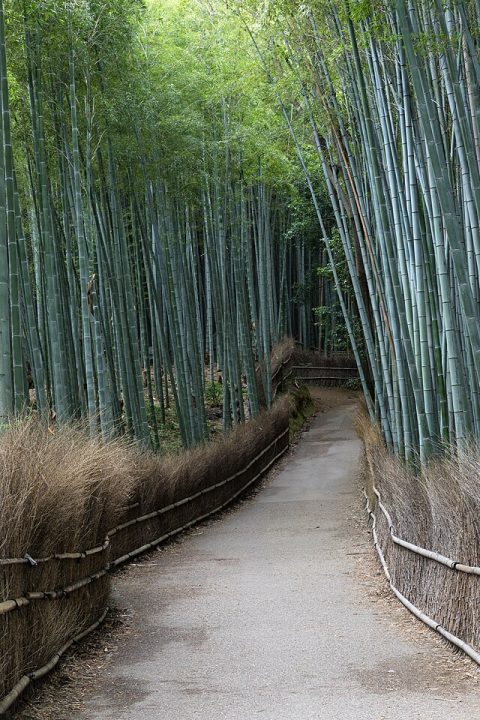
The Arashiyama Bamboo Grove is one of Japan's most iconic natural landscapes — a towering canopy of bamboo stalks that filters light into an ethereal green glow and creates a distinctive rustling sound recognized as one of Japan's 100 best soundscapes. The main path runs 500 meters between Tenryu-ji's northern gate and Nonomiya Shrine. Most immersive at first light, when low mist drifts between the stalks and the path is nearly empty.
The Philosopher's Path is a 2-kilometer stone-paved canal walk connecting Ginkaku-ji to Nanzen-ji through a tunnel of cherry trees. Named for philosopher Nishida Kitaro, who used it for daily meditation, the path passes small shrines, cafes, and pottery studios. It is Kyoto's most celebrated cherry blossom walk in late March to early April, when petals drift across the canal. A rare peaceful corridor connecting major temple destinations.
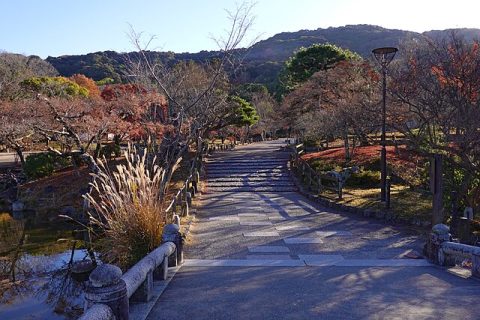
Maruyama Park is Kyoto's most celebrated public park and premier cherry blossom destination. Its famous shidarezakura (weeping cherry tree), floodlit at night, is one of Japan's most photographed blossoms. Located adjacent to Yasaka Shrine and Chion-in in Gion, the park is a beloved gathering place year-round. During hanami season, food stalls fill the paths and picnic blankets cover every lawn.
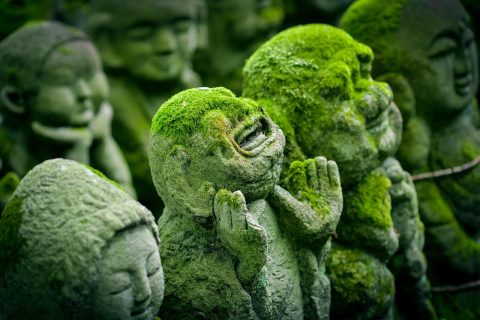
Tenryu-ji Garden is the finest example of Muromachi-period landscape design and a UNESCO World Heritage Site. Created in 1255 by Zen master Muso Soseki, the garden uses the Arashiyama mountains as borrowed landscape (shakkei), incorporating them into the composition of a central pond and stone arrangements. The view across the pond toward the mountains is one of Kyoto's most sublime. Vegetarian Zen cuisine (shojin ryori) is served within the temple grounds.
Tips for Parks & Gardens
- Cherry blossom season (late March to mid April) is Kyoto's most crowded period — book accommodations 6+ months in advance
- Autumn foliage (mid-November) is equally spectacular and equally crowded
- The Bamboo Grove is free; visit before 7:30 AM or after 5 PM for photography without crowds
- Tenryu-ji charges separate entry for the garden (¥500) and the main hall (¥300)
Kyoto's public art landscape spans from ancient stone lanterns and moss-covered garden sculptures to striking Meiji-era industrial structures that create unexpected juxtapositions with ancient Zen settings.
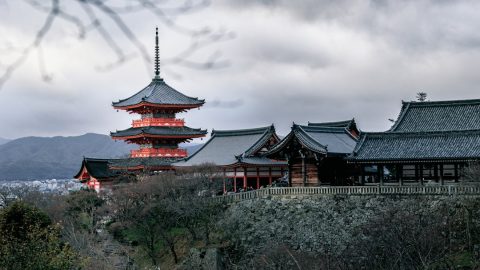
Daitoku-ji is a vast Rinzai Zen complex in northern Kyoto comprising 22 sub-temples, many with exceptional dry gardens. Korin-in, Daisen-in, and Zuiho-in feature some of Japan's finest karesansui gardens. The complex preserves a large collection of tea-ceremony art — Sen no Rikyu, the master of Japanese tea, had a teahouse here. The sub-temples are scattered across a quiet, tree-shaded precinct that feels removed from the city.
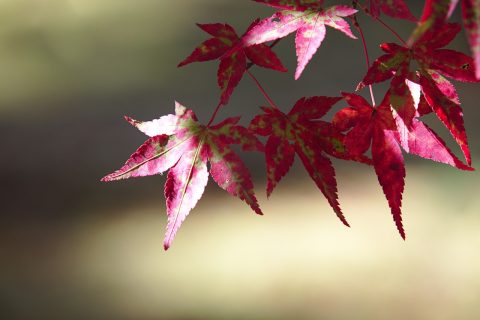
The Nanzen-ji Aqueduct is a striking red-brick Roman-style arcade built in 1890 as part of the Lake Biwa Canal project. The aqueduct cuts dramatically through the Zen temple complex of Nanzen-ji, creating a surreal juxtaposition of Meiji-era industrial engineering against ancient architecture. Visitors can walk along the top for unusual views. Seasonal plantings — wisteria in spring, maples in autumn — frame the structure beautifully.
Tips for Fountains & Public Art
- Daitoku-ji is best explored slowly; combine 2-3 open sub-temples in one visit
- The Nanzen-ji aqueduct walk takes only 15 minutes but is a unique photo opportunity
- Stone lanterns along the Philosopher's Path are lit seasonally for nighttime strolls
Kyoto has excellent public transportation connecting all major tourist areas. Buses, subway, and JR trains make navigating the city straightforward, while taxis and bicycles offer flexibility for off-route exploration.
Tips for Transportation
- Kyoto City Bus reaches nearly every attraction; Day Pass (¥700) is excellent value for 4+ rides
- Kyoto Subway has two lines (Karasuma and Tozai) — useful for Nijo Castle, Kyoto Station, and Sanjo
- JR lines connect Kyoto Station to Arashiyama (Sagano Line), Fushimi Inari (Nara Line), and Nara
- Cycling is ideal for Arashiyama and the Philosopher's Path; rental shops charge ¥800–¥1,500/day
- IC card (Suica/ICOCA) works on all buses, subway, and JR trains — load at station machines
- From Osaka: JR Shinkansen (15 min) or Hankyu/Keihan limited express (40 min)
- From Tokyo: JR Hikari Shinkansen to Kyoto (2h 40 min) from Tokyo Station
- From Kansai Airport: Haruka Express to Kyoto Station (75 min, ¥3,630)
Kyoto offers experiences found nowhere else in the world — from tea ceremony and geisha dining to early-morning temple meditation, sake tasting, and traditional craft workshops.
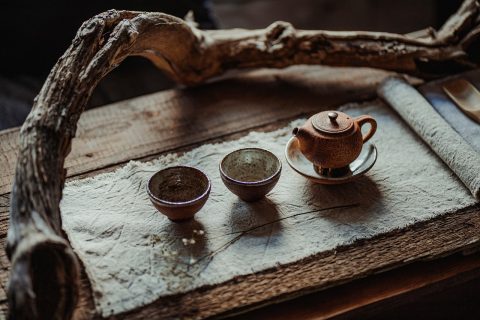
Participating in a tea ceremony (chado) is among the most meaningful cultural experiences in Kyoto. The ritual of preparing and serving matcha embodies Zen principles of harmony, respect, purity, and tranquility. Venues range from tourist-oriented sessions at Urasenke Foundation to intimate workshops with practicing tea masters. Typical experiences last 45–90 minutes and include a seasonal wagashi sweet. Many venues offer kimono rental as part of the package.
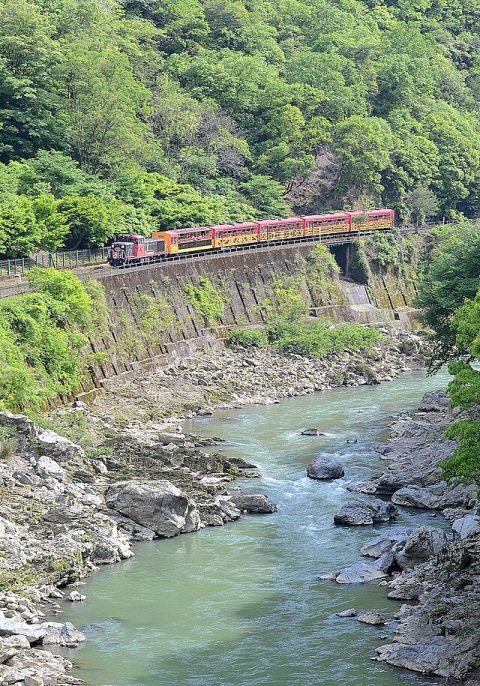
The Sagano Romantic Train runs a 7.3-kilometer scenic route through the Hozu Gorge between Torokko Saga and Torokko Kameoka stations. Open-air carriages pass dramatic river gorge scenery framed by steep forested cliffs — spectacular in autumn foliage and spring cherry blossoms. A popular option is to take the train in one direction and return by flat-bottomed boat on the Hozu River. Advance reservations strongly advised on weekends.
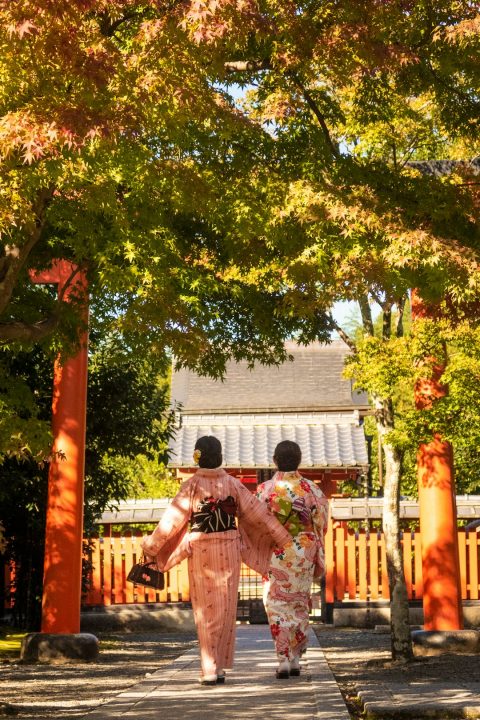
Renting a kimono for a day in Kyoto transforms the city's historic streets into a personal photo experience. Dozens of rental shops around Gion, Higashiyama, and Arashiyama offer full packages including dressing assistance, accessories, and hair styling. Prices range from ¥3,000 for a basic yukata to ¥10,000+ for formal silk kimono. Return by 6 PM is standard. Wargo and Yumeyakata are popular English-friendly chains with multiple locations.
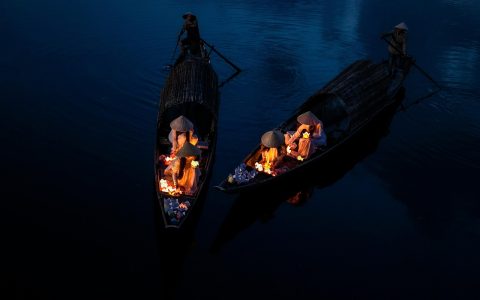
The Hozu River boat ride descends 16 kilometers from Kameoka to Arashiyama through a gorge of forested mountains and dramatic rock formations. Skilled boatmen navigate flat-bottomed wooden boats through rapids and calm pools over a 2-hour journey. The trip ends at the Arashiyama boat landing, within walking distance of the bamboo grove and Tenryu-ji. Exhilarating in spring and autumn when gorge vegetation is most vibrant. Advance online reservations required.
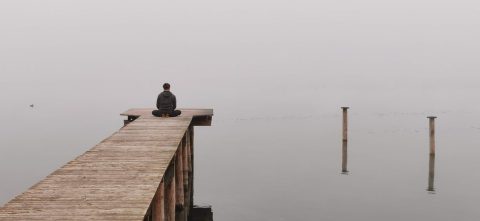
Kennin-ji, Kyoto's oldest Zen temple, offers early-morning zazen meditation sessions to the public. Participants sit in cross-legged meditation under monk guidance for 30–60 minutes in historic temple halls. Open to all regardless of Buddhist affiliation. The temple interior features a stunning ceiling mural of twin dragons by Koizumi Junsaku, painted in 2002 for the temple's 800th anniversary. Located in the heart of Gion.
Tips for Tours & Activities
- Book the Sagano Romantic Train at least 2 weeks ahead during October–November and March–April
- Tea ceremony experiences at less commercial venues require advance booking by email
- Kimono rental is best arranged online the day before — same-day walk-ins may have limited stock
- The Hozu River boat ride is weather dependent; check conditions before departing
Kyoto's central location makes it an ideal base for exploring nearby ancient capitals, mountain villages, and World Heritage Sites within 30–90 minutes by train.
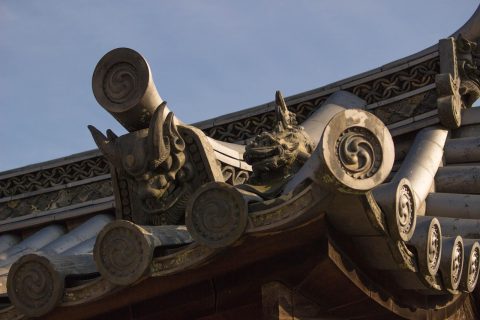
Nara, Japan's first permanent capital (710–794 AD), is 45 minutes from Kyoto by JR or Kintetsu train. Nara Park is home to over 1,200 freely roaming sacred sika deer. Todai-ji Temple houses the world's largest bronze Buddha (15 meters tall) inside the world's largest wooden building. Kasuga Taisha Shrine is famous for its 3,000 stone and bronze lanterns. Naramachi, the preserved merchant district, is ideal for craft shopping and traditional sweets.
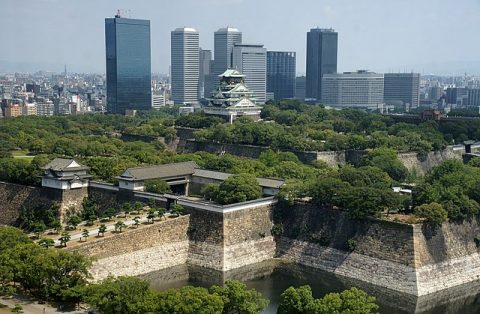
Osaka is 15 minutes from Kyoto by Shinkansen and 40 minutes by Hankyu express, making it one of Japan's most accessible day trips. The city contrasts sharply with Kyoto's contemplative elegance — Osaka is energetic, commercial, and food-obsessed. Key attractions include Osaka Castle, Dotonbori's neon-lit entertainment district, and the Kuromon Ichiba market. Osaka street food — takoyaki, okonomiyaki, kushikatsu — is legendary.
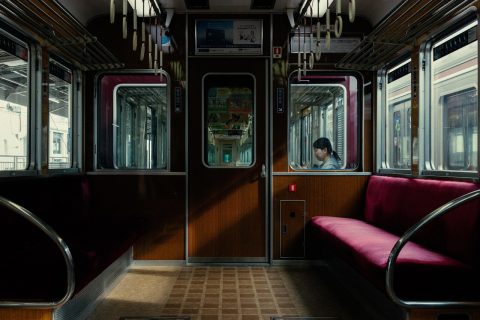
Hiroshima is 1.5 hours from Kyoto by Shinkansen and can be combined with Miyajima island in a full-day trip. The Hiroshima Peace Memorial Park and Museum bear solemn witness to the 1945 atomic bombing. Miyajima Island is famous for the floating torii gate of Itsukushima Shrine — a UNESCO World Heritage Site that appears to float on the sea at high tide. The combination of historical gravity and natural beauty makes this day trip uniquely impactful.
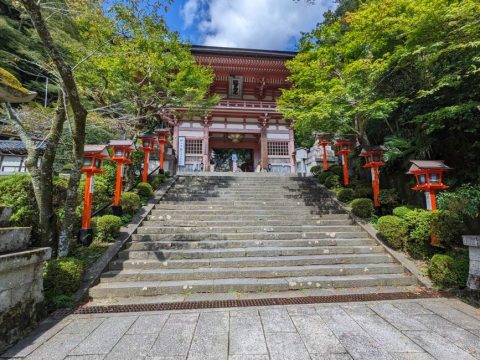
Kurama and Kibune are mountain villages just 30 minutes from central Kyoto by Eizan Railway. Kurama Temple, accessible via a steep forest hike, is set in a cedar-draped mountain believed to be home of the Tengu — Shinto mountain spirits. In summer, Kibune's restaurants serve kaiseki meals on platforms built over the cold mountain river. The trail connecting the two villages is one of Kyoto's finest half-day hikes.
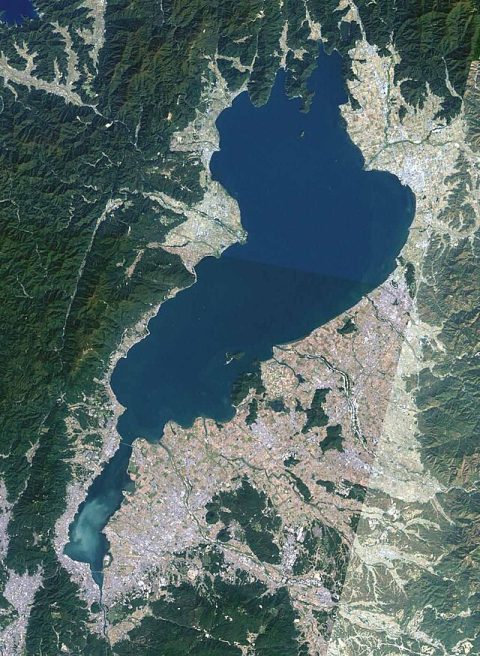
Lake Biwa is Japan's largest lake, located just 15 minutes east of Kyoto by JR train. Its shores include the castle town of Hikone with one of Japan's five original Edo-period castles, and the atmospheric canal port of Omihachiman. Cruise boats operate on the lake in summer. Lake Biwa has supplied Kyoto with drinking water since the Meiji era through the remarkable Lake Biwa Canal visible from the Nanzen-ji aqueduct.
Tips for Day Trips & Excursions
- Use the JR Pass for Shinkansen day trips to Hiroshima and Osaka
- Nara is best visited on a weekday to avoid weekend crowds at Todai-ji
- Combine Kurama and Kibune in one day — hike the 90-minute forest trail between them
- For Hiroshima/Miyajima, depart Kyoto by 7:30 AM to maximize the day
Real, highly-rated Restaurants in Kyoto, sourced from Google Places (rating above 4★).
Halal Wagyu Sukiyaki Kyoto Panga | Kyoto Halal restaurant is a highly-rated restaurant in Kyoto, rated 4.9★ from 4989 reviews. Located at Japan, 〒604-8006 Kyoto, Nakagyo Ward, Shimomaruyachō, 410|ハラルレストラン.
Opening Hours
- Monday: 5:00 – 10:30 PM
- Tuesday: 5:00 – 10:30 PM
- Wednesday: 5:00 – 10:30 PM
- Thursday: 5:00 – 10:30 PM
- Friday: 5:00 – 10:30 PM
- Saturday: 5:00 – 10:30 PM
- Sunday: 5:00 – 10:30 PM
The Wagyu Burger by PANGA | Kyoto halal restaurant is a highly-rated restaurant in Kyoto, rated 4.9★ from 1926 reviews. Located at Japan, 〒604-8006 Kyoto, Nakagyo Ward, Shimomaruyachō, 406 1F.
Opening Hours
- Monday: 12:30 – 3:00 PM, 5:00 – 9:00 PM
- Tuesday: 12:30 – 3:00 PM, 5:00 – 9:00 PM
- Wednesday: 12:30 – 3:00 PM, 5:00 – 9:00 PM
- Thursday: 12:30 – 3:00 PM, 5:00 – 9:00 PM
- Friday: 12:30 – 3:00 PM, 5:00 – 9:00 PM
- Saturday: 12:00 – 2:30 PM, 5:00 – 8:30 PM
- Sunday: 12:00 – 2:30 PM, 5:00 – 8:30 PM
MABRUR HALAL DINING Kyoto is a highly-rated restaurant in Kyoto, rated 4.9★ from 2454 reviews. Located at Japan, 〒604-8004 Kyoto, Nakagyo Ward, Nakajimachō, 98 御所飴ビル 2階.
Opening Hours
- Monday: 12:00 – 10:30 PM
- Tuesday: 12:00 – 10:30 PM
- Wednesday: 12:00 – 10:30 PM
- Thursday: 12:00 – 10:30 PM
- Friday: 4:00 – 10:30 PM
- Saturday: 11:30 AM – 10:30 PM
- Sunday: 11:30 AM – 10:30 PM
Explore Kyoto on the Map
Best Time to Visit Kyoto
| Season | Months | Highlights | Crowds |
|---|---|---|---|
| Spring | Late March – April | Cherry blossoms, ideal 15–22°C | Very high |
| Early Summer | May – June | Fresh greenery, hydrangeas, Aoi Matsuri (May 15) | Moderate |
| Summer | July – August | Gion Matsuri (July), fireflies; very hot 35°C+, humid | High |
| Autumn | Mid-October – November | Spectacular maple foliage, mild 15–25°C | Very high |
| Winter | December – February | Snow-dusted temples, fewer crowds, illumination events | Low |
Best compromise: May (post-cherry blossoms, pre-summer crowds) or early November (foliage beginning, pre-peak). Both offer excellent weather and manageable visitor numbers.
Getting Around Kyoto
Arriving in Kyoto
- From Tokyo: JR Hikari Shinkansen (2h 40 min); JR Pass holders use Hikari, not Nozomi
- From Osaka: JR Shinkansen (15 min) or Hankyu/Keihan limited express (40–50 min, cheaper)
- From Kansai Airport: Haruka Express to Kyoto Station (75 min, ¥3,630)
Getting Around the City
- Kyoto City Bus: Covers all major tourist areas. Day Pass ¥700; single ride ¥230. Use IC card for convenience.
- Subway: Two lines — Karasuma (N–S) and Tozai (E–W). Covers Kyoto Station, Nijo Castle, and Keage.
- JR Sagano Line: Kyoto Station to Saga-Arashiyama (15 min, ¥240).
- Eizan Railway: Demachiyanagi to Kurama/Kibune (30 min, ¥420).
- Keihan Line: Demachiyanagi to Fushimi Inari (10 min). Also serves Osaka.
- Bicycle: Flat central Kyoto is ideal. Rentals ¥800–¥1,500/day near major stations.
- Taxi: MK Taxi offers English-speaking drivers and flat sightseeing rates.
✈️ Airport Transfer
Kansai International Airport (KIX) to city center:
- JR Haruka Express: Direct limited express train to Kyoto Station in about 75 minutes, around 3400 yen one way
- Airport Limousine Bus: Direct coach to Kyoto Station in roughly 90 minutes, about 2800 yen one way
- Private Transfer: Door-to-door car service to central Kyoto hotels in about 75 minutes, typically 20000 to 25000 yen per vehicle
- Taxi: Metered taxi to central Kyoto takes around 80 minutes and costs approximately 25000 to 30000 yen
Shopping in Kyoto
What to Buy
- Nishijin-ori textiles: Hand-woven silk brocade used in fine kimono. Available at the Nishijin Textile Center and specialist shops in the Nishijin district.
- Kyo-yaki ceramics: Kyoto's distinctive painted pottery, sold in Higashiyama and at Kiyomizu-dera shops.
- Matcha products: High-grade ceremonial matcha and sweets at Ippodo Tea (est. 1717) near the Imperial Palace.
- Wagashi: Seasonal confections at Suetomi, Kagizen Yoshifusa, and Toraya.
- Japanese kitchen knives: Aritsugu, established 1560, in Nishiki Market sells world-class hocho knives.
- Incense: Shoyeido in Karasuma has produced fine koh incense for Kyoto temples since 1705.
Shopping Areas
- Nishiki Market: Food, condiments, kitchen tools, ceramics
- Teramachi-dori: Antiques, Buddhist goods, art supplies
- Kawaramachi-Shijo: Mainstream shopping, department stores (Takashimaya, Daimaru)
- Arashiyama: Bamboo crafts, tofu products, handmade paper
Kyoto Festivals & Annual Events
- Setsubun (Feb 3): Bean-throwing ceremony at temples and shrines; geisha performances at Yasaka Shrine.
- Aoi Matsuri (May 15): One of Kyoto's three great festivals — 500 Heian-costumed participants process from the Imperial Palace to Kamigamo Shrine. Free to watch along the route.
- Gion Matsuri (entire July): Japan's most famous festival — elaborate float processions (Yamahoko-junko) on July 17 and 24, plus evening street fairs (yoiyama) on preceding nights. Naginata floats feature live traditional music.
- Gozan Okuribi (Aug 16): Five mountainsides around Kyoto are lit with giant bonfires in Chinese characters to guide ancestral spirits home. Best viewed from the Kamo River banks.
- Jidai Matsuri (Oct 22): Procession of 2,000 participants in period costumes spanning Kyoto's 1,200-year history, departing from the Imperial Palace.
- Arashiyama Hanatouro (Dec): Nighttime illumination of the bamboo grove, Togetsu-kyo bridge, and temple paths with thousands of lanterns.
Sample Kyoto Itineraries
Day 1: Arashiyama & Western Kyoto
- 7:00 AM: Arashiyama Bamboo Grove at dawn
- 8:30 AM: Tenryu-ji Garden opens
- 10:00 AM: Jojakko-ji and hillside temples
- 12:00 PM: Tofu lunch at a riverside restaurant
- 2:00 PM: Sagano Romantic Train to Kameoka
- 5:00 PM: Sunset over Togetsu-kyo Bridge
Day 2: Eastern Kyoto (Higashiyama)
- 7:30 AM: Fushimi Inari Taisha — summit hike
- 11:00 AM: Kiyomizu-dera Temple
- 12:30 PM: Lunch in Ninenzaka
- 2:00 PM: Chion-in and Shoren-in temples
- 4:00 PM: Gion / Hanamikoji Street exploration
- 6:00 PM: Dinner in Pontocho alley
Day 3: Northern Kyoto (Temple Circuit)
- 8:30 AM: Kinkaku-ji (Golden Pavilion)
- 10:00 AM: Ryoan-ji Rock Garden
- 11:30 AM: Ninna-ji Temple and pagoda
- 1:00 PM: Lunch in Kitayama area
- 2:30 PM: Daitoku-ji sub-temples
- 4:30 PM: Philosopher's Path north end
- 6:00 PM: Ginkaku-ji and surrounding district
Day 4: Central Kyoto & Cultural Experiences
- 9:00 AM: Nijo Castle
- 11:00 AM: Nishiki Market tasting walk
- 12:30 PM: Lunch near Kawaramachi
- 2:00 PM: Tea ceremony experience (book in advance)
- 4:00 PM: Kyoto Imperial Palace Park
- 6:30 PM: Kimono evening walk in Gion
Day 5: Day Trip to Nara
- 8:30 AM: JR Nara Line to Nara (45 min)
- 9:30 AM: Nara Park and Todai-ji
- 11:00 AM: Kasuga Taisha Shrine
- 12:30 PM: Lunch in Naramachi
- 2:00 PM: Kofuku-ji and national museum
- 4:30 PM: Return to Kyoto
- 7:00 PM: Farewell kaiseki dinner
Best Photography Locations in Kyoto
- Fushimi Inari Taisha: The torii gate tunnels are best at dawn (5:30–7 AM) or after dark. Venture beyond the first few hundred meters for atmospheric depth and fewer crowds.
- Arashiyama Bamboo Grove: Pre-dawn (before 7 AM) is the only time for near-empty paths. Overcast skies produce diffused light ideal for bamboo photography.
- Kinkaku-ji Reflection Pond: The Golden Pavilion reflects perfectly on calm, cloudless mornings. Arrive when gates open (9 AM) for the best light angles.
- Ninenzaka / Sannenzaka: Late afternoon light (4–5 PM) warms the stone paving. Light rain transforms the lanes with beautiful reflections.
- Pontocho at Night: Lantern-lit at dusk with the Kamo River backdrop; best at blue hour (30 min after sunset).
- Maruyama Park Weeping Cherry: Illuminated nightly during sakura season. Shoot from directly below looking up for the most dramatic composition.
- Tofuku-ji in Autumn: The Tsutenkyo Bridge framed by crimson maples is Kyoto's most spectacular autumn image; peak color mid-November. Arrive before 8 AM.
- Philosopher's Path in Spring: The canal tunnel of cherry blossoms reflects in still water; best light 7–9 AM before petals fall.
Electricity & Practical Technical Information
- Voltage: 100V (Japan uses the lowest voltage in the world)
- Frequency: 60 Hz in western Japan (Kyoto, Osaka)
- Plug type: Type A (two flat parallel pins) — same as North American plugs
- Adapter needed: European (Type C/E/F), UK (Type G), and Australian (Type I) travelers need a Type A adapter. Most modern electronics handle 100–240V natively — check your device label.
- USB charging: Available at Kyoto Station, major hotels, and most cafes. USB-C increasingly common in newer facilities.
- Phone connectivity: Pocket WiFi rental (¥300–¥800/day at Kyoto Station) or local SIM card recommended for navigation. IIJmio and DOCOMO offer tourist SIMs at the airport.
Kyoto Food Guide
Must-Try Dishes
- Kaiseki (懐石): Kyoto's refined multi-course haute cuisine — the pinnacle of Japanese culinary art. A formal kaiseki dinner ranges from ¥15,000–¥50,000 per person.
- Kyo-ryori: Kyoto-style cuisine emphasizing seasonal vegetables, tofu, and delicate dashi-based broths. Less formal than kaiseki but equally focused on quality.
- Yudofu & Yuba: Kyoto-style simmered tofu and tofu skin — world-class at Arashiyama's tofu restaurants and in Higashiyama.
- Obanzai: Kyoto home-style small plates — simmered vegetables, pickled dishes, fish cakes — served in casual izakayas.
- Nishin soba: Buckwheat noodles topped with simmered herring — a Kyoto specialty at Menwa Yoshimura.
- Matcha sweets: Parfaits, mochi, and soft-serve ice cream throughout the city; Gion Tsujiri and Nakamura Tokichi are among the finest.
- Tsukemono (pickles): Kyoto pickles using seasonal vegetables are a staple souvenir; Nishiki Market has the best selection.
Where to Eat
- Budget (under ¥1,500): Nishiki Market stalls, ramen shops near Kyoto Station, soba restaurants citywide.
- Mid-range (¥1,500–¥5,000): Izakayas in Gion, tofu kaiseki lunch sets in Arashiyama, obanzai in Pontocho.
- Splurge (¥10,000+): Kaiseki at Kikunoi or Nakamura — reserve months in advance.
Tourist Passes
Kyoto City Bus & Subway One-Day Pass
Unlimited rides on all Kyoto City buses and the Kyoto Municipal Subway for one day. Cost: ¥1,100 adults. The bus-only day pass (¥700) covers most tourist areas and is excellent value for 4+ bus rides in a day. Available at Kyoto Station Tourist Information Center and subway ticket machines.
www2.city.kyoto.lg.jpKansai Thru Pass (Kansai Area Pass)
2-day (¥4,480) or 3-day (¥5,600) pass covering unlimited rides on most private railways, subways, and buses in Kansai — including Kyoto, Osaka, Kobe, and Nara. Does not cover JR lines. Ideal for visitors staying exclusively in Kansai. Available at Kansai Airport and major tourist offices.
www.surutto.comJR Kansai Area Pass
1-day to 4-day passes for unlimited JR trains in the Kansai region, covering Kyoto, Osaka, Nara, and Kobe. Does not cover Shinkansen. Cost: ¥2,400 (1-day) to ¥8,000 (4-day). Available at JR Ticket offices and Kansai Airport. Ideal for day trips to surrounding cities by JR.
www.westjr.co.jpJapan Rail Pass (JR Pass)
Nationwide JR Pass covers all JR Shinkansen (except Nozomi and Mizuho), limited express, and local trains across Japan. 7-day ¥50,000, 14-day ¥80,000, 21-day ¥100,000. Cost-effective for Tokyo–Kyoto–Hiroshima routes. Must be purchased outside Japan or online before travel. Covers the Haruka Express from Kansai Airport.
www.japanrailpass.net